Pain Relief Therapy: A Comprehensive Approach to Managing Pain and Restoring Mobility
Pain can affect every aspect of daily life, from simple household tasks to work, exercise, and sleep. Whether it develops suddenly after an injury or gradually because of a chronic condition, ongoing discomfort can reduce mobility, limit independence, and impact overall well-being. Fortunately, pain relief therapy offers effective, non-invasive solutions that help reduce pain, restore function, and improve quality of life.
Rather than simply masking symptoms, pain relief therapy focuses on identifying and treating the underlying cause of discomfort. As a result, many individuals experience lasting improvements in movement, strength, and physical function. Furthermore, personalized treatment plans encourage long-term recovery while helping prevent future injuries.
What Is Pain Relief Therapy?
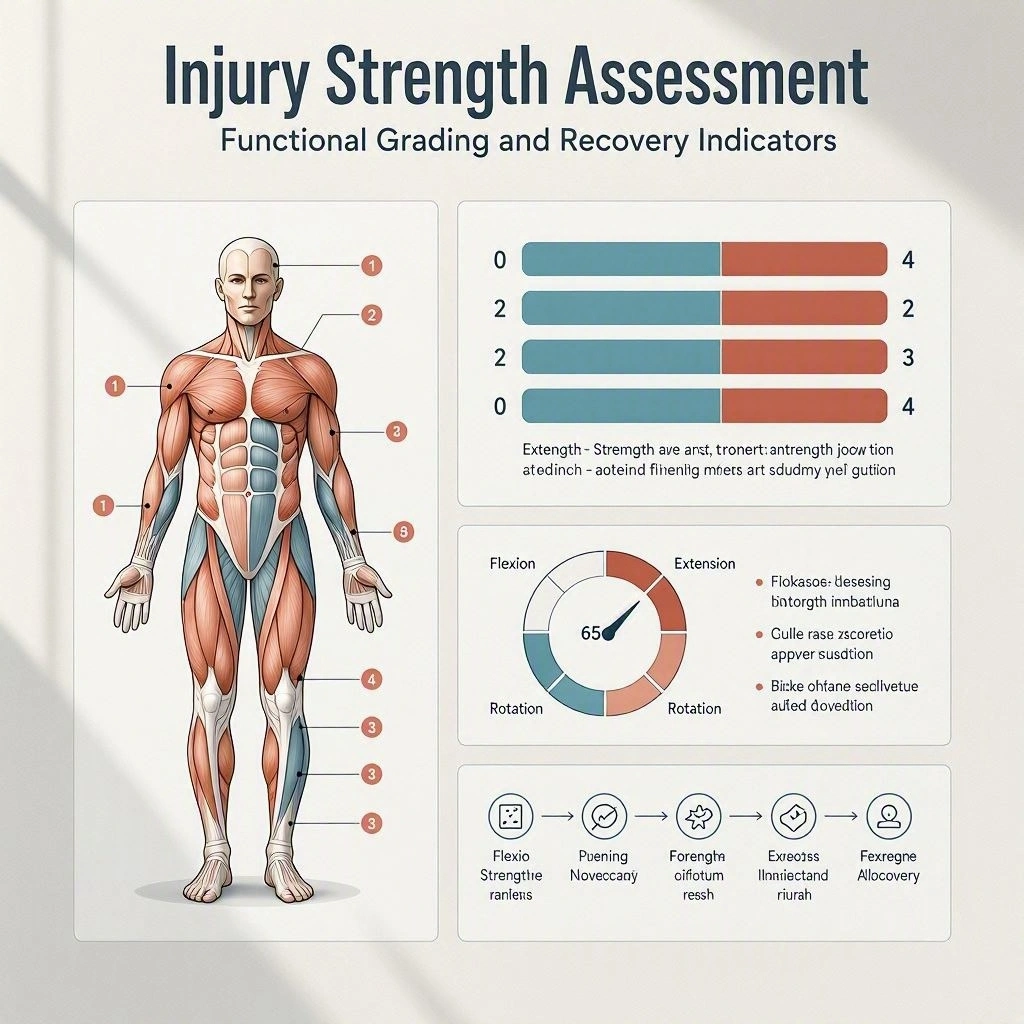
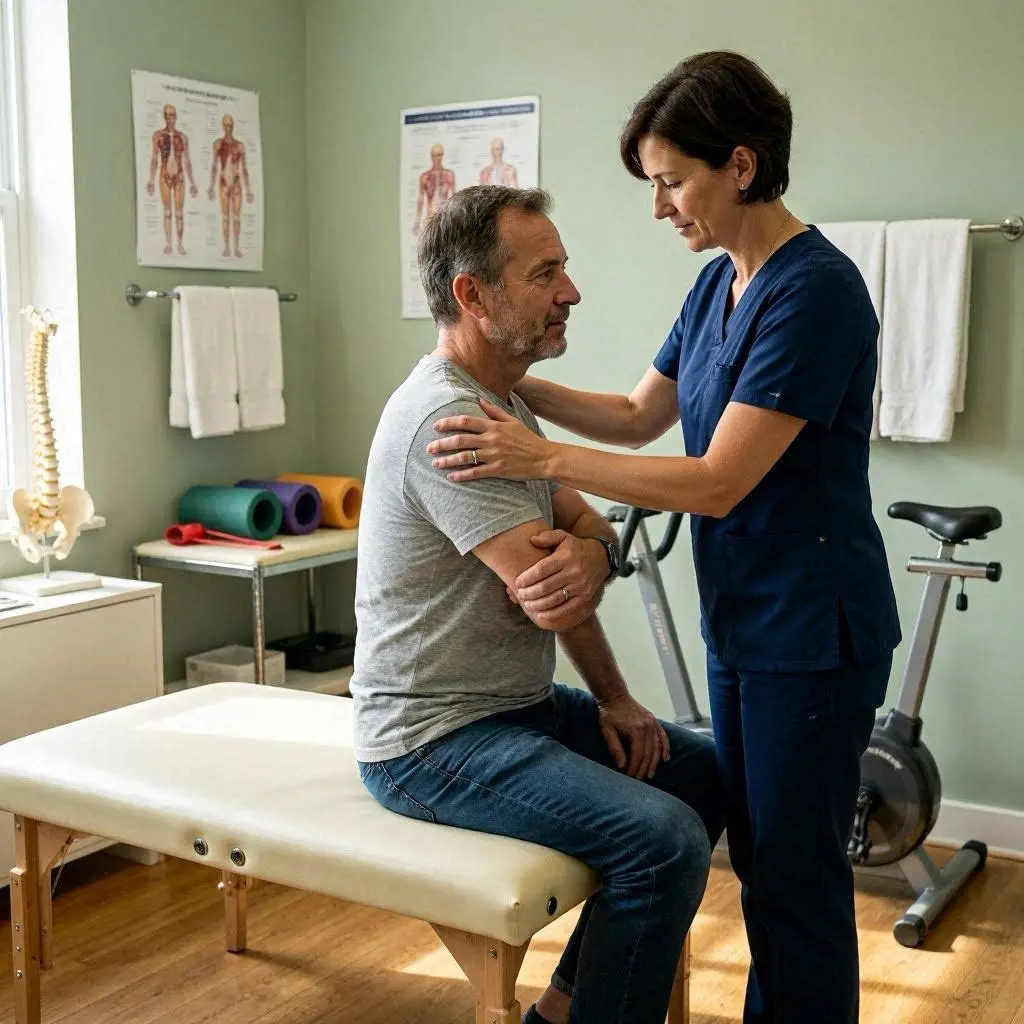
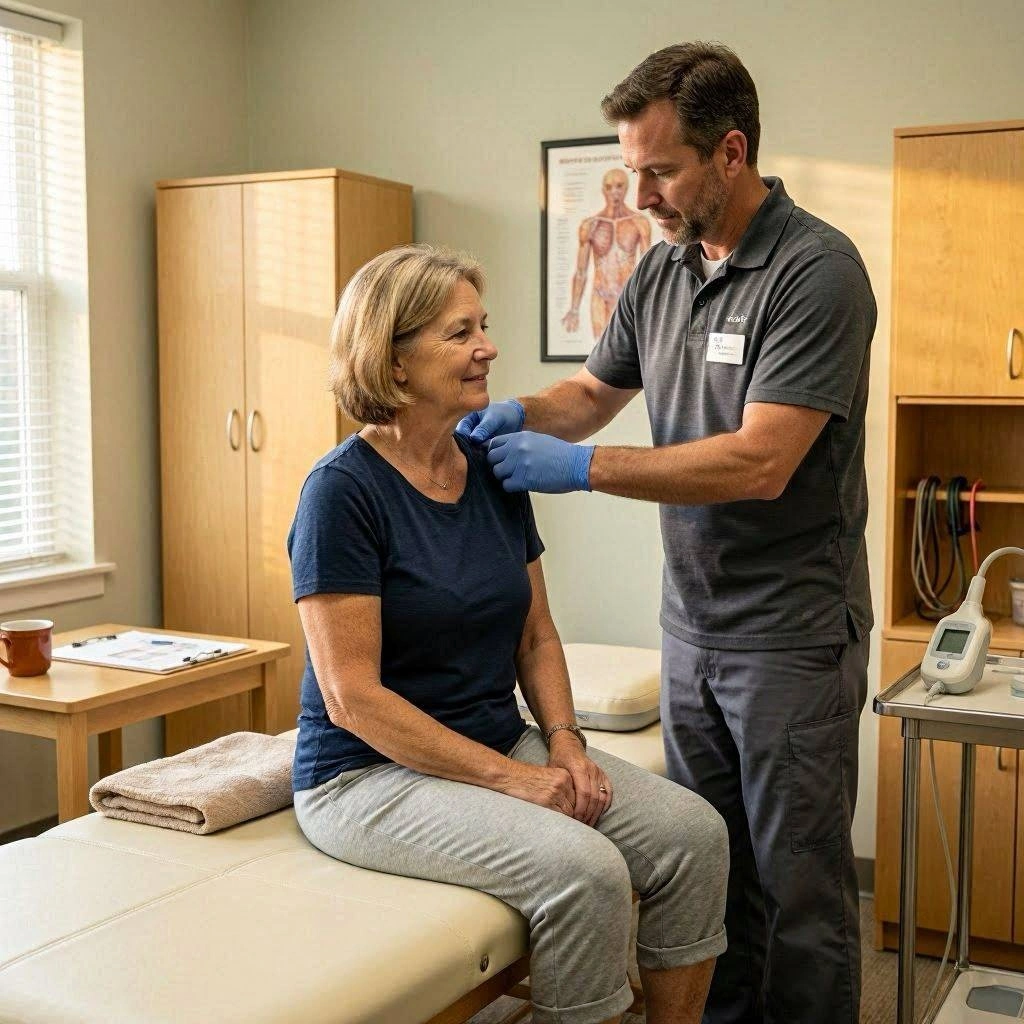
Pain relief therapy is a personalized treatment approach designed to reduce pain, improve mobility, and restore normal body function. Healthcare professionals begin with a comprehensive assessment that includes reviewing medical history, evaluating posture, testing joint mobility, measuring muscle strength, and identifying movement limitations.
After the assessment, an individualized treatment plan is developed based on the patient’s condition, lifestyle, and recovery goals.
Pain relief therapy may include:
-
Manual therapy
-
Chiropractic care
-
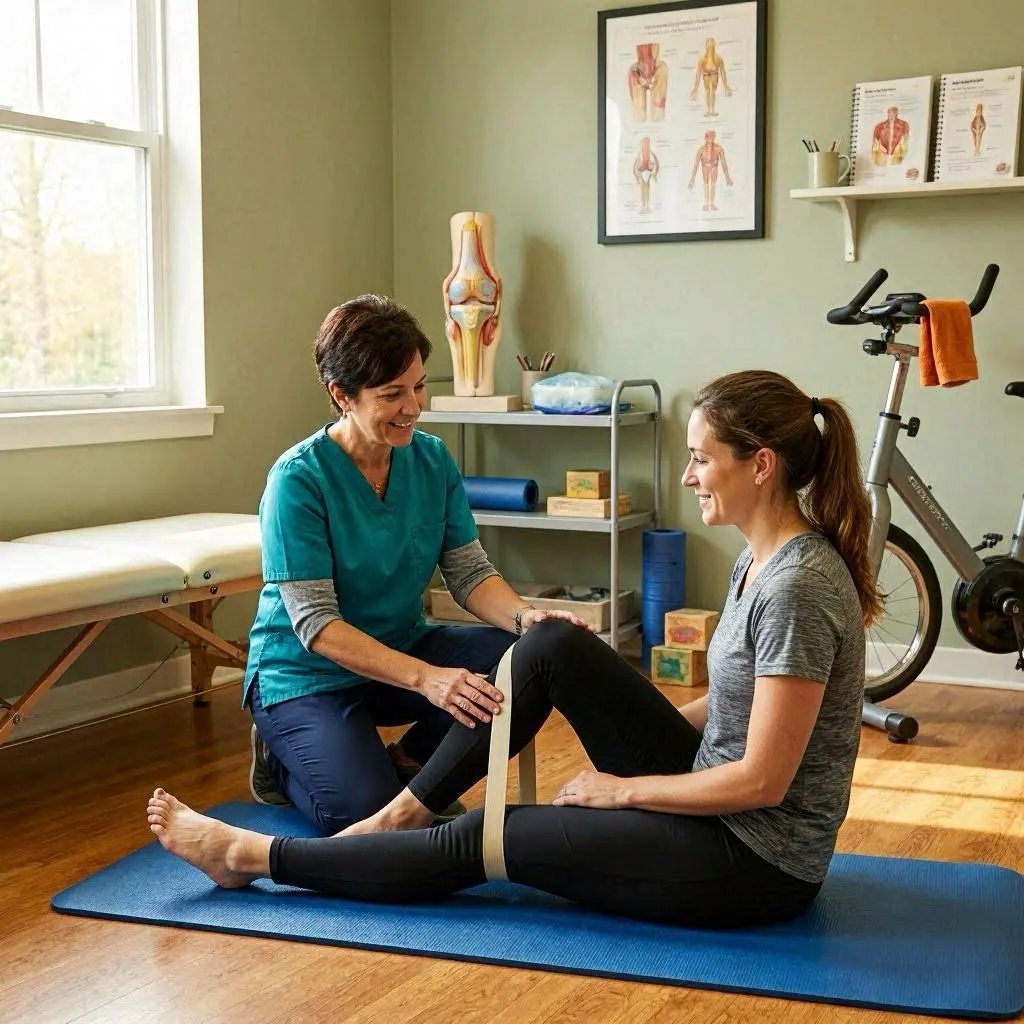
Therapeutic exercises
-
Stretching programs
-
Joint mobilization
-
Soft tissue therapy
-
Postural correction
-
Balance and coordination training
-
Heat or cold therapy
-
Lifestyle and ergonomic advice
Ultimately, the objective is to relieve pain, improve movement, promote healing, and support long-term wellness.
Common Conditions Treated with Pain Relief Therapy
Pain relief therapy can help manage many musculoskeletal conditions. Although every patient is different, treatment is commonly recommended for the following concerns.
Back Pain
Lower and upper back pain frequently result from muscle strain, poor posture, spinal dysfunction, or repetitive movements. Consequently, personalized therapy can reduce discomfort while restoring healthy spinal movement.
Neck Pain
Neck pain often develops because of prolonged computer use, poor posture, stress, or minor injuries. Through targeted treatment, patients can improve flexibility while reducing muscle tension.
Joint Pain
Pain affecting the shoulders, hips, knees, ankles, and wrists may limit daily activities. Therefore, improving joint mobility and strengthening surrounding muscles often helps restore comfortable movement.
Sports Injuries
Athletes regularly experience muscle strains, ligament injuries, tendon problems, and joint dysfunction. Early rehabilitation encourages safe recovery and supports a gradual return to activity.
Arthritis
Individuals living with arthritis often experience pain, stiffness, and reduced mobility. While therapy cannot cure arthritis, it can improve joint function, increase flexibility, and enhance daily comfort.
Muscle Tension and Soft Tissue Injuries
Muscle tightness, trigger points, and soft tissue injuries can significantly affect movement. Accordingly, hands-on treatment and stretching help relax muscles and promote healing.
Benefits of Pain Relief Therapy
Reduces Pain Naturally
One of the primary goals of pain relief therapy is to reduce pain without relying solely on medication. Manual techniques, rehabilitation exercises, and movement correction work together to address the source of discomfort.
Improves Mobility
Restricted joints and tight muscles often make everyday activities difficult. Consequently, therapy improves flexibility and restores a healthier range of motion.
Restores Physical Function
Improving strength, coordination, and flexibility helps patients return to work, sports, and daily activities more comfortably. In addition, better movement reduces physical limitations.
Supports Long-Term Recovery (Pain Relief Therapy)
Instead of providing only temporary relief, therapy addresses contributing factors that increase the risk of recurring pain. Therefore, patients often experience lasting improvements.
Enhances Quality of Life
Living with less pain allows individuals to stay active, participate in hobbies, and maintain greater independence. As a result, emotional well-being often improves alongside physical health.
Techniques Used in Pain Relief Therapy
Manual Therapy
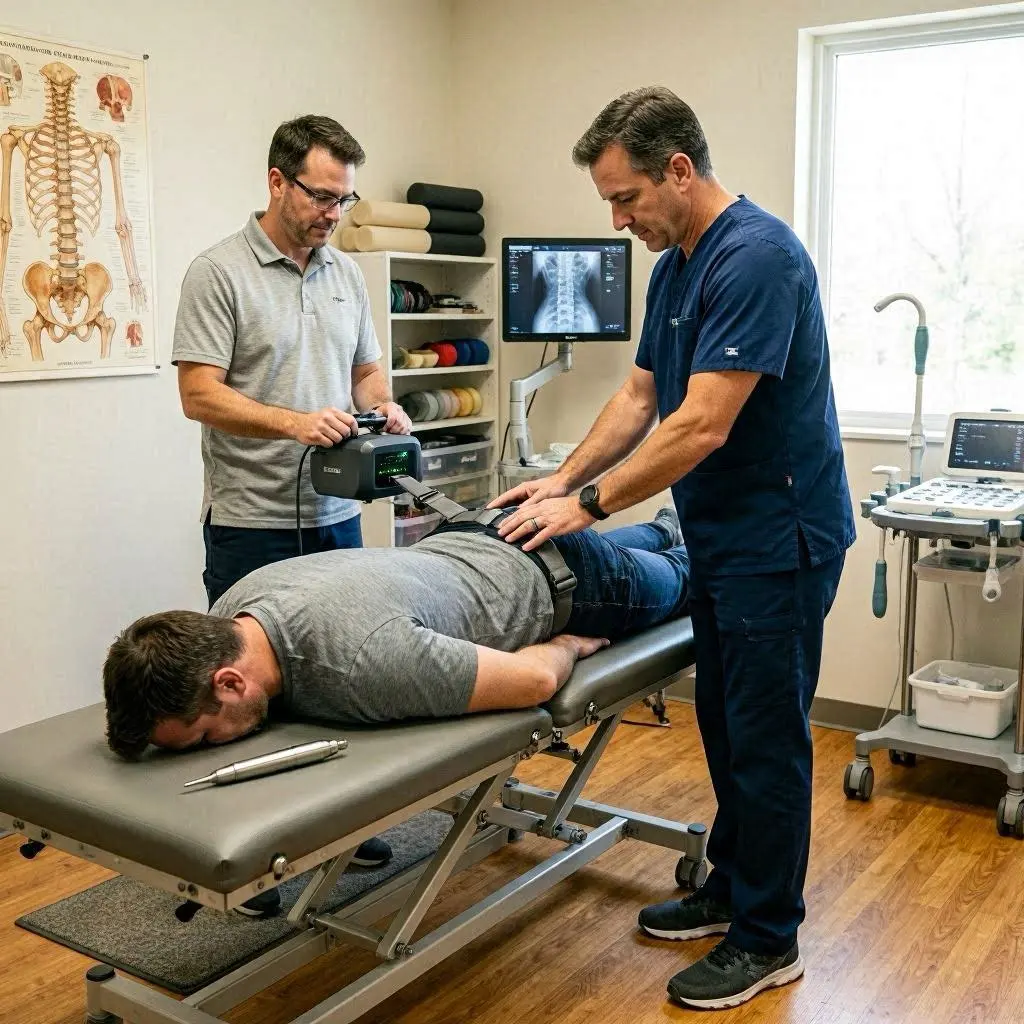
Hands-on treatment improves joint mobility, reduces muscle tightness, and promotes circulation. Furthermore, manual therapy complements rehabilitation exercises by restoring normal movement.
Therapeutic Exercise
Customized exercise programs strengthen muscles, improve endurance, and increase flexibility. Over time, these exercises support healthier movement patterns and reduce the likelihood of future injuries.
Joint Mobilization
Gentle mobilization techniques increase movement in stiff joints while reducing discomfort. Consequently, patients often experience greater mobility during daily activities.
Stretching Programs (Pain Relief Therapy)
Regular stretching reduces muscle tension while improving flexibility. Likewise, consistent stretching supports healthy posture and efficient movement.
Postural Correction
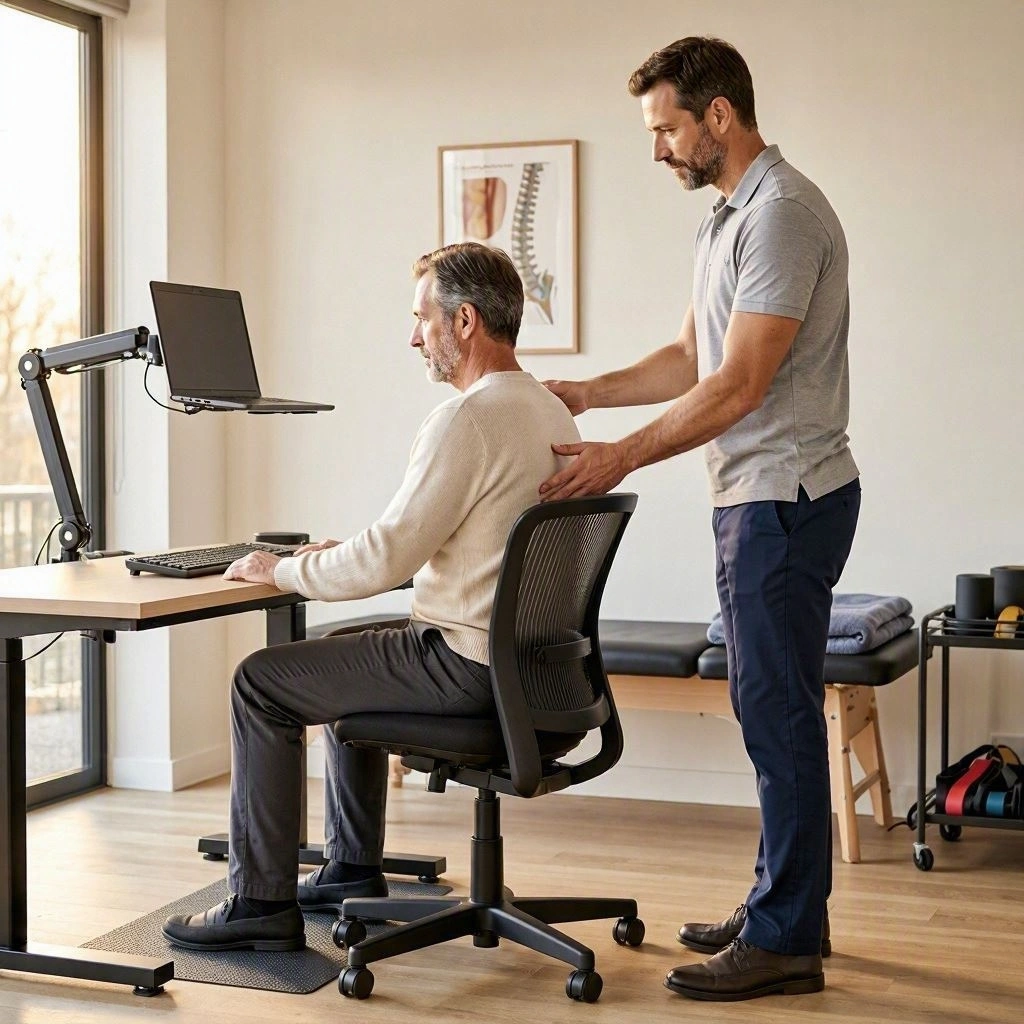
Poor posture contributes to many painful conditions. For this reason, therapists provide education and exercises that promote healthier body mechanics throughout the day.
Soft Tissue Therapy
Soft tissue techniques target muscles, tendons, and connective tissues affected by tension or injury. As healing progresses, patients frequently notice improved comfort and movement.
The Importance of Personalized Treatment
Every individual experiences pain differently. Therefore, effective pain relief therapy begins with a detailed assessment rather than a one-size-fits-all approach.
A personalized treatment plan considers several factors, including:
-
Medical history
-
Type and location of pain
-
Activity level
-
Occupation
-
Lifestyle
-
Recovery goals
-
Existing medical conditions
By tailoring treatment to each patient, healthcare professionals can provide more effective care and better long-term results.
Supporting Recovery at Home
Professional treatment works best when combined with healthy habits outside the clinic. For example, completing prescribed home exercises helps maintain progress between appointments.
Patients are also encouraged to:
-
Stay physically active.
-
Maintain good posture.
-
Lift objects safely.
-
Stretch regularly.
-
Drink enough water.
-
Eat a balanced diet.
-
Sleep on a supportive mattress.
-
Take breaks during prolonged sitting.
-
Manage stress effectively.
-
Follow professional advice consistently.
Most importantly, maintaining these habits supports lasting recovery.
When Should You Seek Professional Care?
Although occasional aches may improve with rest, persistent pain should not be ignored. Consider seeking professional evaluation if you experience:
-
Pain lasting longer than a few days
-
Limited joint movement
-
Persistent muscle tightness
-
Pain after sports or workplace injuries
-
Difficulty performing everyday activities
-
Frequent episodes of back or neck pain
-
Joint stiffness that affects mobility
Early assessment often prevents small problems from becoming chronic conditions.
Why Choose Professional Pain Relief Therapy?
Choosing professional treatment provides several important benefits. First, healthcare providers identify the underlying cause of pain rather than treating symptoms alone. Next, individualized treatment plans focus on restoring healthy movement patterns and improving physical function. Moreover, patients receive education that helps prevent future injuries and maintain long-term wellness.
Evidence-based treatment techniques, combined with patient participation, create a comprehensive recovery plan that supports both immediate pain relief and lasting health.
Conclusion (Pain Relief Therapy)
Pain relief therapy provides a safe, personalized, and effective approach to reducing pain, restoring mobility, and improving overall quality of life. Through manual therapy, therapeutic exercise, joint mobilization, posture correction, stretching, and healthy lifestyle guidance, patients can achieve meaningful improvements in movement and physical function.
Whether you are recovering from an injury, managing chronic pain, living with arthritis, or seeking better mobility, pain relief therapy offers practical solutions that support long-term wellness. By combining professional care with consistent home exercises and healthy daily habits, you can reduce discomfort, regain confidence in movement, and enjoy a healthier, more active lifestyle.