Nerve Pain Relief: Effective Treatments for Lasting Comfort and Better Mobility
Nerve pain can significantly affect your quality of life, making everyday activities such as walking, sitting, sleeping, or working uncomfortable. Unlike muscle soreness or joint pain, nerve pain often feels sharp, burning, tingling, or electric-like. It may develop suddenly after an injury or gradually because of chronic conditions affecting the nervous system. Fortunately, achieving nerve pain relief is possible with early diagnosis, personalized treatment, and healthy lifestyle habits.
A comprehensive approach to nerve pain focuses on identifying the underlying cause rather than simply masking symptoms. Through chiropractic care, physical rehabilitation, therapeutic exercise, posture correction, and patient education, many individuals experience reduced pain, improved mobility, and better overall function.
What Is Nerve Pain?
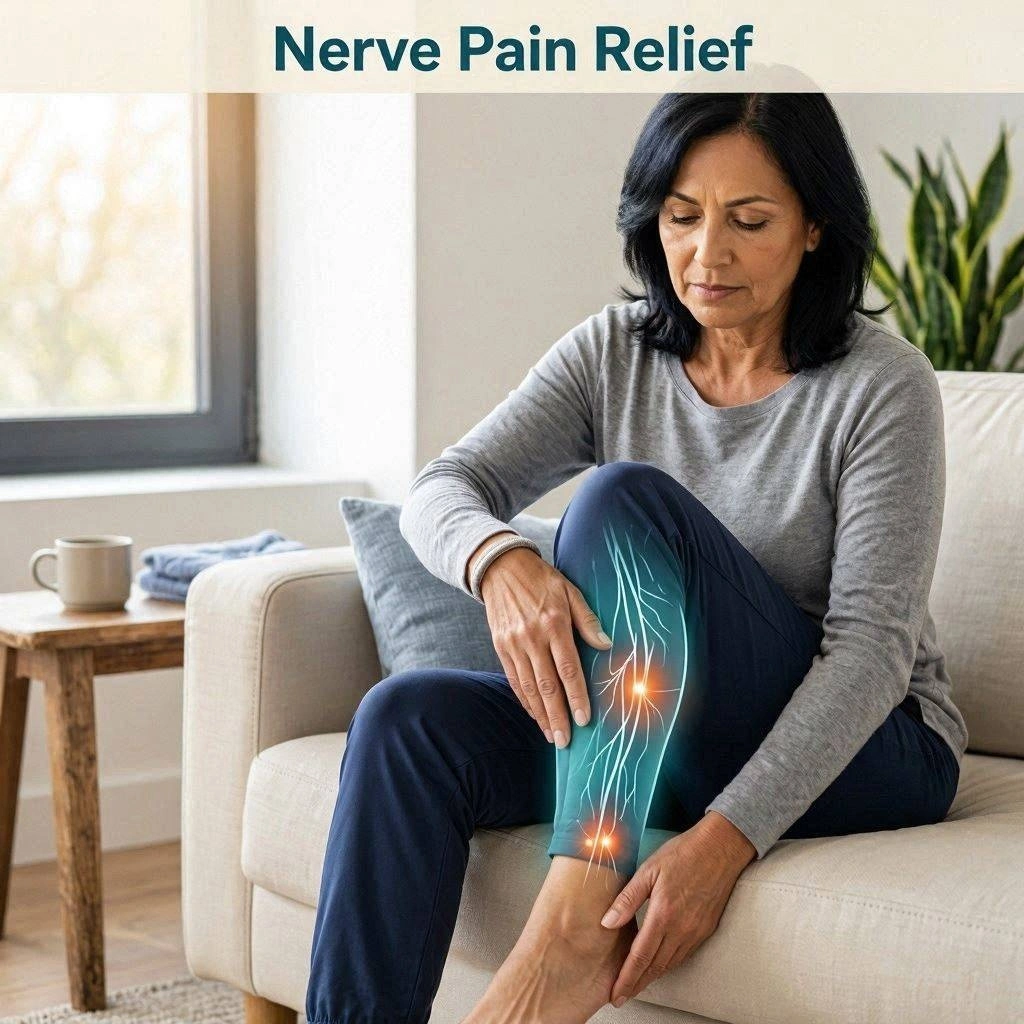
Nerve pain, also known as neuropathic pain, occurs when a nerve becomes irritated, compressed, inflamed, or damaged. Because nerves transmit signals between the brain, spinal cord, and the rest of the body, even minor irritation can cause significant discomfort.
Depending on the affected nerve, symptoms may appear in the neck, back, shoulders, arms, hands, hips, legs, or feet.
Unlike pain caused by strained muscles, nerve pain often follows the path of the affected nerve and may radiate into nearby areas.
Common Causes of Nerve Pain
Several conditions may contribute to nerve irritation or compression.
Herniated Disc
A bulging or herniated spinal disc may press against nearby nerves, causing pain, numbness, or tingling.
Sciatica
Sciatica develops when the sciatic nerve becomes compressed or irritated, producing pain that travels from the lower back into the buttock and leg.
Spinal Degeneration (Nerve Pain Relief)
Age-related changes in the spine may narrow spaces around nerves, leading to chronic irritation.
Repetitive Movements
Repeated motions at work or during sports can place stress on nerves over time.
Injuries
Falls, car accidents, and sports injuries may damage or compress nerves.
Medical Conditions
Conditions such as diabetes, shingles, infections, or certain autoimmune disorders can also contribute to nerve pain.
Symptoms of Nerve Pain (Nerve Pain Relief)
Symptoms vary depending on the location and severity of nerve involvement.
Common symptoms include:
-
Sharp or shooting pain
-
Burning sensations
-
Tingling or “pins and needles”
-
Numbness
-
Muscle weakness
-
Electric shock-like pain
-
Increased sensitivity to touch
-
Pain that radiates into the arms or legs
-
Reduced balance or coordination
-
Difficulty performing daily activities
Persistent symptoms should always be evaluated by a healthcare professional.
How Nerve Pain Is Diagnosed
Accurate diagnosis is essential because many conditions can produce similar symptoms.
Your healthcare provider may perform:
-
Medical history review
-
Physical examination
-
Neurological assessment
-
Muscle strength testing
-
Reflex evaluation
-
Sensation testing
-
Posture assessment
-
Functional movement analysis
-
Imaging studies such as MRI or CT scans when appropriate
This information helps identify the source of nerve irritation and guides treatment.
Chiropractic Care for Nerve Pain Relief (Nerve Pain Relief)
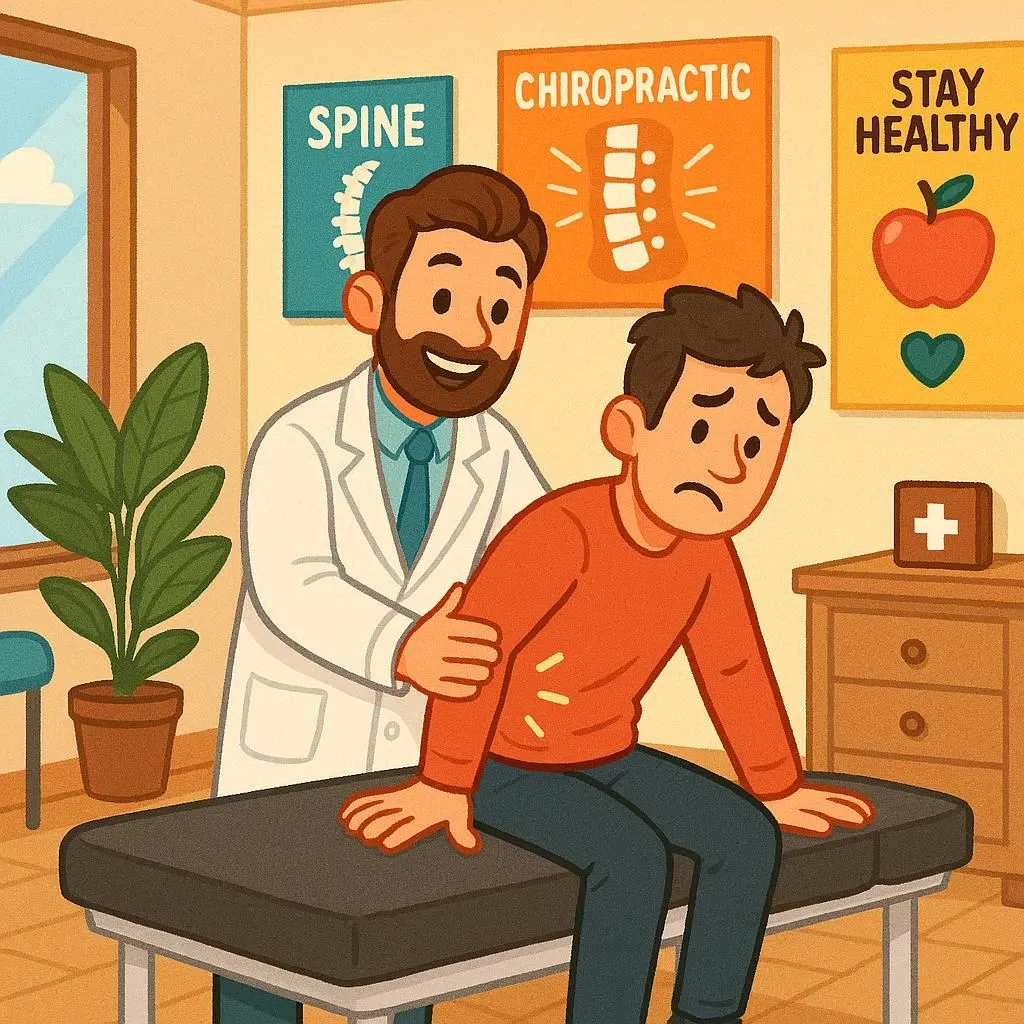
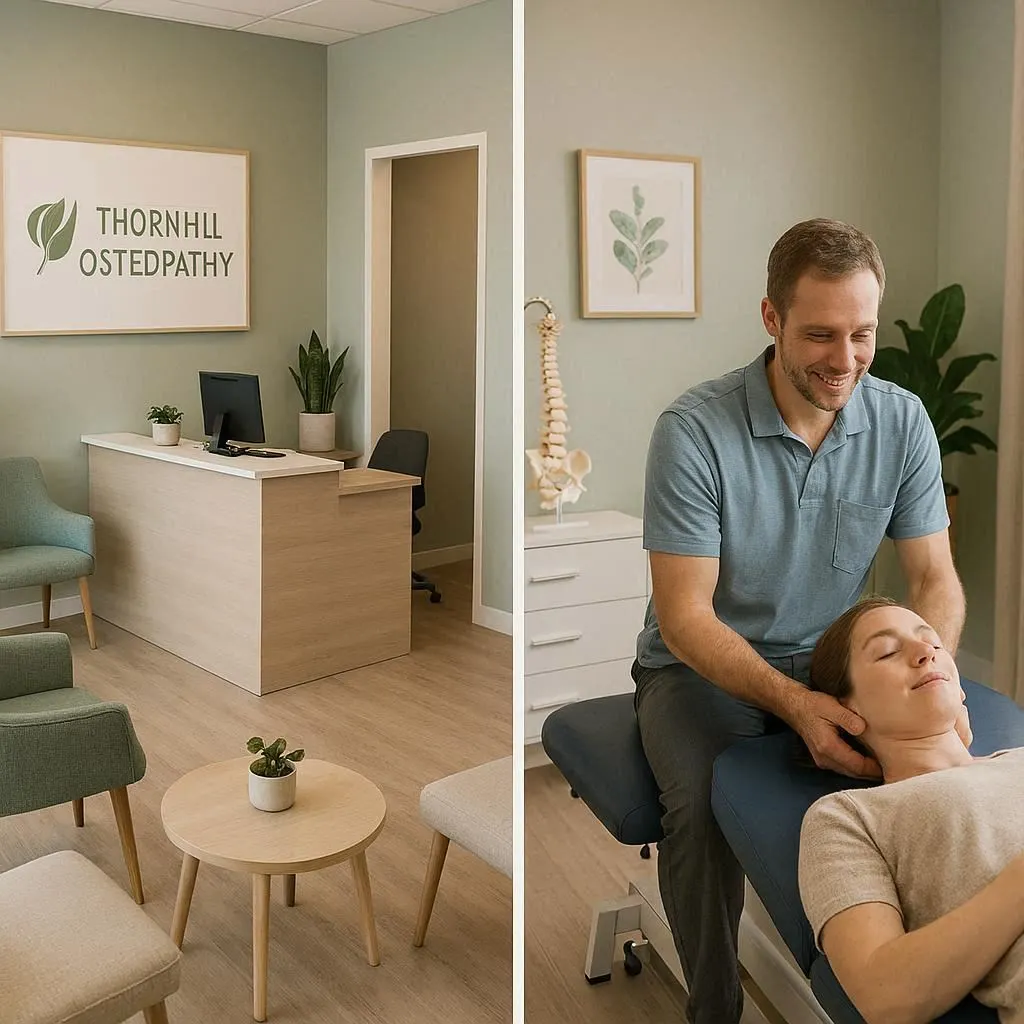
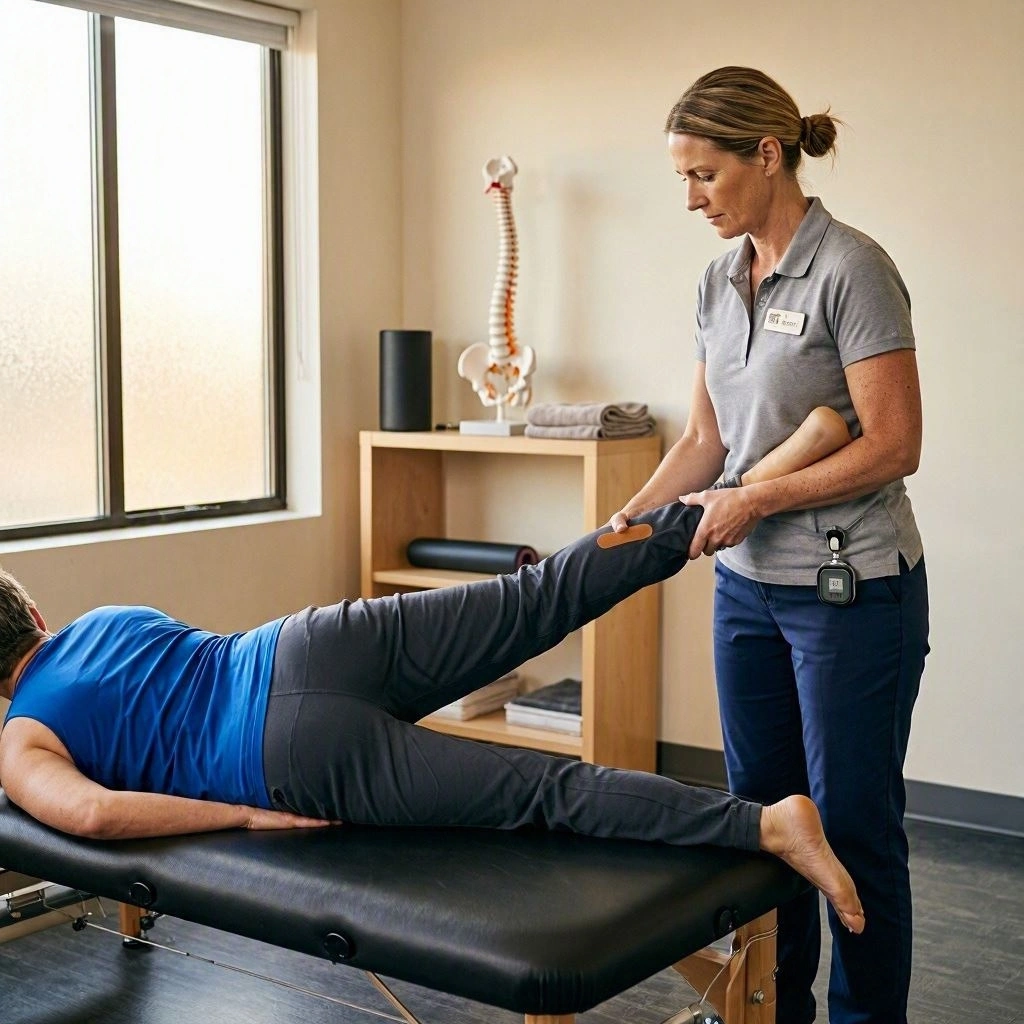
Chiropractic care is commonly used to manage mechanical causes of nerve irritation, particularly when spinal joints or discs contribute to compression.
Treatment may include:
Chiropractic Adjustments
Gentle spinal adjustments improve joint mobility and may reduce mechanical stress affecting nearby nerves.
Joint Mobilization (Nerve Pain Relief)
Slow, controlled movements restore flexibility while improving spinal function.
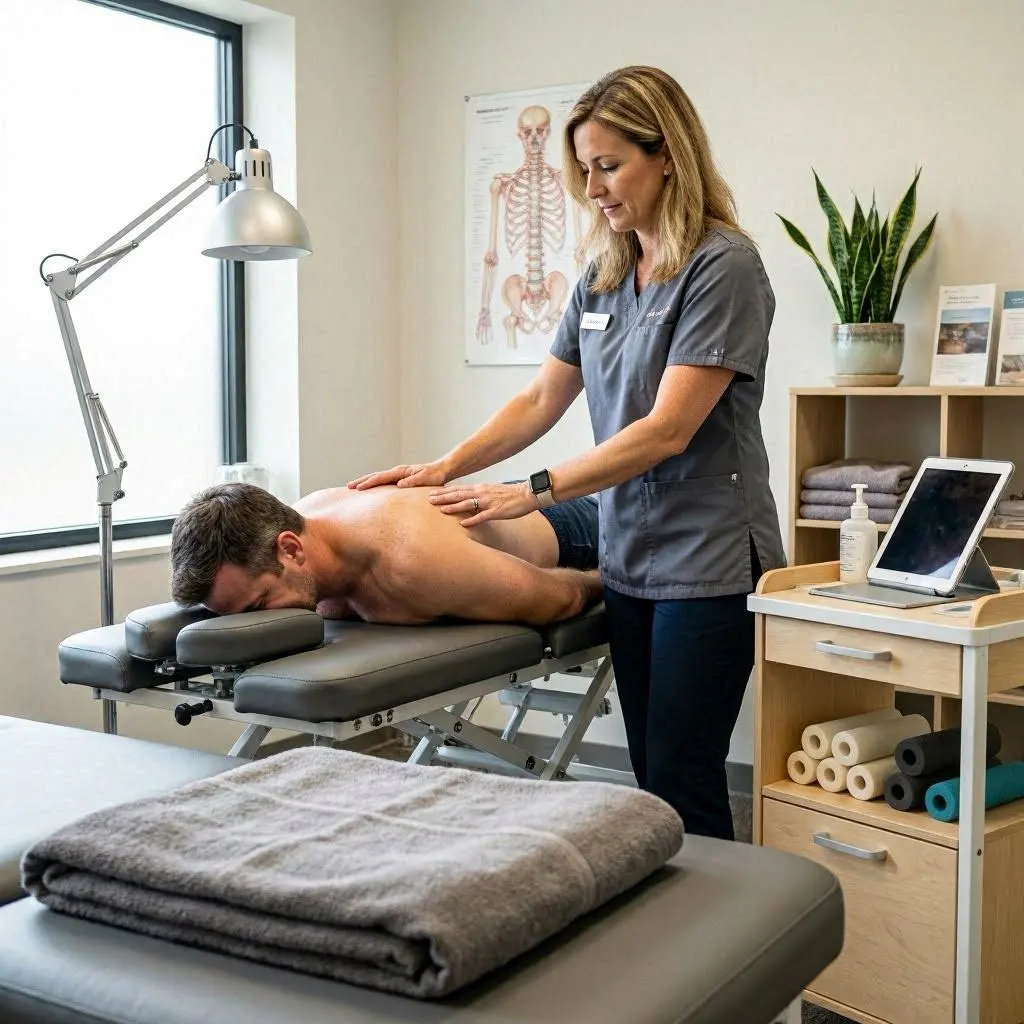
Soft Tissue Therapy
Massage and manual therapy reduce muscle tension that may contribute to nerve compression.
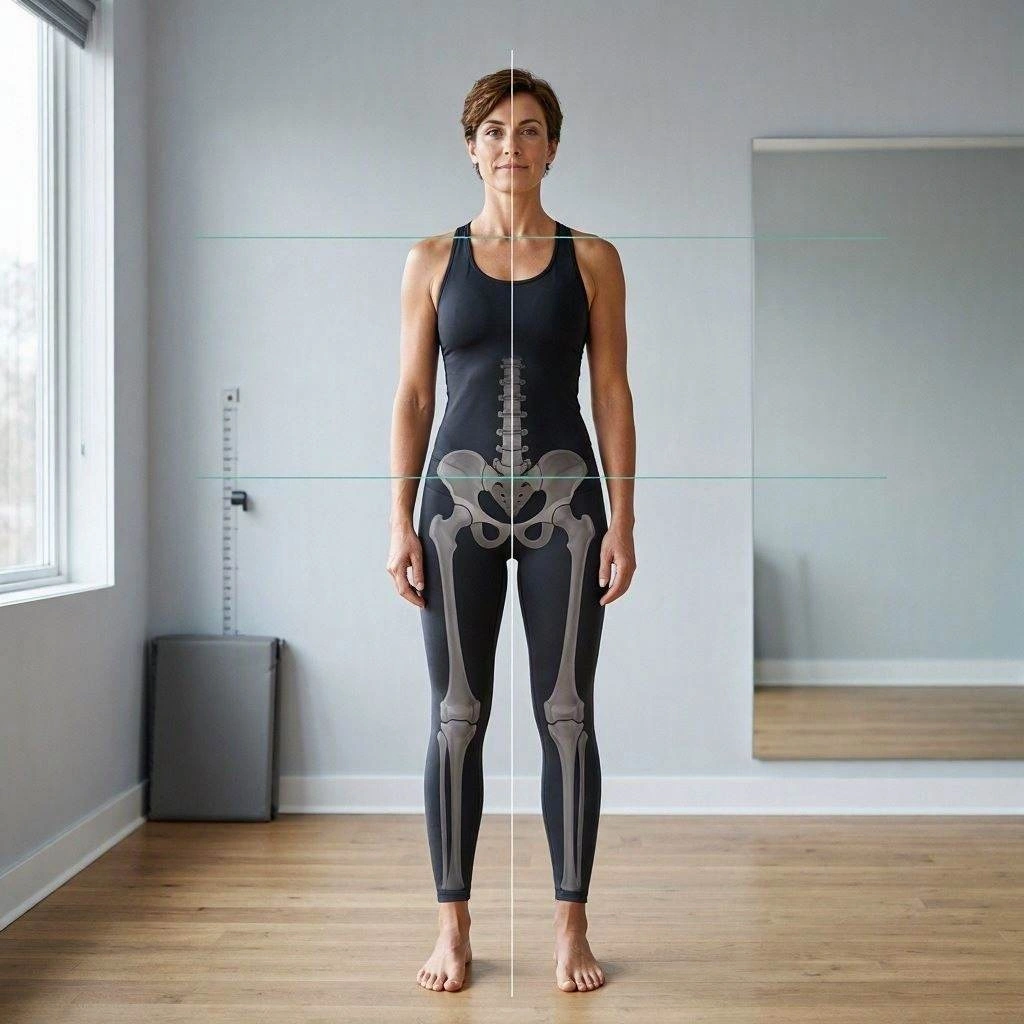
Posture Correction
Improving posture decreases unnecessary stress on the spine and surrounding tissues.
Physical Rehabilitation
Rehabilitation programs strengthen muscles that support the spine while improving movement patterns.
A rehabilitation plan may include:
-
Stretching exercises
-
Core strengthening
-
Balance training
-
Flexibility exercises
-
Functional movement training
-
Walking programs
These exercises help restore mobility while reducing pressure on affected nerves.
Lifestyle Habits That Support Nerve Pain Relief
Healthy daily habits play an important role in recovery.
Helpful recommendations include:
-
Stay physically active.
-
Avoid prolonged sitting.
-
Maintain healthy posture.
-
Lift heavy objects properly.
-
Sleep on a supportive mattress.
-
Drink adequate water.
-
Eat a balanced diet.
-
Maintain a healthy body weight.
-
Stretch regularly.
-
Follow your healthcare provider’s exercise recommendations.
Consistency often improves long-term results.
Managing Sciatica
Sciatica is one of the most common causes of nerve pain.
Symptoms may include:
-
Lower back pain
-
Pain traveling down one leg
-
Tingling in the foot
-
Numbness
-
Muscle weakness
Conservative treatment frequently combines chiropractic care, rehabilitation exercises, stretching, and activity modification to improve symptoms.
Exercise and Nerve Health (Nerve Pain Relief)
Exercise helps maintain healthy muscles, joints, and circulation while supporting nerve function.
Recommended activities may include:
Walking
Walking encourages healthy circulation while maintaining mobility.
Stretching (Nerve Pain Relief)
Gentle stretching reduces muscle tightness around irritated nerves.
Core Strengthening
Strong abdominal and back muscles help stabilize the spine.
Swimming
Water-based exercise provides low-impact movement that is easier on painful joints.
Flexibility Training
Improved flexibility allows smoother movement while reducing unnecessary stress on nerves.
Every exercise program should be tailored to the individual’s condition and tolerance.
When Should You Seek Professional Care?
You should schedule a professional evaluation if you experience:
-
Persistent nerve pain
-
Pain radiating into the arms or legs
-
Ongoing numbness
-
Muscle weakness
-
Difficulty walking
-
Recurring tingling sensations
-
Symptoms lasting longer than several days
-
Pain interfering with work or sleep
Early treatment often leads to better recovery and may reduce the risk of chronic nerve damage.
Warning Signs That Require Emergency Care
Although many causes of nerve pain are not emergencies, certain symptoms require immediate medical attention.
Seek emergency care if you experience:
-
Loss of bowel or bladder control
-
Sudden paralysis
-
Severe weakness in the arms or legs
-
Numbness around the groin or saddle area
-
Sudden loss of balance with severe neurological symptoms
-
Severe pain after significant trauma
-
Difficulty speaking or facial drooping
-
Chest pain accompanied by neurological symptoms
These symptoms require urgent medical evaluation.
Long-Term Strategies for Preventing Nerve Pain (Nerve Pain Relief)
Protecting your spine and nervous system can reduce the likelihood of future problems.
Helpful prevention strategies include:
-
Maintain good posture.
-
Exercise consistently.
-
Strengthen core muscles.
-
Stretch daily.
-
Take movement breaks during long periods of sitting.
-
Use ergonomic workstations.
-
Maintain a healthy weight.
-
Stay hydrated.
-
Address injuries promptly.
-
Schedule professional evaluations if symptoms return.
Healthy habits combined with appropriate medical care often provide the best long-term outcomes.
Why a Personalized Treatment Plan Matters
Nerve pain has many possible causes, and successful treatment depends on identifying the specific source of irritation. An individualized treatment plan allows healthcare providers to select the most appropriate therapies based on your diagnosis, symptoms, and activity level.
Instead of relying on a single treatment, combining chiropractic care, rehabilitation exercises, posture correction, manual therapy, and healthy lifestyle changes often produces the best results.
Conclusion
Nerve pain can affect movement, sleep, work, and overall quality of life, but effective treatment is available. Through comprehensive evaluation, chiropractic care, physical rehabilitation, therapeutic exercise, posture improvement, and healthy daily habits, many people experience significant nerve pain relief while restoring normal function.
Whether your symptoms are related to sciatica, a herniated disc, nerve compression, or another musculoskeletal condition, seeking professional care early can help prevent complications and improve recovery. With a personalized treatment plan and consistent self-care, you can reduce discomfort, improve mobility, and support long-term nerve and spinal health.