Digital Posture Assessment: A Complete Guide to Modern Posture Analysis and Personalized Musculoskeletal Care
Good posture plays a vital role in maintaining a healthy spine, reducing unnecessary stress on muscles and joints, and supporting efficient movement. However, modern lifestyles often involve prolonged sitting, extensive computer use, smartphone viewing, and repetitive daily activities that gradually alter body alignment. Many people are unaware that their posture has changed until they begin experiencing neck pain, back pain, headaches, shoulder tension, or reduced mobility. Fortunately, advances in technology have made posture evaluation more accurate and objective through digital posture assessment.
A digital posture assessment uses specialized software, cameras, and movement analysis tools to evaluate body alignment from multiple angles. Unlike a simple visual observation, digital technology provides measurable data that helps chiropractors and rehabilitation professionals identify postural imbalances, movement dysfunctions, and potential risk factors. Combined with chiropractic care, rehabilitation exercises, ergonomic improvements, and healthy lifestyle habits, digital posture assessment supports personalized treatment plans designed to improve long-term musculoskeletal health.
What Is a Digital Posture Assessment?
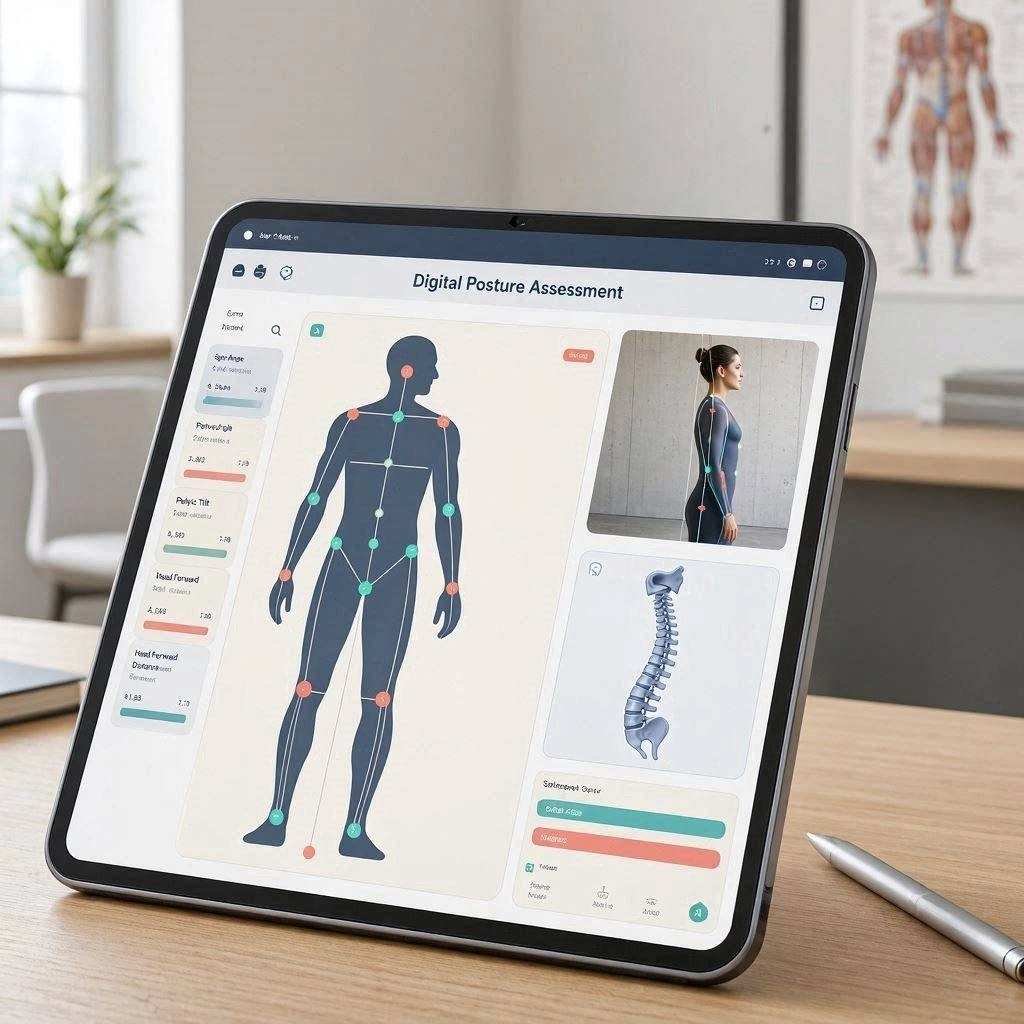
A digital posture assessment is a computerized evaluation that analyzes body alignment using high-resolution images or video combined with specialized posture analysis software.
During the assessment, photographs or video recordings are taken while the patient stands naturally. The software then measures the position of important anatomical landmarks, including the head, shoulders, spine, pelvis, hips, knees, and ankles.
These measurements allow healthcare professionals to identify even subtle postural deviations that may not be obvious during a routine physical examination.
Why Posture Matters
Proper posture allows the body to distribute weight evenly across muscles, joints, and connective tissues.
When posture is balanced, muscles work efficiently, joints move more naturally, and unnecessary strain is minimized.
Benefits of healthy posture include:
Reduced neck pain
Less back pain
Improved breathing
Better balance
Greater flexibility
Increased mobility
Improved athletic performance
Reduced muscle fatigue
Enhanced body awareness
Better overall movement efficiency
Poor posture, on the other hand, often contributes to chronic discomfort and movement limitations.
How Digital Posture Assessment Works
The assessment process is quick, non-invasive, and painless.
A typical evaluation includes:
Initial Consultation
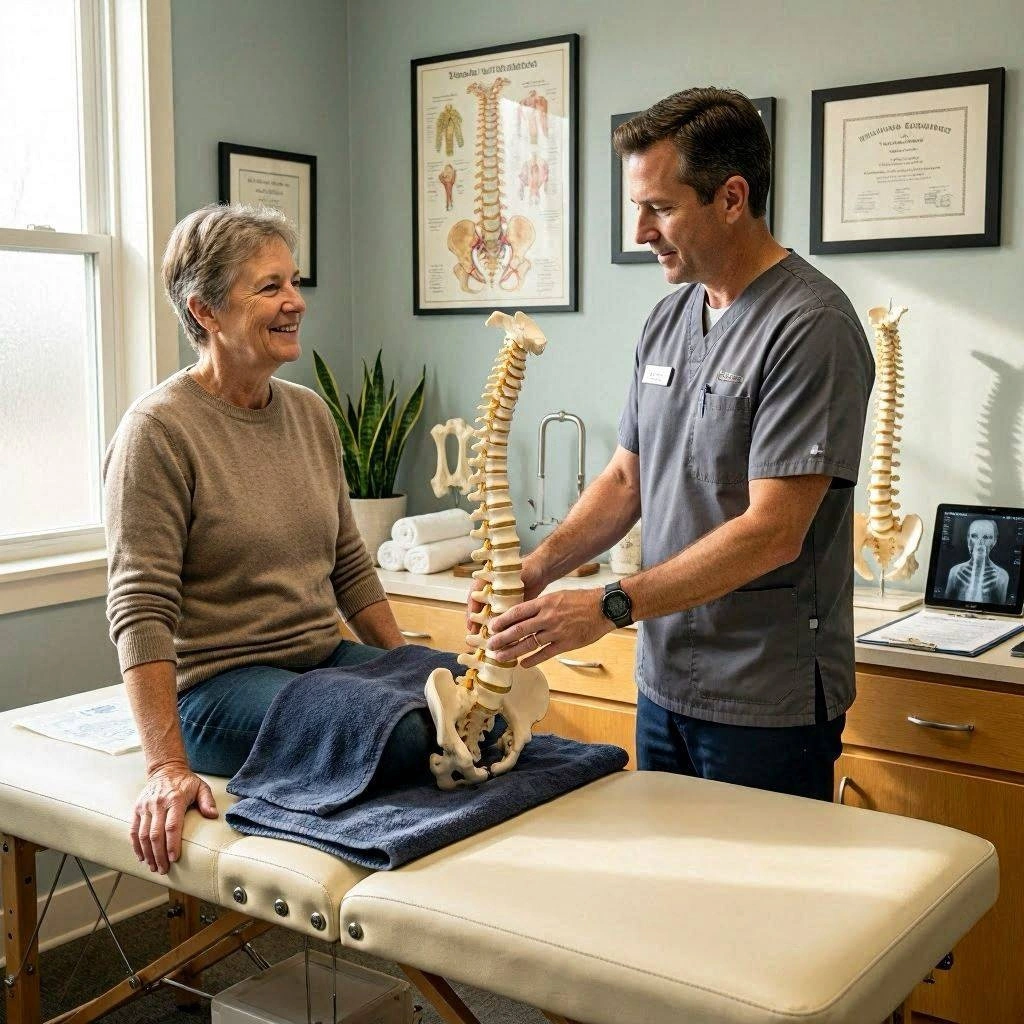
The chiropractor discusses symptoms, medical history, daily activities, and personal goals.
Digital Images
Images are captured from the front, side, and back while standing in a relaxed position.
Software Analysis
Advanced software measures body alignment and compares it with ideal postural reference points.
Movement Evaluation (Digital Posture Assessment)
Some clinics also assess walking, squatting, bending, or other functional movements.
Results Review
The chiropractor explains the findings and develops a personalized treatment plan.
The assessment provides objective information that can also be used to monitor progress over time.
What Conditions Can Be Identified?
Digital posture assessment helps detect many common musculoskeletal issues.
Examples include:
Forward head posture
Rounded shoulders
Uneven shoulders
Scoliosis-related postural changes
Pelvic tilt
Muscle imbalances
Weight distribution differences
Poor standing posture
Functional movement limitations
Spinal alignment concerns
Early identification allows corrective strategies to begin before more significant symptoms develop.
Common Causes of Poor Posture
Several daily habits contribute to postural dysfunction.
Computer Work
Long hours at poorly adjusted workstations encourage slouching.
Smartphone Use
Looking downward for prolonged periods increases stress on the cervical spine.
Sedentary Lifestyle
Limited movement weakens postural muscles.
Poor Ergonomics
Improper chair height, monitor position, or keyboard placement affects body alignment.
Muscle Weakness (Digital Posture Assessment)
Weak core and upper back muscles reduce postural stability.
Repetitive Activities
Repeated movements can create muscular imbalances over time.
Chiropractic Care After a Digital Assessment
The information gathered during the assessment helps guide treatment.
A chiropractor may recommend:
Chiropractic Adjustments
Adjustments improve joint mobility and support healthier spinal movement.
Joint Mobilization
Gentle mobilization restores flexibility in restricted joints.
Soft Tissue Therapy
Manual therapy reduces muscle tightness while improving tissue mobility.
Corrective Exercises (Digital Posture Assessment)
Specific exercises strengthen weak muscles and improve posture.
Ergonomic Education
Patients receive recommendations for improving workstation setup and daily movement habits.
Each treatment plan is customized according to the assessment findings.
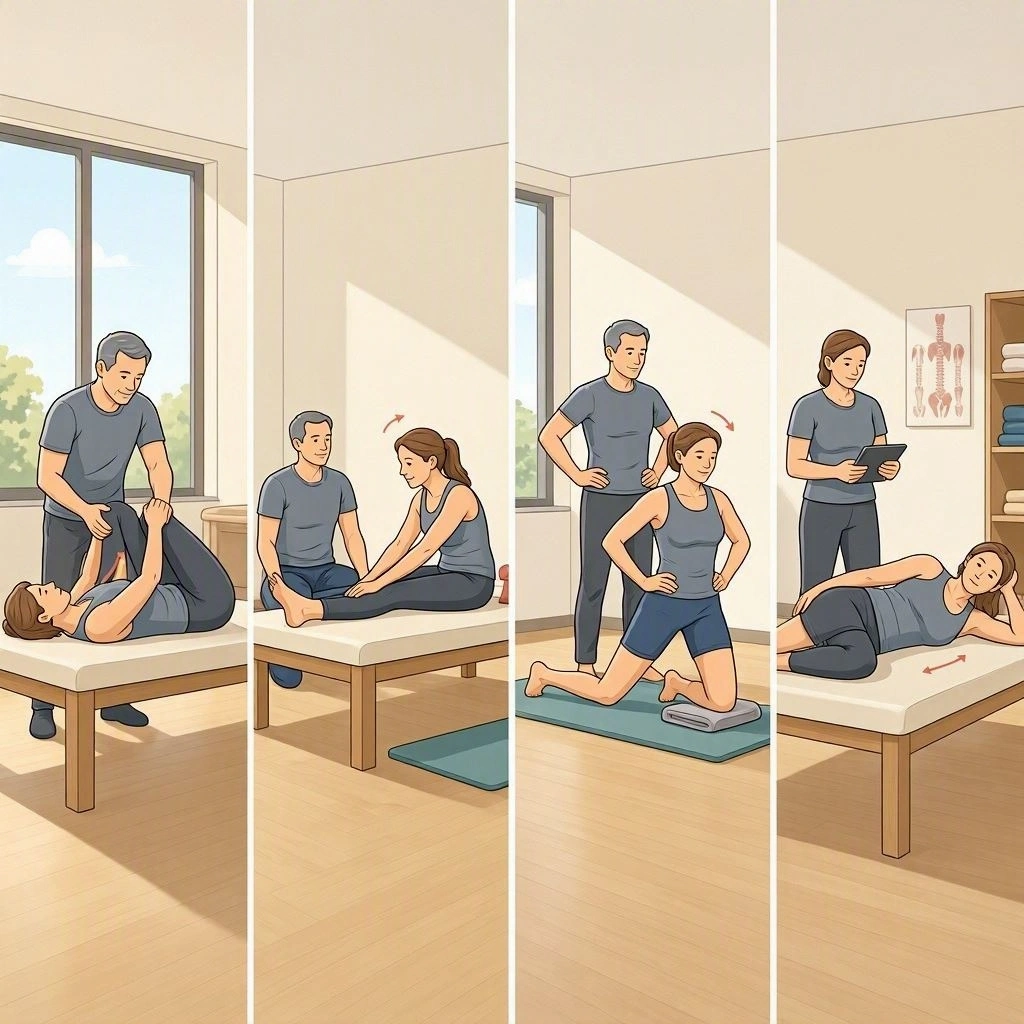
Rehabilitation Exercises
Exercise is one of the most effective ways to improve posture.
Programs may include:
Chin Tucks
These exercises strengthen deep neck muscles.
Scapular Retractions
Strengthening the upper back improves shoulder positioning.
Core Stability Exercises
A strong core supports proper spinal alignment.
Hip Strengthening (Digital Posture Assessment)
Stable hips contribute to balanced posture.
Flexibility Training
Stretching tight muscles restores normal movement.
Exercises are progressed gradually as posture improves.
Benefits of Digital Posture Assessment
Digital technology provides several advantages over visual observation alone.
Benefits include:
Objective measurements
Accurate documentation
Early detection of postural changes
Personalized treatment planning
Progress tracking
Better patient education
Improved treatment precision
Enhanced communication between patient and clinician
Greater motivation during rehabilitation
Long-term monitoring of improvements
These features make digital assessment a valuable tool for comprehensive musculoskeletal care.
Lifestyle Habits That Support Better Posture (Digital Posture Assessment)
Professional treatment works best when combined with healthy daily habits.
Helpful recommendations include:
Stand and stretch regularly.
Exercise consistently.
Maintain a healthy body weight.
Strengthen your core.
Adjust computer screens to eye level.
Avoid prolonged smartphone use.
Sleep on a supportive mattress and pillow.
Stay hydrated.
Practice posture awareness.
Perform home exercises as instructed.
Small daily improvements often lead to meaningful long-term results.
When Should You Consider a Digital Posture Assessment?
A posture evaluation may be beneficial if you experience:
Persistent neck pain
Frequent headaches
Back pain
Poor posture
Shoulder tension
Muscle fatigue
Limited mobility
Recurrent sports injuries
Difficulty sitting for long periods
Reduced physical performance
Even individuals without pain may benefit from identifying early postural changes before symptoms develop.
Warning Signs That Require Immediate Medical Attention
Although posture problems are common, certain symptoms require urgent medical evaluation.
Seek emergency medical care if you experience:
Sudden weakness in the arms or legs
Loss of bowel or bladder control
Numbness around the groin or saddle area
Severe pain after major trauma
Difficulty breathing
Chest pain
High fever with severe spinal pain
Loss of consciousness
These symptoms may indicate a serious medical condition requiring immediate treatment.
Building a Long-Term Posture Improvement Plan
Maintaining healthy posture requires ongoing attention.
A long-term plan may include:
Regular posture assessments
Chiropractic care when appropriate
Strength training
Daily stretching
Ergonomic improvements
Core stability exercises
Healthy nutrition
Quality sleep
Routine physical activity
Continued posture awareness
Consistent habits help maintain proper alignment while reducing future injury risk.
Conclusion (Digital Posture Assessment)
Digital posture assessment provides an accurate, objective, and modern approach to evaluating body alignment and movement. By identifying postural imbalances early, chiropractors can develop personalized treatment plans that combine chiropractic care, rehabilitation exercises, ergonomic guidance, and healthy lifestyle recommendations.
Whether you are experiencing chronic neck pain, back discomfort, headaches, or simply want to improve your posture and overall movement, a digital posture assessment offers valuable insight into how your body functions. With professional guidance and consistent self-care, you can improve spinal alignment, move more efficiently, and enjoy better musculoskeletal health for years to come.