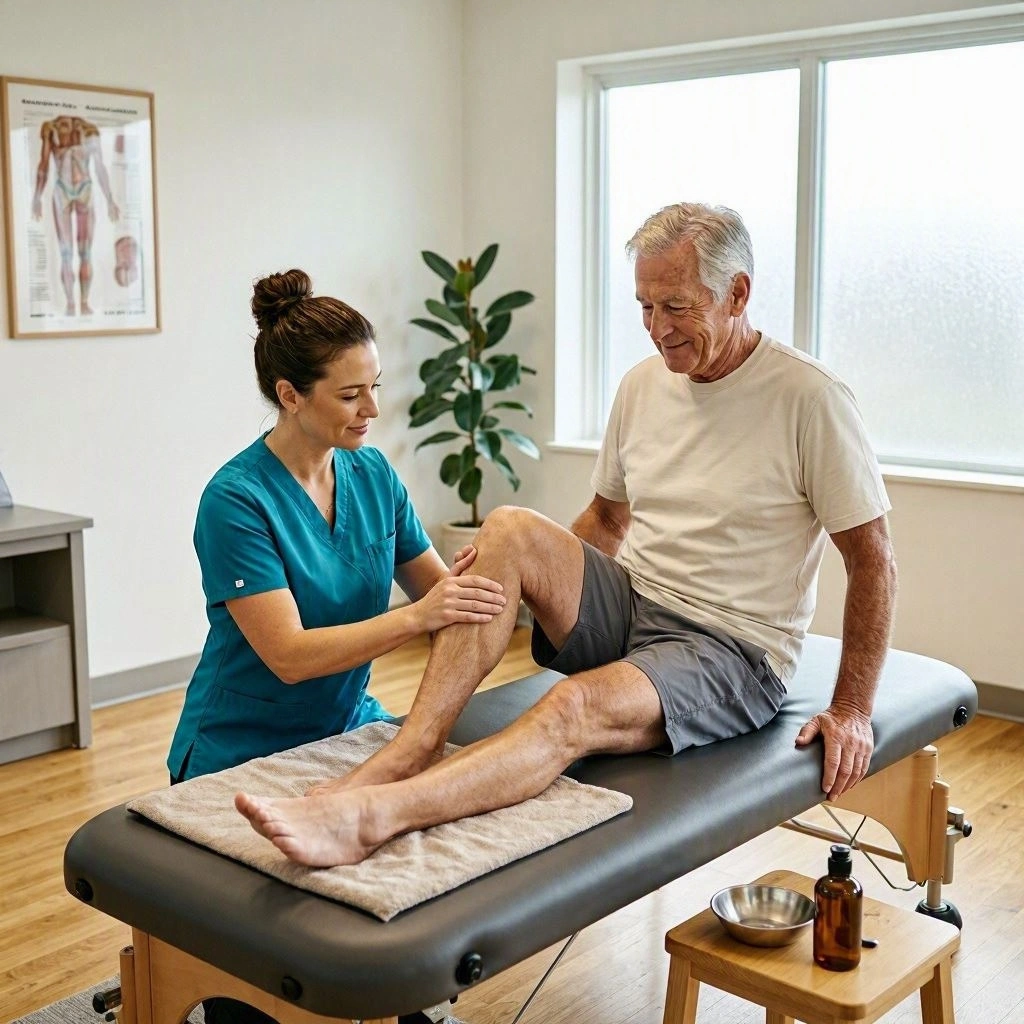
Massage Therapy for Mobility: How Massage Can Support Movement and Flexibility
Mobility plays an important role in everyday life. Walking, bending, reaching, exercising, climbing stairs, and performing routine activities all require the body to move comfortably through an appropriate range of motion. When muscles feel tight or movement becomes restricted, massage therapy may be one approach that can support physical comfort and mobility.
Massage Therapy for Mobility focuses on using appropriate massage techniques to address muscular tension and improve the body’s ability to move comfortably. Rather than simply focusing on relaxation, mobility-oriented massage may target areas of muscular tightness that contribute to restricted movement.
It is important to understand that mobility depends on much more than muscle flexibility. Joint structure, strength, nervous system control, previous injuries, physical activity, posture, and movement habits can all influence mobility. For this reason, massage should generally be considered one component of a broader mobility strategy.
A personalized massage session may focus on areas such as the hips, shoulders, legs, back, neck, or other muscles that feel restricted. The therapist can adjust pressure and techniques according to the person’s goals, physical condition, and tolerance.
For people who exercise regularly, mobility-focused massage may also complement strength training, stretching, warm-ups, and recovery. For individuals with sedentary lifestyles, it may provide an opportunity to address areas that feel stiff after prolonged sitting or limited movement.
The goal is not simply to make the massage feel intense. The goal is to support comfortable movement while maintaining appropriate expectations and safety.
What Is Mobility?
Mobility refers to the ability to move a joint or body segment through a functional range of motion with adequate control.
Mobility is different from flexibility.
Flexibility generally describes how much a muscle or tissue can lengthen, while mobility involves the ability to actively control movement around a joint.
For example, someone may have adequate flexibility in the hamstrings but still have difficulty performing certain movements because of limited strength, joint restrictions, coordination, or motor control.
Good mobility can help people perform everyday activities and exercise more comfortably.
Factors that influence mobility include:
Muscle flexibility
Joint range of motion
Muscle strength
Balance
Coordination
Previous injuries
Physical activity
Posture
Movement habits
Age-related changes
Because these factors interact, massage is only one potential component of improving mobility.
How Massage Therapy May Support Mobility
Massage therapy can influence how muscles feel and move.
When muscles become tense, people may experience a sensation of stiffness or restricted movement. Massage may help some individuals feel more relaxed and comfortable.
A mobility-focused session may target muscles surrounding an area where movement feels restricted.
For example, someone experiencing hip stiffness may receive treatment around the glutes, thighs, and surrounding soft tissues.
Similarly, someone experiencing shoulder tightness may receive treatment around the upper back, shoulders, chest, and surrounding muscles.
The objective is not necessarily to force a joint into a larger range of motion. Instead, massage can be used to support comfortable movement as part of a broader approach.
Massage Therapy for Muscle Tightness
Muscle tightness is one of the most common reasons people seek massage.
Tightness can develop from:
Prolonged sitting
Repetitive movements
Exercise
Physical work
Stress
Limited physical activity
Poor recovery
Maintaining the same position for long periods
Massage may help some people experience a temporary reduction in the sensation of muscular tightness.
This can make certain movements feel more comfortable.
However, recurring tightness may indicate that other factors need attention.
Strength training, mobility exercises, regular movement, ergonomic improvements, and appropriate recovery can all play an important role.
Massage Therapy for Hip Mobility
The hips are involved in walking, running, squatting, climbing stairs, and many other movements.
Limited hip mobility may be associated with discomfort or difficulty performing certain activities.
A massage therapist may work on muscles around the:
Glutes
Hip flexors
Quadriceps
Hamstrings
Inner thighs
The specific treatment depends on the individual’s needs.
Massage may help reduce the sensation of muscular tension, but it does not change the underlying structure of a joint.
If hip movement is restricted because of a significant injury or joint condition, professional assessment may be appropriate.
Massage Therapy for Shoulder Mobility
Shoulder mobility is important for reaching, lifting, dressing, exercising, and many everyday activities.
Shoulder movement involves several muscles and joints working together.
Muscular tension around the:
Shoulders
Upper back
Chest
Neck
may contribute to a sensation of stiffness.
A massage therapist may use appropriate techniques around these areas to support comfort.
Mobility exercises and strengthening should generally accompany massage when improving long-term shoulder function is the goal.
Massage Therapy for Back Mobility
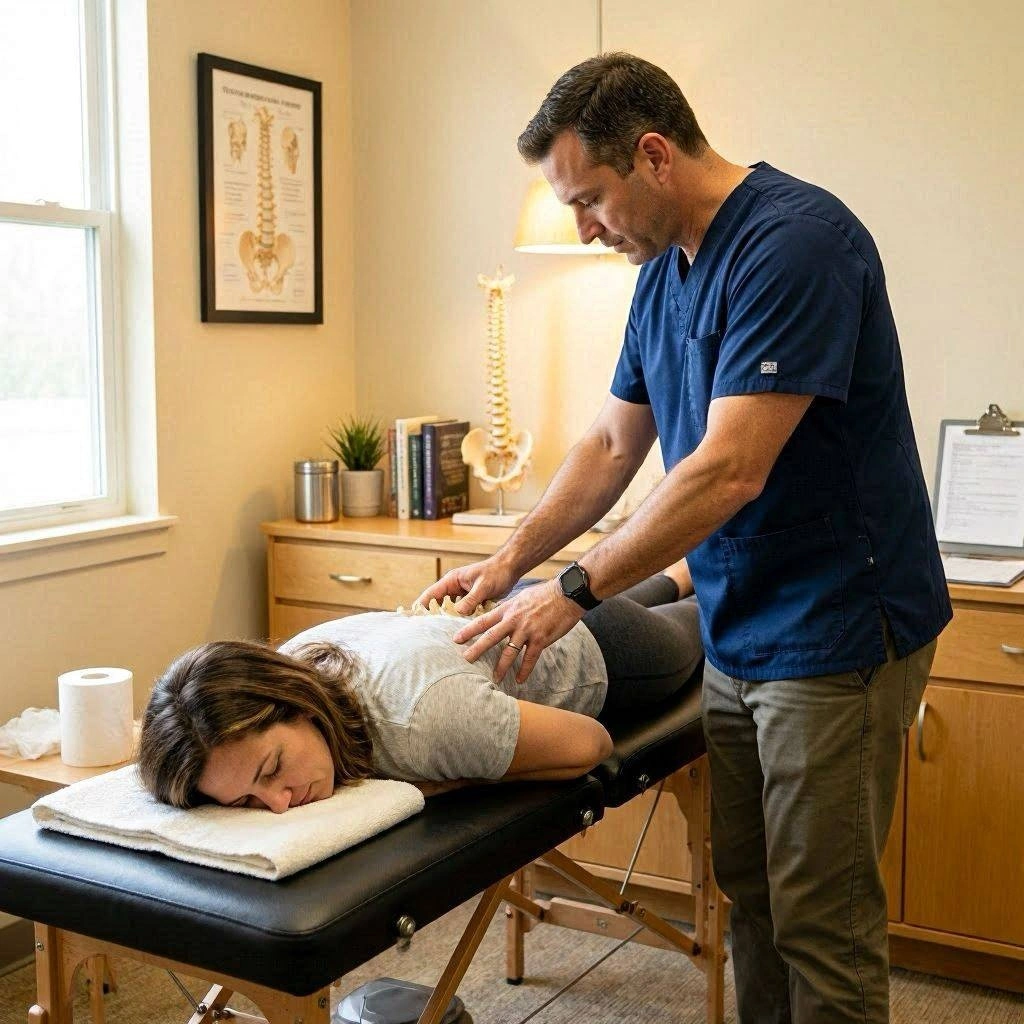
Back stiffness can occur after prolonged sitting, physical activity, repetitive work, or insufficient movement.
Massage may focus on muscles around the:
Upper back
Lower back
Hips
Shoulders
A person may feel more comfortable moving after treatment if muscular tension was contributing to their sensation of stiffness.
However, back pain can have many causes.
Massage should not be assumed to be appropriate for every type of back problem.
Persistent, severe, or unexplained symptoms should receive appropriate evaluation.
Massage Therapy for Neck Mobility
Neck mobility is important for everyday activities such as turning the head, driving, working, and looking around the environment.
Neck tension may develop from:
Computer work
Mobile device use
Prolonged sitting
Stress
Repetitive activities
Massage may help some people feel less muscular tension around the neck and shoulders.
A therapist should use appropriate pressure and positioning.
Aggressive manipulation of the neck is not necessary for a mobility-focused massage.
If neck symptoms are accompanied by significant weakness, numbness, dizziness, or other concerning symptoms, professional medical assessment may be necessary.
Massage Therapy for Leg Mobility
The legs are involved in almost every form of movement.
Tension in the:
Calves
Hamstrings
Quadriceps
Glutes
may contribute to a sensation of stiffness.
Athletes and physically active people sometimes use massage as part of their recovery routine.
A mobility-focused massage can be combined with dynamic warm-ups, strength exercises, stretching, and appropriate recovery.
Massage Therapy for Ankle Mobility
Ankle mobility is important for walking, running, squatting, jumping, and balance.
Muscle tightness around the calves and lower leg may contribute to reduced comfort during ankle movement.
Massage may help address muscular tension around these areas.
However, ankle mobility can also be influenced by joint structure, previous injury, swelling, and other factors.
If mobility has been significantly restricted following an injury, a physiotherapist or other qualified healthcare professional may be better positioned to assess the problem.
Massage Therapy for Athletes
Athletes often place repeated demands on their muscles.
Training can create temporary soreness and muscular tension.
Massage may be included as part of an athlete’s recovery and mobility routine.
A sports-oriented mobility plan may involve:
Massage
Dynamic warm-ups
Strength training
Mobility exercises
Recovery days
Sleep
Hydration
Appropriate nutrition
Massage should complement training rather than replace it.
Massage Therapy for Runners
Running involves repetitive movement of the hips, knees, ankles, and feet.
Runners may experience muscular tension in the:
Calves
Hamstrings
Quadriceps
Glutes
Hip muscles
Massage may help some runners feel more comfortable during recovery.
However, recurring running pain should not simply be treated with massage.
Training volume, running technique, strength, recovery, footwear, and other factors may need to be considered.
Massage Therapy for Weightlifters
Strength training requires adequate movement and recovery.
Weightlifters may experience muscular tightness following demanding sessions.
Massage can potentially be incorporated into a broader recovery routine.
Areas commonly treated may include:
Shoulders
Chest
Upper back
Glutes
Hamstrings
Quadriceps
The timing of massage is important.
An intense massage immediately before a heavy workout may not be comfortable or appropriate for everyone.
Massage Therapy for Office Workers
Long periods of sitting can reduce opportunities for movement.
Office workers may experience stiffness around:
Neck
Shoulders
Upper back
Hips
Massage may provide temporary comfort.
However, the most effective long-term strategy usually includes regular movement.
Consider:
Standing regularly
Walking during breaks
Changing positions
Performing mobility exercises
Adjusting workstation ergonomics
Strengthening weak areas
Massage Therapy and Flexibility
Massage and flexibility are related but not identical.
It may temporarily change how muscles feel and may influence short-term range of motion in some situations.
However, long-term flexibility improvements generally require consistent movement and stretching.
A comprehensive approach can combine:
Massage + Stretching + Mobility Exercises + Strength Training
This provides a more complete strategy than relying on massage alone.
Massage Therapy and Active Mobility
Active mobility exercises involve moving joints through available ranges of motion using muscular control.
Examples include:
Controlled hip rotations
Shoulder circles
Ankle movements
Thoracic rotation exercises
Leg swings
Massage may help prepare certain tissues for movement, but active mobility exercises are important for developing control and maintaining movement capacity.
Massage Therapy and Strength Training
Strength is an important component of mobility.
A person may have a large passive range of motion but struggle to control that range actively.
Strength training can help develop the capacity to control movement.
A mobility-focused program may therefore combine massage with appropriate strengthening exercises.
This can be especially useful for athletes and people recovering from physical limitations.
Massage Before Exercise
Some people use massage before physical activity.
However, the type and intensity matter.
A gentle treatment may be more appropriate than an aggressive deep-tissue session immediately before demanding exercise.
A warm-up should still include active movement.
A typical pre-exercise routine might include:
Light cardiovascular activity
Dynamic mobility
Sport-specific movements
Gradual increases in intensity
Massage is not a substitute for a proper warm-up.
Massage After Exercise
It is often used after physical activity as part of recovery.
A post-exercise treatment may focus on areas that feel tense or fatigued.
However, recovery also depends on:
Sleep
Nutrition
Hydration
Rest
Appropriate training progression
Massage can complement these strategies.
Massage Therapy for Older Adults
Mobility becomes increasingly important as people age.
Maintaining comfortable movement can support independence and participation in everyday activities.
Older adults may use massage for relaxation and muscular comfort.
Treatment should be adapted to the person’s:
Mobility
Physical tolerance
Skin condition
General health
Previous injuries
Massage should not replace appropriate strength and balance training.
For older adults, maintaining muscle strength and functional movement is particularly important.
Massage Therapy for Sedentary Lifestyles
Limited physical activity can contribute to feelings of stiffness.
People who spend most of their day sitting may notice tension in their:
Hips
Lower back
Neck
Shoulders
Massage may temporarily improve comfort.
However, movement is essential.
A simple strategy is to break up long periods of sitting with short walking or movement breaks.
Even small changes can increase daily movement.
Massage Therapy for Mobility After Injury
Massage following an injury requires caution.
The first priority after a significant injury should be appropriate assessment.
Depending on the injury, massage may not be appropriate during the acute stage.
Once the injury has been evaluated, massage may potentially become part of a rehabilitation program when appropriate.
The timing and intensity should be determined based on the individual’s condition.
Massage Therapy and Physiotherapy
Physiotherapy and massage therapy can complement each other.
Massage may focus on soft-tissue comfort, while physiotherapy can address:
Joint mobility
Strength
Balance
Coordination
Movement patterns
Functional rehabilitation
For people with significant mobility limitations, physiotherapy may provide a more comprehensive assessment.
Massage can then potentially be incorporated as one component of care.
How Often Should You Get Mobility Massage?
There is no universal frequency.
Treatment may depend on:
Your goals
Activity level
Symptoms
Recovery needs
Lifestyle
Response to treatment
Some people may benefit from occasional sessions.
Others may use massage more regularly during periods of increased physical activity.
The key is to evaluate whether treatment is producing meaningful improvements.
How Long Should a Mobility Massage Session Last?
Massage sessions can range from approximately 30 to 90 minutes.
A targeted mobility session may not require a long appointment.
For example, someone focusing on shoulder mobility may not need a full-body session.
The appropriate duration depends on the treatment goals and areas being addressed.
What Happens During a Mobility-Focused Massage?
A typical session may include:
Consultation
The therapist asks about your movement concerns.
Assessment
Relevant areas may be considered.
Treatment
Appropriate massage techniques are applied.
Movement Check
The therapist may ask how movement feels before and after treatment.
Aftercare
Appropriate mobility or recovery recommendations may be discussed.
This process helps create a more individualized treatment.
Does Mobility Massage Hurt?
It should not need to be extremely painful.
Some techniques may produce pressure or mild discomfort, but excessive pain is unnecessary.
A therapist should adjust pressure according to:
Your tolerance
Treatment goals
Current symptoms
Treatment area
Always communicate if the pressure is too strong.
Can Massage Permanently Improve Mobility?
Massage may provide short-term changes in comfort and movement for some people.
However, permanent improvements in mobility generally require addressing the underlying factors.
Long-term mobility can be supported through:
Strength training
Mobility exercises
Flexibility work
Regular physical activity
Appropriate rehabilitation
Good recovery habits
Massage can complement these strategies but should not be viewed as the only solution.
Common Mistakes When Using Massage for Mobility
Relying Only on Massage
Massage alone may not address strength or movement-control problems.
Using Excessive Pressure
Painful treatment is not automatically more effective.
Ignoring Exercise
Active movement is essential for maintaining mobility.
Treating an Injury Without Assessment
Some injuries require professional evaluation before massage.
Expecting Immediate Permanent Results
Mobility changes often require consistent active work.
How to Build a Mobility-Focused Routine
A comprehensive mobility routine might include several components.
Daily Movement
Avoid staying in one position for excessively long periods.
Mobility Exercises
Perform controlled movements appropriate for your needs.
Strength Training
Build the strength required to control movement.
Massage
Use massage as a complementary strategy when appropriate.
Recovery
Prioritize sleep and adequate recovery.
Professional Assessment
Seek physiotherapy or medical evaluation when mobility limitations persist.
This approach is more comprehensive than relying on one intervention.
Frequently Asked Questions
What is Massage Therapy for Mobility?
Massage Therapy for Mobility is a treatment approach that uses appropriate massage techniques to address muscular tension and support comfortable movement.
Can massage improve mobility?
Massage may help some people experience temporary improvements in comfort and movement, particularly when muscular tension contributes to stiffness.
Is massage better than stretching for mobility?
They serve different purposes. Massage may help with muscular comfort, while stretching and active mobility exercises can help develop and maintain movement capacity.
Can massage help hip mobility?
Massage may help reduce the sensation of muscular tightness around the hips, but hip mobility also depends on joint structure, strength, flexibility, and movement control.
Can massage help shoulder mobility?
Massage may help some people feel less muscular tension around the shoulder and upper back. Strength and mobility exercises are also important.
Is deep tissue massage good for mobility?
Deep tissue massage may be appropriate for some people, but it is not automatically the best choice. Treatment should be based on individual needs and tolerance.
Can athletes use massage for mobility?
Yes. Athletes may incorporate massage into broader mobility and recovery programs.
How often should I receive mobility massage?
There is no universal schedule. Frequency should depend on your goals, activity level, symptoms, and response to treatment.
Can massage replace physiotherapy?
No. Physiotherapy can provide assessment and active rehabilitation for mobility, strength, balance, and functional problems. Massage may complement physiotherapy when appropriate.
Should massage hurt?
No. Massage does not need to be painful to be useful. Excessive pressure should be communicated to the therapist.
Final Thoughts
Massage Therapy for Mobility can be a useful component of a broader strategy for maintaining comfortable movement. By addressing areas of muscular tension, massage may help some people feel less stiff and more comfortable during movement.
However, mobility is more complex than flexibility or muscle tension alone. Joint structure, muscle strength, coordination, balance, previous injuries, physical activity, and movement habits can all influence how well a person moves.
The right massage technique depends on the individual’s goals. Gentle massage may be appropriate for relaxation, while targeted therapeutic techniques may be used for areas of muscular tension. Deep tissue techniques can be useful for some people but are not automatically superior to other approaches.
It is also important to maintain realistic expectations. Massage may produce temporary changes in comfort and movement, but long-term mobility improvements generally require consistent active participation. A person who wants to maintain or improve mobility should focus on developing strength, movement control, flexibility, and physical activity in addition to receiving massage.
Safety is equally important. Significant injuries, severe unexplained pain, substantial swelling, neurological symptoms, or persistent mobility restrictions may require assessment from a physiotherapist or medical professional before massage is considered.
Ultimately, the best approach to mobility is comprehensive. Massage Therapy for Mobility can provide a useful complementary treatment for muscular tension and physical comfort, while exercise and rehabilitation provide the active foundation for maintaining movement.
When massage is delivered by an appropriately qualified professional and combined with an individualized mobility program, it can become a valuable part of a person’s overall approach to movement, recovery, and physical wellness.