Swedish Massage Therapy: Benefits, Techniques, and Complete Treatment Guide
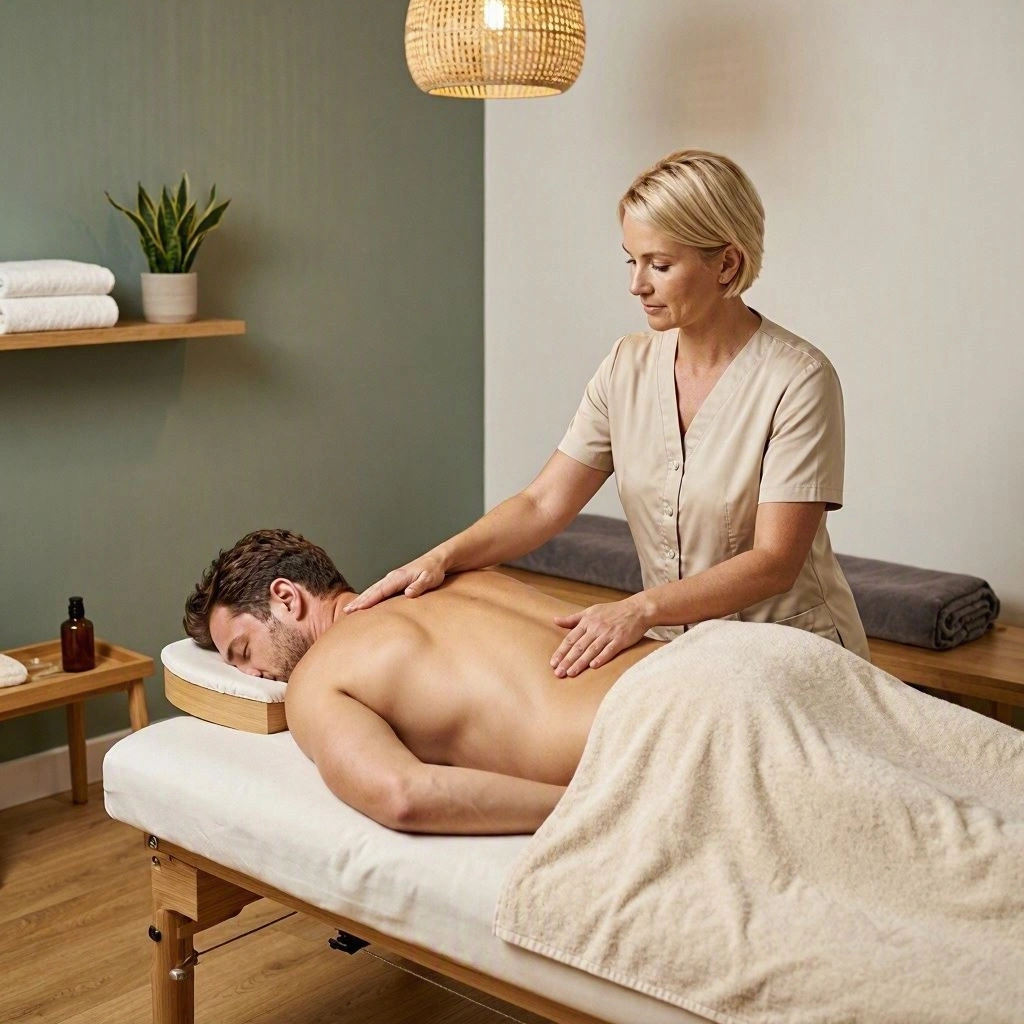
Swedish massage therapy is one of the most widely recognized forms of massage. It uses a combination of flowing strokes, kneading, rhythmic movements, and controlled pressure to promote relaxation and support overall physical comfort. Because the techniques can be adapted to different pressure levels, Swedish massage is often suitable for people looking for either a relaxing wellness experience or a gentle therapeutic treatment.
Unlike highly specialized massage approaches that focus on specific areas or intense pressure, Swedish massage generally emphasizes smooth movements across larger areas of the body. The therapist can adjust the speed, pressure, and sequence of techniques based on the client’s preferences and treatment goals.
People commonly choose Swedish massage therapy to relax after a stressful week, reduce feelings of muscle tension, support comfortable movement, or simply make time for personal wellness. It may also complement other approaches such as exercise, stretching, physical therapy, and healthy lifestyle habits.
Although Swedish massage can provide meaningful benefits for many people, it is important to understand what massage can and cannot do. It should not replace medical diagnosis or treatment when a person has a significant injury, severe symptoms, or an underlying medical condition.
What Is Swedish Massage Therapy?
Swedish massage therapy is a hands-on massage method that uses several traditional techniques to work with muscles and soft tissues.
The treatment commonly includes long gliding strokes, kneading, circular movements, rhythmic tapping, and gentle movements of the limbs. These techniques can be combined into a continuous sequence designed to encourage relaxation and physical comfort.
One of the defining characteristics of Swedish massage is its adaptability. The therapist can modify pressure according to the client’s preferences. Someone seeking relaxation may prefer lighter pressure, while another person may request moderate pressure to address areas of muscular tightness.
A Swedish massage session can focus on the entire body or concentrate on selected areas such as the back, shoulders, neck, arms, or legs.
How Does Swedish Massage Therapy Work?
Swedish massage therapy works primarily through manual manipulation of soft tissues.
During a session, the therapist uses their hands, fingers, palms, forearms, or other appropriate techniques to create controlled pressure and movement.
Long, flowing strokes can provide a calming sensation. Kneading movements can work more directly with muscles. Circular pressure can be used around areas that feel tense, while rhythmic movements can create a relaxing treatment experience.
The therapist may gradually change techniques throughout the session. A treatment might begin with gentle strokes before moving into deeper kneading and then returning to slower movements toward the end.
The objective is not to cause pain. Instead, the therapist should work within a comfortable and appropriate range based on the client’s needs.
Main Swedish Massage Techniques
Swedish massage is commonly associated with several foundational techniques.
Effleurage
Effleurage consists of long, gliding strokes performed over the body.
It is often used at the beginning and end of a treatment session. These smooth movements can help create a sense of relaxation and allow the therapist to gradually transition between different techniques.
Effleurage can also help the therapist identify areas that feel particularly tense or sensitive.
Petrissage
Petrissage involves kneading, lifting, or gently compressing soft tissues.
The technique can be used to work more directly with muscles than broad gliding strokes.
Pressure should be adapted according to the client’s comfort and the area being treated.
Friction
Friction involves smaller, more focused movements that create pressure over specific areas.
A therapist may use friction techniques around areas of muscular tightness.
Because this approach can feel more intense, communication between the client and therapist is important.
Tapotement
Tapotement involves rhythmic tapping or percussion movements.
Different forms of tapping may be used depending on the treatment goal.
This technique is generally performed in a controlled and rhythmic manner rather than with excessive force.
Vibration
Vibration involves rapid, gentle shaking or oscillating movements.
It can be incorporated into certain Swedish massage treatments to create a different sensory experience.
The therapist decides whether the technique is appropriate based on the individual’s comfort and treatment goals.
Benefits of Swedish Massage Therapy
Swedish massage therapy may provide several potential benefits when performed appropriately.
Promotes Relaxation
Relaxation is one of the most common reasons people choose Swedish massage.
The combination of slow strokes, comfortable positioning, controlled pressure, and a calm environment can create an opportunity to disconnect from daily responsibilities.
For people who regularly experience everyday stress, scheduling time for relaxation may be valuable.
Helps Relieve Muscle Tension
Daily activities can contribute to muscle tightness.
Long periods of sitting, repetitive movements, exercise, physically demanding work, and stress may all influence how muscles feel.
Swedish massage may help reduce the sensation of temporary muscle tension by working with soft tissues.
Supports Comfortable Movement
Muscular tightness can sometimes make movement feel less comfortable.
Massage may help people feel more relaxed and mobile after treatment.
For example, someone with tight shoulders may notice greater comfort when moving the arms or upper body after a session.
However, massage does not address every possible cause of limited mobility. Persistent restrictions may require assessment and exercise-based treatment.
Supports General Well-Being
Massage can become part of a broader wellness routine.
Taking time for physical relaxation may help people become more aware of tension, fatigue, and other physical signals.
When combined with regular exercise, healthy sleep, balanced nutrition, and appropriate stress management, massage may contribute to an overall approach to well-being.
May Support Recovery After Exercise
Exercise creates physical demands on muscles and other tissues.
Recovery depends on many factors, including rest, sleep, nutrition, hydration, and appropriate training.
Swedish massage may be used as part of a recovery routine to promote relaxation and reduce the feeling of muscular tightness after physical activity.
It should not replace appropriate injury rehabilitation or professional assessment when an injury is suspected.
Swedish Massage Therapy for Stress
Stress can affect both mental and physical health.
When people experience stress, they may unconsciously tighten muscles around the shoulders, neck, jaw, and back.
Swedish massage can provide a relaxing environment where the body has an opportunity to unwind.
The slow, flowing nature of many Swedish massage techniques can be particularly suitable for people whose primary goal is relaxation.
However, massage should not be considered a complete treatment for chronic or severe psychological stress. People experiencing significant mental health concerns should seek appropriate professional support.
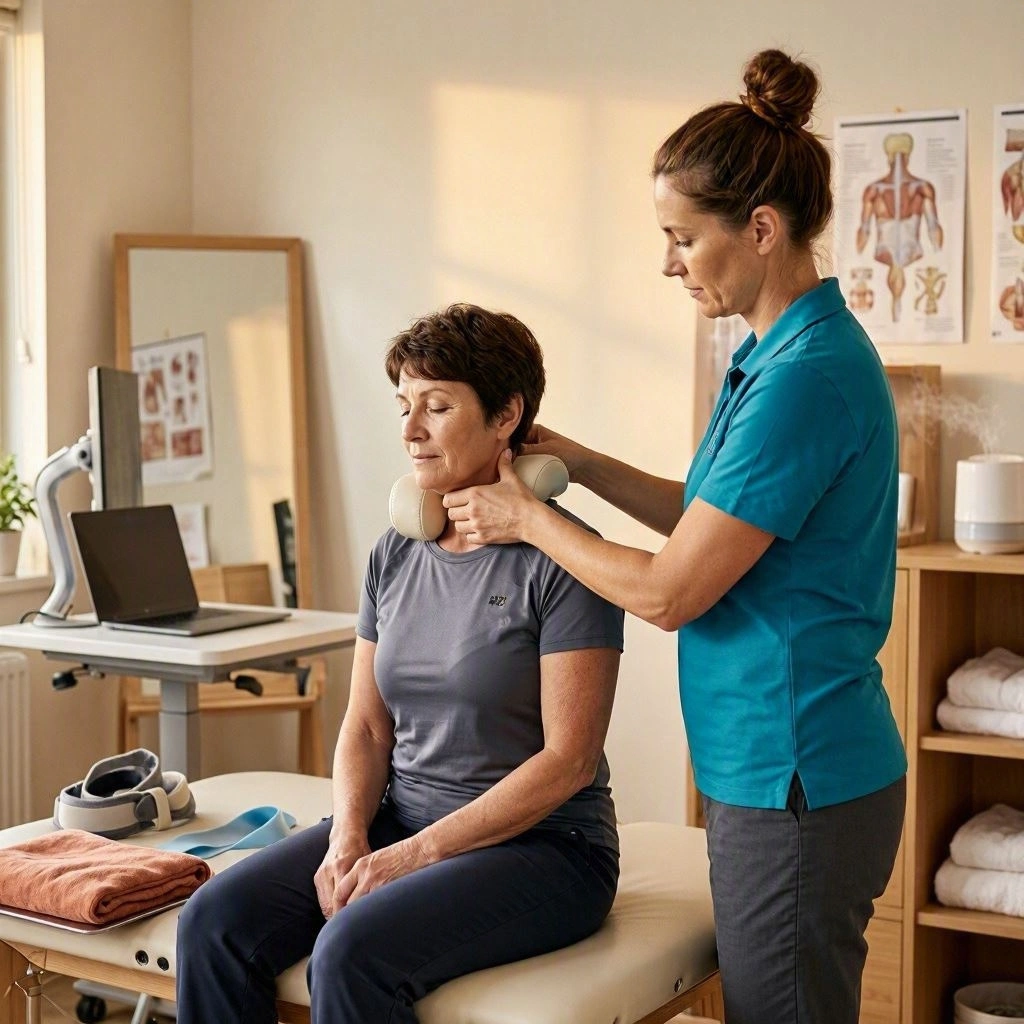
Swedish Massage for Neck and Shoulder Tension
The neck and shoulders are common areas of tension.
Computer work, smartphone use, driving, repetitive tasks, and stressful situations can all contribute to discomfort in these areas.
A Swedish massage session can focus on the shoulders, upper back, neck, and surrounding muscles.
The therapist can use lighter strokes and kneading techniques according to the client’s comfort.
Because neck symptoms can sometimes have causes beyond simple muscular tension, severe or persistent symptoms should be evaluated by an appropriate healthcare professional.
Symptoms such as weakness, numbness, dizziness, or pain following significant trauma should receive particular attention.
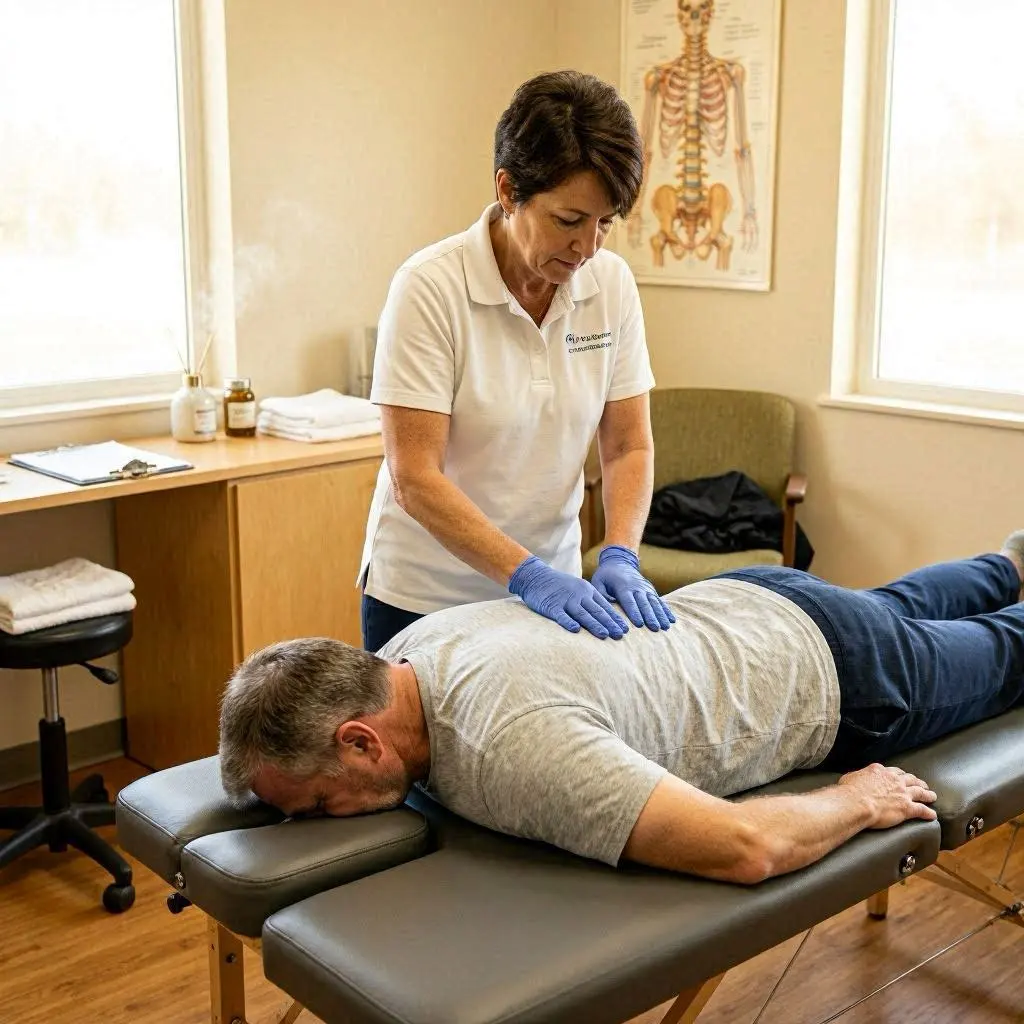
Swedish Massage for Back Tension
Back tension is another common reason people seek massage therapy.
Prolonged sitting, physical work, lifting, repetitive movement, and exercise can contribute to muscular fatigue.
Swedish massage may provide temporary relief from feelings of muscular tightness and promote relaxation.
A therapist may work across the upper and lower back as well as surrounding areas such as the hips and shoulders.
Massage should remain comfortable and should not be used to mask serious symptoms.
If back pain is severe, persistent, or associated with neurological symptoms, professional medical assessment is recommended.
Swedish Massage for Athletes
Although Swedish massage is often associated with relaxation, it can also be adapted for physically active people.
Athletes may experience muscle fatigue and tension as a result of repeated training.
A therapist can adjust pressure and focus according to the individual’s activity.
For example, an athlete may request a session focused on the legs and hips after extensive lower-body training.
Swedish massage can complement stretching, mobility exercises, strength training, recovery days, proper nutrition, and sufficient sleep.
Swedish Massage and Flexibility
Massage does not directly make muscles permanently longer, but it may help some people feel less restricted by temporary muscle tension.
When a muscle feels tight, movement can sometimes become uncomfortable.
A relaxing massage may reduce the sensation of tightness, allowing movement to feel easier temporarily.
For lasting improvements in flexibility, regular stretching, mobility exercises, strength training, and appropriate physical activity are generally more important.
Swedish Massage and Posture
Poor posture is often associated with prolonged sitting or repetitive positioning.
People who work at a desk may experience tension around the neck, shoulders, chest, and upper back.
Swedish massage may help reduce some of the muscular discomfort associated with these habits.
However, massage alone does not permanently correct posture.
Long-term improvement may require ergonomic adjustments, movement breaks, strengthening exercises, mobility training, and professional guidance when necessary.
What Happens During a Swedish Massage Session?
A Swedish massage appointment generally starts with a short consultation.
The therapist may ask about your goals, areas of tension, physical activity, previous injuries, and pressure preferences.
You should communicate any areas that you do not want treated.
The therapist will then explain positioning and help you become comfortable.
During the session, different Swedish massage techniques may be combined.
The treatment may begin with long flowing strokes before progressing to kneading and more focused work. Toward the end, the therapist may return to slower, lighter strokes.
Communication remains important throughout the appointment.
If the pressure is uncomfortable, tell the therapist immediately.
How Long Does Swedish Massage Therapy Take?
Swedish massage sessions can vary in length.
A shorter appointment may last approximately 30 minutes, while common full-body sessions may last around 60 or 90 minutes.
Some treatments may be longer depending on the clinic and the individual’s goals.
The ideal session length depends on the number of areas being treated and the client’s preferences.
A longer appointment does not automatically provide better results.
A focused session can be useful when a person wants attention on one or two specific areas.
How Often Should You Get Swedish Massage?
There is no universal frequency for Swedish massage therapy.
Some people schedule massage occasionally when they feel stressed or physically tense.
Others prefer regular appointments as part of their wellness routine.
An active person may choose massage around periods of heavier training, while someone primarily interested in relaxation may schedule sessions according to personal preference.
Your response to treatment is an important consideration.
If you experience significant soreness after intensive massage, allowing additional recovery time may be appropriate.
Swedish Massage vs. Deep Tissue Massage
deep tissue massage and Swedish massage can both involve hands-on pressure, but their typical approaches differ.
Swedish massage generally emphasizes flowing strokes, kneading, relaxation, and adaptable pressure.
Deep tissue massage generally uses slower and more focused pressure on particular areas.
Neither approach is automatically better.
The best option depends on your goals.
Someone looking primarily for relaxation may prefer Swedish massage, while someone seeking focused work on particular areas of muscular tightness may discuss deep tissue techniques with a qualified therapist.
Swedish Massage vs. Sports Massage
Sports massage is generally adapted to physically active individuals and the demands of their sport.
It may include techniques designed around training and recovery.
Swedish massage is broader and is commonly used for relaxation and general muscular comfort.
However, the two approaches can overlap. A therapist may use Swedish techniques during a sports-oriented session when relaxation is also important.
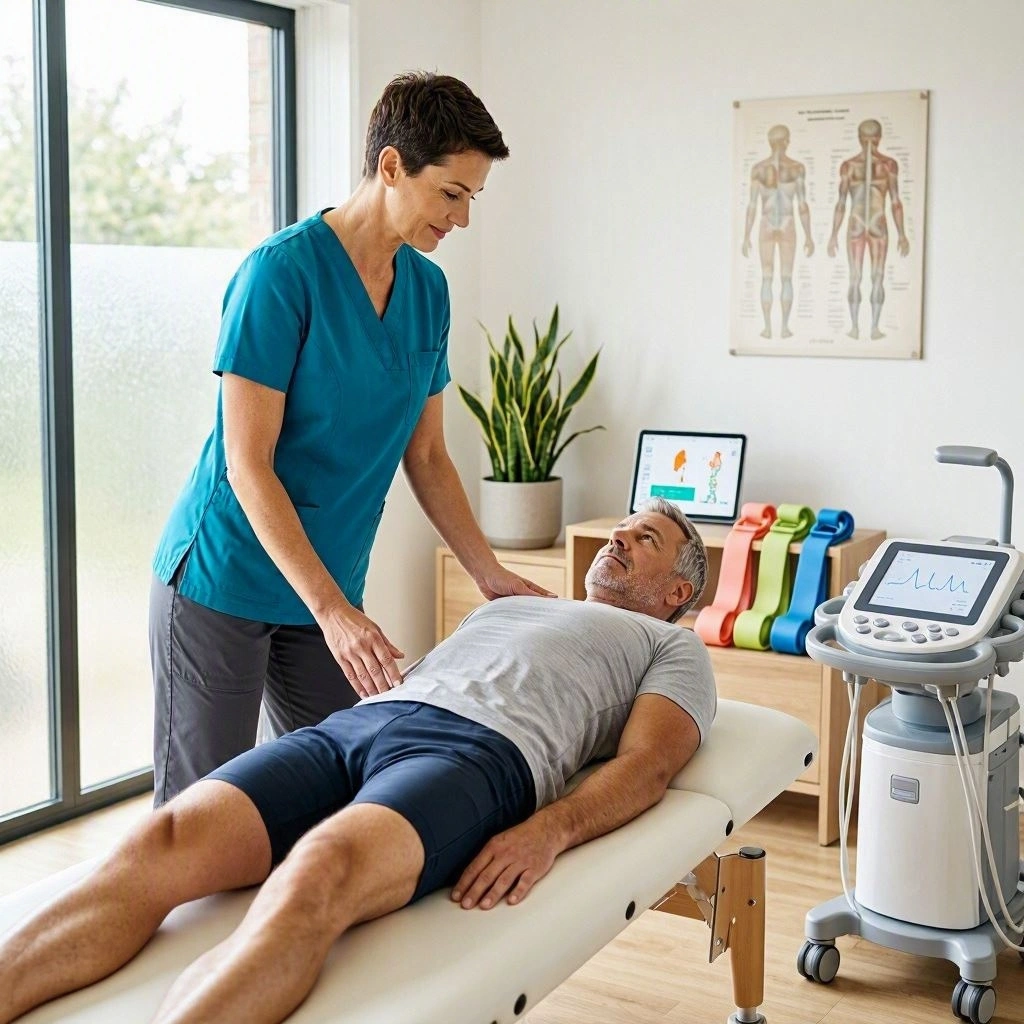
Swedish Massage and Physical Therapy
Swedish massage therapy and physical therapy serve different purposes.
Massage focuses primarily on hands-on soft-tissue techniques and relaxation.
Physical therapy commonly includes assessment, therapeutic exercise, strengthening, balance training, movement retraining, and rehabilitation.
For some people, massage may complement physical therapy.
For example, a person following a rehabilitation program may use massage as an additional approach to general muscular comfort when appropriate.
Massage should not replace necessary rehabilitation or professional medical treatment.
Who Can Benefit From Swedish Massage?
Many healthy adults may enjoy Swedish massage therapy.
It may be particularly appealing to people who:
-
Experience everyday muscle tension.
-
Spend long periods sitting.
-
Have physically demanding jobs.
-
Participate in regular exercise.
-
Want support with relaxation.
-
Experience general physical fatigue.
-
Want to incorporate massage into a wellness routine.
Treatment should always be adapted to the individual’s circumstances.
Is Swedish Massage Safe?
Swedish massage is generally well tolerated by many healthy adults when performed appropriately.
However, massage is not appropriate for every person or every situation.
People with certain medical conditions, recent injuries, infections, significant swelling, unexplained symptoms, or other health concerns may need medical advice before treatment.
The therapist should be informed about relevant health conditions, injuries, and medications.
Massage should also be modified or avoided over areas with open wounds or certain acute conditions.
When Should You Avoid Swedish Massage?
There are situations where massage may need to be postponed or avoided.
Examples can include acute injuries, unexplained severe pain, fever, active infections, significant swelling, or other concerning symptoms.
If you are uncertain whether massage is suitable, speak with an appropriate healthcare professional.
Massage therapists should not attempt to diagnose conditions outside their professional scope.
How to Prepare for a Swedish Massage
Preparing for your appointment can help you feel more comfortable.
Communicate Your Goals
Explain why you are seeking massage.
You may want relaxation, general muscle comfort, recovery support, or focused attention on a particular area.
Discuss Pressure
Tell the therapist whether you prefer light, moderate, or deeper pressure.
Your preference can also change during the session.
Mention Relevant Injuries
Inform your therapist about recent injuries or areas of sensitivity.
This information can help the therapist modify the treatment.
Arrive With Enough Time
Arriving a few minutes early allows you to complete any necessary forms and transition into a relaxed state.
Avoid Feeling Obligated to Tolerate Pain
Massage does not need to hurt to be effective.
If a technique feels excessively uncomfortable, communicate this immediately.
What to Do After Swedish Massage
After a massage, some people feel relaxed and refreshed.
Others may experience mild temporary soreness, particularly after more intensive work.
Gentle movement and normal hydration can be appropriate following a session.
You should also pay attention to how your body responds.
If you experience severe or unusual symptoms after treatment, seek appropriate professional advice.
How to Make Swedish Massage More Effective
Massage can be more useful when combined with healthy daily habits.
Regular physical activity helps maintain strength and mobility.
Stretching and mobility exercises can complement hands-on treatment.
Adequate sleep supports recovery.
Healthy nutrition provides energy and nutrients.
Regular breaks during desk work can reduce prolonged static positioning.
Stress-management strategies can also help reduce the physical effects of everyday stress.
Massage should therefore be viewed as one part of a larger wellness strategy.
Choosing a Swedish Massage Therapist
Finding a qualified and professional therapist is important.
A good therapist should take time to understand your needs before beginning treatment.
Look for someone who:
-
Has appropriate massage training.
-
Communicates clearly.
-
Respects personal boundaries.
-
Adjusts pressure according to your preferences.
-
Asks about relevant health information.
-
Explains the treatment process.
-
Avoids unrealistic promises.
You should feel comfortable speaking openly with your therapist throughout the appointment.
Frequently Asked Questions
What is Swedish massage therapy?
Swedish massage therapy is a hands-on massage approach that commonly uses long strokes, kneading, rhythmic movements, friction, and vibration to promote relaxation and physical comfort.
Is Swedish massage good for relaxation?
Yes. Relaxation is one of the most common reasons people choose Swedish massage. Slow, flowing techniques can create a calming treatment experience.
Can Swedish massage help muscle tension?
Swedish massage may help reduce the sensation of temporary muscle tension and promote muscular relaxation. Results vary between individuals.
Is Swedish massage painful?
Swedish massage does not need to be painful. Pressure can usually be adjusted according to your comfort level.
How long does a Swedish massage session last?
Sessions commonly range from approximately 30 to 90 minutes, although the exact duration depends on the clinic and treatment goals.
How often should I get a Swedish massage?
There is no standard schedule. Some people receive massage occasionally, while others schedule regular sessions based on their wellness and relaxation goals.
Can athletes receive Swedish massage?
Yes. Swedish massage can be adapted for active individuals and may complement an overall recovery routine.
Can Swedish massage improve posture?
Massage may temporarily reduce muscular tension associated with prolonged positions, but it does not permanently correct posture by itself.
Is Swedish massage better than deep tissue massage?
Neither is universally better. Swedish massage generally emphasizes relaxation and flowing techniques, while deep tissue massage typically uses more focused pressure.
Can Swedish massage replace physical therapy?
No. Massage and physical therapy have different purposes. Massage may complement rehabilitation but should not replace necessary physical therapy.
Final Thoughts
Swedish massage therapy is a versatile and accessible approach to relaxation, muscle comfort, and general wellness. Its combination of flowing strokes, kneading, rhythmic movements, friction, and vibration allows therapists to create sessions that can be adapted to different preferences.
For people dealing with everyday stress, muscular tension, physical fatigue, prolonged sitting, or exercise-related tightness, Swedish massage may provide a valuable complementary option.
One of its major advantages is flexibility. Pressure and techniques can be adjusted based on the client’s goals and comfort level. A session can be primarily relaxing or can include more focused work on areas that feel tense.
However, massage is not a replacement for medical care or rehabilitation when these services are necessary. Severe, persistent, unexplained, or unusual symptoms should be assessed by an appropriate healthcare professional.
For the best long-term results, Swedish massage should be combined with healthy lifestyle habits such as regular movement, exercise, adequate sleep, balanced nutrition, stress management, and appropriate professional care.
When performed by a properly trained therapist and adapted to the individual, Swedish massage therapy can be a comfortable and effective addition to a broader approach to physical and mental well-being.