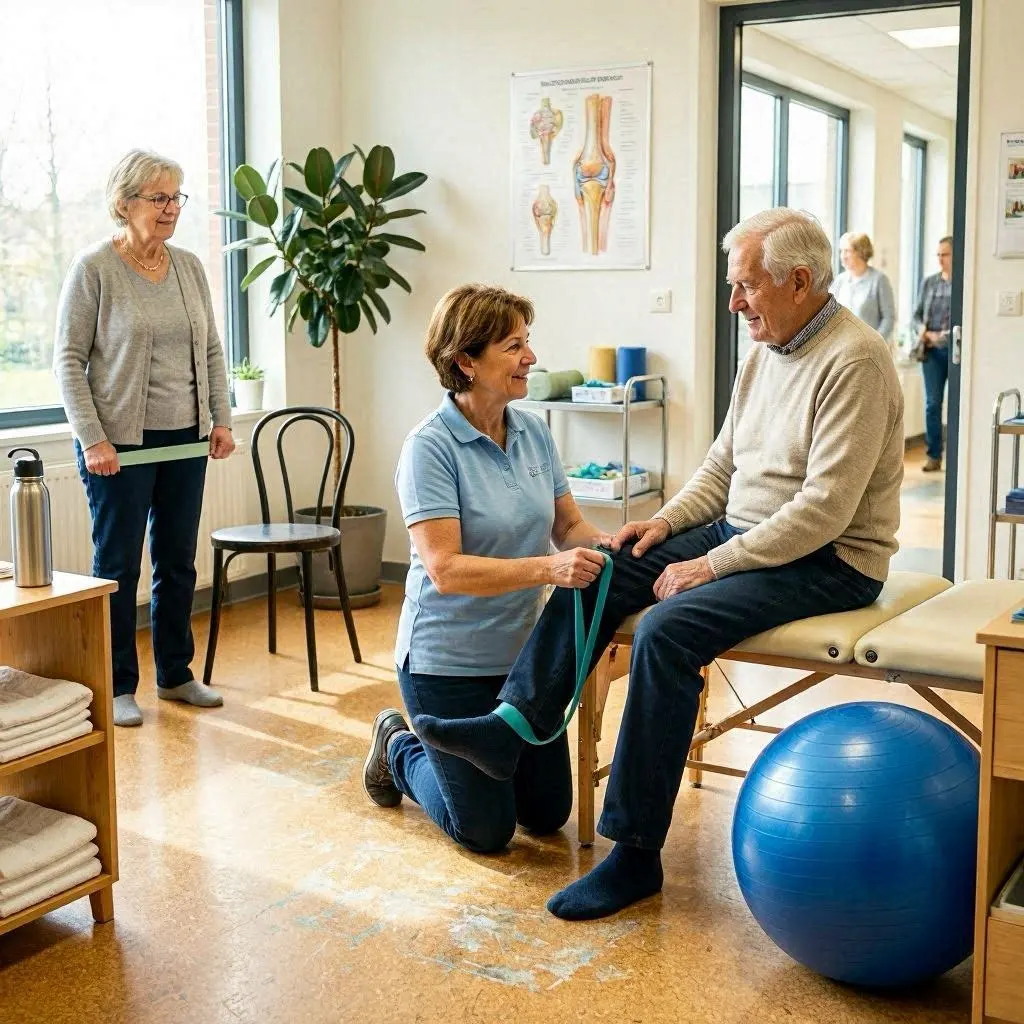
Physiotherapy for Arthritis: Improving Mobility and Reducing Pain
Arthritis is one of the most common conditions affecting millions of people worldwide. It causes inflammation, pain, stiffness, and reduced mobility in the joints, making everyday activities challenging. While arthritis cannot always be cured, physiotherapy plays a crucial role in managing symptoms, improving joint function, and enhancing overall quality of life.
What Is Arthritis?
Arthritis is a condition that affects the joints and surrounding tissues. The two most common types are:
-
Osteoarthritis (OA): Caused by wear and tear of joint cartilage over time.
-
Rheumatoid Arthritis (RA): An autoimmune condition where the body’s immune system attacks healthy joints.
Common symptoms include joint pain, stiffness, swelling, decreased range of motion, and muscle weakness.
How Physiotherapy Helps Arthritis Patients
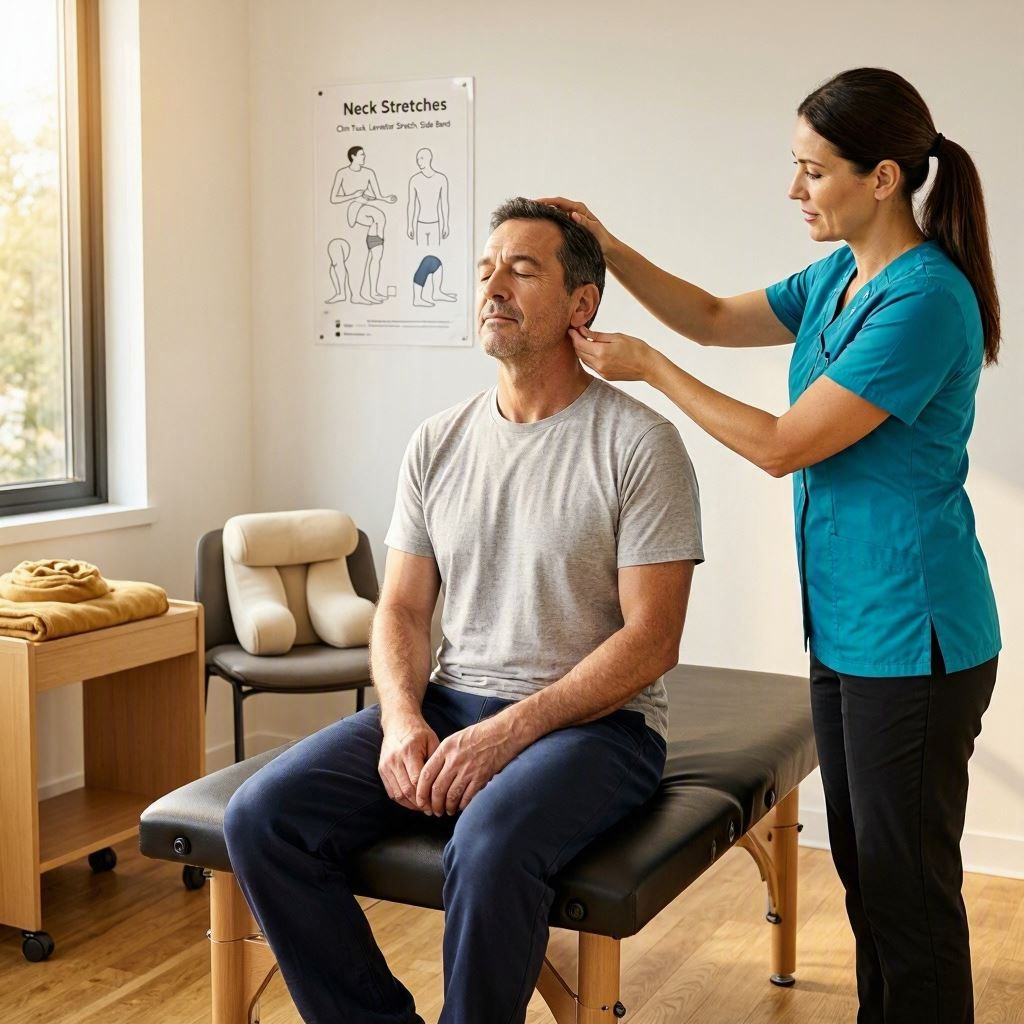
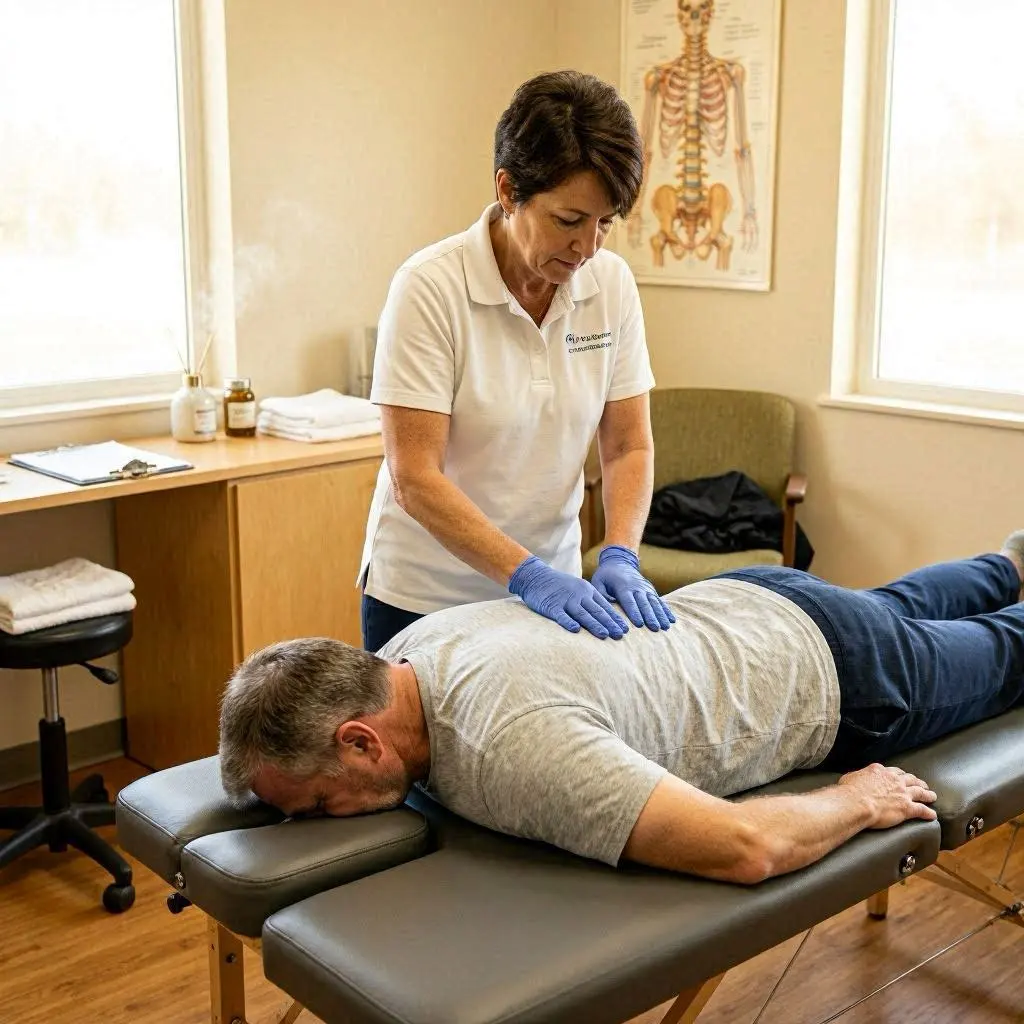
Physiotherapy is a non-invasive treatment approach that focuses on restoring movement, reducing pain, and improving physical function. A physiotherapist develops a personalized treatment plan based on the patient’s condition, symptoms, and lifestyle.
1. Pain Management
Physiotherapists use various techniques to help reduce pain, including:
-
Manual therapy
-
Soft tissue mobilization
-
Heat and cold therapy
-
Therapeutic exercises
-
Electrotherapy when appropriate
These treatments can help decrease discomfort and improve daily function.
2. Improving Joint Mobility
Arthritis often causes stiffness that limits movement. Physiotherapy includes stretching and mobility exercises designed to improve joint flexibility and maintain range of motion.
3. Strengthening Muscles (Physiotherapy for Arthritis)
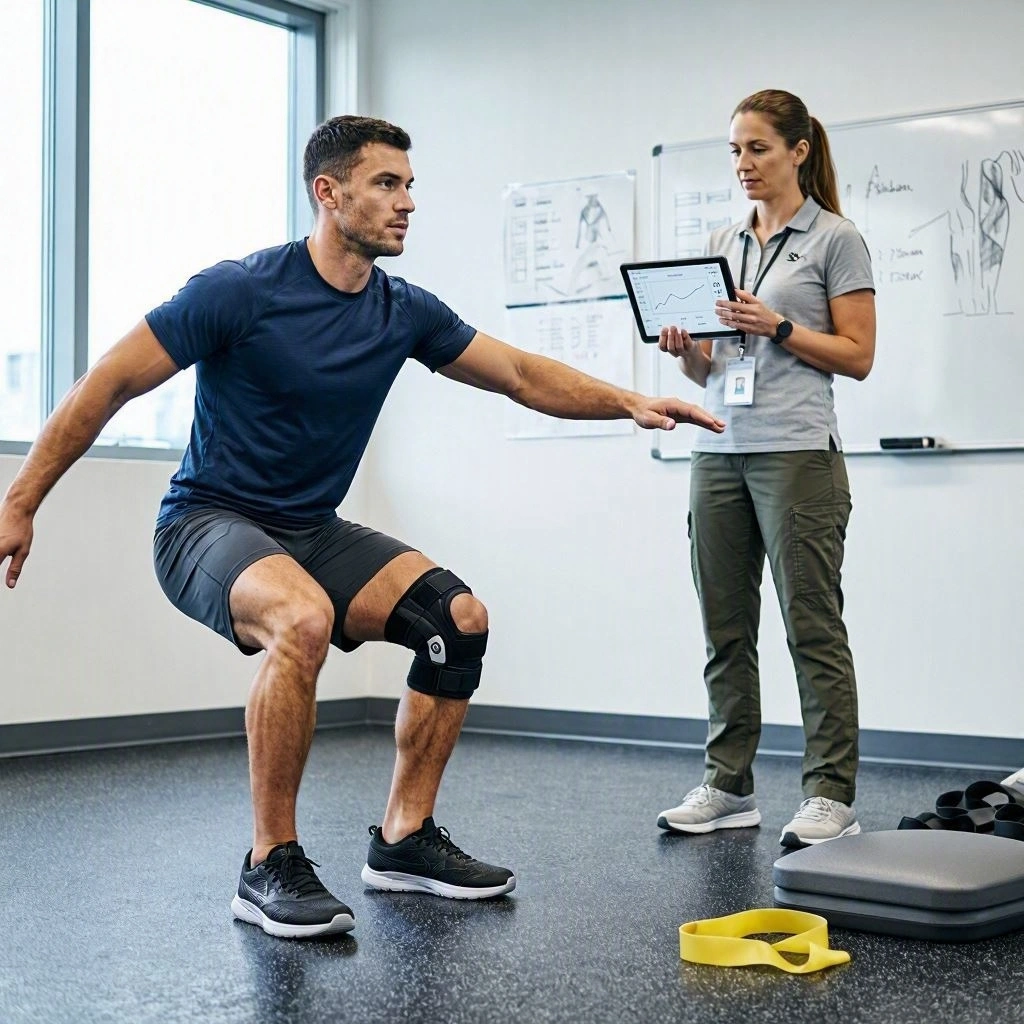
Strong muscles support and protect the joints. Physiotherapists prescribe targeted strengthening exercises that reduce stress on affected joints and improve stability.
4. Enhancing Balance and Coordination
Many arthritis patients experience balance issues due to pain and reduced mobility. Balance training can help prevent falls and improve confidence during movement.
5. Promoting Independence
Regular physiotherapy enables patients to perform daily activities more comfortably, maintain an active lifestyle, and improve overall well-being.
Common Physiotherapy Exercises for Arthritis
A physiotherapist may recommend exercises such as:
-
Gentle stretching exercises
-
Range-of-motion exercises
-
Strength training
-
Walking programs
-
Water-based exercises
-
Balance and stability training
These exercises should be performed under professional guidance to ensure safety and effectiveness.
Benefits of Physiotherapy for Arthritis
Patients who participate in physiotherapy often experience:
-
Reduced joint pain
-
Improved flexibility
-
Better mobility
-
Increased muscle strength
-
Enhanced balance
-
Greater independence in daily activities
-
Improved quality of life
When Should You See a Physiotherapist?
If arthritis pain is affecting your ability to move, exercise, work, or perform daily tasks, consulting a physiotherapist can be highly beneficial. Early intervention helps prevent further joint deterioration and promotes better long-term outcomes.
Conclusion (Physiotherapy for Arthritis)
Physiotherapy is an effective and evidence-based approach to managing arthritis symptoms. Through personalized exercise programs, pain management techniques, and mobility training, physiotherapy can help individuals maintain an active lifestyle and enjoy a better quality of life. If you are living with arthritis, seeking professional physiotherapy care may be an important step toward reducing pain and improving joint health.