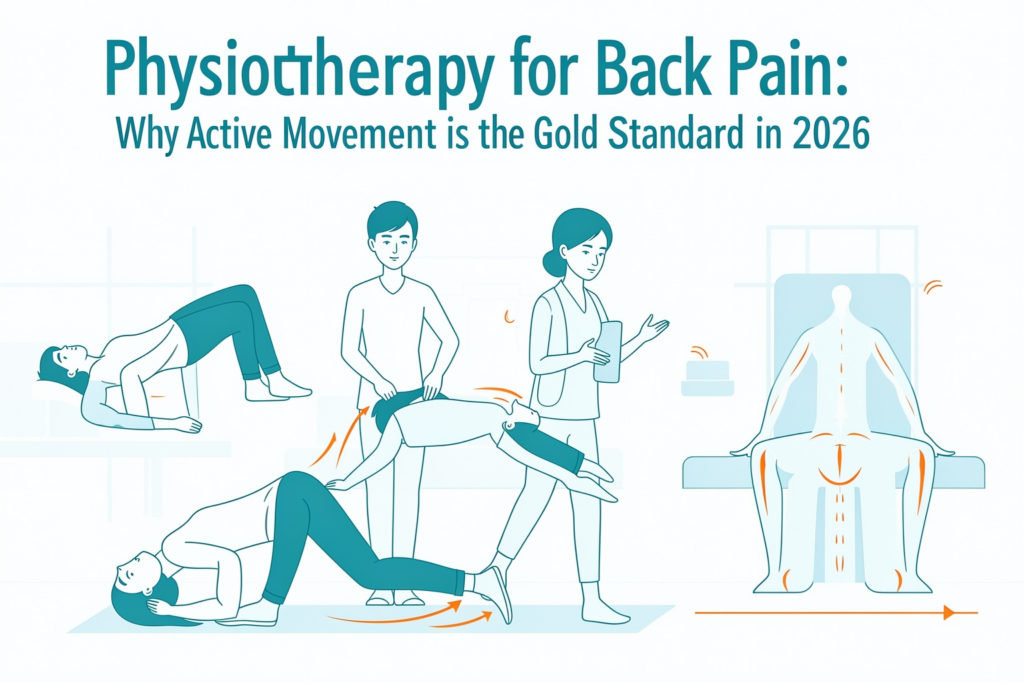
Physiotherapy for Back Pain
If you suffer from chronic spinal issues, physiotherapy for back pain offers a proven, drug-free solution.
Globally, low back pain (LBP) is the leading cause of disability. For decades, the go-to solution was rest, heat packs, and passive massages. But the latest 2025–2026 clinical guidelines have shifted the paradigm.
Modern active rehabilitation is now proven to be the most effective long-term approach for relief and prevention. Whether you are searching for a physical therapist near me or looking for home exercises, this guide explains why movement is medicine.
Active vs. Passive Physiotherapy for Back Pain: Which Approach Works?
It is vital to understand the difference between “active” and “passive” care when seeking relief for your spine.
• Passive therapy for spinal pain: This includes treatments like massages, acupuncture, or electrotherapy where the patient remains inactive. These feel good but often offer only short-term relief.
• Active rehabilitation for chronic low back pain: This involves patient-led movement—specific strengthening exercises, walking programs, or Pilates. The patient is an active participant.
What the Latest Research on Exercise Therapy Reveals
A recent Level I Bayesian network meta-analysis (analyzing data from 2,768 patients) delivered a definitive verdict: Active exercise-based care is superior to passive treatments for chronic low back pain.
The study concluded that patients who engaged in active exercise regimes reported significantly lower pain scores and better functional mobility than those who received only massages or joint manipulations.
Key Takeaway: While manual therapy helps acute pain in the short term, exercise therapy for back pain is the only intervention that provides long-term disability improvement.
Top 5 Evidence-Based Exercises for Spinal Health (Active Physiotherapy)
A 2025 systematic review (including 2,132 participants) identified the top performers for reducing pain and disability using movement-based therapy.
1. Pilates for Core Stability in Back Pain Treatment
Best for pain relief. Pilates focuses on core stability and deep muscle activation. It retrains the brain to activate the correct muscles during movement, making it ideal for chronic, non-specific low back complaints.
2. Walking as Medicine in Physiotherapy for Back Pain
Best for improving function. Simple brisk walking strengthens spinal structures without high impact. Studies show this low-cost activity reduces pain, improves mood, and helps spinal disc health. Walking rehab is now a core prescription.
3. Yoga for Flexibility and Mindfulness (Active Spinal Care)
Best for flexibility and fear reduction. Yoga combines stretching with mindfulness. Research confirms it is safe and effective for reducing the fear of movement (kinesiophobia) that often perpetuates pain cycles.
4. Tai Chi for Balance and Strength in Chronic Low Back Care
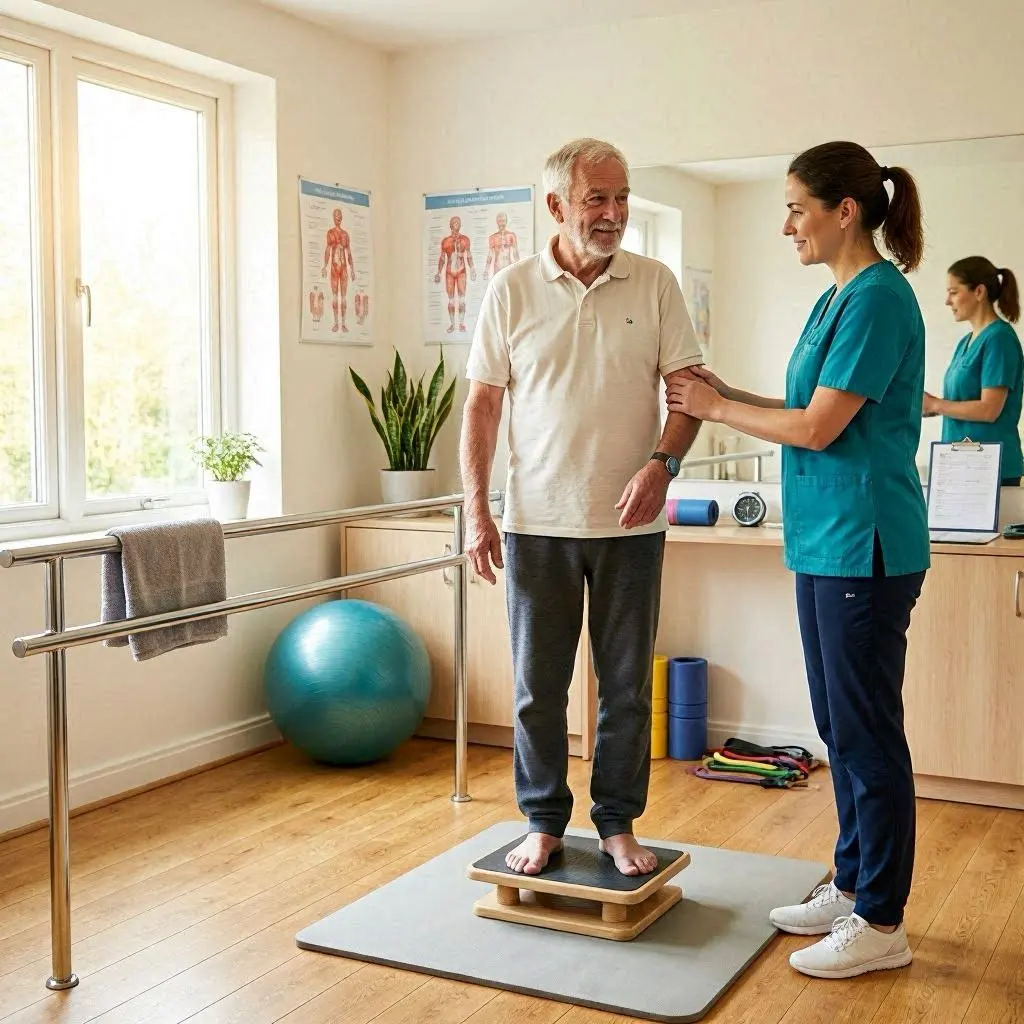
Best for older adults. Tai Chi’s slow, flowing movements improve balance and muscle strength without jarring the spine. It has a high analgesic (pain-relieving) effect.
5. Core Stability Drills for Neuromuscular Retraining
Best for retraining the brain. These exercises improve coordination between deep abdominal muscles and the spine, helping to “unlearn” unconscious tension patterns that trigger pain.
How to Choose the Right Clinic for Active Physiotherapy for Back Pain
If you are searching for relief online, look for clinics practicing modern, evidence-based methods for spinal rehabilitation.
• Look for “Active” Rehab Specialists: Avoid clinics that rely solely on massage tables. Seek websites mentioning “exercise prescription,” “active therapy,” or “movement-based treatment.”
• Check Google Business Profiles: The best clinics list specific services like “sciatica treatment,” “core stability training,” and “walking rehab.”
• Read Reviews for Keywords: Look for patients mentioning the therapist “taught me home exercises” or “showed me how to move without pain.”
The Future of Spinal Rehabilitation (2026 Guidelines)
The most exciting development in 2026 is the integration of biomechanics with psychology. Cognitive Muscular Therapy (CMT) shows that chronic pain often triggers the brain to keep muscles tight even after the initial injury heals.
By combining postural correction with relaxation techniques, this modern approach to physiotherapy for back pain helps you “unlearn” pain. The biopsychosocial model is the new gold standard. It moves away from “rest and heat packs” to a philosophy of movement, education, and empowerment.
Final Thoughts on Active Movement for Back Pain Relief
If you have chronic spinal discomfort, stop resting and start moving—correctly. Seek a professional who prescribes active exercise, not just passive table work. With the right treatment plan for chronic low back pain, you can reduce pain, restore function, and prevent future episodes. For most people, physiotherapy for back pain remains the safest and most effective first-line treatment.