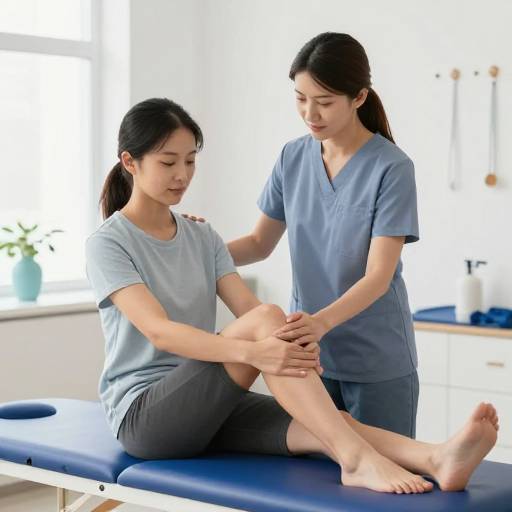
Knee pain is one of the most common musculoskeletal complaints worldwide, affecting athletes,
office workers, and seniors alike. However, whether caused by an acute injury, arthritis, or
overuse, living with persistent knee discomfort can limit your mobility and reduce your quality
of life. Therefore, while medication offers temporary relief, physiotherapy for knee
pain addresses the root cause, providing long-term solutions without invasive procedures. In
this article, we explore how targeted physiotherapy works, the conditions it treats, and what a
typical recovery plan looks like.
Common Causes of Knee Pain That Physiotherapy Can Treat
Before treatment begins, a qualified physiotherapist conducts a thorough
assessment. Specifically, the knee is a complex hinge joint relying on bones, cartilage,
ligaments, and surrounding muscles. Pain can arise from several sources:
• Osteoarthritis (OA): Wear-and-tear cartilage breakdown.
• Patellofemoral Pain Syndrome (PFPS): Pain around the kneecap, common in runners.
• Ligament Injuries: Sprains or tears (e.g., ACL injury).
• Meniscal Tears: Twisting injuries causing locking or clicking.
• Iliotibial (IT) Band Syndrome: Outer knee pain from friction.
• Patellar Tendinopathy (Jumper’s Knee): Inflammation of the patellar tendon.
Consequently, each cause requires a unique approach. For instance, generic rest often
fails. Instead, physiotherapy for knee pain personalizes treatment based on your specific
diagnosis, fitness level, and goals.
How Physiotherapy for Knee Pain Works – Core Treatment Principles
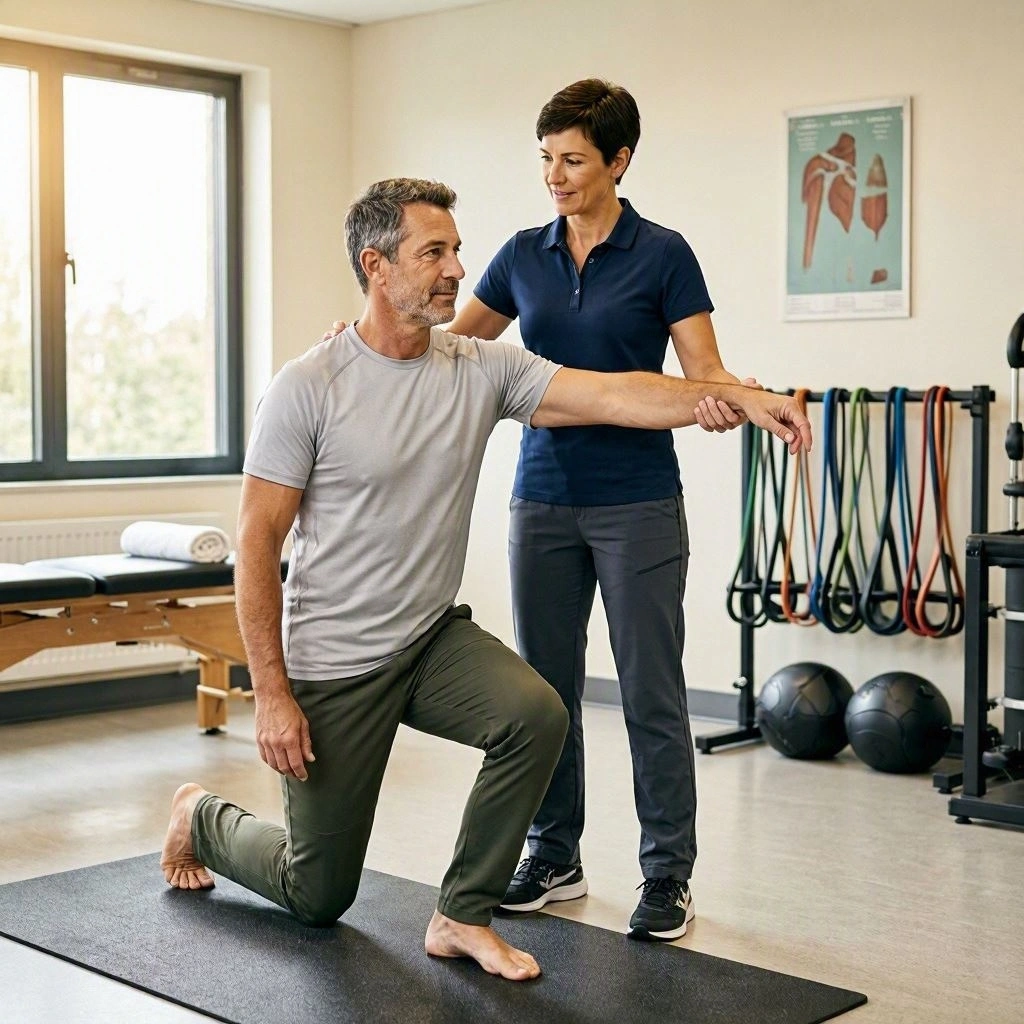
Physiotherapy isn’t just about exercises; rather, it is a science-based practice combining manual
therapy, movement re-education, and patient education. Here are the key components of
effective knee physiotherapy:
1. Pain Reduction and Inflammation Management
Initially, the focus is on calming symptoms. For example, techniques include:
• Ice and compression guidance.
• Electrotherapy (TENS or ultrasound) to reduce pain signals.
• Kinesiology taping to support the joint without restricting motion.
2. Restoring Range of Motion Through Knee Physiotherapy
Stiffness often accompanies knee pain. As a result, therapists use gentle passive stretches, joint
mobilizations, and specific active ROM exercises (e.g., heel slides, seated knee extensions) to
regain full flexion and extension. This is a cornerstone of physical therapy for knee pain.
3. Strengthening Exercises in Physiotherapy for Knee Pain
Weak quadriceps, hamstrings, or gluteal muscles force the knee to absorb excess
force. Therefore, a tailored strengthening program includes:
• Quadriceps sets and straight leg raises (patellar tracking).
• Glute bridges and clamshells (hip stability reduces knee load).
• Calf raises and mini-squats (functional strength).
Moreover, progressively loaded exercises, such as step-ups or leg presses, build resilience
without aggravating pain.
4. Balance and Proprioception Training in Knee Rehab
Knee injuries disrupt your joint position sense. Consequently, relearning control through single-
leg stands, wobble boards, and dynamic balance drills prevents re-injury and restores
confidence in movement. This is a vital part of any rehab for sore knees.
5. Functional Drills – The Final Stage of Physiotherapy for Knee Pain
Finally, for athletes or active individuals, the final phase mimics real-life demands – running,
jumping, cutting, or stair climbing – ensuring you return to sport stronger than before.
What to Expect During a Session of Physiotherapy for Knee Pain
A typical appointment lasts 30–60 minutes. Initially, your therapist will review your medical
history, assess your gait, perform orthopaedic tests, and measure your knee’s range of motion
and strength.
After that, you will receive a home exercise program (HEP) – typically 10–15 minutes twice
daily. In fact, adherence to the HEP is critical; research shows that patients who consistently
perform their exercises achieve 40% faster recovery.
As a result, most non-surgical knee conditions show significant improvement within 4–8 weeks
of consistent physiotherapy for knee pain, though chronic arthritis may require ongoing
maintenance.
Physiotherapy for Knee Pain vs. Other Treatments – Why Choose Movement?
Many people ask, “Can’t I just rest or take painkillers?” However, while rest helps acute strains,
prolonged immobilization weakens muscles and stiffens joints. Similarly, painkillers mask
symptoms but do not heal damaged tissues.
Nevertheless, surgery is sometimes necessary. Yet, pre- and post-operative knee
physiotherapy is proven to improve outcomes. For example, studies show that patients who
undergo physiotherapy for knee pain before knee replacement surgery require less post-op
pain medication and recover mobility weeks faster.
In contrast, compared to corticosteroid injections – which offer temporary relief – physical
therapy for knee pain provides lasting benefits without side effects.
When to Seek Professional Physiotherapy for Knee Pain
You should seek professional help if:
• Pain persists for more than 2–3 days despite rest and ice.
• You cannot fully straighten or bend your knee.
• Your knee buckles, clicks painfully, or locks.
• You have swelling, redness, or warmth.
• Pain limits your daily activities.
Additionally, you do not need a doctor’s referral in most countries. However, physiotherapists
are trained to recognize red flags and will refer you for imaging if necessary.
Self-Care Tips to Support Your Physiotherapy for Knee Pain
While working with a professional, these habits accelerate healing:
• Stay active within pain limits – aim for pain-free walking or swimming.
• Apply ice after exercise if you have inflammatory flare-ups.
• Wear supportive footwear – poor foot mechanics affect the knee.
• Avoid high-impact activities during early recovery.
• Maintain a healthy body weight – each extra kilogram adds 4 kg of load to the knee
when walking.
Conclusion
Knee pain does not have to mean the end of an active lifestyle. In summary, physiotherapy for
knee pain offers evidence-based, drug-free, and surgery-free solutions for all
ages. Furthermore, by addressing muscle imbalances, joint mechanics, and movement
patterns, knee physiotherapy not only relieves pain but also prevents future episodes.
Therefore, if you have been limping or avoiding your favourite activities, consult a licensed
physiotherapist. Ultimately, with a personalized plan and consistent effort, most people achieve
significant pain reduction and return to full function within two to three months.