Osteopathy for Rib and Chest Wall Pain: Causes, Treatment, Exercises, and Recovery
Introduction
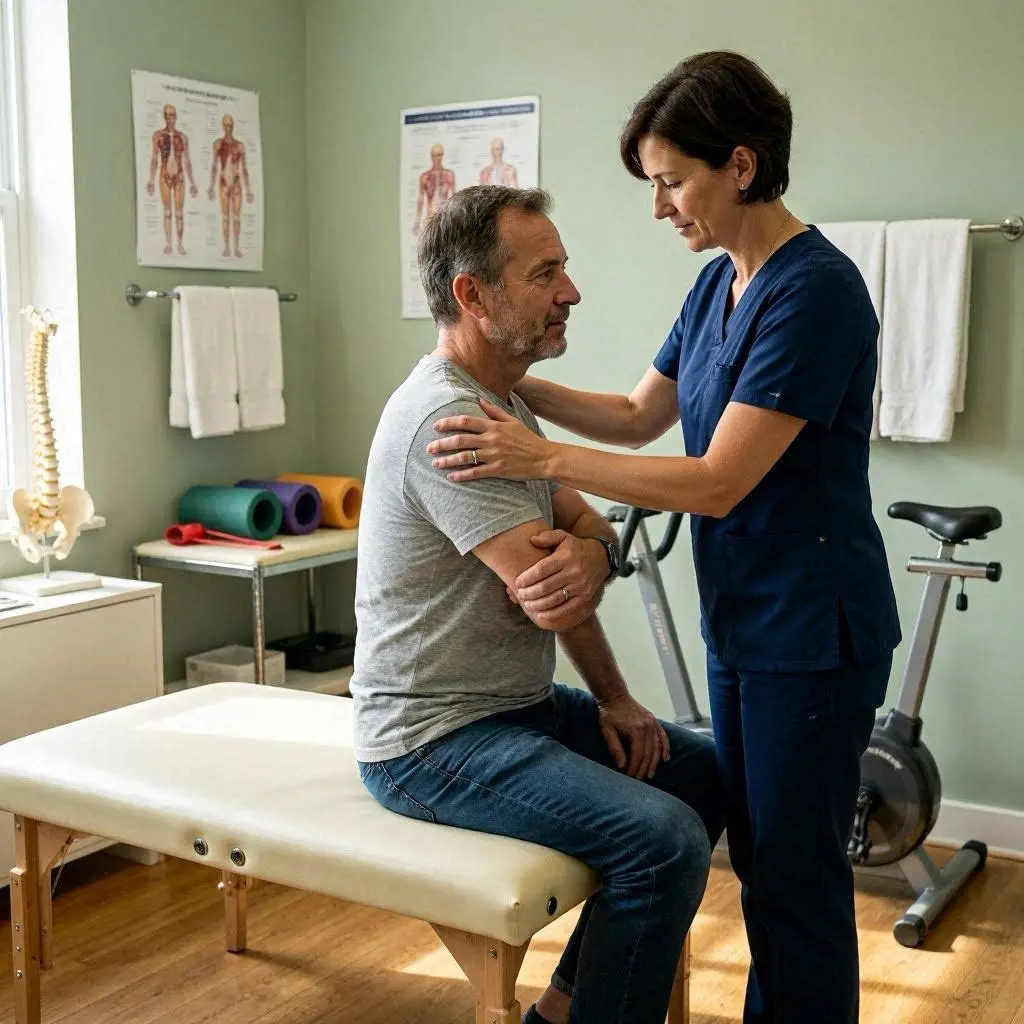
Rib and chest wall pain can make everyday activities uncomfortable. Turning your upper body, reaching overhead, lifting objects, coughing, sneezing, or taking a deep breath may trigger sharp pain or a persistent ache around the ribs. For some people, the discomfort develops after exercise or an injury. For others, it begins gradually because of repetitive movements, muscle tension, or irritation around the joints of the rib cage. Osteopathy for rib and chest wall pain may help some people whose symptoms are caused by musculoskeletal problems. Osteopathic care can involve movement assessment, gentle hands-on techniques, soft-tissue treatment, mobility exercises, and advice about modifying activities while the body recovers.
However, chest pain can also be a sign of a serious heart, lung, vascular, or digestive condition. It is not safe to assume that pain is muscular simply because it changes with movement or feels tender when touched. New, unexplained, or persistent chest pain should be medically assessed before starting manual therapy.
At Ritz Clinic, osteopathy may form part of an individualized approach to musculoskeletal discomfort and restricted movement. The appropriate treatment depends on the cause of the symptoms, the person’s medical history, and the results of a suitable assessment.
This guide explains common causes of rib and chest wall pain, how osteopathy may fit into treatment, what an appointment can involve, and when medical attention is essential.
What Is Rib and Chest Wall Pain?
The chest wall is the structure surrounding and protecting the organs inside the chest. It includes the ribs, breastbone, thoracic spine, cartilage, muscles, tendons, ligaments, and connective tissues.
The ribs connect to the thoracic spine at the back. Most also connect to the breastbone, or sternum, through cartilage at the front. These connections allow the rib cage to move as you breathe while providing protection for the heart and lungs.
Several structures can contribute to chest wall discomfort, including:
- Intercostal muscles between the ribs.
- Pectoral muscles across the front of the chest.
- Muscles surrounding the shoulder blades and upper back.
- Costochondral joints, where the ribs meet their cartilage.
- Costovertebral joints, where the ribs connect to the spine.
- The thoracic spine and surrounding soft tissues.
- Connective tissues affected by strain, inflammation, or injury.
Musculoskeletal chest pain may feel sharp, aching, tight, or tender. It can sometimes be felt in a specific location or extend from the back around the side of the chest.
According to the Cleveland Clinic’s guide to musculoskeletal chest pain, pain involving muscles, bones, cartilage, and joints can resemble other types of chest pain. A healthcare professional should assess new or unexplained symptoms rather than relying on the pain’s location or character alone.
Common Causes of Rib and Chest Wall Pain (Osteopathy for Rib and Chest Wall Pain)
Understanding the possible cause is important because not every condition responds to the same treatment. Osteopathy may be appropriate for selected musculoskeletal problems, but it cannot replace medical investigation when symptoms suggest another condition.
1. Intercostal Muscle Strain
The intercostal muscles sit between the ribs and help control the movement of the rib cage during breathing. These muscles can become strained after lifting, twisting, sports, sudden reaching, or repetitive upper-body activity.
Common symptoms may include localized tenderness, discomfort when rotating the torso, and pain during deep breathing, coughing, or sneezing.
A mild strain may improve with appropriate activity modification and gradual movement. More significant injuries require assessment, especially when the pain follows an accident or makes normal breathing difficult.
Osteopathic treatment may be considered after an appropriate assessment confirms that the symptoms are musculoskeletal and manual treatment is suitable. Gentle soft-tissue techniques and gradual mobility work may help support comfortable movement during recovery.
2. Costochondritis
Costochondritis is inflammation of the cartilage connecting the ribs to the sternum. It can cause tenderness and sharp pain around the front of the chest, sometimes affecting more than one rib connection.
Pain may worsen with upper-body movement, deep breathing, coughing, or pressure over the affected area. Some people notice discomfort when hugging someone or wearing a seat belt.
The cause is not always clear, although it can sometimes follow physical strain, repeated activity, or a chest injury.
The NHS costochondritis guidance explains that the condition often improves over time, although symptoms can last for weeks or longer.
Treatment depends on the individual. Activity modification, appropriate pain relief, and guidance from a healthcare professional may help. Osteopathy should only be considered after the diagnosis has been appropriately evaluated, and painful or forceful techniques should be avoided.
3. Rib Joint Stiffness
The ribs connect to the spine through small joints that contribute to the movement of the chest during breathing and upper-body activity. These joints can become painful or feel restricted following certain injuries or periods of physical strain.
Some people experience discomfort near the spine that travels around the side of the rib cage. Others notice pain when turning, extending, or bending the upper body.
A qualified practitioner may assess thoracic movement, rib cage motion, and surrounding muscle function to determine whether a musculoskeletal problem could be contributing to the symptoms.
Where appropriate, gentle mobilization and movement exercises may help improve comfort and mobility. However, a sensation of stiffness does not prove that a rib is out of place, and manipulation should never be used as a substitute for investigating unexplained chest pain.
4. Poor Posture and Prolonged Sitting (Osteopathy for Rib and Chest Wall Pain)
Long periods of sitting, particularly when combined with limited movement, may contribute to discomfort in the upper back, shoulders, and chest muscles.
For example, working at a computer for several hours may leave someone feeling stiff when they stand, rotate their trunk, or stretch their arms overhead. Holding the same position for extended periods may also increase sensitivity in already irritated tissues.
Posture is only one possible factor. Chest wall pain should not automatically be attributed to slouching, and a particular sitting position is not necessarily harmful in itself.
If a musculoskeletal assessment identifies movement habits that contribute to discomfort, an osteopath may recommend regular movement breaks, comfortable workstation adjustments, and exercises that gradually restore upper-body mobility.
5. Sports and Exercise Injuries (Osteopathy for Rib and Chest Wall Pain)
Activities involving throwing, swimming, rowing, weightlifting, golf, tennis, and contact sports can place repeated demands on the muscles and joints around the rib cage.
Sudden increases in training intensity, unfamiliar movements, or insufficient recovery may contribute to muscle strain and chest wall irritation. Direct impact can also cause bruising or a rib fracture.
Mild muscular discomfort may settle with suitable recovery and a gradual return to activity. However, pain after a significant collision, fall, or direct blow to the chest should be assessed before manual treatment.
An individualized rehabilitation plan may include movement assessment, activity modification, progressive exercises, and a gradual return to sport when medically appropriate.
6. Thoracic Spine-Related Pain
The thoracic spine is the section of the spine located in the upper and middle back. Its joints, muscles, and surrounding tissues contribute to upper-body movement and interact mechanically with the rib cage.
Some thoracic spine conditions can cause pain that spreads toward the ribs or front of the chest. The exact cause may involve muscle irritation, joint problems, nerve involvement, or another spinal condition.
An assessment may examine the relationship between spinal movement and the person’s symptoms. Treatment might include gentle mobility work, strengthening, or advice about activity when appropriate.
Pain spreading from the back to the chest should not automatically be considered a spinal problem. Heart, lung, and other internal causes must be considered first when symptoms are new, unexplained, or concerning.
7. Coughing and Repetitive Strain
Frequent or forceful coughing can place considerable stress on the muscles and cartilage around the rib cage. A respiratory infection may therefore be followed by chest wall soreness.
Pain may become noticeable when coughing, sneezing, laughing, or taking a deep breath. However, chest pain associated with a cough can also indicate a respiratory condition that needs medical assessment.
If pain develops during or after an illness, seek medical advice when symptoms are persistent, worsening, or accompanied by fever, shortness of breath, or feeling significantly unwell.
Osteopathy is not a treatment for a respiratory infection. Any hands-on care should be considered only when the cause of the pain has been assessed and the treatment is appropriate.

How Can Osteopathy Help with Rib and Chest Wall Pain?
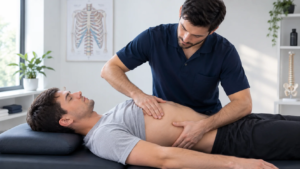
Osteopathy focuses on the assessment and management of musculoskeletal problems. Depending on the practitioner’s training, clinical findings, and local scope of practice, care may include hands-on techniques, movement advice, and exercise guidance.
For selected cases of rib and chest wall pain, the aim is to improve comfortable movement, support recovery, and help the person return to normal activities. The benefits depend on the underlying condition, and osteopathy is not guaranteed to relieve symptoms.
1. Assessing Movement and Mobility (Osteopathy for Rib and Chest Wall Pain)
An osteopathic appointment may begin with questions about when the pain started, where it is located, what makes it better or worse, and whether an injury or illness preceded it.
The practitioner may ask about breathing-related symptoms, recent exercise, work activities, previous injuries, and medical history. They may also ask whether the pain changes with twisting, reaching, or other movements.
If it is clinically appropriate to proceed, a physical assessment may examine upper-back mobility, shoulder movement, chest wall tenderness, and the function of nearby muscles.
This process helps determine whether musculoskeletal treatment may be suitable or whether referral for medical assessment is needed.
2. Gentle Soft-Tissue Techniques
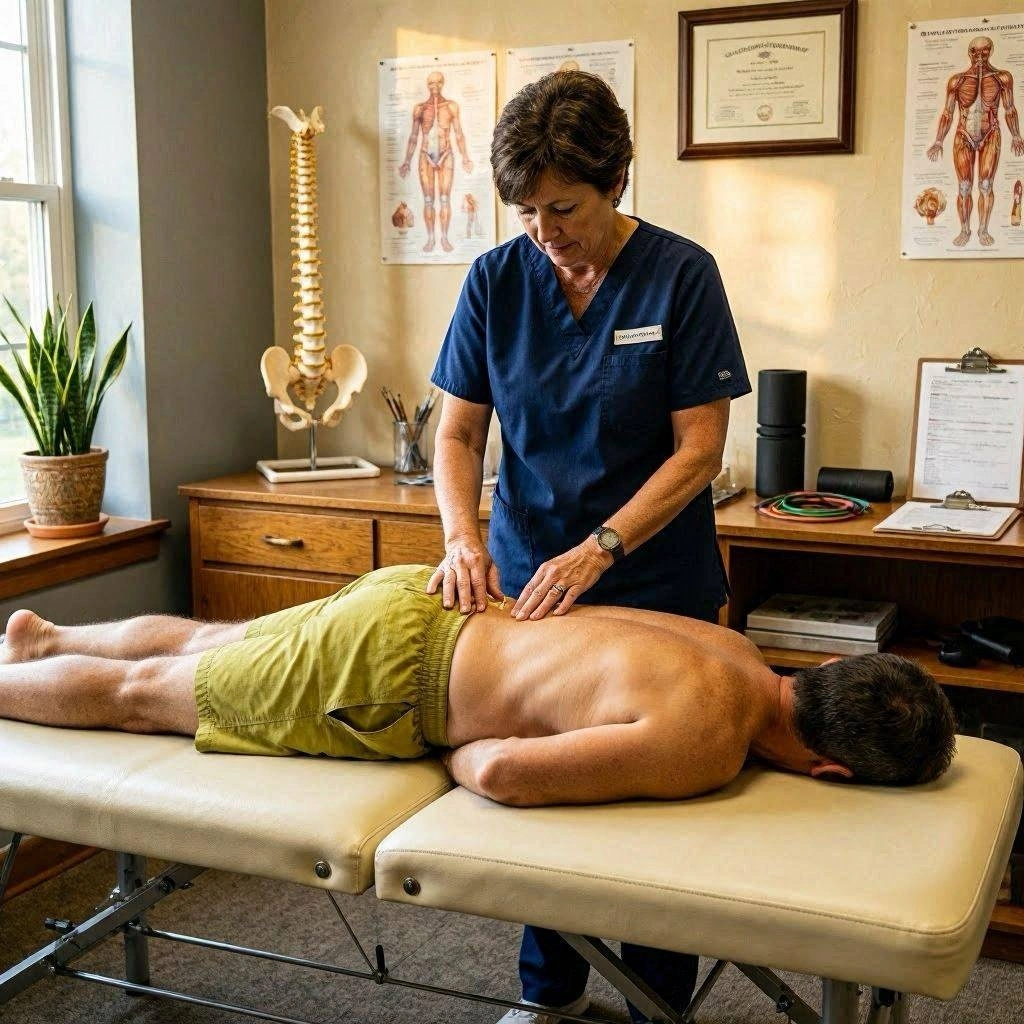
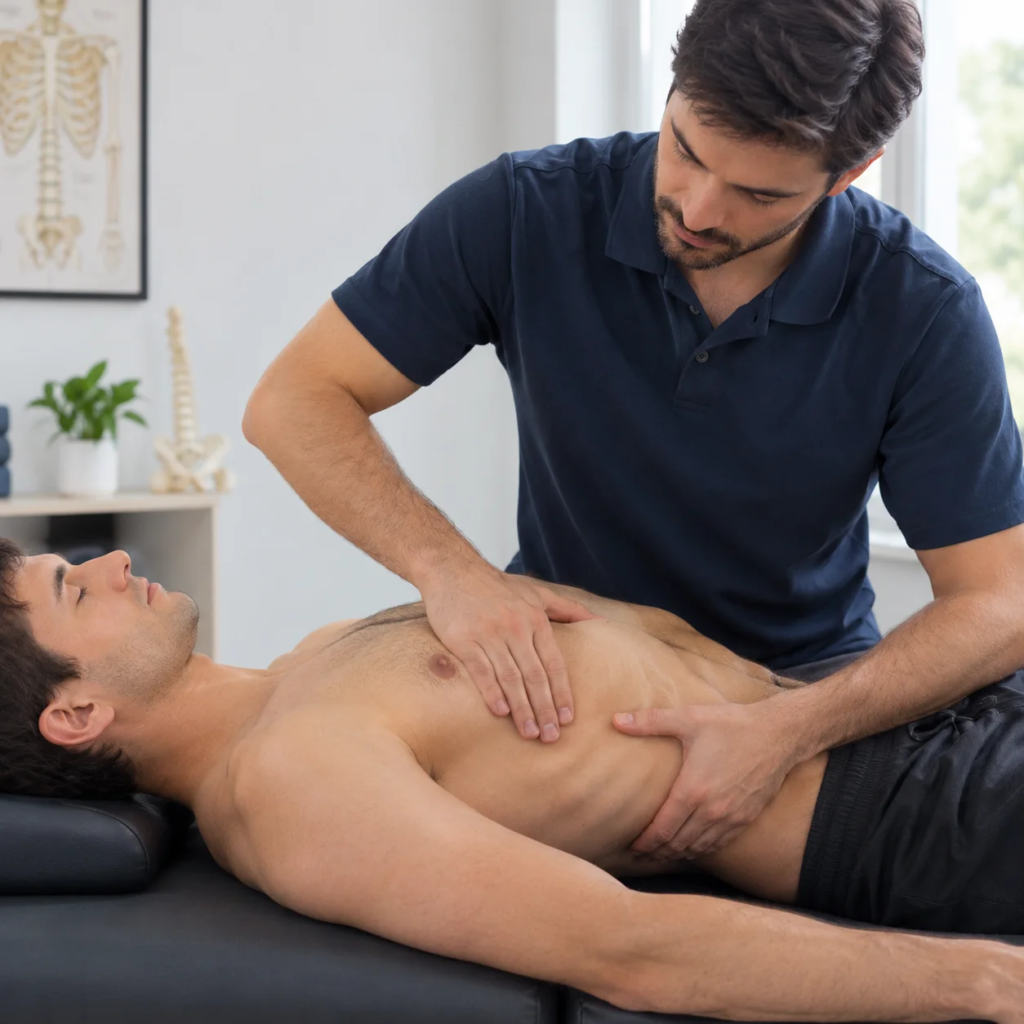
Soft-tissue techniques may be used to address muscle tension or tenderness around the upper back, shoulders, or chest wall.
Depending on the assessment, a practitioner might use gentle massage or other comfortable manual techniques on appropriate areas. The purpose is to support relaxation and movement rather than to force a painful structure into position.
Treatment should always be adapted to the individual’s comfort and medical circumstances. Direct pressure over an injured rib, suspected fracture, unexplained chest pain, or an area of significant inflammation may be inappropriate.
3. Improving Thoracic Mobility (Osteopathy for Rib and Chest Wall Pain)
Restricted upper-back movement may contribute to discomfort during certain activities. When assessment identifies a relevant musculoskeletal limitation, gentle mobility exercises may help improve the ability to rotate or extend the thoracic spine.
Hands-on mobilization may sometimes be considered, but the technique must be selected carefully. Forceful manipulation is not appropriate for every patient, particularly where there is a suspected fracture, osteoporosis-related risk, recent trauma, or an unexplained medical problem.
A practitioner should explain the purpose of any proposed technique and discuss its potential risks, benefits, and alternatives.
4. Supporting Rib Cage Movement During Breathing
The rib cage moves as you breathe. When an area is painful, people may unconsciously limit their breathing depth or avoid movements that provoke discomfort.
Once serious causes have been excluded and the injury is suitable for conservative management, a healthcare professional may recommend comfortable breathing exercises and gradual movement.
The goal is not to force a deep breath through severe pain. Instead, it is to maintain tolerable movement and follow any medical instructions related to the underlying condition.
If breathing becomes difficult, pain suddenly worsens, or a person cannot take a normal breath because of the pain, urgent medical assessment may be necessary.
5. Providing Exercise and Activity Guidance
Hands-on care alone may not address all the factors contributing to chest wall pain. Exercise and practical advice can help people manage activity levels and return gradually to everyday tasks.
Depending on the diagnosis, guidance may cover:
- Taking regular breaks from prolonged sitting.
- Temporarily modifying movements that aggravate symptoms.
- Maintaining comfortable shoulder and upper-back mobility.
- Returning gradually to exercise.
- Improving tolerance for work and daily activities.
- Recognizing symptoms that require reassessment.
Exercises should match the injury and the person’s current abilities. There is no single routine that is appropriate for every type of rib or chest wall pain.
What Happens During an Osteopathy Appointment?
If a healthcare professional has determined that osteopathic care is appropriate, an appointment may involve several stages.
Medical and Symptom History
The practitioner will ask about the onset and location of the pain, its severity, previous injuries, current activities, and relevant medical conditions. They may ask whether the symptoms are related to movement, breathing, exertion, meals, or coughing.
This information is important because chest pain has many potential causes. A practitioner should not assume that it is musculoskeletal without appropriate screening.
Physical Assessment
Where appropriate, the practitioner may assess posture, upper-body movement, shoulder mobility, and tenderness in relevant muscles and joints.
The assessment should be adapted to the symptoms and should not involve movements or pressure that could worsen an injury. If the presentation suggests a condition outside the scope of osteopathic care, medical referral is the safer next step.
Individualized Treatment Plan
If treatment is appropriate, the practitioner should explain the findings and discuss a plan that reflects the person’s needs.
This might include gentle manual techniques, movement exercises, self-management advice, and recommendations for follow-up. The plan should be adjusted if symptoms change or recovery does not progress as expected.
Patients should feel comfortable asking questions, declining a technique, or stopping treatment if it causes concerning discomfort.
Exercises That May Support Recovery
The exercises below are general examples, not a diagnosis-specific treatment plan. They should only be attempted when a healthcare professional has determined that gentle movement is appropriate. Do not use exercise to test whether unexplained chest pain is harmless.
Stop if an exercise causes chest pain, breathlessness, dizziness, or a clear increase in symptoms.
1. Gentle Shoulder Rolls
Shoulder rolls may help maintain comfortable movement around the shoulders and upper back.
- Sit or stand in a relaxed position.
- Slowly lift your shoulders toward your ears.
- Move them gently backward and downward.
- Repeat a few times without forcing the movement.
Keep the movement small and comfortable. This exercise is not suitable if it aggravates your symptoms.
2. Comfortable Thoracic Rotation (Osteopathy for Rib and Chest Wall Pain)
Gentle rotation may help maintain upper-back mobility when turning is comfortable and medically appropriate.
- Sit upright in a stable chair.
- Keep your feet supported on the floor.
- Slowly turn your upper body a small distance to one side.
- Return to the centre and repeat on the other side.
Do not push into pain or force a larger range of motion. Avoid this exercise after significant trauma until an appropriate assessment has ruled out an injury that requires different management.
3. Relaxed Breathing
If a healthcare professional has confirmed that gentle breathing practice is appropriate, relaxed breathing may help you avoid unnecessary tension.
- Sit comfortably with your shoulders relaxed.
- Breathe in gently at a comfortable depth.
- Breathe out slowly without straining.
- Continue for a short period, provided it feels comfortable.
Do not hold your breath or force deep inhalations. If you experience new or worsening breathlessness, seek medical attention.
4. Regular Movement Breaks (Osteopathy for Rib and Chest Wall Pain)
For people whose symptoms are aggravated by prolonged sitting, changing position regularly may be useful.
Stand up, walk briefly, or change your working position at intervals that feel manageable. Keep the movement gentle while symptoms settle, and follow any restrictions recommended by your healthcare professional.
5. Gradual Return to Activity
Once symptoms are improving and a suitable clinician has advised that activity can be resumed, increase daily activity gradually.
Avoid immediately returning to heavy lifting, high-intensity exercise, or movements that repeatedly trigger significant pain. If symptoms return or worsen, reduce the activity and seek guidance.
A physiotherapist or other appropriate healthcare professional may help develop a progressive rehabilitation plan when more structured support is needed.
Osteopathy for Costochondritis: What Should You Know?
Costochondritis is a possible cause of pain around the front of the chest, particularly where the ribs meet the sternum. The discomfort may worsen with pressure, coughing, upper-body movement, or deep breathing.
Because the symptoms can resemble more serious conditions, a proper medical assessment is important before treatment.
Costochondritis often improves with time and suitable self-management. A clinician may recommend modifying aggravating activities and using appropriate pain relief, depending on the individual’s circumstances.
Osteopathy should not be described as a cure for costochondritis. Evidence for manual treatment specifically for this condition is limited, and techniques that place pressure on an irritated chest wall may worsen symptoms. If manual therapy is considered at all, it should be gentle, clinically justified, and part of a broader care plan.
For additional information about the condition and when to seek medical advice, consult the NHS costochondritis resource.
How Long Does Recovery Take? (Osteopathy for Rib and Chest Wall Pain)
Recovery time depends on the underlying cause, the severity of the injury, general health, and the demands placed on the affected area.
Mild muscle strains may improve over days or weeks, while more persistent problems can take longer. Costochondritis may last several weeks and sometimes for months. Rib fractures and other significant injuries require appropriate assessment and can have a longer recovery period.
There is no reliable timeline that applies to every patient, and receiving osteopathic treatment does not guarantee faster recovery.
Factors that may influence progress include:
- Whether the underlying cause has been correctly identified.
- The extent of any muscle, cartilage, or bone injury.
- Whether aggravating activities are modified appropriately.
- The ability to maintain comfortable movement.
- Other medical conditions that affect healing.
- Whether the treatment plan is suitable and regularly reviewed.
If symptoms persist, worsen, or fail to improve as expected, arrange a reassessment rather than continuing the same treatment without reviewing the diagnosis.
When Should You Avoid Osteopathic Treatment?
Manual therapy is not appropriate for every person with rib or chest wall pain. The cause of the symptoms must be considered before treatment begins.
An osteopath should defer treatment and recommend appropriate medical assessment when there is concern about:
- New or unexplained chest pain.
- A possible rib fracture or significant chest injury.
- Sudden or increasing difficulty breathing.
- Suspected heart or lung disease.
- Fever or signs of a significant infection.
- Unexplained weight loss or a history of cancer with new chest symptoms.
- Severe or rapidly worsening pain.
- Symptoms that do not fit a straightforward musculoskeletal presentation.
People with osteoporosis, a history of fractures, certain inflammatory conditions, or other relevant medical risks may need additional precautions. Treatment techniques should be selected according to clinical findings rather than applied routinely.
Emergency Warning Signs
Call your local emergency number immediately if chest pain is sudden, severe, feels like pressure or squeezing, spreads to the arm, back, neck, or jaw, or occurs with shortness of breath, sweating, nausea, fainting, or other concerning symptoms.
Sudden chest pain with significant breathing difficulty, coughing up blood, or signs of collapse also requires emergency assessment.
Do not try to relieve these symptoms with stretching, massage, or spinal manipulation. Do not drive yourself to emergency care if you may be experiencing a medical emergency.
The Cleveland Clinic’s chest pain guidance provides further information about the wide range of possible causes. When in doubt, seek prompt medical advice.
Choosing a Suitable Provider at Ritz Clinic
When considering osteopathy for rib and chest wall pain, choose a practitioner who takes a careful history, screens for medical warning signs, and explains when another healthcare professional should evaluate the symptoms.
A suitable treatment approach should include:
A thorough assessment: The practitioner should understand the history of the pain and consider whether further medical investigation is needed.
An individualized plan: Treatment should reflect the suspected cause, your comfort, your medical history, and your recovery goals.
Clear explanations: You should understand the purpose of any recommended technique and its potential benefits and risks.
Appropriate boundaries: Manual therapy should not replace emergency assessment, medical diagnosis, or treatment for heart, lung, or other internal conditions.
Practical self-management advice: Where appropriate, care may include movement guidance, activity modification, and a plan for gradually returning to daily activities.
You can learn more about the clinic’s approach on the Ritz Clinic Osteopathy page. If you are unsure whether your symptoms are suitable for osteopathic care, seek medical advice before arranging hands-on treatment.
Frequently Asked Questions (Osteopathy for Rib and Chest Wall Pain)
1. Can osteopathy help rib and chest wall pain?
Osteopathy may help some people whose pain is caused by musculoskeletal problems, such as selected muscle strains or movement-related discomfort. Treatment may involve gentle manual techniques, mobility exercises, and activity advice. The evidence varies by condition, and osteopathy is not appropriate for every cause of chest pain. New or unexplained chest pain should be medically assessed first.
2. Can osteopathy help costochondritis?
The first step is to ensure that the diagnosis is appropriate and that more serious causes of chest pain have been considered. Costochondritis often improves over time with suitable self-management. Evidence supporting osteopathy specifically for costochondritis is limited, and direct pressure or forceful manipulation may aggravate symptoms. Any treatment should be individualized and clinically justified.
3. Why does my rib pain get worse when I breathe deeply?
Deep breathing expands the rib cage and moves the muscles, joints, and cartilage around the chest. A strain or irritated chest wall structure may therefore hurt during inhalation. However, pain with breathing can also occur with lung and other medical conditions. Seek prompt medical assessment for new or unexplained pain, and emergency care for significant breathlessness or other warning signs.
4. Can poor posture cause chest wall pain?
Prolonged positions and repetitive activities may contribute to muscle tension or discomfort in some people. However, posture is only one possible factor and cannot reliably explain every case of chest pain. If symptoms persist or are unexplained, arrange an appropriate assessment rather than assuming that changing posture will resolve the problem.
5. How many osteopathy sessions will I need?
There is no standard number of sessions. The appropriate plan depends on the diagnosis, symptom severity, response to treatment, and overall recovery goals. Your practitioner should explain how progress will be reviewed and when the treatment plan needs to change. Persistent or worsening symptoms require reassessment.
6. Is rib manipulation safe?
Not every person is suitable for rib or spinal manipulation. Recent trauma, suspected fractures, osteoporosis-related risks, unexplained chest pain, and certain medical conditions may make some techniques inappropriate. Treatment should follow a suitable assessment, and the practitioner should explain the alternatives. Forceful manipulation should never be used to treat unexplained chest pain.
7. Should I exercise with rib pain?
That depends on the cause and severity. Gentle movement may be suitable for some uncomplicated musculoskeletal conditions, while significant injuries may require specific restrictions. Avoid movements that increase pain substantially, and follow advice from your healthcare professional. Do not exercise through unexplained chest pain, breathlessness, dizziness, or other concerning symptoms.
8. When should I see a doctor instead of an osteopath?
Seek medical assessment for new, unexplained, persistent, or worsening chest pain, particularly if it is associated with coughing, fever, an injury, or pain during breathing. Call emergency services for sudden or severe pain, pressure or squeezing, pain spreading to the arm or jaw, significant breathing difficulty, fainting, sweating, or other emergency warning signs.
9. Can rib pain come from the upper back?
Yes. Certain musculoskeletal problems involving the thoracic spine, nearby muscles, or rib joints can produce pain that extends around the chest wall. Nevertheless, pain that spreads from the back to the chest can have other causes, including heart and lung conditions. An appropriate assessment is needed before attributing symptoms to the spine.
10. What should I expect from osteopathic care?
Depending on the assessment, care may include a discussion of symptoms and medical history, a movement assessment, gentle manual techniques, and recommendations for activity or exercise. Treatment should be adapted to your comfort and clinical needs. If the symptoms suggest a condition requiring medical investigation, referral should take priority over hands-on treatment.
Conclusion (Osteopathy for Rib and Chest Wall Pain)
Osteopathy for rib and chest wall pain may be one option for selected musculoskeletal conditions. A personalized approach can include movement assessment, gentle soft-tissue techniques, appropriate mobility exercises, and advice about managing daily activities during recovery.
The most important first step is identifying the cause of the pain. Symptoms involving the ribs and chest wall can arise from muscles, cartilage, joints, bones, or the thoracic spine, but they can also reflect serious heart, lung, or other medical conditions.
Do not assume that chest pain is harmless because it is tender to touch or changes with movement. New, unexplained, or persistent symptoms should be assessed by an appropriate healthcare professional, and emergency warning signs require immediate medical attention.
Once serious causes have been considered and musculoskeletal treatment is appropriate, a carefully tailored care plan may help support comfortable movement and a gradual return to normal activities.
Learn more about Osteopathy at Ritz Clinic and seek appropriate medical advice to determine whether this approach is suitable for your symptoms.