
Sciatica Chiropractor: A Comprehensive Guide to Relieving Sciatic Nerve Pain Naturally
Sciatica is a common condition that affects millions of people worldwide. It occurs when the sciatic nerve—the longest nerve in the body—becomes irritated or compressed, causing pain that typically starts in the lower back and travels through the buttock and down one leg. Depending on the severity, sciatica can also cause numbness, tingling, muscle weakness, and difficulty walking or standing for extended periods.Fortunately, a sciatica chiropractor can provide conservative, non-invasive care that helps reduce pain, improve mobility, and restore spinal function. Rather than focusing only on symptom relief, chiropractic care aims to identify and address the underlying cause of sciatic nerve irritation. As a result, many patients experience lasting improvements in comfort, movement, and overall quality of life.
What Does a Sciatica Chiropractor Do?
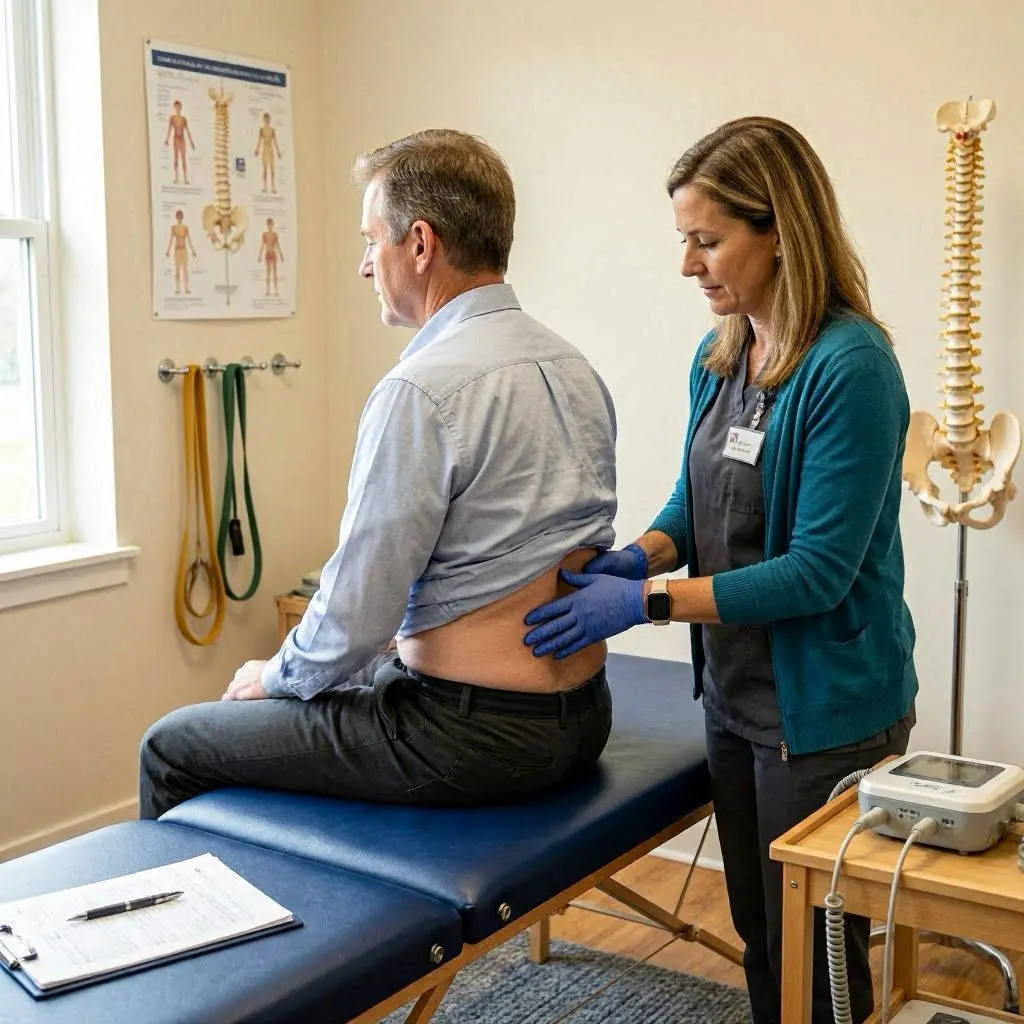
A sciatica chiropractor specializes in diagnosing and treating musculoskeletal conditions that contribute to sciatic nerve pain. During your first visit, the chiropractor performs a detailed evaluation to understand your symptoms and determine the source of nerve irritation.
The assessment typically includes:
-
Review of your medical history
-
Discussion of current symptoms
-
Posture evaluation
-
Spinal alignment assessment
-
Range of motion testing
-
Muscle strength evaluation
-
Neurological examination
-
Walking and movement analysis
-
Orthopedic testing
If necessary, the chiropractor may recommend imaging studies such as X-rays or MRI scans or refer you to another healthcare provider for additional evaluation.
Based on the assessment findings, a personalized treatment plan is created to support recovery and improve spinal health.
Understanding Sciatica
The sciatic nerve begins in the lower spine and extends through the hips, buttocks, and both legs. When this nerve becomes compressed or irritated, symptoms usually occur on one side of the body.
Common causes of sciatica include:
-
Herniated or bulging discs
-
Degenerative disc disease
-
Spinal stenosis
-
Piriformis syndrome
-
Muscle tightness
-
Poor posture
-
Pregnancy-related changes
-
Repetitive lifting injuries
-
Sports injuries
Because the causes vary from person to person, professional assessment is essential before beginning treatment.
Symptoms of Sciatica
Sciatica symptoms range from mild discomfort to severe pain. Although each patient experiences the condition differently, common symptoms include:
Lower Back Pain
Pain often begins in the lumbar spine before spreading into the buttock and leg.
Leg Pain
Many patients describe sharp, burning, or shooting pain that travels below the knee and sometimes reaches the foot.
Tingling or Numbness (Sciatica Chiropractor)
Compressed nerves may produce pins-and-needles sensations or numbness along the affected leg.
Muscle Weakness
In more severe cases, weakness in the leg or foot may affect walking, climbing stairs, or standing.
Pain During Sitting
Sitting for prolonged periods frequently increases pressure on the sciatic nerve, making symptoms worse.
Benefits of Visiting a Sciatica Chiropractor
Natural Pain Relief
One of the primary advantages of chiropractic care is its focus on reducing pain without surgery or long-term medication use. Chiropractic treatment helps improve spinal mechanics while decreasing stress on irritated nerves.
Improved Spinal Mobility
Restricted movement in the lower back can contribute to sciatic symptoms. Therefore, improving joint mobility often reduces discomfort while restoring flexibility.
Reduced Muscle Tension (Sciatica Chiropractor)
Tight muscles surrounding the hips, pelvis, and lower back frequently contribute to nerve irritation. Manual therapy and stretching help relax these muscles.
Better Posture
Poor posture increases pressure on the lumbar spine. Consequently, posture correction helps reduce mechanical stress while improving movement.
Chiropractic Treatments for Sciatica
Chiropractic Adjustments
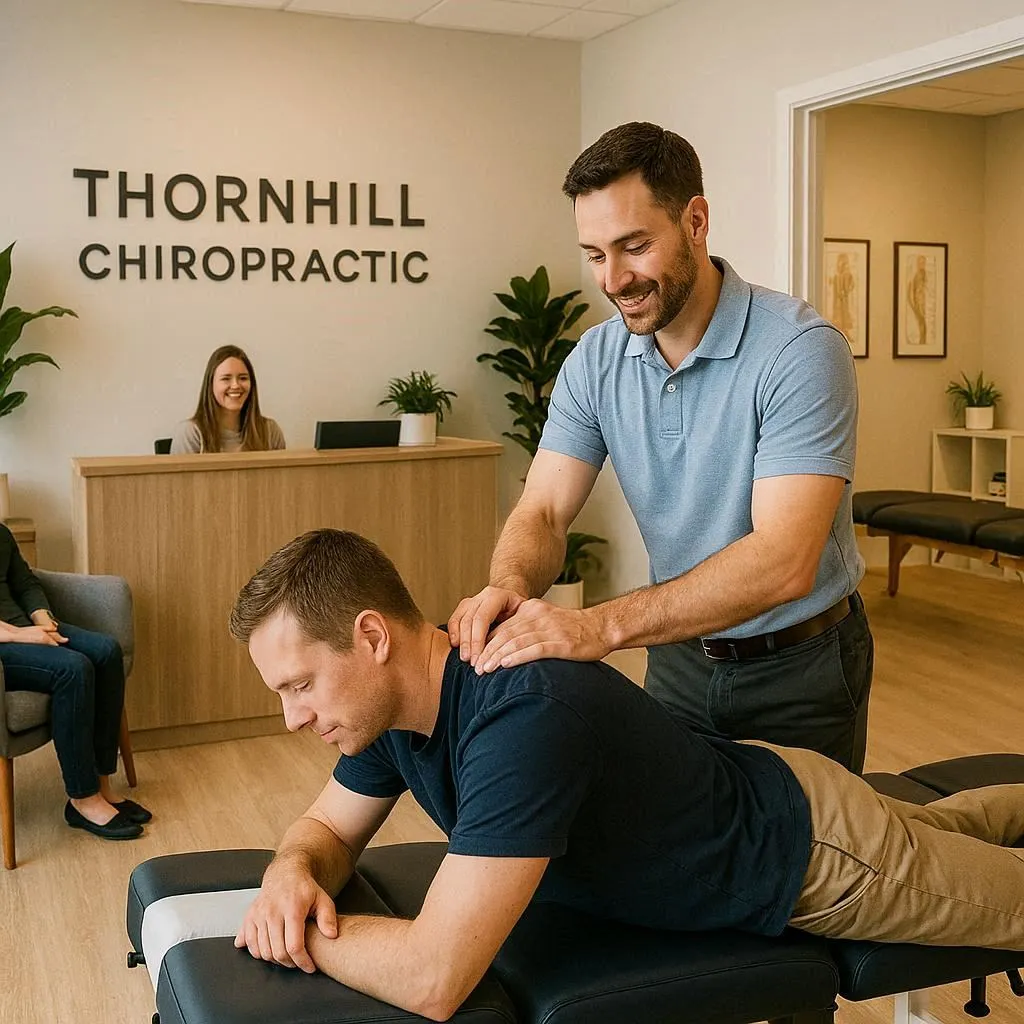
Spinal adjustments improve movement in restricted joints while reducing mechanical stress on the lower back. Consequently, many patients experience better mobility and decreased pain.
Manual Therapy
Hands-on techniques reduce muscle tightness, improve circulation, and promote tissue healing. Furthermore, manual therapy complements chiropractic adjustments.
Therapeutic Exercise
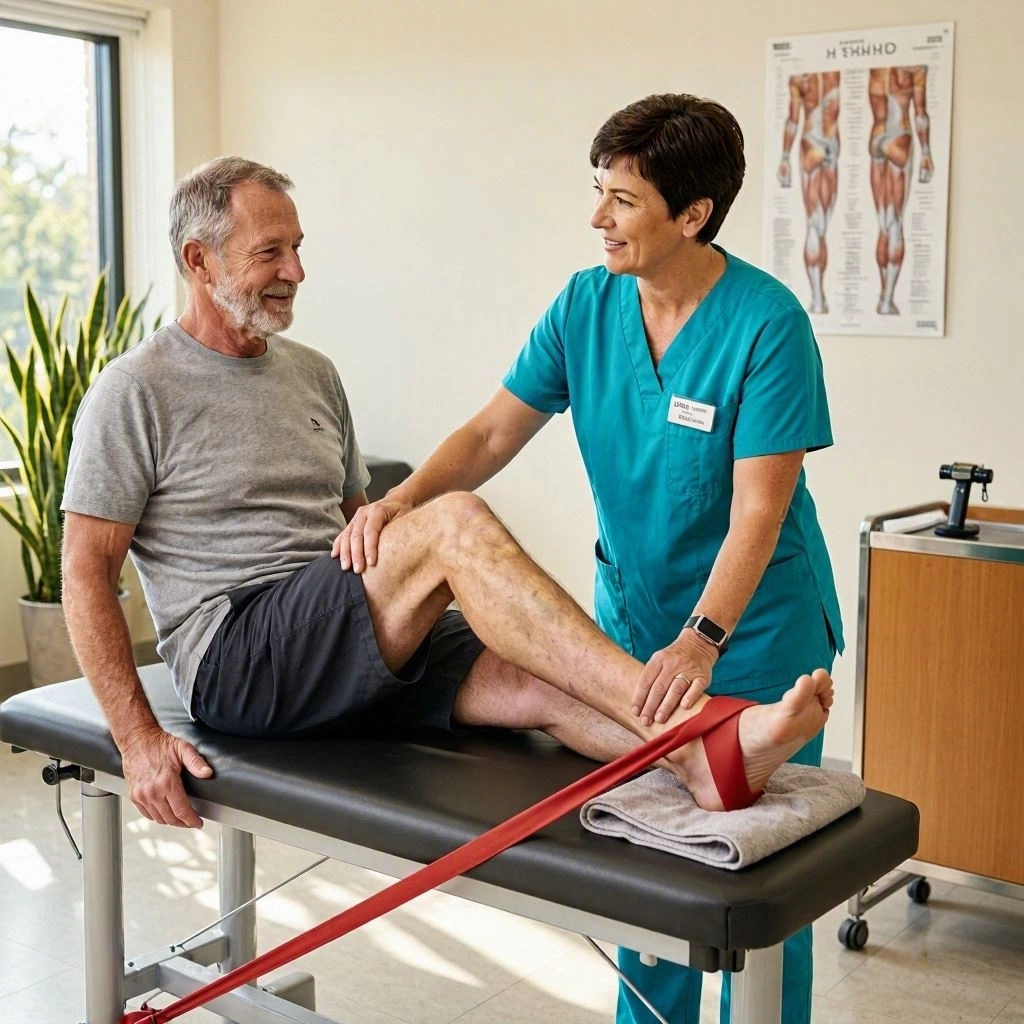
Customized exercise programs strengthen the muscles supporting the spine and pelvis while improving flexibility and stability.
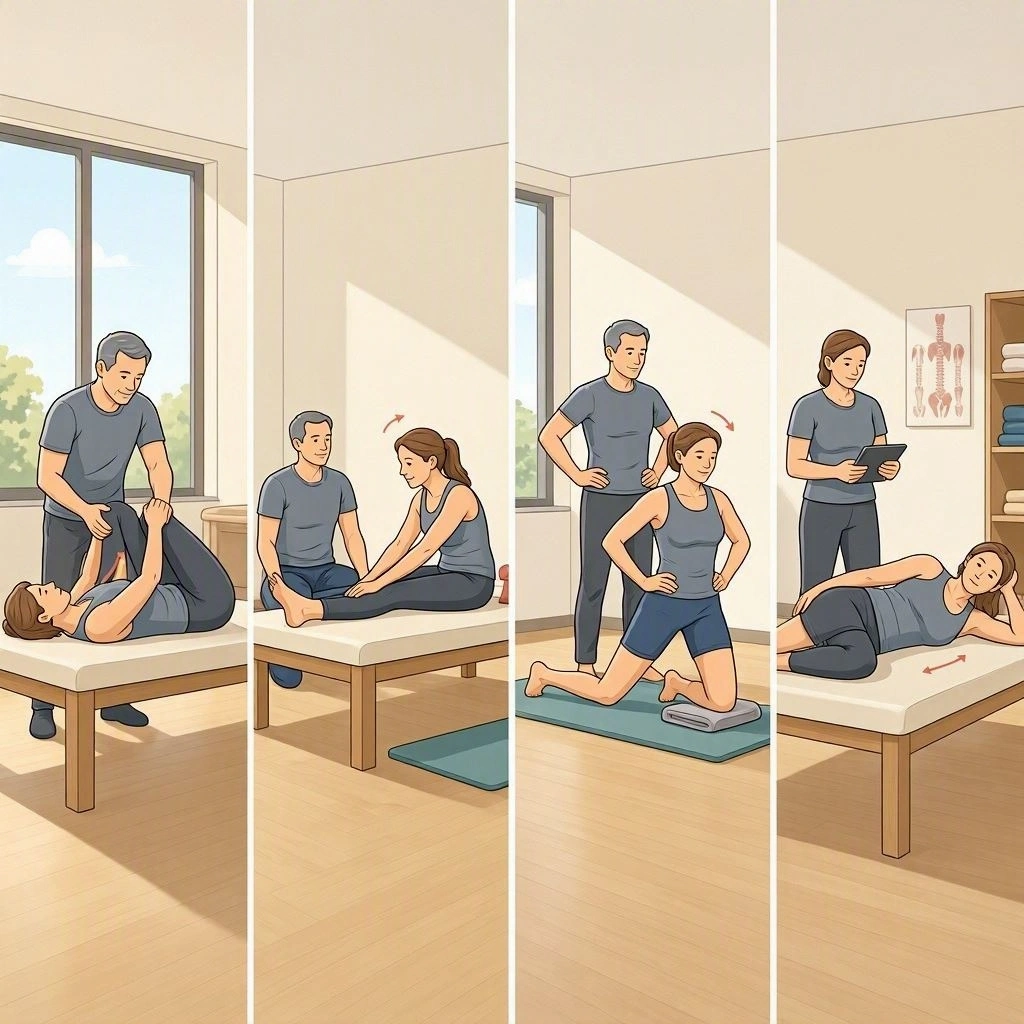
Stretching Programs (Sciatica Chiropractor)
Stretching the lower back, hips, hamstrings, and piriformis muscles helps reduce tension that may contribute to sciatic nerve irritation.
Core Strengthening
Strong abdominal and back muscles provide additional support for the spine. Therefore, strengthening exercises play an important role in long-term recovery.
Postural Education
Patients receive practical advice regarding sitting, standing, lifting, sleeping, and workplace ergonomics to reduce unnecessary strain on the spine.
Lifestyle Habits That Support Recovery
Professional treatment is most effective when combined with healthy daily habits. Patients can improve recovery by:
-
Walking regularly
-
Performing prescribed home exercises
-
Stretching consistently
-
Maintaining healthy posture
-
Avoiding prolonged sitting
-
Lifting objects correctly
-
Staying physically active
-
Sleeping on a supportive mattress
-
Maintaining a healthy body weight
-
Staying hydrated
Most importantly, following your chiropractor’s recommendations consistently helps maximize treatment results.
When Should You Visit a Sciatica Chiropractor?
You should consider scheduling an appointment if you experience:
-
Pain radiating from the lower back into the leg
-
Persistent numbness or tingling
-
Difficulty walking comfortably
-
Pain that worsens while sitting
-
Limited lower back mobility
-
Frequent episodes of sciatic pain
-
Symptoms affecting work or daily activities
Early treatment often helps prevent symptoms from becoming more severe and may shorten recovery time.
When Is Emergency Medical Care Necessary?
Although many cases of sciatica respond well to conservative care, certain symptoms require immediate medical attention.
Seek emergency care if you experience:
-
Loss of bowel or bladder control
-
Severe weakness in one or both legs
-
Numbness around the groin or saddle area
-
Sudden inability to walk
-
Severe pain after major trauma
-
High fever accompanied by severe back pain
-
Rapidly worsening neurological symptoms
These warning signs may indicate a serious medical condition that requires urgent evaluation.
Why Choose a Sciatica Chiropractor?
Choosing a sciatica chiropractor offers several advantages. First, treatment focuses on identifying the root cause of sciatic nerve irritation rather than simply masking symptoms. Next, personalized care plans combine chiropractic adjustments, manual therapy, rehabilitation exercises, and lifestyle education to improve long-term outcomes. In addition, chiropractors monitor progress closely and modify treatment plans as recovery continues.
Because every patient is unique, individualized care often produces better results than generalized treatment approaches.
Preventing Future Sciatica Episodes
Although not every case of sciatica can be prevented, healthy habits can reduce the risk of recurrence.
Helpful prevention strategies include:
-
Exercise regularly.
-
Strengthen your core muscles.
-
Stretch daily.
-
Maintain proper posture.
-
Lift objects safely.
-
Avoid sitting for extended periods.
-
Stay at a healthy weight.
-
Wear supportive footwear.
-
Warm up before physical activity.
-
Continue prescribed home exercises.
By incorporating these habits into your routine, you can better protect your spine and support long-term health.
Conclusion (Sciatica Chiropractor)
A sciatica chiropractor provides a safe, conservative, and personalized approach to relieving sciatic nerve pain and restoring healthy movement. Through chiropractic adjustments, manual therapy, therapeutic exercises, stretching, posture correction, and patient education, chiropractic care addresses the underlying causes of sciatica while supporting long-term recovery.Whether your symptoms are caused by a herniated disc, spinal degeneration, muscle tightness, or poor posture, seeking professional care early can make a significant difference. By combining expert chiropractic treatment with healthy lifestyle habits and regular exercise, you can reduce pain, improve mobility, prevent future flare-ups, and enjoy a healthier, more active lifestyle.