Massage Therapy for Neck Stiffness: Benefits, Techniques, and What to Expect
Introduction
Neck stiffness is a common problem that can affect people of many ages and lifestyles. Spending long hours at a computer, looking down at a phone, sleeping in an uncomfortable position, maintaining poor posture, performing repetitive activities, and experiencing physical or emotional stress can all contribute to tightness around the neck and shoulders.
For some people, neck stiffness is temporary and improves with rest and gentle movement. For others, recurring stiffness can interfere with work, exercise, sleep, and everyday activities. When muscular tension plays a role, massage therapy may be one option that can support relaxation and improve comfort.
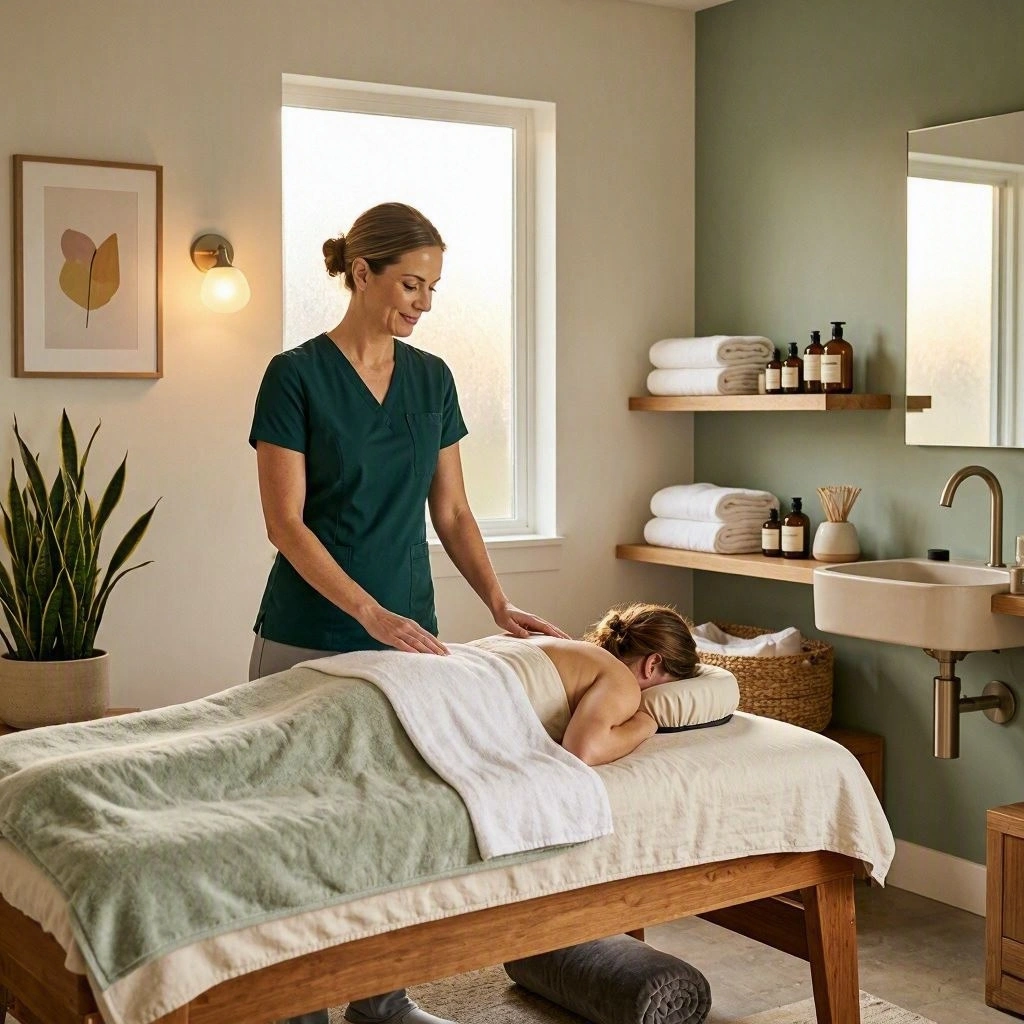
Massage Therapy for Neck Stiffness uses manual techniques to work with muscles and surrounding soft tissues. Depending on the individual’s symptoms, a massage therapist may use gentle strokes, kneading, compression, or targeted techniques around the neck, shoulders, and upper back.
Massage is not appropriate for every cause of neck stiffness, and it should not replace medical evaluation when symptoms are severe, persistent, or unusual. However, when muscular tension is contributing to stiffness, massage may be a useful part of a broader approach that can also include exercise, posture improvements, mobility work, ergonomic changes, and appropriate healthcare.
Understanding the causes of neck stiffness, the potential benefits of massage, common techniques, and safety considerations can help you make an informed decision about treatment.
What Is Neck Stiffness?
Neck stiffness refers to difficulty or discomfort when moving the neck through its normal range of motion. A person may feel tightness when turning the head, looking up or down, or moving from one side to another.
Neck stiffness can occur for many reasons. Some cases are related to temporary muscular tension, while others may involve joints, nerves, discs, injuries, or medical conditions.
Common symptoms may include:
-
Tight neck muscles
-
Reduced comfortable movement
-
Shoulder tension
-
Upper-back stiffness
-
Tenderness around the neck
-
Discomfort when turning the head
-
Muscle fatigue
-
Head or shoulder discomfort associated with tension
The cause of stiffness matters when choosing treatment. Massage may be useful for muscular tension, but it is not a universal treatment for every neck problem.
Common Causes of Neck Stiffness (Massage Therapy for Neck Stiffness)
Understanding why your neck feels stiff can help you choose appropriate strategies.
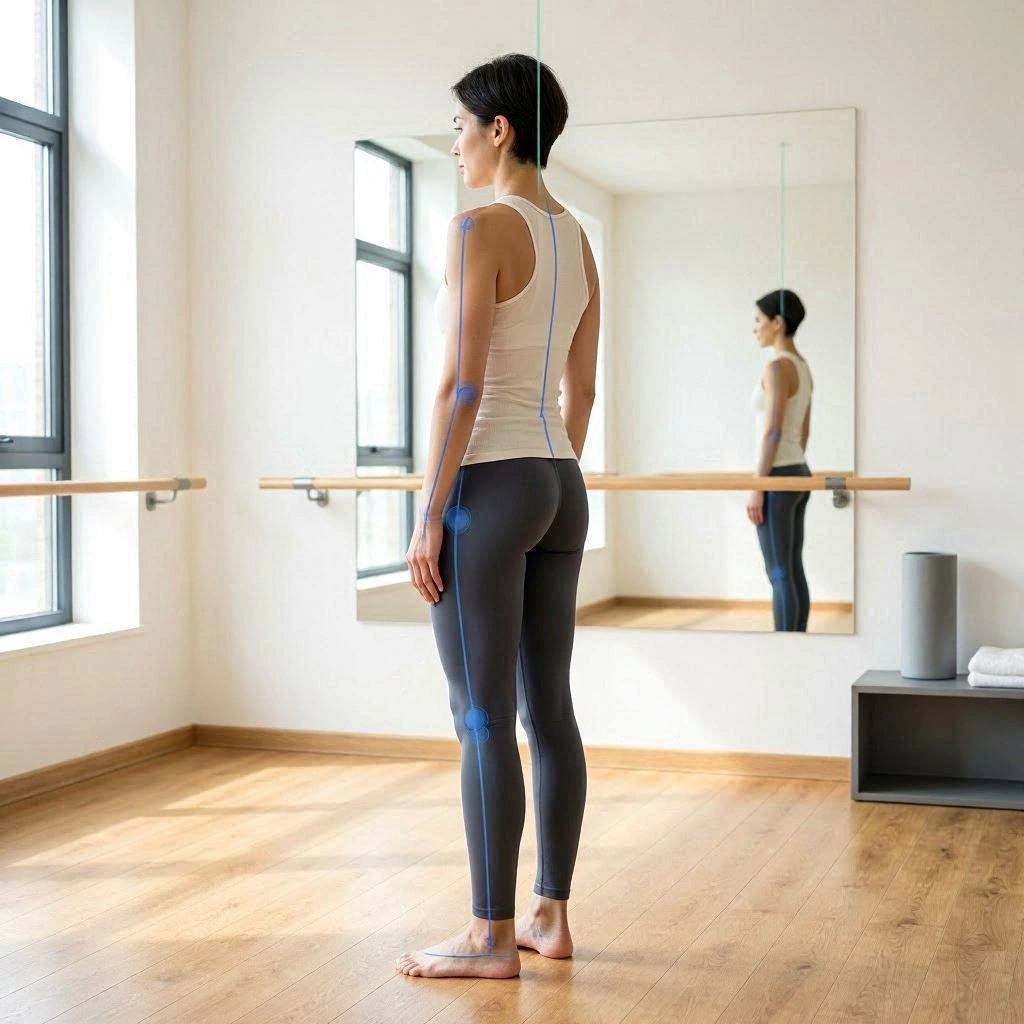
Poor Posture
Forward-head posture can place additional demands on the muscles around the neck and upper back.
People who spend many hours working at computers or looking at mobile devices may maintain the same position for extended periods.
Prolonged Sitting
Sitting for long periods without movement can contribute to stiffness.
Even when a person’s workstation is reasonably well arranged, remaining in one position for too long can make the neck and shoulders feel tense.
Stress
Stress can contribute to unconscious muscle tension. Some people naturally raise their shoulders or tighten their neck muscles during stressful situations.
Sleeping Position
An unusual sleeping position or an unsuitable pillow can sometimes contribute to temporary neck stiffness.
Repetitive Activity
Repetitive movements at work, during sports, or in daily activities can place repeated demands on the neck and upper-body muscles.
Exercise
New or intense exercise can sometimes result in muscular soreness and stiffness, particularly when the body is not accustomed to the activity.
Injury
Neck stiffness can also occur following injuries such as sudden acceleration or deceleration. Injury-related symptoms should be assessed appropriately rather than automatically treated as simple muscle tension.
How Massage Therapy for Neck Stiffness Works
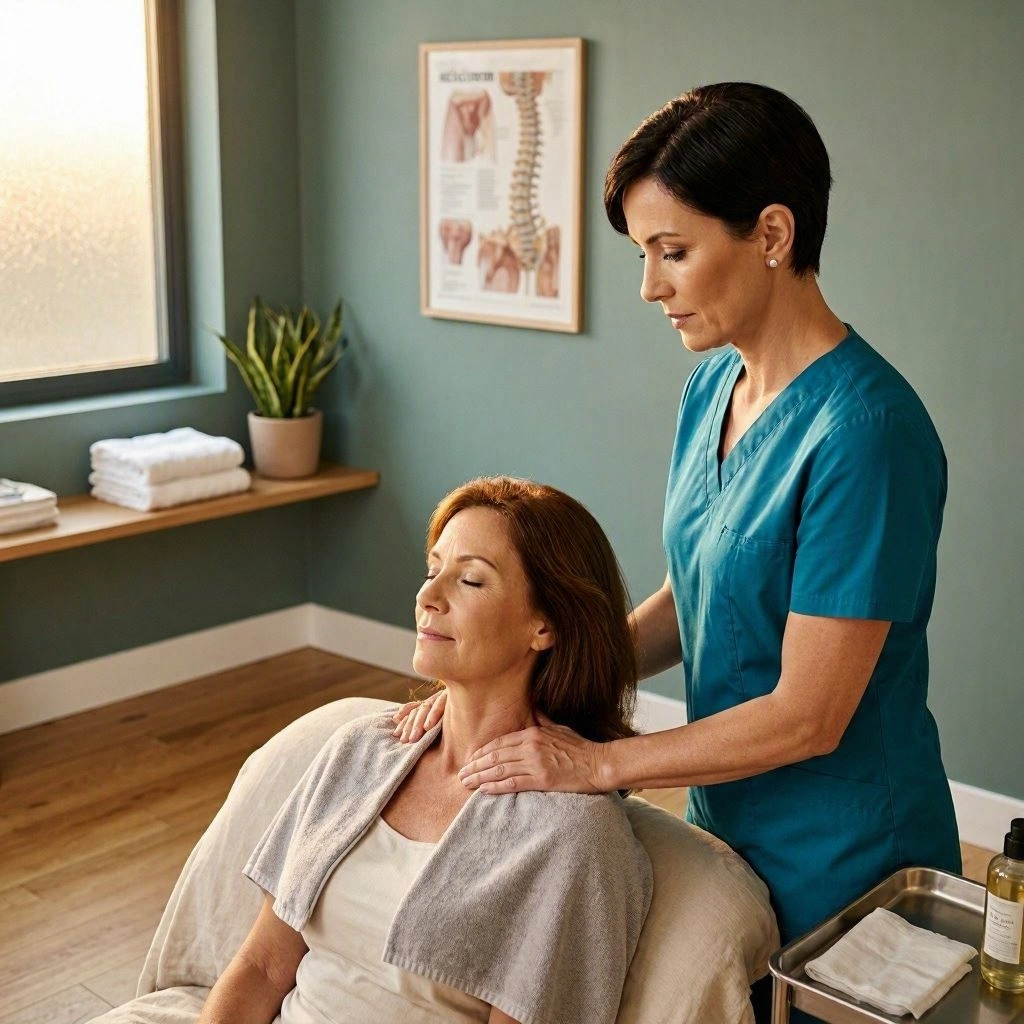
Massage therapy for neck stiffness generally focuses on muscles and soft tissues around the neck, shoulders, and upper back.
The therapist may first ask questions about your symptoms and activities.
They may then use gentle manual techniques to identify areas of tension.
Treatment can include:
-
Long, gentle strokes
-
Kneading
-
Controlled compression
-
Targeted soft-tissue work
-
Relaxation techniques
-
Gentle movement when appropriate
The exact approach depends on the individual’s symptoms and tolerance.
Because the neck is a sensitive area, aggressive pressure is not necessarily appropriate. A qualified therapist should use controlled techniques and adjust treatment based on feedback.
Benefits of Massage Therapy for Neck Stiffness (Massage Therapy for Neck Stiffness)
Massage may offer several potential benefits when muscular tension contributes to neck stiffness.
1. May Reduce Muscle Tension
Muscles around the neck and shoulders can become tight due to posture, stress, repetitive activity, or prolonged sitting.
Massage may create a sensation of relaxation and help reduce the feeling of muscular tightness.
2. May Support Comfortable Movement
When muscular tension contributes to restricted movement, massage may help some people feel more comfortable when turning or moving the neck.
The effect may be temporary, and maintaining comfortable movement often requires regular mobility and strengthening exercises as appropriate.
3. Encourages Relaxation
Neck tension and stress can sometimes reinforce each other.
A massage session can provide a calm environment where the person can relax physically and mentally.
4. May Improve Awareness of Postural Tension
Massage can help people recognize how much tension they hold around the shoulders and neck.
This awareness may encourage changes to posture, workstation habits, and movement patterns.
5. May Reduce the Feeling of Shoulder Tightness
Neck stiffness is often accompanied by tension around the upper back and shoulders.
A therapist may therefore work on surrounding muscles rather than focusing exclusively on the neck.
Massage Techniques for Neck Stiffness
Different techniques may be used depending on the person’s needs.
Effleurage
Effleurage involves smooth, flowing strokes.
It can be used to begin a session and gradually introduce touch to the neck and upper back.
Petrissage
Petrissage uses kneading and gentle compression of soft tissues.
It may be useful for areas of general muscular tension around the shoulders and upper back.
Trigger Point Techniques
A therapist may use controlled pressure on localized areas of muscular sensitivity.
These techniques should be performed carefully, particularly around the neck.
Gentle Compression
Controlled compression can be used on appropriate muscle groups to create a soothing sensation.
The pressure should remain within a comfortable range.
Gentle Stretching
Some therapists may incorporate gentle movement or stretching when appropriate.
Neck stretching should never be forced or performed aggressively.
Massage Therapy for Neck Stiffness From Desk Work
Office work is a common contributor to neck and shoulder tension.
People who work at computers may spend several hours with the head positioned forward and the shoulders relatively stationary.
Over time, this can contribute to muscular fatigue.
Massage may provide temporary relief from the feeling of tightness, but workplace changes are equally important.
Consider:
-
Adjusting your monitor height
-
Keeping frequently used items within easy reach
-
Taking regular movement breaks
-
Changing positions throughout the day
-
Using a comfortable chair
-
Avoiding prolonged phone use with the head bent forward
-
Performing appropriate neck and upper-back exercises
A massage can help you feel better, but changing the habits that contribute to stiffness may be more important for long-term management.
Massage Therapy for Neck Stiffness and Poor Posture
Posture is not simply about maintaining one perfect position all day.
The human body is designed to move, and staying in the same position for extended periods can contribute to discomfort even when the position itself is not inherently harmful.
Instead of trying to hold a rigid posture, focus on regularly changing positions and moving throughout the day.
Massage may help reduce the sensation of tension, while mobility and strengthening exercises can help support long-term physical capacity.
Massage Therapy for Stress-Related Neck Tension
Stress can affect the way people hold their bodies.
Some individuals tighten their shoulders, clench their jaw, or contract their neck muscles during stressful situations.
Massage can provide an opportunity to consciously relax these areas.
A broader stress-management routine may also include:
-
Regular exercise
-
Breathing exercises
-
Meditation
-
Adequate sleep
-
Time outdoors
-
Relaxation activities
-
Appropriate mental health support
Addressing stress can be especially useful when neck tension repeatedly returns despite massage.
Massage Therapy for Neck Stiffness After Exercise
Exercise can sometimes produce temporary muscle soreness or stiffness.
Activities involving the upper body, such as weight training, swimming, tennis, or other sports, may place additional demands on the neck and shoulder muscles.
A gentle massage may help promote relaxation after exercise.
However, if stiffness occurs alongside sharp pain, significant weakness, swelling, bruising, or loss of movement, the problem may be more than ordinary muscular soreness.
In such situations, appropriate assessment is more important than simply receiving a massage.
What to Expect During a Neck Massage
Knowing what happens during treatment can help you feel more comfortable.
Initial Consultation
The therapist may ask about:
-
The location of stiffness
-
How long symptoms have been present
-
Activities that affect symptoms
-
Previous injuries
-
Exercise habits
-
Medical conditions
-
Pressure preferences
Give accurate information so the therapist can make appropriate decisions.
Positioning
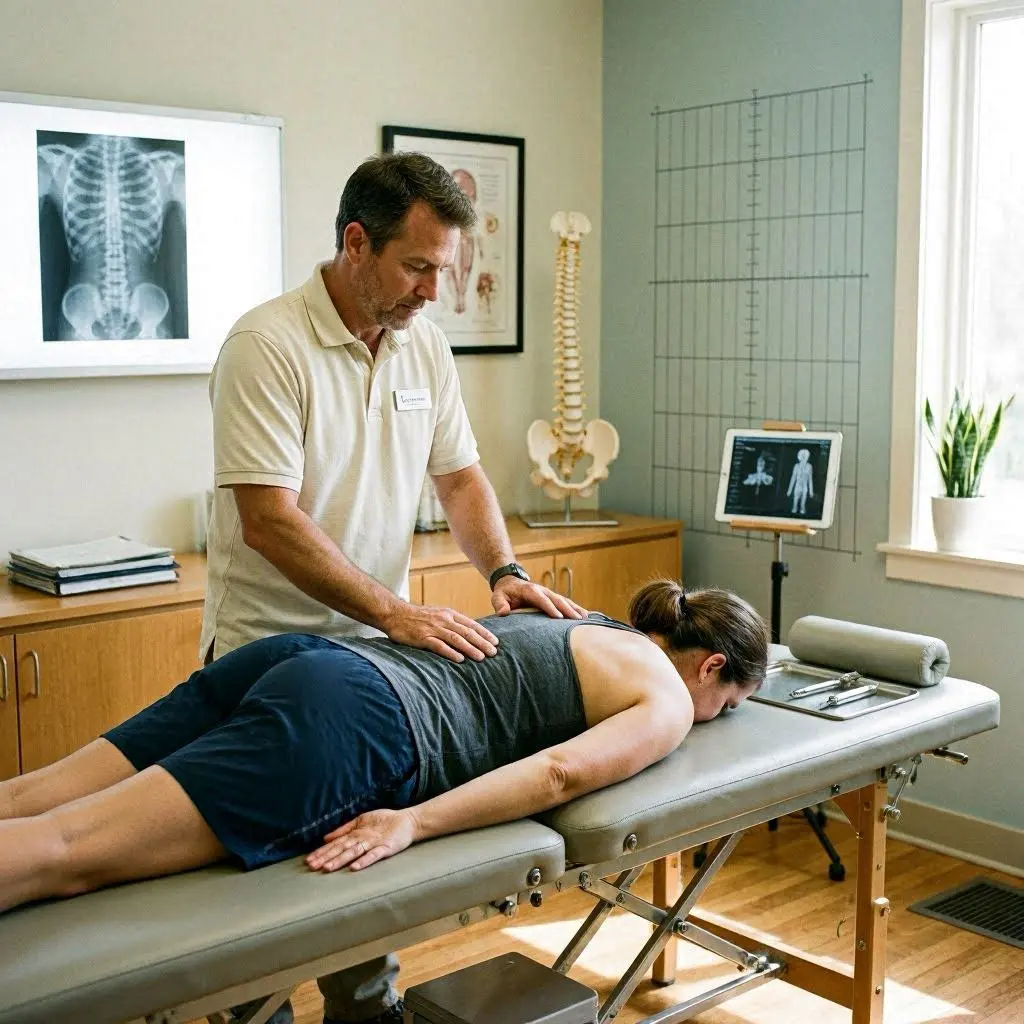
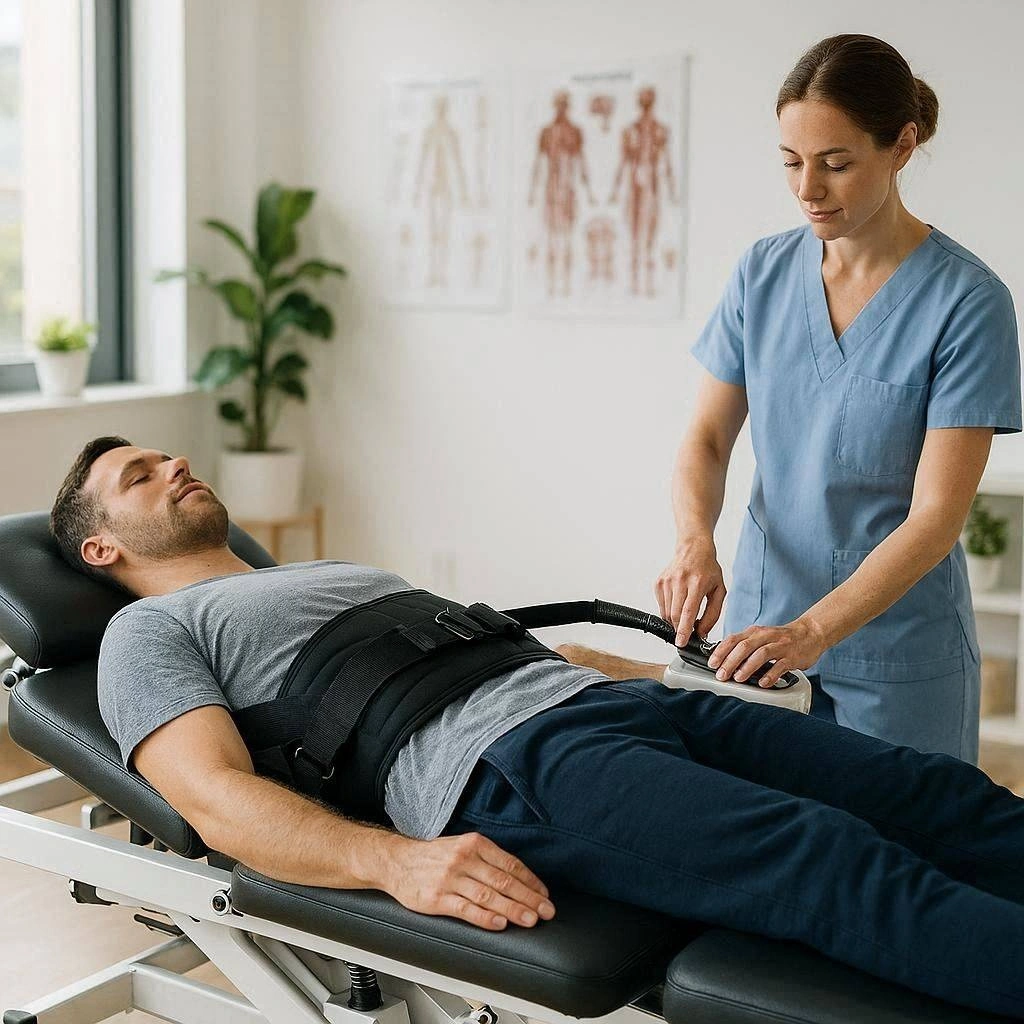
You may be positioned face down, on your back, or seated depending on the techniques being used.
The therapist should make sure your neck is comfortably supported.
Massage
The session may begin with gentle work around the shoulders and upper back before addressing more specific areas.
The therapist may gradually adjust pressure based on your response.
Communication
Tell your therapist if anything feels uncomfortable.
Massage should not involve severe pain.
If a technique causes sharp, burning, electric, or unusual pain, the therapist should stop or modify the technique.
Should Neck Massage Hurt?
Neck massage should not require severe pain.
Some areas may feel sensitive when pressure is applied, particularly when muscles are tense.
However, stronger pressure is not automatically more effective.
The neck contains important structures, so aggressive treatment can be inappropriate.
A qualified therapist should prioritize controlled techniques, appropriate positioning, and communication.
If you find yourself holding your breath or tensing your body because the pressure is too intense, ask the therapist to reduce the pressure.
How Often Should You Get Massage for Neck Stiffness?
There is no universal schedule for massage therapy.
Some people may benefit from an occasional session after periods of increased tension. Others may incorporate massage into a broader wellness routine.
Frequency may depend on:
-
Severity of stiffness
-
How often symptoms occur
-
Work demands
-
Stress levels
-
Physical activity
-
Response to treatment
-
Overall health
If neck stiffness returns repeatedly, consider addressing the underlying factors instead of simply increasing massage frequency.
Improving workstation habits, movement, exercise, sleep, and stress management may help reduce recurring tension.
Combining Massage With Neck Exercises
Massage and exercise can complement each other.
Massage may help create short-term relaxation, while appropriately selected exercises can improve strength, mobility, and physical capacity.
A professional may recommend exercises such as:
-
Gentle neck rotations
-
Chin-tuck exercises
-
Shoulder blade movements
-
Upper-back mobility exercises
-
Shoulder strengthening
-
Postural endurance exercises
Exercises should be appropriate for your condition.
If an exercise increases pain significantly, stop and seek appropriate professional guidance.
Massage Therapy and Physical Therapy (Massage Therapy for Neck Stiffness)
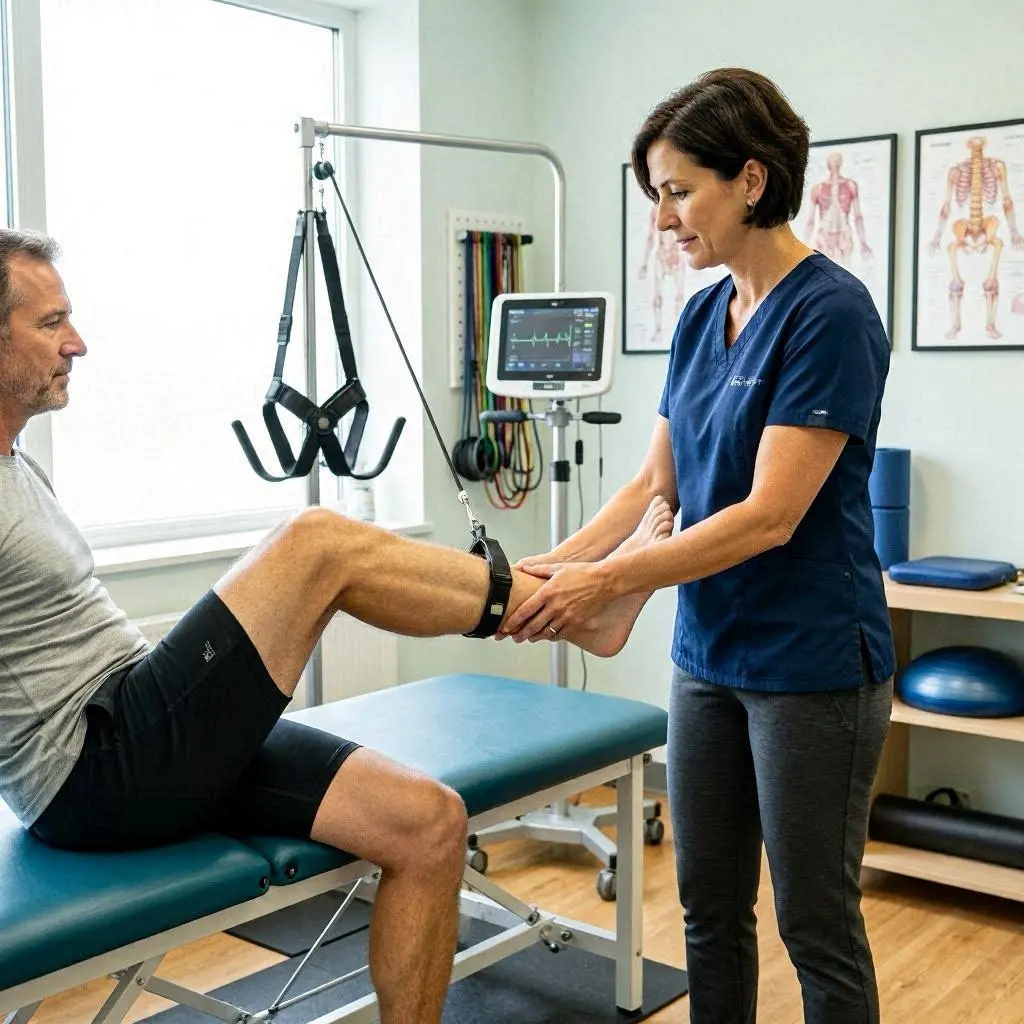
physical therapy and Massage therapy serve different purposes.
Massage may focus primarily on soft-tissue comfort and relaxation.
Physical therapy can provide a more comprehensive approach to movement, strength, rehabilitation, and functional limitations.
Someone with recurring neck stiffness may benefit from both approaches depending on the underlying problem.
For example, massage may help manage muscular tension while a physical therapist provides exercises designed to improve neck and upper-back strength and mobility.
Choosing a Massage Therapist for Neck Stiffness
Choosing an appropriately trained professional is important.
Check Professional Training (Massage Therapy for Neck Stiffness)
Look for relevant education, qualifications, and professional experience.
Ask About Neck Massage Experience
Neck treatment requires appropriate knowledge and careful technique.
Discuss Your Symptoms
Explain whether your stiffness is related to work, exercise, stress, sleep, or another activity.
Evaluate Communication
A good therapist should listen to your feedback and adjust treatment accordingly.
Avoid Extreme Claims
Be cautious of anyone promising to permanently cure every type of neck pain or stiffness through massage alone.
Neck symptoms can have many causes.
Safety Considerations (Massage Therapy for Neck Stiffness)
Massage may be appropriate for many people, but certain circumstances require additional caution.
Massage should be avoided or modified when appropriate in cases involving:
-
Recent significant injury
-
Open wounds
-
Skin infections
-
Significant swelling
-
Recent surgery
-
Severe unexplained pain
-
Certain medical conditions
If you have an existing health condition, discuss whether massage is appropriate with your healthcare provider when necessary.
When to See a Healthcare Professional (Massage Therapy for Neck Stiffness)
Not all neck stiffness is muscular.
Seek appropriate medical evaluation if neck stiffness is:
-
Severe
-
Persistent
-
Getting worse
-
Associated with significant weakness
-
Associated with numbness or tingling
-
Following a serious injury
-
Accompanied by severe headache
-
Accompanied by fever or other concerning symptoms
Sudden neurological symptoms or severe symptoms following significant trauma require prompt medical attention.
Massage should not delay appropriate evaluation.
Can Massage Prevent Neck Stiffness?
Massage may help manage muscular tension, but it cannot guarantee that neck stiffness will not return.
Prevention is more likely to involve several lifestyle factors.
Regular movement, appropriate exercise, good sleep habits, ergonomic adjustments, stress management, and avoiding prolonged static positions can all contribute to healthier neck and upper-body function.
Massage can be one component of this routine.
Frequently Asked Questions
Can massage therapy help neck stiffness?
Massage may help reduce the sensation of muscular tension and improve short-term comfort when muscle tightness contributes to neck stiffness.
What type of massage is best for a stiff neck?
Gentle therapeutic, relaxation, or targeted soft-tissue techniques may be appropriate depending on the cause and severity of stiffness.
Is deep tissue massage safe for the neck?
Deep pressure around the neck is not automatically appropriate. The neck is a sensitive area, so treatment should be performed by a qualified professional using appropriate techniques.
How long does a neck massage take?
A massage session may last anywhere from approximately 30 to 90 minutes, depending on whether the treatment focuses only on the neck or includes the shoulders and upper back.
How often should I get a neck massage?
There is no standard frequency. Your schedule should depend on your symptoms, response to treatment, lifestyle, and overall goals.
Can massage help neck stiffness from sitting at a computer?
Massage may temporarily reduce the feeling of tension associated with prolonged sitting. However, regular movement breaks and ergonomic improvements are also important.
Can stress cause a stiff neck?
Stress can contribute to muscle tension around the neck and shoulders, which may make the area feel stiff or uncomfortable.
Should I massage my neck if I have severe pain?
Severe or unexplained neck pain should be professionally assessed before attempting massage. Massage is not appropriate for every cause of neck pain.
Can massage replace physical therapy?
No. Massage and physical therapy have different roles. Physical therapy can address movement, strength, function, and rehabilitation, while massage may support relaxation and muscular comfort.
Final Thoughts (Massage Therapy for Neck Stiffness)
Massage Therapy for Neck Stiffness can be a useful option for people whose symptoms are related to muscular tension, prolonged sitting, stress, repetitive activities, or general physical fatigue. Gentle and appropriately targeted massage may help reduce the feeling of tightness, encourage relaxation, and make movement feel more comfortable.
However, massage is not a universal solution for neck stiffness. Neck symptoms can result from many different causes, including muscular tension, joint problems, nerve irritation, injuries, and other medical conditions.
For long-term improvement, massage is often most useful when combined with other healthy strategies. Regular movement, appropriate strengthening and mobility exercises, ergonomic improvements, adequate sleep, and stress management can all contribute to better neck and upper-body function.
Choosing a qualified massage therapist and communicating clearly about your symptoms are also important. Treatment should be comfortable, controlled, and adapted to your individual needs.
If your neck stiffness is severe, persistent, worsening, or accompanied by neurological symptoms or other warning signs, seek appropriate professional medical assessment rather than relying solely on massage.
When used safely and appropriately, massage can be one helpful component of a comprehensive approach to managing neck tension and supporting everyday comfort and mobility.