Comprehensive Physiotherapy: A Complete Guide to Personalized Rehabilitation and Physical Wellness
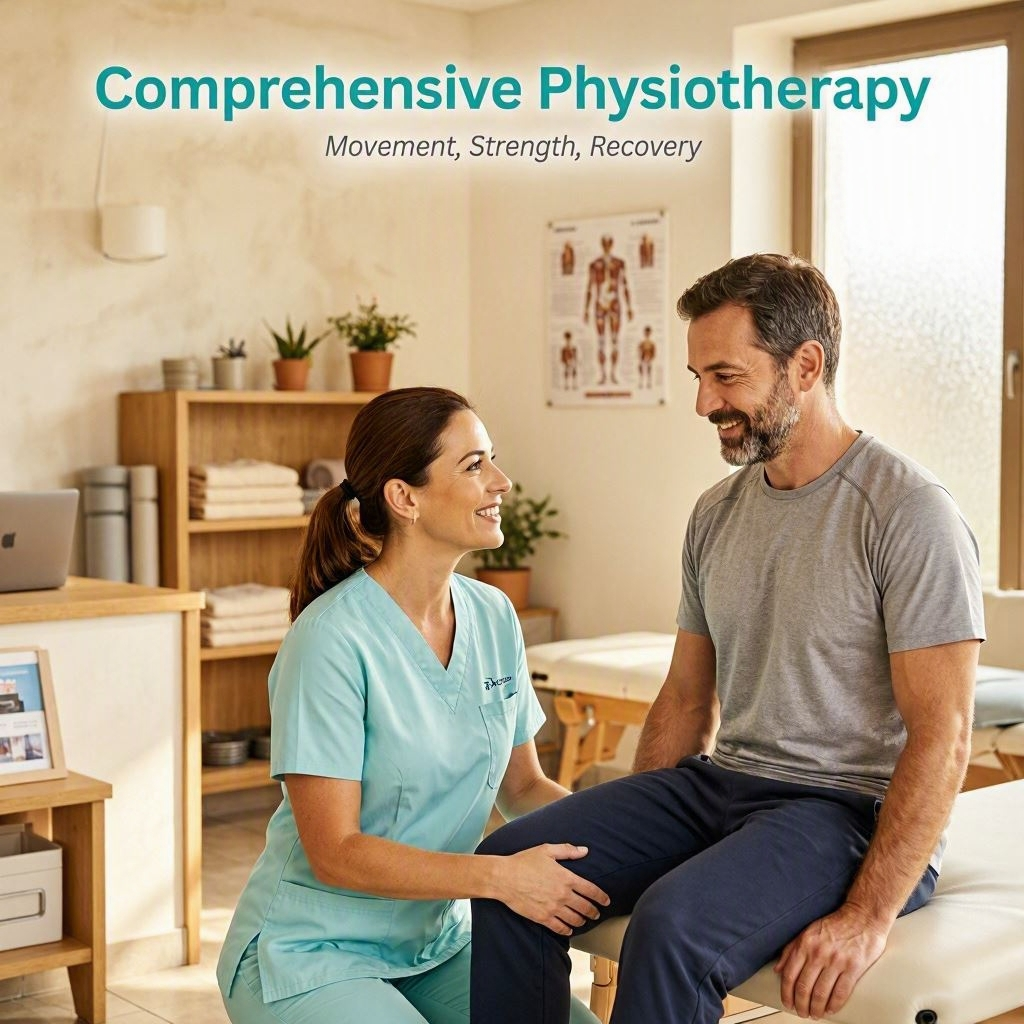
Comprehensive physiotherapy is a patient-centered approach to physical rehabilitation that looks beyond a single symptom or injured body part. It combines detailed assessment, therapeutic exercise, mobility training, strength development, functional rehabilitation, movement education, and other appropriate physiotherapy techniques to address a person’s individual needs.
Pain, weakness, stiffness, or reduced mobility can affect more than one area of the body. An injury may change the way someone walks, while prolonged inactivity can reduce strength and endurance. Similarly, poor movement habits may contribute to recurring physical problems. Comprehensive physiotherapy considers these connections when developing a rehabilitation program.
The primary objective is to help individuals improve physical function, regain confidence in movement, and participate more effectively in everyday activities, work, exercise, or sport.
What Is Comprehensive Physiotherapy?
Comprehensive physiotherapy involves evaluating the person as a whole rather than focusing exclusively on the location of pain.
A physiotherapist may consider:
Pain and symptoms
Muscle strength
Joint mobility
Flexibility
Balance
Coordination
Posture
Walking patterns
Functional movement
Physical endurance
Lifestyle and activity demands
Following the assessment, the physiotherapist can create a treatment plan that addresses the individual’s specific limitations and goals.
The program may include active exercises, manual techniques, movement education, and strategies for maintaining progress outside the clinic.
Why Is a Comprehensive Approach Important?
The body functions as an interconnected system.
For example, reduced ankle mobility may influence knee and hip movement. Weakness in the hips may affect how someone controls the pelvis while walking or running. Similarly, reduced upper-back mobility may influence shoulder movement.
This does not mean that every problem originates somewhere else. Instead, it highlights the importance of assessing movement patterns rather than automatically treating one isolated area.
A comprehensive assessment can help identify factors that may be contributing to functional limitations.
Comprehensive Physiotherapy Assessment
Assessment is one of the most important parts of physiotherapy.
During an appointment, a physiotherapist may examine:
Medical and Physical History
The physiotherapist may ask about symptoms, previous injuries, surgeries, physical activity, work requirements, and daily limitations.
Movement Assessment
Specific movements may be observed to understand mobility, strength, coordination, and control.
Strength Testing
Muscle strength can be evaluated to identify weaknesses that may affect function.
Mobility Testing
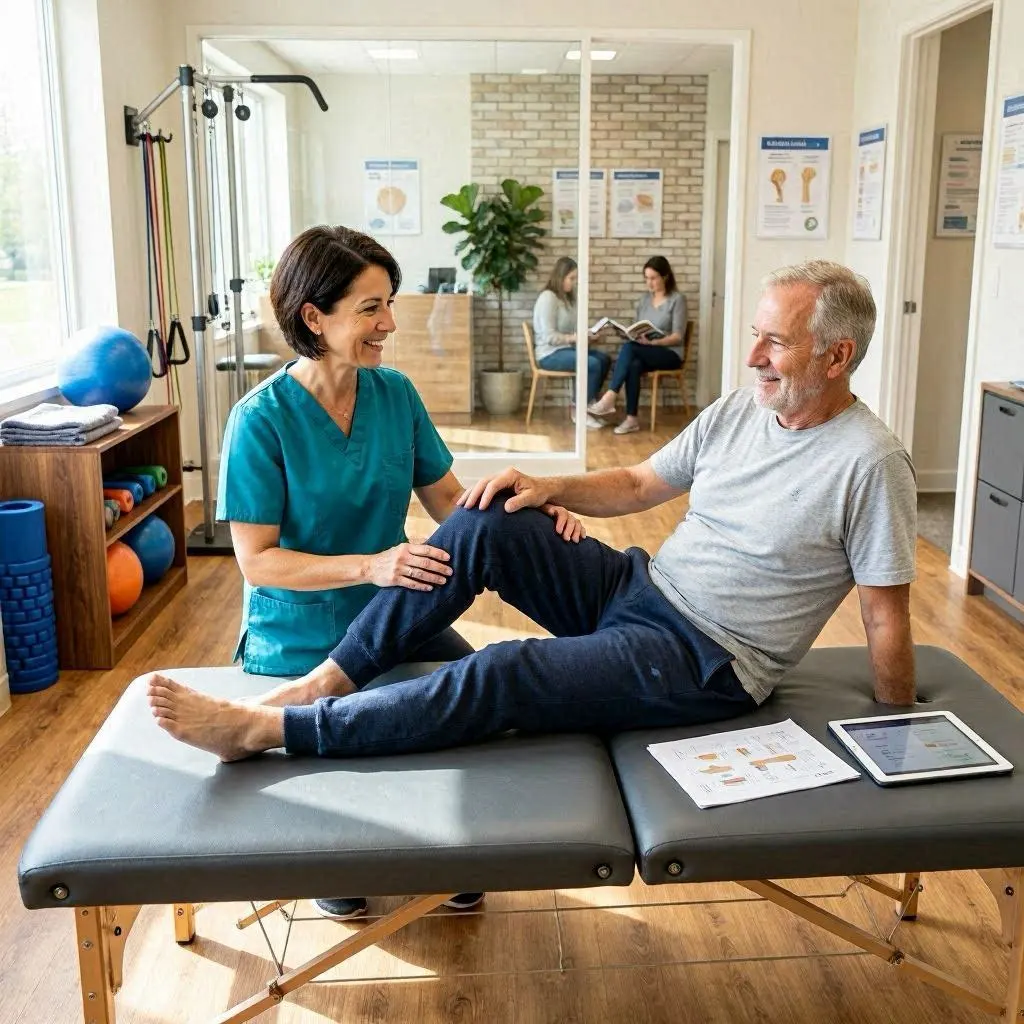
Joint range of motion may be assessed to identify restrictions.
Balance Assessment
Balance and stability can be evaluated when relevant.
The information collected during assessment helps guide treatment.
Personalized Physiotherapy Treatment
Every patient has different physical abilities and goals.
A personalized treatment program may consider:
Age
Fitness level
Injury history
Current symptoms
Work demands
Sporting activities
Daily routines
Personal goals
For example, rehabilitation for an office worker with neck discomfort may focus on mobility, strengthening, ergonomic education, and movement breaks. An athlete recovering from a knee injury may require progressive strength training, running drills, balance work, and sport-specific rehabilitation.
Therapeutic Exercise
Therapeutic exercise is a central component of comprehensive physiotherapy.
Exercises can be designed to improve:
Strength
Mobility
Flexibility
Balance
Coordination
Endurance
Functional capacity
Programs are usually progressed gradually.
A patient may begin with simple exercises and eventually move toward more demanding functional activities.
Strength Training
Strength is important for almost every form of movement.
Weakness can affect:
Walking
Stair climbing
Lifting
Balance
Exercise
Sports performance
Physiotherapy strengthening programs may use:
Bodyweight exercises
Resistance bands
Free weights
Machines
Isometric exercises
Functional resistance exercises
The amount of resistance should be appropriate for the individual’s condition and stage of recovery.
Mobility and Flexibility Training
Joint mobility and muscle flexibility can influence movement quality.
Physiotherapy may use controlled exercises to address restrictions involving the:
Neck
Shoulders
Spine
Hips
Knees
Ankles
Mobility exercises should be selected according to the person’s needs.
The objective is not to force movement but to improve comfortable and functional range where appropriate.
Manual Therapy
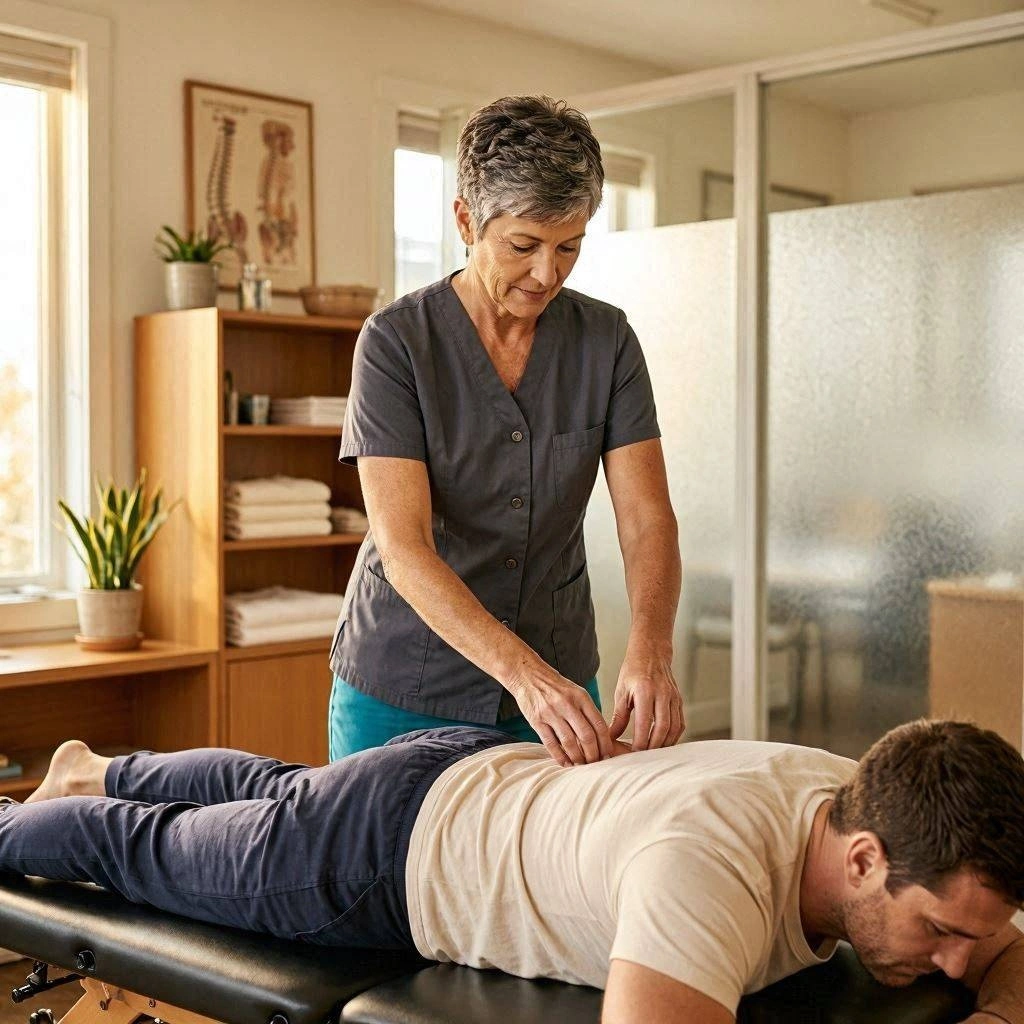
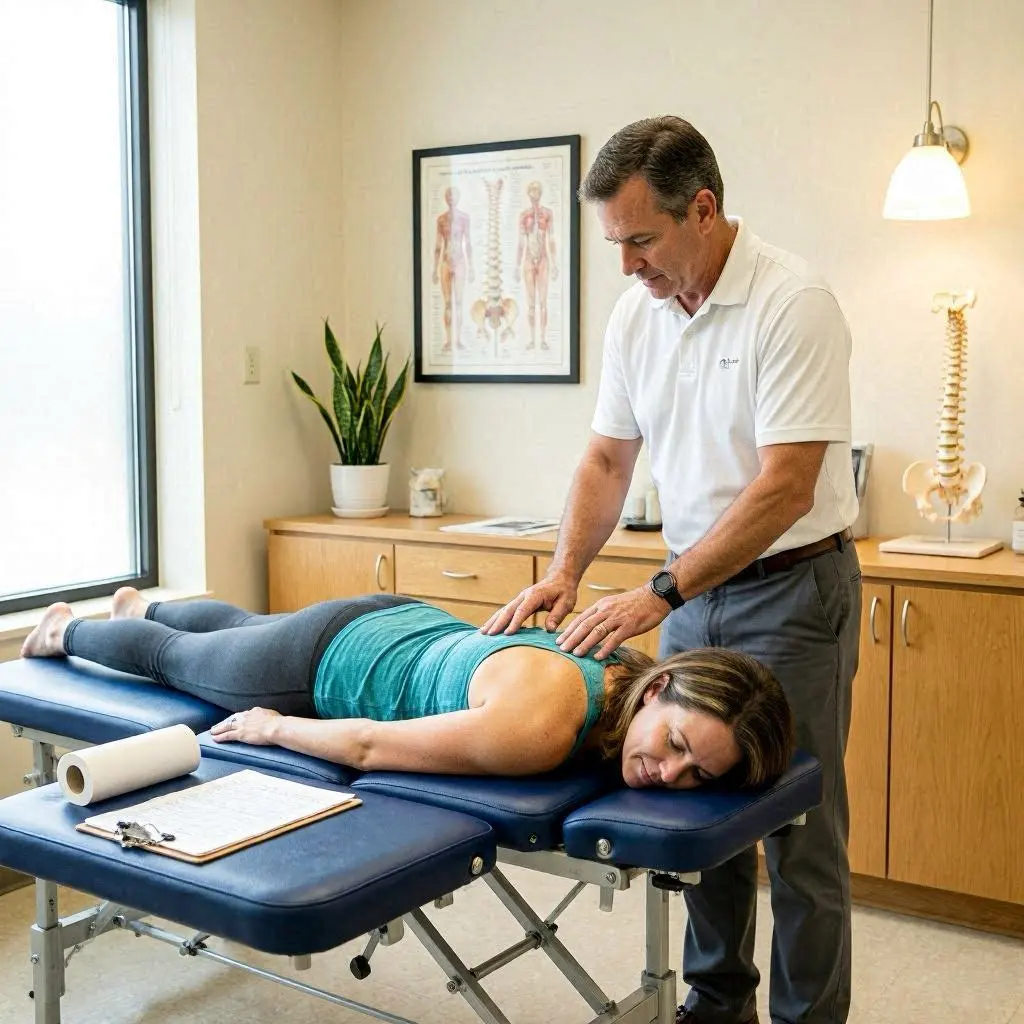
Manual therapy may be incorporated into a comprehensive treatment plan when clinically appropriate.
Techniques can be used to address:
Joint movement
Soft-tissue restrictions
Muscle tension
Temporary mobility limitations
Manual therapy may provide short-term improvements in symptoms or movement for some patients.
However, comprehensive physiotherapy generally combines manual techniques with active rehabilitation so patients can develop their own physical capacity.
Functional Rehabilitation (Comprehensive Physiotherapy)
Improving strength in a clinical environment is useful, but rehabilitation should eventually translate into everyday activities.
Functional exercises may include:
Squatting
Walking
Stair climbing
Lifting
Reaching
Carrying
Getting out of a chair
Getting in and out of a vehicle
The exercises can be adapted to the person’s specific lifestyle.
Comprehensive Physiotherapy for Back Pain
Back pain can have many contributing factors.
A physiotherapist may evaluate:
Spinal mobility
Hip movement
Core control
Leg strength
Functional movement
Work activities
Exercise habits
Treatment may include progressive strengthening, mobility exercises, education, and activity modification.
The appropriate approach depends on the individual’s symptoms and assessment findings.
Physiotherapy for Neck and Shoulder Problems
Neck and shoulder discomfort can affect work, sleep, exercise, and daily activities.
Comprehensive treatment may include:
Neck mobility
Shoulder strengthening
Upper-back exercises
Posture education
Movement training
Ergonomic advice
The aim is to improve physical capacity while addressing factors that may contribute to recurring symptoms.
Comprehensive Physiotherapy for Sports Injuries
Athletes often need rehabilitation that addresses multiple components of performance.
A sports physiotherapy program may evaluate:
Strength
Mobility
Balance
Coordination
Running mechanics
Jumping
Landing
Agility
Sport-specific movements
Rehabilitation can progress from basic exercises toward higher-level athletic activities.
The goal is to prepare the athlete for the demands of training and competition rather than simply reducing pain.
Injury Prevention (Comprehensive Physiotherapy)
Physiotherapy can also support injury prevention.
Prevention strategies may include:
Strength training
Mobility work
Balance exercises
Movement education
Training-load management
Sport-specific conditioning
However, no physiotherapy program can guarantee that an individual will never experience an injury.
Injury risk is influenced by many factors, including workload, previous injuries, recovery, environment, and physical conditioning.
Comprehensive Physiotherapy for Older Adults
Maintaining mobility becomes increasingly important with age.
Physiotherapy can help older adults work on:
Strength
Balance
Walking
Joint mobility
Functional independence
Fall prevention
Exercises can be adapted to the person’s abilities.
A rehabilitation program might begin with supported movements and gradually progress toward more challenging exercises.
Balance and Fall Prevention
Balance problems can significantly affect independence.
A comprehensive balance program may include:
Weight shifting
Single-leg exercises
Controlled stepping
Walking drills
Reaching activities
Dynamic balance training
The physiotherapist may also consider environmental factors that could increase fall risk.
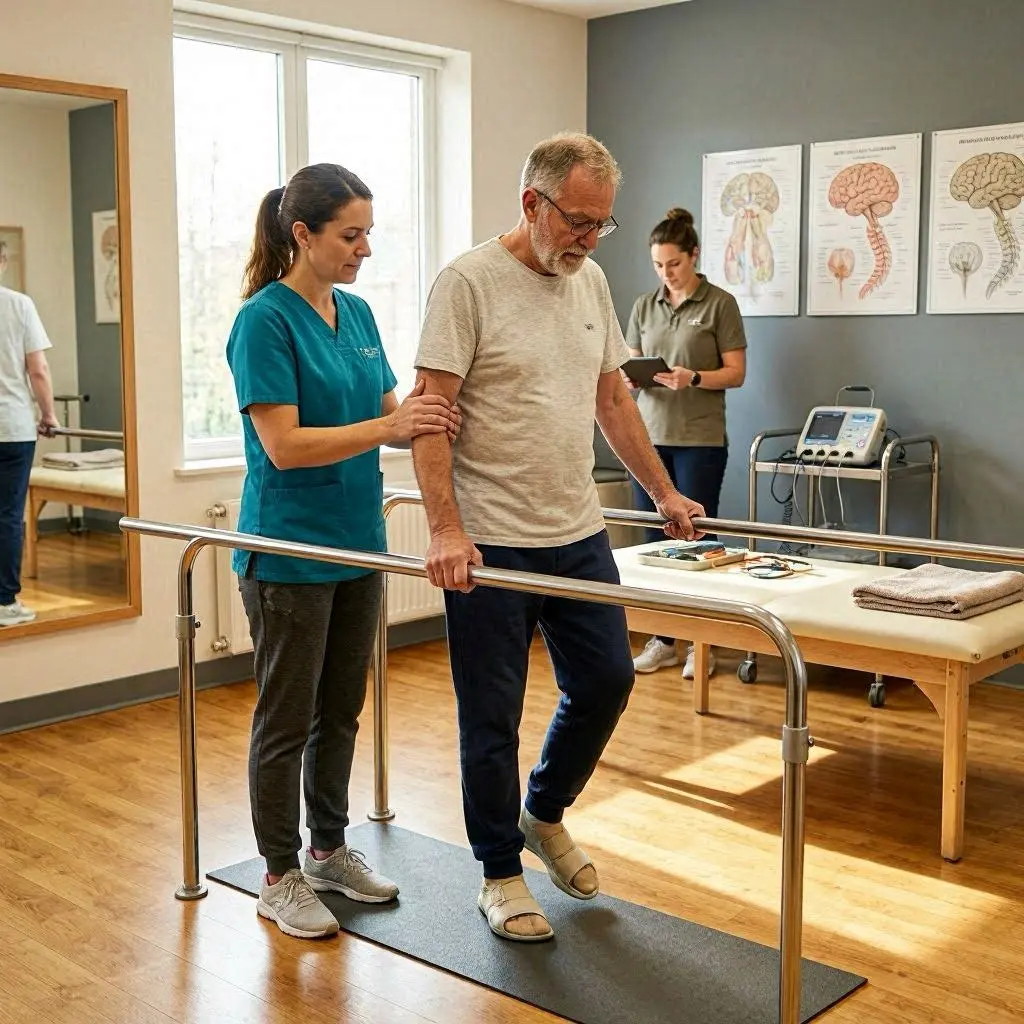
Gait Rehabilitation
Walking patterns can change after injury, surgery, or neurological conditions.
A physiotherapist may assess:
Walking speed
Step length
Foot placement
Balance
Trunk control
Turning
Assistive-device use
Gait training can help individuals develop safer and more efficient walking patterns.
Neurological Physiotherapy
Neurological conditions can affect movement, coordination, strength, balance, and independence.
Comprehensive neurological physiotherapy may focus on:
Functional movement
Walking
Transfers
Balance
Coordination
Strength
Mobility
Treatment should be individualized according to the person’s diagnosis and functional goals.
Physiotherapy After Surgery
Postoperative rehabilitation varies depending on the procedure.
A comprehensive program may progress through several stages.
Early Rehabilitation (Comprehensive Physiotherapy)
The initial focus may include safe movement, symptom management, and appropriate mobility.
Strength and Mobility
As healing progresses, strengthening and mobility exercises may become more important.
Functional Rehabilitation
Patients can gradually practice activities that are relevant to their daily life.
Return to Activity
The final stage may involve returning to work, exercise, or sport.
The timeline should follow the recommendations of the surgical and rehabilitation team.
Pain Management Through Physiotherapy
Physiotherapy can play an important role in managing many musculoskeletal pain conditions.
Treatment may include:
Therapeutic exercise
Mobility training
Strengthening
Functional rehabilitation
Education
Activity management
Pain should be assessed in context because its causes and contributing factors vary between individuals.
The goal may be to improve function and quality of life while helping the person gradually increase their physical capacity.
Posture and Ergonomic Health
Work environments can influence physical comfort.
A physiotherapist may provide guidance on:
Desk setup
Monitor positioning
Keyboard placement
Sitting habits
Movement breaks
Lifting techniques
Ergonomic health is not about maintaining one perfect posture. Changing positions and moving regularly are important components of healthy work habits.
Core Stability
Core stability refers to the ability to control the trunk during movement.
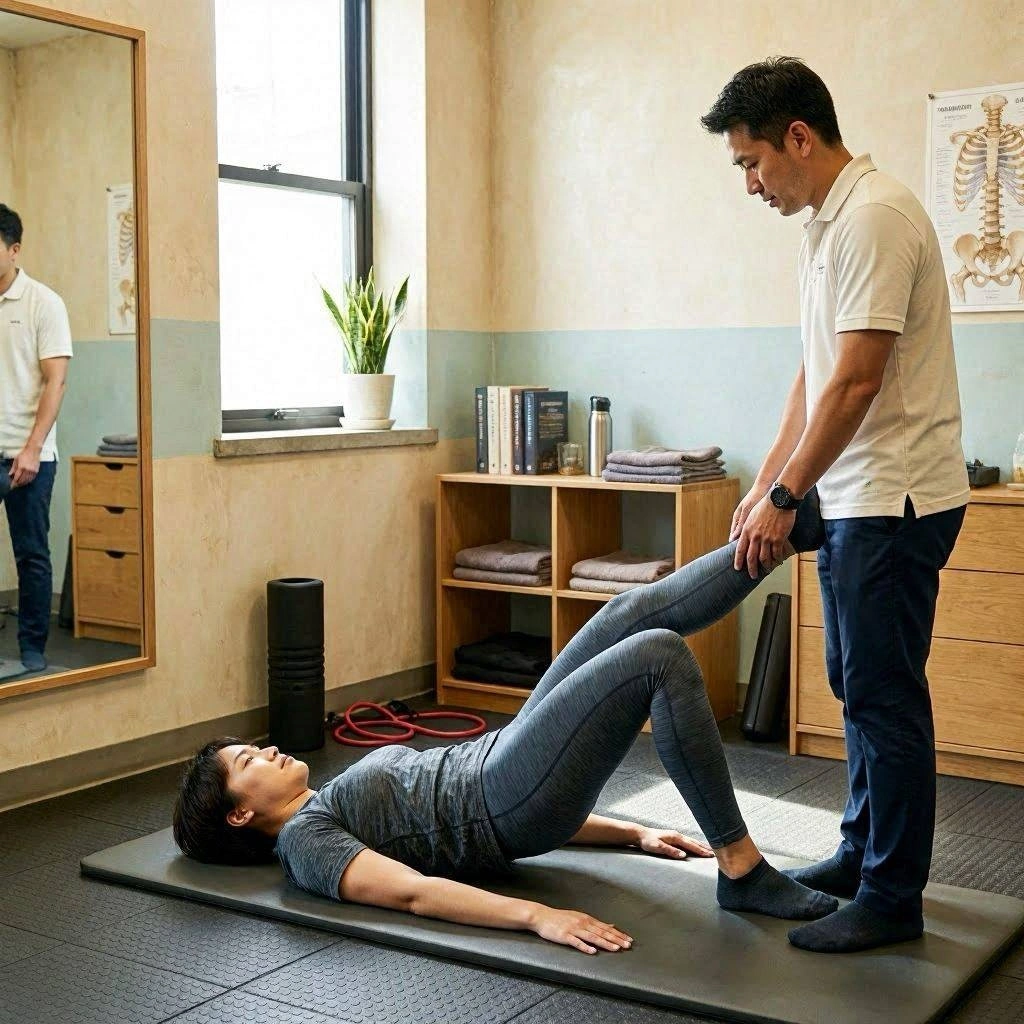
Bridges
Bird dogs
Dead bugs
Planks
Trunk stabilization
Functional lifting
Home Exercise Programs
Patients often need to continue rehabilitation between physiotherapy appointments.
A home exercise program may include:
Strength exercises
Stretching
Mobility exercises
Balance activities
Walking
Functional exercises
The program should be realistic and appropriate for the patient’s abilities.
Consistency can be more valuable than performing an overly complicated routine occasionally.
The Importance of Patient Education (Comprehensive Physiotherapy)
Education is another important component of comprehensive physiotherapy.
Patients may learn about:
Their physical condition
Exercise technique
Activity progression
Recovery
Workstation habits
Movement strategies
Managing physical workload
Understanding the rehabilitation process can help patients become more active participants in their recovery.
Long-Term Physical Wellness
Physiotherapy does not necessarily end when symptoms improve.
Maintaining strength, mobility, and physical activity can support long-term function.
Depending on individual needs, a maintenance program may include:
Regular strength training
Walking
Mobility exercises
Balance work
Cardiovascular activity
Sport-specific conditioning
The appropriate program should fit the person’s lifestyle.
When Should You Consider Comprehensive Physiotherapy?
A physiotherapy assessment may be useful if you experience:
Persistent pain
Reduced mobility
Muscle weakness
Balance problems
Recurrent injuries
Difficulty exercising
Problems returning to sport
Difficulty performing work tasks
Reduced physical independence
A professional assessment can help determine whether physiotherapy is appropriate.
Warning Signs Requiring Medical Attention (Comprehensive Physiotherapy)
Certain symptoms require urgent medical evaluation rather than routine physiotherapy.
These may include:
Sudden weakness
Sudden numbness
Loss of bowel or bladder control
Severe pain after major trauma
Chest pain
Difficulty breathing
Sudden changes in speech or vision
Loss of consciousness
Significant neurological changes
These symptoms may indicate a serious medical condition.
How Long Does Physiotherapy Take?
The duration of rehabilitation depends on many factors.
These can include:
Diagnosis
Severity
Age
General health
Previous injuries
Activity level
Treatment consistency
Work requirements
Sports demands
Some conditions may improve over several weeks, while complex injuries or chronic conditions may require longer-term management.
Progress should be evaluated based on functional improvements rather than a predetermined number of sessions.
Building a Comprehensive Rehabilitation Plan
An effective rehabilitation program should evolve over time.
A physiotherapist may regularly reassess:
Strength
Mobility
Balance
Pain
Functional ability
Exercise tolerance
Exercises can then be modified to match the person’s current capabilities.
This prevents the program from remaining unnecessarily easy or becoming too challenging too quickly.
Conclusion (Comprehensive Physiotherapy)
Comprehensive physiotherapy provides a broad and individualized approach to rehabilitation and physical health. Instead of focusing only on one painful area, it considers strength, mobility, flexibility, balance, coordination, posture, functional movement, and the individual’s everyday physical demands.
Treatment may involve therapeutic exercise, progressive strength training, mobility work, manual therapy, gait training, balance rehabilitation, functional exercises, and patient education. The combination depends on the individual’s condition and goals.
Comprehensive physiotherapy can be useful for people recovering from injuries, surgery, sports problems, chronic pain, neurological conditions, or age-related mobility changes. It can also support people who want to improve physical capacity and prevent avoidable limitations.
The long-term goal is to help individuals move with greater confidence and develop the physical capacity needed for daily activities, work, exercise, and sport. Through personalized assessment, progressive rehabilitation, consistent exercise, and appropriate professional guidance, physiotherapy can become an important part of maintaining physical function and overall movement health.