Neurological Physiotherapy: Improving Mobility and Quality of Life
Neurological physiotherapy is a specialized area of physiotherapy that helps individuals with conditions affecting the brain, spinal cord, and nervous system. These conditions can impact movement, balance, coordination, muscle strength, and independence. Through personalized rehabilitation programs, patients can improve physical function, regain confidence, and enhance their overall quality of life.
Whether someone is recovering from a stroke, managing Parkinson’s disease, living with multiple sclerosis, or recovering from a spinal cord injury, specialized rehabilitation plays a crucial role in long-term recovery and daily function.
Understanding Neuro Rehabilitation Therapy
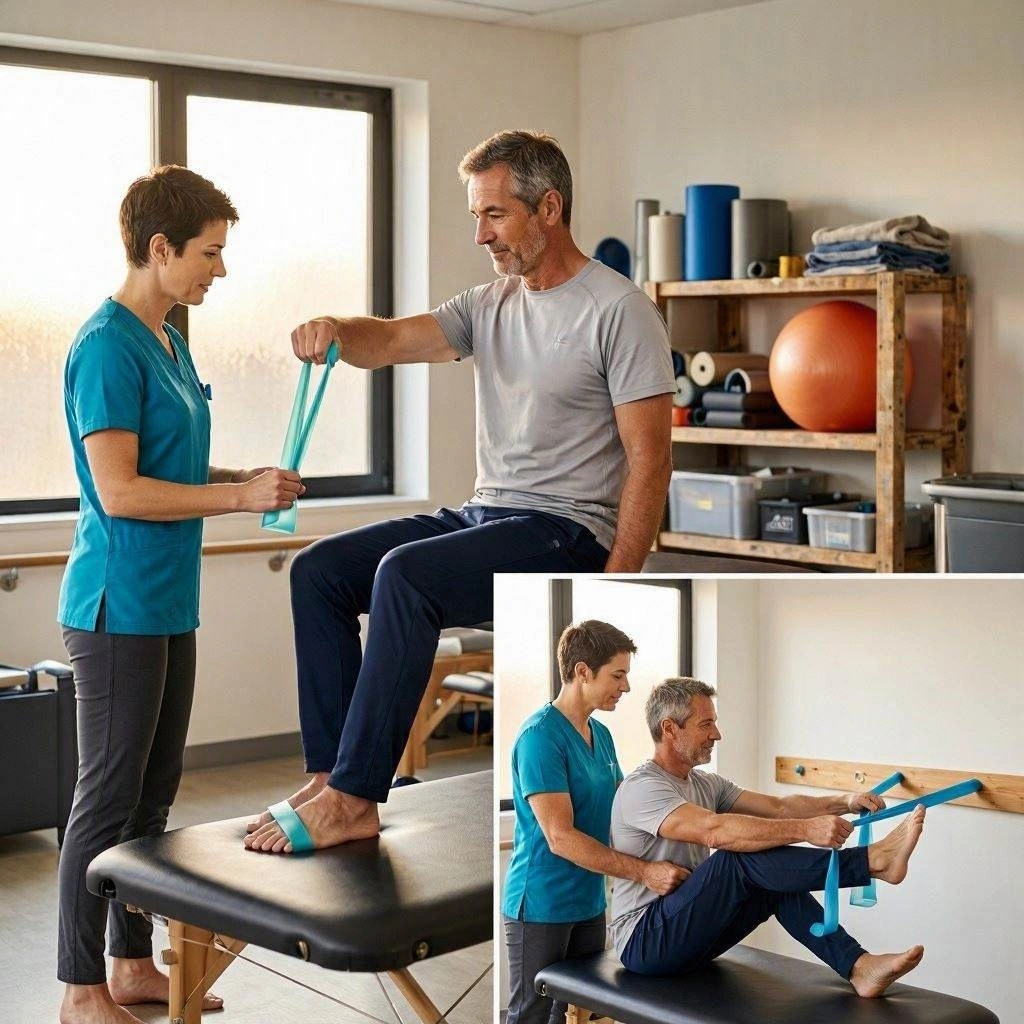
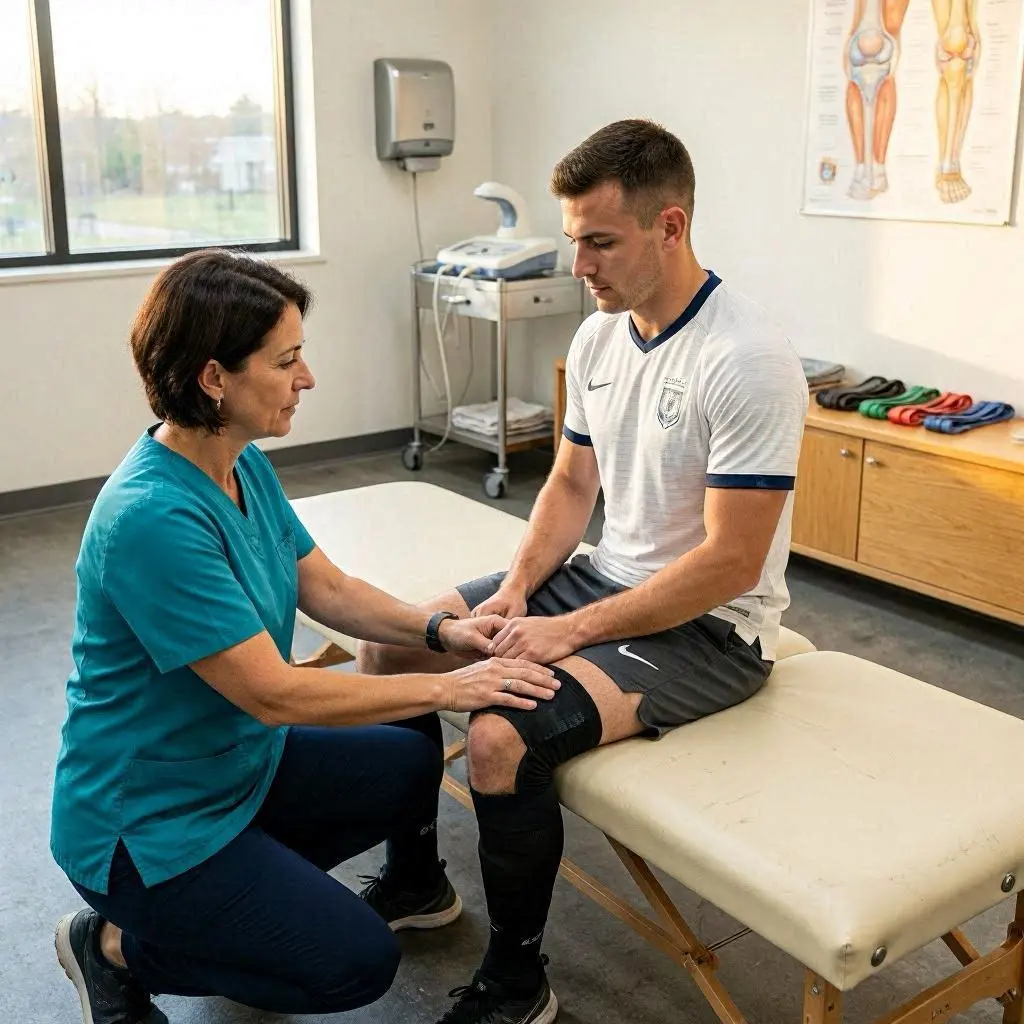
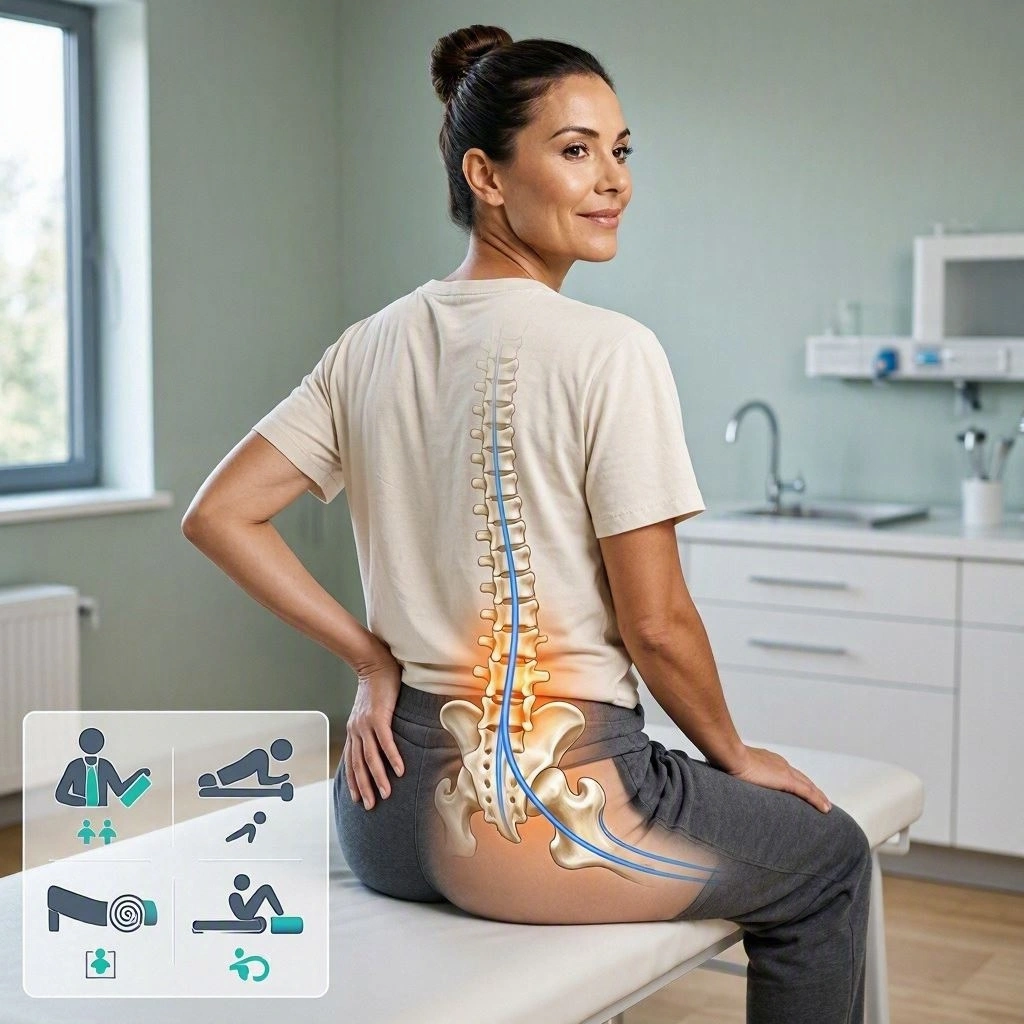
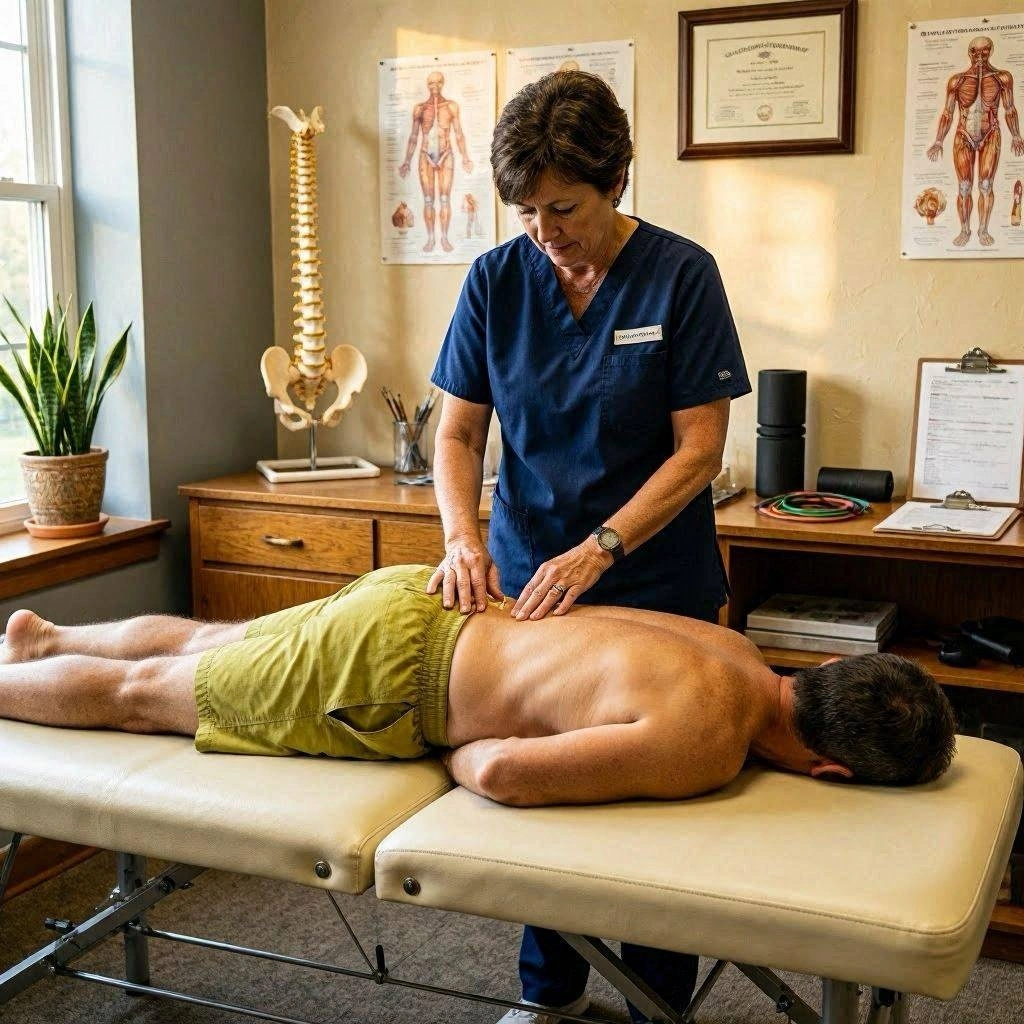
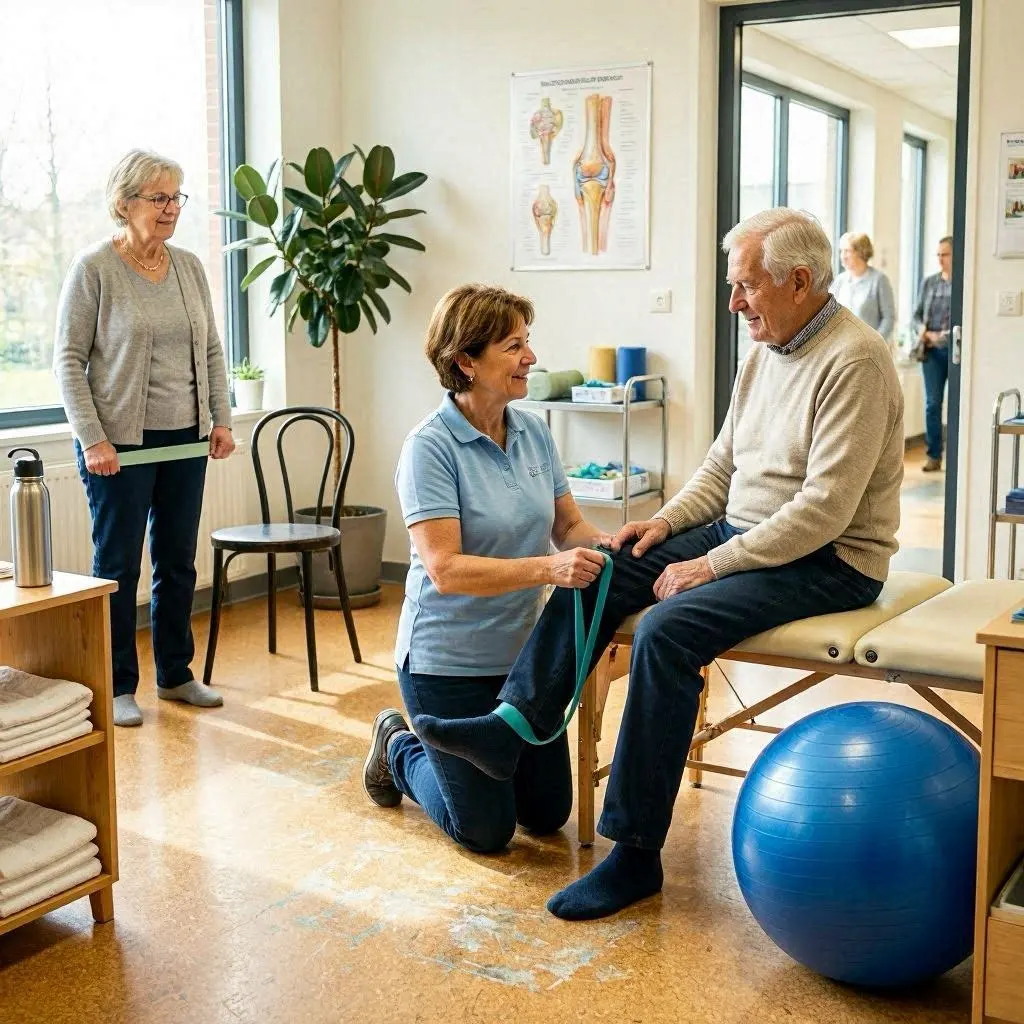
Neuro rehabilitation therapy focuses on helping individuals improve movement and physical abilities after neurological disorders or injuries. Physiotherapists assess posture, balance, muscle strength, coordination, walking patterns, and mobility before developing a personalized treatment plan.
Treatment methods may include:
-
Balance training
-
Walking rehabilitation
-
Strengthening exercises
-
Stretching programs
-
Coordination activities
-
Postural correction
-
Functional movement training
-
Mobility exercises
The primary goal is to improve independence and maximize physical function.
Neurological Conditions Treated with Physical Rehabilitation
Specialized rehabilitation programs can help individuals with a variety of neurological disorders.
Stroke Recovery and Rehabilitation Therapy (Neurological Physiotherapy)
A stroke can affect muscle control, balance, coordination, and mobility. Rehabilitation exercises help patients regain movement and improve daily function.
Parkinson’s Disease Movement Therapy
Parkinson’s disease often causes stiffness, tremors, and difficulty walking. Therapy programs focus on improving posture, balance, and mobility.
Multiple Sclerosis Physical Rehabilitation
Multiple sclerosis can lead to fatigue, weakness, and movement challenges. Structured exercise programs help maintain strength and independence.
Spinal Cord Injury Recovery Programs
Individuals recovering from spinal cord injuries often require long-term rehabilitation to improve mobility and physical performance.
Brain Injury Rehabilitation and Mobility Training
Traumatic brain injuries may affect balance, coordination, and muscle control. Therapy helps restore movement and functional abilities.
Benefits of Neurological Physiotherapy and Neuro Rehabilitation
Improved Mobility and Functional Movement
Rehabilitation therapy helps patients walk, stand, transfer, and move more safely and efficiently.
Better Balance, Stability, and Coordination
Balance exercises reduce the risk of falls and improve confidence during daily activities.
Increased Muscle Strength and Physical Function
Targeted strengthening programs help improve muscle control and support better movement.
Greater Independence in Daily Activities
Physical rehabilitation enables individuals to perform everyday tasks with less assistance.
Enhanced Quality of Life Through Rehabilitation
Improved mobility and function contribute to better overall well-being and confidence.
Treatment Techniques Used in Neuro Physiotherapy
Physiotherapists use a variety of evidence-based techniques to support recovery.
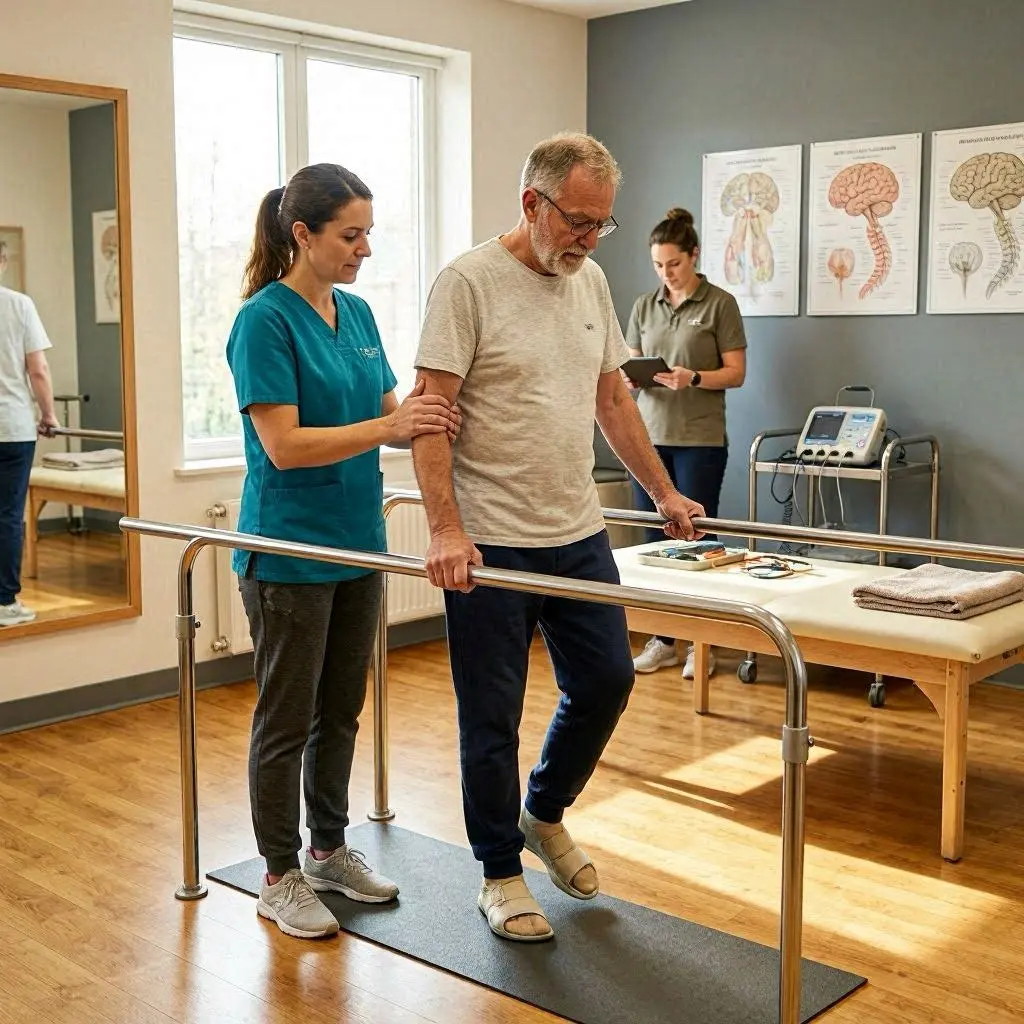
Gait Training for Walking and Mobility
Gait training helps improve walking patterns, posture, and movement efficiency.
Balance and Stability Rehabilitation Exercises
These exercises focus on improving coordination and reducing fall risk.
Strength Training for Neurological Disorders
Strengthening programs help patients maintain muscle function and support mobility.
Functional Movement and Daily Living Skills Training
Functional exercises focus on real-life activities such as standing, reaching, walking, and transferring.
Signs You May Need Neurological Rehabilitation
You may benefit from professional rehabilitation services if you experience:
-
Difficulty walking
-
Poor balance
-
Muscle weakness
-
Reduced coordination
-
Recovery after stroke
-
Mobility limitations
-
Neurological conditions affecting movement
Early intervention often leads to better recovery outcomes and improved physical function.
How Neuro Physiotherapy Supports Long-Term Recovery
Consistent therapy helps patients maintain mobility, improve physical strength, and adapt to challenges caused by neurological conditions. Long-term rehabilitation can help reduce complications and improve independence over time.
Conclusion: The Importance of Neurological Rehabilitation
Neurological physiotherapy remains an essential treatment option for individuals with nervous system disorders and injuries. Through personalized rehabilitation plans, balance training, mobility exercises, and strength-building programs, patients can improve movement and regain confidence in daily life.
Whether recovering from a stroke, living with Parkinson’s disease, or managing a spinal cord injury, professional rehabilitation therapy can support long-term recovery, improve physical function, and enhance overall quality of life.