Physiotherapy Gait Assessment: A Complete Guide to Walking Analysis, Movement Problems, and Rehabilitation
Walking is one of the most important functional activities of everyday life. It allows people to move independently, participate in physical activities, work, exercise, and complete daily tasks. Although walking may appear simple, it requires precise coordination between the brain, nervous system, muscles, joints, balance systems, and sensory organs. When one part of this system does not function properly, a person’s walking pattern can change. A physiotherapy gait assessment provides a structured way to evaluate these changes and identify factors that may be affecting movement.
A gait assessment is commonly used by physiotherapists to evaluate walking mechanics, balance, posture, muscle strength, joint mobility, coordination, and overall functional movement. It can be helpful for people recovering from injuries, neurological conditions, orthopedic problems, surgery, sports injuries, or age-related mobility changes.
By identifying abnormal movement patterns, physiotherapists can develop individualized rehabilitation programs designed to improve walking efficiency, stability, strength, and confidence.
What Is a Physiotherapy Gait Assessment?
A physiotherapy gait assessment is a detailed evaluation of how a person walks. The physiotherapist observes the walking pattern and assesses how different parts of the body work together during each step.
The assessment may examine:
Foot placement
Step length
Walking speed
Stride length
Balance
Hip movement
Knee movement
Ankle movement
Arm movement
Pelvic movement
Trunk positioning
Posture
Muscle strength
Joint mobility
The goal is not simply to determine whether someone walks differently from another person. Instead, the assessment looks for movement patterns that may be contributing to pain, instability, reduced mobility, or difficulty performing everyday activities.
Why Is Gait Assessment Important?
Changes in walking patterns can develop for many reasons. Some people change the way they walk because of pain, while others develop abnormal gait mechanics after an injury, surgery, or neurological condition.
A gait assessment can help physiotherapists understand these changes and determine which areas require rehabilitation.
Potential benefits include:
Identifying abnormal walking patterns
Improving balance
Supporting injury recovery
Improving mobility
Identifying muscle weakness
Detecting joint restrictions
Improving walking efficiency
Reducing compensatory movement
Supporting fall prevention
Monitoring rehabilitation progress
A detailed assessment also provides useful information for developing a personalized treatment plan.
What Are the Different Phases of Walking?
Walking consists of repeated movement cycles. Each cycle includes a stance phase, when the foot is in contact with the ground, and a swing phase, when the leg moves forward.
Stance Phase
During the stance phase, the foot supports the body’s weight. The hip, knee, and ankle work together to absorb force and maintain stability.
Swing Phase
During the swing phase, the leg moves forward in preparation for the next step.
Problems in either phase can affect walking efficiency.
For example, limited ankle mobility may affect how the foot moves during the stance phase, while weakness in certain muscles may make it difficult to lift the foot properly during the swing phase.
Common Reasons for Abnormal Gait
Many factors can contribute to changes in walking.
Pain
Pain in the feet, ankles, knees, hips, or back can cause people to change their walking pattern.
Muscle Weakness
Weak muscles may reduce stability and make certain movements difficult.
Joint Stiffness
Restricted mobility can prevent normal movement during each step.
Previous Injury
An old injury may continue to influence movement even after pain has improved.
Balance Problems
Reduced balance can cause shorter steps, slower walking, or increased reliance on support.
Neurological Conditions
Certain neurological disorders can affect coordination, muscle control, and walking ability.
Poor Foot Mechanics
Changes in foot positioning or mobility can influence movement throughout the lower body.
What Happens During a Physiotherapy Gait Assessment?
The assessment usually begins with a conversation about the patient’s symptoms, medical history, activity level, and functional goals.
The physiotherapist may then observe the patient walking at different speeds or in different directions.
The assessment can include several components.
Visual Gait Observation
The physiotherapist observes the patient’s walking pattern from different angles.
They may look for:
Uneven steps
Limping
Reduced arm swing
Excessive trunk movement
Changes in foot placement
Differences between the left and right sides
Walking Speed
Walking speed can provide useful information about functional mobility.
Step and Stride Length
Differences between steps may indicate weakness, pain, balance problems, or mobility restrictions.
Joint Mobility
The physiotherapist may examine the hips, knees, ankles, and feet to determine whether restricted movement affects walking.
Muscle Strength
Strength testing can identify muscles that may not provide adequate support during walking.
Balance Testing
Balance assessments determine how effectively a person can maintain stability during standing and movement.
Technology in Gait Assessment (Physiotherapy Gait Assessment)
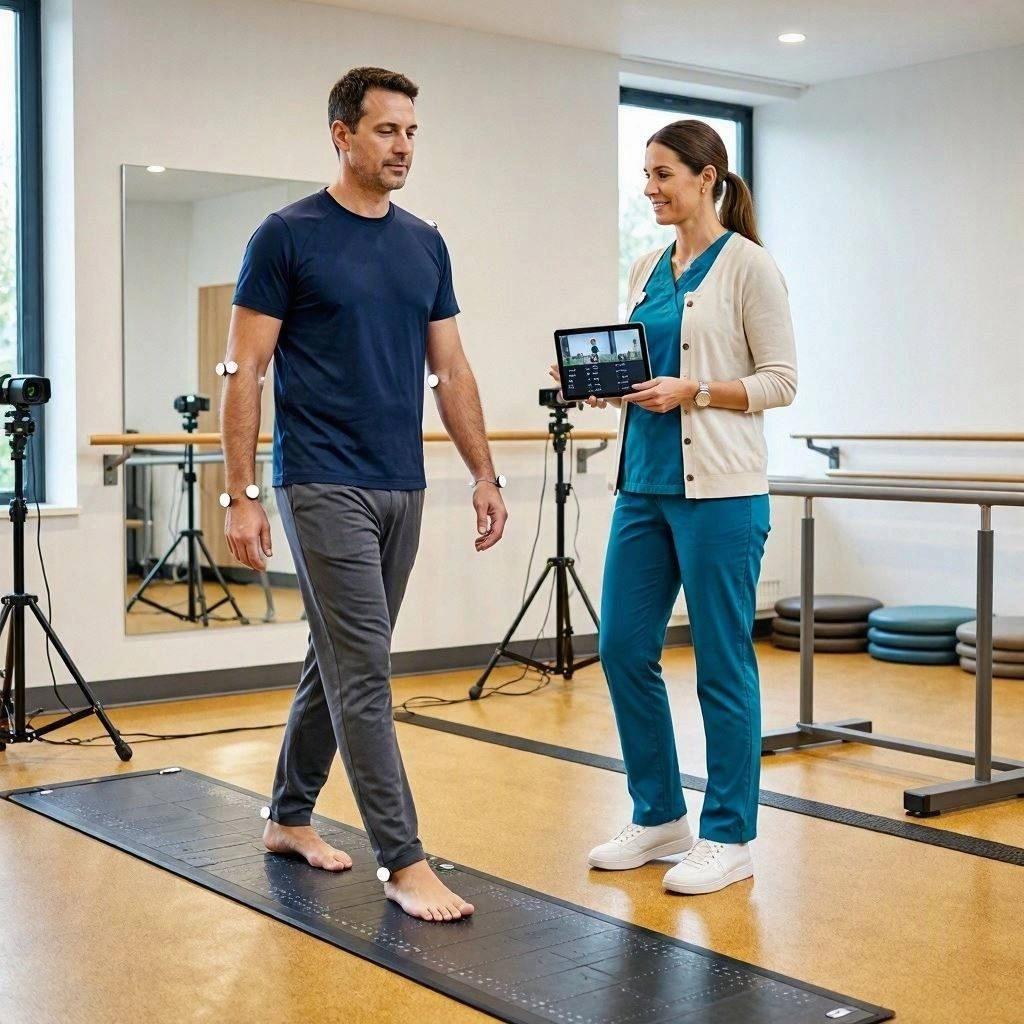
Modern physiotherapy clinics may use technology to obtain more detailed information about walking patterns.
Depending on the facility, technology may include:
Video recording
Motion analysis software
Pressure-sensitive platforms
Force plates
Wearable sensors
Treadmill analysis
Video analysis allows physiotherapists to slow down walking movements and review specific phases of the gait cycle.
Technology does not replace clinical expertise. Instead, it can provide additional information that complements the physiotherapist’s physical examination.
Gait Assessment for Injury Recovery
Walking patterns frequently change after injuries.
For example, a person recovering from a knee injury may place less weight on the affected leg. Although this may initially protect the injured area, prolonged compensation can influence other parts of the body.
A physiotherapist can identify these patterns and gradually retrain normal movement.
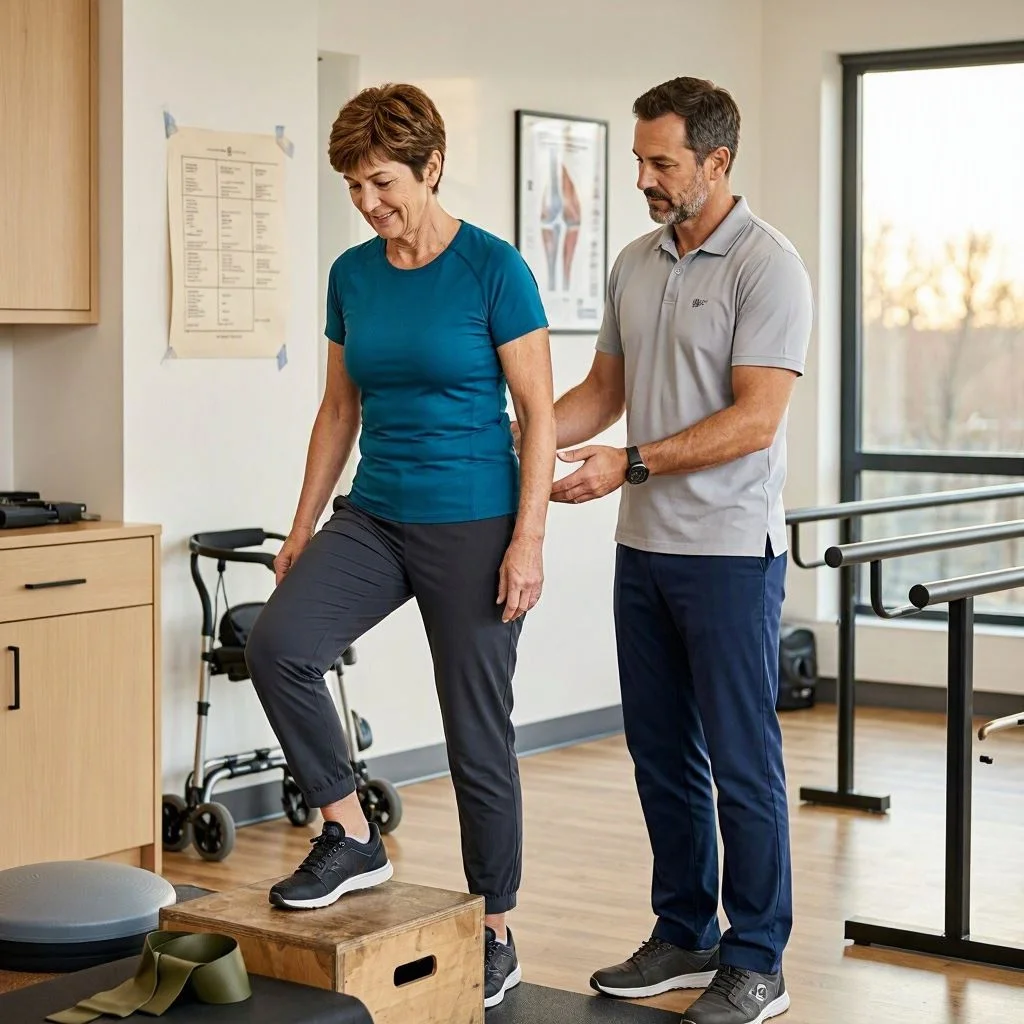
Rehabilitation may include:
Strength exercises
Balance training
Mobility exercises
Walking drills
Functional movement exercises
Coordination training
The program should progress according to the individual’s recovery.
Physiotherapy Gait Assessment After Surgery
Gait assessment can also be useful following orthopedic procedures.
After surgery, patients may temporarily experience:
Reduced strength
Swelling
Limited joint mobility
Pain
Reduced confidence
Balance problems
These factors can affect walking.
Physiotherapy can help patients gradually restore normal movement while following the recommendations and restrictions provided by their medical team.
Gait Assessment for Older Adults
Walking ability is closely associated with independence in older adults.
Age-related changes in strength, balance, flexibility, vision, and coordination can influence gait.
A physiotherapy gait assessment may help identify factors associated with mobility difficulties and fall risk.
A rehabilitation program may include:
Balance exercises
Leg strengthening
Walking practice
Functional exercises
Mobility training
Posture education
The goal is to support safe and confident movement.
Gait Assessment for Athletes
Athletes place greater demands on their movement systems. Even small changes in mechanics can influence performance.
A physiotherapist may evaluate:
Running mechanics
Stride length
Foot placement
Hip stability
Knee control
Ankle mobility
Trunk position
Balance
For runners, gait assessment may help identify movement patterns that could contribute to repetitive stress.
However, gait analysis should be interpreted within the context of the athlete’s training, injury history, footwear, strength, mobility, and sport-specific requirements.
How Physiotherapy Can Improve Gait
Once the assessment is complete, the physiotherapist develops a treatment plan based on the findings.
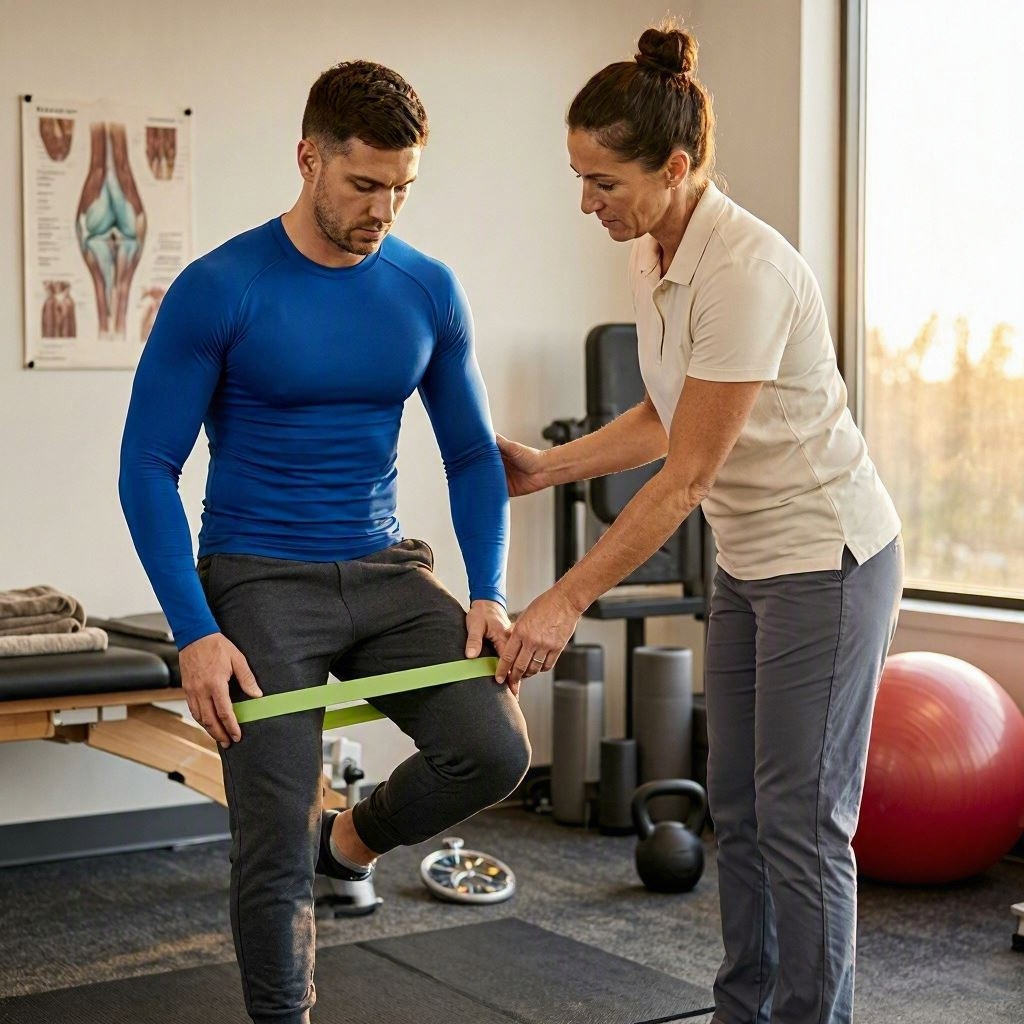
Strength Training
Weak muscles can be strengthened progressively.
Mobility Exercises
Restricted joints can be addressed through appropriate mobility exercises.
Balance Training
Balance exercises improve stability during standing and walking.
Gait Retraining
The physiotherapist may teach specific techniques to improve walking mechanics.
Functional Training
Exercises can replicate activities that are important to the patient’s daily life.
Manual Therapy
When appropriate, manual techniques may be used to address joint or soft tissue restrictions.
The Role of Footwear in Walking Mechanics
Footwear can influence walking comfort and mechanics.
Shoes should generally provide an appropriate fit and adequate support for the activity being performed.
Physiotherapists may consider footwear when evaluating gait, particularly when a patient reports discomfort associated with walking or running.
However, footwear recommendations should be individualized rather than based on a universal shoe type.
Gait Assessment and Injury Prevention
Understanding movement patterns can help individuals address modifiable factors that may contribute to injury.
Prevention strategies may include:
Maintaining adequate strength
Improving mobility
Practicing balance exercises
Increasing training gradually
Wearing appropriate footwear
Taking recovery days
Addressing pain early
Maintaining proper exercise technique
Gait assessment is one part of a broader injury prevention strategy.
Home Exercises After a Gait Assessment
A physiotherapist may prescribe exercises to continue between appointments.
These can include:
Calf strengthening
Hip strengthening
Leg exercises
Balance drills
Ankle mobility exercises
Core strengthening
Walking practice
Following the recommended program consistently can help reinforce improvements made during physiotherapy sessions.
How Progress Is Monitored (Physiotherapy Gait Assessment)
Gait rehabilitation is not always completed in a single session. Progress may be monitored through repeated assessments.
A physiotherapist may compare:
Walking speed
Step length
Balance
Strength
Joint mobility
Pain levels
Functional performance
Objective measurements can help determine whether the rehabilitation program needs to be continued, progressed, or modified.
When Should You Consider a Gait Assessment?
A professional gait assessment may be appropriate if you notice:
Frequent tripping
Difficulty walking
Persistent limping
Uneven steps
Balance problems
Recurrent lower-body injuries
Walking-related pain
Reduced walking speed
Difficulty returning to normal walking after surgery
Changes in walking pattern without an obvious explanation
Early assessment may help identify problems before they significantly affect independence or physical activity.
Warning Signs Requiring Medical Evaluation
Some walking changes require prompt medical attention.
Seek urgent medical care if walking difficulty develops suddenly or is accompanied by:
Sudden weakness
Sudden numbness
Difficulty speaking
Facial drooping
Severe dizziness
Loss of consciousness
Severe pain following major trauma
New loss of bladder or bowel control
These symptoms may indicate a serious medical condition.
Conclusion
A physiotherapy gait assessment provides valuable information about how the body moves during walking. By evaluating posture, balance, strength, joint mobility, coordination, and walking mechanics, physiotherapists can identify movement limitations and develop individualized rehabilitation strategies.
Gait assessment can benefit people recovering from injuries, surgery, neurological conditions, sports injuries, and age-related mobility changes. It can also help active individuals understand their movement patterns and improve functional performance.
The most effective gait rehabilitation approach combines professional assessment with appropriate strength training, mobility exercises, balance work, gait retraining, and healthy lifestyle habits. With consistent rehabilitation and appropriate professional guidance, many people can improve walking efficiency, confidence, and overall mobility while returning to the activities that matter most to them.