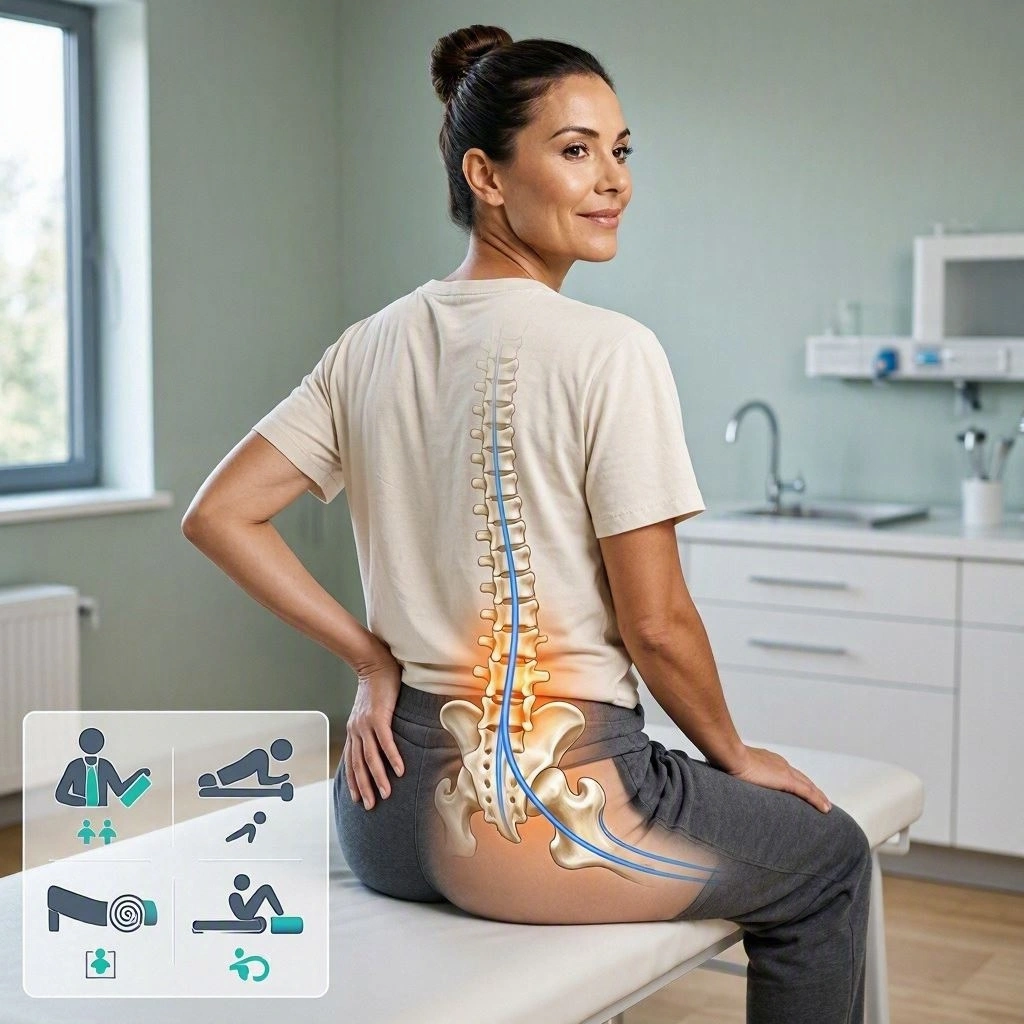
Sciatica Pain Treatment: Complete Guide to Relief and Recovery
Sciatica can cause sharp, burning, or aching pain that travels from the lower back or buttock into the leg. For some people, the pain appears suddenly after lifting, bending, or an injury. For others, symptoms develop gradually and become more noticeable during sitting, walking, or certain movements. Because sciatica affects a nerve, it can also cause tingling, numbness, or weakness. Finding the right Sciatica Pain Treatment depends on the cause, severity, duration, and symptoms involved. Fortunately, many people improve with conservative care, gradual movement, exercise, and appropriate professional guidance. However, severe or worsening neurological symptoms require prompt medical assessment.
This guide explains the most common approaches to Sciatica Pain Treatment, including home care, exercise, physiotherapy, medication, lifestyle changes, injections, surgery, and strategies that can support long-term recovery.
What Is Sciatica?
Sciatica describes symptoms caused by irritation or compression of the sciatic nerve or one of the nerve roots that contribute to it. The sciatic nerve travels from the lower spine through the buttocks and into the legs.
Unlike ordinary lower back pain, sciatica often produces symptoms farther down the leg. You may experience pain in the buttock, thigh, calf, foot, or toes. You may also notice tingling, numbness, or weakness.
Sciatica commonly affects one side of the body. Symptoms can become worse with certain movements, prolonged sitting, coughing, sneezing, or bending.
The condition often improves over several weeks or months, although recovery varies from person to person.
Common Causes of Sciatica
Several conditions can irritate or compress a spinal nerve.
Herniated or Slipped Disc
A herniated disc is one of the most common causes of sciatica. The discs between the vertebrae act as cushions. If part of a disc pushes outward, it can irritate a nearby nerve root.
As a result, you may develop pain, tingling, numbness, or weakness along the affected nerve pathway.
Spinal Stenosis
Spinal stenosis occurs when spaces within the spine become narrower. The reduced space can place pressure on nerves.
This problem becomes more common with age and may cause leg pain, numbness, or weakness, particularly during standing or walking.
Spondylolisthesis (Sciatica Pain Treatment)
Spondylolisthesis occurs when one vertebra moves forward relative to another. In some cases, this change can reduce available space for spinal nerves and contribute to sciatic symptoms.
Back or Pelvic Injury
A significant injury can irritate tissues around the spine and potentially affect a nerve. If sciatica begins after a major accident, medical assessment becomes especially important.
Age-Related Spinal Changes
As the body ages, discs, joints, and other spinal structures naturally change. These changes do not always cause symptoms. However, some changes can contribute to nerve irritation and sciatica.
Symptoms That May Accompany Sciatica
Sciatica can produce several different symptoms. Common symptoms include:
-
Sharp or burning leg pain
-
Pain traveling from the lower back into the buttock and leg
-
Tingling or pins and needles
-
Numbness
-
Leg or foot weakness
-
Pain that becomes worse with certain movements
-
Difficulty sitting comfortably
-
Reduced ability to perform normal activities
Symptoms can vary considerably. Therefore, the location and intensity of pain alone do not always identify the exact cause.
How Is Sciatica Diagnosed?
A healthcare professional usually begins with your medical history and a physical examination.
During an assessment, they may ask about:
-
When your symptoms started
-
Where you feel pain
-
Whether pain travels down your leg
-
Any numbness or tingling
-
Changes in muscle strength
-
Activities that make symptoms better or worse
-
Previous injuries or back problems
-
Changes in bladder or bowel function
The clinician may also check your walking pattern, reflexes, sensation, flexibility, and strength.
Imaging does not always become necessary. Healthcare professionals often use symptoms and physical findings first. However, imaging may become appropriate when symptoms persist, neurological problems appear, or a serious underlying condition needs investigation.
Sciatica Pain Treatment at Home (Sciatica Pain Treatment)
Many people can begin with simple self-management strategies.
However, home care should not replace medical assessment when symptoms become severe, persistent, or progressively worse.
Stay Active
One of the most important principles of Sciatica Pain Treatment involves avoiding unnecessary inactivity.
Long periods of sitting or lying down can make you feel stiffer and may make it harder to return to normal activity.
Instead, try to maintain comfortable daily movement.
For example, you can:
-
Take short walks
-
Change positions regularly
-
Perform gentle mobility exercises
-
Continue normal activities within your limits
-
Gradually increase activity as symptoms improve
You do not need to push through severe pain. Instead, aim for gradual and controlled movement.
Use Heat
A heat pack may help reduce discomfort and muscle stiffness for some people.
Place a warm pack over the painful area for a comfortable period. Protect your skin and avoid excessive heat, particularly if numbness affects the area.
Adjust Your Sitting Position (Sciatica Pain Treatment)
Sitting for long periods can aggravate symptoms for some people.
Therefore, change positions regularly rather than remaining in one position for hours.
When working at a desk, keep your feet supported and position your screen at a comfortable height. Most importantly, avoid staying completely still for long periods.
Pace Your Activities
Recovery does not require complete rest, but it also does not require doing everything at once.
Instead, break demanding tasks into smaller periods.
For example, if cleaning for 30 minutes increases your symptoms, try several shorter sessions separated by movement breaks.
This approach can help you remain active without repeatedly provoking symptoms.
Exercise for Sciatica Pain Treatment
Exercise often forms an important part of rehabilitation. NICE recommends considering exercise programs for people with low back pain with or without sciatica, while NHS guidance also encourages appropriate gentle exercise.
However, not every exercise suits every person.
Walking
Walking provides a simple way to maintain movement without requiring complicated equipment.
Start with a comfortable distance and increase gradually.
If ten minutes feels manageable, you might begin there. Over time, you can increase your walking duration as your symptoms allow.
Gentle Mobility Exercises (Sciatica Pain Treatment)
Gentle movements can help reduce stiffness and maintain comfortable spinal and hip movement.
A physiotherapist can determine which movements suit your symptoms.
Core Strengthening
Once acute symptoms settle, strengthening the abdominal, back, hip, and pelvic muscles can support better movement control.
Common rehabilitation exercises may include:
-
Controlled abdominal exercises
-
Bird-dog variations
-
Glute bridges
-
Sit-to-stand exercises
-
Modified squats
-
Hip strengthening exercises
The correct exercise depends on your symptoms and physical capacity.
Stretching
Some people benefit from gentle stretching. However, aggressive stretching can sometimes increase nerve-related symptoms.
Therefore, stretching should feel controlled rather than forceful.
If a stretch causes increasing leg pain, numbness, or tingling, stop and discuss the exercise with a healthcare professional.
Physiotherapy for Sciatica Pain Treatment (Sciatica Pain Treatment)
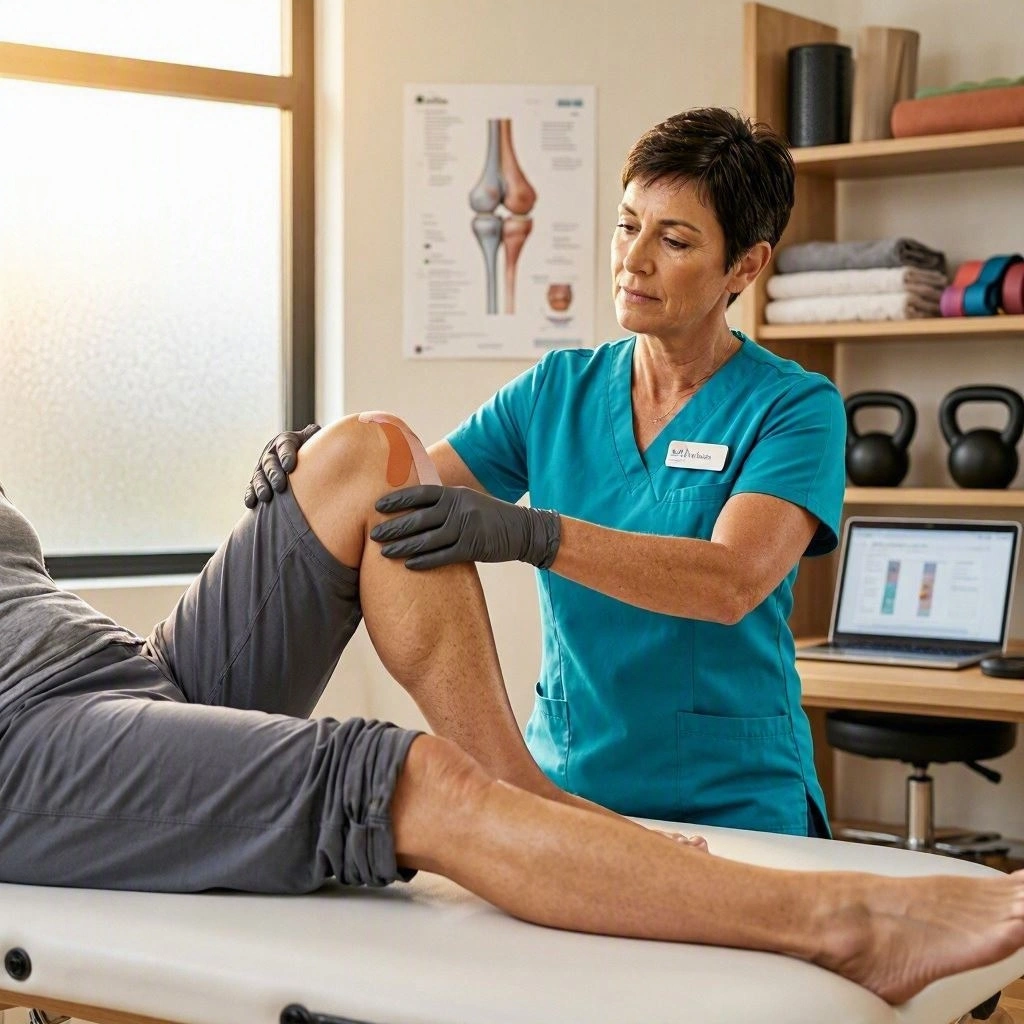
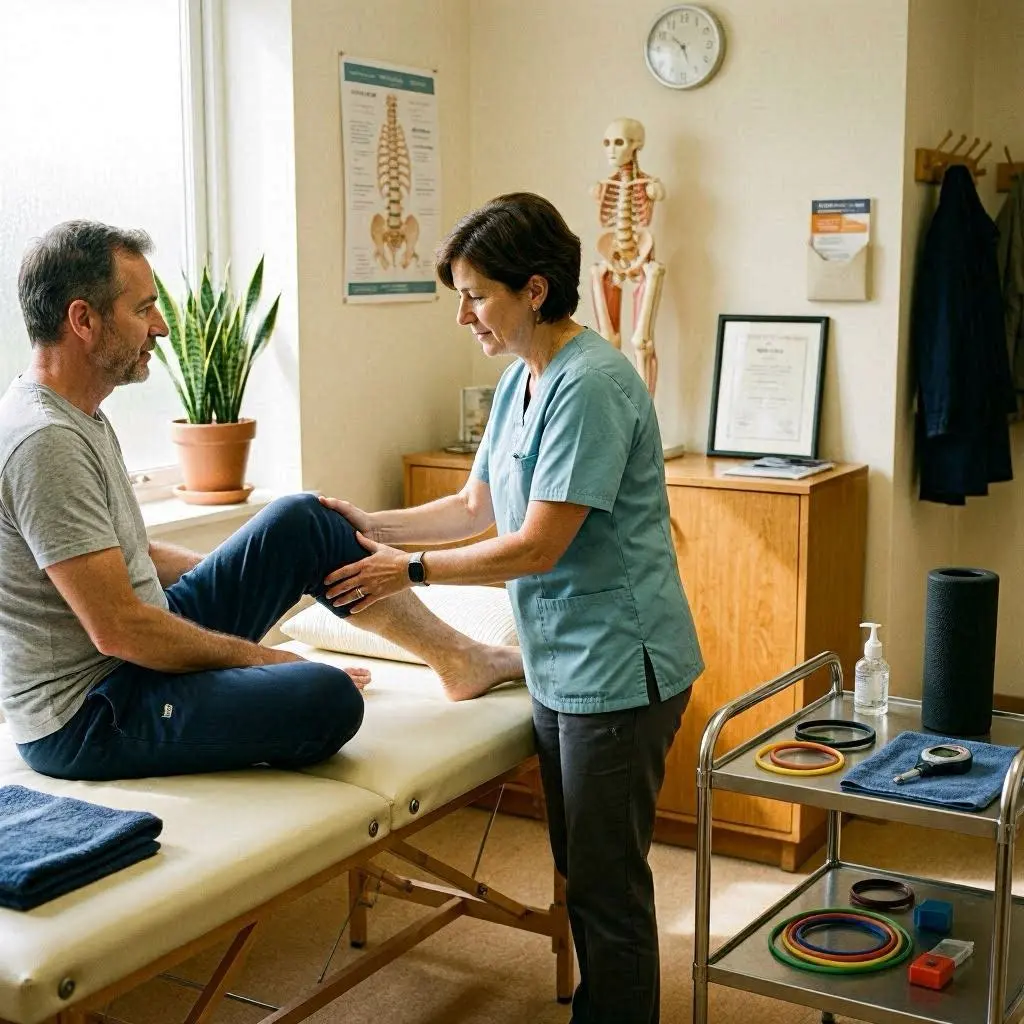
Physiotherapy can play an important role when sciatica affects movement, work, exercise, or daily activities.
A physiotherapist can assess your symptoms and develop an individualized rehabilitation plan.
Treatment may include:
-
Exercise therapy
-
Mobility work
-
Strengthening
-
Movement education
-
Activity modification
-
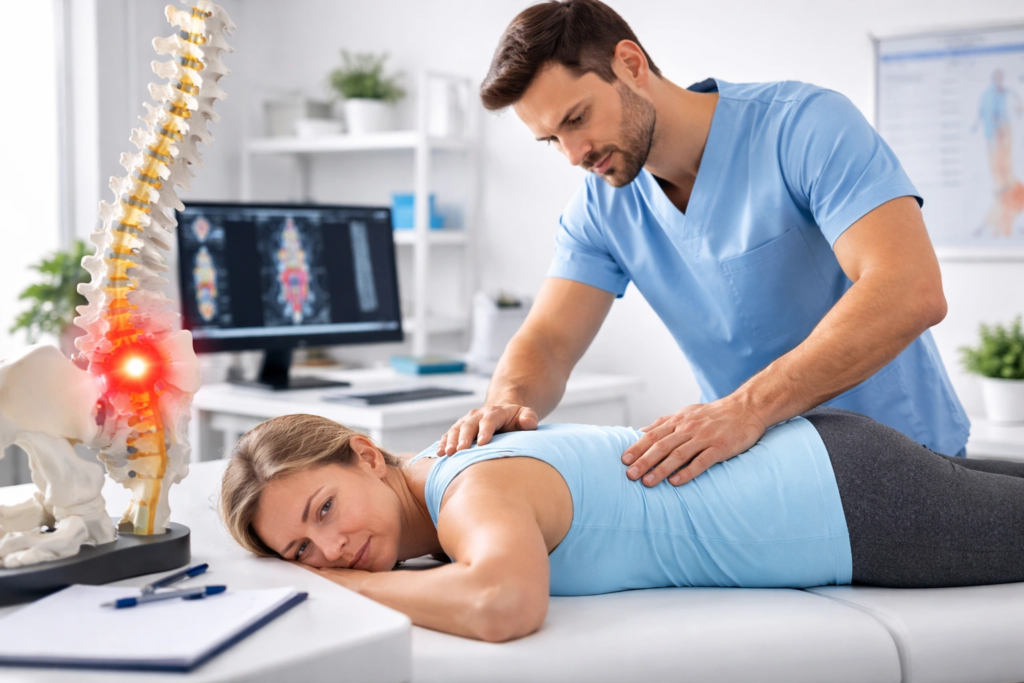
Manual therapy
-
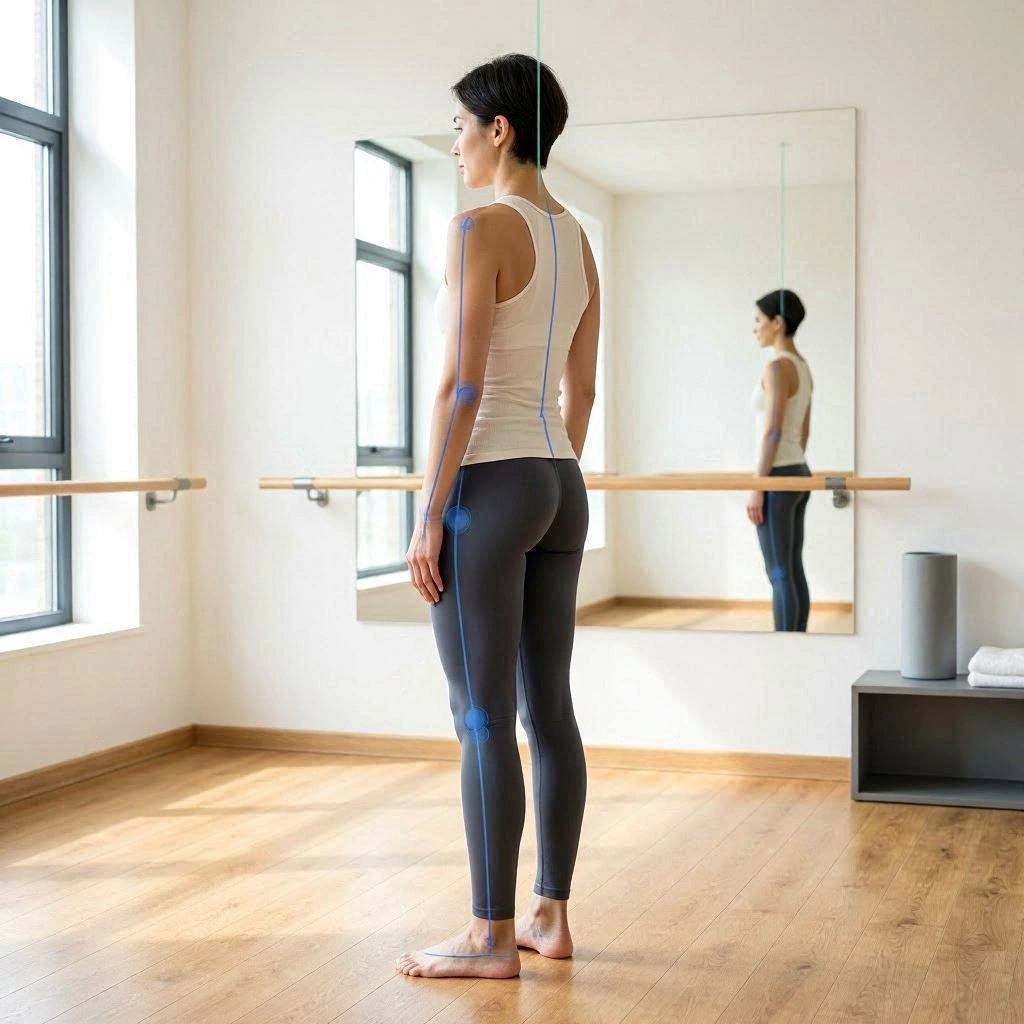
Postural advice
-
Functional rehabilitation
Importantly, physiotherapy does not rely on one exercise or technique for everyone.
Instead, treatment should change as your symptoms and functional abilities change.
How Physiotherapy Can Help (Sciatica Pain Treatment)
A physiotherapist can help you understand which movements aggravate your symptoms and which activities you can safely continue.
They can also help you gradually return to:
-
Work
-
Sports
-
Walking
-
Strength training
-
Household activities
-
Recreational activities
NICE recommends manual therapy only as part of a broader treatment package that includes exercise rather than using manual treatment alone.
Manual Therapy and Massage
Manual therapy may include soft tissue techniques, mobilization, or other hands-on approaches.
Massage may temporarily reduce muscle tension and improve comfort for some people. However, massage does not directly remove every possible cause of nerve irritation.
For that reason, rehabilitation usually works better when hands-on treatment supports an active exercise and self-management program.
If a treatment repeatedly increases neurological symptoms, discuss the response with your healthcare professional.
Medication for Sciatica (Sciatica Pain Treatment)
Medication can sometimes help people manage pain while they remain active.
However, the right medication depends on your health history, other medications, age, and risk factors.
A pharmacist or doctor can help determine whether a medication is appropriate.
Anti-Inflammatory Medication
Non-steroidal anti-inflammatory drugs, or NSAIDs, may be considered in some situations. However, NICE highlights limited evidence of benefit for NSAIDs in sciatica and recommends considering potential gastrointestinal, liver, and cardiovascular or kidney-related risks. When prescribed, the guideline recommends the lowest effective dose for the shortest appropriate period.
Therefore, do not assume that an over-the-counter medication is suitable for you simply because it is commonly available.
Other Pain Medication
Doctors may consider other medications depending on the type and severity of symptoms.
Because some medicines carry significant side effects or dependence risks, medication decisions should involve an appropriate healthcare professional.
Should You Use Ice or Heat for Sciatica?
Both cold and heat may help some people feel more comfortable.
Heat can help with muscle stiffness and relaxation. Cold may temporarily reduce pain or irritation after certain activities.
Neither approach treats every underlying cause of sciatica.
Therefore, use whichever option provides comfortable symptom relief while continuing appropriate movement and rehabilitation.
Sleeping With Sciatica (Sciatica Pain Treatment)
Sciatica can make sleep difficult, especially when symptoms increase at night.
Experiment with positions that reduce pressure and allow your muscles to relax.
Some people feel more comfortable sleeping on their side with support between the knees. Others prefer lying on their back with support beneath the knees.
There is no single sleeping position that works for everyone.
The goal is simple: find a comfortable position that allows you to sleep and avoid remaining in a position that consistently increases your symptoms.
Managing Sciatica at Work (Sciatica Pain Treatment)
Work modifications can make recovery easier.
If you sit for long periods, take regular movement breaks. If your job involves lifting, learn safe lifting techniques and avoid unnecessarily awkward positions.
Depending on your occupation, you may benefit from temporary adjustments such as:
-
Shorter sitting periods
-
More frequent movement breaks
-
Adjustable desk equipment
-
Temporary lifting restrictions
-
Modified duties
-
Gradual return to physical work
A physiotherapist or occupational health professional can help you identify practical changes.
Sciatica Pain Treatment for Athletes (Sciatica Pain Treatment)
Athletes often want to return to training as quickly as possible. However, rushing the process can increase symptoms or delay recovery.
Instead, use a gradual progression.
Begin with activities that you can perform comfortably. Then gradually introduce:
-
Basic mobility
-
Low-impact cardiovascular activity
-
Strength training
-
Sport-specific movements
-
Higher-intensity training
-
Full participation
Your progression should depend on symptoms, strength, movement quality, and functional capacity.
A sports physiotherapist can help design a structured return-to-sport program.
What Exercises Should You Avoid With Sciatica?
There is no universal list of exercises that every person with sciatica must avoid.
However, you should be cautious with movements that repeatedly increase leg pain, numbness, tingling, or weakness.
Potentially aggravating activities may include:
-
Heavy lifting with poor technique
-
Sudden twisting
-
High-impact exercise during an acute flare
-
Deep bending when it consistently worsens symptoms
-
Aggressive stretching
-
Exercises that repeatedly increase neurological symptoms
The key is your response.
A movement that feels comfortable for one person may aggravate another person’s symptoms.
Can Sciatica Go Away Without Treatment?
Yes. Many cases improve over time, particularly when people remain appropriately active and gradually return to normal activities.
However, “waiting for it to disappear” does not mean ignoring the problem.
During recovery, you can still improve your movement, manage aggravating activities, strengthen supporting muscles, and seek professional guidance when needed.
If symptoms continue for several weeks, become worse, or interfere significantly with daily life, arrange a medical or physiotherapy assessment. NHS guidance recommends seeking medical advice when sciatica does not improve after home treatment, worsens, or prevents normal activities.
When Are Injections Considered?
For some people with severe sciatica that does not respond adequately to conservative treatment, a specialist may consider an epidural injection.
An injection may help reduce pain for some patients, potentially making it easier to participate in rehabilitation.
However, injections do not suit everyone and do not address every cause of sciatica.
A specialist should assess your symptoms, diagnosis, and treatment history before recommending an injection.
When Is Surgery Considered?
Most people with sciatica do not automatically need surgery.
Doctors may consider surgery when symptoms remain severe despite appropriate non-surgical treatment, particularly when there is a clear structural cause that can be treated surgically.
Decompression surgery can relieve pressure on an affected nerve in selected cases.
The decision depends on factors such as:
-
The underlying cause
-
Severity of symptoms
-
Duration of symptoms
-
Neurological findings
-
Functional limitations
-
Response to non-surgical treatment
-
Overall health
A spinal specialist can explain the potential benefits and risks when surgery becomes an option.
How Long Does Sciatica Take to Improve?
Recovery time varies.
Some people notice significant improvement within a few weeks. Others experience symptoms for several months.
Several factors can influence recovery, including:
-
The underlying cause
-
Severity of nerve irritation
-
Presence of weakness or numbness
-
Activity levels
-
General health
-
Work demands
-
Previous episodes
-
Response to treatment
Instead of focusing only on eliminating pain immediately, monitor functional improvements.
For example, you may notice that you can walk farther, sit longer, sleep better, or perform more daily activities even before the pain completely disappears.
These changes can represent meaningful progress.
How to Prevent Future Sciatica Problems
You cannot prevent every episode of sciatica. Nevertheless, healthy movement habits may reduce risk and improve overall physical capacity.
Stay Physically Active (Sciatica Pain Treatment)
Regular physical activity supports strength, mobility, and general health.
Choose activities that you enjoy and can maintain consistently.
Strengthen Your Body
A balanced strengthening program can improve physical capacity and help you handle everyday activities more comfortably.
Focus on the hips, legs, trunk, and other major muscle groups.
Use Safe Lifting Techniques
When lifting heavy objects, plan the movement before you start.
Keep the load close to your body, avoid sudden twisting, and ask for assistance when necessary.
Take Breaks From Sitting
If your work requires prolonged sitting, stand and move regularly.
Small movement breaks throughout the day can make it easier to maintain activity.
Maintain a Healthy Lifestyle
Sleep, physical activity, nutrition, stress management, and smoking habits can all influence general health and recovery.
A healthy lifestyle does not guarantee that sciatica will never return, but it supports your ability to remain active and recover from physical problems.
When Should You See a Healthcare Professional?
You should consider professional assessment when:
-
Pain persists for several weeks
-
Symptoms progressively worsen
-
Pain significantly limits daily activities
-
Numbness continues
-
Weakness develops
-
You struggle to walk normally
-
Home management does not improve symptoms
-
You are uncertain about the cause of your symptoms
A healthcare professional can determine whether you need physiotherapy, medication advice, imaging, specialist assessment, or another form of treatment.
Emergency Symptoms of Sciatica (Sciatica Pain Treatment)
Most sciatica cases are not emergencies. However, certain symptoms require urgent medical attention.
Seek emergency medical care if you develop:
-
Sciatica affecting both legs
-
Severe or worsening weakness or numbness in both legs
-
Numbness around the genitals
-
Numbness around the anus or buttocks
-
Difficulty starting urination
-
Inability to urinate
-
Loss of bladder control
-
Loss of bowel control
These symptoms can indicate serious nerve compression that requires urgent assessment.
Also seek urgent assessment after major trauma or when severe back pain occurs with significant illness symptoms.
Frequently Asked Questions About Sciatica Pain Treatment
What is the best Sciatica Pain Treatment?
There is no single treatment that works for everyone. A combination of appropriate activity, exercise, education, symptom management, and professional guidance often forms the foundation of recovery.
Is walking good for sciatica?
Walking can be useful because it keeps you moving without requiring complex equipment. Start with a comfortable amount and gradually increase your walking as symptoms allow.
Can physiotherapy help sciatica?
Yes. Physiotherapy can help with exercise selection, strengthening, mobility, activity modification, and gradual return to normal activities. NICE recommends exercise as part of management and supports manual therapy when it forms part of a package that includes exercise.
Should I stay in bed with sciatica?
Prolonged bed rest generally does not help recovery. NHS guidance recommends continuing normal activities as much as possible and avoiding long periods of sitting or lying down.
Is massage good for sciatica?
Massage may help reduce muscle tension and provide temporary comfort for some people. However, it should generally support a broader rehabilitation plan rather than replace exercise and active recovery.
Can stretching cure sciatica?
Stretching may help some people, but it does not automatically treat the underlying cause. Gentle, appropriate exercises may support recovery, while aggressive stretching can aggravate symptoms.
Do I need an MRI for sciatica?
Not necessarily. Healthcare professionals can often assess sciatica using your symptoms and physical examination. Imaging may become appropriate when symptoms persist, neurological problems develop, or another serious condition needs investigation.
Can sciatica come back?
Yes. Some people experience another episode after recovering. Staying active, maintaining strength, using safe lifting techniques, and addressing movement or work-related factors may help reduce future problems.
When should I see a doctor for sciatica?
Seek medical advice if symptoms do not improve after several weeks, become worse, or significantly interfere with normal activities. Seek emergency care for bladder or bowel changes, saddle-area numbness, or severe or worsening weakness or numbness affecting both legs.
Final Thoughts (Sciatica Pain Treatment)
Effective Sciatica Pain Treatment focuses on understanding the cause, controlling symptoms, maintaining appropriate activity, and gradually rebuilding strength and function.
For many people, conservative treatment provides a practical path toward recovery. Walking, suitable exercise, physiotherapy, activity modification, sleep support, and appropriate pain management can all contribute to progress.
At the same time, treatment should remain individualized. An exercise that helps one person may aggravate another person’s symptoms. Therefore, persistent, severe, or unusual symptoms deserve professional assessment.
Most importantly, do not ignore neurological warning signs. New or worsening weakness, significant numbness in both legs, saddle-area numbness, or bladder and bowel changes require urgent medical evaluation.
With an appropriate treatment plan and gradual progression, many people with sciatica can return to normal daily activities and rebuild confidence in movement.