Physiotherapy for Better Mobility: A Path to Improved Movement and Independence
Mobility is essential for maintaining an active and independent lifestyle. Whether caused by injury, aging, surgery, chronic pain, or a medical condition, reduced mobility can affect daily activities and overall quality of life. Fortunately, physiotherapy for better mobility offers an effective solution to restore movement, improve flexibility, and enhance physical function.
By focusing on personalized rehabilitation and movement training, physiotherapy helps individuals regain confidence in their physical abilities. Moreover, it addresses the root causes of movement limitations, leading to long-term improvements rather than temporary relief.
What Is Physiotherapy for Better Mobility?
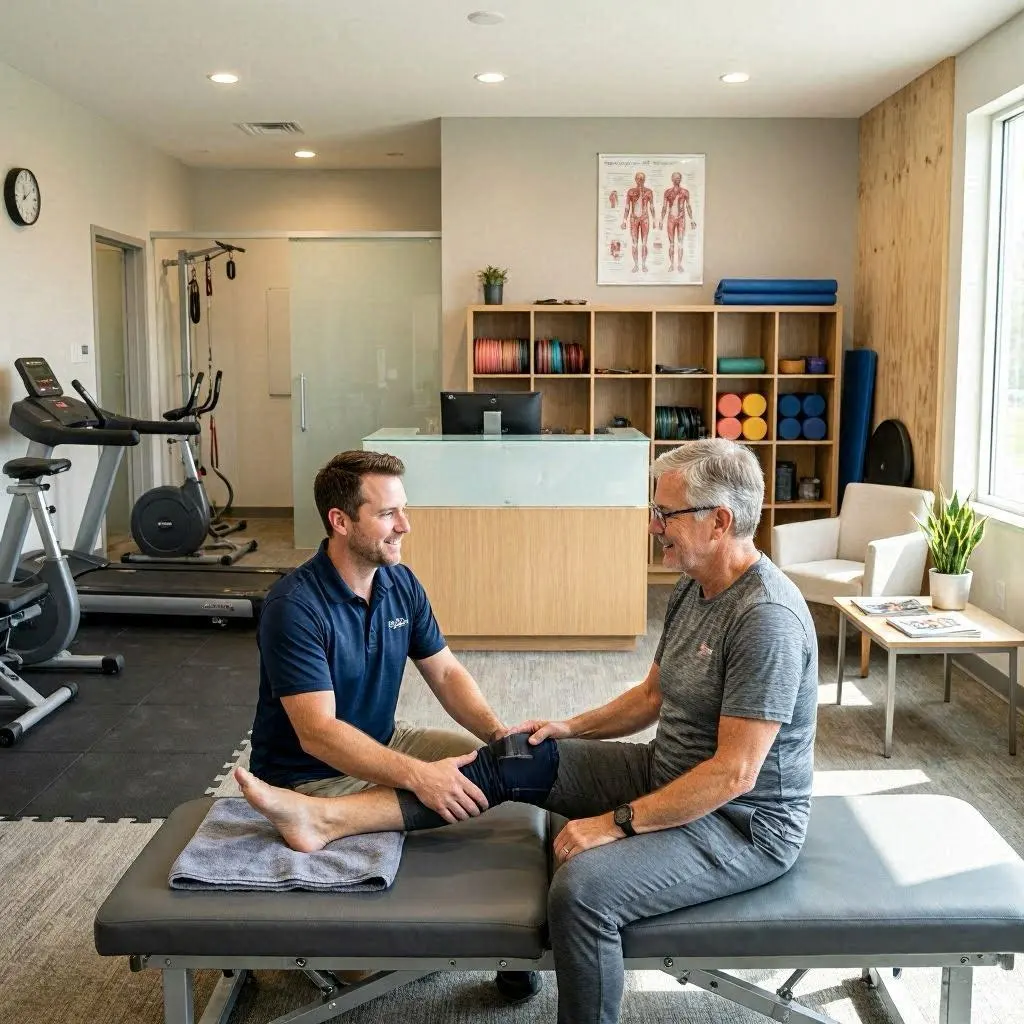
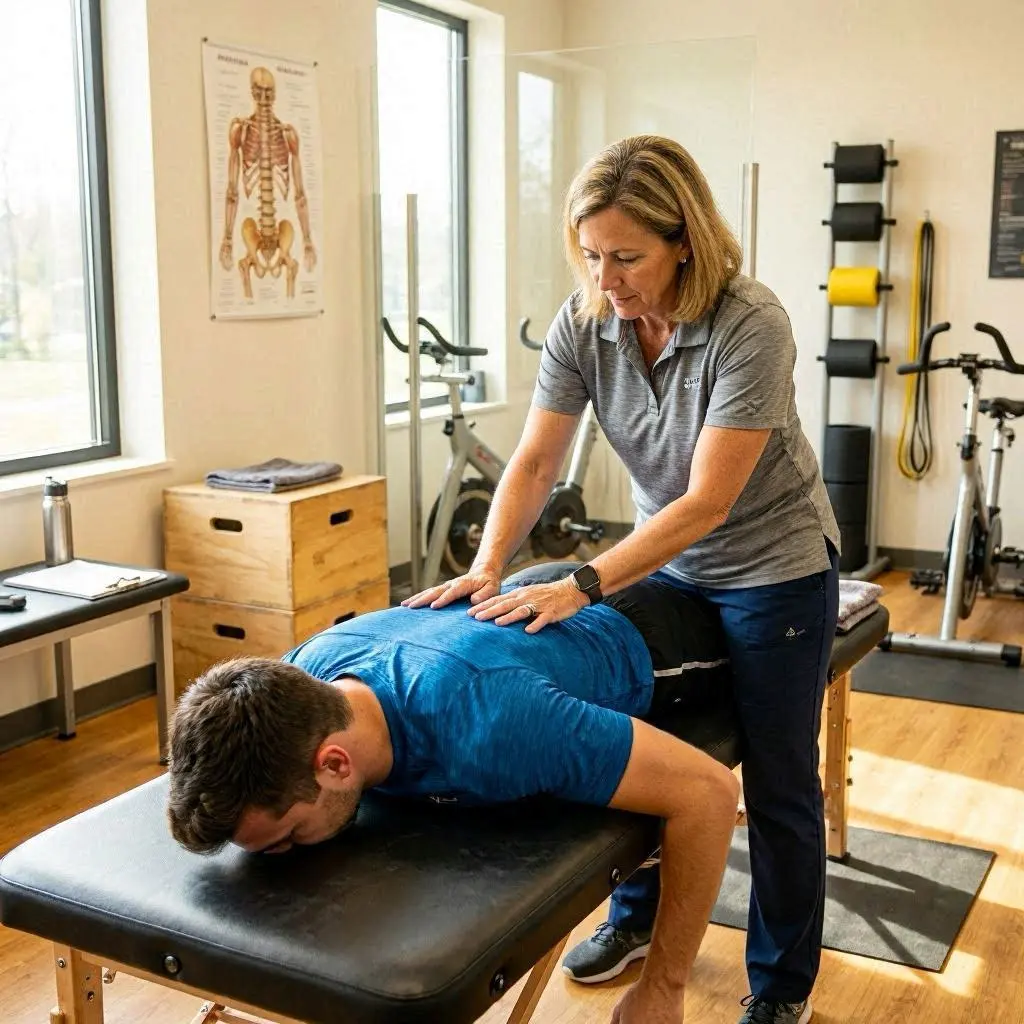
Physiotherapy for better mobility is a specialized approach that aims to improve movement, flexibility, balance, coordination, and strength. A physiotherapist begins with a detailed assessment of posture, joint mobility, muscle strength, walking patterns, and physical limitations.
Treatment may include:
-
Mobility exercises
-
Stretching programs
-
Strength training
-
Balance exercises
-
Gait training
-
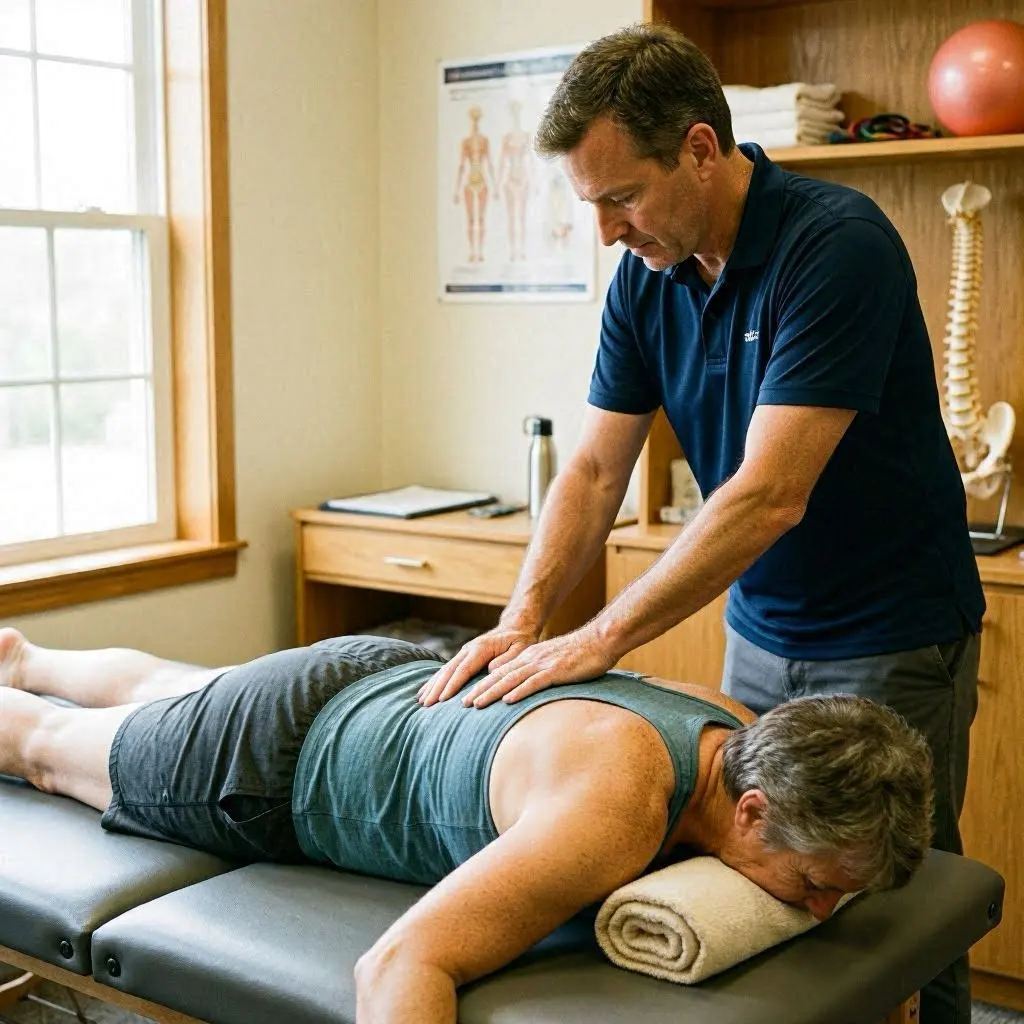
Posture correction
-
Functional movement therapy
-
Rehabilitation exercises
The goal is to help patients move more comfortably and perform everyday activities with greater ease.
Benefits of Physiotherapy for Better Mobility
Improved Movement and Flexibility
One of the primary benefits of physiotherapy for better mobility is increased flexibility and range of motion. Regular exercises help reduce stiffness and improve joint function.
Better Balance and Coordination
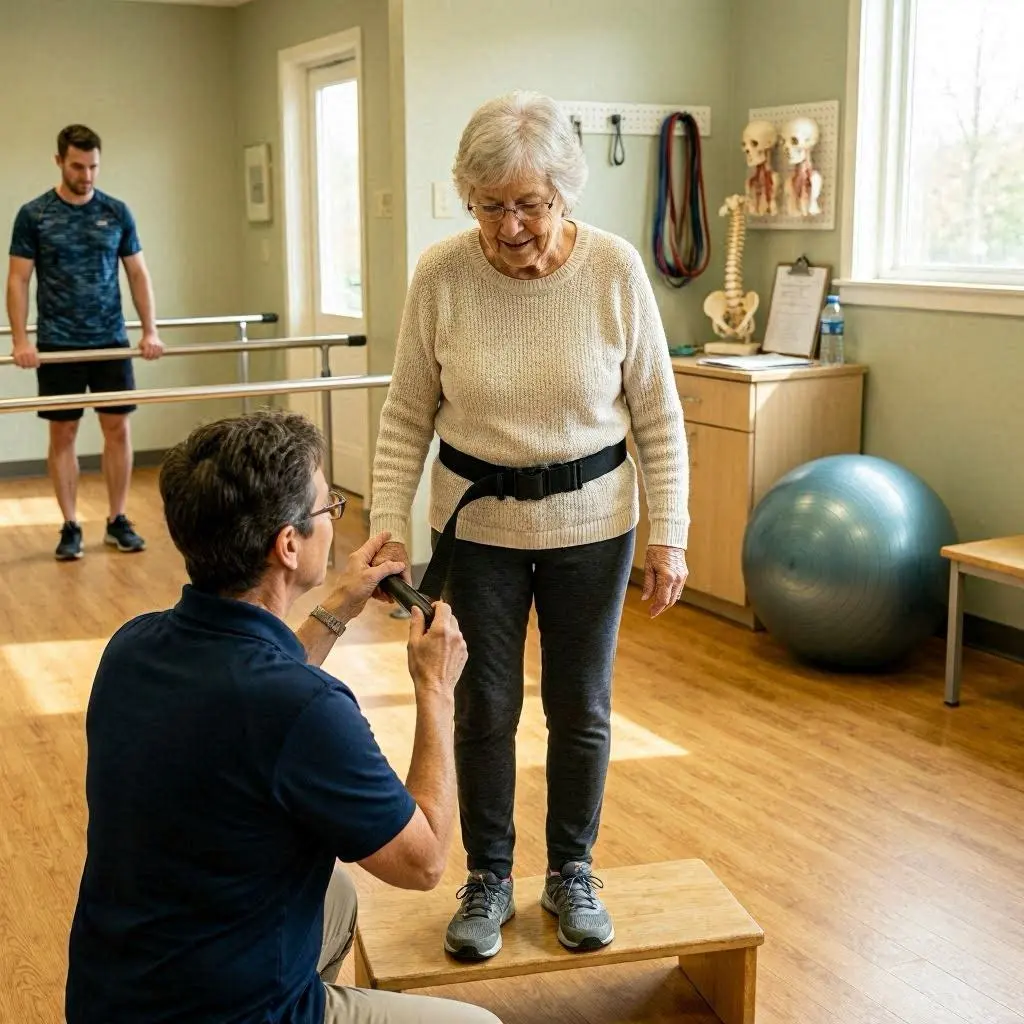
Balance training helps individuals move safely and reduces the risk of falls, especially in older adults.
Increased Strength and Stability
Strengthening exercises support muscles and joints, making movement more efficient and reducing physical strain.
Greater Independence in Daily Activities
Improved mobility allows people to perform tasks such as walking, climbing stairs, and standing for longer periods more comfortably.
Conditions That Benefit from Physiotherapy for Better Mobility
Mobility Improvement After Injury (Physiotherapy for Better Mobility)
Physiotherapy helps restore movement after fractures, sprains, muscle strains, and other injuries.
Rehabilitation Following Surgery
Post-surgical rehabilitation programs help patients regain strength and function safely.
Better Mobility for Arthritis and Joint Conditions
Targeted exercises help reduce stiffness and improve movement in affected joints.
Movement Therapy for Neurological Conditions
People recovering from stroke, Parkinson’s disease, or neurological disorders often benefit from mobility-focused rehabilitation.
Physiotherapy Techniques for Better Mobility
Mobility Exercises and Stretching Programs (Physiotherapy for Better Mobility)
Stretching and movement exercises improve flexibility and reduce joint stiffness.
Gait Training and Walking Rehabilitation
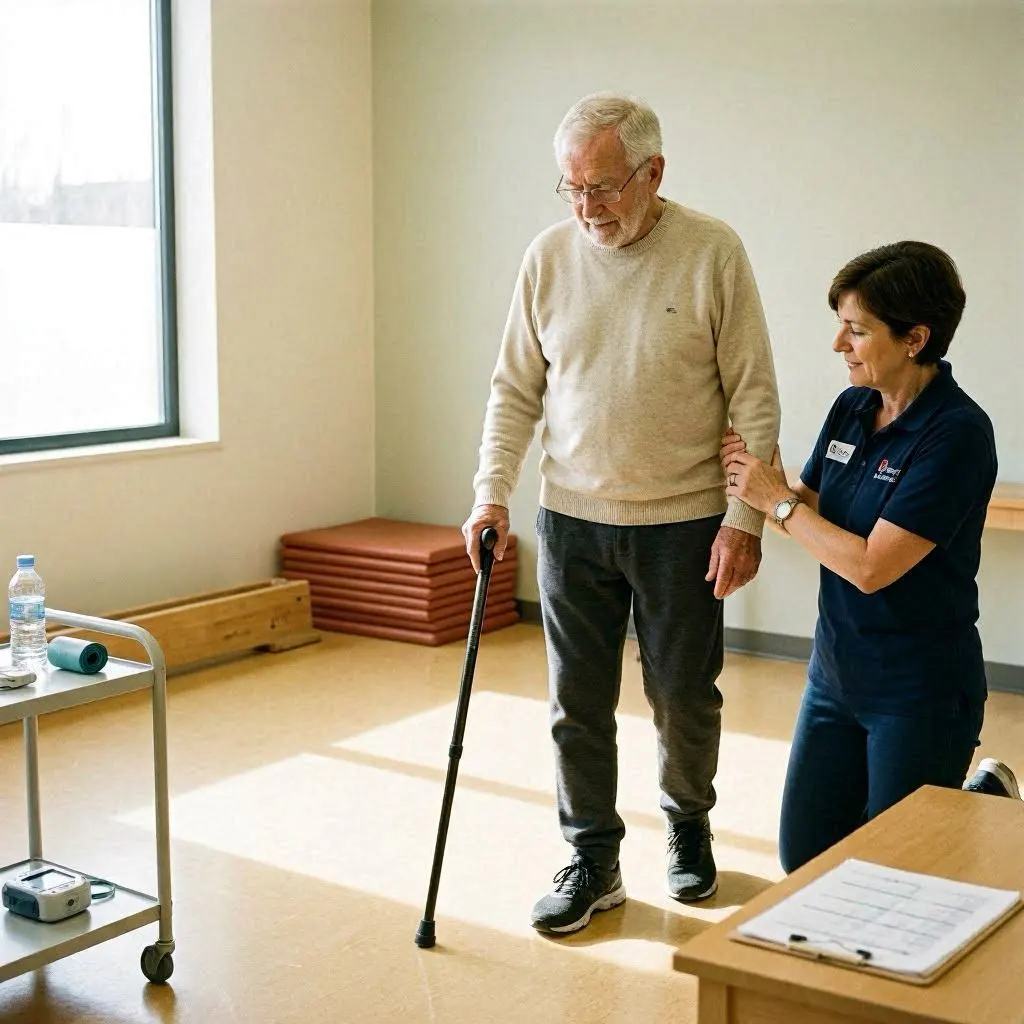
Gait training helps improve walking patterns, coordination, and balance.
Strength Training for Functional Movement
Strong muscles provide support for joints and improve overall movement quality.
Functional Rehabilitation for Everyday Activities
Functional exercises focus on real-life movements such as sitting, standing, lifting, and reaching.
Why Choose Physiotherapy for Better Mobility?
Personalized Mobility Improvement Programs
Each treatment plan is tailored to the individual’s physical condition, goals, and lifestyle.
Evidence-Based Rehabilitation Techniques
Modern physiotherapy uses proven treatment methods to improve movement and recovery outcomes.
Long-Term Mobility and Wellness Benefits
Consistent physiotherapy helps maintain mobility and supports long-term physical health.
Enhanced Quality of Life
Improved movement often leads to greater confidence, independence, and participation in daily activities.
Tips to Maximize Mobility Improvement
To achieve the best results:
-
Follow your physiotherapist’s recommendations
-
Complete home exercises regularly
-
Stay physically active
-
Practice good posture
-
Attend rehabilitation sessions consistently
-
Maintain a healthy lifestyle
These habits can significantly improve treatment outcomes and support long-term mobility.
Conclusion
It is an effective way to improve movement, flexibility, balance, and overall physical function. Through personalized rehabilitation programs, mobility exercises, strength training, and functional therapy, individuals can regain independence and enjoy a more active lifestyle.Whether mobility challenges are caused by injury, surgery, aging, or chronic health conditions, physiotherapy provides a safe and proven path toward better movement and improved quality of life.