Physiotherapy Treatment Plan: A Personalized Path to Recovery and Better Health
A physiotherapy treatment plan is a structured approach designed to help individuals recover from injuries, manage pain, improve mobility, and restore physical function. Whether you are recovering from surgery, dealing with a sports injury, or managing a chronic condition, a personalized rehabilitation strategy can play a vital role in achieving your health goals.
Moreover, effective physiotherapy focuses on treating the root cause of physical limitations rather than simply addressing symptoms. As a result, patients often experience better outcomes, improved movement, and long-term wellness.
Understanding a Personalized Physiotherapy Program (Physiotherapy Treatment Plan)
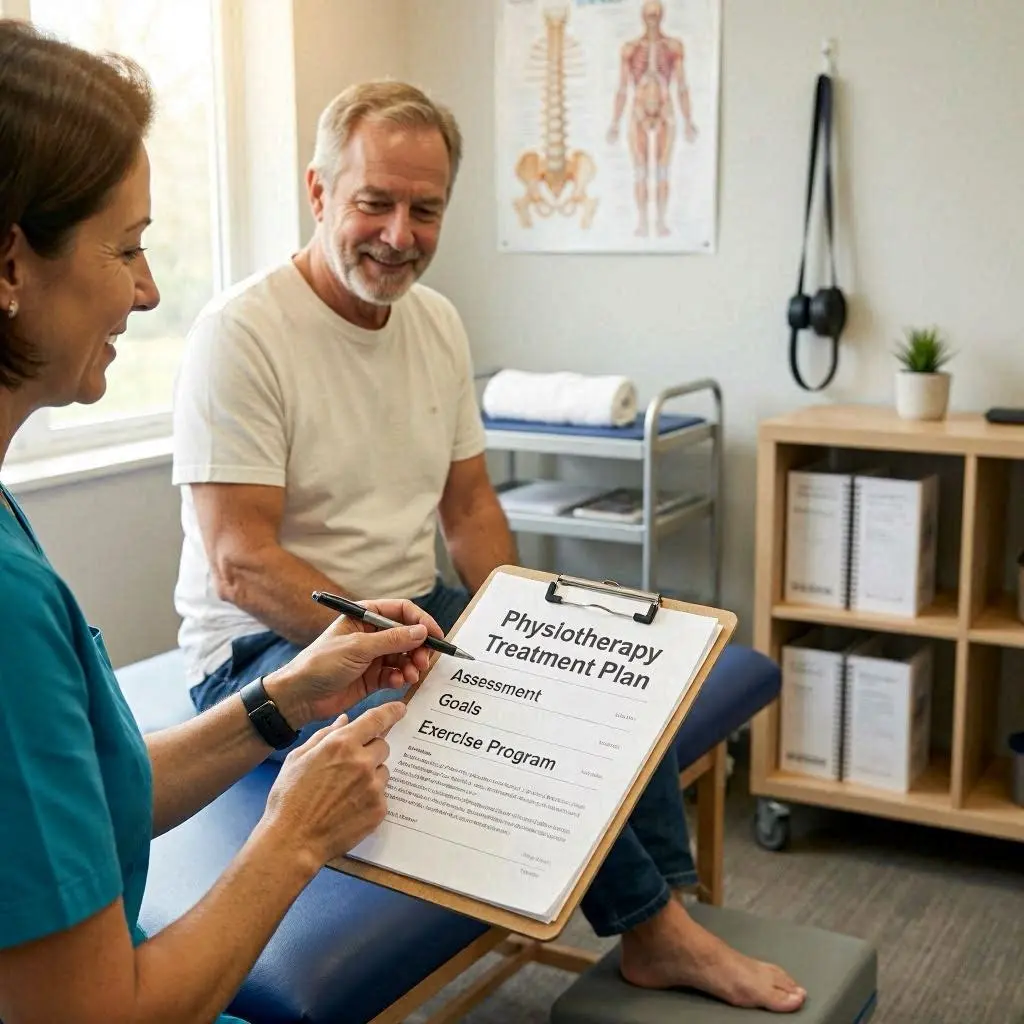
A personalized physiotherapy program is developed after a detailed assessment by a physiotherapist. First, the therapist evaluates medical history, posture, mobility, strength, flexibility, and daily activity limitations. Then, specific recovery goals are established.
A rehabilitation program may include:
- Therapeutic exercises
- Stretching routines
- Manual therapy
- Strength training
- Mobility exercises
- Balance training
- Posture correction
- Functional rehabilitation
The primary objective is to improve movement, reduce discomfort, and support long-term recovery.
Benefits of a Customized Recovery Plan
Faster Rehabilitation and Recovery (Physiotherapy Treatment Plan)
A structured recovery plan helps patients progress safely and efficiently while minimizing setbacks.
Improved Mobility and Function
Targeted exercises and movement training help restore physical performance and daily function.
Long-Term Health Improvements
In addition to recovery, rehabilitation programs help reduce the risk of future injuries and recurring pain.
Better Patient Outcomes
Personalized care allows treatment to be adjusted according to each patient’s progress and needs.
Key Elements of an Effective Physical Therapy Program
Comprehensive Assessment and Goal Setting (Physiotherapy Treatment Plan)
Every successful rehabilitation journey begins with a detailed physical evaluation and realistic goal setting.
Exercise Therapy for Strength and Flexibility
Exercise programs are tailored to improve muscle strength, endurance, flexibility, and overall function.
Manual Therapy and Pain Relief Techniques
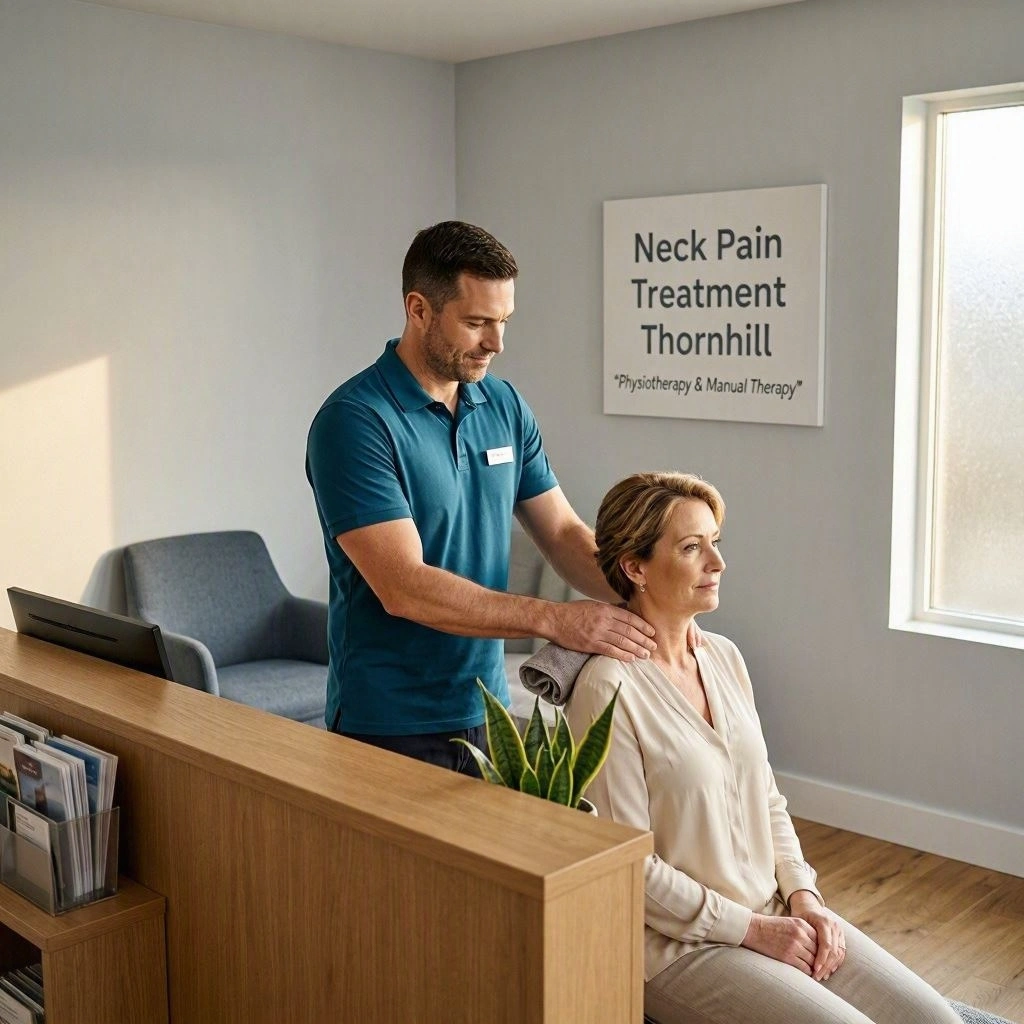
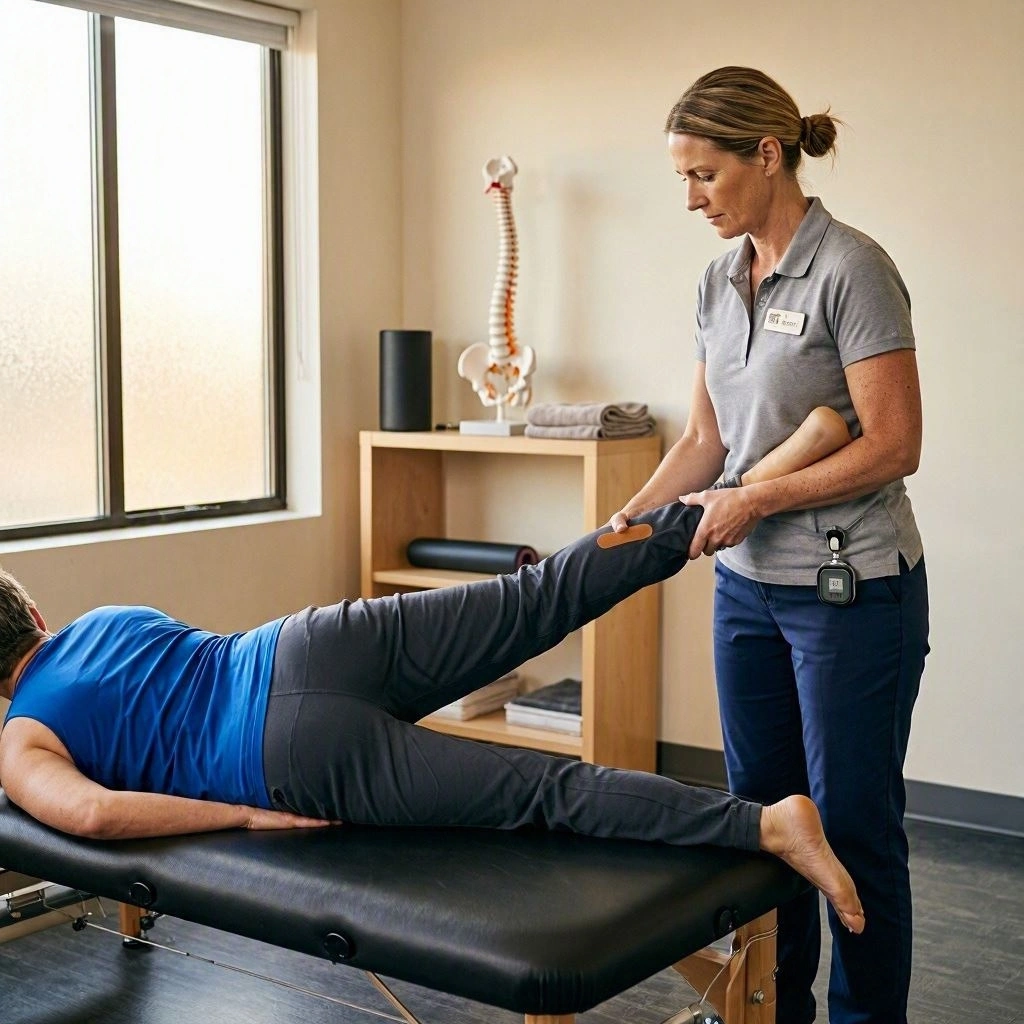
Hands-on treatment methods can help improve mobility, reduce stiffness, and manage pain effectively.
Functional Movement and Daily Activity Training
Functional rehabilitation focuses on improving everyday movements such as walking, lifting, reaching, and climbing stairs.
Conditions That Benefit from Rehabilitation Programs
Musculoskeletal Injuries and Joint Conditions (Physiotherapy Treatment Plan)
Back pain, neck pain, arthritis, and joint injuries often respond well to structured physiotherapy care.
Sports Injury Recovery
Athletes frequently follow personalized treatment strategies to safely return to training and competition.
Post-Surgical Rehabilitation
After surgery, guided rehabilitation helps restore mobility, strength, and confidence.
Neurological Recovery Programs
Specialized therapy can support individuals recovering from neurological conditions that affect movement and balance.
Advantages of Following a Structured Treatment Strategy
Reduced Pain and Physical Limitations (Physiotherapy Treatment Plan)
Consistent therapy can help decrease pain while improving overall movement quality.
Greater Strength and Stability
Strengthening exercises support muscles and joints, improving physical resilience.
Improved Balance and Coordination
Balance-focused training helps reduce the risk of falls and movement-related injuries.
Enhanced Independence and Quality of Life
As physical function improves, patients often find daily activities easier and more enjoyable.
Monitoring Progress Throughout Rehabilitation (Physiotherapy Treatment Plan)
Regular Reviews and Program Adjustments (Physiotherapy Treatment Plan)
Recovery plans should be reviewed regularly to ensure treatment remains effective and aligned with patient goals.
Tracking Functional Improvements (Physiotherapy Treatment Plan)
Progress is measured through improvements in strength, mobility, flexibility, and daily performance.
Education and Self-Management Support
Patients receive guidance on exercises, posture, and healthy habits that support long-term success.
Tips for Success During Physiotherapy Rehabilitation
To maximize results:
- Attend appointments consistently
- Complete home exercises as prescribed
- Stay physically active
- Follow professional advice
- Maintain good posture
- Be patient throughout the recovery process
Consistency and commitment are essential for achieving lasting improvements.
Conclusion (Physiotherapy Treatment Plan)
it provides a clear pathway toward recovery, improved mobility, and better physical health. Through personalized care, targeted exercises, manual therapy, and functional rehabilitation, patients can achieve meaningful improvements in movement and overall well-being.
Whether recovering from an injury, managing a chronic condition, or working toward specific health goals, a well-designed rehabilitation program can help restore function, reduce pain, and support a healthier, more active lifestyle.