
Back Pain Physiotherapy: How Physiotherapy Helps Relieve Back Pain Naturally
What Is Back Pain Physiotherapy Treatment?
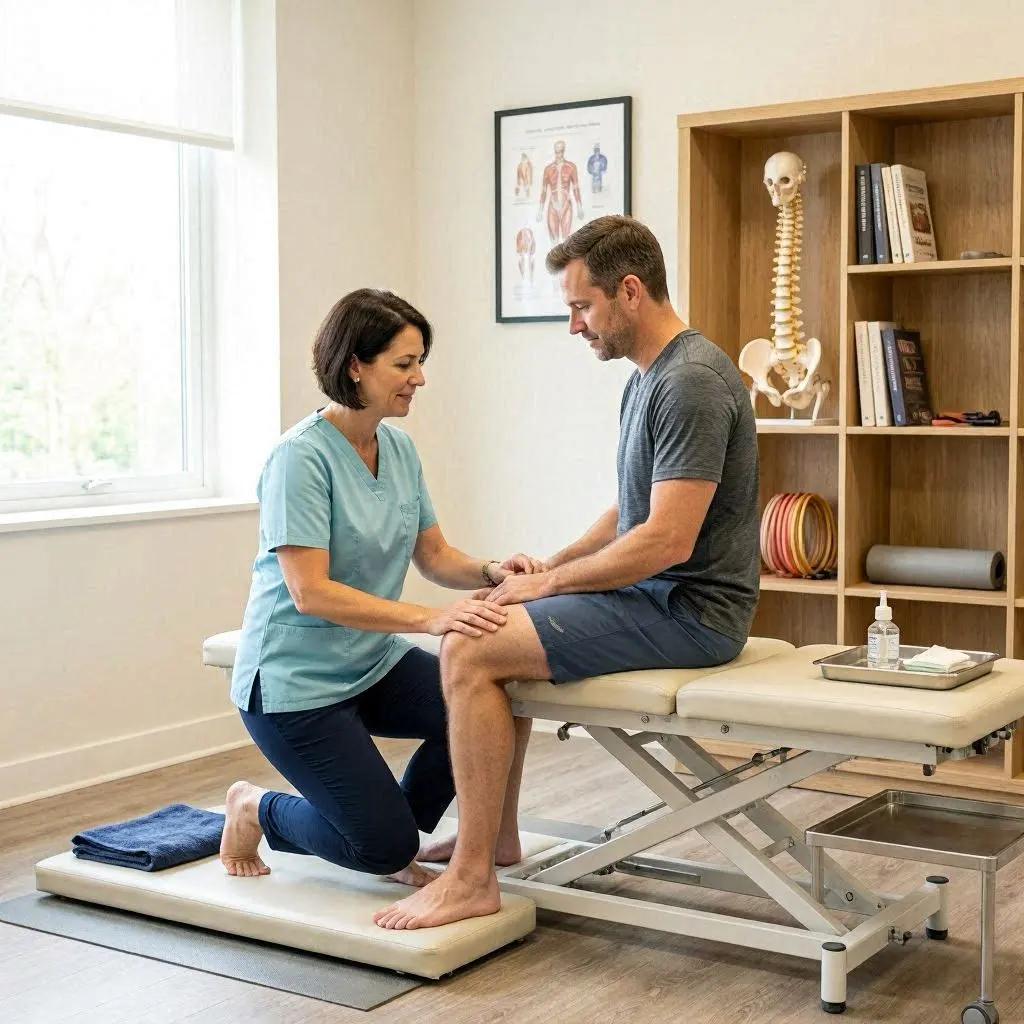
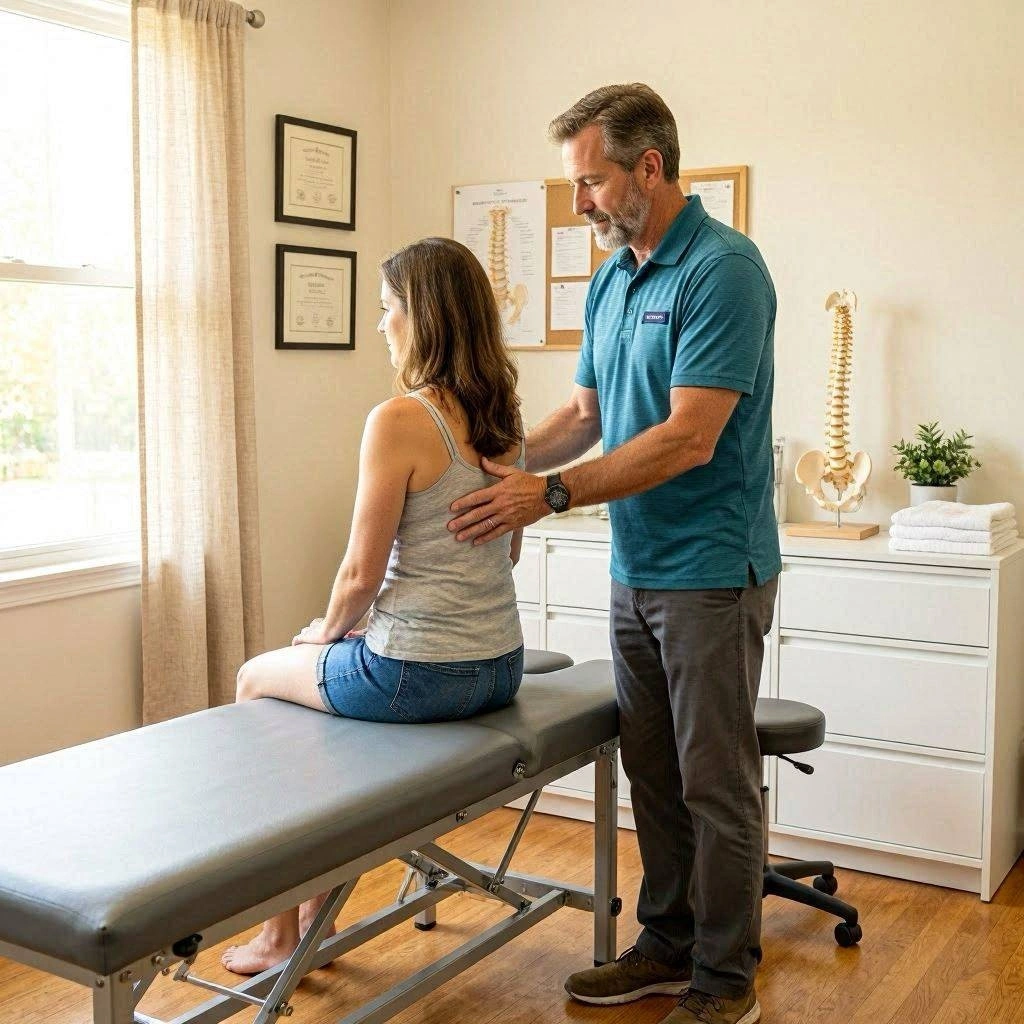
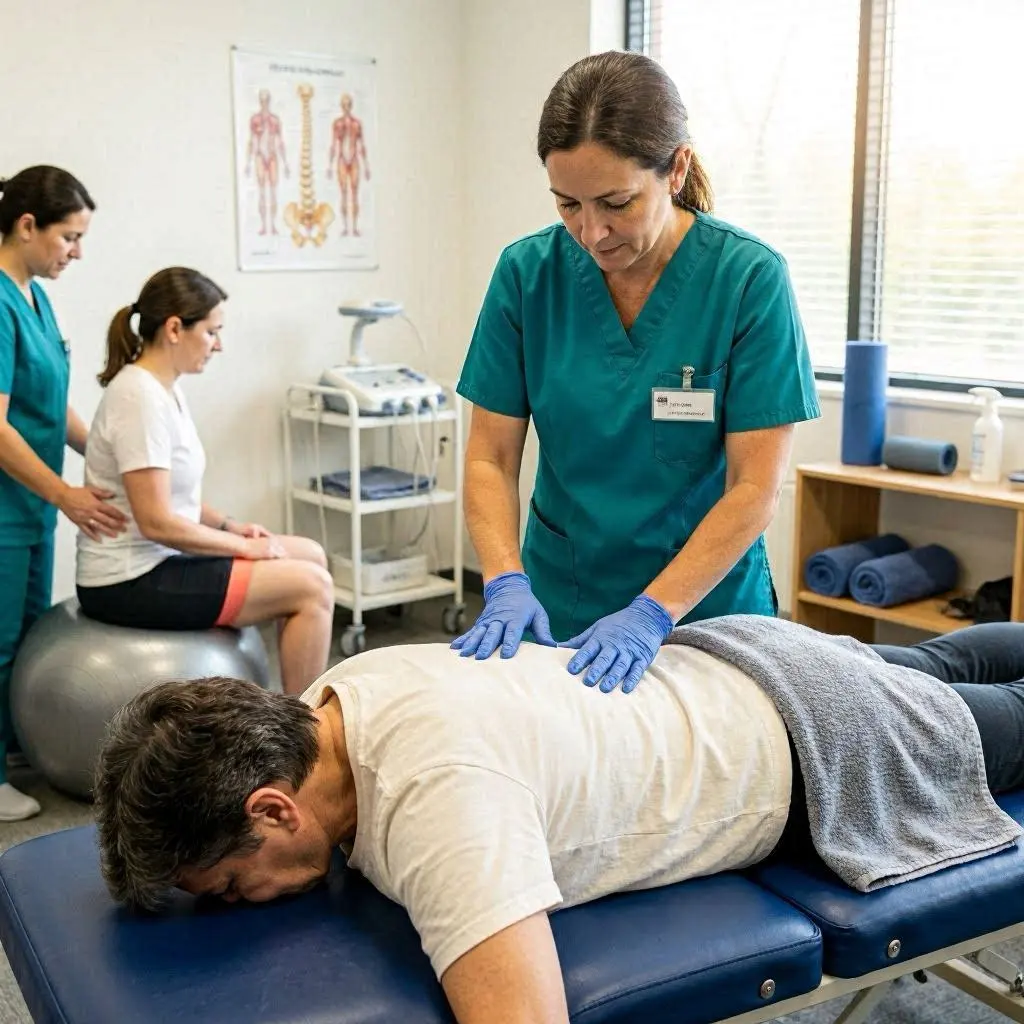
Back pain physiotherapy is a specialized treatment program designed to improve spinal health, reduce muscle tension, and restore normal movement. A physiotherapist carefully evaluates posture, flexibility, muscle strength, and spinal movement before creating a personalized treatment plan.
Treatment methods may include:
-
Stretching exercises
-
Strengthening exercises
-
Manual therapy
-
Posture correction
-
Heat and cold therapy
-
Core stability training
-
Joint mobilization
-
Massage therapy
The goal of physiotherapy for back pain is to reduce pain, improve flexibility, strengthen muscles, and help patients return to their normal daily activities comfortably.
Common Causes of Back Pain and Spinal Problems
Understanding the cause of back discomfort is important for choosing the right treatment and preventing future injuries.
Poor Posture and Lower Back Pain
Sitting for long hours, improper desk setup, and poor posture are leading causes of lower back pain. Office workers and students often experience spinal strain due to prolonged sitting.
Muscle Strain and Back Muscle Stiffness
Heavy lifting, sudden movements, or physical overexertion can strain the back muscles and ligaments, leading to pain and stiffness.
Herniated Disc and Chronic Back Pain
A herniated or slipped disc occurs when the soft tissue between the spinal bones moves out of place and presses on nearby nerves. This can cause severe chronic back pain and discomfort.
Arthritis and Degenerative Spine Conditions
Age-related conditions such as osteoarthritis and spinal degeneration can lead to chronic spine pain and reduced mobility.
Sports Injuries and Workplace Back Injuries
Athletes and physically active individuals may develop sports-related back injuries due to repetitive movements or accidents.
Benefits of Physiotherapy for Back Pain Relief
Natural Back Pain Relief Without Surgery
it helps reduce pain naturally without depending heavily on medications or surgery. Manual therapy, stretching, and strengthening exercises improve circulation and reduce inflammation.
Improved Spinal Mobility and Back Flexibility
Back stiffness can limit movement and daily function. Physiotherapy exercises improve flexibility and restore normal spinal movement.
Strengthening Core Muscles for Back Support
Weak core muscles can place extra pressure on the spine. Physiotherapy strengthens the abdominal, lower back, and pelvic muscles to provide better support and stability.
Better Posture Correction for Back Pain
Poor posture contributes significantly to spinal discomfort. Physiotherapists teach posture correction techniques to reduce stress on the spine during daily activities.
Preventing Future Back Pain and Spine Injuries
it not only treats current pain but also helps prevent recurring back problems by improving movement patterns and muscle balance.
Best Physiotherapy Exercises for Back Pain Relief
Physiotherapists recommend exercises based on the patient’s condition and severity of pain.
Pelvic Tilt Exercise for Lower Back Pain (back pain physiotherapy)
This exercise strengthens the lower abdominal muscles and supports the lower back.
Cat-Camel Stretch for Spine Flexibility (back pain physiotherapy)
The cat-camel stretch improves spinal flexibility and reduces muscle stiffness.
Knee-to-Chest Stretch for Back Pain Relief
This stretch helps reduce tension in the lower back muscles and improves flexibility.
Bridge Exercise for Core and Back Strength
Bridge exercises strengthen the lower back, glutes, and core muscles for better spinal support.
These exercises should be performed carefully under professional supervision to avoid worsening the condition.
When Should You Visit a Back Pain Physiotherapist?
You should consider physiotherapy if you experience:
-
Persistent back pain
-
Difficulty bending or walking
-
Muscle stiffness
-
Pain after lifting heavy objects
-
Back pain spreading to the legs
-
Poor posture and limited mobility
-
Recovery after injury or surgery
Early treatment can prevent minor back problems from becoming long-term conditions.
Can Back Pain Physiotherapy Help Avoid Surgery?
In many cases, physiotherapy can significantly improve back pain and reduce the need for surgery. Conditions like muscle strain, posture-related pain, and mild disc problems often respond well to consistent physiotherapy treatment.
Even if surgery becomes necessary, physiotherapy before and after surgery helps improve recovery and long-term outcomes.
Tips to Prevent Lower Back Pain physiotherapy and Spine Problems
Along with physiotherapy, healthy lifestyle habits can help reduce back discomfort.
-
Maintain proper posture while sitting and standing
-
Exercise regularly to strengthen muscles
-
Avoid lifting heavy objects incorrectly
-
Use ergonomic furniture at work
-
Stretch during long sitting periods
-
Maintain a healthy body weight
These simple habits help protect the spine and reduce pressure on the back muscles and joints.
Conclusion: Why Back Pain Physiotherapy Is Important
Back pain physiotherapy is a safe, effective, and natural solution for reducing pain, improving mobility, and strengthening the spine. From posture correction and rehabilitation exercises to pain management and injury prevention, physiotherapy offers long-term benefits for people suffering from back discomfort.
Whether back pain is caused by poor posture, muscle strain, injuries, or age-related conditions, professional physiotherapy treatment can help restore movement and improve quality of life. Early physiotherapy care can make a major difference in recovery and long-term spinal health.