Physiotherapy Pain Management: A Natural Approach to Pain Relief and Recovery
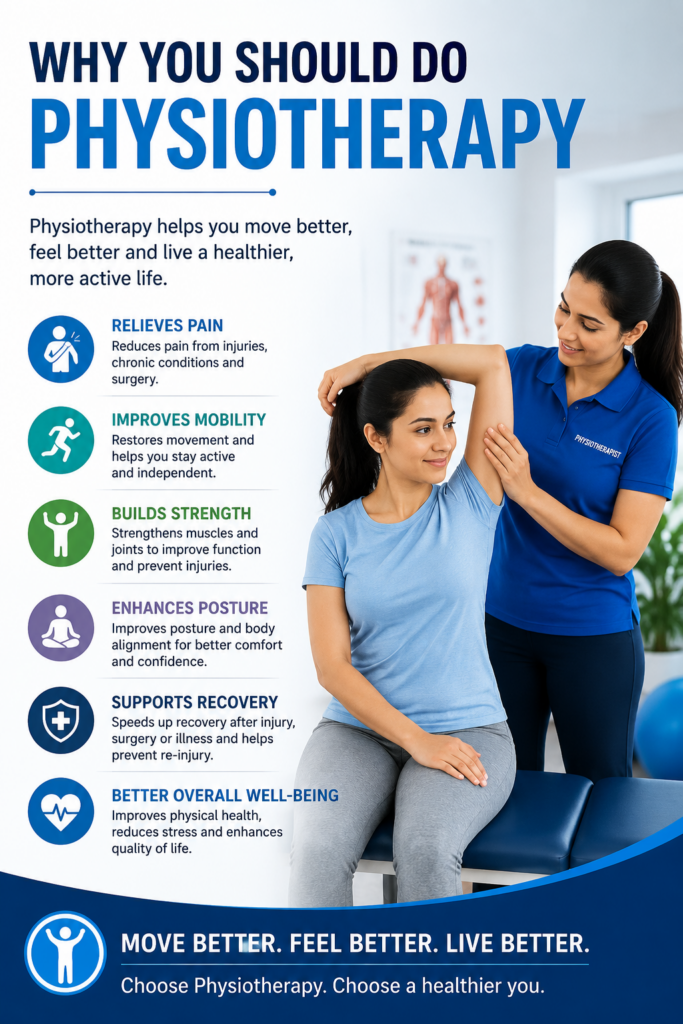
Pain can affect every aspect of daily life, from work and physical activity to sleep and overall well-being. Whether caused by injury, surgery, arthritis, poor posture, or chronic conditions, ongoing pain can limit mobility and reduce quality of life. Fortunately, physiotherapy pain management provides a safe, effective, and non-invasive way to reduce discomfort and restore function.
Unlike treatments that focus only on temporary symptom relief, physiotherapy pain management addresses the underlying causes of pain. As a result, patients often experience long-term improvements in movement, strength, and overall physical health.
What Is Physiotherapy Pain Management?
It is a specialized treatment approach that helps individuals manage acute and chronic pain through evidence-based rehabilitation techniques. First, a physiotherapist performs a comprehensive assessment to identify the source of pain and any contributing factors. Then, a personalized treatment plan is developed.
Treatment options may include:
-
Therapeutic exercises
-
Manual therapy
-
Stretching programs
-
Posture correction
-
Joint mobilization
-
Strength training
-
Functional rehabilitation
-
Education and self-management strategies
The goal is to reduce pain, improve mobility, and support long-term recovery.
Benefits of Physiotherapy Pain Management
Physiotherapy Pain Management for Chronic Pain Relief
Many individuals with chronic pain conditions benefit from physiotherapy techniques that improve movement and reduce physical stress on affected areas.
Pain Relief Physiotherapy for Improved Mobility
Targeted exercises help restore flexibility and range of motion, making daily activities easier and more comfortable.
Physical Therapy for Strength and Stability
Strengthening programs improve muscle support around joints, reducing strain and helping prevent recurring pain.
Rehabilitation and Recovery Support
It promotes healing and helps patients return to normal activities safely.
Conditions Treated with Physiotherapy Pain Management
Back and Neck Pain Treatment
Physiotherapy is commonly used to manage spinal pain, muscle tension, and posture-related conditions.
Arthritis Pain Management Programs
Patients with osteoarthritis and rheumatoid arthritis often benefit from personalized rehabilitation plans.
Sports Injury Pain Relief
Athletes use physiotherapy to recover from injuries while minimizing the risk of future problems.
Post-Surgical Pain Rehabilitation
Following surgery, physiotherapy helps reduce discomfort and improve physical function.
Musculoskeletal Pain and Joint Conditions
Many muscle, tendon, ligament, and joint problems respond well to physiotherapy treatment.
Physiotherapy Pain Management Techniques
Manual Therapy for Pain Reduction
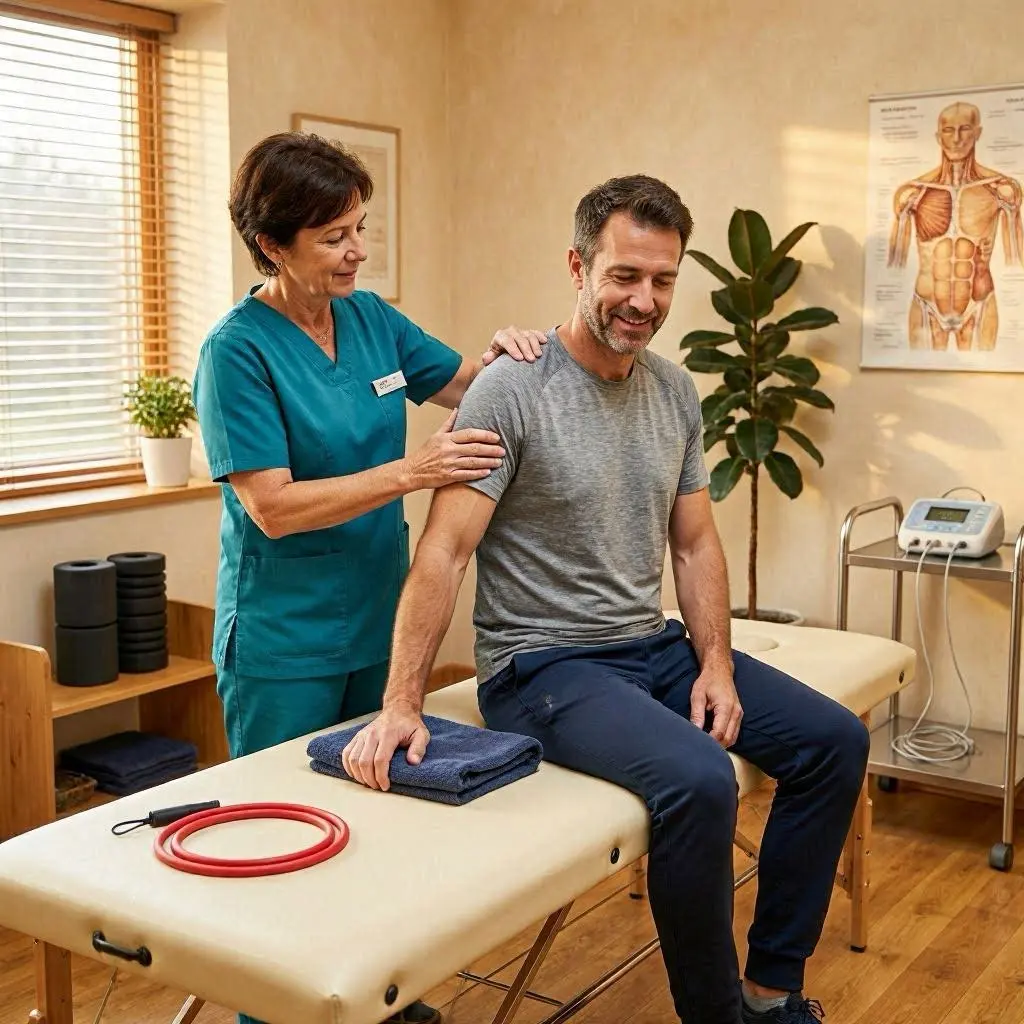
Hands-on treatment techniques help reduce stiffness, improve circulation, and restore movement.
Exercise Therapy for Long-Term Pain Control
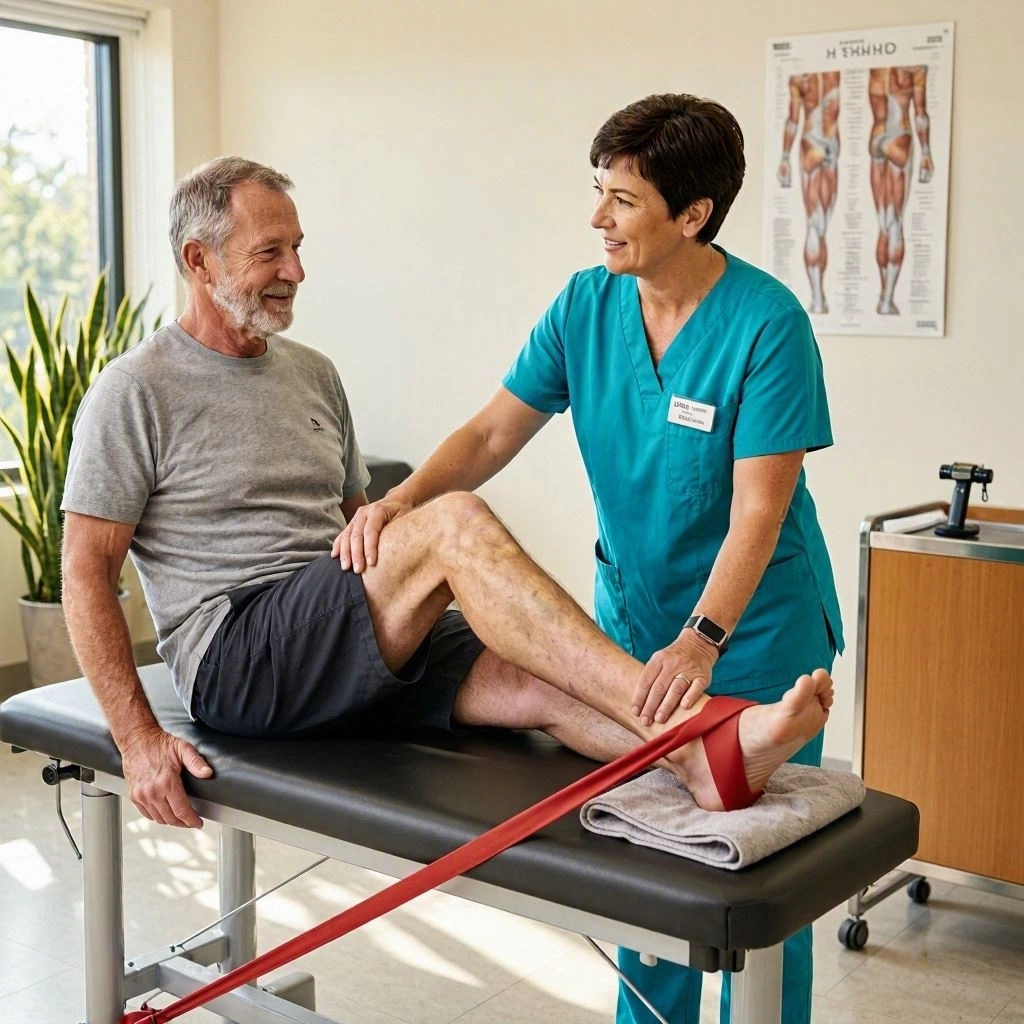
Customized exercise programs improve strength, flexibility, and endurance while supporting recovery.
Posture Correction and Movement Education
Correcting poor posture and movement habits helps reduce unnecessary strain on muscles and joints.
Functional Rehabilitation for Everyday Activities
Functional training focuses on improving movement patterns used in daily life, work, and recreation.
Why Choose Physiotherapy for Pain Management?
Personalized Treatment Plans
Every patient receives a treatment program tailored to their condition, symptoms, and goals.
Non-Invasive Pain Relief Solutions
Physiotherapy offers a drug-free and surgery-free approach to pain management whenever appropriate.
Long-Term Recovery and Prevention
Treatment focuses not only on relieving pain but also on preventing future injuries and recurring symptoms.
Improved Quality of Life
Reduced pain and improved mobility allow patients to enjoy a more active and independent lifestyle.
Tips for Maximizing Physiotherapy Pain Management Results
To achieve the best outcomes:
-
Attend physiotherapy sessions consistently
-
Follow home exercise recommendations
-
Stay physically active
-
Practice good posture
-
Maintain a healthy lifestyle
-
Communicate openly with your physiotherapist
Consistency and commitment are important for successful rehabilitation.
Conclusion
It is an effective solution for individuals seeking natural and long-lasting pain relief. Through personalized assessments, exercise therapy, manual treatment, and rehabilitation programs, physiotherapy helps reduce discomfort, improve mobility, and restore physical function.
Whether you are dealing with chronic pain, recovering from an injury, or managing a musculoskeletal condition, it can help you move better, feel stronger, and enjoy a higher quality of life.