Physiotherapy Injury Recovery: Complete Guide to Rehabilitation and Getting Back to Activity
An injury can affect much more than the area that hurts. A sprained ankle can make walking difficult, a shoulder injury can interfere with reaching and lifting, and a back injury can make sitting, working, or exercising uncomfortable. Even after the initial pain starts to improve, weakness, stiffness, reduced mobility, and fear of movement can sometimes remain. This is where physiotherapy injury recovery can play an important role.
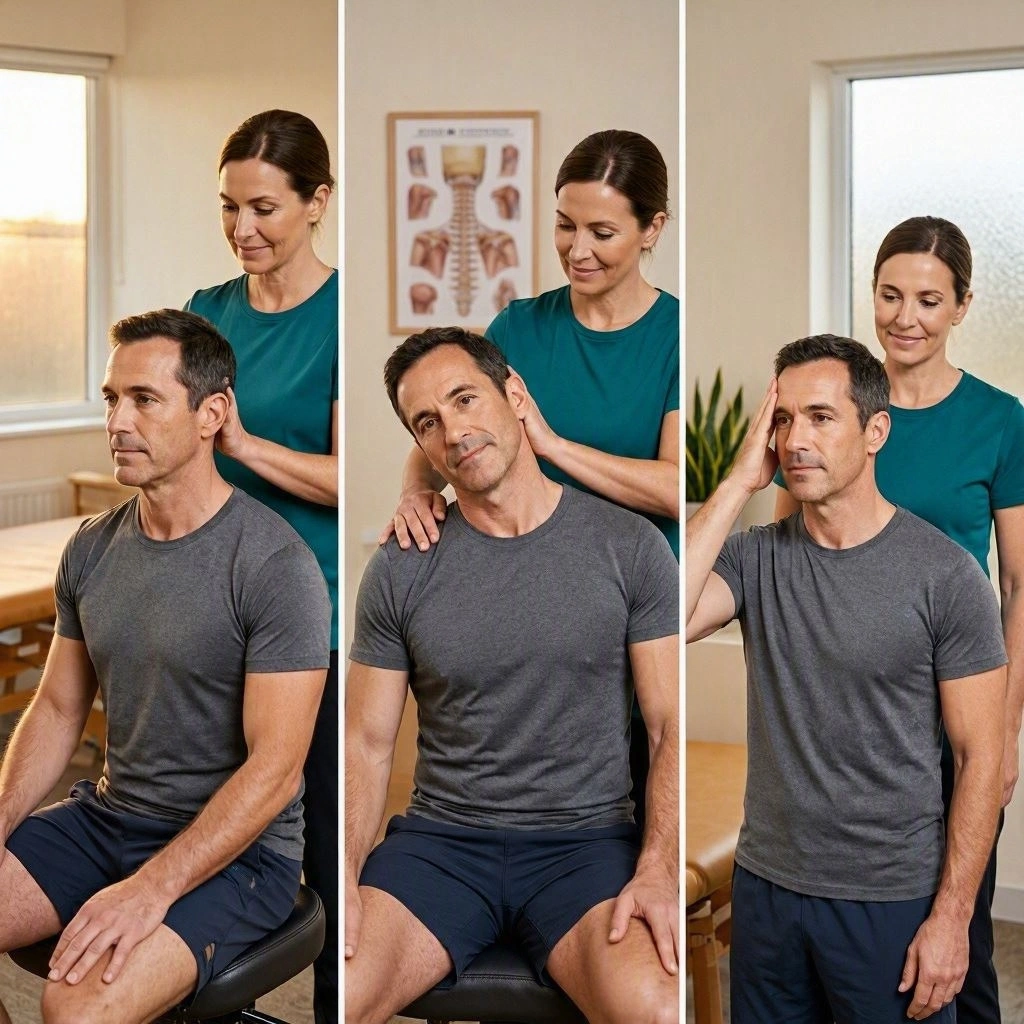
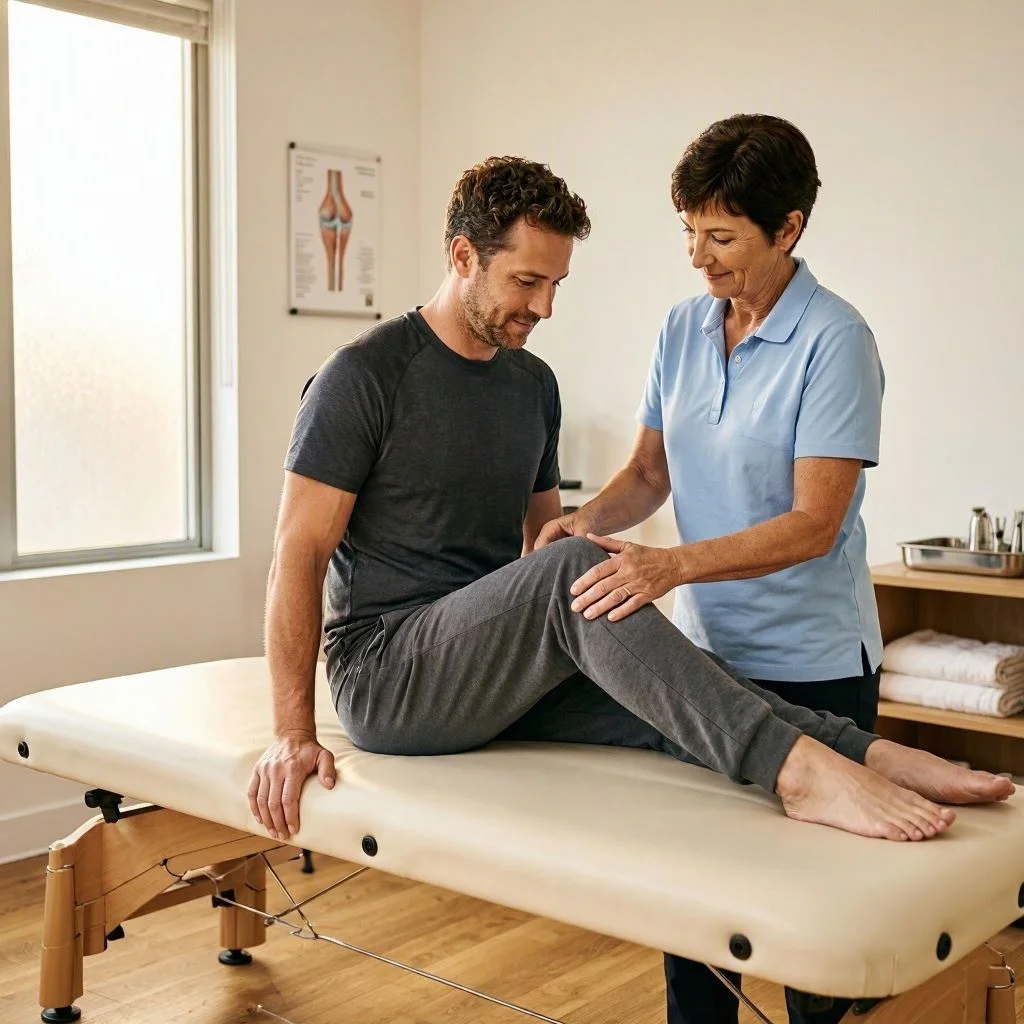
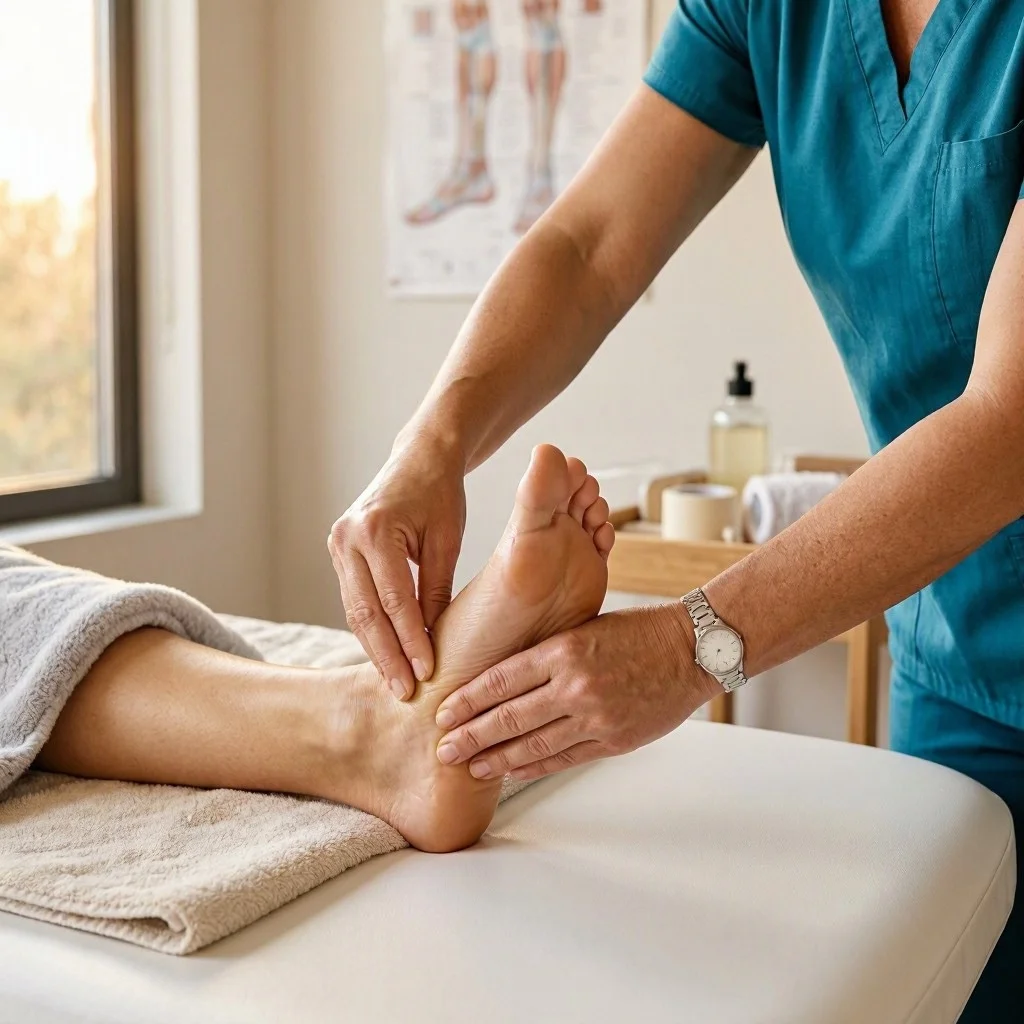
Physiotherapy uses assessment, therapeutic exercise, movement training, education, and other appropriate techniques to help people restore physical function after injury. The exact approach depends on the type of injury, the affected body part, the person’s current abilities, and their recovery goals.
Recovery is rarely about simply waiting until pain disappears. A person may need to gradually rebuild strength, restore mobility, improve balance, regain coordination, and develop enough physical capacity to return to work, exercise, sports, or everyday activities.
The NHS explains that physiotherapy can help improve movement and manage problems involving muscles, joints, bones, sports injuries, and recovery after surgery. Treatment may include exercises, manual therapy, and advice about managing symptoms and activity. Learn more about physiotherapy from the NHS.
At Ritz Clinic, physiotherapy programs are individualized around the patient’s symptoms, movement limitations, physical abilities, and recovery goals. You can learn more about the clinic’s approach through Ritz Clinic Physiotherapy.
This guide explains how physiotherapy injury recovery works, the stages of rehabilitation, common injuries that may benefit from physiotherapy, exercises used during recovery, return-to-sport planning, and practical ways to support your recovery outside the clinic.
What Is Physiotherapy Injury Recovery?
Physiotherapy injury recovery is the process of using physiotherapy-based assessment and rehabilitation strategies to help restore movement and physical function after an injury.
An injury can affect:
- Muscle strength
- Joint mobility
- Flexibility
- Balance
- Coordination
- Endurance
- Walking ability
- Lifting ability
- Exercise tolerance
- Sports performance
- Confidence with movement
Physiotherapy aims to address these limitations progressively.
For example, someone recovering from an ankle sprain may initially have difficulty putting weight on the foot. As symptoms improve, rehabilitation may progress toward mobility exercises, strengthening, balance training, walking exercises, and eventually running or sport-specific movements.
Similarly, someone recovering from a shoulder injury may begin with gentle mobility work before progressing to strengthening and functional exercises.
Therefore, physiotherapy injury recovery is not one fixed treatment. It is a process that changes as the person’s physical capacity improves.
Why Is Physiotherapy Important After an Injury?
An injury can change how a person moves.
When movement becomes painful, people naturally protect the injured area. They may avoid putting weight on one leg, stop using one arm, or reduce their overall activity.
This response can be helpful during the initial stage of certain injuries. However, prolonged inactivity can contribute to stiffness, weakness, and reduced physical capacity.
Physiotherapy provides a structured way to gradually restore movement.
Instead of suddenly returning to demanding activities, rehabilitation allows the body to progressively adapt to physical stress.
A physiotherapist may help determine:
- Which movements are currently appropriate
- Which activities should temporarily be modified
- When strengthening should begin
- How much resistance is appropriate
- When balance training should be introduced
- When more demanding exercises can be added
- When it may be appropriate to return to sport or work
The goal is not simply to make the injured area feel better. The broader objective is to restore useful function.
What Types of Injuries Can Physiotherapy Help With?
Physiotherapy may be used during recovery from many different musculoskeletal injuries.
The exact treatment depends on the diagnosis and severity of the injury.
Common examples include:
Sprains
A sprain involves injury to a ligament.
Ankle sprains are particularly common, but sprains can also affect the knee, wrist, thumb, and other joints.
Rehabilitation may focus on:
- Restoring mobility
- Improving strength
- Rebuilding balance
- Improving joint control
- Returning to walking
- Gradually returning to running or sport
The NHS notes that physiotherapy may help when a sprain or strain is taking longer than expected to recover. The NHS guide to sprains and strains also explains when symptoms may require further medical assessment.
Muscle Strains
Muscle strains can occur when a muscle is overstretched or damaged.
Common areas include the:
- Hamstrings
- Calves
- Thighs
- Lower back
- Shoulders
Rehabilitation can gradually restore flexibility, strength, and tolerance to activity.
Tendon Injuries
Tendon problems can develop after repetitive loading or sudden increases in activity.
Common examples include:
- Achilles tendon problems
- Rotator cuff-related pain
- Patellar tendon problems
- Tennis elbow
Physiotherapy may use carefully progressed loading exercises to help the affected area gradually tolerate physical demands.
Joint Injuries
Injuries involving the knee, shoulder, ankle, hip, elbow, or wrist can reduce mobility and strength.
Rehabilitation may focus on restoring movement and improving the muscles that support the affected joint.
Sports Injuries
Athletes can experience injuries from:
- Running
- Football
- Basketball
- Tennis
- Cycling
- Weightlifting
- Swimming
- Hockey
- Other recreational activities
Sports rehabilitation usually needs to progress beyond basic pain reduction.
The athlete may eventually need to perform movements that closely resemble the demands of their sport.
Post-Surgical Rehabilitation
Physiotherapy is also commonly used after certain surgeries.
The rehabilitation program depends on the procedure and the instructions provided by the surgical team.
Recovery may involve:
- Restoring range of motion
- Rebuilding strength
- Improving walking
- Reducing functional limitations
- Relearning movement patterns
- Gradually returning to normal activities
The Main Stages of Physiotherapy Injury Recovery (Physiotherapy Injury Recovery)
Although every injury is different, rehabilitation often progresses through several broad stages.
Stage 1: Assessment and Protection
The first stage begins with understanding the injury.
A physiotherapist may ask about:
- How the injury happened
- Current symptoms
- Previous injuries
- Medical history
- Daily activities
- Work demands
- Sports participation
- Current physical activity
- Personal recovery goals
The physiotherapist may also assess movement, strength, balance, mobility, and functional abilities.
The first objective is to determine what the body can safely tolerate.
Some injuries require temporary protection or activity modification. Others may benefit from gentle movement relatively early.
The correct approach depends on the injury.
Stage 2: Restoring Comfortable Movement
Once appropriate, rehabilitation may begin focusing on movement.
Injuries can cause stiffness, especially when the affected body part has been protected or used less than normal.
Mobility exercises may help restore comfortable movement.
For example, after an ankle injury, rehabilitation might include controlled ankle movements. After a shoulder injury, appropriate range-of-motion exercises may be introduced.
The exercises should match the injury and recovery stage.
Aggressive stretching or forcing movement is not automatically better.
Stage 3: Rebuilding Strength
Strength loss is common after injury.
If someone avoids using an injured leg for several weeks, the muscles around that leg may become weaker.
Strengthening therefore becomes an important part of many rehabilitation programs.
Exercises may begin with low resistance and gradually become more demanding.
Depending on the injury, strengthening may involve:
- Bodyweight exercises
- Resistance bands
- Free weights
- Machines
- Isometric exercises
- Controlled functional movements
The goal is progressive loading.
As the body becomes stronger, exercises can gradually become more similar to the activities the person wants to return to.
Stage 4: Improving Balance and Coordination
Strength alone is not always enough.
A person may regain muscle strength but still experience difficulty with balance or coordination.
This can be especially important after lower-limb injuries.
Balance exercises may include:
- Single-leg standing
- Controlled stepping
- Weight shifting
- Balance-board activities
- Dynamic movement drills
The difficulty can gradually increase as the person’s control improves.
Stage 5: Functional Rehabilitation
Functional rehabilitation connects exercises with real-life activities.
For someone recovering from a workplace injury, this may involve lifting, reaching, walking, or other job-specific movements.
For an athlete, it may involve:
- Running
- Jumping
- Changing direction
- Landing
- Throwing
- Kicking
- Sport-specific drills
This stage helps bridge the gap between basic rehabilitation exercises and the demands of everyday life or sport.
Stage 6: Return to Activity (Physiotherapy Injury Recovery)
The final stage is not simply a decision to stop physiotherapy.
Instead, the person’s physical capacity should be compared with the demands of the activity they want to resume.
For example, returning to recreational walking requires different abilities from returning to competitive soccer.
A physiotherapist may consider:
- Strength
- Range of motion
- Balance
- Coordination
- Endurance
- Pain response
- Movement quality
- Sport-specific ability
The return should be gradual rather than an immediate jump from rehabilitation to full activity.
How Physiotherapy Can Support Injury Recovery
Physiotherapy can support recovery in several ways.
Improving Mobility
Injury and inactivity can reduce joint movement.
Therapeutic exercises and appropriate manual techniques may help restore comfortable mobility.
Improved mobility can make everyday activities easier and may allow a person to perform strengthening exercises more effectively.
Rebuilding Strength
Weakness can remain after the initial injury has improved.
Progressive resistance exercises help the body gradually rebuild physical capacity.
Strength training can also be tailored to the person’s goals.
For example, an office worker may need enough strength for normal daily activities, while an athlete may require significantly higher levels of strength and power.
Improving Balance
Balance can be affected by injuries involving the ankle, knee, hip, or other parts of the body.
Balance training can help rebuild coordination and confidence.
Restoring Movement Patterns
Pain can cause people to move differently.
A person with knee pain may change the way they walk or climb stairs. Someone with shoulder pain may avoid reaching overhead.
Once the injury improves, rehabilitation can help restore more comfortable movement.
Building Confidence
Injury can create fear of movement.
Someone may worry that running will cause another ankle injury or that lifting will cause back pain to return.
A gradual rehabilitation program can provide controlled exposure to increasingly demanding movements.
This can help a person regain confidence in their physical abilities.
The Role of Exercise in Physiotherapy Injury Recovery
Exercise is often one of the central components of physiotherapy rehabilitation.
The reason is simple: the body needs to gradually regain its ability to handle physical demands.
However, exercise should be appropriate for the injury.
A rehabilitation program may include different categories of exercise.
Mobility Exercises
Mobility exercises aim to improve movement.
They may be particularly useful when stiffness develops after injury or reduced activity.
Strength Exercises
Strength exercises help rebuild muscle capacity.
They can progress from simple movements to more challenging exercises.
Balance Exercises
Balance training can improve control and stability.
This can be particularly relevant after lower-limb injuries.
Endurance Training
Some injuries lead to a period of reduced physical activity.
As recovery progresses, cardiovascular endurance may need to be rebuilt.
Depending on the injury, this might involve:
- Walking
- Cycling
- Swimming
- Low-impact cardiovascular exercise
Functional Exercises
Functional exercises reproduce movements required in everyday activities.
These may include:
- Squatting
- Stepping
- Lifting
- Reaching
- Carrying
- Walking
- Stair climbing
The exercises can become progressively more demanding.
Physiotherapy Injury Recovery for Sports Injuries (Physiotherapy Injury Recovery)
Athletes often want to return to sport as quickly as possible.
However, returning too quickly can place excessive demands on tissues that have not fully regained their capacity.
Sports rehabilitation therefore needs to consider the demands of the specific activity.
For example, a runner may need to rebuild running tolerance gradually.
A soccer player may need to regain:
- Sprinting ability
- Acceleration
- Deceleration
- Cutting
- Jumping
- Landing
- Ball-related movements
A tennis player may need:
- Rotational control
- Shoulder strength
- Lateral movement
- Acceleration
- Repeated overhead activity
Therefore, the final stages of rehabilitation should become increasingly specific to the athlete’s sport.
You can also read more about Sports Injury Recovery at Ritz Clinic for additional information about rehabilitation and returning to activity.
Physiotherapy Injury Recovery for Workplace Injuries
Work injuries can affect a person’s ability to perform their job.
Depending on the occupation, rehabilitation may need to address:
- Lifting
- Carrying
- Standing
- Walking
- Reaching
- Repetitive movements
- Sitting
- Climbing
- Working overhead
A person who works at a desk may need a different rehabilitation strategy from someone who performs physical labour.
The goal is to restore enough capacity for the person’s actual work demands.
In some cases, temporary modifications may help during recovery.
Physiotherapy Injury Recovery After a Car Accident
Car accidents can cause a variety of injuries.
Depending on the circumstances, people may experience:
- Neck pain
- Back pain
- Shoulder pain
- Muscle strains
- Joint stiffness
- Headaches
- Reduced mobility
Recovery depends on the specific injuries involved.
A physiotherapist can assess movement and functional limitations and develop an appropriate rehabilitation program when physiotherapy is clinically suitable.
If symptoms are significant after an accident, medical evaluation may also be necessary before beginning rehabilitation.
Physiotherapy Injury Recovery for Older Adults (Physiotherapy Injury Recovery)
Older adults may face additional challenges during injury recovery.
Maintaining strength, balance, mobility, and confidence can be particularly important.
A rehabilitation program may therefore include:
- Strength training
- Balance exercises
- Walking practice
- Mobility work
- Functional exercises
- Fall-risk considerations
Exercises can be adapted to the person’s abilities.
The goal is not necessarily athletic performance. Instead, rehabilitation may focus on helping the person safely perform everyday activities.
How Long Does Physiotherapy Injury Recovery Take?
There is no universal recovery timeline.
Different injuries heal and respond to rehabilitation at different rates.
Recovery can depend on:
- Type of injury
- Severity
- Affected tissue
- Age
- General health
- Previous injuries
- Physical activity
- Sleep
- Rehabilitation consistency
- Work demands
- Sports demands
A minor injury may improve relatively quickly, while more serious injuries may require several months of rehabilitation.
It is also possible for symptoms to improve before strength and physical capacity have fully returned.
This is why returning to demanding activities based only on pain can sometimes be misleading.
How Do You Know You Are Progressing?
Progress does not always mean that pain disappears immediately.
Other signs of progress may include:
- Increased range of motion
- Greater strength
- Improved balance
- Easier walking
- Better exercise tolerance
- Improved confidence
- Ability to perform more daily activities
- Ability to use heavier resistance
- Improved sport-specific performance
A physiotherapist can use objective measures to monitor progress.
This makes it easier to determine whether the rehabilitation program needs to be progressed, maintained, or modified.
What Can You Do at Home During Recovery?
The work performed outside physiotherapy sessions can be important.
If your physiotherapist gives you home exercises, performing them consistently can support the rehabilitation process.
Other useful habits may include:
Follow Your Exercise Program
Do the exercises according to the instructions provided.
More exercise is not necessarily better.
Performing excessive repetitions or increasing resistance too quickly can aggravate symptoms.
Stay Active Within Your Limits
Complete inactivity is not always necessary.
Depending on the injury, appropriate movement can help maintain general physical capacity.
Prioritize Sleep
Recovery requires adequate rest.
Poor sleep can make pain and fatigue more difficult to manage and may make rehabilitation feel harder.
Maintain Appropriate Nutrition
A balanced diet supports general health during recovery.
People with specific nutritional needs should seek individualized advice from an appropriately qualified healthcare professional.
Avoid Returning Too Quickly
Feeling better does not necessarily mean the body is ready for full activity.
Return gradually and monitor how your body responds.
Common Mistakes During Injury Recovery
Understanding what not to do can be just as important as understanding what to do.
Returning to Activity Too Quickly
One of the most common mistakes is returning to demanding activity as soon as pain decreases.
Pain reduction is encouraging, but strength, mobility, endurance, and coordination may still need improvement.
Doing Too Little (Physiotherapy Injury Recovery)
The opposite problem can also occur.
Avoiding movement for too long may contribute to stiffness and weakness.
The appropriate level of activity depends on the injury.
Ignoring Technique
Performing exercises incorrectly can reduce their usefulness and potentially aggravate symptoms.
Learning the correct technique is important.
Comparing Your Recovery With Someone Else
Two people with apparently similar injuries can recover at very different rates.
Avoid using another person’s timeline as a measure of your own recovery.
Focusing Only on Pain
Pain is important, but rehabilitation also considers function.
Strength, mobility, balance, endurance, and movement quality can all matter.
When Should You See a Physiotherapist?
Consider a physiotherapy assessment if an injury is affecting your ability to:
- Walk
- Work
- Exercise
- Sleep
- Lift
- Reach
- Bend
- Climb stairs
- Participate in sports
- Perform normal daily activities
Physiotherapy may also be useful when symptoms continue longer than expected or when you feel unsure about how to safely return to activity.
However, some injuries require urgent medical assessment before routine physiotherapy.
When Should an Injury Receive Urgent Medical Attention?
Not every injury should immediately be treated as a routine rehabilitation problem.
Seek urgent medical attention if you experience concerning symptoms such as:
- Severe or rapidly worsening pain
- Major swelling
- Significant deformity
- Inability to bear weight after a serious injury
- New numbness or significant weakness
- Loss of bladder or bowel control
- A suspected fracture
- Loss of consciousness
- Serious head injury
- Significant trauma
The NHS advises urgent assessment for injuries involving deformity, numbness or tingling, changes in skin colour, severe pain, or an inability to use the affected body part normally. (NHS)
These symptoms should not simply be managed as a routine physiotherapy problem without appropriate medical assessment.
How Can Physiotherapy Help Prevent Future Injuries?
Rehabilitation is not only about recovering from the current injury.
It can also provide an opportunity to identify factors that may increase physical stress.
Depending on the injury, a physiotherapist may address:
- Muscle weakness
- Limited mobility
- Poor balance
- Reduced coordination
- Training errors
- Movement limitations
- Inadequate physical conditioning
- Sudden increases in activity
For athletes, gradual progression of training volume and intensity can be particularly important.
For everyday activities, maintaining strength and mobility can help support physical independence.
However, no rehabilitation program can guarantee that an injury will never happen again.
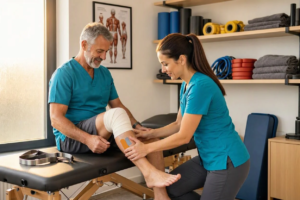
The Importance of a Personalized Physiotherapy Program
Two people can have the same diagnosis but require different rehabilitation plans.
Consider two people with ankle sprains.
One person may be a sedentary office worker whose main goal is comfortable walking.
Another may be a professional athlete who needs to return to sprinting, jumping, and rapid changes of direction.
Their rehabilitation needs will be different.
The athlete may require significantly more strength, balance, endurance, and sport-specific training.
This is why personalized rehabilitation is important.
A physiotherapist can adjust exercises according to:
- Current ability
- Symptoms
- Recovery stage
- Personal goals
- Work demands
- Sports demands
- Previous injuries
At Ritz Clinic, injury rehabilitation programs are designed around the individual’s condition and goals, with treatment progressing as strength, mobility, and function improve. Learn more about Ritz Clinic’s Injury Rehabilitation.
Frequently Asked Questions About Physiotherapy Injury Recovery
What is physiotherapy injury recovery?
Physiotherapy injury recovery is a structured rehabilitation process designed to help restore movement, strength, mobility, balance, coordination, and physical function after an injury.
Can physiotherapy speed up injury recovery?
Physiotherapy can provide structured rehabilitation and help people progressively restore physical function. However, recovery time depends on the injury and individual circumstances, so no specific recovery period can be guaranteed.
What exercises are used during physiotherapy injury recovery?
Exercises depend on the injury and recovery stage. They may include mobility exercises, strengthening, balance training, endurance work, functional exercises, and sport-specific movements.
Should I rest completely after an injury?
Not necessarily. Some injuries require protection or reduced activity initially, while others benefit from appropriate movement. The correct level of activity depends on the injury.
How long will I need physiotherapy?
The number of sessions varies. Some people need only a short period of rehabilitation, while others require longer-term treatment following more serious injuries or surgery.
Can physiotherapy help after a sports injury?
Yes. Physiotherapy can help athletes restore mobility, strength, balance, coordination, and sport-specific physical capacity.
Can physiotherapy help with muscle strains?
Physiotherapy may help restore mobility and strength following an appropriate assessment. The rehabilitation approach depends on the severity and location of the strain.
Can physiotherapy help after surgery?
Physiotherapy is commonly used after certain surgeries to help restore movement, strength, and function. The rehabilitation program should follow the requirements and restrictions provided by the surgical team.
When can I return to sports after an injury?
Return-to-sport timing depends on the injury and the physical demands of the sport. Pain alone should not be the only factor. Strength, mobility, balance, endurance, coordination, and sport-specific function may all need to be considered.
Can I do physiotherapy exercises at home?
Yes. Many rehabilitation programs include home exercises. These should be appropriate for your injury and ideally demonstrated or prescribed by a qualified physiotherapist.
Is some pain normal during rehabilitation?
Some discomfort can occur during rehabilitation, but severe, persistent, or worsening symptoms should be discussed with a healthcare professional. Exercise should not be used to simply push through significant pain.
Can physiotherapy prevent another injury?
Physiotherapy may address strength, mobility, balance, coordination, and movement limitations that could contribute to future problems. However, no treatment can guarantee that an injury will never happen again.
Final Thoughts (Physiotherapy Injury Recovery)
Physiotherapy injury recovery is a gradual process focused on restoring physical function rather than simply waiting for symptoms to disappear.
An injury can affect strength, mobility, balance, coordination, endurance, and confidence. Therefore, successful rehabilitation often requires more than treating pain alone.
A well-designed rehabilitation program may begin with assessment and appropriate protection before progressing toward mobility exercises, strengthening, balance training, functional movements, and eventually a gradual return to work, exercise, or sport.
The key is progression.
Doing too much too soon can place unnecessary stress on recovering tissues, while doing too little for too long may contribute to stiffness and weakness. A personalized physiotherapy program can help identify an appropriate balance.
Exercise is usually an important part of rehabilitation, but the exercises should match the person’s injury and recovery stage. As physical capacity improves, exercises can become progressively more challenging and increasingly similar to the activities the person wants to resume.
Recovery also continues outside the clinic. Following an appropriate home exercise program, maintaining healthy activity levels, getting sufficient rest, and avoiding premature return to demanding activities can all support the rehabilitation process.
Most importantly, recovery should be individualized. Every injury is different, and every person’s goals and physical demands are different.
If an injury is interfering with your normal activities or you are unsure how to safely return to exercise, work, or sport, a physiotherapy assessment can help identify the next appropriate steps.