Cervical Spine Rehabilitation: A Complete Guide to Recovery, Exercises, and Neck Health
The cervical spine is the upper portion of the spinal column and plays an essential role in supporting the head, allowing neck movement, and protecting important neurological structures. Because the neck is involved in almost every activity involving the head and upper body, problems affecting the cervical spine can significantly influence daily life. Cervical spine rehabilitation is a structured approach designed to help improve movement, strength, flexibility, endurance, and function following neck pain, injury, stiffness, or other musculoskeletal problems. Depending on the individual’s condition, rehabilitation may include therapeutic exercises, mobility training, strengthening, posture and movement education, ergonomic changes, and gradual return to normal activities.
The appropriate rehabilitation program varies from person to person. A mild episode of neck stiffness may require a relatively simple approach, while persistent pain, an injury, or neurological symptoms may require professional assessment and a more carefully supervised rehabilitation plan.
This guide explains the principles of cervical spine rehabilitation, commonly used exercises, recovery strategies, and situations in which professional care may be appropriate.
What Is the Cervical Spine?
The cervical spine consists of seven vertebrae located between the skull and the thoracic spine. These vertebrae help provide stability while allowing the head and neck to move in several directions.
The cervical region is involved in:
Head support
Neck rotation
Flexion and extension
Side-to-side movement
Upper-body positioning
Balance and orientation
Protection of the spinal cord
Muscles, joints, ligaments, discs, and nerves all contribute to the function of this region.
Because these structures work together, rehabilitation often needs to address more than just the painful area.
What Is Cervical Spine Rehabilitation?
Cervical spine rehabilitation refers to a range of therapeutic strategies used to improve neck function and help individuals return to normal activities.
Depending on the person’s needs, rehabilitation may focus on:
Reducing movement limitations
Improving neck mobility
Increasing muscle strength
Developing muscular endurance
Improving shoulder function
Improving upper-back mobility
Supporting better movement patterns
Returning to exercise
Improving daily function
The goal is not simply to make the neck feel better temporarily. A successful rehabilitation program should also help improve the body’s ability to tolerate normal activities.
Why Does Cervical Spine Rehabilitation Matter?
Neck pain can affect much more than the neck itself.
Persistent symptoms may make it difficult to:
Work at a computer
Drive
Exercise
Sleep comfortably
Read
Study
Lift objects
Participate in sports
Perform household activities
People may also begin avoiding movements because they are concerned about making their symptoms worse.
A gradual rehabilitation program can help restore confidence in movement and physical capacity.
Common Causes of Cervical Spine Problems
Several factors can contribute to neck pain and reduced cervical function.
Common examples include:
Muscle strain
Prolonged sitting
Computer use
Smartphone use
Repetitive movements
Sports injuries
Poor workstation setup
Sleeping position
Whiplash
Sudden increases in exercise
Reduced physical activity
Age-related changes
In some cases, symptoms may involve irritation of structures around the cervical spine, including nerves.
Because there are many possible causes, rehabilitation should be based on an appropriate assessment when symptoms are persistent or complicated.
Goals of Cervical Spine Rehabilitation
A rehabilitation program can have several goals.
Improve Mobility
The cervical spine needs enough movement to support normal daily activities.
Improve Strength
The muscles surrounding the neck, shoulders, and upper back contribute to stability and movement.
Improve Endurance
The neck must tolerate sustained activities such as computer work, driving, reading, and exercise.
Restore Function
The ultimate goal is to help the person return to normal activities.
Prevent Recurrence
Long-term rehabilitation may help identify and address factors that contribute to repeated symptoms.
Cervical Spine Assessment
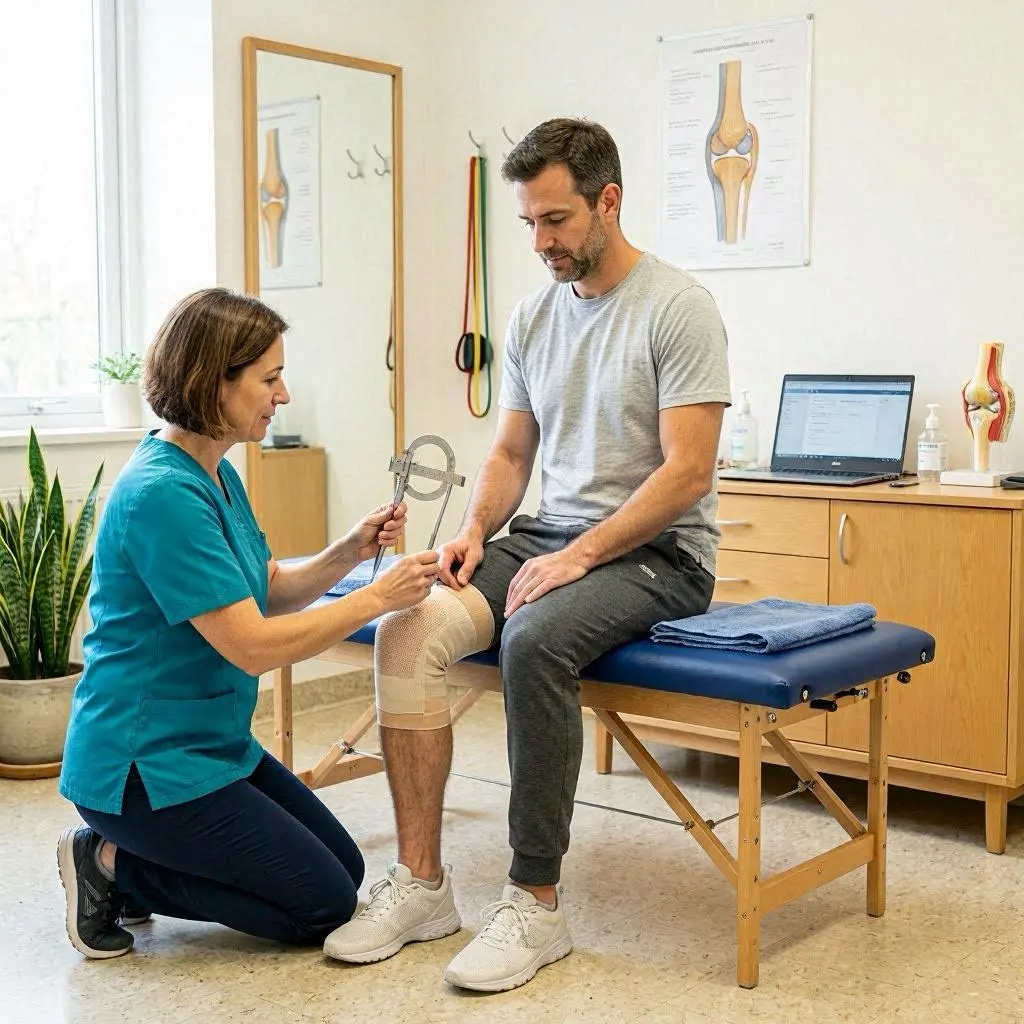
Before beginning a rehabilitation program, a physiotherapist or other qualified healthcare professional may assess several areas.
The assessment may include:
Neck range of motion
Muscle strength
Muscle endurance
Shoulder movement
Upper-back mobility
Posture and movement habits
Functional limitations
Work requirements
Exercise activities
Neurological symptoms
This information can help determine which exercises and strategies are appropriate.
Cervical Spine Mobility Exercises
Mobility exercises are often included in rehabilitation when appropriate.
The goal is to maintain or gradually improve comfortable movement without forcing the neck.
Neck Rotation
Sit or stand comfortably.
Slowly turn your head toward one side until you reach a comfortable range.
Return to the center and repeat on the other side.
The movement should be slow and controlled.
Avoid forcing the final part of the range.
Neck Side Bending
Slowly bring one ear toward the corresponding shoulder.
Return to the center and repeat on the opposite side.
Keep your shoulders relaxed throughout the movement.
Controlled Neck Flexion
Slowly lower your chin toward your chest.
Move only through a comfortable range.
Return to a neutral position.
Do not force the neck downward.
Controlled Neck Extension
From a comfortable neutral position, slowly look upward if the movement is appropriate for you.
Return to neutral.
If extension significantly aggravates your symptoms, stop the movement and seek professional advice.
Chin Tuck Exercise
Chin tucks are frequently used in cervical rehabilitation.
How to perform a chin tuck
Sit or stand comfortably.
Look straight ahead.
Gently draw the chin backward.
Keep the head level.
Hold briefly.
Relax.
The movement should be small and controlled.
Chin tucks can help improve awareness of head and neck positioning and may be incorporated into broader strengthening programs.
Cervical Isometric Exercises
Isometric exercises involve muscle contraction without significant joint movement.
They can be useful when controlled strengthening is appropriate.
Flexion Isometric
Place your hand against your forehead.
Gently press your head forward against your hand while using your hand to resist the movement.
Keep the head relatively still.
Extension Isometric
Place your hand behind your head.
Gently attempt to press backward while resisting the movement.
Side Isometric
Place your hand against one side of your head.
Gently press your head toward your hand while preventing significant movement.
Repeat on the opposite side.
Rotation Isometric
Place your hand against one side of your head.
Gently attempt to rotate toward your hand while resisting the movement.
These exercises should use controlled effort rather than maximal force.
Strengthening the Upper Back
Cervical rehabilitation should not focus exclusively on the neck.
The upper back and shoulder muscles contribute to the positioning and movement of the upper body.
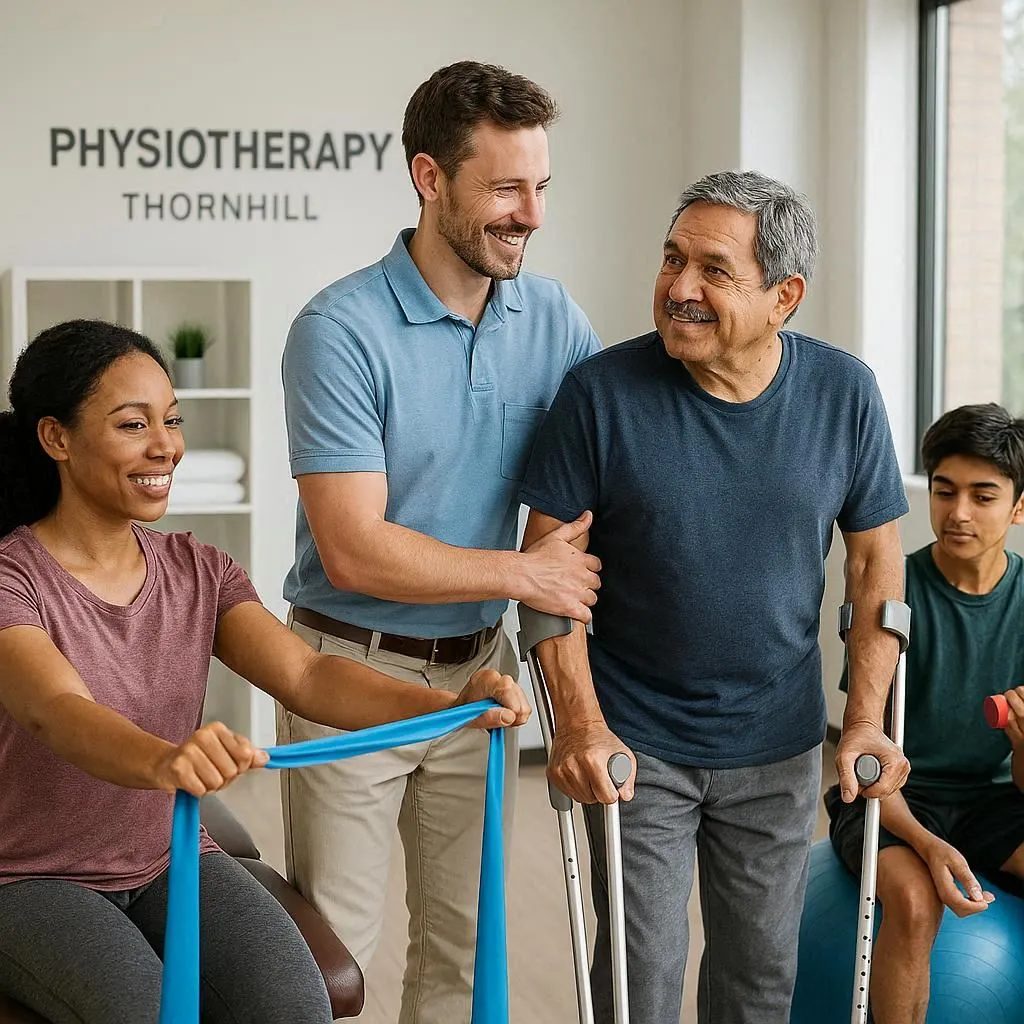
Resistance-band rows are a commonly used strengthening exercise.
How to perform a row
Secure a resistance band.
Hold the band comfortably.
Keep your shoulders relaxed.
Pull your elbows backward.
Gently draw your shoulder blades together.
Slowly return to the starting position.
Avoid shrugging your shoulders during the exercise.
Shoulder Strengthening
Shoulder strength can complement cervical rehabilitation.
Exercises may include:
Resistance-band rows
External rotations
Scapular exercises
Wall exercises
Controlled resistance training
The correct exercises depend on the person’s symptoms and goals.
Thoracic Spine Mobility
The cervical and thoracic regions work together during many upper-body movements.
If the upper back is stiff, a person may rely more heavily on the neck during certain activities.
Appropriate thoracic mobility exercises can include:
Thoracic rotations
Open-book movements
Controlled thoracic extension
These exercises should remain comfortable and controlled.
Core Stability and Cervical Rehabilitation
The neck is part of a larger movement system.
Core stability exercises may support general movement control and physical conditioning.
Examples include:
Bird dogs
Dead bugs
Bridges
Planks
Core exercises do not directly treat every cervical condition, but they may form part of a broader rehabilitation program.
Posture and Cervical Spine Rehabilitation
Posture is often discussed in relation to neck pain.
However, there is no single perfect posture that everyone needs to maintain throughout the day.
Instead, rehabilitation can focus on:
Movement variety
Strength
Endurance
Comfortable positioning
Regular position changes
A person who constantly changes position may tolerate daily activities better than someone who attempts to maintain one rigid posture.
Forward Head Position
A forward head position can occur during activities such as computer use and smartphone use.
Rather than trying to force the head into a rigid position all day, rehabilitation can focus on improving:
Neck strength
Upper-back strength
Movement control
Postural endurance
Workstation habits
Chin tucks and upper-back strengthening may be included when appropriate.
Cervical Spine Rehabilitation for Computer Users
Computer work can place significant demands on the neck when performed for long periods without movement.
A workstation assessment may consider:
Monitor height
Screen distance
Chair position
Desk height
Keyboard placement
Mouse position
The objective is to create a comfortable working environment that allows regular movement.
Take Regular Movement Breaks
Even an excellent workstation cannot eliminate the effects of remaining in one position for several hours.
During the workday, consider:
Standing
Walking
Moving the shoulders
Changing sitting positions
Performing gentle mobility exercises
Short, frequent movement breaks can be easier to maintain than a single long exercise session at the end of the day.
Smartphone Use and Cervical Health
Smartphone use may involve prolonged downward viewing.
To reduce unnecessary strain, consider:
Holding the device closer to eye level
Taking frequent breaks
Changing positions
Avoiding prolonged sessions without movement
The goal is not necessarily to eliminate smartphone use but to create healthier movement habits.
Cervical Rehabilitation After Whiplash
Whiplash occurs when the neck is subjected to rapid acceleration and deceleration, often during a collision.
Symptoms may include:
Neck pain
Stiffness
Headaches
Shoulder discomfort
Reduced neck movement
Rehabilitation after whiplash should be individualized.
Depending on the condition, a physiotherapist may gradually introduce mobility, strengthening, and functional exercises.
Significant trauma should receive appropriate medical assessment.
Cervical Spine Rehabilitation for Athletes
Athletes may place greater demands on the neck through training, contact, repetitive movement, or sport-specific positions.
Rehabilitation may include:
Cervical strengthening
Shoulder conditioning
Upper-back strengthening
Core training
Balance exercises
Movement control
Sport-specific rehabilitation
The return-to-sport process should be gradual.
Returning to Exercise
Returning to exercise too quickly can sometimes cause symptoms to return.
A gradual progression may involve:
Basic mobility
Light strengthening
Increased endurance
More resistance
Functional movements
Sport-specific activity
Progression should be based on symptoms, function, and individual goals.
Cervical Spine Rehabilitation for Older Adults
Older adults can benefit from appropriate cervical and upper-body exercise.
A program may emphasize:
Gentle mobility
Strength
Endurance
Balance
General physical activity
Exercises should be adapted to individual abilities and health considerations.
Heat and Cold During Rehabilitation
Heat may provide temporary relief for some people experiencing muscular stiffness.
Warm showers or a comfortably warm heating pad may help with short-term comfort.
Cold may sometimes be used following certain acute injuries.
Neither heat nor cold necessarily addresses the underlying cause of persistent neck pain.
If symptoms are significant or persistent, professional evaluation is more appropriate than relying exclusively on temperature-based treatments.
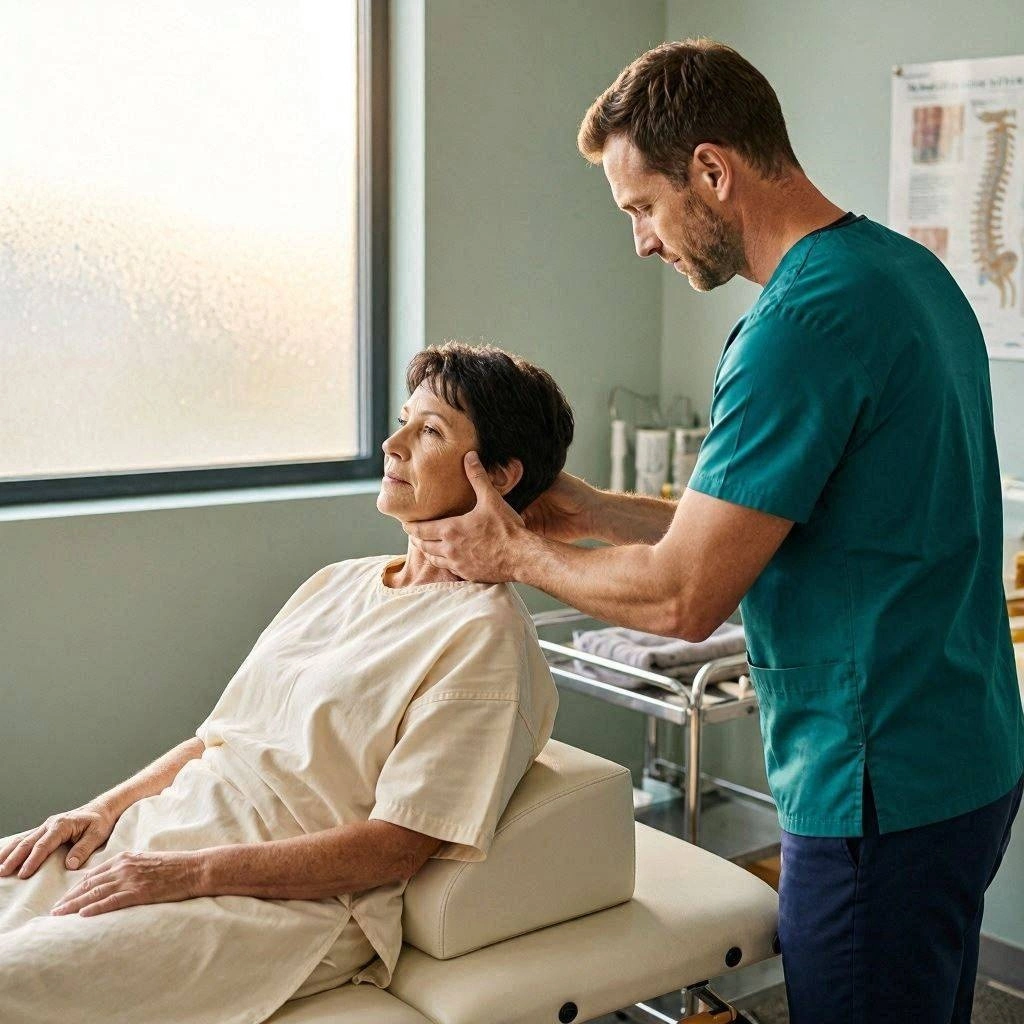
Massage and Manual Therapy
Massage and manual therapy may be used as part of a broader rehabilitation program.
They may help some people with short-term pain relief or mobility.
However, passive treatments should generally be considered alongside active rehabilitation when appropriate.
Strength, mobility, endurance, and functional training can help address the physical demands that contribute to recurring symptoms.
Cervical Spine Rehabilitation and Chronic Neck Pain
Persistent neck pain can be more complicated than a short episode of muscle soreness.
Chronic rehabilitation may include:
Progressive strengthening
Mobility exercises
Endurance training
Ergonomic changes
Activity modification
Education
General physical conditioning
The goal is to gradually increase physical capacity and improve confidence with movement.
Neck and Shoulder Rehabilitation
Neck symptoms often occur alongside shoulder discomfort.
A comprehensive program may therefore address:
Neck mobility
Shoulder mobility
Rotator cuff strength
Scapular control
Upper-back strength
Postural endurance
Treating only the painful area may not address all contributing factors.
Cervical Spine Rehabilitation and Sleep
Sleep is an important component of recovery.
If you consistently wake with neck pain, consider whether your pillow and sleeping arrangement are comfortable.
There is no universally perfect pillow or sleeping position.
The goal is to find a setup that allows comfortable sleep without repeatedly aggravating symptoms.
Stress and Cervical Spine Health
Stress can influence muscle tension and pain perception.
People may unconsciously tighten their neck and shoulders during stressful periods.
Useful strategies can include:
Walking
Exercise
Relaxation techniques
Breathing exercises
Regular breaks
Consistent sleep
These strategies can complement physical rehabilitation.
How Long Does Cervical Rehabilitation Take?
Recovery time varies significantly.
Factors that can influence recovery include:
The cause of symptoms
Severity
Duration
Previous injuries
Physical conditioning
Work demands
Sleep
Stress
Exercise consistency
Some mild problems improve relatively quickly, while persistent or complicated conditions may require longer rehabilitation.
Rather than focusing only on a specific number of days, monitor improvements in movement, strength, function, and activity tolerance.
Signs That Rehabilitation Is Progressing
Positive signs may include:
Greater neck mobility
Less stiffness
Improved strength
Better exercise tolerance
Improved sleep
Greater confidence with movement
Improved ability to work
Easier participation in physical activities
Progress does not always mean that pain disappears immediately.
Functional improvements can also be meaningful signs of recovery.
Common Cervical Rehabilitation Mistakes
Doing Too Much Too Soon
Rapid increases in exercise intensity can aggravate symptoms.
Avoiding Movement Completely
Long periods of inactivity can contribute to stiffness and reduced physical capacity.
Focusing Only on Stretching
Strength and endurance may also be important.
Ignoring the Upper Back
The thoracic spine and shoulders contribute to upper-body movement.
Using Poor Exercise Technique
Incorrect technique can reduce the effectiveness of rehabilitation and may aggravate symptoms.
Ignoring Daily Habits
If computer work or repetitive activity continues to aggravate symptoms, exercises alone may not solve the problem.
When Should You See a Physiotherapist?
Professional assessment can be useful when neck symptoms:
Persist for several weeks
Keep returning
Limit movement
Affect work
Interfere with sleep
Prevent exercise
Affect daily activities
A physiotherapist can assess the cervical spine and surrounding regions and develop a personalized rehabilitation program.
When Should You See a Doctor?
Medical assessment may be necessary when neck pain is accompanied by:
Significant weakness
Persistent numbness
Major trauma
Severe unexplained pain
Loss of coordination
Difficulty walking
Other neurological symptoms
A healthcare professional can determine whether additional investigation is necessary.
Cervical Spine Rehabilitation Warning Signs
Some symptoms require urgent medical attention.
Seek urgent care if neck pain occurs with:
Severe pain following significant trauma
Sudden weakness
Significant loss of sensation
Difficulty walking
Loss of coordination
Loss of bladder or bowel control
Severe headache with neurological symptoms
Difficulty speaking
Sudden vision changes
Loss of consciousness
These symptoms should not be treated as ordinary muscular neck pain.
A Simple Cervical Rehabilitation Routine
A general routine may include several components.
Mobility
Begin with gentle neck rotation and comfortable side-to-side movement.
Motor Control
Use controlled chin tucks if appropriate.
Strength
Add gentle cervical isometric exercises.
Upper Body
Perform shoulder blade exercises and resistance-band rows.
Thoracic Mobility
Include controlled upper-back movement.
General Activity
Walk regularly and avoid prolonged periods of inactivity.
This is a general educational example. An individualized program should be based on an appropriate assessment.
Preventing Future Cervical Spine Problems
Prevention involves maintaining physical capacity and healthy movement habits.
Useful strategies include:
Regular exercise
Neck strengthening
Upper-back strengthening
Shoulder conditioning
Mobility training
Movement breaks
Ergonomic improvements
Gradual exercise progression
Adequate sleep
Stress management
The objective is to make the body more capable of handling everyday activities.
Final Thoughts
Cervical spine rehabilitation is a comprehensive process that can help restore neck movement, strength, endurance, and function following pain, stiffness, injury, or reduced physical capacity.
An effective rehabilitation program does not necessarily focus only on the cervical spine. The shoulders, upper back, core, posture, daily activities, and general physical conditioning can all influence how the neck functions.
Gentle mobility exercises can help maintain comfortable movement, while progressive strengthening can improve the capacity of the muscles supporting the neck. Exercises such as chin tucks, cervical isometrics, shoulder blade exercises, resistance-band rows, and thoracic mobility movements may be incorporated when appropriate.
Daily habits are also important. People who spend long hours at a computer can benefit from regular movement breaks and a comfortable workstation. Smartphone users can reduce prolonged downward positioning by changing how and how long they use their devices.
Recovery should be gradual. Trying to return to intense exercise or demanding activities too quickly can sometimes aggravate symptoms. A progressive approach allows strength, mobility, and endurance to develop over time.
Physiotherapy can be particularly helpful for people with persistent or recurrent symptoms. A qualified physiotherapist can assess movement, strength, functional limitations, and contributing factors before creating a personalized rehabilitation program.
Finally, cervical spine rehabilitation is not appropriate as a substitute for medical assessment when serious symptoms are present. Significant trauma, sudden weakness, persistent numbness, severe neurological symptoms, difficulty walking, or other warning signs require appropriate medical attention.
With the right combination of movement, progressive exercise, healthy daily habits, and professional guidance when necessary, cervical spine rehabilitation can support better neck function and help people return to the activities that matter to them.