
Physiotherapy Assessment: The Foundation of Effective Treatment and Recovery
A physiotherapy assessment is the first and most important step in developing an effective rehabilitation and treatment plan. Whether you are recovering from an injury, managing chronic pain, preparing for surgery, or seeking to improve mobility, a thorough assessment helps identify the underlying causes of physical limitations and discomfort.Moreover, a physiotherapy assessment allows physiotherapists to understand your condition in detail and create a personalized treatment strategy. As a result, patients receive targeted care that supports faster recovery, improved function, and long-term physical wellness.
What Is a Physiotherapy Assessment?
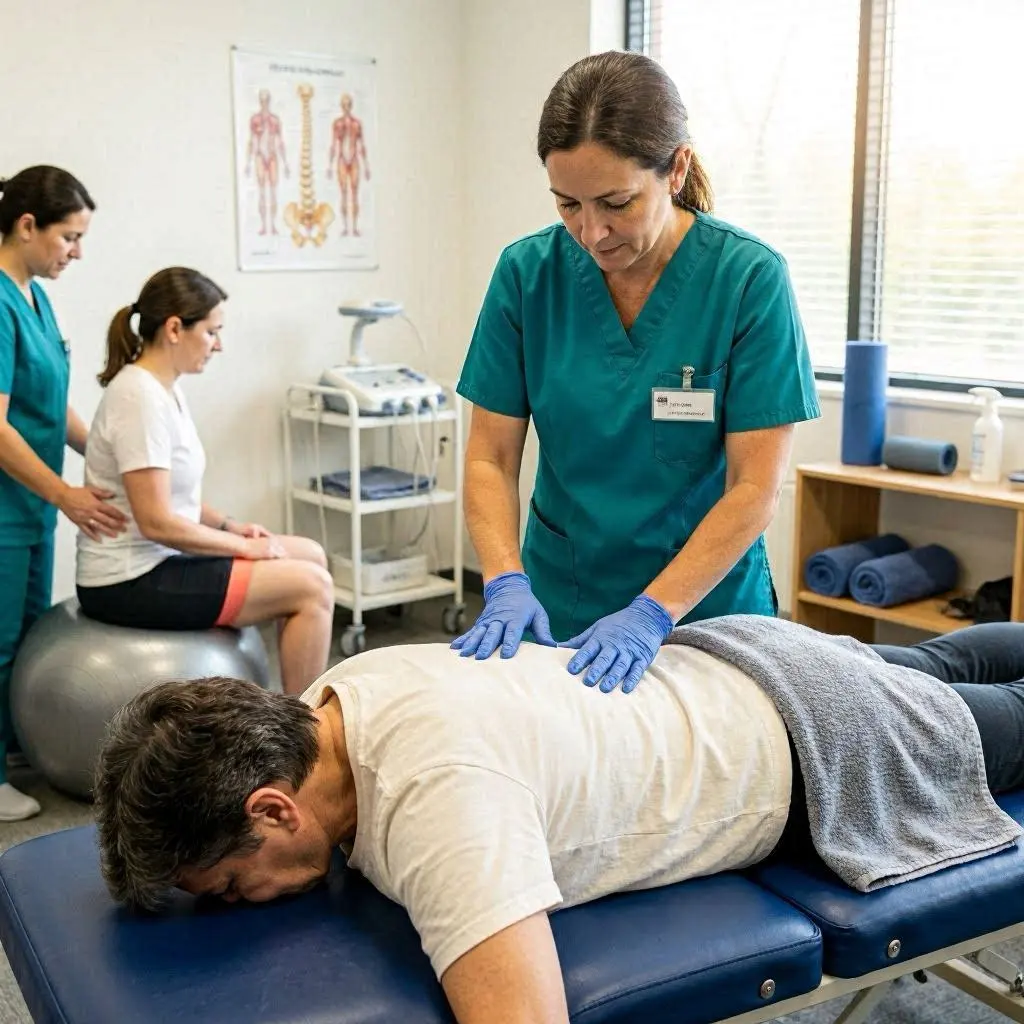
A physiotherapy assessment is a comprehensive evaluation performed by a qualified physiotherapist to understand a patient’s physical condition, symptoms, and functional abilities. First, the physiotherapist gathers information about medical history, current symptoms, lifestyle, and activity levels. Then, a detailed physical examination is conducted.
The assessment may include:
-
Posture evaluation
-
Range of motion testing
-
Muscle strength assessment
-
Balance and coordination testing
-
Joint mobility examination
-
Gait and walking analysis
-
Functional movement screening
-
Pain assessment
Ultimately, the goal is to identify physical limitations and determine the most effective treatment approach.
Benefits of a Physiotherapy Assessment
Physiotherapy Assessment for Accurate Diagnosis
A detailed evaluation helps identify the root cause of pain, stiffness, weakness, or movement difficulties. Consequently, treatment can focus on the actual problem rather than just the symptoms.
Physical Therapy Evaluation for Personalized Care
Every patient has unique needs. Therefore, assessment findings are used to create an individualized rehabilitation plan.
Rehabilitation Assessment for Better Recovery Outcomes
Early identification of movement limitations helps improve treatment effectiveness and recovery progress.
Movement Analysis for Injury Prevention
Assessing movement patterns can reveal weaknesses or imbalances that may increase the risk of future injuries.
What Happens During a Physiotherapy Assessment?
Medical History and Symptom Review
The physiotherapist discusses your symptoms, medical history, lifestyle habits, and treatment goals. Furthermore, this information helps provide a complete understanding of your condition.
Physical Examination and Functional Testing
A series of tests are performed to evaluate flexibility, strength, posture, balance, and mobility. In addition, functional movements may be assessed to identify limitations in daily activities.
Movement and Mobility Assessment
The physiotherapist observes how your body moves during specific activities. As a result, any movement restrictions or abnormal patterns can be identified.
Goal Setting and Treatment Planning
Based on the findings, a personalized treatment plan is developed. Subsequently, clear rehabilitation goals are established to guide recovery.
Conditions That Require a Physiotherapy Assessment
Musculoskeletal Injuries and Pain
Assessment is often recommended for back pain, neck pain, joint injuries, muscle strains, and ligament problems.
Sports Injury Evaluation
Athletes benefit from detailed movement analysis and injury-specific assessments.
Post-Surgical Rehabilitation Planning
After surgery, assessment helps determine current physical abilities and recovery needs.
Neurological and Mobility Conditions
Patients with neurological disorders may require specialized evaluations to improve movement and function.
Why Is a Physiotherapy Assessment Important?
Early Detection of Physical Problems
A comprehensive assessment can identify issues before they become more serious.
Personalized Rehabilitation Programs
Treatment plans are tailored to each individual’s physical condition and goals.
Improved Treatment Effectiveness
Accurate assessment findings help ensure that rehabilitation focuses on the most important areas.
Long-Term Health and Wellness Support
Regular evaluations can monitor progress and help maintain physical function over time.
Preparing for Your Physiotherapy Assessment
To get the most from your appointment:
-
Wear comfortable clothing
-
Bring relevant medical records if available
-
Share information about daily activities and lifestyle
-
Ask questions about treatment options
Most importantly, honest communication helps the physiotherapist develop the most effective treatment plan.
Conclusion
A physiotherapy assessment is a vital step in understanding physical limitations, identifying the causes of discomfort, and creating an effective rehabilitation strategy. Through detailed evaluation, movement analysis, and functional testing, physiotherapists can develop personalized treatment plans that support recovery and long-term wellness.Whether you are recovering from an injury, managing a chronic condition, or seeking to improve mobility, a physiotherapy assessment provides the foundation for successful treatment and better physical health.