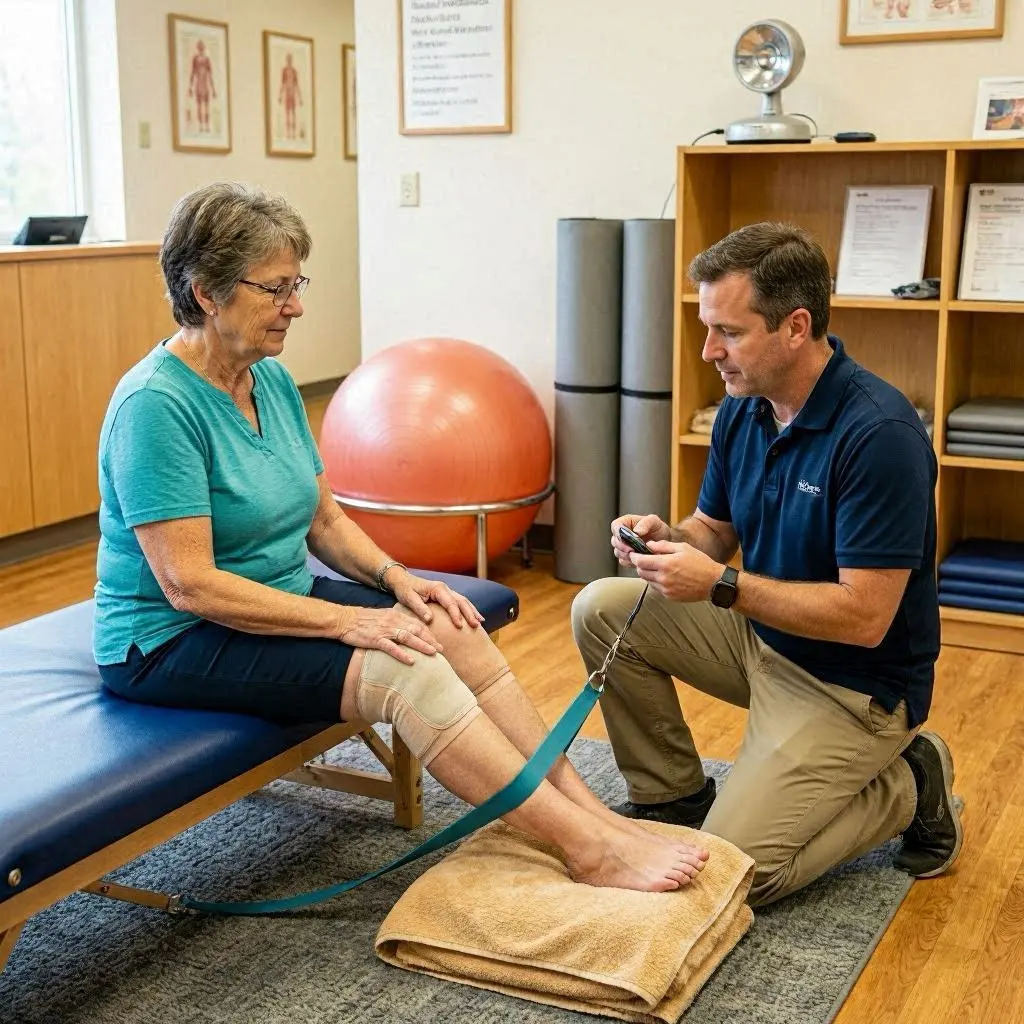
Physiotherapy for Knee Arthritis: A Natural Approach to Pain Relief and Better Mobility
Knee arthritis is one of the most common causes of chronic knee pain and mobility problems, especially among older adults. The condition develops when the cartilage within the knee joint gradually wears down, leading to pain, stiffness, swelling, and reduced movement. Everyday activities such as walking, climbing stairs, or standing for long periods can become increasingly difficult. Fortunately, physiotherapy for knee arthritis is an effective, non-surgical treatment that helps manage symptoms and improve quality of life.
Through targeted exercises, mobility training, and personalized rehabilitation programs, physiotherapy helps reduce pain, strengthen supporting muscles, and improve knee function. Many individuals with knee arthritis can remain active and independent with the right treatment approach.
What Is Physiotherapy for Knee Arthritis?
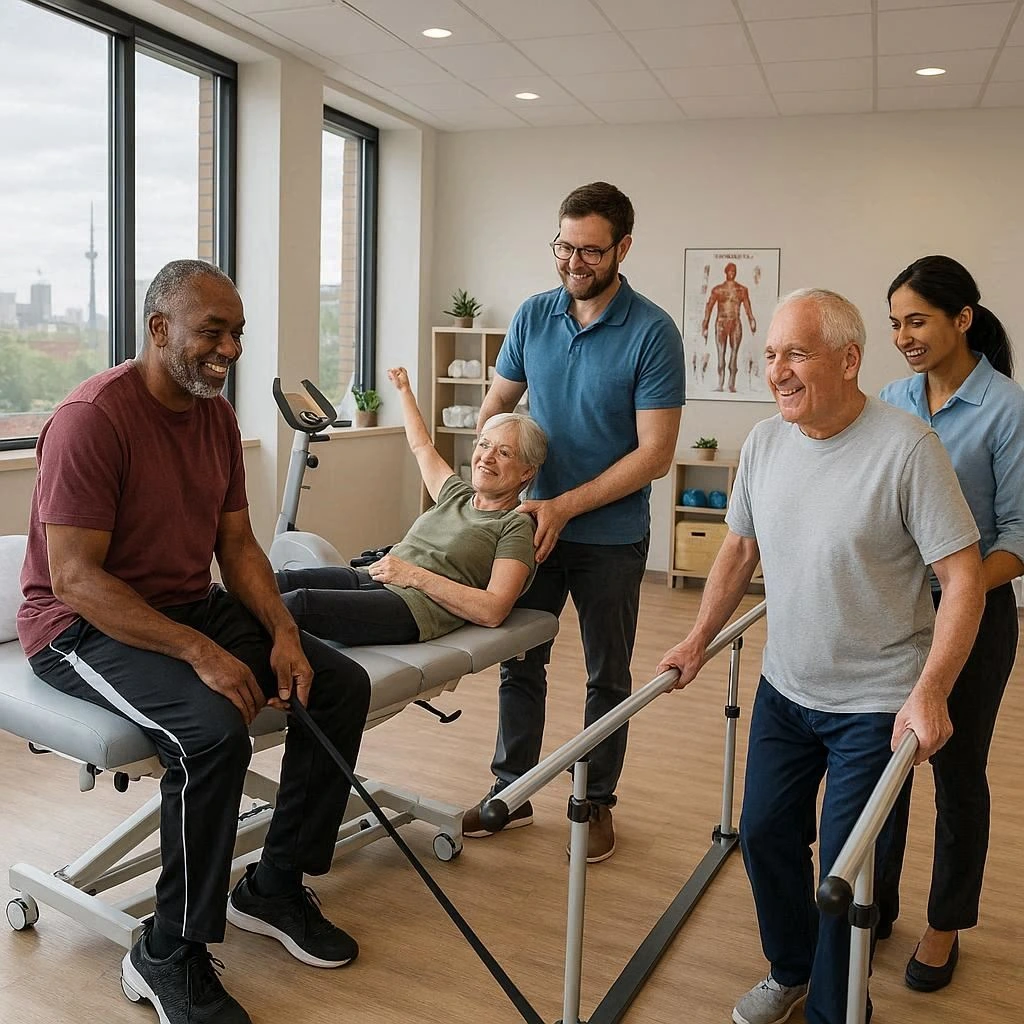
Physiotherapy for knee arthritis is a specialized rehabilitation program designed to improve knee joint function and reduce arthritis-related symptoms. A physiotherapist assesses the severity of the condition, movement limitations, muscle strength, and walking patterns before creating a personalized treatment plan.
Treatment may include:
-
Strengthening exercises
-
Stretching programs
-
Joint mobility exercises
-
Balance training
-
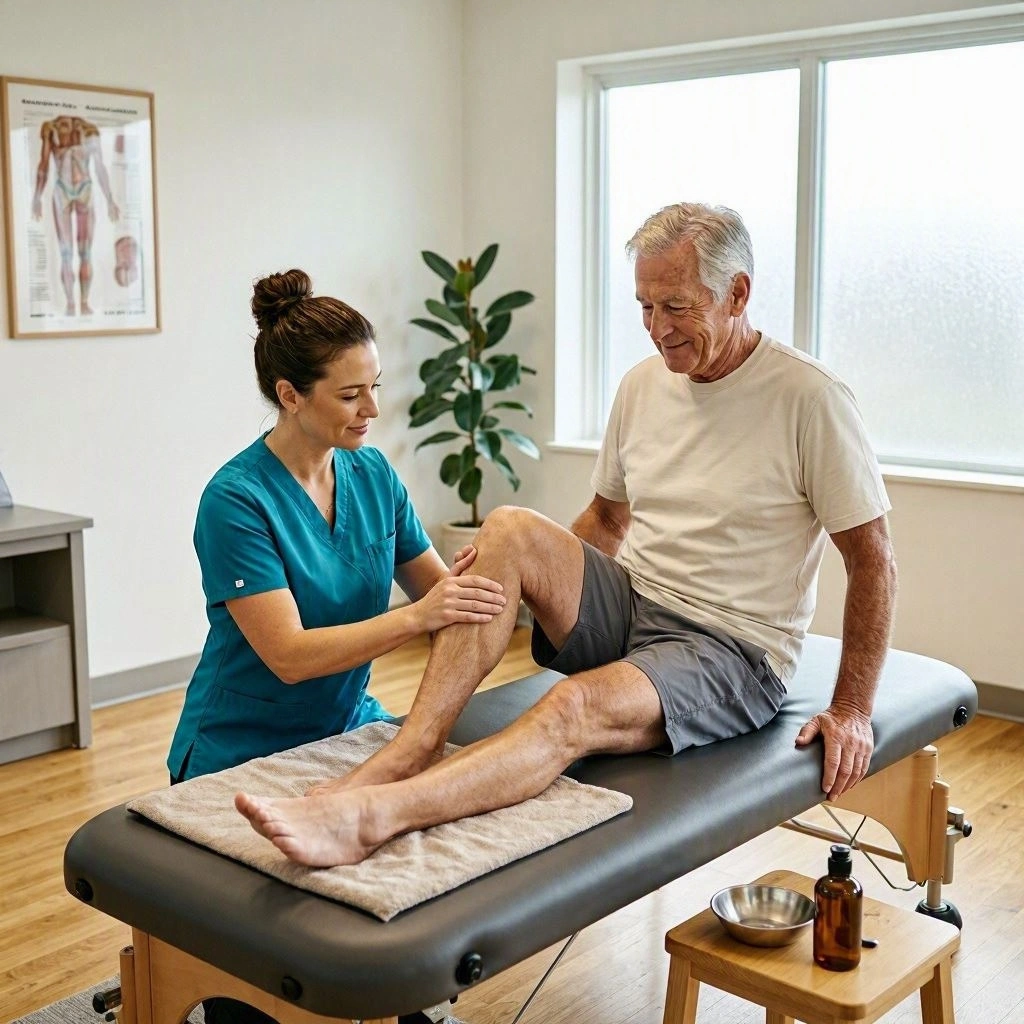
Manual therapy
-
Walking and gait training
-
Functional movement rehabilitation
-
Pain management techniques
The goal is to improve mobility, reduce discomfort, and support long-term joint health.
Understanding Knee Arthritis and Joint Degeneration
Osteoarthritis and Knee Joint Wear
Osteoarthritis is the most common form of knee arthritis. It occurs when the protective cartilage in the knee gradually breaks down over time.
Symptoms of Knee Arthritis
Common symptoms include:
-
Knee pain
-
Joint stiffness
-
Swelling
-
Reduced flexibility
-
Difficulty walking
-
Limited range of motion
Risk Factors for Knee Arthritis
Several factors can increase the risk of developing arthritis in the knee, including age, previous injuries, excess body weight, and family history.
Benefits of Knee Arthritis Physiotherapy
Pain Relief and Improved Comfort
Physiotherapy techniques help reduce joint stress and improve overall comfort during movement.
Better Knee Mobility and Flexibility
Mobility exercises help maintain and improve the range of motion in the knee joint.
Increased Muscle Strength Around the Knee
Strong thigh and leg muscles provide additional support and reduce pressure on the affected joint.
Improved Balance and Stability
Balance training helps improve confidence and reduce the risk of falls.
Enhanced Daily Function and Independence
Rehabilitation programs make everyday activities easier and more comfortable to perform.
Best Physiotherapy Techniques for Knee Arthritis
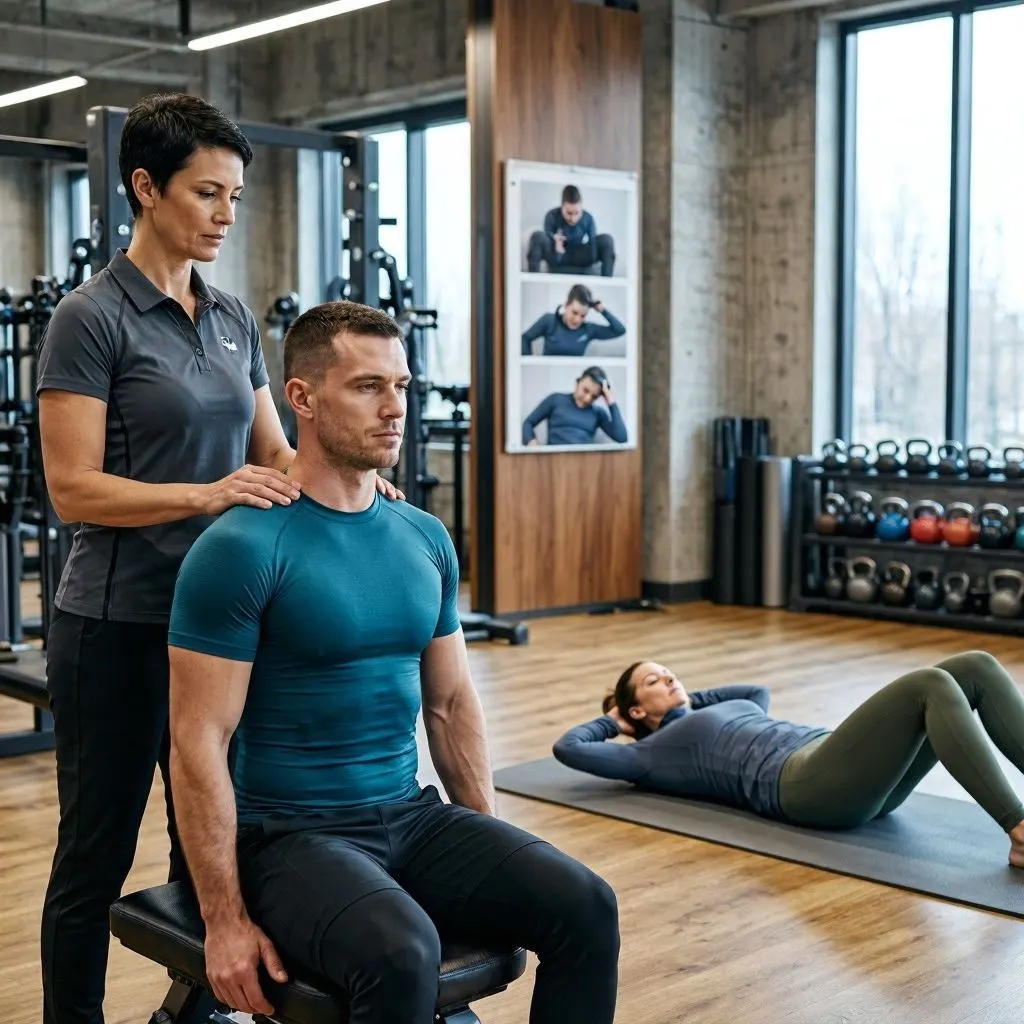
Strengthening Exercises for Knee Support
Strengthening exercises target the quadriceps, hamstrings, and surrounding muscles to improve knee stability.
Mobility Exercises for Joint Flexibility
Gentle movement exercises help reduce stiffness and maintain joint function.
Manual Therapy for Knee Arthritis Relief
Hands-on treatment techniques can improve movement and reduce discomfort.
Functional Rehabilitation for Everyday Activities
Functional exercises focus on activities such as walking, climbing stairs, and standing from a seated position.
Physiotherapy Exercises for Knee Arthritis
Straight Leg Raises
This exercise helps strengthen the thigh muscles without placing excessive pressure on the knee.
Seated Knee Extensions
Knee extensions improve muscle strength and support better joint function.
Mini Squats
Mini squats help build strength in the lower body while improving balance and stability.
Step-Up Exercises
Step-ups improve mobility, coordination, and functional movement.
Exercises should be performed according to a physiotherapist’s guidance to ensure safety and effectiveness.
Who Can Benefit from Physiotherapy for Knee Arthritis?
Older Adults with Knee Joint Pain
Many older adults use physiotherapy to improve mobility and maintain independence.
Individuals with Early-Stage Osteoarthritis
Early intervention can help slow symptom progression and improve long-term outcomes.
Patients Seeking Non-Surgical Arthritis Treatment
Physiotherapy offers a conservative treatment option for managing arthritis symptoms.
People Recovering After Knee Surgery
Post-operative rehabilitation can help restore strength and movement after surgical procedures.
Lifestyle Tips to Support Knee Arthritis Management
Alongside physiotherapy treatment, these habits may help improve knee health:
-
Maintain a healthy body weight
-
Stay physically active
-
Wear supportive footwear
-
Follow a regular exercise routine
-
Avoid prolonged inactivity
-
Practice proper movement techniques
Combining these habits with rehabilitation can improve overall results.
Conclusion
Physiotherapy for knee arthritis is a safe and effective way to reduce pain, improve mobility, and maintain independence. Through strengthening exercises, mobility training, balance work, and rehabilitation techniques, patients can better manage arthritis symptoms and improve their quality of life.
Whether you are experiencing mild stiffness or more advanced joint discomfort, professional physiotherapy can help support healthier knees, better movement, and long-term joint function.