Physiotherapy and Joint Health: Supporting Mobility, Strength, and Active Living
Healthy joints are essential for movement, flexibility, and overall physical function. Whether walking, exercising, working, or performing daily tasks, joints play a crucial role in supporting the body’s movements. However, aging, injuries, arthritis, poor posture, and repetitive strain can affect joint health and lead to pain, stiffness, and reduced mobility. Fortunately, physiotherapy and joint health go hand in hand, helping individuals maintain strong, flexible, and healthy joints.Moreover, physiotherapy focuses on improving movement patterns, strengthening supporting muscles, and reducing stress on joints. As a result, individuals often experience less pain, better mobility, and improved quality of life.
What Is the Connection Between Physiotherapy and Joint Health?
Physiotherapy and joint health are closely linked because physiotherapy helps maintain and restore proper joint function. First, a physiotherapist evaluates joint mobility, muscle strength, posture, flexibility, and movement patterns. Then, a personalized treatment plan is developed to address specific joint-related concerns.
Treatment may include:
-
Joint mobility exercises
-
Strengthening programs
-
Stretching routines
-
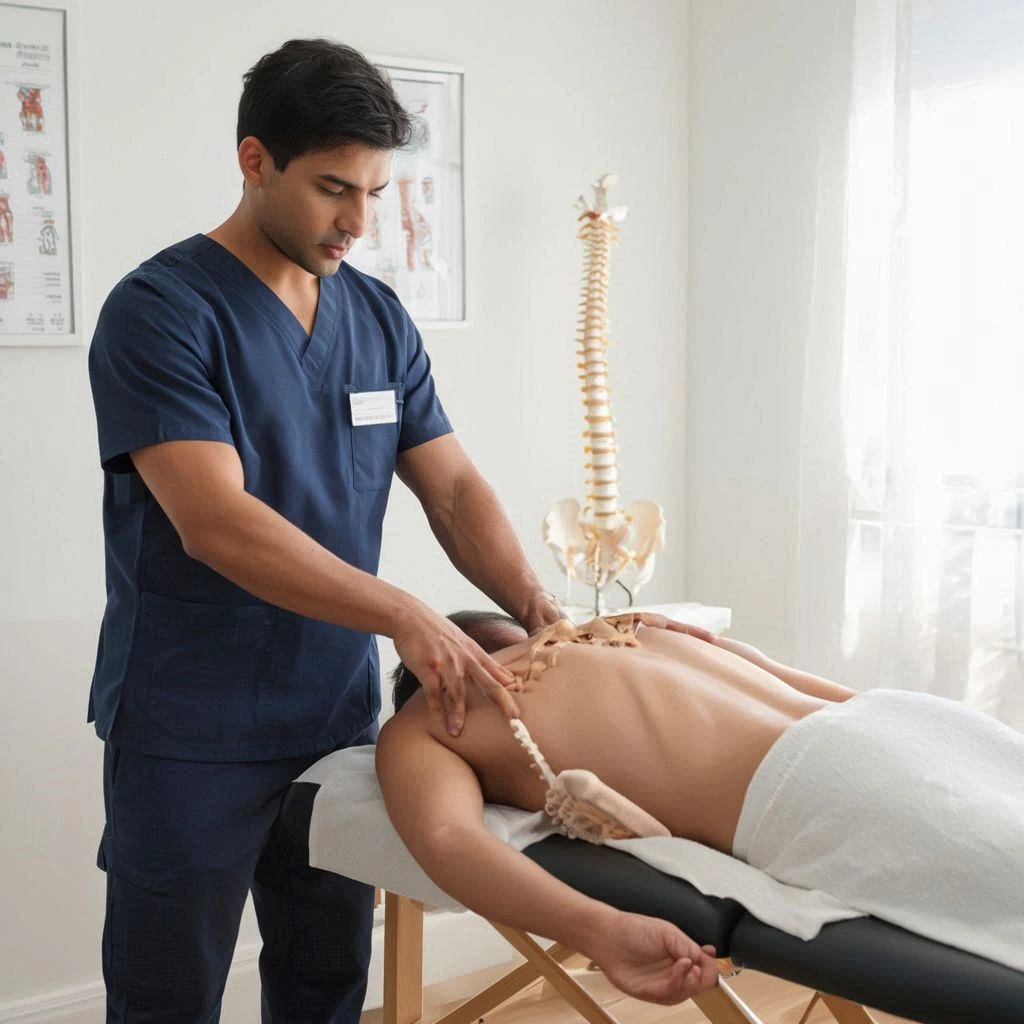
Manual therapy
-
Balance training
-
Posture correction
-
Functional rehabilitation
-
Pain management techniques
The goal is to improve joint function while supporting long-term physical health.
Benefits of Physiotherapy and Joint Health Programs
Physiotherapy and Joint Health for Pain Reduction
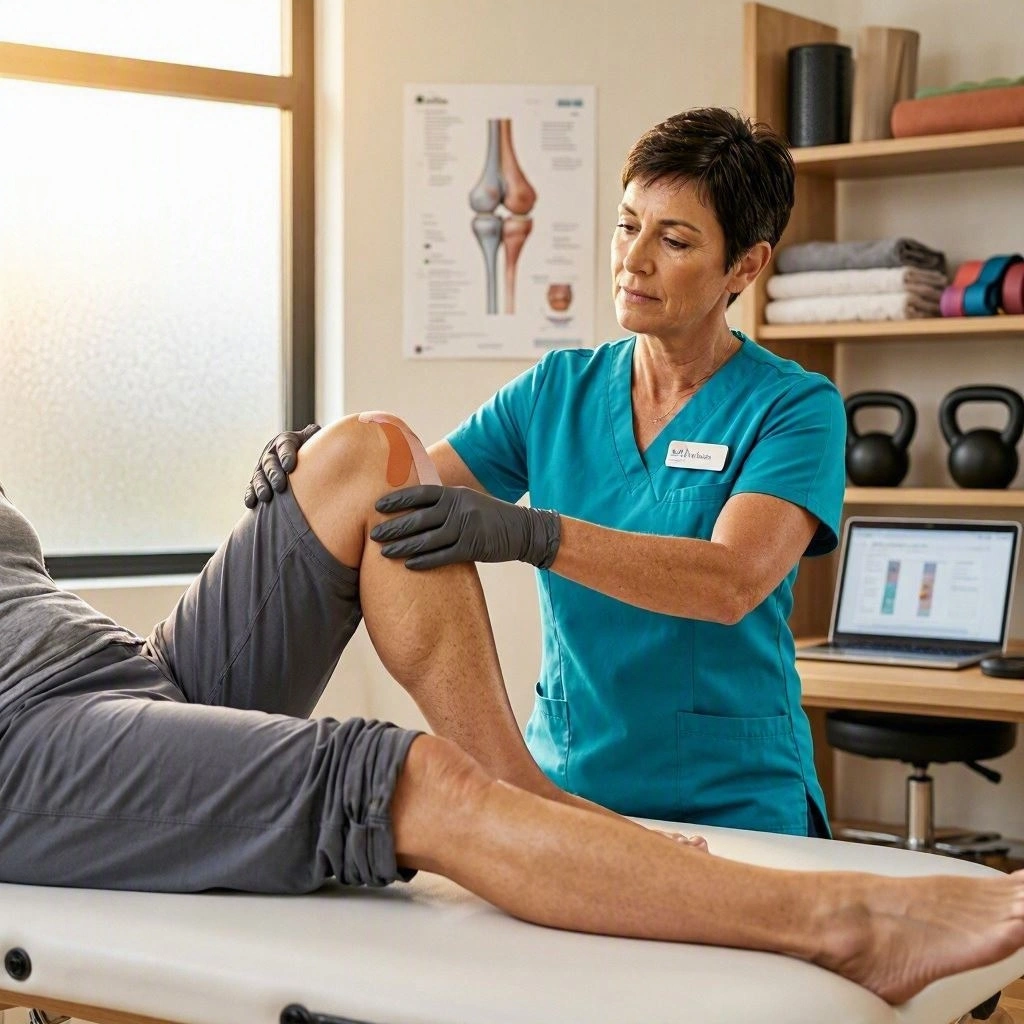
Targeted rehabilitation techniques help reduce discomfort caused by arthritis, injuries, and joint-related conditions.
Better Mobility and Flexibility
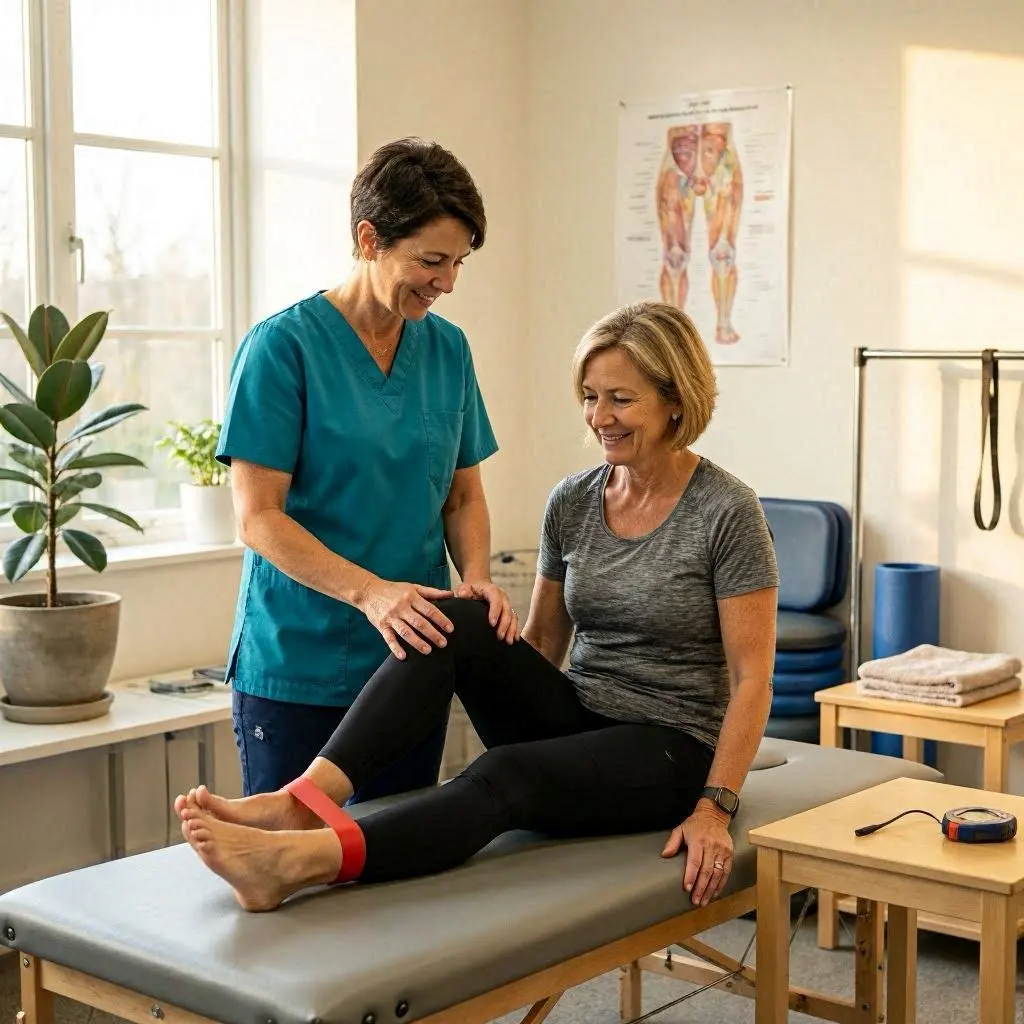
Regular physiotherapy exercises improve range of motion and help maintain joint flexibility.
Stronger Muscles for Joint Support
Strengthening surrounding muscles helps reduce pressure on joints and improves stability.
Long-Term Joint Health and Injury Prevention
Preventive physiotherapy strategies help protect joints from excessive wear and future injuries.
Common Conditions Affecting Joint Health
Arthritis and Joint Degeneration
Arthritis is one of the most common causes of joint pain and stiffness. Physiotherapy helps improve movement and manage symptoms effectively.
Sports Injuries and Joint Damage
Athletes often experience joint injuries that require rehabilitation to restore function and mobility.
Post-Surgical Joint Rehabilitation
Following joint surgery, physiotherapy helps improve strength, flexibility, and movement.
Age-Related Mobility Challenges
As people age, joint mobility may decrease. Therefore, physiotherapy helps maintain independence and physical function.
Physiotherapy Techniques for Better Joint Health
Joint Mobility and Flexibility Exercises
Stretching and mobility exercises help maintain healthy movement patterns and reduce stiffness.
Strength Training for Joint Stability
Stronger muscles provide better support for joints during daily activities and physical exercise.
Manual Therapy for Joint Function
Hands-on treatment techniques help improve movement and reduce physical restrictions.
Functional Rehabilitation for Everyday Movement
Functional exercises focus on activities such as walking, lifting, reaching, and climbing stairs.
Why Physiotherapy Is Important for Joint Health
Personalized Joint Care Programs
Each treatment plan is tailored to the individual’s needs, goals, and physical condition.
Evidence-Based Rehabilitation Techniques
Modern physiotherapy uses proven methods to improve movement and support joint function.
Improved Quality of Life
Better joint health allows individuals to remain active, independent, and engaged in daily activities.
Support for Lifelong Mobility
Regular physiotherapy can help maintain mobility and physical wellness throughout life.
Tips for Maintaining Healthy Joints
To support joint health:
-
Stay physically active
-
Maintain a healthy body weight
-
Perform regular stretching exercises
-
Practice good posture
-
Avoid repetitive strain when possible
-
Follow professional physiotherapy advice
Furthermore, consistent healthy habits can help protect joints and improve long-term mobility.
Conclusion
Physiotherapy and joint health are closely connected when it comes to maintaining mobility, reducing pain, and supporting overall physical function. Through personalized rehabilitation programs, strengthening exercises, mobility training, and manual therapy, physiotherapy helps individuals protect their joints and improve movement.Whether you are managing arthritis, recovering from an injury, or simply looking to maintain healthy joints, physiotherapy and joint health strategies can help you stay active, mobile, and independent for years to come.