Physiotherapy for Sports Injuries: Effective Treatment for Faster Recovery
Sports injuries can affect athletes of all levels, from professionals to recreational fitness enthusiasts. Whether caused by overuse, improper training, accidents, or sudden movements, injuries can limit performance and interrupt daily activities. Physiotherapy for sports injuries plays a vital role in helping individuals recover safely, regain strength, and return to their sport with confidence.
Through personalized rehabilitation programs, sports physiotherapy focuses on reducing pain, restoring mobility, improving physical performance, and minimizing the risk of future injuries.
What Is Physiotherapy for Sports Injuries?
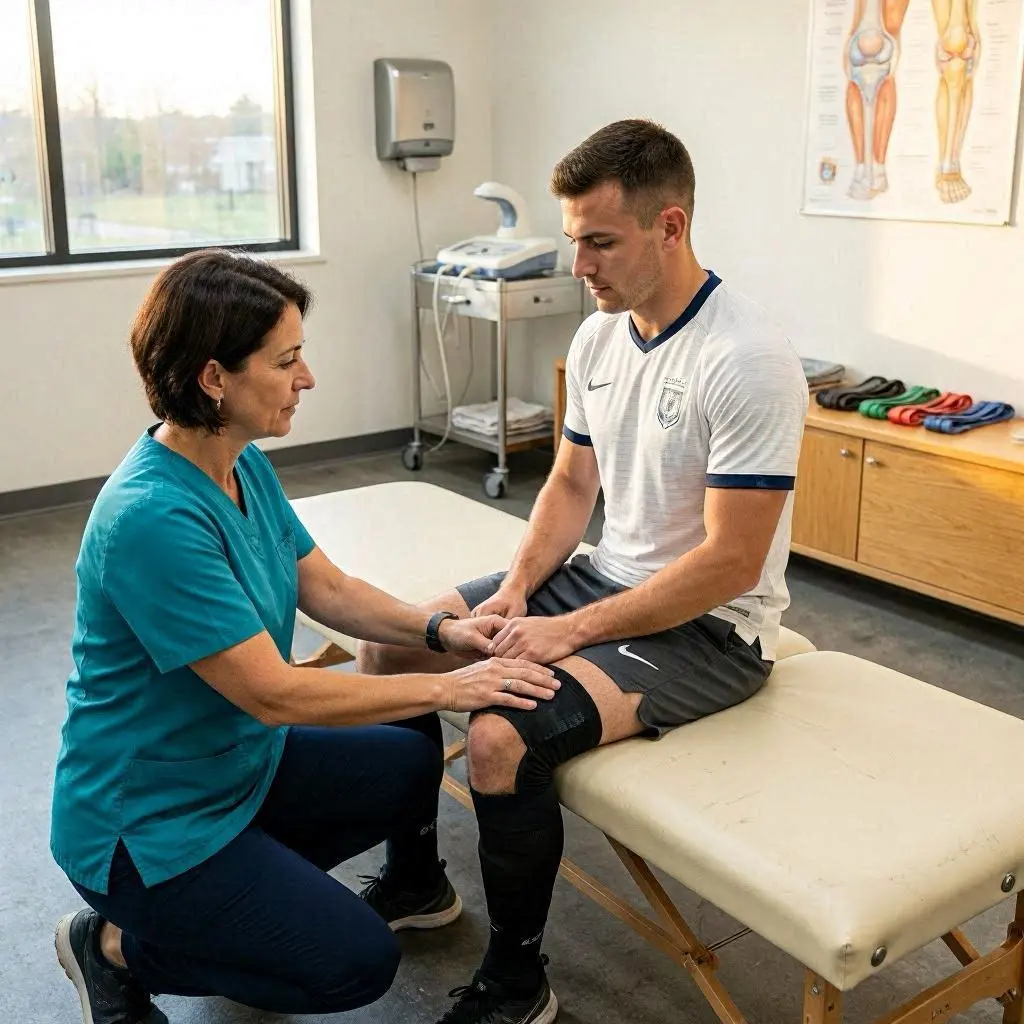
Physiotherapy for sports injury is a specialized branch of physical therapy that focuses on diagnosing, treating, and preventing injuries related to sports and physical activity. A physiotherapist evaluates the injury, movement patterns, muscle strength, flexibility, and overall function before creating a customized treatment plan.
Common treatment methods include:
-
Rehabilitation exercises
-
Manual therapy
-
Stretching programs
-
Strength training
-
Balance and coordination exercises
-
Mobility training
-
Functional movement rehabilitation
-
Injury prevention strategies
The goal is to support complete recovery and help athletes return to activity safely.
Common Sports Injuries Treated with Sports Physiotherapy
Muscle Strains and Soft Tissue Injuries (Physiotherapy for Sports Injuries)
Muscle strains are common in many sports and often occur due to overuse or sudden movements. Rehabilitation helps restore strength and flexibility.
Ligament Sprains and Joint Injuries
Sports involving jumping, running, or quick direction changes can increase the risk of ligament injuries, particularly in the knees and ankles.
Tendon Injuries and Overuse Conditions
Repetitive movements can place stress on tendons, leading to inflammation and discomfort.
Shoulder Injuries in Athletes
Swimming, tennis, baseball, and similar sports often contribute to shoulder pain and instability.
Knee and Ankle Sports Injuries
Lower-limb injuries are common among athletes and may affect performance, balance, and mobility.
Benefits of Physiotherapy for Sports Injuries
Faster Recovery and Return to Sport
A structured rehabilitation program helps athletes recover efficiently and safely return to training or competition.
Pain Relief and Reduced Inflammation
Sports physiotherapy uses targeted techniques to reduce discomfort and support healing.
Improved Mobility and Flexibility
Mobility exercises help restore movement and prevent stiffness following an injury.
Increased Strength and Stability (Physiotherapy for Sports Injuries)
Strengthening programs help support joints and muscles, reducing the likelihood of re-injury.
Sports Injury Prevention and Performance Enhancement
Physiotherapists identify movement deficiencies and create strategies to improve performance while minimizing injury risk.
Sports Injury Rehabilitation Techniques
Manual Therapy for Injury Recovery
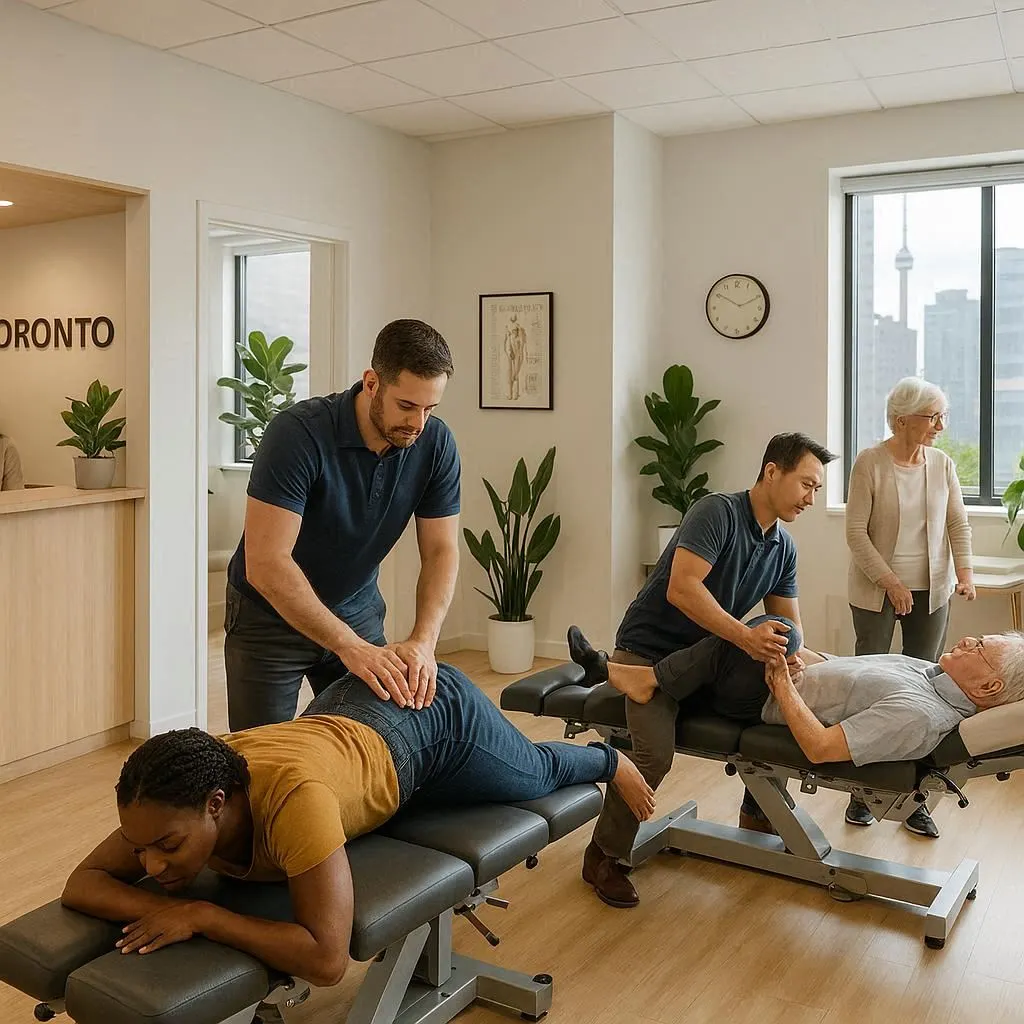
Hands-on treatment techniques help improve movement, reduce tension, and promote healing.
Strength and Conditioning Programs
Customized exercise plans rebuild strength and prepare athletes for a safe return to activity.
Balance and Coordination Training
Balance exercises improve body control and reduce the risk of future injuries.
Functional Movement and Sports-Specific Rehabilitation
Sports-specific exercises help athletes regain the skills and movement patterns required for their sport.
Who Can Benefit from Sports Injury Treatment?
Professional and Amateur Athletes (Physiotherapy for Sports Injuries)
Athletes at all levels can benefit from rehabilitation programs designed to support recovery and performance.
Fitness Enthusiasts and Active Individuals
People who participate in regular exercise can use physiotherapy to recover from injuries and improve movement quality.
Youth Athletes
Young athletes benefit from injury prevention education and safe rehabilitation strategies.
Individuals Recovering from Sports Surgery
Post-surgical rehabilitation is often essential for restoring strength, mobility, and function.
How Physiotherapy Helps Prevent Future Sports Injuries
In addition to recovery, physiotherapy for sports injury focuses on identifying risk factors such as muscle imbalances, poor movement mechanics, and flexibility limitations. Correcting these issues can significantly reduce the likelihood of future injuries.
Regular physiotherapy sessions can also improve strength, coordination, and overall athletic performance.
Conclusion
Physiotherapy for sports injury is an effective solution for pain relief, rehabilitation, and injury prevention. Through personalized treatment plans, mobility training, strength development, and sports-specific rehabilitation, athletes can recover safely and return to activity with confidence.
Whether you are recovering from a muscle strain, ligament injury, tendon problem, or post-surgical condition, professional sports physiotherapy can help you achieve a faster recovery and maintain long-term physical performance.