Physiotherapy Rehabilitation Exercises: A Complete Guide to Strength, Mobility, and Recovery
Recovering from an injury, surgery, chronic pain condition, or movement problem often requires more than rest. The body needs appropriate movement and progressive physical activity to rebuild strength, restore mobility, improve coordination, and return to normal function. Physiotherapy rehabilitation exercises are an important part of this process, helping patients gradually regain physical abilities while working toward their individual recovery goals.
Physiotherapy exercises are not simply a collection of stretches or strengthening movements. A qualified physiotherapist selects exercises according to a person’s condition, symptoms, physical abilities, and functional requirements. The program may include mobility exercises, strengthening movements, balance training, flexibility work, coordination exercises, and functional activities.
When performed consistently and progressed appropriately, rehabilitation exercises can help individuals improve movement and regain confidence in their bodies.
What Are Physiotherapy Rehabilitation Exercises?
Physiotherapy rehabilitation exercises are structured physical activities designed to restore function after an injury, illness, surgery, or period of reduced physical activity.
Depending on the patient’s needs, a rehabilitation program may focus on:
Strength
Flexibility
Joint mobility
Balance
Coordination
Endurance
Posture
Functional movement
Pain management
The exercises are usually introduced gradually. As the patient’s abilities improve, the physiotherapist can increase resistance, repetitions, duration, or complexity.
Why Are Rehabilitation Exercises Important?
After an injury or period of inactivity, muscles may become weaker and joints may become stiff. People may also develop compensatory movement patterns to avoid discomfort.
Without appropriate rehabilitation, these changes can affect everyday activities and physical performance.
Physiotherapy rehabilitation exercises may help:
Restore muscle strength
Improve joint mobility
Increase flexibility
Improve balance
Develop coordination
Restore functional movement
Improve exercise tolerance
Support a gradual return to activity
The specific benefits depend on the individual’s condition and rehabilitation goals.
Common Types of Physiotherapy Rehabilitation Exercises
A complete rehabilitation program can contain several different types of exercises.
Mobility Exercises
Mobility exercises are designed to improve comfortable movement around a joint.
Common areas include:
Neck
Shoulders
Spine
Hips
Knees
Ankles
Mobility exercises may be particularly useful after periods of immobilization or reduced activity.
Strengthening Exercises
Strength training helps rebuild muscles that have become weak because of injury, inactivity, or surgery.
Exercises may use:
Body weight
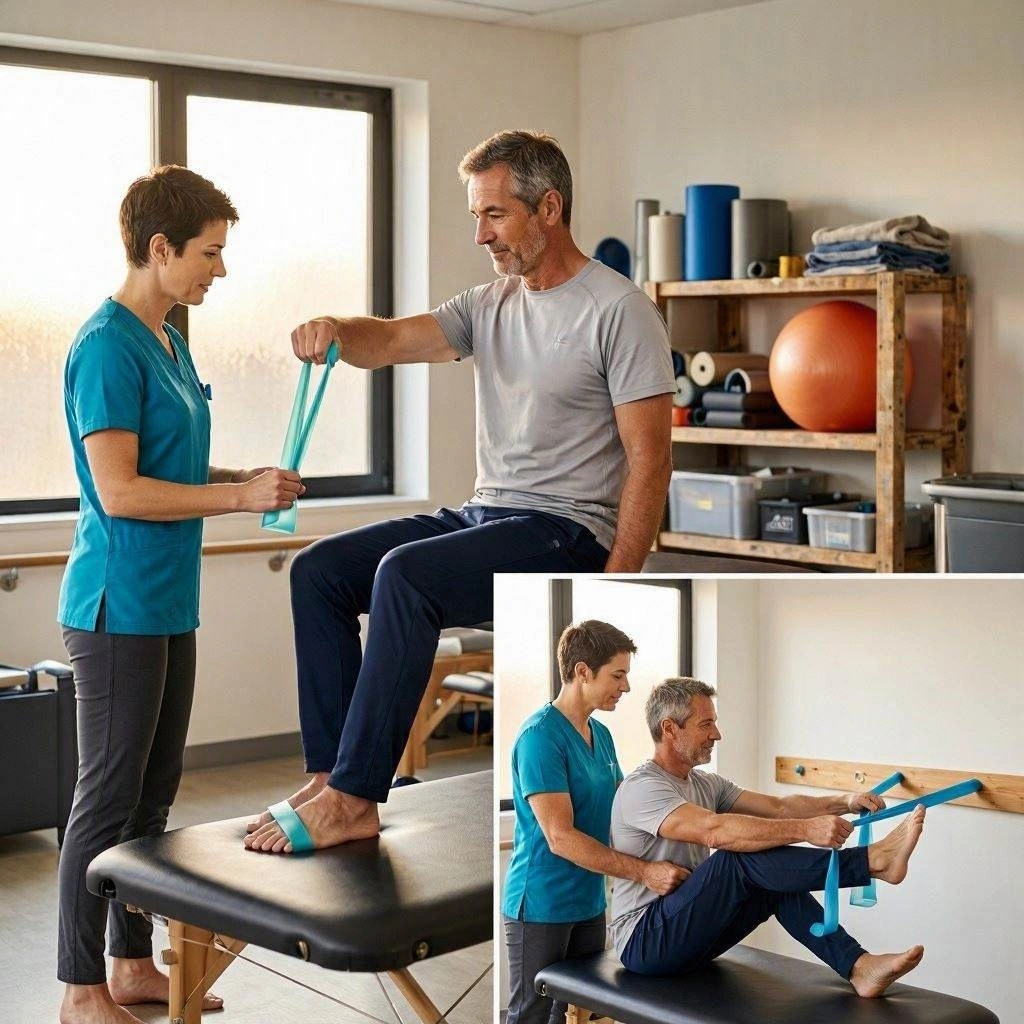
Resistance bands
Free weights
Exercise machines
Therapeutic equipment
Strength should usually be increased gradually to avoid unnecessary stress on recovering tissues.
Flexibility Exercises
Stretching exercises can help maintain or improve flexibility.
Common targets include:
Hamstrings
Calves
Hip flexors
Chest muscles
Shoulders
Back muscles
Stretching should be comfortable and should not cause sharp or severe pain.
Balance Exercises
Balance training is important for individuals recovering from lower-limb injuries, neurological conditions, or periods of inactivity.
Exercises may include:
Single-leg standing
Heel-to-toe walking
Controlled stepping
Weight shifting
Reaching while standing
Balance exercises should be performed in a safe environment.
Coordination Exercises
Coordination exercises help the nervous system and muscles work together more efficiently.
These exercises may be useful for people recovering from neurological problems or injuries that have affected normal movement.
Physiotherapy Exercises for Back Pain
Back pain is one of the most common reasons people seek physiotherapy.
Depending on the cause of symptoms, rehabilitation may include:
Core strengthening
Hip strengthening
Spinal mobility exercises
Postural exercises
Functional movement training
Walking programs
Examples may include controlled pelvic movements, bridges, abdominal stabilization exercises, and gentle mobility work.
The appropriate exercises depend on the individual’s diagnosis and symptoms.
Physiotherapy Exercises for Neck Pain
Neck rehabilitation often focuses on restoring mobility and improving the strength of supporting muscles.
Exercises may include:
Gentle neck range-of-motion movements
Chin tuck exercises
Shoulder blade strengthening
Upper-back mobility
Postural strengthening
People who experience persistent neck pain, weakness, numbness, or radiating symptoms should receive an appropriate professional assessment.
Physiotherapy Exercises for Knee Rehabilitation
Knee rehabilitation often involves strengthening the muscles surrounding the knee and improving lower-limb control.
Exercises may include:
Quadriceps strengthening
Hamstring strengthening
Hip exercises
Controlled squats
Step exercises
Balance training
The progression depends on the specific injury and stage of recovery.
Physiotherapy Exercises for Shoulder Rehabilitation
Shoulder rehabilitation can help restore strength, mobility, and stability.
Exercises may focus on:
Rotator cuff strengthening
Scapular control
Shoulder mobility
Upper-back strength
Functional reaching
After surgery or significant injury, exercises should follow the recommendations of the treating healthcare team.
Physiotherapy Exercises After Surgery
Rehabilitation following surgery varies significantly depending on the procedure.
A program may progress through several stages:
Protecting the healing area
Controlling swelling and discomfort
Restoring basic mobility
Rebuilding strength
Improving balance
Restoring functional movement
Returning to normal activities
The rehabilitation timeline should be determined by the patient’s surgical team and physiotherapist.
Rehabilitation Exercises for Athletes
Athletes often require sport-specific rehabilitation.
A physiotherapist may introduce exercises that develop:
Strength
Explosive power
Agility
Balance
Coordination
Flexibility
Endurance
Later stages may include running, jumping, lifting, throwing, or other sport-specific activities.
The goal is to prepare the athlete for the physical demands of their sport rather than simply eliminating pain.
The Importance of Progressive Exercise (Physiotherapy Rehabilitation Exercises)
One of the most important principles of rehabilitation is progression.
An exercise that is appropriate during the early stages of recovery may eventually become too easy to produce additional improvements.
Progression can involve:
Increasing resistance
Adding repetitions
Increasing duration
Improving movement range
Increasing exercise complexity
Introducing functional movements
Progress should be based on symptoms, movement quality, strength, and functional ability.
Home Rehabilitation Exercises
Physiotherapists often provide home exercises so patients can continue rehabilitation between appointments.
A home program may include:
Daily mobility exercises
Strength exercises several times per week
Stretching
Balance training
Walking
Posture exercises
Following the recommended schedule can help reinforce improvements made during clinical sessions.
However, patients should not add unfamiliar exercises simply because they appear online. Exercises that are appropriate for one condition may aggravate another.
Pain During Rehabilitation
Some exercises may cause mild muscular effort or temporary discomfort, but significant or worsening pain should not be ignored.
Contact a healthcare professional if an exercise causes:
Severe pain
Increasing swelling
New numbness
New weakness
Significant loss of movement
Symptoms that continue to worsen
A physiotherapist can determine whether the exercise needs to be modified or replaced.
Rehabilitation and Functional Movement
The ultimate goal of rehabilitation is usually to improve function.
Functional exercises replicate activities that people need in everyday life.
These may include:
Getting out of a chair
Climbing stairs
Carrying objects
Walking
Reaching
Bending
Lifting
Athletes may eventually perform sport-specific movements as part of their return-to-activity program.
Balance and Fall Prevention
Balance rehabilitation is particularly important for older adults and people recovering from neurological or lower-limb problems.
A balance program may combine:
Leg strengthening
Core exercises
Standing exercises
Walking drills
Coordination activities
Improving strength and balance can support safer movement and greater confidence.
Physiotherapy Rehabilitation for Older Adults (Physiotherapy Rehabilitation Exercises)
Older adults may benefit from rehabilitation exercises that focus on maintaining independence.
Programs can emphasize:
Leg strength
Balance
Mobility
Flexibility
Walking ability
Functional strength
Exercises should be adapted to the individual’s health, fitness level, and physical abilities.
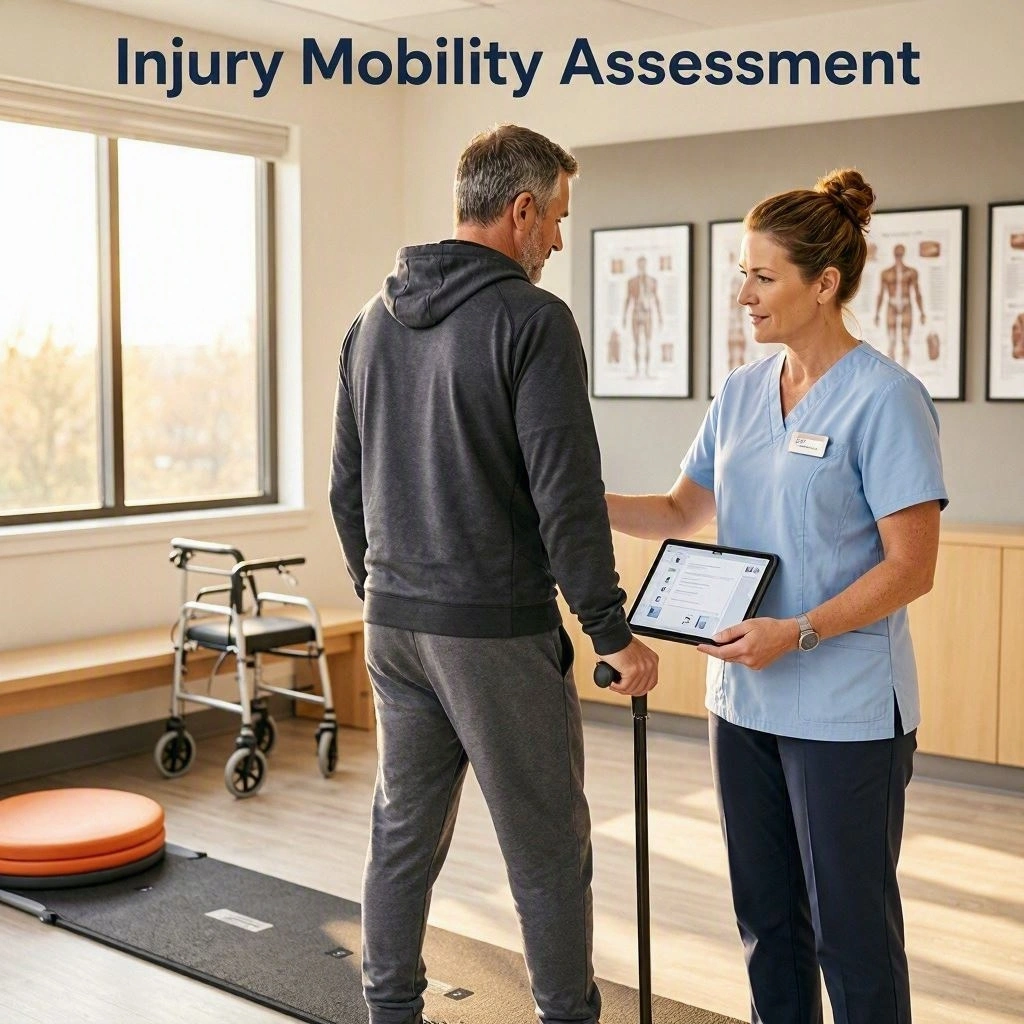
How Physiotherapists Monitor Progress
Rehabilitation should be monitored rather than performed without evaluation.
A physiotherapist may track:
Pain levels
Range of motion
Muscle strength
Walking ability
Balance
Exercise tolerance
Functional performance
Repeated assessments allow the rehabilitation plan to be adjusted when necessary.
Benefits of Consistent Rehabilitation
Consistency is one of the most important factors in rehabilitation.
Regularly completing an appropriate exercise program may help:
Improve strength
Maintain mobility
Build physical confidence
Improve functional capacity
Support recovery
Prepare the body for physical activity
Reduce deconditioning
Results vary depending on the condition, severity of the injury, overall health, and adherence to the rehabilitation program.
Lifestyle Habits That Support Rehabilitation (Physiotherapy Rehabilitation Exercises)
Exercise is only one component of recovery.
Helpful lifestyle habits include:
Getting adequate sleep
Eating a balanced diet
Staying hydrated
Managing stress
Avoiding unnecessary inactivity
Following professional recommendations
Returning to activity gradually
Recovery requires adequate time and resources for the body to adapt.
When Should You See a Physiotherapist?
Professional assessment may be appropriate if you experience:
Persistent pain
Joint stiffness
Reduced mobility
Muscle weakness
Recurrent injuries
Balance problems
Difficulty walking
Problems returning to exercise
Reduced physical performance
A physiotherapist can determine which exercises are appropriate and create a structured rehabilitation program.
Warning Signs That Require Medical Attention
Certain symptoms should receive urgent medical evaluation rather than being managed through exercises alone.
Seek immediate medical attention if you experience:
Sudden weakness
Sudden numbness
Loss of bowel or bladder control
Severe pain after major trauma
Chest pain
Difficulty breathing
Loss of consciousness
Sudden severe neurological symptoms
These signs may indicate a serious medical condition.
Conclusion
Physiotherapy rehabilitation exercises are an essential component of many recovery programs. By combining mobility exercises, strength training, flexibility work, balance exercises, coordination training, and functional movement, physiotherapy can help individuals progressively rebuild physical capacity.
The most effective rehabilitation program is personalized. Exercises should reflect the patient’s condition, abilities, goals, and stage of recovery. Professional guidance also helps ensure that exercises are performed safely and progressed appropriately.
Whether you are recovering from an injury, surgery, sports problem, chronic pain, or reduced mobility, consistent rehabilitation can help you work toward better movement and physical function. Combined with healthy lifestyle habits, adequate recovery, and professional support, physiotherapy exercises can provide a strong foundation for returning to everyday activities and maintaining long-term physical health.