Massage Therapy for Flexibility: How Massage Can Support Range of Motion and Movement
Flexibility is an important component of physical health and movement. The ability of muscles and joints to move comfortably can influence everyday activities, exercise performance, posture, and overall physical function. When muscles feel tight, movement may become uncomfortable or restricted. For this reason, many people look for different strategies to improve flexibility, including stretching, exercise, mobility training, and massage therapy.
Massage Therapy for Flexibility is an approach that uses appropriate massage techniques to address muscular tension and support comfortable movement. Massage does not simply make muscles “longer,” and it should not be viewed as a replacement for stretching or exercise. Instead, it can be used as a complementary technique within a broader flexibility program.
Muscle tightness can develop for many reasons. Prolonged sitting, repetitive activities, exercise, physical work, stress, limited movement, and inadequate recovery can all contribute to a sensation of stiffness. Massage may help some individuals feel more relaxed and comfortable, potentially making movement easier.
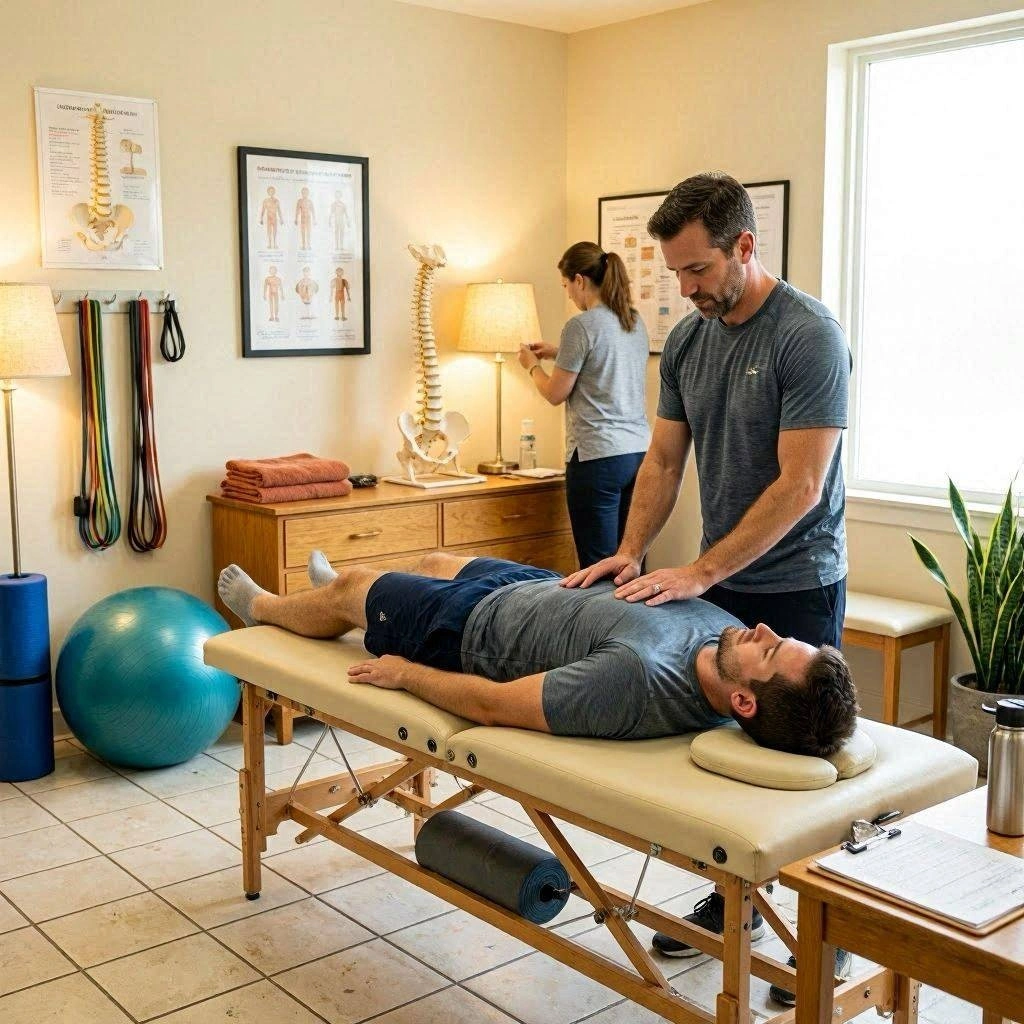
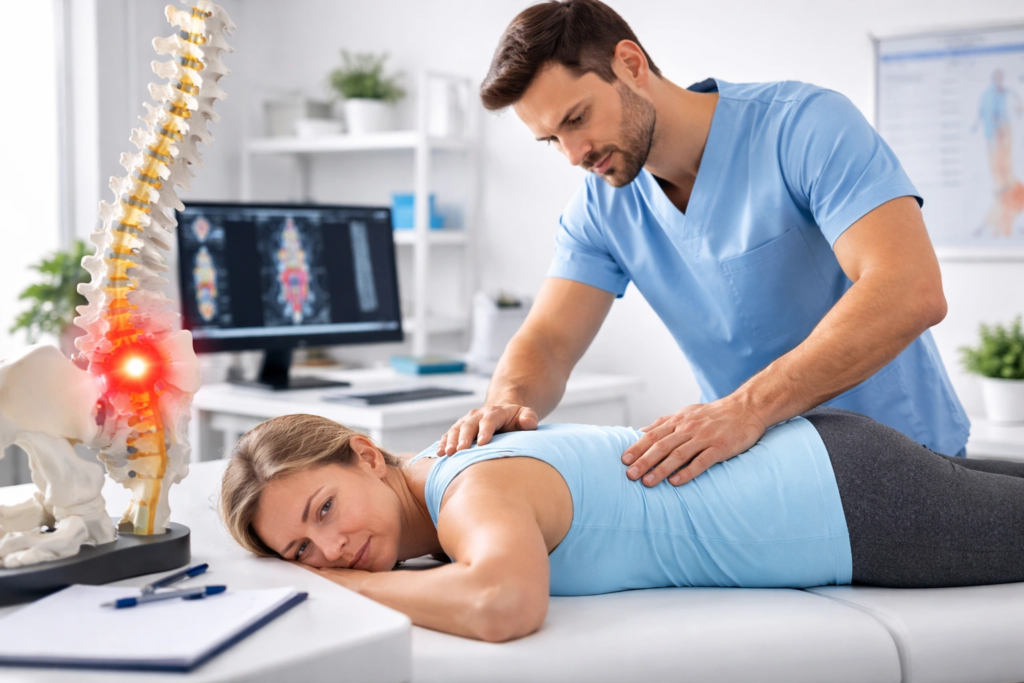
A flexibility-focused massage treatment can target specific areas that feel restricted, such as the hamstrings, calves, hips, shoulders, chest, back, or neck. The therapist can adapt pressure and techniques according to the individual’s goals and tolerance.
Understanding the difference between flexibility and mobility is also important. Flexibility generally refers to the ability of muscles and soft tissues to lengthen, while mobility involves the ability to actively control movement through a range of motion. A complete program should therefore address both.
What Is Flexibility?
Flexibility refers to the ability of muscles and surrounding soft tissues to lengthen and allow movement around a joint.
Different parts of the body naturally have different levels of flexibility.
For example, some people can easily touch their toes while others cannot. This difference can be influenced by:
Muscle length
Joint structure
Age
Physical activity
Training history
Previous injuries
Genetics
Movement habits
Flexibility is not necessarily about being able to perform extreme positions.
Functional flexibility means having enough range of motion to perform the activities you need comfortably and safely.
Flexibility vs. Mobility
mobility and Flexibility are related but different.
Flexibility generally describes the available range of motion influenced by muscles and soft tissues.
Mobility involves the ability to actively control movement around a joint.
For example, a person may have good passive hamstring flexibility but struggle to control a similar range of motion during active movement.
This is why a complete flexibility program may include:
Stretching
Strength training
Mobility exercises
Balance
Coordination
Massage
Recovery
Massage can support the muscular component of this process but should not replace active training.
How Massage Therapy May Support Flexibility (Massage Therapy for Flexibility)
Massage can influence how muscles feel and respond to movement.
When a muscle feels tense, movement may feel restricted even when there is no significant structural limitation.
Massage may help some people feel less muscular tension and more comfortable.
A therapist may use techniques such as:
Gliding strokes
Kneading
Compression
Targeted pressure
Soft-tissue techniques
The goal is not to force flexibility.
Instead, treatment can be used to support comfortable movement.
Massage Therapy for Tight Muscles
Tight muscles are a common concern among people who want to improve flexibility.
Muscle tightness may occur because of:
Long periods of sitting
Repetitive movements
Strength training
Running
Physical labor
Stress
Limited physical activity
Massage may temporarily reduce the sensation of tightness for some individuals.
This can make stretching or movement feel more comfortable.
However, recurring tightness should be considered in the context of the person’s overall activity and lifestyle.
Massage Therapy for Hamstring Flexibility
The hamstrings are located at the back of the thigh and play an important role in walking, running, bending, and athletic movements.
Limited hamstring flexibility can make certain activities feel difficult.
A massage therapist may focus on:
Hamstrings
Glutes
Calves
Lower back
The goal is to address muscular tension that may contribute to discomfort.
Massage can be combined with appropriate hamstring stretching and strengthening exercises.
Massage Therapy for Hip Flexibility
Hip flexibility is important for walking, running, squatting, lunging, and many other movements.
Tension around the:
Hip flexors
Glutes
Quadriceps
Hamstrings
Inner thighs
may contribute to a feeling of restricted movement.
Massage may help some people feel less muscular tension around these areas.
However, hip mobility can also be affected by joint structure and movement control.
If significant limitations persist, professional assessment may be appropriate.
Massage Therapy for Shoulder Flexibility
Shoulder flexibility is important for reaching, lifting, dressing, exercising, and performing many everyday activities.
Muscular tension around the:
Chest
Upper back
Shoulders
Neck
can contribute to a feeling of stiffness.
A massage therapist may use appropriate techniques around these areas.
Shoulder flexibility should also be developed through controlled movement and strengthening exercises.
Massage Therapy for Calf Flexibility
The calf muscles are heavily involved in walking, running, jumping, and balance.
Runners and athletes may frequently experience calf tightness.
Massage can be incorporated into a recovery and flexibility program.
Calf massage may be combined with:
Calf stretching
Ankle mobility exercises
Strength training
Walking
Appropriate recovery
Persistent calf pain should not automatically be treated with massage, particularly if there is swelling, significant injury, or unexplained symptoms.
Massage Therapy for Quadriceps Flexibility (Massage Therapy for Flexibility)
The quadriceps are located at the front of the thigh.
They are involved in:
Walking
Running
Squatting
Jumping
Climbing stairs
Exercise can cause temporary muscle fatigue and tightness.
Massage may help some individuals feel more comfortable after training.
A flexibility program can combine massage with appropriate quadriceps stretching and mobility exercises.
Massage Therapy for Back Flexibility
Back flexibility contributes to many everyday movements.
Prolonged sitting and physical work can contribute to a sensation of back stiffness.
Massage may focus on muscles surrounding the:
Upper back
Lower back
Hips
Shoulders
The goal is to support comfortable movement rather than force the spine into extreme positions.
Persistent or severe back pain should receive appropriate professional evaluation.
Massage Therapy for Neck Flexibility
Neck flexibility is important for turning and positioning the head during everyday activities.
Computer use, prolonged sitting, stress, and mobile device use may contribute to muscular neck tension.
Massage may help some people feel more relaxed around the neck and shoulders.
However, the neck should be treated carefully.
Aggressive pressure or forceful techniques are not necessary for improving flexibility.
If neck symptoms include weakness, significant numbness, dizziness, or other concerning symptoms, seek appropriate medical evaluation.
Deep Tissue Massage and Flexibility
Deep tissue massage uses slower and more focused techniques.
Some people choose it when they experience persistent muscular tension.
However, deep pressure is not automatically better for flexibility.
A massage does not need to be extremely painful to produce useful effects.
The therapist should adjust pressure according to:
Client tolerance
Treatment area
Current symptoms
Treatment goals
Excessive pressure may cause unnecessary soreness.
Swedish Massage and Flexibility
Swedish massage generally uses flowing techniques and can be adapted to different pressure levels.
Although it is commonly associated with relaxation, it can also be incorporated into a flexibility-focused treatment when muscular tension is contributing to discomfort.
The therapist can focus on areas that feel tight while maintaining a comfortable treatment intensity.
Sports Massage for Flexibility
Athletes may use sports massage as part of a broader flexibility and recovery program.
Sports massage can be adapted around training schedules.
An athlete’s plan may include:
Massage
Dynamic warm-ups
Stretching
Strength training
Mobility exercises
Recovery days
The timing of massage can matter.
An intense massage immediately before a demanding athletic event may not be appropriate for everyone.
Massage Therapy for Runners
Running involves repetitive movement through the hips, knees, ankles, and feet.
Runners may experience tightness in the:
Calves
Hamstrings
Quadriceps
Glutes
Hip flexors
Massage may provide temporary relief from the sensation of muscular tightness.
However, flexibility should also be supported through appropriate strength and mobility exercises.
If a runner has recurring pain, training volume and other contributing factors should also be evaluated.
Massage Therapy for Weightlifters
Resistance training can create significant demands on muscles.
Weightlifters may experience tightness around the:
Chest
Shoulders
Upper back
Hips
Hamstrings
Quadriceps
Massage may be used as part of recovery.
However, flexibility improvements should also involve active movement.
Strength training itself can contribute to functional mobility when performed through appropriate ranges of motion.
Massage Therapy and Stretching (Massage Therapy for Flexibility)
Massage and stretching can complement each other.
It may help reduce the sensation of muscular tension, while stretching provides a direct method of working on flexibility.
A flexibility routine might include:
Light warm-up
Mobility movements
Stretching
Strength exercises
Massage when appropriate
Recovery
The order can vary depending on the individual and activity.
Static Stretching and Massage
Static stretching involves holding a muscle in a lengthened position.
It can be useful for developing flexibility when performed appropriately.
Massage may be incorporated into a broader routine.
However, stretching should be comfortable and controlled.
There is no need to force a muscle into painful positions.
Dynamic Mobility and Massage
Dynamic mobility involves controlled movement through available ranges.
Examples include:
Leg swings
Arm circles
Hip rotations
Thoracic rotations
Ankle movements
These exercises can help prepare the body for activity.
Massage can complement active mobility but does not replace it.
Massage Before Stretching
Some people prefer massage before stretching because they feel that it helps them relax.
A gentle massage may make certain areas feel more comfortable before mobility work.
However, there is no need to perform an intense massage immediately before stretching.
The overall routine should prioritize controlled movement and comfort.
Massage After Stretching
Massage can also be incorporated after flexibility training.
A person may use it as part of relaxation and recovery.
However, flexibility gains depend primarily on consistent training rather than one massage session.
Long-term results require regular movement.
Massage Therapy for Office Workers
Office workers may experience muscular tightness because of prolonged sitting.
Common areas include:
Neck
Shoulders
Chest
Upper back
Hips
Massage may help reduce the sensation of tension.
However, sitting less and moving more are important for long-term physical health.
Consider:
Standing breaks
Walking
Stretching
Mobility exercises
Ergonomic adjustments
Massage Therapy for Sedentary Adults
A sedentary lifestyle can reduce opportunities for movement.
People who spend most of the day sitting may feel stiff when they stand or move.
Massage may provide temporary comfort, but regular physical activity is essential.
Even short movement breaks throughout the day can help increase overall activity.
Massage Therapy for Older Adults (Massage Therapy for Flexibility)
Maintaining flexibility can be important as people age.
Older adults may use massage as part of a wellness and physical comfort routine.
Treatment should be adapted to:
Mobility
Skin condition
Physical tolerance
General health
Previous injuries
Flexibility exercises and strength training are also important for maintaining functional movement.
Massage Therapy After Exercise
Exercise can temporarily increase muscle tension and fatigue.
Massage may be used after training as part of a recovery routine.
A post-exercise strategy may include:
Gentle movement
Massage
Stretching
Hydration
Sleep
Adequate nutrition
Recovery is essential for maintaining consistent training.
Can Massage Permanently Improve Flexibility?
Massage may produce temporary changes in how a person feels and moves.
However, long-term flexibility generally requires consistent active work.
Permanent or lasting changes cannot be guaranteed by massage alone.
A comprehensive flexibility program should include:
Regular stretching
Mobility training
Strength exercises
Physical activity
Appropriate recovery
Massage can complement these strategies.
How Often Should You Get Massage for Flexibility?
There is no universal schedule.
Frequency depends on:
Your goals
Exercise routine
Muscle tension
Lifestyle
Recovery needs
Response to treatment
Some people may receive massage occasionally.
Others may schedule regular sessions during periods of intense training.
The important consideration is whether massage contributes meaningfully to your overall goals.
How Long Should a Flexibility Massage Session Last?
Massage sessions commonly range from approximately 30 to 90 minutes.
A targeted session may focus on one or two areas.
A longer session may allow the therapist to address several areas.
The ideal duration depends on the individual’s needs.
Longer treatment is not automatically better.
What Happens During a Flexibility Massage?
A flexibility-focused massage session may involve several stages.
Consultation
The therapist discusses your goals.
Assessment
Areas of tension and movement limitations may be considered.
Massage
Appropriate techniques are applied.
Movement Feedback
You may be asked how the area feels before and after treatment.
Home Recommendations
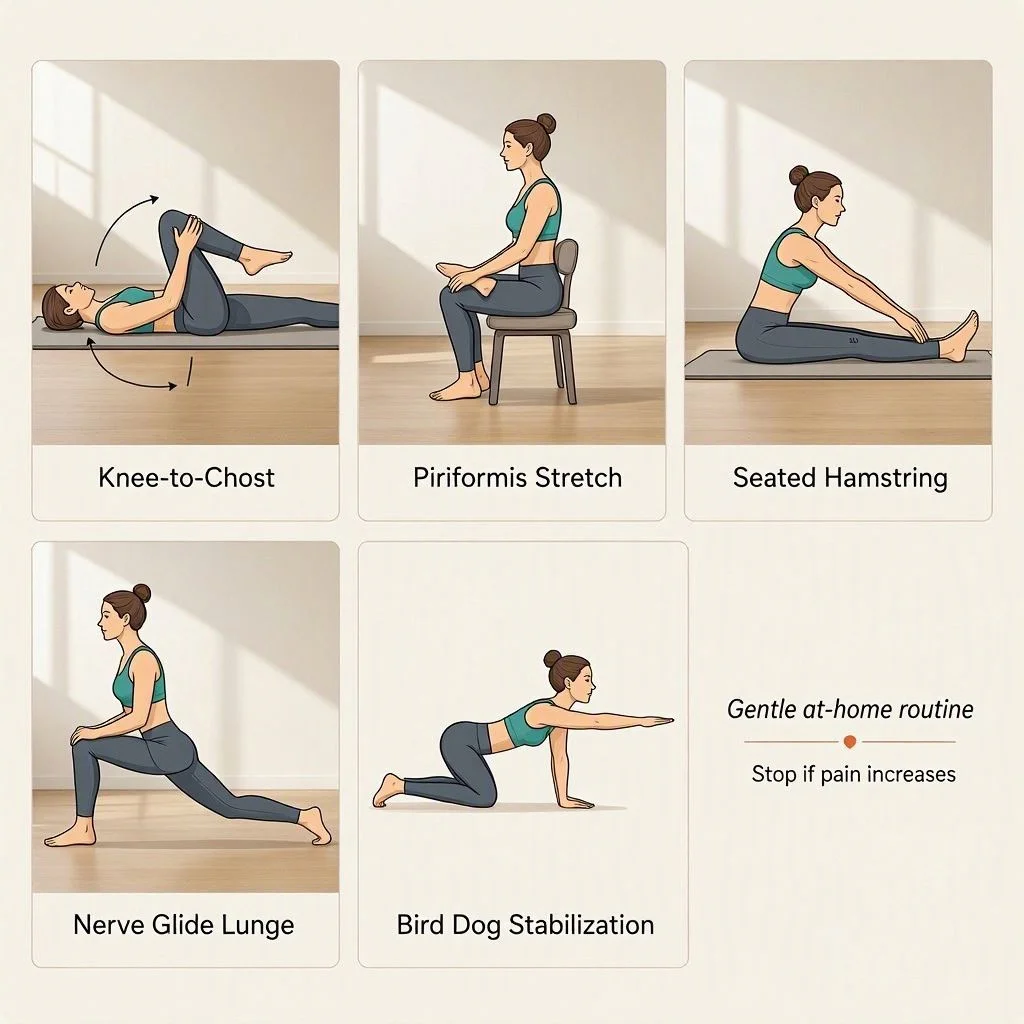
The therapist may suggest appropriate stretching or mobility activities.
Communication During Massage (Massage Therapy for Flexibility)
Communication is essential.
Tell your therapist if:
The pressure is too strong
You experience pain
A position is uncomfortable
You want an area avoided
You need a break
Massage should be adapted to your tolerance.
You should never feel obligated to tolerate excessive pain.
Does Massage Need to Hurt to Improve Flexibility?
No.
Pain is not a requirement for flexibility improvement.
A common misconception is that deeper or more painful massage produces better results.
However, excessive pressure can lead to unnecessary soreness.
A professional therapist should use appropriate pressure and adjust treatment according to your feedback.
Massage Therapy and Strength Training
Strength training plays an important role in functional flexibility.
A muscle needs not only to lengthen but also to produce and control force.
Strength training through an appropriate range of motion can therefore complement flexibility work.
A comprehensive program may combine:
Strength + Mobility + Flexibility + Massage + Recovery
This approach addresses several components of physical function.
Massage Therapy and Injury Prevention
Massage should not be considered a guaranteed method of preventing injuries.
Injury prevention usually involves:
Appropriate training progression
Strength
Mobility
Technique
Recovery
Sleep
Physical conditioning
Massage Therapy During Injury Recovery
Massage following an injury requires appropriate timing.
Immediately after significant trauma, medical evaluation may be more important than massage.
Once an injury has been assessed, massage may potentially be incorporated into rehabilitation when appropriate.
The treatment should be adapted to the injury and recovery stage.
Safety Considerations (Massage Therapy for Flexibility)
Massage is not appropriate for every person or every situation.
Treatment may need to be avoided or modified when someone has:
Certain acute injuries
Significant swelling
Fever
Some skin infections
Recent surgery
Unexplained severe pain
Certain blood-clotting conditions
A qualified therapist should ask appropriate questions before treatment.
When there is uncertainty, seek advice from an appropriate healthcare professional.
When Should You Seek Professional Assessment?
Flexibility limitations should not always be treated with massage.
Consider professional assessment if you experience:
Severe pain
Persistent symptoms
Significant weakness
Numbness
Major swelling
Loss of function
Symptoms following significant trauma
A physiotherapist or medical professional can help identify potential causes and determine an appropriate treatment approach.
How to Improve Flexibility Between Massage Sessions
The most important factor for long-term flexibility is consistency.
Between massage appointments, consider:
Regular Stretching
Perform appropriate stretches consistently.
Mobility Training
Use controlled movements through available ranges.
Strength Training
Build strength throughout functional ranges.
Daily Movement
Avoid remaining in one position for excessively long periods.
Recovery
Prioritize adequate sleep and rest.
Massage can then complement these habits.
Common Mistakes When Using Massage for Flexibility
Expecting One Session to Solve the Problem
Flexibility develops over time.
Using Excessive Pressure
Pain does not equal effectiveness.
Ignoring Strength
Mobility requires control as well as flexibility.
Avoiding Active Movement
Massage should not replace exercise.
Stretching Through Pain
Flexibility work should be controlled and appropriate.
Ignoring Persistent Symptoms
Recurring or severe symptoms may require professional evaluation.
Frequently Asked Questions
What is Massage Therapy for Flexibility?
Massage Therapy for Flexibility uses appropriate massage techniques to address muscular tension and support comfortable movement as part of a broader flexibility program.
Can massage improve flexibility?
Massage may temporarily improve how some people feel and move, particularly when muscular tension contributes to restricted movement. Long-term flexibility generally requires consistent active training.
Is massage better than stretching?
Massage and stretching have different roles. Massage may help with muscular comfort, while stretching directly trains flexibility.
Can massage loosen tight muscles?
Massage may help some people feel less muscular tension and more relaxed.
What is the best massage for flexibility?
There is no single best technique for everyone. Swedish, therapeutic, sports, or deeper techniques may be appropriate depending on the individual’s goals and tolerance.
Can deep tissue massage improve flexibility?
Deep tissue massage may help some people who experience muscular tension, but deeper pressure is not automatically better for flexibility.
Can massage help hamstring flexibility?
Massage may help reduce the sensation of hamstring tightness for some individuals. Stretching, mobility exercises, and strengthening are also important.
Can massage improve hip flexibility?
Massage may support comfortable movement around the hips when muscular tension contributes to stiffness. Joint structure and movement control also influence hip mobility.
How often should I get massage for flexibility?
There is no universal schedule. Frequency depends on your goals, lifestyle, physical activity, and response to treatment.
Can massage replace stretching?
No. Massage can complement stretching but should not replace an active flexibility program.
Should massage hurt?
No. Massage does not need to be painful to be useful. Excessive pressure should be communicated to the therapist.
Final Thoughts
Massage Therapy for Flexibility can be a useful addition to a comprehensive approach to physical movement. By addressing muscular tension and promoting a feeling of relaxation, massage may help some people move more comfortably and participate more effectively in stretching, mobility, and exercise.
However, massage should not be viewed as a standalone solution for flexibility. Long-term flexibility depends on many factors, including regular stretching, mobility exercises, strength, physical activity, recovery, and individual anatomy.
The type of massage should also match the individual’s goals. A gentle Swedish massage may be appropriate for relaxation, while targeted therapeutic techniques may be useful for specific areas of muscular tension. Deep tissue massage can be appropriate for some people, but it should not be assumed that more pressure produces better flexibility.
Another important consideration is the difference between flexibility and mobility. Having a larger passive range of motion does not necessarily mean that a person can actively control that movement. Strength training and active mobility exercises are therefore important components of a complete movement program.
Consistency is also essential. One massage session may make an area feel more comfortable, but lasting improvements in flexibility generally require regular active practice. A person who wants to improve flexibility should develop sustainable habits rather than depending entirely on occasional treatments.
Safety should always be considered. Severe pain, significant swelling, neurological symptoms, major injuries, or unexplained restrictions in movement may require professional evaluation before massage is appropriate.
Ultimately, Massage Therapy for Flexibility works best as part of a broader physical wellness strategy. When combined with stretching, mobility training, strength exercises, regular movement, and appropriate recovery, massage can provide a valuable complementary approach for people who want to maintain comfortable movement and support their flexibility goals.