Physiotherapy Exercise Program: Complete Guide to Personalized Rehabilitation
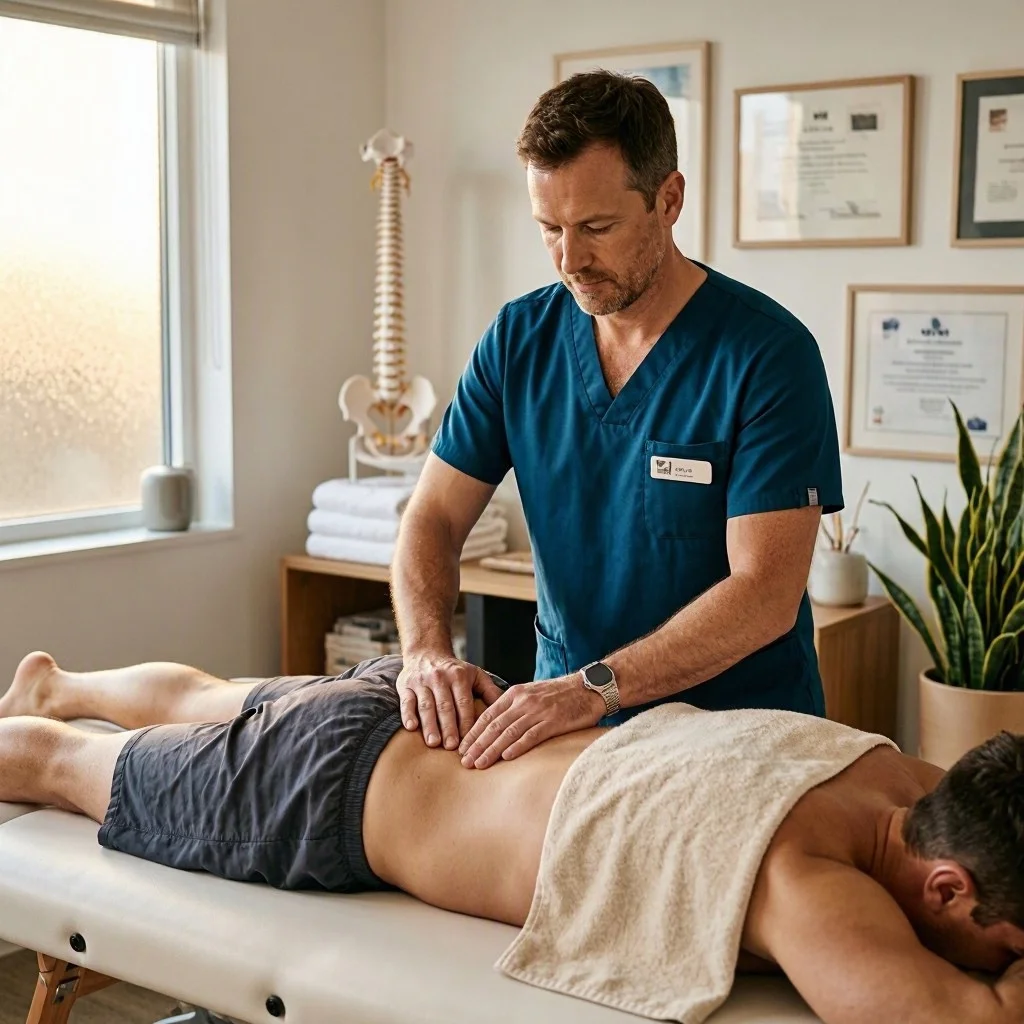
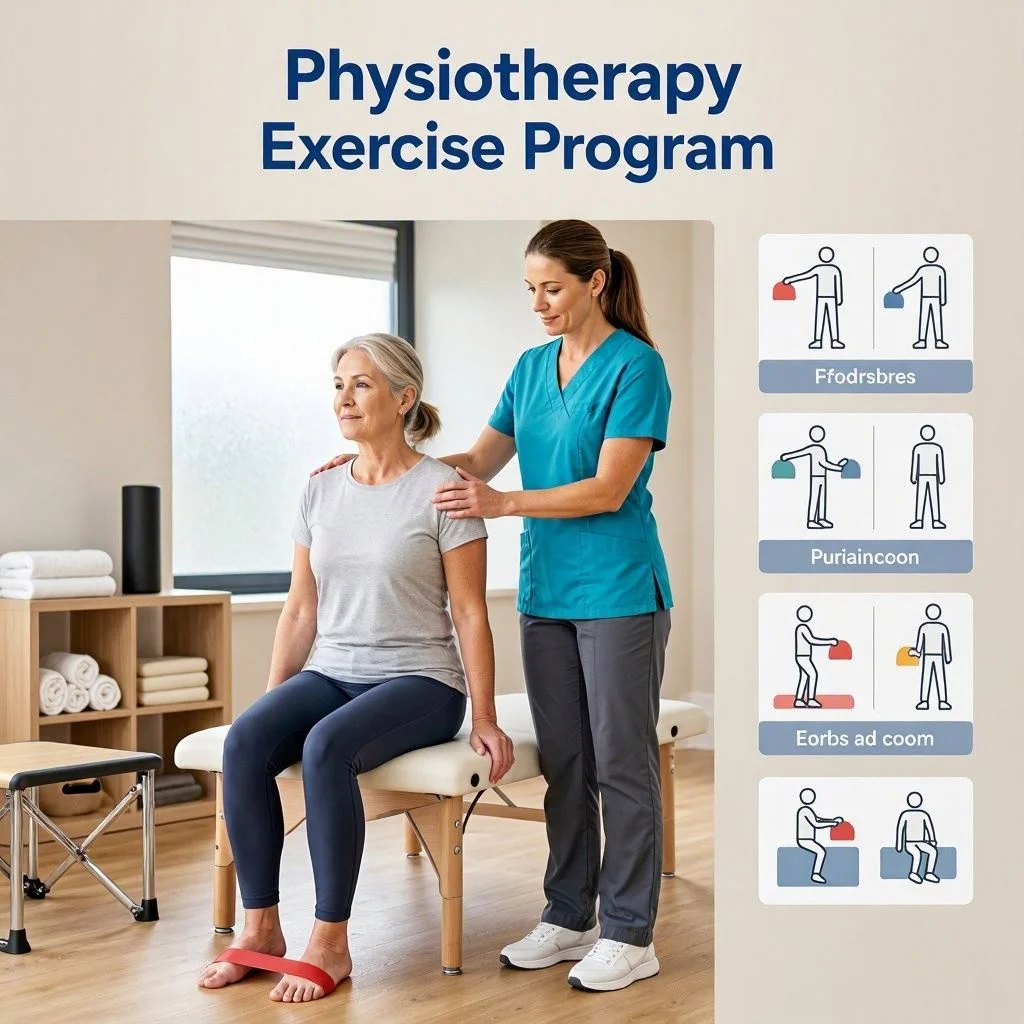
A physiotherapy exercise program is a structured rehabilitation plan designed to improve movement, strength, flexibility, balance, endurance, and physical function. Unlike a general workout routine, a physiotherapy program is usually developed around a person’s symptoms, physical limitations, medical history, daily activities, and recovery goals.
Exercise is one of the most important tools used in physiotherapy. Depending on the condition, a program may include mobility exercises, stretching, strengthening, balance training, cardiovascular activity, functional movements, and progressive exercises that prepare the body to return to work, sports, or everyday activities.
Physiotherapy is used for a wide range of problems involving muscles, joints, bones, movement, and physical function. The NHS notes that physiotherapy may use exercises to improve joint movement and strengthen muscles, while home exercises are often provided between appointments to support recovery.
However, there is no single exercise program that is appropriate for everyone. The same exercise that helps one person may be unsuitable for another person depending on the injury, stage of recovery, strength level, or medical condition.
For this reason, a personalized physiotherapy exercise program begins with assessment and progresses according to the individual’s response to treatment.
What Is a Physiotherapy Exercise Program?
A physiotherapy exercise program is a series of carefully selected exercises prescribed to address specific physical problems or rehabilitation goals.
Instead of focusing only on general fitness, the program usually targets a particular need.
For example, someone recovering from a knee injury may need exercises that improve leg strength and balance. Someone with shoulder stiffness may need mobility exercises followed by progressive strengthening. A person recovering from surgery may require a gradual program that respects surgical precautions while restoring movement and function.
A physiotherapist may assess:
- Joint range of motion
- Muscle strength
- Balance
- Coordination
- Flexibility
- Movement patterns
- Functional limitations
- Pain and symptom behavior
- Physical activity levels
- Work or sports requirements
The results of this assessment help determine which exercises are appropriate.
APTA emphasizes that physical therapists use information gathered through examination and evaluation to select interventions according to the individual’s presentation rather than applying the same treatment to every patient.
This individualized approach is one of the major differences between physiotherapy rehabilitation and a general exercise routine.
Why Is Exercise Important in Physiotherapy?
Movement can play an important role in restoring physical function.
When pain or injury causes someone to reduce activity, several changes can occur. Muscles may become weaker, joints may become stiffer, balance can decrease, and everyday movements may become more difficult.
A suitable exercise program can gradually address these problems.
Improving Muscle Strength
Weakness can develop after injury, surgery, prolonged inactivity, or certain medical conditions.
Strengthening exercises create a controlled physical challenge that can help rebuild capacity.
Depending on the condition, strengthening may involve:
- Bodyweight exercises
- Resistance bands
- Free weights
- Machines
- Isometric exercises
- Functional movements
The level of resistance should match the person’s current abilities and rehabilitation stage.
Improving Joint Mobility
Some injuries and conditions can reduce joint movement.
Mobility exercises can help a person gradually regain comfortable movement when appropriate.
For example, a shoulder rehabilitation program may include controlled range-of-motion exercises before progressing to more demanding strengthening activities.
Improving Balance
Balance exercises can help improve body control and stability.
They may be particularly relevant after lower-limb injuries, periods of inactivity, neurological conditions, or falls.
Exercises may begin with simple supported positions and gradually become more challenging.
Improving Endurance
Some people become less active because of pain or injury.
A rehabilitation program may gradually introduce walking, cycling, swimming, or other appropriate cardiovascular activities.
The intensity and duration should be adjusted according to the person’s health and rehabilitation goals.
Improving Confidence With Movement
Pain or previous injury can make people nervous about certain movements.
A gradual exercise program can provide an opportunity to rebuild physical confidence.
Instead of immediately returning to demanding activity, rehabilitation can progress through manageable stages.
Who May Benefit From a Physiotherapy Exercise Program?
Physiotherapy exercise programs can be used across many areas of rehabilitation.
They may be appropriate for people recovering from:
- Back pain
- Neck pain
- Shoulder problems
- Knee pain
- Hip pain
- Sports injuries
- Muscle strains
- Ligament injuries
- Joint stiffness
- Sprains
- Post-surgical conditions
- Workplace injuries
- Reduced physical function
- Balance problems
Physiotherapy can also be used for certain neurological, cardiovascular, respiratory, and other health conditions. The specific exercise prescription depends on the individual’s diagnosis, medical status, and goals.
For musculoskeletal rehabilitation, exercise is commonly used to improve strength, movement, and physical function.
How Is a Physiotherapy Exercise Program Created?
A personalized program usually starts with an assessment.
Step 1: Understanding Your Symptoms
The physiotherapist may ask when the problem started, what activities make it better or worse, and how it affects your daily life.
Questions may include:
- When did the pain begin?
- Was there an injury?
- What movements are difficult?
- What activities can you no longer perform?
- Does the problem affect sleep?
- Does it interfere with work?
- What physical activities do you want to return to?
This information provides important context.
Step 2: Physical Assessment
The physiotherapist may examine movement, strength, balance, flexibility, and functional performance.
For example, someone with knee pain may be asked to walk, squat, step, or perform specific movements.
The goal is not simply to identify where pain exists. The assessment also considers how the body functions.
Step 3: Establishing Goals
A useful exercise program should have meaningful goals.
Goals may include:
- Walking without significant difficulty
- Returning to work
- Climbing stairs
- Lifting objects
- Returning to the gym
- Running again
- Improving balance
- Increasing strength
- Completing daily activities more comfortably
APTA guidance on clinical documentation emphasizes collaborative goals connected to meaningful movement and function.
Step 4: Selecting Exercises
Exercises are then selected according to the assessment.
The initial program may be relatively simple.
As the patient adapts, the exercises can be progressed.
Step 5: Monitoring Progress
A program should not remain unchanged indefinitely.
The physiotherapist can evaluate changes in:
- Pain
- Strength
- Mobility
- Balance
- Endurance
- Functional ability
- Exercise tolerance
The program can then be modified.
Common Types of Exercises in Physiotherapy
A physiotherapy exercise program can include many different types of movement.
Range-of-Motion Exercises
Range-of-motion exercises are designed to help maintain or improve joint movement.
Examples can include:
- Shoulder circles
- Knee bends
- Ankle movements
- Neck rotations
- Hip mobility exercises
The exact movement and intensity should depend on the condition.
Stretching Exercises
Stretching may be included when flexibility is limited or when improving mobility is part of the rehabilitation goal.
Common examples include:
- Hamstring stretches
- Calf stretches
- Hip flexor stretches
- Quadriceps stretches
- Chest stretches
Stretching should generally be controlled rather than forced.
Strengthening Exercises
Strengthening is central to many rehabilitation programs.
Common exercises may include:
- Bridges
- Sit-to-stand
- Squats
- Step-ups
- Heel raises
- Resistance-band exercises
- Wall exercises
- Core strengthening
The correct exercise depends on the person’s condition.
Balance Exercises
Balance training may involve:
- Single-leg standing
- Tandem stance
- Controlled weight shifting
- Step exercises
- Reaching while standing
These exercises can be modified by changing the support surface, movement, or level of assistance.
Functional Exercises
Functional exercises reproduce movements that are important in everyday life.
Examples include:
- Getting out of a chair
- Climbing stairs
- Lifting
- Carrying
- Reaching
- Walking
- Bending
- Squatting
Functional rehabilitation is particularly useful when the patient’s goal is to return to specific activities rather than simply improve isolated muscle strength.
Physiotherapy Exercise Program for Back Pain
Back pain is one of the common reasons people seek physiotherapy.
A program may include a combination of mobility, strengthening, and functional exercises.
Depending on the individual’s condition, exercises may target:
- Core muscles
- Hip muscles
- Back mobility
- Thoracic movement
- Lower-limb strength
- General physical conditioning
Possible exercises include pelvic tilts, bridges, controlled trunk movements, sit-to-stand exercises, and progressive walking.
However, exercises should not be selected simply because they are commonly associated with back pain.
The appropriate program depends on the person’s symptoms and physical assessment.
A physiotherapist can determine which movements are appropriate and how they should be progressed.
Physiotherapy Exercise Program for Neck Pain
Neck rehabilitation may focus on restoring mobility, improving strength, and addressing movement limitations.
Exercises may include:
- Gentle neck range-of-motion movements
- Chin-tuck exercises
- Upper-back strengthening
- Shoulder blade control
- Postural movement exercises
- General upper-body strengthening
A program should be adjusted according to symptoms.
Neck pain accompanied by significant neurological symptoms, major trauma, severe headache, dizziness, or other concerning symptoms may require medical evaluation rather than simply beginning an exercise routine.
Physiotherapy Exercise Program for Shoulder Problems
Shoulder rehabilitation often requires a gradual progression.
Depending on the condition, the program may begin with mobility exercises and then introduce strengthening.
Exercises may target:
- Rotator cuff muscles
- Shoulder blade muscles
- Upper back
- Shoulder mobility
- Functional reaching
A person recovering from a shoulder injury may initially tolerate only gentle movement.
Later, resistance can be increased as strength and movement improve.
The progression should reflect the specific diagnosis and rehabilitation stage.
Physiotherapy Exercise Program for Knee Pain
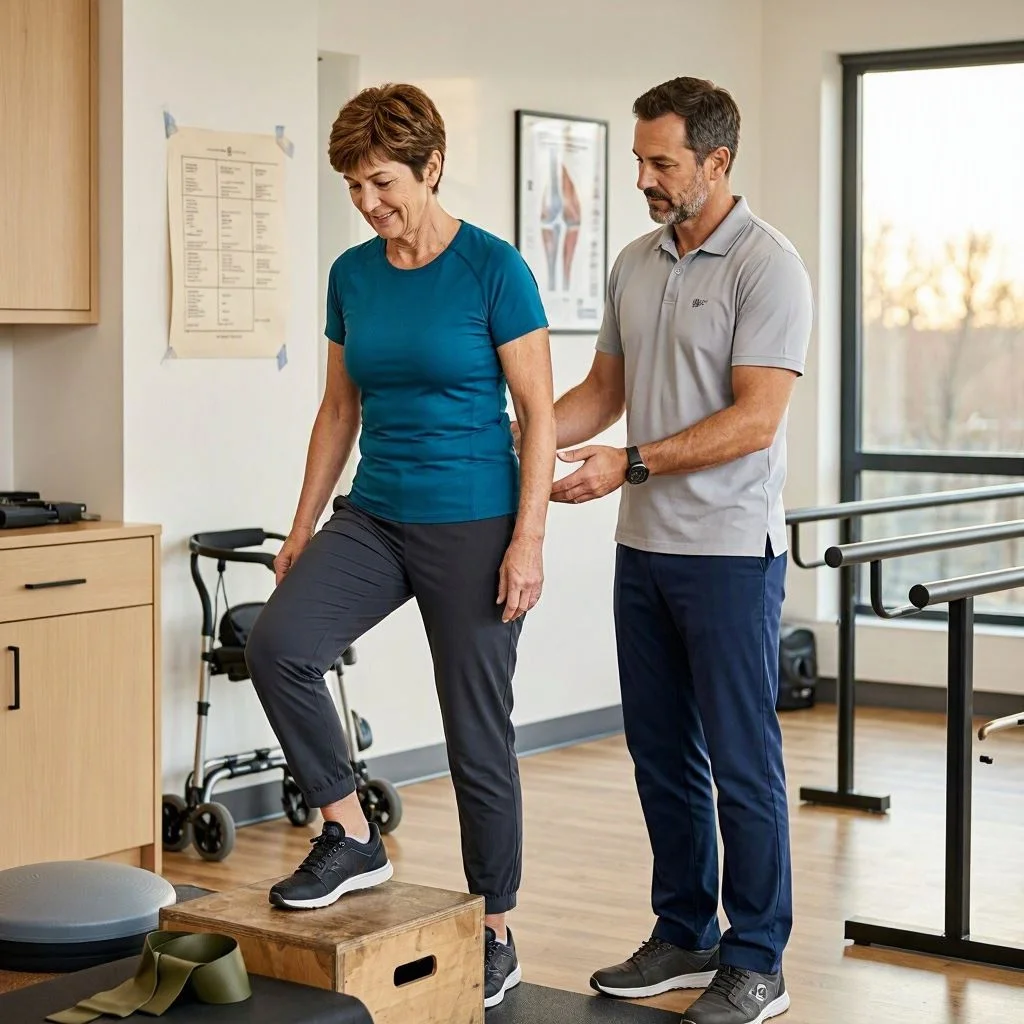
Knee rehabilitation commonly includes exercises designed to improve lower-limb strength and function.
Potential exercises include:
- Quadriceps strengthening
- Hamstring strengthening
- Glute strengthening
- Sit-to-stand
- Step-ups
- Squats
- Heel raises
- Balance exercises
The program may begin with supported or low-load exercises.
Later, the patient may progress to more demanding movements.
For athletes, rehabilitation can eventually include running, jumping, changing direction, and sport-specific drills when appropriate.
Physiotherapy Exercise Program After an Injury
Injury rehabilitation usually needs to progress through stages.
Early Stage
The initial priority may be controlling symptoms and maintaining appropriate movement.
Exercises may be gentle and relatively low-load.
Middle Stage
As symptoms and function improve, the program can become more demanding.
Strengthening, balance, mobility, and endurance may become more prominent.
Advanced Stage
The final stage may focus on the demands of work, sport, or daily activities.
For an athlete, this could involve:
- Running
- Jumping
- Landing
- Direction changes
- Sport-specific movements
For a worker, it could involve lifting, carrying, prolonged standing, or other job-specific tasks.
This staged approach helps avoid making a sudden jump from inactivity to high-demand activity.
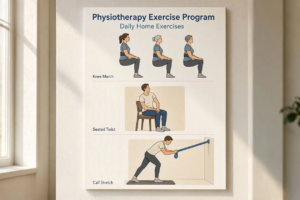
Home Physiotherapy Exercise Program
Home exercises are often an important part of physiotherapy.
After an appointment, patients may receive exercises to complete independently.
The NHS explains that patients may be given exercises to perform at home between physiotherapy sessions and that regular completion can support recovery.
A home program can help maintain the progress made during supervised sessions.
It can also help patients become more independent.
However, home exercises should be appropriate for the person’s condition.
South Tees Hospitals NHS Foundation Trust notes that home exercise plans are typically provided after assessment and are tailored to the individual’s condition, activities, hobbies, and general health.
This is why copying a random online exercise routine may not provide the same benefit as an individualized program.
How Often Should You Do a Physiotherapy Exercise Program?
There is no universal frequency.
Some exercises may be prescribed daily, while strengthening programs may be performed several times per week.
The frequency depends on:
- The exercise type
- Injury stage
- Recovery goals
- Current strength
- Symptom response
- Medical condition
- Overall physical activity
For example, gentle mobility exercises may be appropriate more frequently than demanding strengthening exercises.
Your physiotherapist can determine the appropriate schedule.
The important point is to follow the program consistently rather than assuming that doing more exercise will always produce faster results.
How Does Exercise Progress in Physiotherapy?
Progression is an important part of rehabilitation.
If an exercise becomes easy and the patient is ready for more challenge, the physiotherapist may change:
- Resistance
- Repetitions
- Sets
- Movement speed
- Range of motion
- Exercise complexity
- Balance demands
- Functional demands
For example, rehabilitation might progress from:
Sit-to-stand → weighted sit-to-stand → squat → loaded squat → sport-specific movement
The progression should be gradual.
Increasing difficulty too quickly may aggravate symptoms or exceed the person’s current capacity.
What If Exercise Causes Pain?
Some people worry that any discomfort during exercise means they are damaging themselves.
However, pain and exercise are not always directly connected in a simple way.
In persistent pain rehabilitation, movement can sometimes be introduced gradually even when some symptoms remain. Cambridge University Hospitals notes that there is no single exercise approach for everyone with chronic pain and that exercises should be selected and adapted according to the person’s experience and feedback.
That does not mean that severe or rapidly worsening pain should be ignored.
If an exercise produces significant or unusual symptoms, the activity should be stopped or modified and discussed with a qualified healthcare professional.
New neurological symptoms, significant weakness, chest pain, fainting, severe shortness of breath, or other concerning symptoms require appropriate medical evaluation.
Why Consistency Matters
A physiotherapy exercise program is most useful when it becomes part of a person’s routine.
Patients may sometimes expect rapid changes after one or two appointments.
However, physical adaptation usually takes time.
Regular exercise can help the body gradually develop:
- Strength
- Mobility
- Coordination
- Endurance
- Balance
- Movement confidence
Consistency does not mean doing the same exercise forever.
Instead, the program should evolve as the person’s capacity improves.
Common Mistakes During Physiotherapy Exercise
Doing Too Much Too Soon
One of the most common mistakes is increasing activity too quickly.
Someone may feel better and immediately return to their previous exercise level.
This can sometimes cause a flare-up.
A gradual progression is usually more manageable.
Ignoring Technique
Performing an exercise with poor technique can make it less useful and may increase unnecessary strain.
Quality of movement is often more important than simply completing a large number of repetitions.
Changing the Program Too Often
Online exercise programs can be tempting.
However, constantly switching exercises can make it difficult to understand what is helping.
A structured program allows progress to be monitored more clearly.
Stopping When Symptoms Improve
Feeling better does not always mean that physical capacity has fully recovered.
For example, pain may decrease before strength or endurance returns.
Stopping rehabilitation too early can make it difficult to return to demanding activities.
Comparing Your Recovery With Someone Else
Recovery timelines differ.
Two people with similar diagnoses can have very different rehabilitation needs.
Your program should be based on your condition and goals rather than someone else’s routine.
Physiotherapy Exercise Program and Return to Sport
Athletes often need more than pain reduction before returning to sport.
They may need to regain:
- Strength
- Power
- Balance
- Agility
- Coordination
- Endurance
- Sport-specific movement skills
For example, a soccer player recovering from a lower-limb injury may eventually need running, acceleration, deceleration, jumping, landing, and change-of-direction exercises.
The final stage of rehabilitation should reflect the actual demands of the sport.
APTA maintains clinical practice guidelines covering exercise-based injury prevention and rehabilitation topics, demonstrating the role of structured, evidence-informed exercise in physical therapy practice.
Physiotherapy Exercise Program at Ritz Clinic
At Ritz Clinic’s physiotherapy service, physiotherapy can be used to address movement limitations, pain, weakness, and functional problems through an individualized rehabilitation approach.
A physiotherapy exercise program may be developed around the patient’s symptoms, physical assessment, lifestyle, and goals.
Depending on the situation, rehabilitation may include mobility exercises, strengthening, balance training, functional movement, and progressive activity.
For people recovering from an injury, Ritz Clinic’s injury rehabilitation service can be part of a structured approach to restoring physical function and gradually returning to normal activities.
Exercise may also be combined with other appropriate physiotherapy techniques when clinically indicated. The exact treatment plan should be determined after an assessment rather than using the same routine for every patient.
How to Make a Physiotherapy Exercise Program More Effective
A successful rehabilitation program is not necessarily the one with the largest number of exercises.
Instead, it should be practical and relevant.
Set Specific Goals
Know what you want to achieve.
For example:
- Walk for 30 minutes
- Climb stairs comfortably
- Return to work
- Lift a certain object
- Return to running
Specific goals make progress easier to track.
Follow the Recommended Schedule
Perform exercises according to the instructions provided by your physiotherapist.
Consistency is important.
Record Your Progress
You can track:
- Repetitions
- Resistance
- Walking time
- Pain response
- Exercise tolerance
- Functional improvements
This information can help your physiotherapist understand how the program is working.
Communicate During Follow-Up Visits
Tell your physiotherapist what feels easier, what remains difficult, and which exercises cause problems.
Feedback allows the program to evolve.
Combine Exercise With Appropriate Daily Activity
A physiotherapy program should complement everyday movement.
Walking, household activities, work tasks, and other appropriate activities can all contribute to physical recovery.
When Should You See a Physiotherapist?
Consider physiotherapy if pain, weakness, stiffness, or reduced mobility is affecting your normal activities.
Examples include:
- Difficulty walking
- Difficulty climbing stairs
- Pain during exercise
- Reduced shoulder movement
- Persistent back pain
- Knee weakness
- Recovery after surgery
- Sports injury
- Repeated muscle or joint problems
- Difficulty returning to normal activity
A physiotherapist can assess your movement and determine whether a structured exercise program is appropriate.
You should not rely on a standard online program when your symptoms are unexplained, severe, worsening, or associated with concerning signs.
When Should You Stop Exercising and Seek Medical Advice?
Exercise is not appropriate for every situation.
Seek medical advice when symptoms are severe, rapidly worsening, or associated with significant trauma or neurological changes.
Urgent assessment may be appropriate for symptoms such as:
- New or worsening weakness
- Significant loss of sensation
- Loss of bladder or bowel control
- Severe chest pain
- Fainting
- Severe difficulty breathing
- Major injury or deformity
- Inability to bear weight after significant injury
A physiotherapy exercise program should complement appropriate medical assessment rather than replace it when a serious condition may be present.
Final Thoughts
A physiotherapy exercise program is a structured way to improve movement, strength, mobility, balance, endurance, and physical function.
The most effective program is not necessarily the most complicated one. Instead, it should match the individual’s condition, current abilities, lifestyle, and goals.
A typical rehabilitation program may begin with simple movements and gradually progress toward more challenging exercises. Depending on the problem, treatment may include mobility work, stretching, strengthening, balance training, functional exercises, cardiovascular conditioning, and sport-specific rehabilitation.
Home exercises can also play an important role. However, exercises should ideally be selected after an appropriate assessment rather than copied from a generic routine.
Progress should be monitored over time, and the program should be adjusted as physical capacity changes.
If pain or injury is affecting your ability to move, exercise, work, or participate in everyday activities, a physiotherapy assessment can help determine whether a personalized exercise program may be appropriate for you.
Frequently Asked Questions About Physiotherapy Exercise Programs
What is a physiotherapy exercise program?
A physiotherapy exercise program is a personalized set of exercises designed to address specific movement, strength, mobility, balance, endurance, or functional problems.
Can I create my own physiotherapy exercise program?
It is better to have a qualified physiotherapist assess your condition before starting a rehabilitation program, particularly if you have an injury, persistent pain, recent surgery, or another medical condition.
How often should I do physiotherapy exercises?
The frequency depends on the exercises and your individual condition. Some exercises may be performed daily, while others may be prescribed several times per week.
Are physiotherapy exercises only for injured people?
No. Physiotherapy exercises can also be used for chronic conditions, movement limitations, post-surgical rehabilitation, neurological problems, balance issues, and other physical-function goals.
Can physiotherapy exercises reduce pain?
Exercise can be part of pain management for many musculoskeletal conditions. However, results vary depending on the cause and nature of the pain.
Can I do my physiotherapy exercises at home?
Yes. Home exercise programs are commonly used as part of physiotherapy. Your physiotherapist can provide appropriate exercises and instructions based on your assessment.
How long does a physiotherapy exercise program take?
There is no fixed duration. The length depends on the condition, goals, progress, and response to treatment.
Should I exercise if I have pain?
It depends on the type and severity of the pain. Some rehabilitation programs use gradual movement even when mild symptoms remain, but severe, unusual, or rapidly worsening symptoms should be assessed.
Can physiotherapy exercises help after surgery?
Yes. Physiotherapy is commonly used during rehabilitation after various surgeries. However, exercises must respect the specific restrictions and recommendations associated with the procedure.
Can a physiotherapy exercise program help athletes?
Yes. Athletic rehabilitation may include progressive strengthening, balance, agility, endurance, running, jumping, and sport-specific exercises before returning to full activity.
What happens if an exercise is too difficult?
Tell your physiotherapist. The exercise may be modified by reducing resistance, range of motion, repetitions, or complexity before progressing again.
Should I continue exercises after my pain improves?
Often, rehabilitation should continue until the relevant strength, mobility, endurance, and functional goals have been addressed. Your physiotherapist can determine when exercises should be reduced, changed, or stopped.
Are more exercises always better?
No. A smaller number of appropriate exercises performed consistently may be more useful than a large routine that is difficult to follow.
Can physiotherapy exercises prevent future injuries?
Exercise can contribute to strength, balance, movement control, and physical capacity, which may help reduce risk for some injuries. However, no exercise program can guarantee that an injury will never occur.
Is a physiotherapy exercise program the same as going to the gym?
Not exactly. A gym program may focus on general fitness or strength, while a physiotherapy program is usually designed around a specific rehabilitation need, functional limitation, or medical condition.