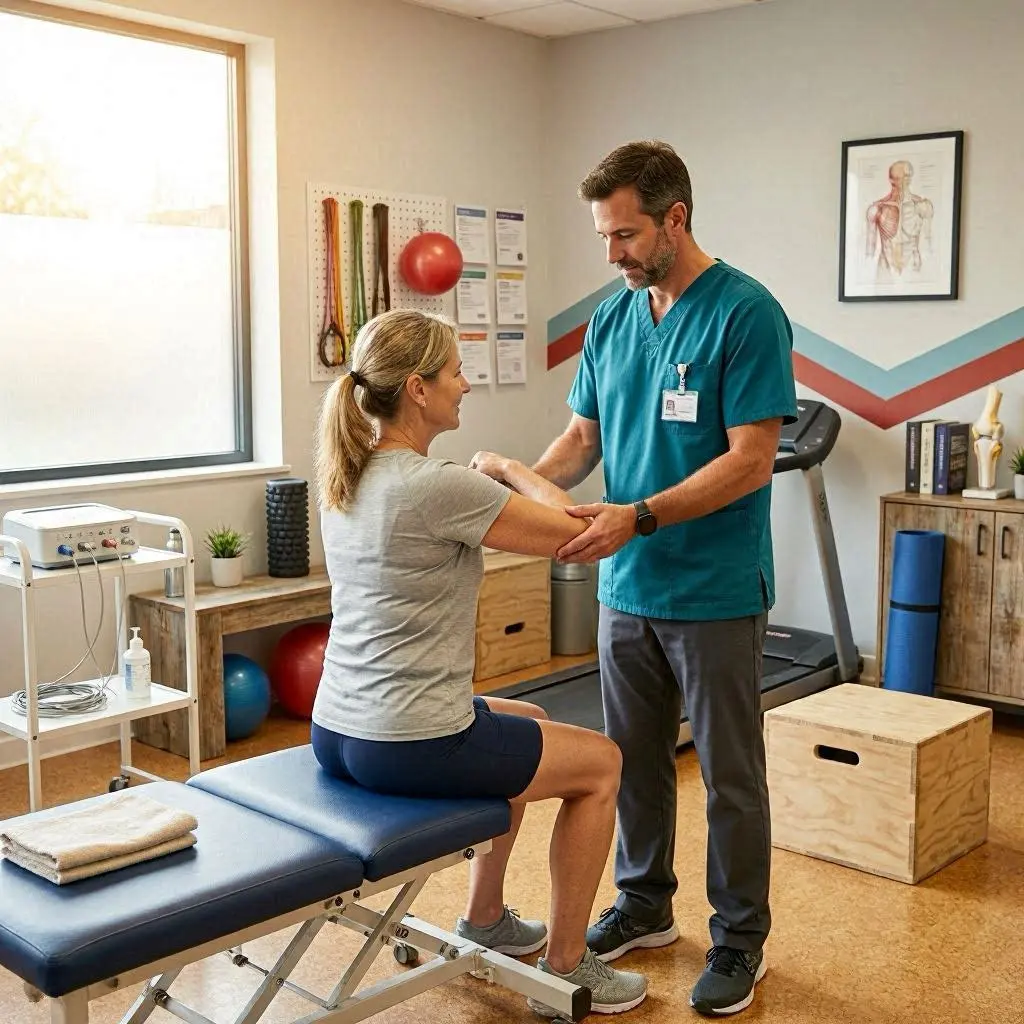

Spinal Performance: How to Improve Spine Health, Mobility, and Function
Spinal performance plays an important role in how the body moves, supports physical activity, and performs everyday tasks. The spine is not simply a structural support for the body. It works together with the muscles, joints, nervous system, hips, and shoulders to provide stability, mobility, coordination, and efficient movement.
When spinal function is limited by stiffness, weakness, poor movement patterns, previous injuries, or a sedentary lifestyle, everyday activities and athletic performance may be affected. Improving spinal performance can help individuals develop better movement control, maintain mobility, build strength, and support long-term musculoskeletal health.
A comprehensive approach to spinal performance focuses on more than flexibility alone. It combines mobility, stability, strength, posture, coordination, recovery, and healthy movement habits.
What Is Spinal Performance?
Spinal performance refers to the ability of the spine and surrounding structures to move, stabilize, and respond efficiently during different activities.
A healthy-performing spine needs an appropriate balance between mobility and stability. The spine must be mobile enough to allow bending, rotation, extension, and other movements while remaining stable enough to support the body during lifting, walking, running, and sports.
Spinal performance can be influenced by several factors, including:
Spinal mobility
Core strength
Postural control
Muscle endurance
Hip mobility
Shoulder mobility
Balance
Coordination
Movement technique
Recovery habits
Improving these areas can support better overall movement and physical performance.
Why Spinal Performance Matters
The spine is involved in almost every major movement performed by the body. Whether you are walking, lifting an object, running, exercising, or simply standing, the spine contributes to movement and stability.
Good spinal performance can help individuals move efficiently while distributing physical loads across the body.
Factors That Affect Spinal Performance
Several factors can influence how effectively the spine functions.
Poor Movement Habits
Repeatedly using inefficient movement patterns may place unnecessary stress on certain muscles and joints. Learning proper movement strategies can help improve coordination and physical control.
Sedentary Lifestyle
Long periods of sitting and limited physical activity can contribute to reduced mobility and muscle endurance. Regular movement is important for maintaining functional spinal capacity.
Muscle Weakness
The muscles surrounding the spine, abdomen, hips, and pelvis contribute to stability and movement. Weakness or poor endurance in these areas can affect movement quality.
Limited Mobility
Restricted mobility in the spine, hips, or shoulders may cause the body to compensate during movement. Improving appropriate mobility can help create more efficient movement patterns.
Previous Injuries
Previous injuries can affect strength, confidence, mobility, and movement mechanics. A structured rehabilitation program can help restore functional performance.
Spinal Mobility and Performance
Mobility is an important component of spinal performance. The spine needs to move through appropriate ranges during everyday activities and exercise.
Spinal mobility exercises may include controlled movements involving:
Flexion
Extension
Rotation
Side bending
However, more mobility is not always better. The goal is to achieve appropriate movement for the individual’s activities and physical requirements.
Mobility exercises should be controlled rather than forced. Individuals with pain or a known spinal condition should seek professional guidance before starting a new exercise program.
Building Core Strength
Core strength is closely connected to spinal performance. The core includes muscles around the abdomen, back, pelvis, and hips that contribute to trunk stability and movement.
Exercises commonly used to develop core control include:
Planks
Side planks
Bridges
Dead bug exercises
Bird-dog exercises
Controlled trunk stability exercises
The purpose of core training is not simply to create stronger abdominal muscles. Functional core training aims to improve the body’s ability to control movement while performing different tasks.
Spinal Stability and Movement Control
Spinal stability involves the ability to control the position and movement of the trunk during physical activities.
Good stability does not mean keeping the spine completely rigid. Instead, it involves maintaining appropriate control while allowing normal movement.
For example, during lifting, the body needs coordinated movement between the hips, knees, trunk, and shoulders. Developing movement control can help individuals perform activities more efficiently.
Spinal Performance for Athletes
Athletes place significant demands on their bodies. Running, jumping, lifting, throwing, and changing direction require coordination between the spine and the rest of the musculoskeletal system.
A spinal performance program for athletes may include:
Dynamic mobility
Core stability
Strength training
Balance exercises
Movement screening
Sport-specific exercises
Recovery strategies
The goal is to help athletes develop physical capacity that supports their specific sport.
For example, a golfer may require controlled spinal rotation, while a runner may benefit from improved trunk stability and hip control. Training should therefore be adapted to the individual’s sport and physical requirements.
Spinal Performance and Posture
Posture and spinal performance are closely connected, but good posture does not mean maintaining one perfect position all day.
Healthy movement involves the ability to change positions and control the body during different activities.
Improving postural endurance may involve strengthening the upper back, core, hips, and other supporting muscles. Ergonomic changes and regular movement breaks can also help people who spend long periods sitting.
Exercises to Support Spinal Performance
A balanced spinal performance program may combine mobility, strength, stability, and functional movement.
Cat-Cow Mobility
Controlled spinal flexion and extension movements can help individuals become more aware of spinal movement and may support mobility.
Bird-Dog
The bird-dog exercise challenges trunk stability while the arms and legs move. It can help develop coordination and control.
Glute Bridge
Glute bridges strengthen the muscles around the hips and pelvis while encouraging controlled trunk positioning.
Side Plank
Side planks challenge the muscles responsible for lateral trunk stability and can be modified according to fitness level.
Thoracic Rotation
Controlled upper-back rotation can help improve thoracic mobility, which is important for activities involving reaching and rotation.
Exercises should always be adapted to the individual’s ability and physical condition.
Spinal Performance and Injury Prevention
Improving physical capacity may help individuals better tolerate the demands of everyday activities and exercise. Strength, mobility, coordination, and endurance are all important components of physical resilience.
However, no exercise program can guarantee injury prevention. Injuries can result from many factors, including training load, technique, fatigue, previous injuries, recovery, and environmental conditions.
A qualified professional can help identify movement limitations and develop an appropriate training or rehabilitation strategy.
Professional Spinal Performance Assessment
A professional assessment can provide useful information about how an individual moves.
Depending on the person’s goals, an assessment may examine:
Spinal mobility
Core endurance
Hip mobility
Shoulder movement
Balance
Functional movement
Muscle strength
Postural control
The results can help guide an individualized program rather than relying on generic exercises.
Physiotherapists, chiropractors, and other qualified healthcare professionals may use movement assessments as part of broader musculoskeletal care.
Spinal Performance for Everyday Life
Spinal performance is not only relevant to athletes. Everyday activities such as lifting groceries, climbing stairs, gardening, cleaning, and carrying children all require coordinated spinal movement.
Maintaining physical activity, strengthening major muscle groups, and regularly practicing mobility can help support functional movement.
People who work at a desk should also avoid sitting continuously for long periods. Standing, walking, stretching, and changing positions throughout the day can support general movement health.
How to Improve Spinal Performance
A practical approach to improving spinal performance includes several key habits:
Perform regular mobility exercises.
Build core and hip strength.
Improve movement coordination.
Maintain general physical activity.
Take regular breaks from prolonged sitting.
Gradually increase training intensity.
Allow adequate recovery between demanding activities.
Address persistent pain with professional guidance.
Adapt exercises to your individual goals.
Focus on consistency rather than quick results.
When to Seek Professional Help
Professional assessment may be appropriate if spinal movement is associated with persistent pain, significant stiffness, weakness, numbness, balance problems, or difficulty performing normal activities.
A healthcare professional can assess symptoms and determine whether rehabilitation, exercise, medical evaluation, or another form of care is appropriate.
Individuals recovering from a spinal injury or surgery should follow the recommendations of their healthcare team rather than starting an intensive spinal training program independently.
Benefits of Improving Spinal Performance
A well-designed spinal performance program may support:
Improved spinal mobility
Better core stability
Greater movement control
Improved physical endurance
Better exercise technique
Enhanced functional movement
Improved postural endurance
Greater confidence during physical activity
Support for athletic performance
Long-term musculoskeletal health
Results vary between individuals and depend on factors such as training consistency, physical condition, age, activity level, and underlying health concerns.
Conclusion
Spinal performance is an important part of overall movement health. The spine works together with the muscles, hips, shoulders, and nervous system to provide the mobility and stability needed for everyday activities and physical performance.
A comprehensive approach should combine spinal mobility, core strength, movement control, flexibility, balance, and functional training. Regular physical activity and appropriate recovery are also important for maintaining physical capacity.
Whether your goal is to improve athletic performance, move more comfortably at work, recover from an injury, or maintain physical function as you age, improving spinal performance can be an important part of a balanced movement program. When pain or significant movement limitations are present, professional assessment can help ensure that exercises and treatment are appropriate for your individual needs.
Frequently Asked Questions
What does spinal performance mean?
Spinal performance describes how effectively the spine and surrounding muscles and joints work together to provide mobility, stability, coordination, and movement control.
How can I improve spinal performance?
Regular mobility exercises, core strengthening, functional training, physical activity, and appropriate recovery can help support spinal performance.
Is spinal performance important for athletes?
Yes. Athletes rely on coordinated spinal movement and trunk stability during activities such as running, lifting, jumping, throwing, and rotating.
Can spinal performance exercises help posture?
Exercises that improve strength, mobility, endurance, and movement control may support better postural function and awareness.
Should I exercise if I have back pain?
If you have persistent or significant back pain, it is best to seek professional advice before starting a new exercise program. The appropriate activity depends on the cause and severity of your symptoms.