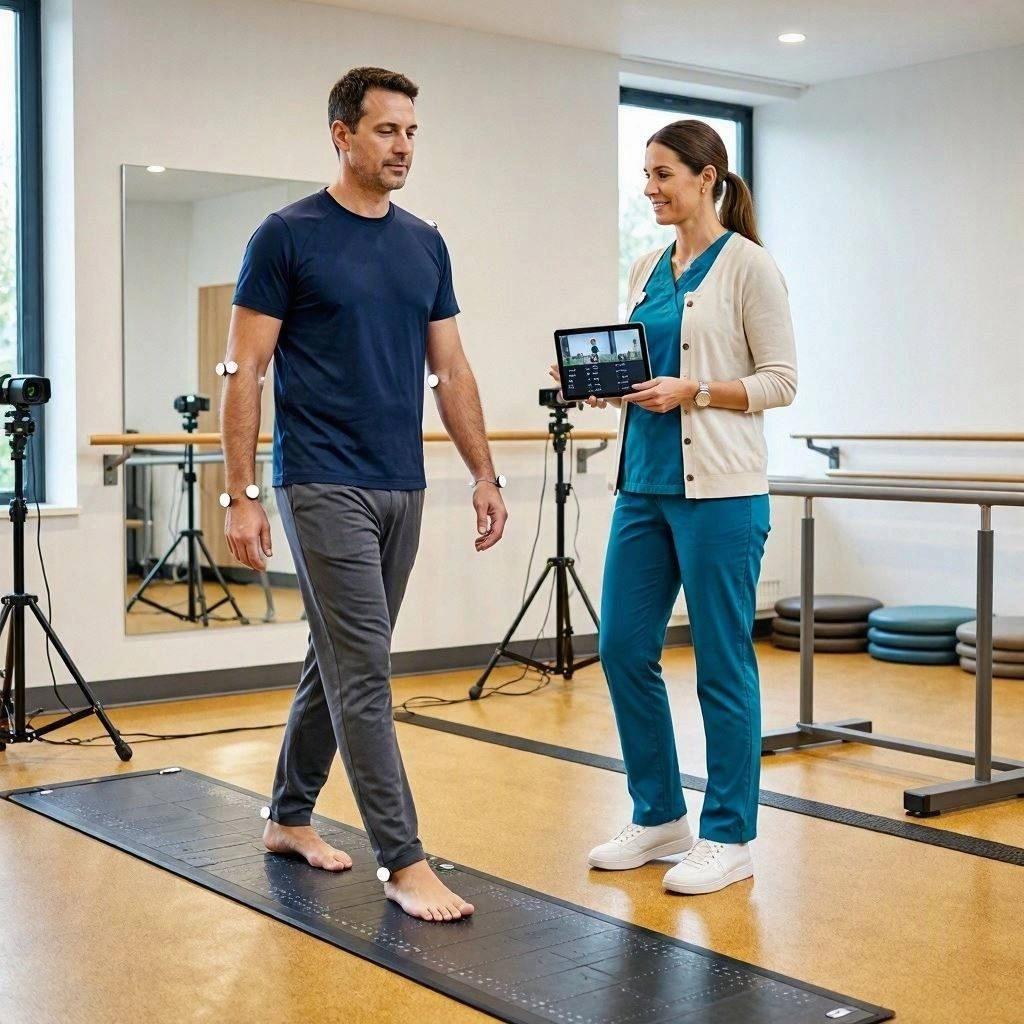

Physiotherapy for Joint Stiffness: Restoring Mobility and Improving Joint Health
Joint stiffness can make everyday activities more difficult and uncomfortable. Whether caused by arthritis, injury, surgery, aging, or prolonged inactivity, stiff joints can limit movement and reduce overall quality of life. Fortunately, physiotherapy for joint stiffness provides effective treatment strategies that help restore flexibility, improve mobility, and reduce discomfort.Moreover, physiotherapy focuses on identifying the causes of joint stiffness and developing personalized rehabilitation programs. As a result, patients often experience improved movement, better joint function, and enhanced physical well-being.
What Is Physiotherapy for Joint Stiffness?
It is a specialized rehabilitation approach designed to improve joint mobility, flexibility, and functional movement. First, a physiotherapist performs a detailed assessment of joint range of motion, muscle strength, posture, and movement patterns. Then, a customized treatment plan is created to address the patient’s specific needs.
Treatment options may include:
-
Joint mobility exercises
-
Stretching programs
-
Strength training
-
Manual therapy
-
Functional rehabilitation
-
Balance and coordination exercises
-
Posture correction
-
Pain management techniques
The primary goal is to improve movement while reducing stiffness and physical limitations.
Benefits of Physiotherapy for Joint Stiffness
Physiotherapy for Joint Stiffness and Better Mobility
Targeted exercises help improve joint movement and flexibility. Consequently, daily activities become easier and more comfortable.
Joint Mobility Therapy for Increased Flexibility
Stretching and mobility exercises help maintain range of motion and reduce restrictions in affected joints.
Physical Therapy Rehabilitation for Strength and Stability
Strengthening programs support the muscles surrounding joints, improving stability and movement control.
Long-Term Joint Health and Wellness
Physiotherapy not only addresses current stiffness but also helps prevent future mobility problems.
Common Causes of Joint Stiffness
Arthritis and Joint Degeneration (Physiotherapy for Joint Stiffness)
Arthritis is one of the most common causes of stiffness and reduced mobility. Therefore, physiotherapy plays an important role in managing symptoms and maintaining function.
Injury and Post-Traumatic Joint Restrictions
Following an injury, stiffness may develop due to reduced movement and tissue healing.
Post-Surgical Joint Recovery
After surgery, rehabilitation helps restore mobility and improve functional movement.
Aging and Reduced Physical Activity
As people age, joints may become less flexible. Furthermore, inactivity can contribute to stiffness and mobility limitations.
Physiotherapy Techniques for Joint Mobility Improvement
Manual Therapy for Stiff Joint Treatment
Hands-on treatment techniques help improve joint movement and reduce physical restrictions.
Mobility Exercises for Better Range of Motion
Targeted exercises encourage healthy joint movement and flexibility.
Strength Training for Joint Support
Stronger muscles provide better support for joints and improve movement efficiency.
Functional Rehabilitation for Everyday Activities
Functional exercises help individuals safely perform routine tasks such as walking, climbing stairs, and lifting objects.
Why Choose Physiotherapy for Joint Stiffness?
Personalized Rehabilitation Programs
Each treatment plan is tailored to the individual’s condition, lifestyle, and recovery goals.
Evidence-Based Joint Mobility Therapy
Modern physiotherapy uses proven techniques to improve flexibility and restore movement.
Long-Term Recovery and Prevention
Treatment focuses on sustainable improvements and reducing the likelihood of recurring stiffness.
Better Quality of Life Through Improved Movement
Enhanced mobility helps individuals remain active, independent, and engaged in daily life.
Tips for Managing Joint Stiffness
To support recovery and maintain healthy joints:
-
Perform stretching exercises regularly
-
Stay physically active
-
Follow your physiotherapist’s recommendations
-
Maintain proper posture
-
Attend rehabilitation sessions consistently
-
Practice healthy movement habits
Most importantly, consistency plays a key role in improving mobility and preventing future stiffness.
Conclusion
Physiotherapy for joint stiffness provides a safe and effective way to improve flexibility, restore movement, and support long-term joint health. Through personalized rehabilitation programs, mobility exercises, manual therapy, and strength training, physiotherapy helps individuals overcome physical limitations and regain confidence in their movements.Ultimately, whether joint stiffness is caused by arthritis, injury, surgery, or aging, physiotherapy for joint stiffness offers proven solutions for better mobility, greater comfort, and an improved quality of life.