Holistic Physiotherapy: A Complete Guide to Whole-Body Rehabilitation and Wellness
Traditional physiotherapy focuses on improving movement, reducing physical limitations, and helping patients recover from injuries. Holistic physiotherapy takes this approach further by considering the individual as a whole rather than focusing only on one painful area. It combines physical assessment, therapeutic exercise, movement education, manual techniques, lifestyle guidance, and personalized rehabilitation to support overall physical function and well-being.
Pain or movement limitations in one area can sometimes be influenced by factors elsewhere in the body. For example, reduced hip mobility may affect walking mechanics, while poor posture and prolonged sitting may contribute to neck or upper-back discomfort. A holistic physiotherapy approach considers these relationships when developing an individualized treatment plan.
What Is Holistic Physiotherapy?
Holistic physiotherapy is an individualized approach that considers multiple factors affecting a person’s physical health and movement.
These factors may include:
Pain
Mobility
Strength
Flexibility
Posture
Balance
Movement patterns
Exercise habits
Daily activities
Recovery
Lifestyle factors
The goal is to understand how these factors interact and identify practical ways to improve physical function.
Holistic physiotherapy does not replace evidence-based physiotherapy. Instead, it emphasizes a broader assessment of the person’s physical needs, goals, and lifestyle.
Why Is a Whole-Body Approach Important?
The human body works as an interconnected system. Muscles, joints, nerves, and connective tissues work together to produce movement.
When one area becomes restricted or weak, other parts of the body may compensate.
For example, an ankle mobility restriction may influence knee movement, hip mechanics, and walking patterns. Similarly, reduced core strength may affect how a person performs lifting or athletic activities.
A whole-body assessment can help identify these relationships and create a more comprehensive rehabilitation strategy.
Benefits of Holistic Physiotherapy
A holistic approach may provide several benefits depending on the individual’s condition and goals.
Potential benefits include:
Improved mobility
Better movement awareness
Increased strength
Improved flexibility
Better balance
Improved posture
Support for injury recovery
Improved physical confidence
Personalized exercise planning
The exact results depend on the underlying condition, consistency with rehabilitation, and other individual factors.
Comprehensive Physical Assessment
An important part of holistic physiotherapy is understanding the person’s overall movement.
A physiotherapist may evaluate:
Posture
Walking
Joint mobility
Muscle strength
Flexibility
Balance
Coordination
Functional movement
The assessment can help identify areas that may contribute to a person’s symptoms or physical limitations.
Rather than focusing exclusively on the location of pain, the physiotherapist considers how the body moves as a complete system.
Exercise Therapy
Exercise is one of the most important components of physiotherapy.
A holistic exercise program may include:
Strength Training
Strength exercises help improve the body’s ability to support movement and perform daily activities.
Mobility Exercises
Mobility exercises help maintain or improve comfortable joint movement.
Flexibility Training
Stretching and flexibility exercises may help individuals maintain movement capacity.
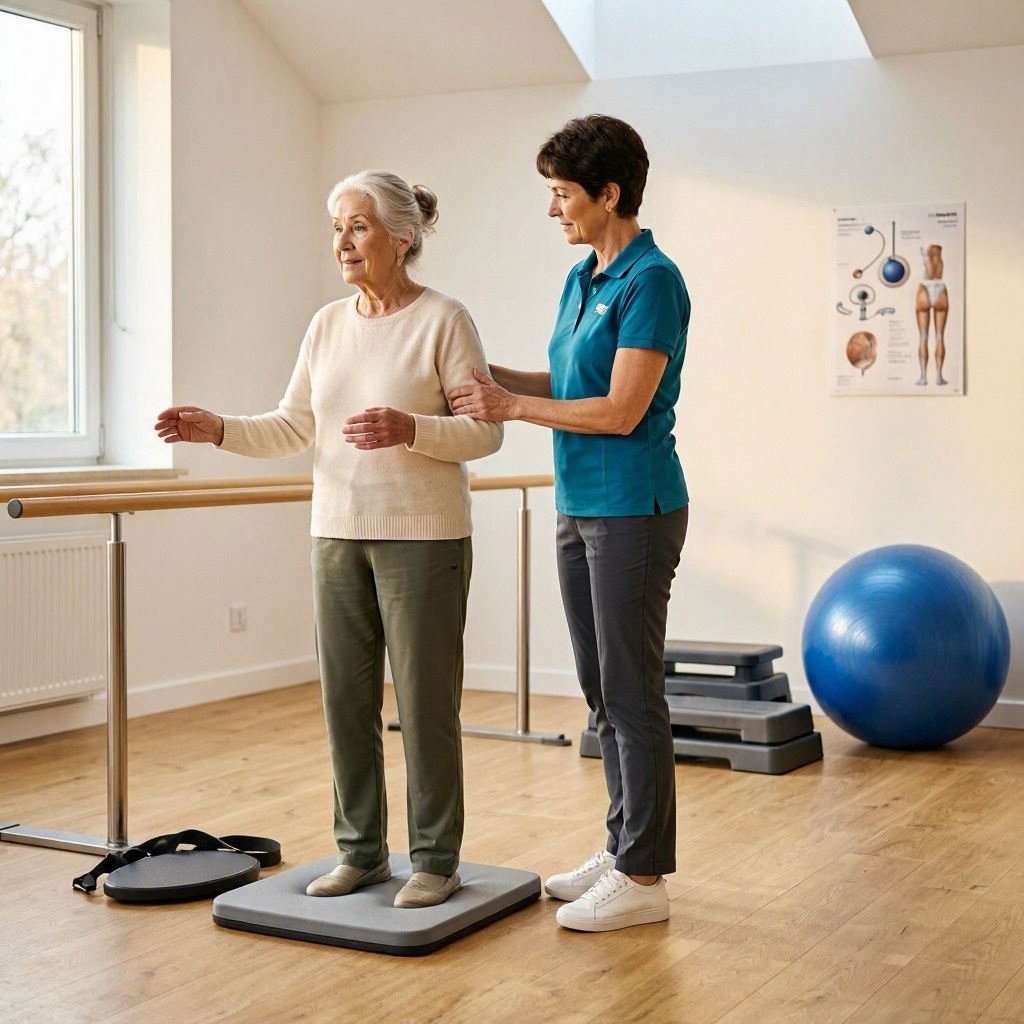
Balance Training
Balance exercises can improve stability and coordination.
Functional Exercises
Functional exercises replicate movements that are important for everyday life, work, or sport.
The program should be adapted to the person’s physical abilities and goals.
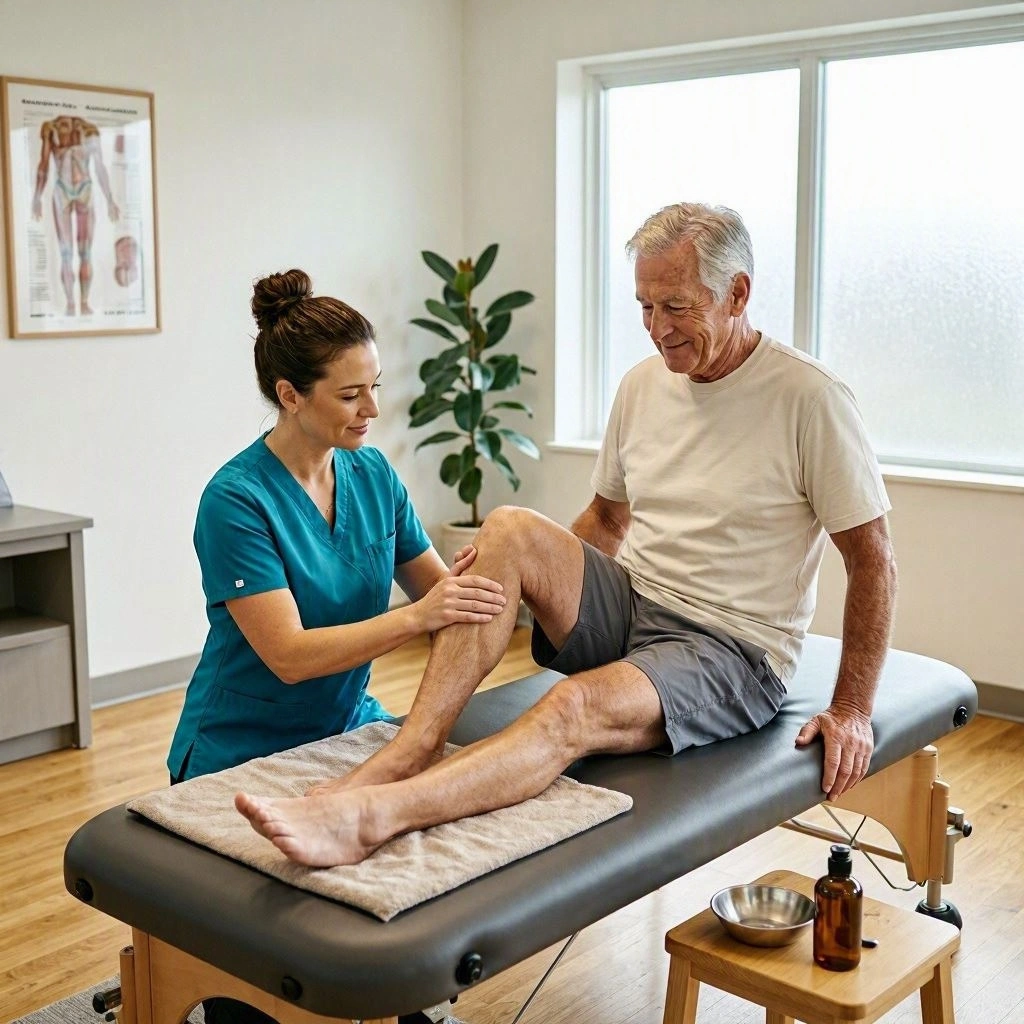
Manual Therapy
Manual therapy may be included when clinically appropriate.
Depending on the patient’s needs, a physiotherapist may use techniques designed to address:
Joint mobility
Muscle tension
Soft tissue restrictions
Movement limitations
Manual therapy is generally most useful when combined with active rehabilitation rather than being the only component of treatment.
Exercise and movement education help patients develop long-term physical capacity.
Posture and Movement Education
Posture can influence how people perform daily activities.
A holistic physiotherapy program may address posture during:
Sitting
Standing
Walking
Working
Lifting
Exercising
The goal is not necessarily to maintain one rigid posture all day. Instead, patients can learn how to vary positions, move regularly, and use appropriate techniques for different activities.
Holistic Physiotherapy for Chronic Pain
People with persistent pain may benefit from a comprehensive approach.
Chronic pain can influence physical activity, sleep, confidence, and daily routines. Avoiding movement completely may sometimes contribute to reduced strength and physical capacity.
Physiotherapy may help patients gradually reintroduce appropriate movement through:
Progressive exercise
Mobility training
Strengthening
Functional activities
Education
Activity management
The treatment plan should be individualized and based on the person’s symptoms and goals.
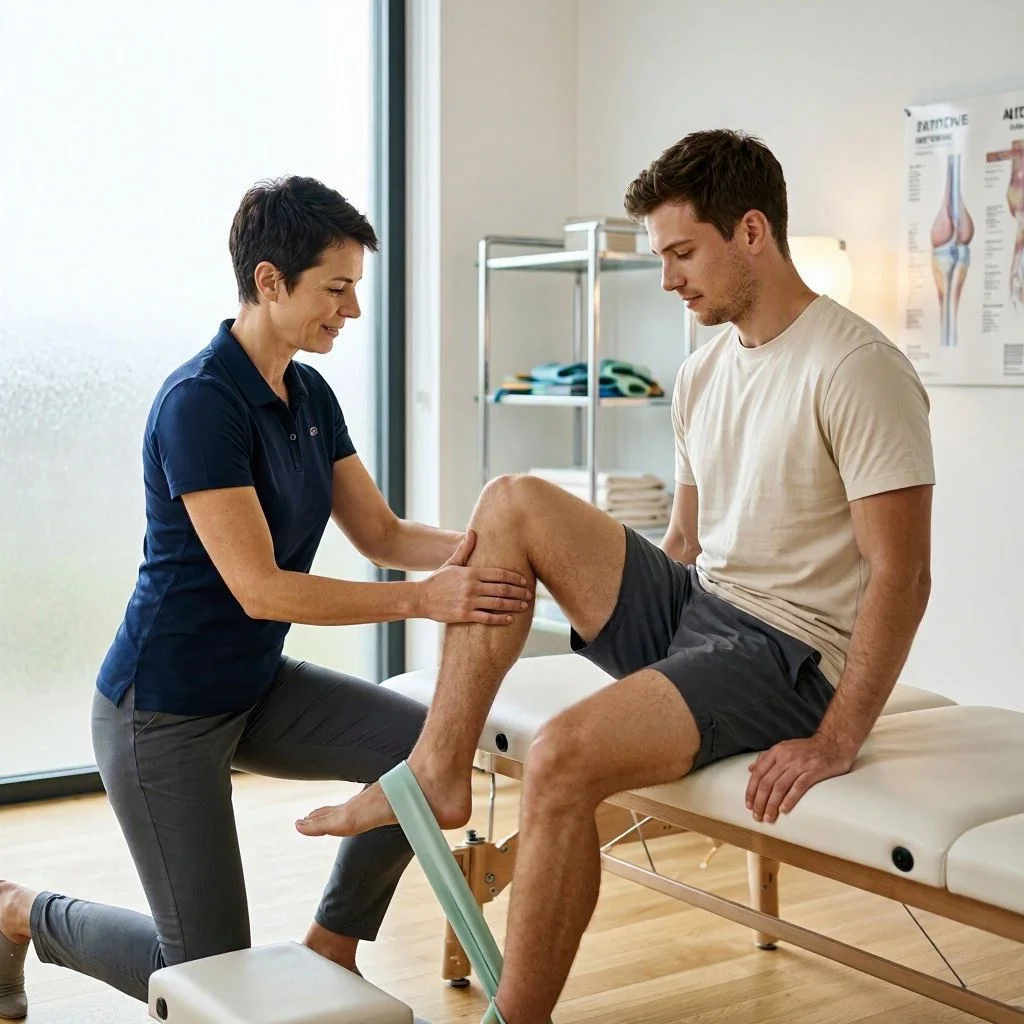
Holistic Physiotherapy for Sports Injuries
Athletes often require rehabilitation that considers the entire kinetic chain.
A sports-focused program may assess:
Strength
Mobility
Balance
Running mechanics
Jumping
Landing
Core stability
Sport-specific movements
For example, an athlete with knee pain may benefit from assessment of the hip, ankle, and overall lower-limb mechanics rather than focusing only on the knee.
A comprehensive approach can help athletes progressively return to training.
Mobility and Flexibility (Holistic Physiotherapy)
Mobility and flexibility are important components of healthy movement.
Limited mobility can affect how a person performs exercises and daily activities.
A holistic program may incorporate mobility exercises for:
Neck
Shoulders
Spine
Hips
Knees
Ankles
Mobility exercises should be performed with appropriate control and should be selected according to individual needs.
Stress, Recovery, and Physical Health
Physical recovery is influenced by more than exercise alone.
Lifestyle factors such as sleep, stress, physical activity, and daily routines can affect how a person feels and functions.
A physiotherapist may provide general education about:
Activity levels
Recovery periods
Movement breaks
Exercise consistency
Sleep habits
This does not mean physiotherapy replaces medical or psychological care. Instead, it recognizes that physical rehabilitation takes place within a person’s broader lifestyle.
Holistic Physiotherapy for Office Workers
Modern work environments often involve long periods of sitting and limited movement.
Office workers may experience discomfort related to:
Neck tension
Upper-back stiffness
Lower-back discomfort
Reduced hip mobility
Poor movement habits
A physiotherapy program may include strengthening, mobility exercises, posture education, and regular movement strategies.
Simple habits such as standing periodically, walking during breaks, and changing sitting positions can help increase daily movement.
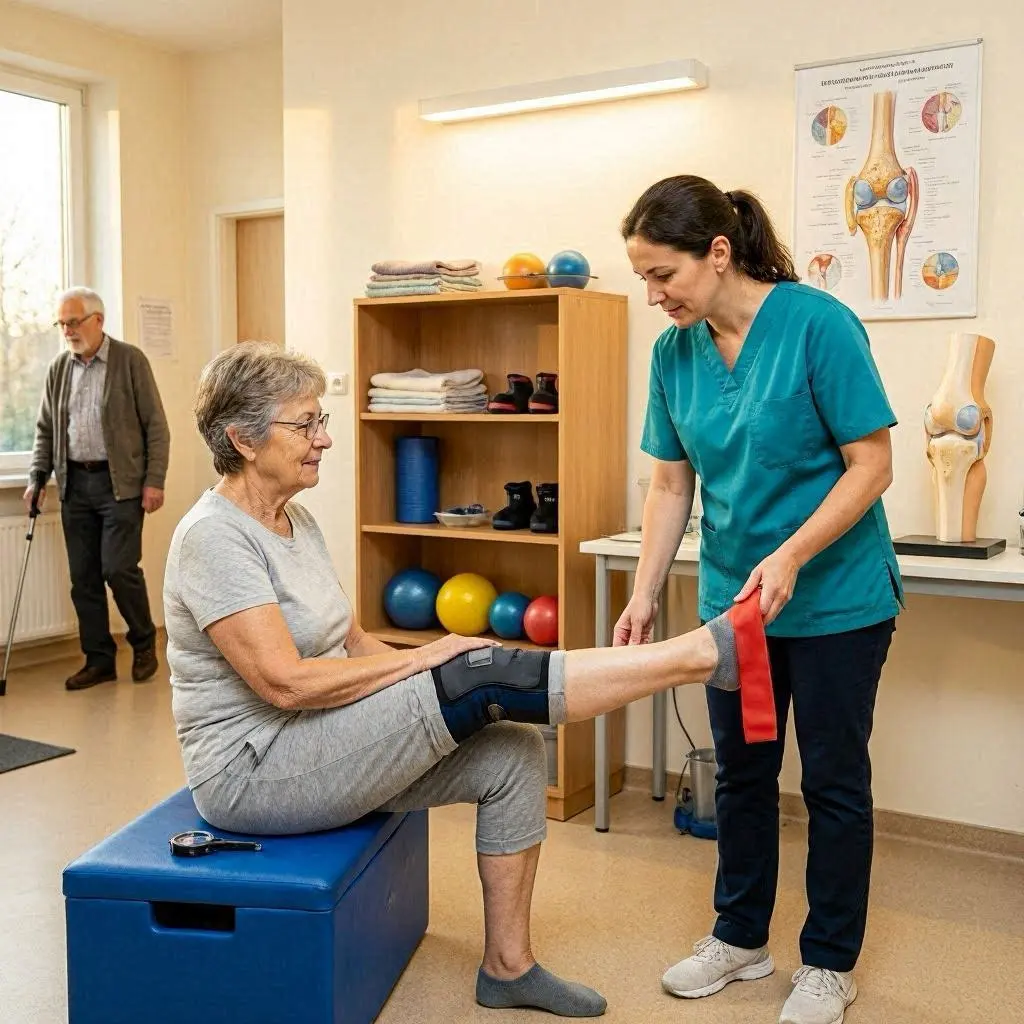
Supporting Healthy Aging
Maintaining physical function becomes increasingly important with age.
A holistic physiotherapy program for older adults may focus on:
Strength
Balance
Mobility
Walking
Flexibility
Functional independence
Exercises can be adapted to the individual’s abilities and may help support confidence during everyday activities.
Personalized Rehabilitation Plans (Holistic Physiotherapy)
One of the key principles of holistic physiotherapy is personalization.
There is no single exercise program that is appropriate for everyone.
A physiotherapist may consider:
Age
Physical condition
Injury history
Current symptoms
Activity level
Work requirements
Sporting activities
Personal goals
The rehabilitation program can then be adjusted as the individual progresses.
The Importance of Consistency
Even an excellent rehabilitation program requires consistent participation.
Patients may be given exercises to perform at home between physiotherapy appointments.
Consistency can help reinforce improvements in:
Strength
Mobility
Balance
Coordination
Functional movement
Progress may take time, particularly when dealing with long-term conditions or significant injuries.
When Should You Consider Holistic Physiotherapy?
Professional physiotherapy assessment may be appropriate if you experience:
Persistent pain
Reduced mobility
Muscle weakness
Balance problems
Recurrent injuries
Postural difficulties
Difficulty exercising
Problems returning to sport
Reduced physical function
A physiotherapist can determine whether a holistic approach is appropriate for your individual needs.
Conclusion (Holistic Physiotherapy)
Holistic physiotherapy takes a comprehensive approach to physical rehabilitation by considering movement, strength, mobility, posture, balance, lifestyle, and individual goals. Rather than focusing exclusively on a painful area, it examines how different aspects of physical function may interact.
Treatment may include therapeutic exercise, mobility training, strength development, balance exercises, functional rehabilitation, manual therapy, and movement education. Lifestyle and recovery factors may also be discussed as part of a broader rehabilitation strategy.
The goal is to help individuals develop better physical capacity and confidence while supporting long-term movement and function. Whether someone is recovering from an injury, managing persistent discomfort, returning to sport, or working to maintain mobility, a personalized physiotherapy program can provide a structured path toward healthier and more effective movement.