
What Is Physiotherapy? Benefits, Types, and Why It Is Important
Physiotherapy is a healthcare treatment designed to improve movement, reduce pain, and restore physical function. It is one of the most effective and natural ways to help people recover from injuries, manage chronic conditions, and improve their overall quality of life. Physiotherapy uses exercises, manual therapy, stretching, posture correction, and rehabilitation techniques to support healing and physical wellness.
Today, it has become an essential part of healthcare because it helps people regain strength and mobility without relying heavily on medications or surgery. Whether you are an athlete recovering from a sports injury, an office worker dealing with back pain, or an older adult with joint stiffness, physiotherapy can provide long-term benefits.
What Is Physiotherapy?
It is also known as physical therapy, is a treatment method that focuses on restoring movement and function in the body. A licensed physiotherapist evaluates a patient’s condition and creates a personalized treatment plan to improve physical performance and reduce discomfort.
Physiotherapy treatments may include:
Strengthening exercises
Stretching routines
Joint mobilization
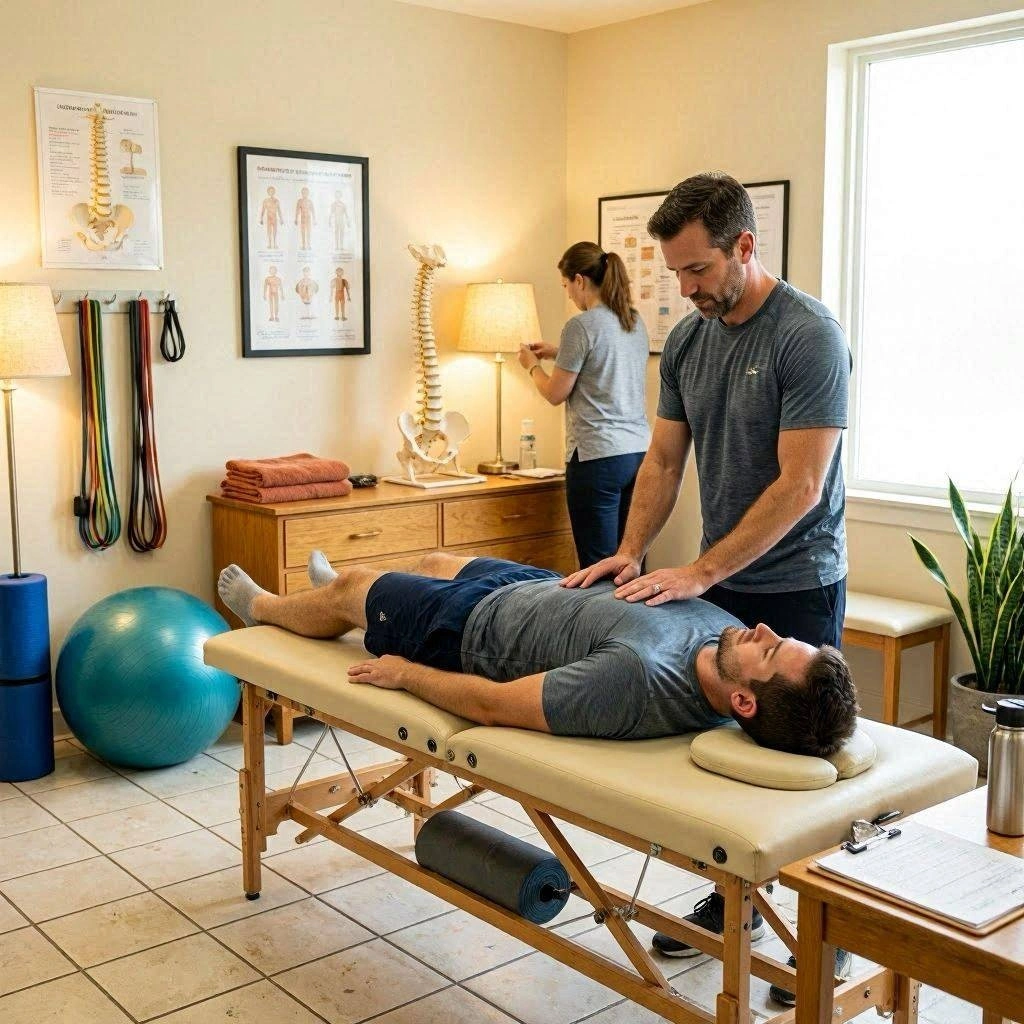
Massage therapy
Posture correction
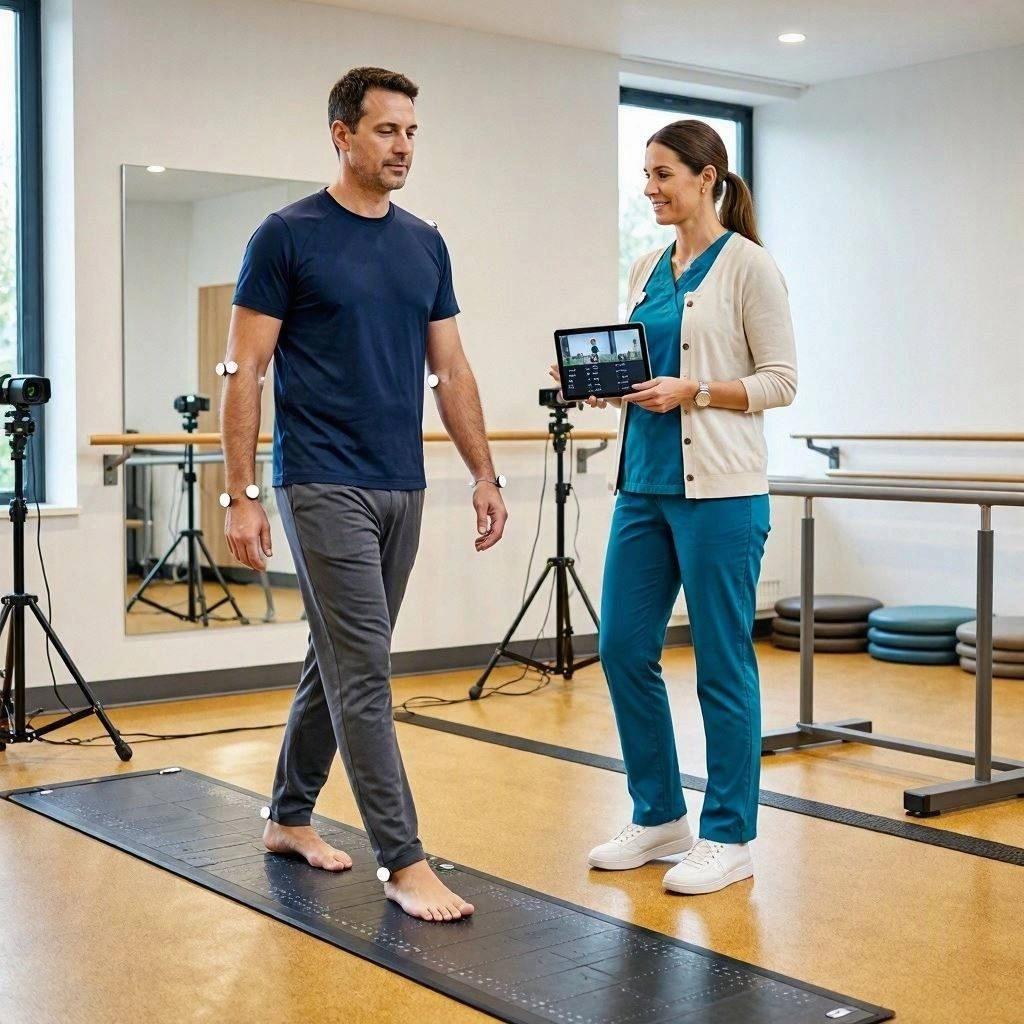
Balance and coordination training
Electrotherapy and heat therapy
The main goal of physiotherapy is to help individuals recover safely, prevent future injuries, and maintain a healthy and active lifestyle.
Benefits of Physiotherapy
1. Pain Relief
One of the biggest advantages of physiotherapy is pain management. Many people suffer from chronic pain in areas such as the neck, shoulders, knees, and lower back. Physiotherapy helps reduce pain naturally by targeting the source of the problem rather than simply masking symptoms.
Techniques such as manual therapy, stretching, and strengthening exercises help improve muscle and joint function, leading to long-term pain relief.
2. Improves Mobility and Flexibility
Limited movement can make daily activities difficult. It improves flexibility, mobility, and coordination through guided exercises and movement therapy. Patients recovering from surgery or injury often regain their ability to move comfortably after regular physiotherapy sessions.
Older adults also benefit greatly from physiotherapy because it helps maintain balance and reduces the risk of falls.
3. Faster Recovery from Injuries
Sports injuries, workplace accidents, and muscle strains can affect physical performance and daily life. It supports faster recovery by improving circulation, reducing inflammation, and strengthening weakened muscles.
Physiotherapists carefully guide patients through rehabilitation exercises to ensure proper healing and prevent re-injury.
4. Helps Prevent Surgery
In some cases, it can reduce the need for surgery. Conditions like frozen shoulder, mild ligament injuries, and certain back problems may improve significantly with non-surgical treatment.
If surgery is unavoidable, physiotherapy before and after the procedure can speed up recovery and improve overall outcomes.
5. Better Posture and Body Alignment
Poor posture is a common issue caused by long hours of sitting, computer work, and smartphone use. Bad posture can lead to headaches, neck pain, shoulder stiffness, and back problems.
Physiotherapists identify posture-related issues and teach corrective exercises to improve body alignment. Good posture helps reduce physical stress and supports better overall health.
Common Types of Physiotherapy
There are several types of physiotherapy treatments available depending on the patient’s condition and needs.
Orthopedic Physiotherapy
This type focuses on muscles, bones, joints, and ligaments. It is commonly used for fractures, arthritis, back pain, and sports injuries.
Neurological Physiotherapy
Neurological physiotherapy helps patients with conditions affecting the nervous system, such as stroke, Parkinson’s disease, and multiple sclerosis.
Sports Physiotherapy
Sports physiotherapy is designed for athletes and active individuals. It helps prevent injuries, improve performance, and support faster recovery after physical activity.
Pediatric Physiotherapy
This type of therapy helps children with developmental delays, physical disabilities, or movement disorders improve coordination and mobility.
Who Needs Physiotherapy?
Physiotherapy is beneficial for people of all ages. You may need physiotherapy if you experience:
Persistent muscle or joint pain
Difficulty walking or moving
Sports injuries
Recovery after surgery
Arthritis or chronic pain conditions
Poor posture
Balance or coordination problems
Early physiotherapy treatment can prevent minor conditions from becoming more serious.
Why Physiotherapy Is Important
It is important because it promotes long-term physical health and independence. Instead of relying only on medication, physiotherapy addresses the root cause of pain and movement problems.
It also helps patients understand their bodies better and teaches healthy movement habits that reduce the risk of future injuries. Physiotherapy not only improves physical health but also supports mental well-being by helping people stay active and confident.
Conclusion
It is a safe, effective, and natural approach to improving physical health and mobility. It helps reduce pain, recover from injuries, improve posture, and manage chronic conditions. With personalized treatment plans and professional guidance, physiotherapy allows individuals to regain strength, movement, and confidence in their daily lives.
Whether you are recovering from an injury, dealing with chronic pain, or simply looking to improve your physical wellness, it can provide long-term benefits and support a healthier lifestyle.