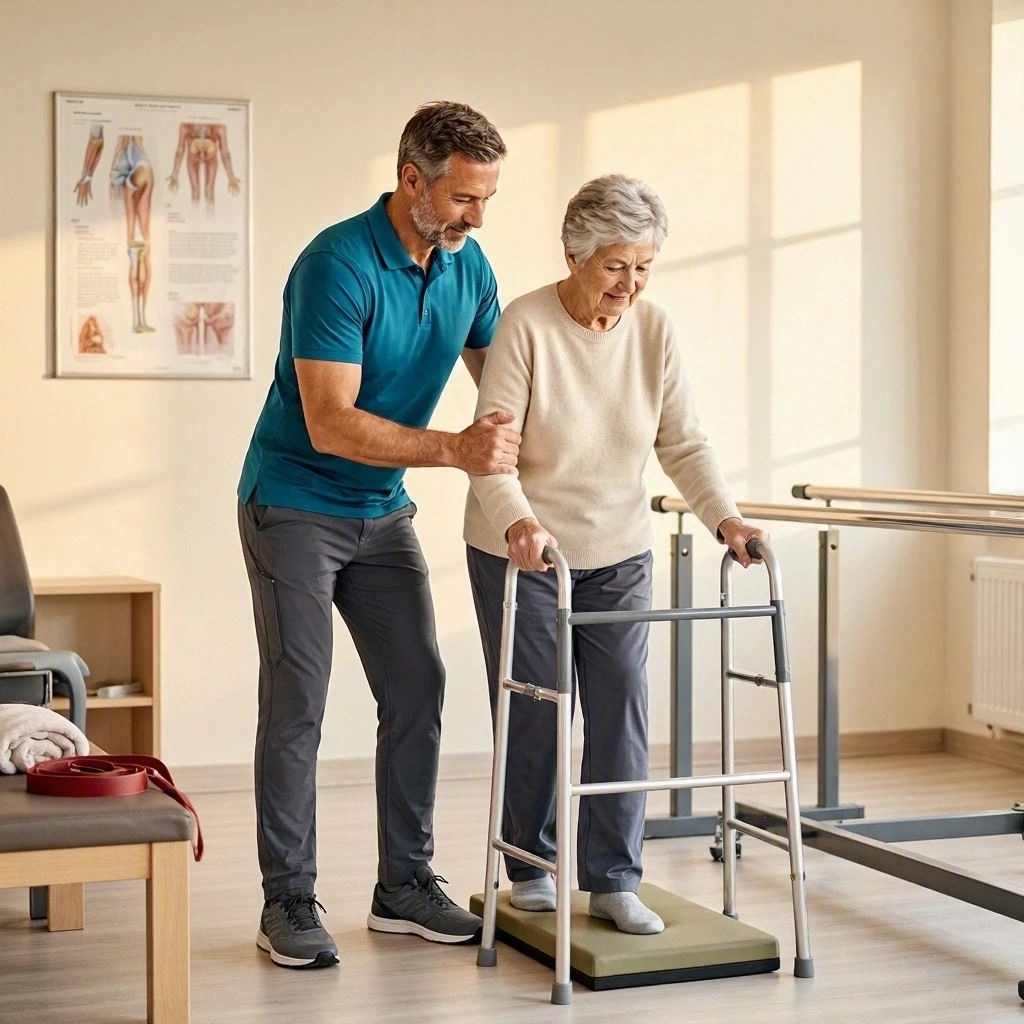
Physiotherapy for Long-Term Mobility: A Complete Guide to Maintaining Movement and Independence
Maintaining mobility is an important part of long-term physical health. The ability to walk, climb stairs, stand, bend, reach, and move independently affects almost every aspect of daily life. However, mobility can change because of injury, surgery, chronic conditions, aging, inactivity, muscle weakness, joint stiffness, or neurological problems. Physiotherapy for long-term mobility provides a structured approach to maintaining and improving physical function over time.
Long-term mobility is not only about being able to walk. It includes strength, flexibility, balance, coordination, endurance, joint movement, and the confidence to perform everyday activities safely. A physiotherapist can assess these factors and develop an individualized program designed around a person’s current abilities and long-term goals.
Whether someone is recovering from an injury, managing a chronic condition, experiencing age-related changes, or simply wants to maintain physical independence, physiotherapy can play an important role in supporting sustainable movement.
What Is Long-Term Mobility?
Long-term mobility refers to the ability to move the body effectively and independently over an extended period.
It can include activities such as:
Walking
Standing
Sitting and rising from a chair
Climbing stairs
Bending
Reaching
Carrying objects
Getting in and out of a vehicle
Participating in exercise
Performing household activities
Mobility depends on multiple physical systems working together. Strong muscles, healthy joints, adequate flexibility, balance, coordination, cardiovascular fitness, and neurological control all contribute to movement.
Why Is Long-Term Mobility Important?
Maintaining mobility supports independence and quality of life.
When mobility decreases, people may become less active. Reduced activity can lead to further muscle weakness, stiffness, reduced endurance, and loss of confidence.
Maintaining regular movement can support:
Physical independence
Strength
Balance
Joint mobility
Cardiovascular fitness
Functional ability
Confidence
Participation in daily activities
Physiotherapy can help identify areas of weakness or limitation before they significantly interfere with everyday life.
How Physiotherapy Supports Long-Term Mobility
Physiotherapy focuses on helping people move more effectively and maintain physical capacity.
A physiotherapist may use:
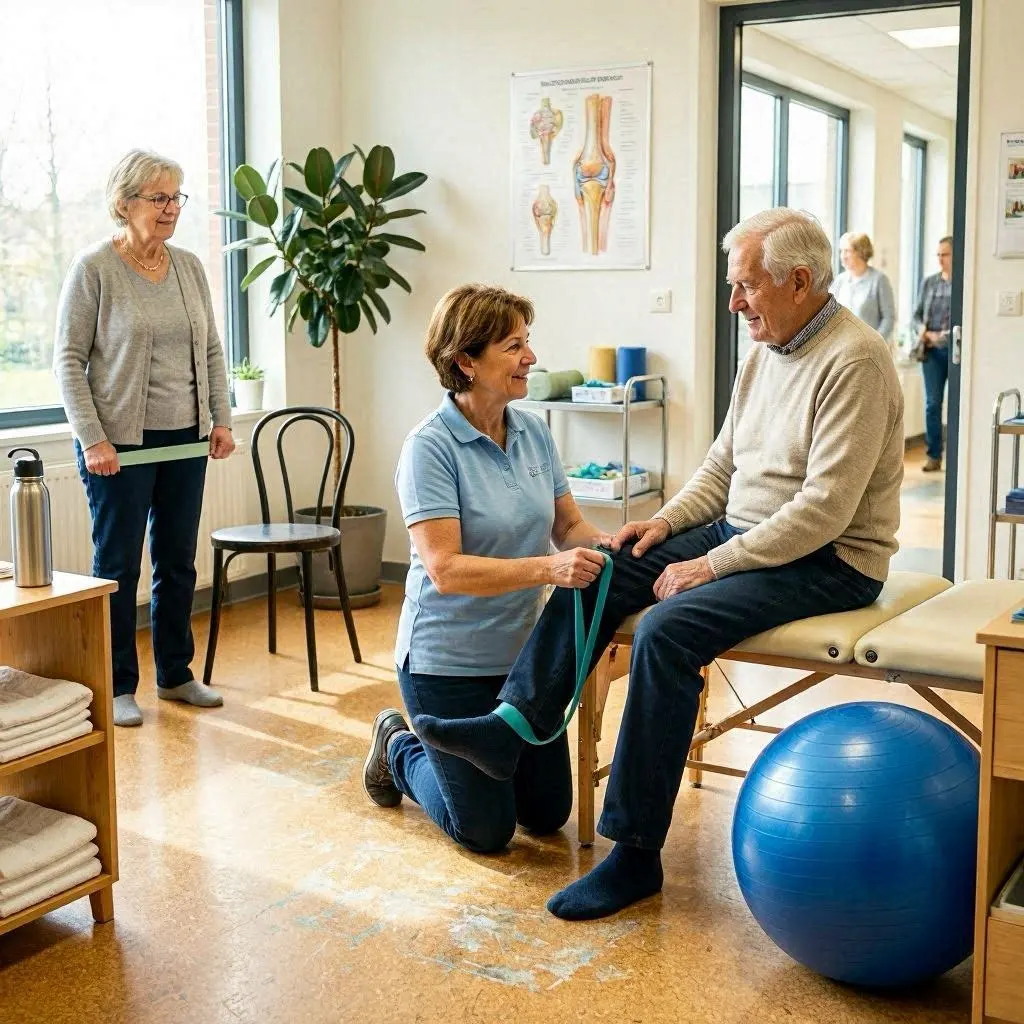
Therapeutic exercise
Strength training
Mobility exercises
Balance training
Gait training
Functional rehabilitation
Manual therapy when appropriate
Movement education
The exact combination depends on the individual’s condition, goals, and physical abilities.
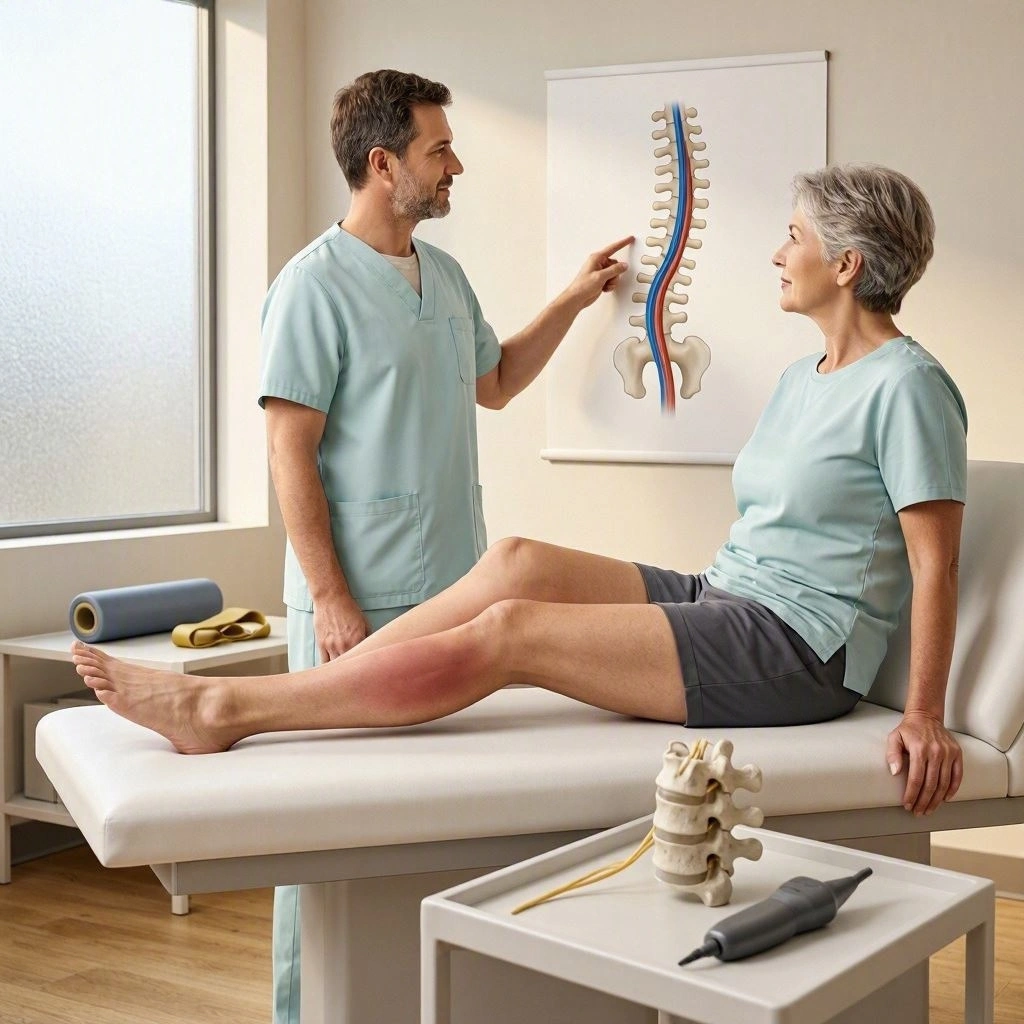
Comprehensive Mobility Assessment
Long-term mobility programs generally begin with an assessment.
A physiotherapist may evaluate:
Joint range of motion
Muscle strength
Walking ability
Balance
Flexibility
Coordination
Posture
Functional movement
Exercise tolerance
The assessment provides a baseline and helps identify areas that could benefit from intervention.
For example, a person may have difficulty climbing stairs because of reduced leg strength rather than a lack of cardiovascular fitness. Another person may have difficulty walking because of balance limitations or restricted ankle mobility.
Understanding the contributing factors allows treatment to be more targeted.
Strength and Long-Term Mobility
Strength is one of the foundations of physical independence.
Muscle strength naturally changes throughout life, but inactivity, illness, injury, and prolonged periods of rest can accelerate muscle loss.
Physiotherapy may include progressive strengthening exercises for:
Legs
Hips
Core
Back
Shoulders
Arms
Exercises can include squats, step-ups, bridges, resistance-band exercises, and functional lifting.
The resistance and complexity should be adjusted to the individual’s abilities.
Lower-Body Strength (Physiotherapy for Long-Term Mobility)
Lower-body strength is particularly important for walking and functional independence.
Strong legs help with:
Standing
Walking
Climbing stairs
Getting out of a chair
Maintaining balance
Carrying objects
A physiotherapist may develop exercises that target the quadriceps, hamstrings, calves, and gluteal muscles.
Joint Mobility
Joint stiffness can affect movement and functional ability.
Common areas where mobility may become restricted include:
Ankles
Knees
Hips
Spine
Shoulders
Mobility exercises may be used to maintain or improve comfortable movement.
The goal is not to force joints into extreme positions. Instead, exercises should encourage controlled and appropriate movement.
Flexibility and Long-Term Movement
Flexibility is another component of mobility.
Reduced flexibility can make activities such as bending, reaching, walking, or dressing more difficult.
A physiotherapy program may incorporate appropriate stretching and mobility exercises.
Common areas include:
Calves
Hamstrings
Hip flexors
Chest
Shoulders
Back
Flexibility exercises should be adapted to the individual’s condition.
Balance and Long-Term Mobility
Balance is essential for safe movement.
As people age or recover from injuries and illnesses, balance may become more challenging.
Balance rehabilitation can include:
Single-leg standing
Weight shifting
Controlled stepping
Heel-to-toe walking
Reaching exercises
Dynamic balance activities
Improving balance can support confidence during everyday movement.
Gait Training (Physiotherapy for Long-Term Mobility)
Walking ability is a major component of long-term mobility.
A physiotherapist may assess:
Step length
Walking speed
Foot placement
Trunk control
Balance
Turning
Use of assistive devices
Gait training may be particularly useful for people recovering from neurological conditions, lower-limb injuries, surgery, or prolonged inactivity.
Functional Mobility Training
Mobility should translate into real-life activities.
Functional rehabilitation may focus on:
Standing from a chair
Getting into bed
Climbing stairs
Walking outdoors
Carrying groceries
Getting in and out of a vehicle
Reaching overhead
Functional exercises allow people to practice movements that directly relate to their daily lives.
Physiotherapy for Healthy Aging
Healthy aging involves maintaining physical function for as long as possible.
Physiotherapy can support older adults by addressing:
Strength
Balance
Flexibility
Mobility
Walking
Functional independence
Exercise programs can be adapted to different fitness levels.
For some individuals, simple chair-based exercises may be an appropriate starting point. Others may benefit from resistance training, balance exercises, and more challenging functional activities.
Preventing Mobility Decline
Mobility decline can result from multiple factors.
Some factors cannot be changed, but physical inactivity, weakness, and poor conditioning may be modifiable.
A long-term mobility strategy can include:
Regular walking
Strength training
Mobility exercises
Balance training
Appropriate physical activity
Adequate recovery
Regular professional assessment when needed
Maintaining activity is generally preferable to prolonged inactivity when medically appropriate.
Long-Term Mobility After Injury
An injury can temporarily or permanently affect movement.
Even after pain improves, an individual may continue to experience:
Muscle weakness
Stiffness
Reduced balance
Poor movement confidence
Compensatory movement
Physiotherapy can help address these limitations through progressive rehabilitation.
The program may begin with basic movement and gradually progress toward normal daily activities and exercise.
Long-Term Mobility After Surgery (Physiotherapy for Long-Term Mobility)
Surgical recovery often requires a structured rehabilitation plan.
Depending on the procedure, rehabilitation may involve:
Protecting healing tissues
Restoring basic mobility
Reducing physical limitations
Rebuilding strength
Improving balance
Practicing functional activities
Returning to normal exercise
The timeline varies considerably depending on the type of surgery and individual recovery.
Mobility and Chronic Conditions
Some chronic conditions can affect mobility over time.
Physiotherapy may help people maintain function by developing exercise programs that account for:
Fatigue
Pain
Weakness
Joint stiffness
Balance limitations
Reduced endurance
The goal may not always be to eliminate symptoms completely. In many cases, maintaining independence and physical capacity is an important rehabilitation objective.
Long-Term Mobility and Neurological Rehabilitation
Neurological conditions can affect strength, coordination, balance, and movement.
Physiotherapy may focus on:
Walking
Balance
Functional movement
Strength
Coordination
Transfers
Rehabilitation programs can be adapted as the person’s abilities change.
Mobility and Cardiovascular Fitness
Mobility is also influenced by endurance.
A person may have sufficient muscle strength but become tired quickly while walking.
A physiotherapist may incorporate appropriate cardiovascular activity such as:
Walking
Stationary cycling
Low-impact aerobic exercise
Functional circuits
Exercise intensity should be appropriate for the individual’s health and physical condition.
The Role of Core Stability (Physiotherapy for Long-Term Mobility)
Core stability contributes to trunk control during movement.
The muscles of the abdomen, back, pelvis, and hips work together to stabilize the trunk.
Core exercises may include:
Bridges
Bird dogs
Dead bugs
Planks
Functional stabilization exercises
Core training can be combined with lower-body strengthening and balance work.
Long-Term Mobility and Posture
Posture can influence how people perform certain activities, but there is no single posture that everyone should maintain all day.
Physiotherapy can teach individuals to:
Change positions
Move regularly
Develop physical endurance
Improve movement awareness
Adjust workstations
Strengthen relevant muscles
Movement variety is often more practical than trying to maintain one rigid position.
Home Exercise Programs
Long-term mobility often requires activity outside physiotherapy appointments.
A physiotherapist may prescribe a home exercise program containing:
Strength exercises
Mobility exercises
Balance activities
Walking
Functional exercises
The program should be realistic enough to fit into the person’s daily routine.
Consistency is important. A simple program performed regularly may be more sustainable than a complicated routine that is rarely completed.
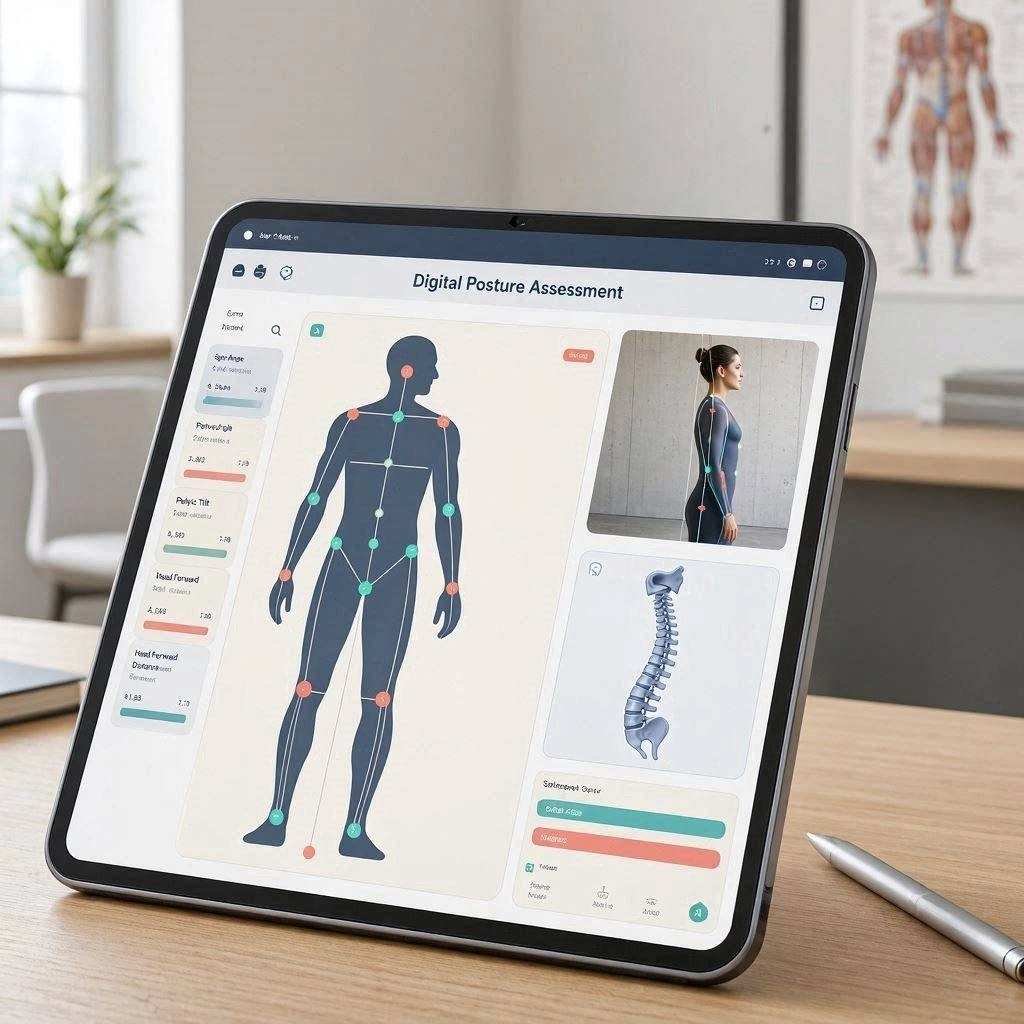
Technology and Mobility Assessment
Modern physiotherapy practices may use technology to monitor movement.
Depending on the clinic, this may include:
Video gait analysis
Digital movement assessment
Balance testing
Wearable sensors
Strength measurements
Technology can provide useful information, but clinical assessment and professional judgment remain important.
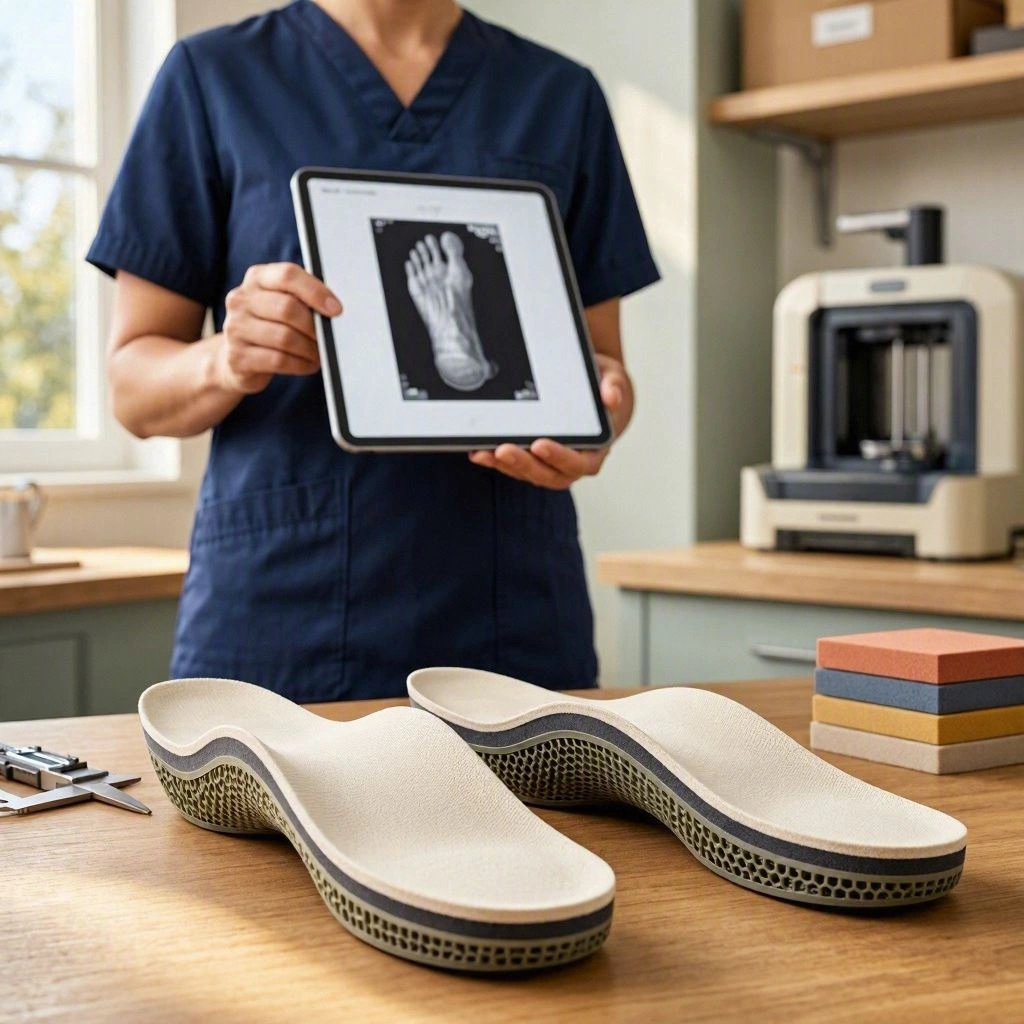
Assistive Devices and Mobility (Physiotherapy for Long-Term Mobility)
Some people may benefit from assistive devices such as:
Canes
Walkers
Crutches
Orthotic devices
A physiotherapist can help determine whether an assistive device may be appropriate and provide guidance on safe use.
The goal is not simply to provide equipment but to support safe and functional mobility.
Building Confidence in Movement
Fear of falling or reinjury can cause people to avoid activity.
Unfortunately, prolonged avoidance can lead to further weakness and reduced physical capacity.
A gradual rehabilitation program allows individuals to practice challenging movements in a controlled environment.
Successfully completing progressive activities can help build confidence.
Long-Term Mobility and Fall Prevention
Falls can significantly affect independence.
A fall-prevention program may address:
Leg strength
Balance
Walking
Reaction ability
Mobility
Environmental risks
Simple environmental changes can also help, such as improving lighting, removing clutter, and using appropriate footwear.
Mobility for Office Workers
Long periods of sitting can reduce daily movement.
Office workers can support long-term mobility by incorporating:
Regular walking
Standing breaks
Mobility exercises
Strength training
Changes in working position
A physiotherapist can also provide individualized ergonomic guidance when needed.
Mobility for Active Adults
Long-term mobility is not only important for older adults.
Active adults can benefit from maintaining:
Joint mobility
Strength
Balance
Flexibility
Cardiovascular fitness
A well-rounded exercise program can help maintain physical capacity across different stages of life.
When Should You See a Physiotherapist?
Professional assessment may be appropriate if you experience:
Persistent mobility limitations
Difficulty walking
Muscle weakness
Joint stiffness
Recurrent falls
Balance problems
Difficulty climbing stairs
Reduced physical endurance
Difficulty returning to exercise
Changes in normal movement
Early assessment can help identify factors that may be addressed through rehabilitation.
Warning Signs Requiring Medical Attention
Some changes in mobility require urgent medical assessment.
Seek immediate medical attention for:
Sudden weakness
Sudden numbness
Sudden loss of coordination
Loss of consciousness
Severe chest pain
Difficulty breathing
Severe pain after major trauma
New loss of bowel or bladder control
Sudden significant changes in vision or speech
These symptoms may indicate a serious medical condition.
Creating a Sustainable Mobility Program
The most effective long-term mobility program is one that can be maintained.
A physiotherapist may help establish realistic goals such as:
Walking a certain distance
Climbing stairs comfortably
Returning to exercise
Improving balance
Increasing leg strength
Maintaining independence
Goals can be reviewed regularly as physical abilities change.
Conclusion
Physiotherapy for long-term mobility focuses on maintaining physical function, independence, and confidence throughout life. Mobility depends on much more than walking. Strength, flexibility, joint movement, balance, coordination, endurance, and functional capacity all contribute to a person’s ability to move effectively.
Physiotherapy can address these factors through personalized exercise, strength training, mobility work, balance rehabilitation, gait training, functional movement, and education. Programs can be adapted for older adults, people recovering from injuries or surgery, individuals with chronic conditions, and active adults who want to maintain physical performance.
Long-term mobility is supported by consistent movement rather than occasional exercise alone. Regular physical activity, appropriate strengthening, mobility exercises, healthy recovery habits, and professional guidance when necessary can help individuals maintain their physical capabilities over time.
The ultimate goal is to help people continue doing the activities that matter to them, whether that means walking independently, participating in sport, working comfortably, enjoying hobbies, or simply maintaining the freedom to move through everyday life with greater confidence.