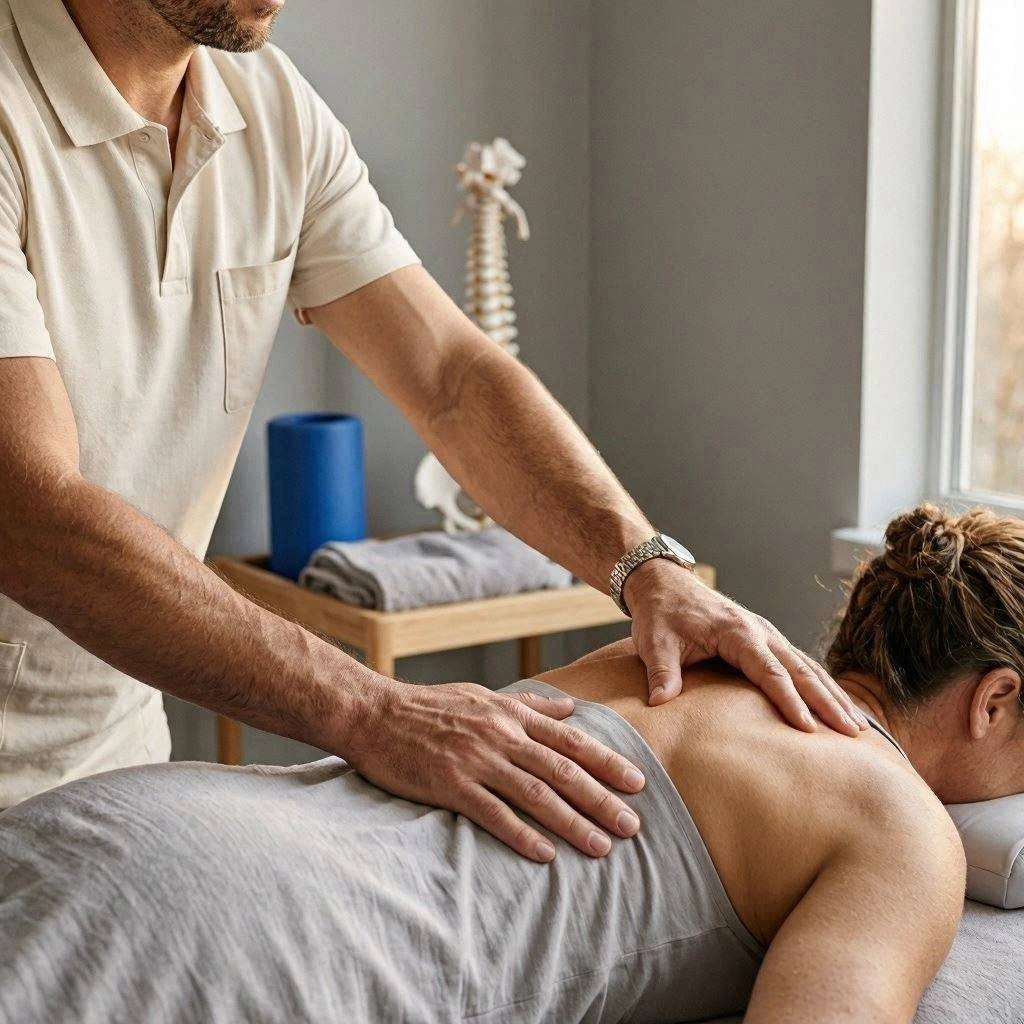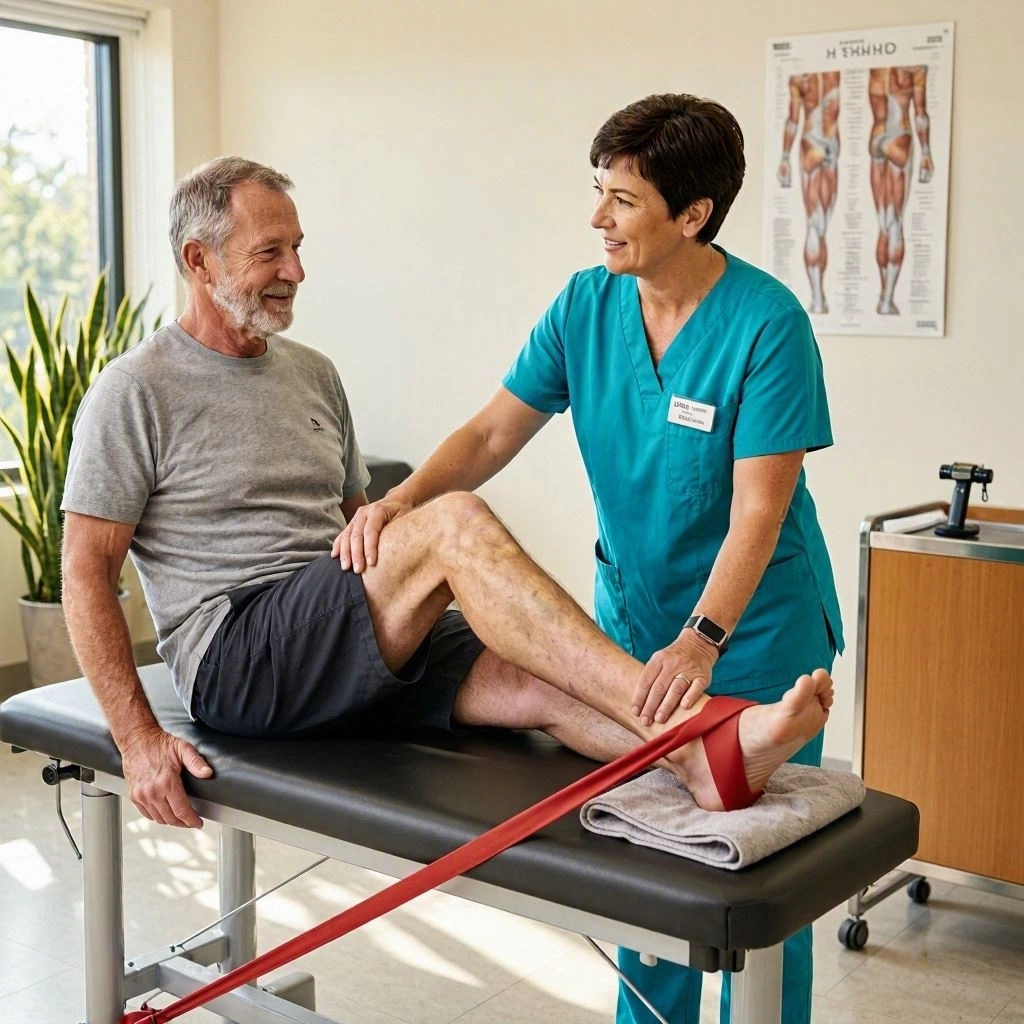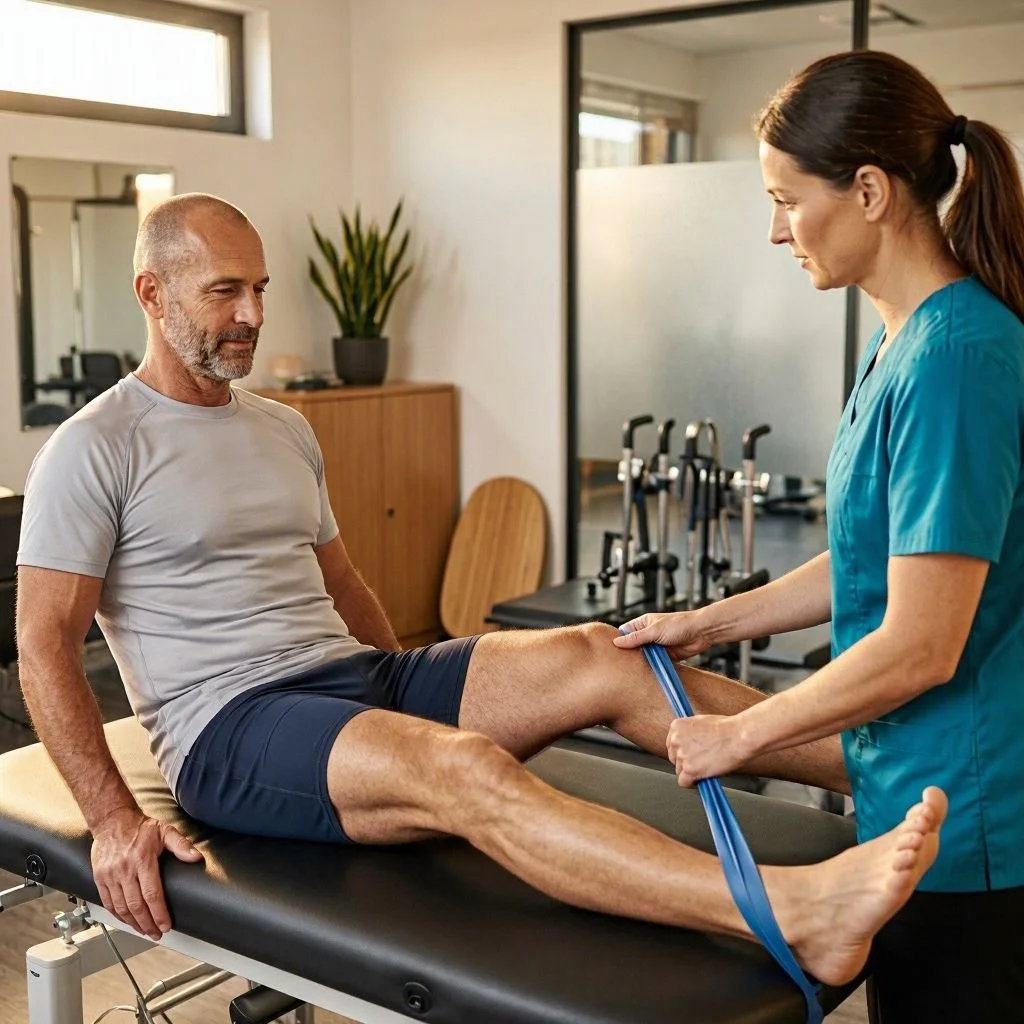
Physiotherapy Strength Recovery: Complete Guide to Rebuilding Strength and Physical Function
Losing strength can happen for many reasons. An injury, surgery, prolonged rest, pain, illness, reduced activity, or changes in physical condition can all affect how strongly and confidently a person moves. Even when the original problem begins to improve, weakness can remain and make everyday activities, exercise, work, or sports more difficult. Physiotherapy Strength Recovery focuses on gradually rebuilding muscle strength, physical capacity, movement control, and confidence. Rather than using the same exercises for everyone, physiotherapy can combine assessment, therapeutic exercise, progressive strengthening, mobility training, balance exercises, functional movement, and education according to the individual’s condition and goals.
Physiotherapy is commonly used to improve movement, strength, and physical function after injuries, surgery, illness, or disability. The NHS notes that physiotherapy can include exercises designed to improve joint movement and strengthen muscles, while home exercises can support progress between appointments.
At Ritz Clinic, strength recovery can be incorporated into an individualized physiotherapy and rehabilitation approach based on symptoms, physical limitations, lifestyle, and recovery goals.
This guide explains how physiotherapy strength recovery works, why strength can decrease, which exercises may be used, how rehabilitation progresses, and how strengthening can support a safe return to everyday activities, work, exercise, and sport.
What Is Physiotherapy Strength Recovery?
Physiotherapy strength recovery is a structured rehabilitation process designed to help restore muscle strength and physical capacity after an injury, surgery, illness, inactivity, or other condition that has affected movement.
Strength recovery does not simply mean making a muscle bigger. Functional strength also involves the ability to control movement, stabilize joints, maintain balance, produce force, and use that force during everyday activities.
For example, a person may have enough strength to straighten the knee while sitting but still struggle to climb stairs. Similarly, someone may be able to lift a light object but have difficulty carrying it repeatedly at work.
Therefore, physiotherapy often considers several aspects of physical capacity, including:
- Muscle strength
- Muscle endurance
- Joint mobility
- Balance
- Coordination
- Stability
- Movement control
- Cardiovascular endurance
- Functional capacity
- Confidence during movement
As recovery progresses, exercises can become increasingly challenging and more closely related to the activities the person wants to resume.
Why Can People Lose Strength?
Strength loss can develop for different reasons. Understanding the cause is important because the rehabilitation strategy should address the underlying limitation rather than simply adding more exercise.
Injury
An injury can immediately reduce physical activity.
For example, someone with a knee injury may avoid putting weight through one leg. A person with a shoulder injury may stop reaching or lifting. Someone with an ankle injury may reduce walking.
Although reducing certain activities can be appropriate during early recovery, prolonged inactivity may contribute to reduced strength and physical capacity.
Surgery
Surgery can temporarily affect strength and movement.
Depending on the procedure, a person may need to limit certain movements for a period of time. As a result, muscles can become weaker while activity remains restricted.
Physiotherapy can help guide the transition from appropriate early movement toward strengthening and functional activity.
Pain
Pain can change the way a person moves.
Someone experiencing pain may avoid certain positions, reduce their walking distance, or use a different movement pattern. Over time, this can reduce the amount of work performed by certain muscles.
However, pain does not always mean that complete rest is necessary. The appropriate activity level depends on the condition and should be determined individually.
Prolonged Inactivity
Periods of reduced activity can affect physical conditioning.
This can happen after illness, hospitalization, injury, or a lifestyle change.
When physical activity decreases for an extended period, returning to previous activity levels immediately may feel difficult. A gradual strengthening program can help rebuild capacity.
Aging and Reduced Physical Activity
Strength naturally becomes an important consideration as people get older.
Maintaining muscle strength can support independence, balance, mobility, and everyday function. The World Health Organization recommends muscle-strengthening activities for adults on at least two days per week, while older adults may also benefit from activities emphasizing balance and functional strength.
However, the appropriate exercises and intensity vary considerably between individuals.
How Does Physiotherapy Strength Recovery Work?
A strength recovery program usually begins with an assessment.
The physiotherapist may consider:
- Current symptoms
- Medical history
- Previous injuries
- Current activity level
- Muscle strength
- Joint mobility
- Balance
- Coordination
- Movement patterns
- Functional limitations
- Work requirements
- Exercise habits
- Sports requirements
- Personal recovery goals
The therapist can then use this information to develop an appropriate rehabilitation plan.
At Ritz Clinic Injury Rehabilitation, rehabilitation programs may include therapeutic exercise, movement training, manual techniques, and progress monitoring based on the individual’s condition and goals.
The program can then change as the person’s strength and physical abilities improve.
The Main Stages of Physiotherapy Strength Recovery (Physiotherapy Strength Recovery)
Strength recovery is usually progressive rather than sudden.
Although every rehabilitation program is different, several general stages can help explain the process.
Stage 1: Assessment and Appropriate Movement
The first stage focuses on understanding the problem.
The physiotherapist identifies which movements are limited and determines what type of exercise is currently appropriate.
Depending on the condition, exercises may initially use very little resistance.
The goal is to establish safe movement and prepare the body for greater physical demands.
Stage 2: Restoring Mobility
Strength and mobility often work together.
A joint that cannot move comfortably through an appropriate range may limit the ability to perform strengthening exercises effectively.
For example, a person recovering from an ankle injury may need to improve ankle movement while gradually strengthening the calf and lower-leg muscles.
Mobility work may therefore become part of the strength recovery process.
Stage 3: Basic Strengthening
Once appropriate movement is established, strengthening can become more prominent.
Exercises may use:
- Body weight
- Resistance bands
- Light weights
- Machines
- Cables
- Controlled functional movements
The resistance should match the person’s current abilities.
The goal is to provide enough challenge to stimulate adaptation without exceeding what the recovering body can safely tolerate.
Stage 4: Progressive Strength Training
As capacity improves, the rehabilitation program can become more demanding.
Progression may involve:
- Increasing resistance
- Increasing repetitions
- Increasing sets
- Increasing movement complexity
- Reducing assistance
- Increasing exercise range
- Improving control
- Adding functional demands
Progression should not happen simply because a certain number of days has passed. Instead, it should reflect the person’s response, physical capacity, symptoms, and rehabilitation goals.
Stage 5: Functional Strength Recovery
The final stages often focus on using strength in meaningful activities.
For example, a person returning to work may need to practice lifting, carrying, pushing, pulling, standing, or climbing stairs.
An athlete may need more advanced movements such as jumping, landing, accelerating, decelerating, or changing direction.
This is where strengthening becomes closely connected to real-world performance.
Common Exercises Used for Strength Recovery (Physiotherapy Strength Recovery)
The exact exercises depend on the injury, body region, physical ability, and rehabilitation stage.
However, several categories appear frequently in physiotherapy programs.
Squats
Squats can train the muscles around the hips, thighs, and lower body.
They can also develop functional strength for activities such as standing from a chair and climbing stairs.
A physiotherapist may modify the movement by changing the depth, using support, adjusting resistance, or selecting a different variation.
Lunges
Lunges can challenge lower-body strength, balance, and coordination.
They can be modified according to the individual’s ability.
For someone early in rehabilitation, a supported variation may be more appropriate than a full unsupported lunge.
Step-Ups
Step-ups can help develop leg strength and functional control.
They also relate closely to stair climbing.
The height of the step can be adjusted to match the person’s current ability.
Bridges
Bridges can strengthen muscles around the hips and trunk.
They are often adaptable because resistance and movement range can be changed.
Resistance Band Exercises
Resistance bands provide a practical way to introduce progressive resistance.
They can be used for exercises targeting the shoulders, hips, knees, ankles, and other areas.
Calf Raises
Calf raises can help strengthen the lower leg.
They may become particularly relevant during rehabilitation after certain ankle or lower-limb problems.
Rows
Rows can strengthen muscles involved in pulling movements and may support upper-body functional strength.
The resistance and position can be adjusted according to the individual’s needs.
Core Exercises
Core exercises can help develop trunk control.
However, “core strength” should not be treated as a solution for every physical problem. The appropriate exercises depend on the person’s condition and functional goals.
Physiotherapy Strength Recovery After Injury
Strength recovery after an injury should reflect the type of injury and the person’s current physical capacity.
For example, rehabilitation after an ankle injury may progress from controlled weight-bearing and mobility toward calf strengthening, balance work, walking, and eventually running.
Similarly, rehabilitation after a shoulder problem may progress through mobility exercises, controlled resistance, strengthening, and functional reaching or lifting.
The important principle is progression.
Trying to return immediately to the same workload used before an injury can place excessive demands on a body that has not yet rebuilt its capacity.
Instead, rehabilitation can gradually expose the body to increasing levels of physical stress.
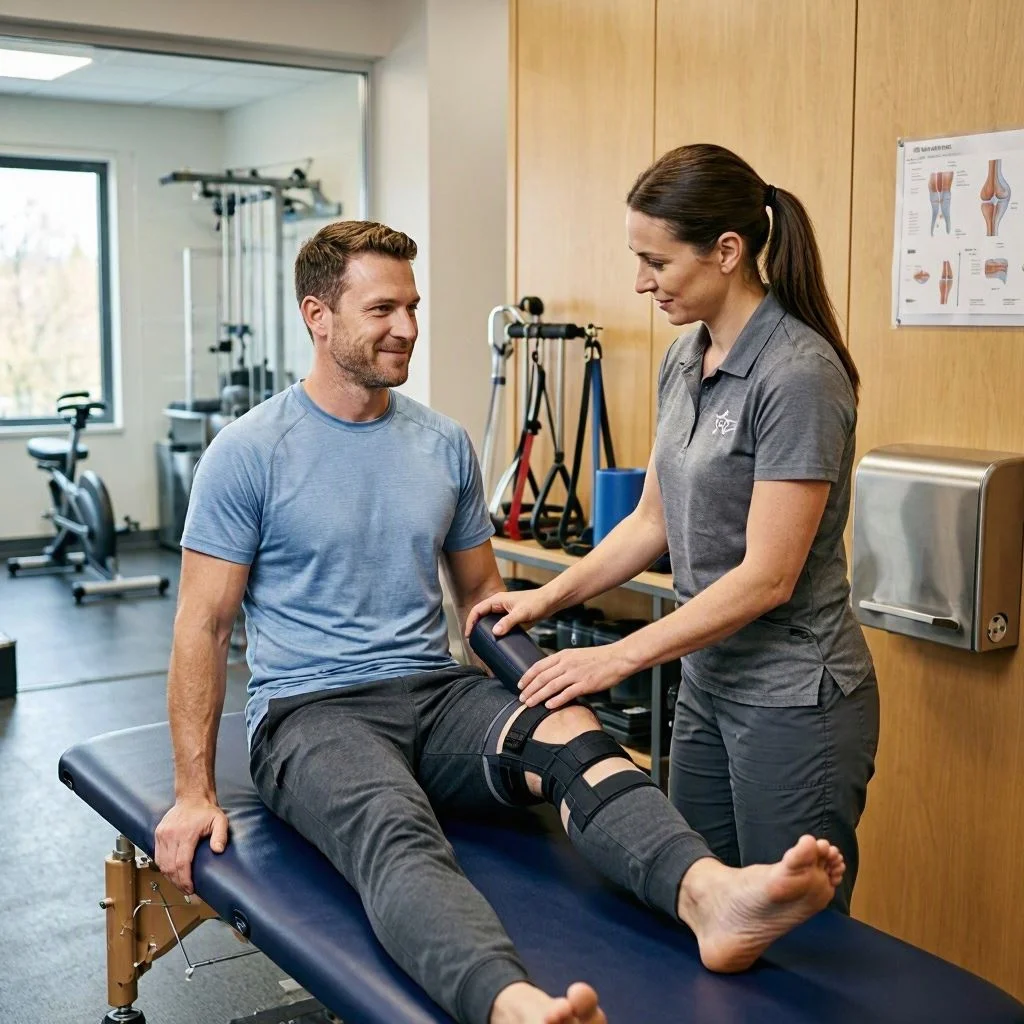
Strength Recovery After Surgery
Surgery can temporarily affect muscle function, movement, and confidence.
Physiotherapy may therefore help patients transition through different stages of recovery.
Depending on the procedure, rehabilitation may include:
- Safe movement
- Mobility exercises
- Basic muscle activation
- Progressive strengthening
- Balance and coordination
- Functional movement
- Return-to-activity preparation
The exact timeline depends heavily on the type of surgery and the medical instructions provided by the healthcare team.
For this reason, patients should not copy another person’s post-surgical strengthening program.
Strength Recovery for Back Problems
Back-related problems can sometimes reduce physical activity.
A person may become hesitant to bend, lift, walk, or exercise because of discomfort.
Depending on the condition, physiotherapy may include progressive strengthening for the trunk, hips, and lower body alongside mobility and functional training.
The goal is not necessarily to eliminate every sensation before movement begins.
Instead, the program should help the individual gradually improve physical capacity while respecting appropriate clinical limitations.
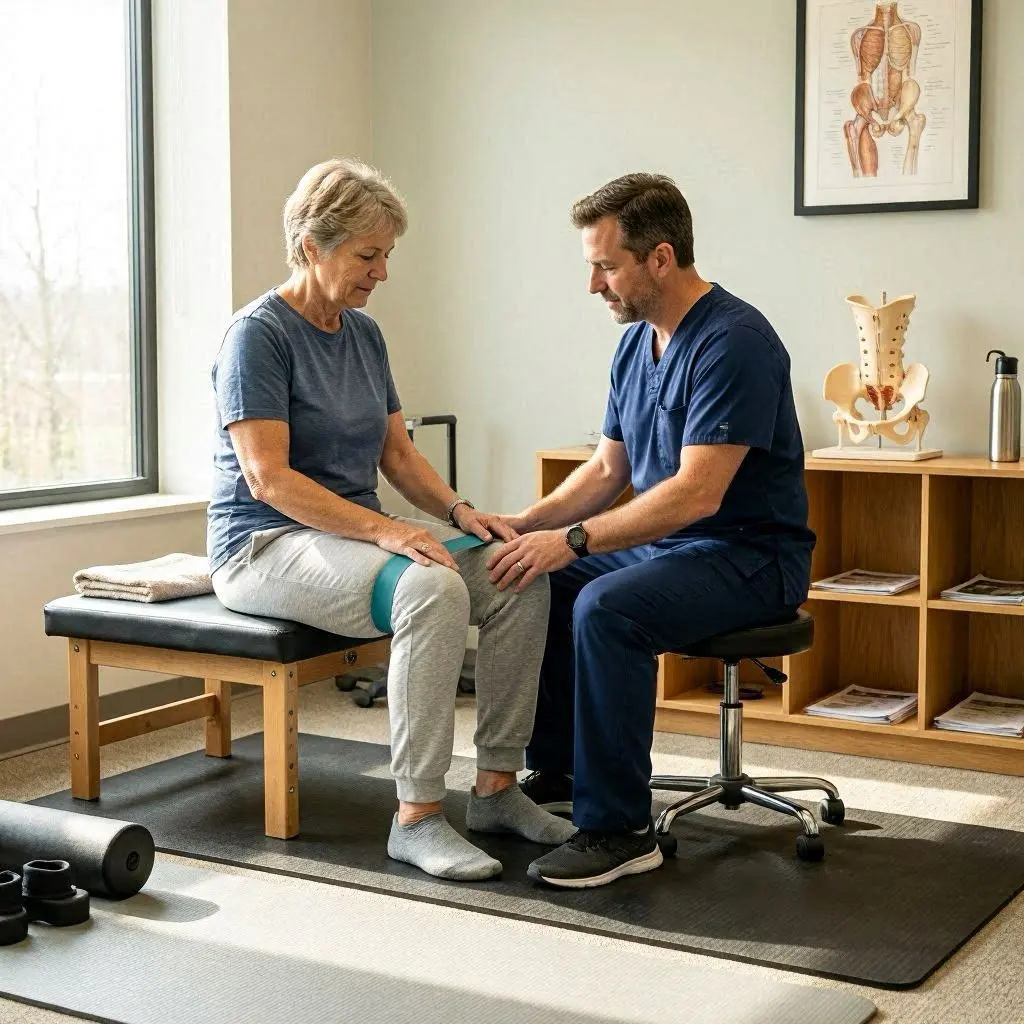
Strength Recovery for Knee Problems (Physiotherapy Strength Recovery)
Knee problems can significantly affect lower-body strength.
Pain or swelling may lead people to reduce walking, squatting, stair climbing, or exercise.
As appropriate, rehabilitation may focus on:
- Quadriceps strength
- Hamstring strength
- Hip strength
- Calf strength
- Balance
- Mobility
- Functional control
Exercises may begin with simple movements and gradually progress toward more demanding activities.
For example, someone may progress from supported sit-to-stand movements to squats, step-ups, lunges, and more advanced functional exercises.
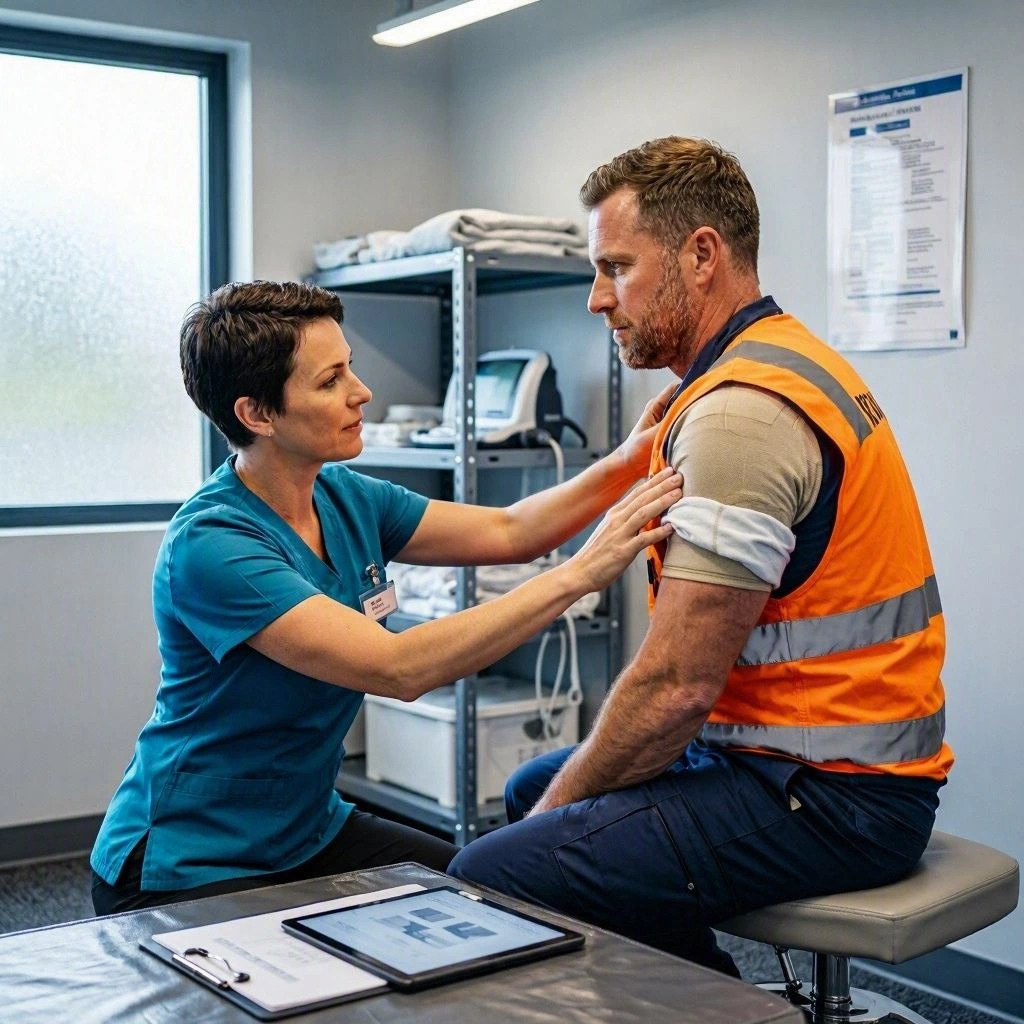
Strength Recovery for Shoulder Problems
Shoulder rehabilitation often requires a careful balance between mobility and strengthening.
Depending on the condition, exercises may target:
- Shoulder movement
- Rotator cuff function
- Scapular control
- Upper-back strength
- Arm strength
- Functional reaching
Exercises should match the person’s diagnosis and stage of recovery.
A movement that is useful for one shoulder condition may not be appropriate for another.
Therefore, individualized assessment remains important.
Strength Recovery for Athletes
Athletes usually require a higher level of physical capacity than someone returning to normal daily activities.
For example, a recreational runner may need to regain running tolerance.
A soccer player may need:
- Sprinting
- Acceleration
- Deceleration
- Jumping
- Landing
- Direction changes
- Single-leg control
A tennis player may need:
- Shoulder strength
- Rotational control
- Lateral movement
- Repeated acceleration
- Overhead movement
Therefore, the later stages of rehabilitation should increasingly resemble the demands of the sport.
At Ritz Clinic, injury rehabilitation can be progressed according to the patient’s functional and activity goals rather than relying on a single exercise routine for everyone.
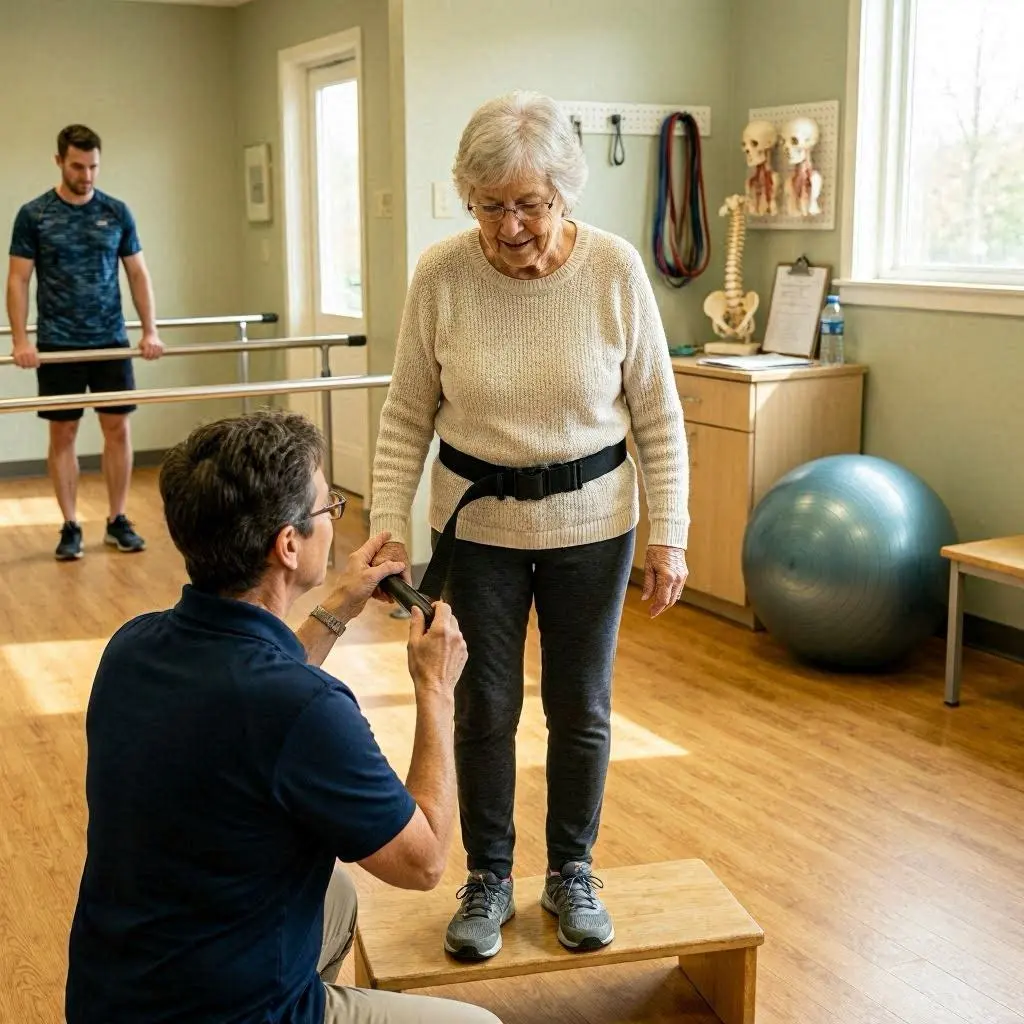
Strength Recovery for Older Adults (Physiotherapy Strength Recovery)
Strength training can play an important role in maintaining physical independence.
Older adults may need to focus not only on muscle strength but also on balance, coordination, walking ability, and confidence.
The WHO recommends combining muscle-strengthening activity with balance-focused activity for older adults, particularly when mobility is limited or fall prevention is an important concern.
A physiotherapy program can adapt exercises to the person’s abilities.
For example, strengthening may begin with:
- Sit-to-stand exercises
- Supported squats
- Step-ups
- Heel raises
- Resistance-band exercises
- Balance exercises
- Walking practice
As capacity improves, the exercises can become progressively more challenging.
How Often Should You Do Strength Recovery Exercises?
There is no universal number of sessions that works for every rehabilitation program.
Frequency depends on:
- Injury type
- Recovery stage
- Exercise intensity
- Overall health
- Training history
- Symptoms
- Treatment goals
- Response to exercise
General physical activity guidelines recommend muscle-strengthening activities involving major muscle groups on at least two days per week for adults.
However, a rehabilitation program may use a different schedule.
For example, some exercises may be appropriate more frequently when they use low resistance, while more demanding strengthening sessions may require additional recovery time.
The important point is consistency combined with appropriate progression.
How Does Progressive Loading Build Strength?
Progressive loading means gradually increasing the physical challenge placed on the body.
The increase does not always have to mean adding heavier weights.
Progression can involve:
- More resistance
- More repetitions
- More sets
- Greater movement range
- More complex movements
- Less external support
- Greater balance requirements
- Increased exercise duration
- More activity-specific demands
For example, a person may begin with a supported sit-to-stand movement.
Later, they may perform repeated unsupported sit-to-stands.
After that, they might progress to weighted squats or step-based exercises.
This gradual process allows rehabilitation to match changing physical capacity.
Strength Recovery and Pain
Pain during rehabilitation can be complicated.
Some discomfort may occur during exercise, but the meaning of that discomfort depends on the condition, the exercise, the intensity, and how symptoms respond afterward.
Therefore, people should not automatically assume that all pain means injury or that all pain should simply be ignored.
A physiotherapist can help determine how to modify an exercise when symptoms occur.
Potential modifications may include:
- Reducing resistance
- Reducing repetitions
- Changing movement range
- Slowing the movement
- Changing the exercise
- Increasing recovery time
- Temporarily reducing training volume
If symptoms become severe, rapidly worsen, or are accompanied by concerning signs, further medical assessment may be necessary.
Why Home Exercises Matter (Physiotherapy Strength Recovery)
Physiotherapy does not only happen inside the clinic.
Many rehabilitation programs include exercises that patients perform independently between appointments.
The NHS notes that patients may receive exercises to complete at home and emphasizes regular completion as part of recovery.
Home exercises can help maintain consistency.
However, more exercise is not automatically better.
Patients should follow the program provided by their healthcare professional rather than adding large amounts of additional resistance training without guidance.
How Long Does Strength Recovery Take?
The timeline varies significantly.
Factors that can influence recovery include:
- Type of injury
- Severity of the condition
- Surgery, if applicable
- Age
- Previous fitness level
- Current activity level
- Sleep
- Nutrition
- Consistency with rehabilitation
- Work demands
- Sports demands
- Other health conditions
Someone recovering from a mild period of inactivity may regain strength relatively quickly.
On the other hand, someone recovering from major surgery, neurological injury, significant trauma, or prolonged inactivity may require a much longer rehabilitation process.
Therefore, recovery should be measured through progress rather than a fixed calendar.
Useful indicators may include:
- Improved exercise tolerance
- Increased resistance
- Better movement control
- Improved balance
- Greater walking distance
- Easier stair climbing
- Improved lifting ability
- Better performance of daily activities
- Greater confidence
How Can You Track Strength Recovery?
Tracking progress can make rehabilitation more objective.
Depending on the situation, a physiotherapist may monitor:
Strength
The therapist can assess whether the muscles are producing more force or tolerating greater resistance.
Repetitions
An increase in controlled repetitions can indicate improved muscular endurance.
Range of Motion
Improved movement may allow more effective strengthening and functional activity.
Balance
Better balance can indicate improvements in control and stability.
Functional Tasks
Everyday tasks can provide practical evidence of progress.
For example:
- Standing from a chair
- Climbing stairs
- Carrying groceries
- Walking longer distances
- Reaching overhead
- Returning to work tasks
- Returning to sport-specific activities
These measurements can provide a more complete picture than body weight or appearance alone.
Strength Recovery and Functional Training
Strength is most useful when a person can apply it to real movement.
For that reason, functional training can become increasingly important as rehabilitation progresses.
A person returning to work may need to lift boxes.
A parent may need to carry a child.
An older adult may need to stand from a low chair.
An athlete may need to jump, land, sprint, or change direction.
Therefore, a good strength recovery program should eventually connect isolated exercises with meaningful activities.
This does not mean every exercise needs to imitate a real-world movement. Instead, the program should build the physical qualities needed for the person’s goals.
Strength Recovery and Return to Work
Work demands can vary dramatically.
An office worker may need:
- Comfortable sitting
- Walking
- Standing
- Reaching
- Keyboard and desk tolerance
A construction worker may need:
- Lifting
- Carrying
- Squatting
- Climbing
- Repeated physical effort
A healthcare worker may need:
- Standing
- Walking
- Patient transfers
- Pushing
- Pulling
- Repeated movement
Therefore, rehabilitation should consider the actual requirements of the job.
Gradually rebuilding work-specific capacity may help a person prepare for a safer return to normal duties.
Strength Recovery and Return to Sport (Physiotherapy Strength Recovery)
Returning to sport requires more than feeling better.
An athlete may need sufficient:
- Strength
- Power
- Balance
- Coordination
- Endurance
- Reaction ability
- Movement control
- Sport-specific capacity
For example, a basketball player may need repeated jumping and landing.
A runner may need gradual exposure to increasing running volume.
A soccer player may need sprinting and cutting.
Consequently, rehabilitation should progress toward the actual demands of the sport.
A return-to-sport decision should also consider the injury, objective findings, symptoms, training demands, and professional assessment where appropriate.
Can Physiotherapy Prevent Future Weakness?
Physiotherapy cannot guarantee that weakness or injury will never return.
However, rehabilitation can help identify physical limitations and build capacity.
For example, a rehabilitation program may address:
- Muscle weakness
- Reduced mobility
- Poor balance
- Reduced endurance
- Movement limitations
- Low physical activity
- Inadequate conditioning
Maintaining an appropriate level of physical activity after rehabilitation can help preserve the strength that has been developed.
WHO guidance emphasizes that regular physical activity and muscle-strengthening activity are beneficial across adulthood.
How to Support Physiotherapy Strength Recovery
Several lifestyle habits can support a rehabilitation program.
Follow the Recommended Program
Consistency matters.
Perform the exercises as instructed and communicate with your physiotherapist if an exercise causes problems.
Progress Gradually
Avoid making large increases in resistance or training volume without an appropriate reason.
Stay Active Within Your Limits
Complete inactivity is not always necessary.
Depending on the condition, walking and other appropriate activities may help maintain general physical capacity.
Prioritize Recovery
Rest is part of training.
Adequate recovery allows the body to adapt to physical stress.
Maintain Balanced Nutrition
The body needs adequate energy and nutrients to support normal physiological processes.
For specific nutritional concerns, especially during major recovery, illness, or medically complex situations, discuss dietary needs with an appropriate healthcare professional.
Communicate Changes
Tell your physiotherapist if symptoms change, exercises become significantly easier or harder, or your daily activity demands change.
This information can help the program remain appropriate.
When Should You Seek Professional Assessment?
A professional assessment can be useful when weakness persists, interferes with daily activities, or develops after an injury or surgery.
You should seek appropriate medical evaluation for concerning symptoms such as:
- Sudden or severe weakness
- New neurological symptoms
- Loss of coordination
- Significant trauma
- Severe or rapidly worsening pain
- Major swelling
- Visible deformity
- Loss of function
- Unexplained weakness
- New symptoms affecting speech, vision, or consciousness
Some symptoms require urgent medical attention rather than routine exercise progression.
Likewise, if you are unsure whether a particular strengthening exercise is appropriate for your injury, professional assessment can help identify a safer starting point.
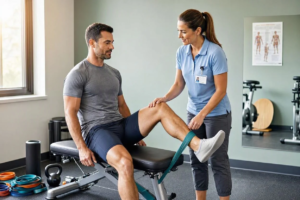
Why Personalized Physiotherapy Matters
There is no universal strength recovery routine.
Two people can have the same diagnosis but completely different rehabilitation needs.
Consider two people recovering from knee problems.
One person may want to return to comfortable daily walking.
Another may want to return to competitive sport.
The second person may require considerably higher levels of strength, power, balance, endurance, and movement control.
Therefore, physiotherapy should consider the person’s current capacity and final goal.
At Ritz Clinic’s Injury Rehabilitation service, rehabilitation programs are designed around individual symptoms, movement limitations, strength, flexibility, balance, functional needs, and recovery goals.
Similarly, Ritz Clinic’s Physiotherapy Movement Therapy focuses on movement, strengthening, mobility, balance, coordination, and functional training as appropriate for the individual.
What Makes a Strength Recovery Program Effective?
An effective program is not necessarily the most difficult program.
Instead, it should be appropriate, progressive, measurable, and relevant.
A well-designed program should answer several questions:
- What is currently limited?
- What physical capacity needs improvement?
- Which exercises are appropriate now?
- How much resistance should be used?
- How should the exercise progress?
- What activities does the person want to return to?
- How will progress be measured?
This approach helps turn rehabilitation into a structured process rather than a collection of random exercises.
Final Thoughts
Physiotherapy Strength Recovery is a progressive process that can help people rebuild muscle strength, movement control, physical capacity, and confidence after injury, surgery, illness, or periods of reduced activity.
Strength recovery usually works best when it begins with an appropriate assessment and progresses gradually. Mobility, strengthening, balance, coordination, endurance, and functional training can all become part of rehabilitation depending on the individual’s needs.
Most importantly, strengthening should match the person’s current abilities.
A beginner recovering from an injury may need simple controlled exercises, while an athlete returning to competition may eventually require high-level sport-specific training. Likewise, an older adult may benefit from a combination of strength, balance, and functional exercises designed around everyday independence.
Regular physical activity and muscle-strengthening exercise are also important components of long-term health. WHO guidelines recommend muscle-strengthening activities involving major muscle groups on at least two days per week for adults, while the exact rehabilitation schedule should be individualized according to the person’s condition and goals.
If weakness is limiting your ability to walk, work, exercise, play sports, or perform everyday activities, a physiotherapy assessment can help identify the physical limitations that need attention and create an appropriate path toward recovery.
Frequently Asked Questions
What is Physiotherapy Strength Recovery?
Physiotherapy Strength Recovery is a rehabilitation approach that uses assessment, therapeutic exercise, progressive strengthening, mobility work, balance training, and functional movement to help restore physical strength and function.
Can physiotherapy help rebuild muscle strength?
Yes. Strengthening exercises are commonly used in physiotherapy to improve muscle strength and physical function. The exercises and resistance should be selected according to the person’s condition, current abilities, and rehabilitation goals.
How long does physiotherapy strength recovery take?
The timeline varies. Recovery depends on the cause of weakness, injury severity, surgery, general health, previous fitness, consistency with rehabilitation, and the physical demands of the person’s daily activities or sport.
What exercises are used for strength recovery?
Exercises may include squats, step-ups, bridges, lunges, resistance-band exercises, calf raises, rows, core exercises, balance exercises, and other movements. The appropriate selection depends on the individual’s condition.
Can strength recovery help after surgery?
Physiotherapy can often support recovery after surgery by helping restore movement, strength, balance, and physical function. However, the program must follow the specific surgical and medical guidance for the individual procedure.
Can physiotherapy help with weakness after an injury?
Yes. Physiotherapy may help people rebuild strength and physical capacity after many types of injuries. The program should be based on an assessment of the injury, symptoms, movement, and functional limitations.
How often should I perform strength exercises?
General health guidelines recommend muscle-strengthening activities on at least two days per week for adults. However, rehabilitation schedules can differ depending on the injury, exercise intensity, recovery stage, and individual goals.
Should I exercise if I have pain?
It depends on the condition and the type of pain. Some rehabilitation programs include appropriately modified exercise even when symptoms remain. However, severe, worsening, or unexplained symptoms require appropriate professional assessment.
Can physiotherapy help me return to sports?
Yes. Sports rehabilitation can progressively rebuild strength, balance, coordination, endurance, and sport-specific movement. The final stages can be tailored to the physical demands of the athlete’s sport.
Can physiotherapy strength recovery help older adults?
Yes. Strength and balance training can support mobility and physical independence in older adults. WHO recommendations specifically emphasize strength and balance-focused activity for older adults, particularly where fall prevention is relevant.
Is home exercise important during strength recovery?
Yes. Home exercises can help maintain consistency between physiotherapy appointments. The exercises should follow the rehabilitation plan provided by the healthcare professional.
Can I return to normal exercise immediately after recovering strength?
Not necessarily. Feeling stronger does not automatically mean that the body is ready for every physical demand. A gradual return to exercise allows physical capacity to build progressively.
What should I do if my strength does not improve?
If weakness persists despite appropriate activity, or if it becomes worse or is associated with new symptoms, seek professional assessment. The cause may need further investigation before continuing to increase exercise intensity.
Does physiotherapy strength recovery prevent future injuries?
Rehabilitation can help address physical limitations such as weakness, reduced mobility, poor balance, and reduced conditioning. However, no physiotherapy program can guarantee that a future injury will not occur.
What is the difference between strength and functional strength?
Strength refers to the ability of muscles to produce force. Functional strength refers to the ability to use that force effectively during meaningful movements and activities such as walking, lifting, climbing stairs, working, or playing sports.