Why You Should Do Physiotherapy: A Complete Guide to Better Health and Recovery
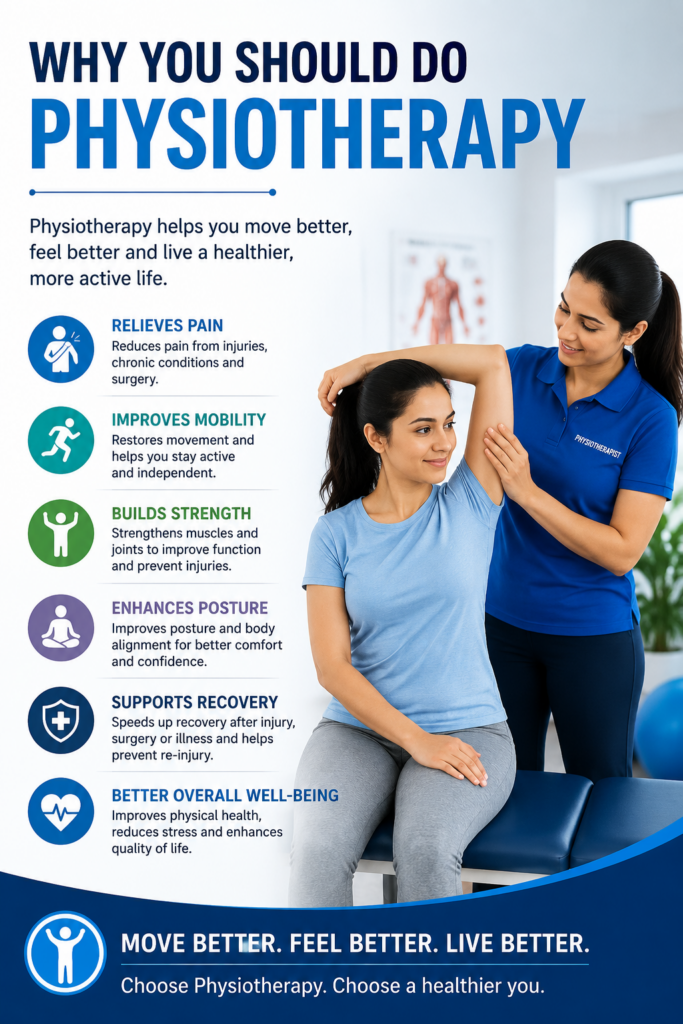
Physiotherapy is one of the most effective ways to improve mobility, reduce pain, and support long-term physical health. Whether you are recovering from an injury, managing a chronic condition, or simply trying to stay active, physiotherapy can play a major role in improving your quality of life. Today, more people are turning to physiotherapy because it provides a safe, non-invasive, and personalized approach to healing.
In this article, we will explore why physiotherapy is important, its major benefits, and how it can help people of all ages live healthier lives.
What Is Physiotherapy?
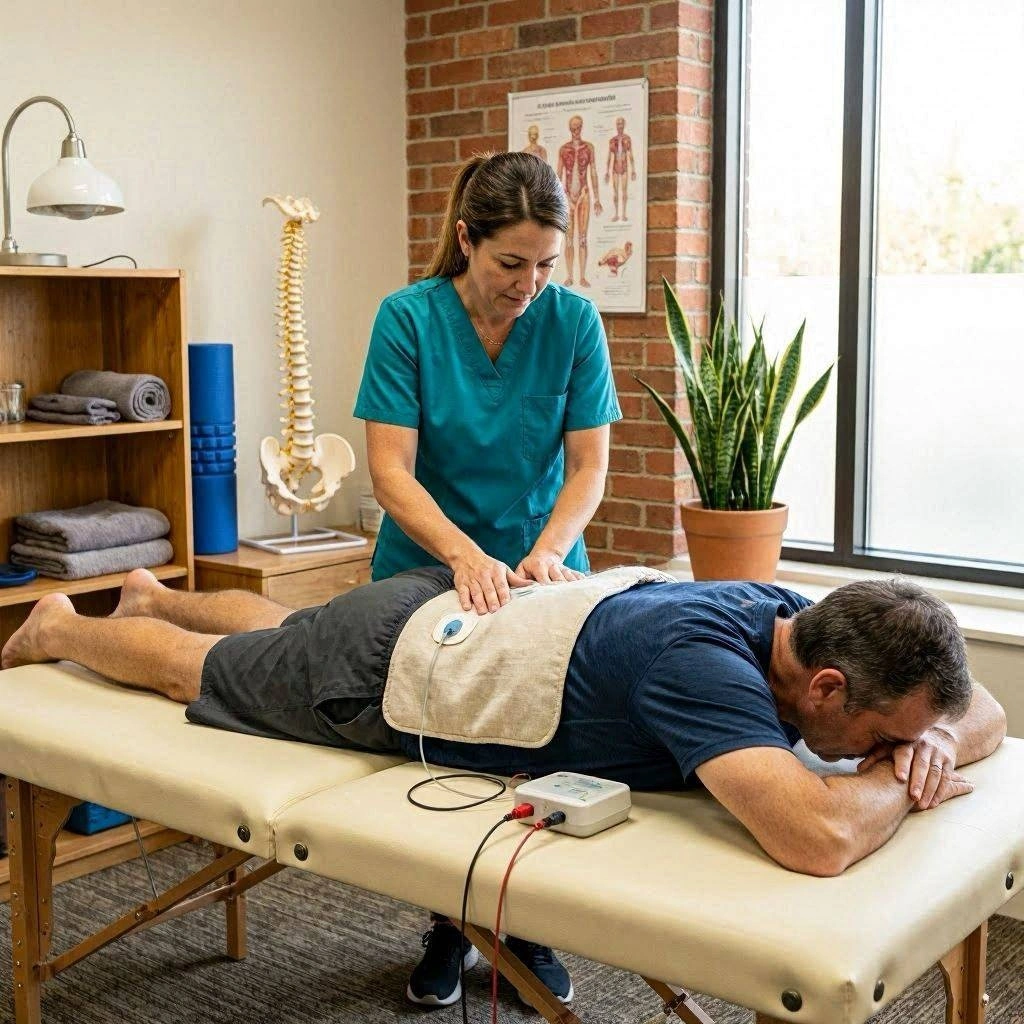
Physiotherapy is a healthcare treatment that focuses on restoring movement and physical function. It uses exercises, manual therapy, stretching techniques, posture correction, and specialized treatments to help patients recover from pain and injuries.
A trained physiotherapist assesses the condition of the patient and creates a customized treatment plan based on their physical needs and goals. Physiotherapy is commonly used for sports injuries, back pain, arthritis, post-surgery recovery, neurological disorders, and mobility issues.
Benefits of Physiotherapy
1. Helps Reduce Pain Naturally
One of the biggest reasons people choose physiotherapy is pain relief. Many individuals suffer from chronic pain in the neck, shoulders, back, knees, or joints. Physiotherapy helps reduce pain through targeted exercises, joint mobilization, soft tissue therapy, and muscle strengthening.
Unlike pain medications that may only provide temporary relief, physiotherapy addresses the root cause of the problem. This makes it a long-term solution for managing pain naturally.
2. Improves Mobility and Flexibility
Limited movement can affect your daily routine and overall comfort. Physiotherapy helps improve flexibility, strength, balance, and coordination. It is especially useful for older adults, individuals recovering from surgery, and people with movement disorders.
Regular physiotherapy sessions can help patients regain confidence in their movement and perform everyday tasks more easily.
3. Speeds Up Injury Recovery
Sports injuries, workplace injuries, and accidents can take a toll on the body. Physiotherapy helps accelerate the healing process by improving blood circulation, reducing inflammation, and strengthening injured muscles and joints.
Whether it is a ligament tear, muscle strain, or fracture recovery, physiotherapy ensures that the body heals properly and safely.
4. Prevents Surgery in Some Cases
In many situations, physiotherapy can help patients avoid surgery altogether. Conditions such as knee pain, frozen shoulder, lower back pain, and certain joint issues may improve significantly with proper physiotherapy treatment.
Even if surgery is necessary, physiotherapy before and after surgery improves recovery outcomes and helps patients regain function faster.
5. Supports Better Posture
Poor posture has become increasingly common due to long working hours, desk jobs, and excessive screen time. Bad posture can lead to neck pain, headaches, shoulder stiffness, and back problems.
Physiotherapists identify posture-related issues and provide corrective exercises to improve alignment and muscle balance. Better posture not only reduces discomfort but also improves confidence and overall body function.
6. Helps Manage Chronic Conditions
Physiotherapy is highly beneficial for people living with chronic conditions such as arthritis, diabetes, osteoporosis, and neurological disorders. It helps maintain mobility, reduce stiffness, and improve overall physical function.
Patients with conditions like stroke, Parkinson’s disease, or multiple sclerosis can also benefit from specialized physiotherapy programs designed to improve independence and daily functioning.
7. Enhances Sports Performance
Athletes often use physiotherapy to improve performance and prevent injuries. Physiotherapists help identify muscle imbalances, movement limitations, and areas of weakness that may increase injury risk.
Customized exercise programs can improve strength, endurance, flexibility, and recovery time. This allows athletes to perform at their best while reducing the chances of future injuries.
8. Promotes Overall Wellness
Physiotherapy is not only for injured or elderly individuals. It also plays an important role in maintaining general health and wellness. Regular physical therapy sessions encourage an active lifestyle, improve body awareness, and enhance physical fitness.
By improving movement and reducing discomfort, physiotherapy helps people stay active, energetic, and healthy for years to come.
Who Can Benefit from Physiotherapy?
Physiotherapy is suitable for people of all ages. Children with developmental issues, adults recovering from injuries, office workers with posture problems, and seniors dealing with joint pain can all benefit from physiotherapy treatment.
Common conditions treated with physiotherapy include:
Back and neck pain
Sports injuries
Arthritis and joint pain
Post-surgery rehabilitation
Muscle strains and sprains
Balance and mobility problems
Stroke recovery
Sciatica
Shoulder pain
When Should You See a Physiotherapist?
You should consider seeing a physiotherapist if you experience:
Persistent pain lasting more than a few days
Difficulty moving or walking
Muscle weakness or stiffness
Pain during physical activity
Recovery after surgery or injury
Frequent headaches caused by tension or posture
Early treatment can prevent minor problems from becoming serious conditions.
Conclusion
It is an essential part of modern healthcare that offers long-term physical and mental benefits. From pain relief and improved mobility to injury prevention and faster recovery, physiotherapy helps individuals regain control of their health naturally and effectively.
Whether you are an athlete, office worker, senior citizen, or someone recovering from an injury, physiotherapy can improve your quality of life and overall well-being. Investing in physiotherapy today can help you stay healthier, stronger, and more active in the future.