Physiotherapy for Sedentary Lifestyle: A Complete Guide to Movement, Mobility, Strength, and Physical Health
Physiotherapy for a sedentary lifestyle can help people who spend much of their day sitting, working at a desk, using digital devices, driving, watching television, or participating in other activities that involve limited physical movement. Modern lifestyles have made prolonged sitting increasingly common, particularly for office workers, students, remote workers, and people who spend significant amounts of time using computers or smartphones.
A sedentary lifestyle does not necessarily mean that someone is completely inactive. A person may exercise occasionally but still spend many hours sitting throughout the rest of the day. This combination can make it difficult to maintain mobility, strength, endurance, and comfortable movement.
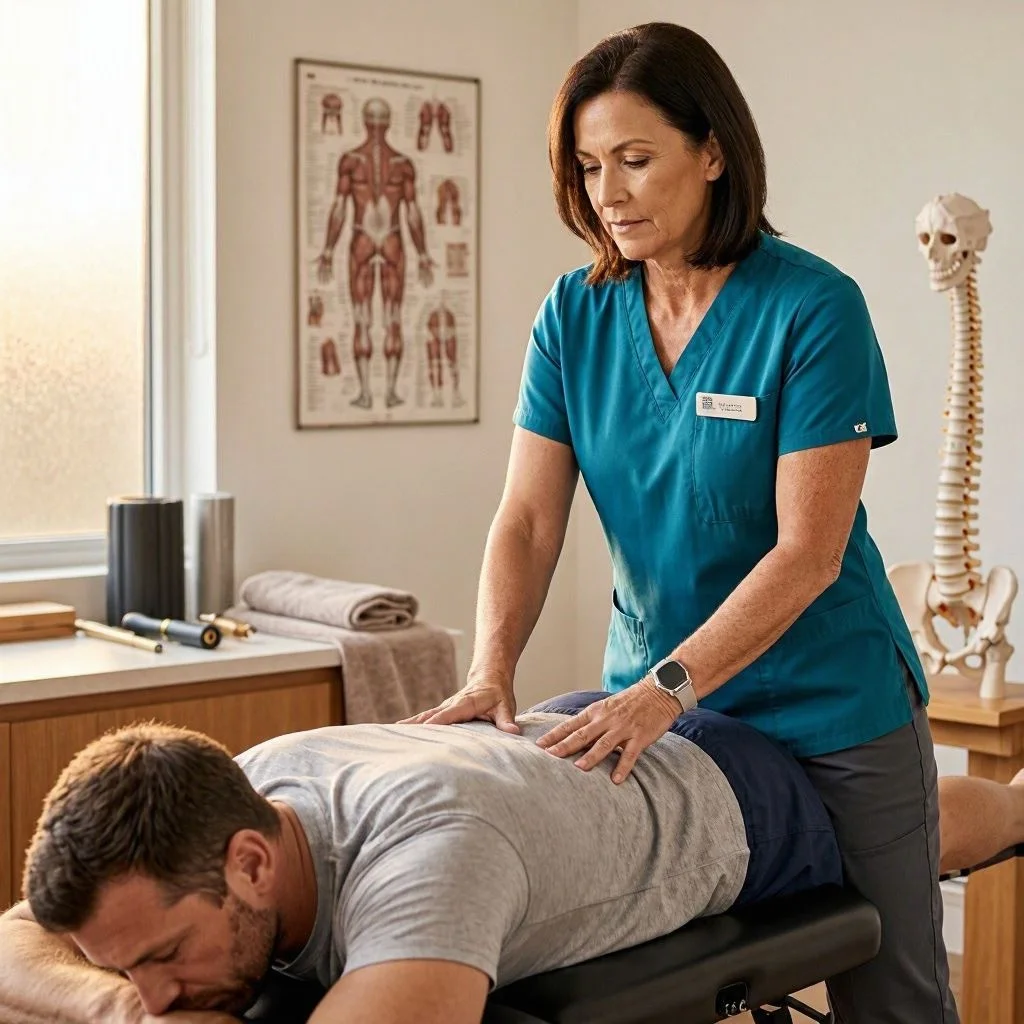
Physiotherapy provides a practical approach to addressing these challenges. A physiotherapist can assess mobility, muscle strength, balance, posture, movement patterns, and functional capacity. Based on the assessment, treatment may include therapeutic exercise, strength training, mobility exercises, balance training, movement education, ergonomic advice, and progressive physical activity.
The objective is not simply to tell people to “sit less.” Instead, physiotherapy can help individuals gradually develop the physical capacity and confidence needed to move more regularly and participate in daily activities.
What Is a Sedentary Lifestyle?
A sedentary lifestyle involves spending substantial amounts of time in activities that require very little physical movement.
Examples include:
- Sitting at a desk
- Working on a computer
- Studying
- Driving
- Watching television
- Playing video games
- Using a smartphone
- Reading for long periods
- Sitting during long meetings
- Working from home without regular movement
Sedentary behavior is different from simply being physically inactive. Someone can meet exercise recommendations while still spending a large portion of the day sitting.
This distinction is important because both regular exercise and reducing prolonged sedentary periods can contribute to overall physical health.
Why Is Movement Important?
The human body is designed to move.
Regular movement helps maintain:
- Muscle strength
- Joint mobility
- Balance
- Coordination
- Cardiovascular fitness
- Physical endurance
- Functional independence
When daily movement is limited, some people may gradually lose physical capacity.
This does not happen identically in everyone. Age, health, occupation, previous injuries, genetics, sleep, nutrition, and other factors can influence physical function.
Physiotherapy can help identify which areas are most relevant for an individual.
How Physiotherapy Can Help
Physiotherapy for a sedentary lifestyle focuses on improving physical capacity and making movement more manageable.
Treatment may include:
- Mobility exercises
- Strength training
- Posture and movement education
- Balance exercises
- Functional training
- Walking programs
- Flexibility exercises
- Core strengthening
- Ergonomic recommendations
- Activity progression
The program should be adapted to the person’s current fitness level.
Someone who has been inactive for several years may need a very different starting point from someone who sits at work but exercises regularly.
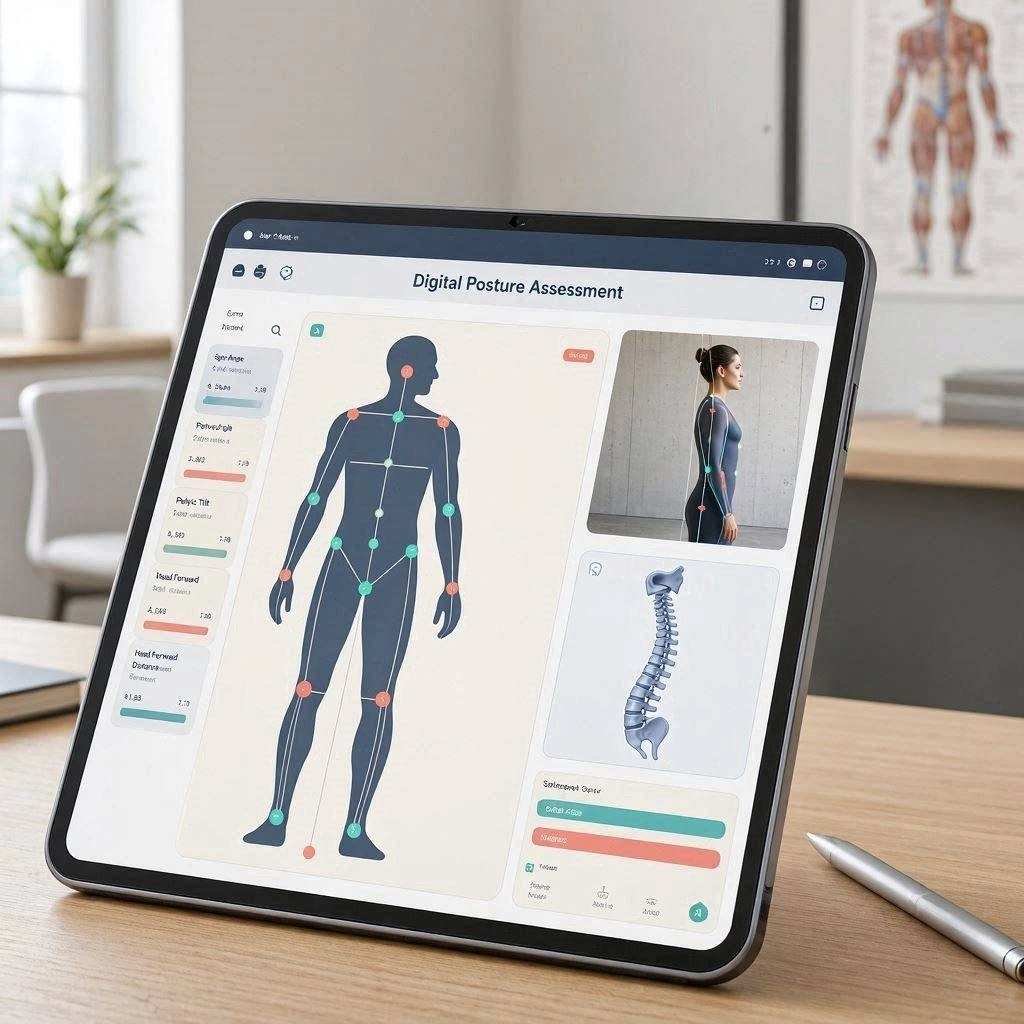
The Physiotherapy Assessment (Physiotherapy for Sedentary Lifestyle)
Before developing a rehabilitation program, a physiotherapist may assess several areas of physical function.
The assessment can include:
Medical History
The physiotherapist may ask about previous injuries, medical conditions, surgeries, medications, and current symptoms.
Physical Activity
The clinician may discuss how much time the individual spends walking, exercising, sitting, driving, and performing other activities.
Muscle Strength
Strength testing can identify areas of weakness that may affect functional movement.
Joint Mobility
Restricted movement can influence activities such as squatting, walking, reaching, or climbing stairs.
Balance
Balance may be particularly important for older adults or individuals with reduced physical activity.
Functional Movement
The physiotherapist may observe activities such as:
- Walking
- Sitting and standing
- Squatting
- Stepping
- Reaching
- Lifting
The assessment provides information that can guide treatment.
Sedentary Lifestyle and Muscle Weakness (Physiotherapy for Sedentary Lifestyle)
Limited physical activity can contribute to reduced muscle conditioning over time.
Weakness can affect:
- Walking
- Stair climbing
- Lifting
- Getting out of a chair
- Exercise
- Balance
Physiotherapy may introduce progressive resistance exercises to improve strength.
Exercises can include:
- Squats
- Sit-to-stand movements
- Step-ups
- Bridges
- Resistance-band exercises
- Calf raises
- Rows
- Light weight training
The intensity should be appropriate for the individual’s physical capacity.
Mobility Problems From Inactivity
People who spend much of the day sitting may notice stiffness around the hips, spine, shoulders, or ankles.
However, stiffness is not always caused solely by sitting.
A physiotherapist can assess whether there are meaningful mobility restrictions.
Treatment may include active mobility exercises targeting:
- Hips
- Ankles
- Thoracic spine
- Shoulders
- Neck
The goal is to maintain useful movement rather than achieve maximum flexibility.
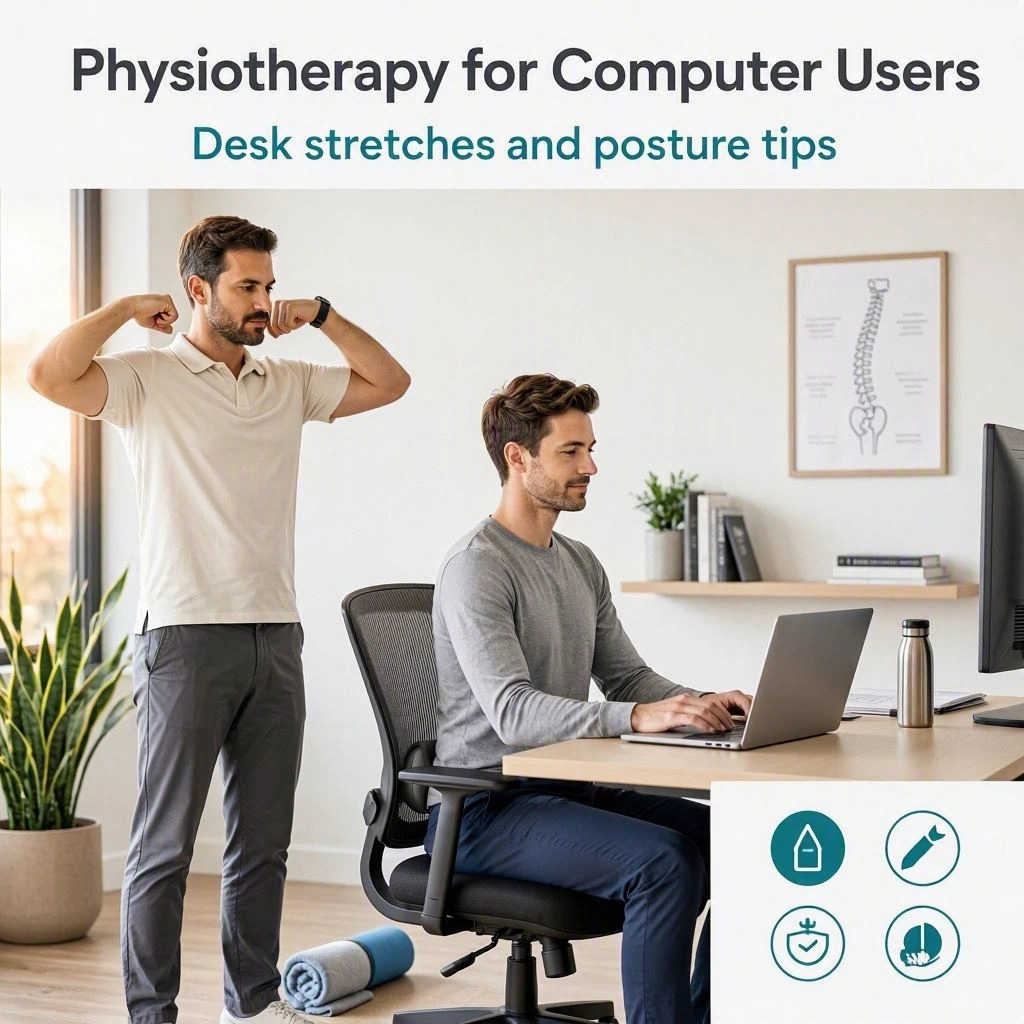
Physiotherapy for Prolonged Sitting
Prolonged sitting is common among office workers and remote workers.
Sitting itself is not automatically harmful, but staying in one position for long periods can reduce movement throughout the day.
Physiotherapy can help people develop strategies for changing positions.
These may include:
- Standing periodically
- Walking during breaks
- Alternating tasks
- Performing short mobility exercises
- Using a sit-stand workstation
- Taking meetings while walking when appropriate
The best strategy is one that fits the individual’s work environment and schedule.
Posture and Sedentary Behavior (Physiotherapy for Sedentary Lifestyle)
Posture is often blamed for physical discomfort, but there is no single perfect sitting position.
People naturally change their posture throughout the day.
Modern physiotherapy generally emphasizes:
- Movement variety
- Postural endurance
- Strength
- Mobility
- Comfortable movement
Rather than attempting to sit perfectly upright for several hours, individuals can benefit from changing positions regularly.
Physiotherapy for Office Workers
Office workers may spend many hours using computers.
Common complaints include:
- Neck discomfort
- Shoulder tension
- Upper-back stiffness
- Lower-back pain
- Wrist discomfort
Physiotherapy may combine exercise with ergonomic advice.
A treatment program could include:
- Neck mobility exercises
- Shoulder strengthening
- Upper-back mobility
- Core exercises
- Hip mobility
- General strength training
Ergonomic Recommendations
Ergonomics can help make the work environment more comfortable.
A physiotherapist may assess:
- Chair height
- Desk height
- Monitor position
- Keyboard placement
- Mouse position
- Foot support
The objective is not to create a rigid posture.
Instead, the workstation should allow the user to work comfortably while making it easy to change position and move.
The Importance of Movement Breaks
Short movement breaks can help interrupt prolonged sedentary periods.
A movement break might involve:
- Walking around the office
- Standing
- Stretching
- Performing a few bodyweight exercises
- Getting water
- Changing workstations
Movement breaks do not need to be complicated.
Consistency can be more important than performing a long exercise routine once a day while remaining sedentary for the rest of the day.
Walking as a Starting Point
Walking can be an accessible form of physical activity for many people.
Someone who has been inactive may begin with short walks and gradually increase duration.
For example, an individual might begin with several short walks during the day rather than attempting a long session immediately.
Progress should depend on fitness level, symptoms, and medical considerations.
Strength Training for Sedentary Adults (Physiotherapy for Sedentary Lifestyle)
Strength training is an important part of physiotherapy for people with low activity levels.
Building strength can improve the ability to perform everyday activities.
A beginner program may include:
Sit-to-Stand
This exercise strengthens the legs and practices a functional movement.
Wall Push-Ups
These provide a relatively accessible way to introduce upper-body resistance.
Glute Bridges
Bridges strengthen the hips and posterior muscles.
Calf Raises
These target the calf muscles and can be useful for general lower-limb conditioning.
Resistance-Band Rows
Rows can strengthen the upper back and shoulders.
Exercises should be adjusted to the individual’s abilities.
Core Strengthening
Core exercises can be incorporated into a broader physical conditioning program.
Examples include:
- Dead bugs
- Bird dogs
- Bridges
- Planks
- Side planks
The purpose of core training is to develop trunk strength and control.
Core exercises should not be presented as a universal solution for all pain or posture problems.
Balance Training
Reduced activity can sometimes coincide with reduced balance and confidence, particularly in older adults.
Physiotherapy may introduce:
- Supported standing
- Weight shifting
- Heel-to-toe walking
- Step exercises
- Single-leg balance
Exercises should be performed in a safe environment.
Individuals with significant balance problems may require professional supervision.
Flexibility and Mobility Exercises (Physiotherapy for Sedentary Lifestyle)
Mobility exercises can help individuals maintain comfortable movement.
Potential exercises include:
- Hip rotations
- Ankle mobility
- Thoracic rotations
- Shoulder circles
- Neck movements
The appropriate exercises depend on the person’s assessment.
Mobility exercises should not cause significant or unusual pain.
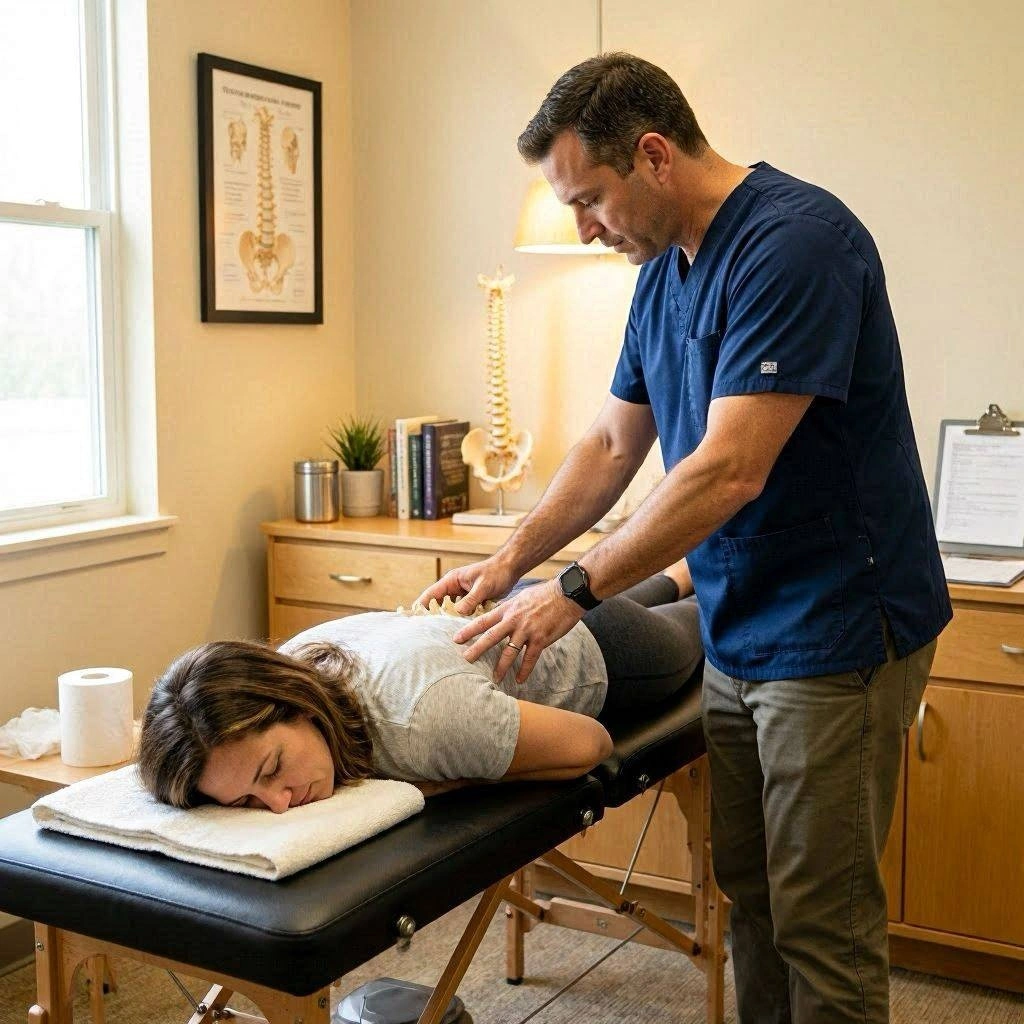
Physiotherapy for Lower-Back Discomfort
Low activity levels and prolonged sitting can coexist with lower-back discomfort.
However, back pain has many possible causes.
Physiotherapy may assess:
- Spinal movement
- Hip mobility
- Leg strength
- Core strength
- Functional movement
- Physical activity
Treatment may involve gradual exercise, strengthening, mobility work, and education.
The objective is generally to improve physical capacity rather than simply trying to maintain a particular sitting posture.
Physiotherapy for Neck and Shoulder Problems (Physiotherapy for Sedentary Lifestyle)
Computer use and prolonged sitting may coincide with neck and shoulder discomfort.
A physiotherapist may assess:
- Neck mobility
- Shoulder strength
- Upper-back movement
- Scapular control
Exercises may include:
- Neck mobility
- Resistance-band rows
- Shoulder strengthening
- Thoracic mobility
- Postural endurance exercises
Regular movement throughout the workday can complement formal rehabilitation.
Hip Mobility and Sedentary Behavior
The hips can remain in a relatively stationary position during prolonged sitting.
This does not automatically mean that sitting causes hip problems, but some individuals may develop mobility restrictions.
Physiotherapy can assess hip movement and prescribe exercises when restrictions affect function.
Possible exercises include:
- Hip rotations
- Hip flexor mobility
- Bridges
- Sit-to-stand exercises
- Squats
Ankle Mobility
Ankle mobility contributes to walking, squatting, and stair climbing.
Limited ankle movement may influence lower-limb mechanics.
Physiotherapy can assess ankle range of motion and prescribe appropriate mobility and strengthening exercises.
Physiotherapy for Older Adults With Sedentary Habits
Older adults may be particularly affected by long periods of inactivity because maintaining muscle strength and balance becomes increasingly important with age.
Physiotherapy can focus on:
- Leg strength
- Balance
- Walking
- Mobility
- Functional independence
- Fall-risk reduction
Exercises should be adapted to the individual’s health and physical capabilities.
Physiotherapy for Students (Physiotherapy for Sedentary Lifestyle)
Students can also develop sedentary habits due to studying, computer use, gaming, and online activities.
A physiotherapy program may focus on:
- Movement breaks
- General fitness
- Strength
- Mobility
- Ergonomics
Encouraging regular physical activity from an early age can support long-term movement habits.
Remote Workers and Sedentary Lifestyle
Working from home can make it easy to remain inactive.
Some people may move less because there is no commute, fewer opportunities to walk between meetings, and limited separation between work and personal spaces.
Practical strategies can include:
- Walking before or after work
- Standing during some tasks
- Taking short walking breaks
- Using a suitable workstation
- Scheduling exercise
The goal is to integrate movement into the daily routine.
Exercise Progression
Someone who has been inactive should not necessarily begin with an advanced exercise program.
A gradual progression may look like:
1: Short walks and basic mobility.
2: Introductory strengthening.
3: Longer periods of physical activity.
4: More challenging resistance exercises.
5: Higher-level recreational or athletic activities.
Progress depends on individual tolerance.
Managing Exercise-Related Discomfort
Some muscle soreness can occur when someone begins a new exercise program.
However, significant or persistent pain should not simply be ignored.
A physiotherapist can help distinguish appropriate exercise progression from symptoms that may require modification or further assessment.
Sedentary Lifestyle and Weight Management
Physical inactivity can be one factor associated with changes in body weight.
However, weight is influenced by many factors, including nutrition, genetics, medications, sleep, health conditions, and environment.
Physiotherapy can support physical activity and functional capacity but should not be viewed as a standalone weight-management solution.
Nutrition-related goals should be addressed with an appropriately qualified healthcare professional.
Cardiovascular Activity
Physiotherapy programs may incorporate aerobic activity when appropriate.
Examples include:
- Walking
- Cycling
- Swimming
- Low-impact exercise
The appropriate intensity depends on the individual’s fitness level and health.
People with significant medical conditions should receive appropriate professional guidance before beginning strenuous exercise.
Functional Rehabilitation (Physiotherapy for Sedentary Lifestyle)
Functional rehabilitation focuses on movements required in everyday life.
Exercises may include:
- Standing from a chair
- Climbing stairs
- Carrying objects
- Walking
- Reaching
- Lifting
This approach can make exercise more relevant to real-world activities.
Movement Habits Outside the Gym
Physical activity does not have to occur exclusively during formal workouts.
People can increase movement through everyday activities such as:
- Walking to nearby locations
- Taking stairs
- Gardening
- Household tasks
- Walking while talking on the phone
- Standing during selected activities
These small changes can help reduce long uninterrupted periods of sitting.
Technology and Sedentary Behavior (Physiotherapy for Sedentary Lifestyle)
Digital technology has made many activities possible without physical movement.
Examples include:
- Online shopping
- Remote work
- Streaming entertainment
- Video gaming
- Online meetings
Technology is not inherently harmful, but excessive sedentary use can reduce opportunities for natural movement.
Creating intentional movement habits can help balance digital activities.
Physiotherapy and Long-Term Mobility (Physiotherapy for Sedentary Lifestyle)
The long-term objective of physiotherapy is not simply to improve symptoms temporarily.
Maintaining strength and mobility can support functional independence.
A long-term physical activity routine may include:
- Resistance training
- Walking
- Mobility work
- Balance exercises
- Recreational activities
The program should evolve as fitness and goals change.
Injury Prevention for Sedentary People (Physiotherapy for Sedentary Lifestyle)
People who are usually inactive may be more likely to experience discomfort when they suddenly increase activity.
For example, someone who rarely exercises may begin intense running without sufficient conditioning.
A gradual approach can help the body adapt.
Physiotherapy can help develop an appropriate progression based on current physical capacity.
How Often Should a Sedentary Person Exercise?
There is no single exercise schedule appropriate for every individual.
A physiotherapist can help develop a realistic routine.
A general program may combine:
- Regular walking
- Strength training
- Mobility exercises
- Balance activities
- Aerobic exercise
The key principle is gradual progression and consistency.
How Long Does Physiotherapy Take?
Treatment duration depends on the individual’s situation.
Factors include:
- Current fitness level
- Age
- Symptoms
- Previous injuries
- Medical conditions
- Physical goals
- Exercise consistency
Some people may benefit from a relatively short intervention focused on education and exercise planning.
Others may require longer rehabilitation because of chronic pain, significant weakness, balance limitations, or previous injuries.
Choosing a Physiotherapist
When choosing a physiotherapist, consider their experience with:
- Musculoskeletal rehabilitation
- Exercise therapy
- Workplace-related problems
- Mobility rehabilitation
- Strength training
- Functional rehabilitation
A good physiotherapy program should be tailored to the individual rather than based on a generic exercise list.
When Should You See a Physiotherapist?
Consider seeking professional assessment if a sedentary lifestyle is associated with:
- Persistent pain
- Muscle weakness
- Reduced mobility
- Balance problems
- Difficulty walking
- Recurrent injuries
- Difficulty exercising
- Reduced functional ability
A physiotherapist can determine which areas of physical function should be addressed.
Warning Signs Requiring Medical Assessment
Some symptoms should not simply be attributed to inactivity.
Urgent medical evaluation may be necessary for:
- Sudden weakness
- Sudden numbness
- Severe unexplained pain
- Loss of bladder or bowel control
- Chest pain
- Difficulty breathing
- Sudden vision changes
- Sudden speech difficulties
- Loss of consciousness
- Severe pain after significant trauma
These symptoms may indicate a serious medical condition.
Building a Sustainable Active Lifestyle
The most effective exercise program is often one that can be maintained.
Instead of making dramatic changes overnight, sedentary individuals can gradually build movement into their routines.
Strategies may include:
- Scheduling regular walks
- Setting reminders to change position
- Exercising with friends
- Choosing enjoyable activities
- Gradually increasing resistance
- Tracking progress
Enjoyment and practicality can make long-term consistency easier.
The Role of Physiotherapy Education (Physiotherapy for Sedentary Lifestyle)
Education is an important part of physiotherapy.
Patients can learn:
- Why movement matters
- How to progress exercise
- How to manage symptoms
- How to modify activities
- How to maintain physical capacity
Understanding the reasoning behind rehabilitation can make it easier to continue healthy habits after formal treatment ends.
Conclusion (Physiotherapy for Sedentary Lifestyle)
Physiotherapy for a sedentary lifestyle provides a practical and personalized approach to improving movement, strength, mobility, balance, and functional capacity. Spending long periods sitting can become part of modern work, education, entertainment, and transportation, making it important to create opportunities for regular movement.
Physiotherapy does not simply focus on correcting posture or telling people to sit less. Instead, a comprehensive program considers the individual’s physical condition, activity level, symptoms, medical history, work environment, and goals.
Treatment may include therapeutic exercise, progressive strength training, mobility exercises, balance training, walking programs, core exercises, functional rehabilitation, and ergonomic education. These strategies can help people gradually build the physical capacity required for everyday activities.
For sedentary individuals, starting gradually is important. Someone who has spent years with limited activity may not be ready for an advanced exercise program immediately. Short walks, basic mobility exercises, and simple strengthening can provide a practical starting point.
Over time, these activities can progress toward more challenging strength training, cardiovascular exercise, recreational activities, and other forms of physical activity.
Movement does not need to happen exclusively in a gym. Walking, taking the stairs, standing during selected activities, performing household tasks, and taking short movement breaks can all provide opportunities to interrupt prolonged sedentary periods.
Ultimately, the goal of physiotherapy is to help individuals develop sustainable movement habits and improve their physical capacity. With personalized assessment, appropriate exercise, gradual progression, and consistent participation, people living sedentary lifestyles can work toward better mobility, greater strength, improved confidence, and healthier long-term physical function.