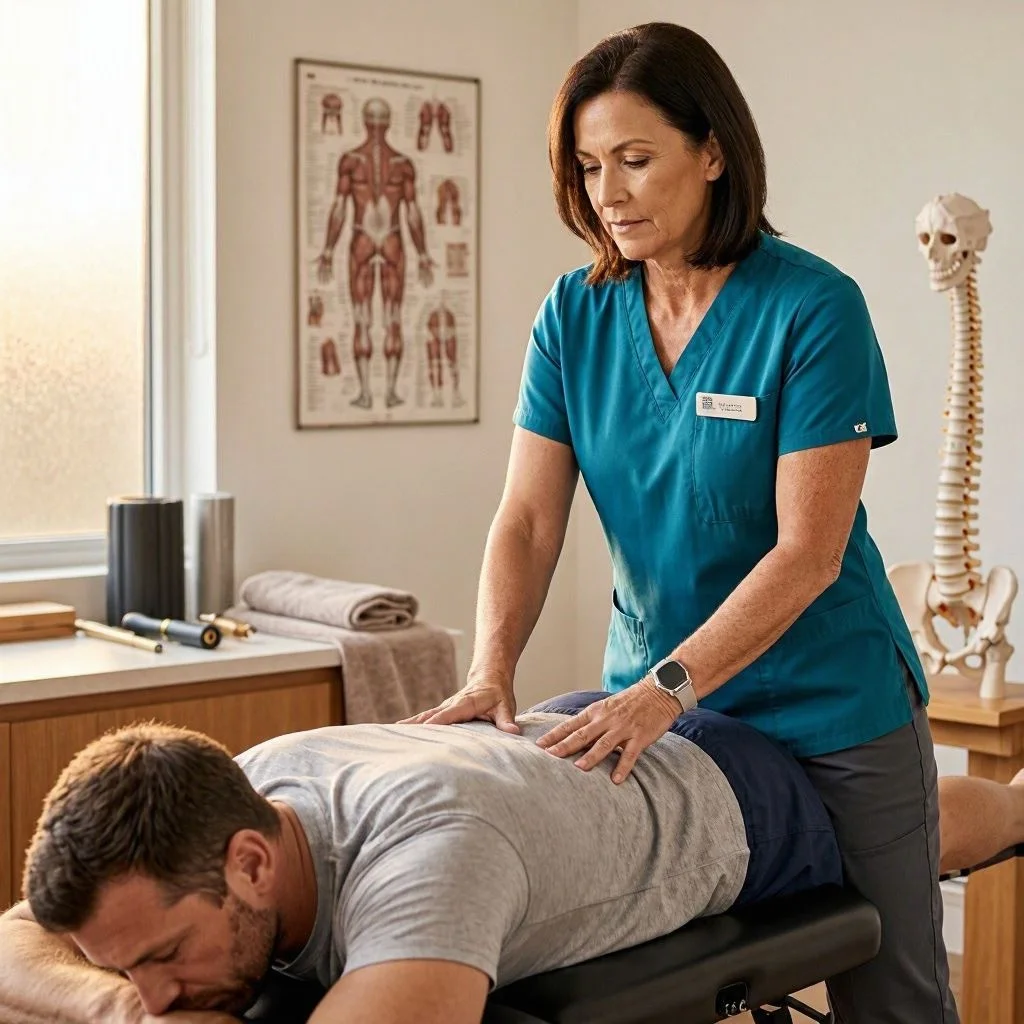
Chiropractic Musculoskeletal Care: Complete Guide to Chiropractic Care for Musculoskeletal Health
Chiropractic Musculoskeletal Care focuses on the assessment and management of conditions affecting the muscles, joints, spine, and other parts of the musculoskeletal system. These problems can affect movement, strength, flexibility, balance, physical activity, work, and everyday comfort.
Musculoskeletal discomfort may develop after an injury, repetitive activity, prolonged sitting, sports, physical work, changes in exercise, or other factors. Some people experience short-term symptoms, while others deal with recurring or persistent problems that affect their daily routines.
Chiropractic care can use several approaches depending on the individual’s symptoms and physical assessment. These approaches may include spinal manipulation, joint mobilization, soft tissue techniques, stretching, therapeutic exercise, mobility training, posture guidance, and functional rehabilitation.
However, chiropractic care should not be viewed as a single technique or as a solution that is identical for every patient. A proper approach begins with understanding the person’s symptoms, health history, physical condition, movement limitations, activity level, and goals.
The National Center for Complementary and Integrative Health explains that chiropractors commonly treat musculoskeletal problems and may use manual therapy, exercise, and other approaches as part of care. Research also suggests that spinal manipulation may provide modest improvements in pain and function for some people with acute or chronic low-back pain.
At Ritz Clinic, chiropractic care is presented as an individualized approach that can address mobility, movement, and musculoskeletal function. The clinic’s current Chiropractic Mobility Therapy service describes approaches that may include joint mobilization, spinal manipulation when appropriate, soft tissue techniques, stretching, mobility exercises, strengthening, posture guidance, and functional movement.
This guide explains what Chiropractic Musculoskeletal Care means, which conditions may be addressed, how assessment works, what treatment techniques may be used, how chiropractic care can complement exercise and rehabilitation, and what patients should know about safety.
What Is Chiropractic Musculoskeletal Care?
Chiropractic Musculoskeletal Care refers to chiropractic assessment and treatment focused on problems involving the musculoskeletal system.
The musculoskeletal system includes:
- Bones
- Joints
- Muscles
- Tendons
- Ligaments
- Connective tissues
- The spine
These structures work together to allow the body to move and support physical activity.
When one area becomes painful, stiff, weak, or restricted, movement patterns may change.
For example, someone with back pain may avoid bending. A person with shoulder discomfort may stop reaching overhead. Someone with ankle stiffness may change the way they walk or squat.
These changes can affect other parts of the body.
Therefore, musculoskeletal care should consider the whole movement system rather than focusing only on the area where pain is felt.
What Does a Chiropractor Do?
A chiropractor typically begins by discussing the patient’s symptoms and health history.
The assessment may include:
- Current symptoms
- Previous injuries
- Medical history
- Physical activity
- Work demands
- Exercise habits
- Sports participation
- Medication use
- Previous treatments
- Functional limitations
- Personal goals
A physical examination may then evaluate:
- Range of motion
- Joint mobility
- Muscle function
- Strength
- Flexibility
- Balance
- Coordination
- Posture
- Movement patterns
NCCIH describes chiropractic care as involving patient history, examination, development of a management plan, treatment, and monitoring of progress. Chiropractors often treat problems involving the musculoskeletal system.
This assessment is important because not every pain problem is appropriate for routine chiropractic treatment.
If symptoms suggest another medical condition, referral or additional medical assessment may be necessary.
Common Conditions Addressed by Musculoskeletal Chiropractic Care
Chiropractic Musculoskeletal Care may be considered for a variety of movement and musculoskeletal problems.
Depending on the individual, these may include:
- Low-back pain
- Neck pain
- Joint stiffness
- Muscle tension
- Shoulder discomfort
- Hip movement limitations
- Sports-related musculoskeletal problems
- Work-related physical discomfort
- Mobility limitations
- Some types of headaches associated with the neck
However, the suitability of chiropractic care depends on the underlying problem.
For example, evidence for spinal manipulation is stronger for some musculoskeletal conditions than for others.
Therefore, treatment should be based on an individual assessment rather than assuming that chiropractic care is appropriate for every type of pain.
Chiropractic Care for Low-Back Pain
Low-back pain is one of the most common reasons people seek musculoskeletal care.
Symptoms may affect:
- Sitting
- Standing
- Walking
- Bending
- Lifting
- Sleeping
- Household activities
- Exercise
Spinal manipulation is one of several non-drug approaches that may be used for low-back pain.
NCCIH reports that spinal manipulation can produce small improvements in pain and function for some adults with acute or chronic low-back pain. The evidence is not perfect, however, and results vary between studies.
Therefore, chiropractic treatment should not necessarily rely on spinal manipulation alone.
Depending on the patient’s needs, a broader plan may include:
- Mobility exercises
- Strengthening
- Core exercises
- Functional movement
- Activity guidance
- Home exercises
- Education
The NHS also includes manual therapy and physiotherapy among possible approaches for persistent back pain, while encouraging appropriate activity and exercise.
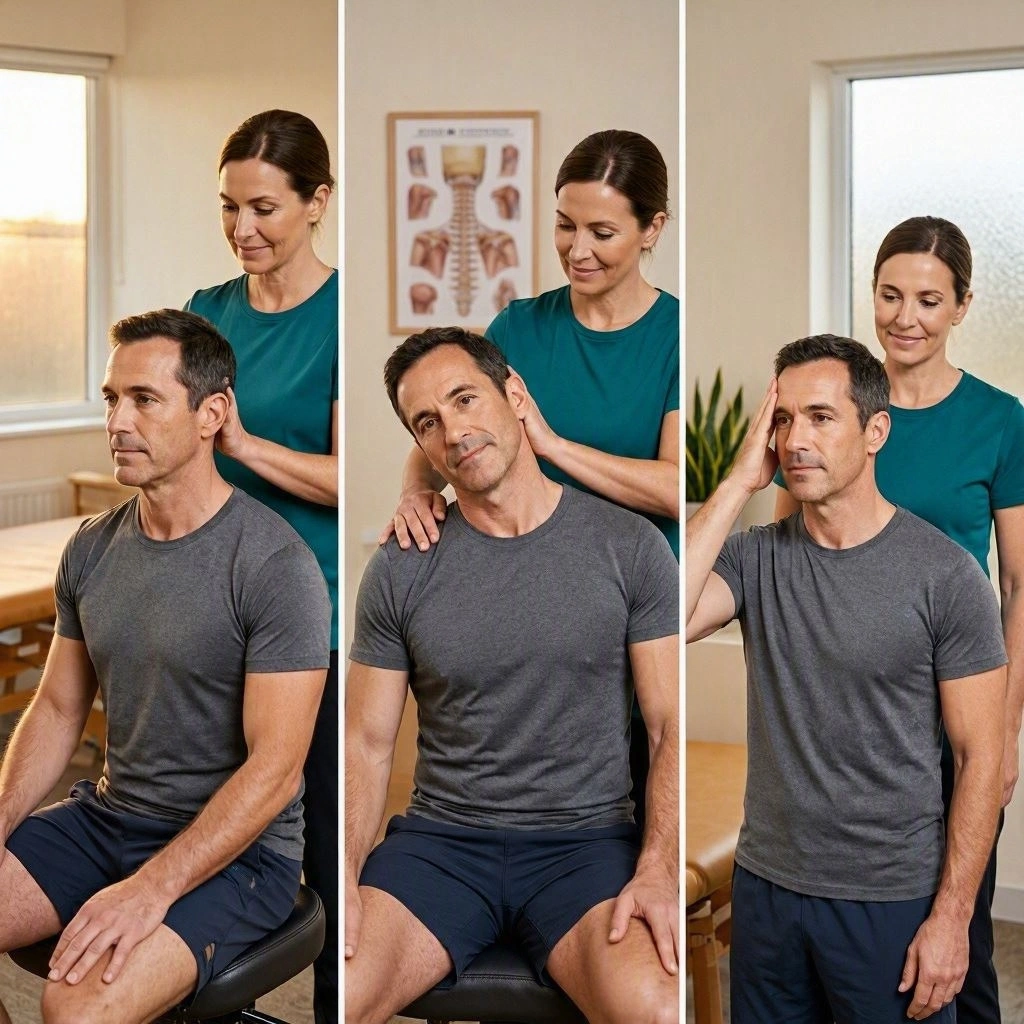
Chiropractic Care for Neck Pain
Neck pain can affect movement and daily activities.
People may experience difficulty with:
- Turning the head
- Looking up or down
- Working at a computer
- Driving
- Exercising
- Sleeping
Neck symptoms can have many possible causes.
They may involve:
- Muscular tension
- Joint stiffness
- Repetitive activity
- Previous injury
- Prolonged positions
- Sports
- Other medical conditions
NCCIH reports that spinal manipulation may help some people with acute neck pain and that manipulation or mobilization may help some people with chronic neck pain. However, evidence quality varies.
Because neck symptoms can occasionally indicate more serious conditions, appropriate screening is important before treatment.
Chiropractic Care for Joint Stiffness
Joint stiffness can make everyday movement more difficult.
For example, a person with reduced ankle mobility may have difficulty squatting.
Someone with shoulder stiffness may have difficulty reaching overhead.
A person with hip stiffness may experience difficulty getting up from a chair or climbing stairs.
Chiropractic care may use joint mobilization or other movement-based techniques to address selected mobility limitations.
However, increasing joint movement is not always the only goal.
The patient also needs the strength and coordination to control the available range.
Therefore, mobility work may be combined with active exercises.
What Is Joint Mobilization?
Joint mobilization involves controlled movement of a joint.
It differs from spinal manipulation because mobilization does not use a rapid thrust.
The movement can be performed within a controlled range and may be adjusted according to the patient’s condition and tolerance.
A chiropractor may consider mobilization when a joint appears restricted or when a non-thrust technique is more appropriate.
For example, a person with ankle stiffness may receive joint mobilization combined with calf exercises, balance training, and functional movement.
This combination can help connect passive treatment with active rehabilitation.
What Is Spinal Manipulation?
Spinal manipulation involves applying a controlled thrust to a spinal joint.
NCCIH explains that manipulation differs from mobilization because the thrust moves the joint beyond the movement that would occur on its own. Chiropractors commonly perform spinal manipulation, although other licensed healthcare professionals may also use the technique.
Spinal manipulation is one possible chiropractic technique.
It is not appropriate for every patient.
The practitioner should consider:
- Medical history
- Current symptoms
- Physical findings
- Potential risks
- Treatment goals
- Patient preferences
A patient should also feel comfortable asking questions about the technique before treatment.
Soft Tissue Techniques in Chiropractic Care
Muscular tension can contribute to discomfort and restricted movement.
For selected patients, chiropractic care may include soft tissue techniques.
These may involve:
- Massage
- Targeted pressure
- Stretching
- Muscle release techniques
- Myofascial techniques
Soft tissue treatment may be used alongside joint techniques and exercise.
For example, someone with shoulder stiffness may receive soft tissue treatment around the shoulder and upper back while also performing mobility and strengthening exercises.
This broader approach can help connect short-term symptom management with active movement.
Chiropractic Musculoskeletal Care and Mobility
Mobility refers to the ability to move a body region through a useful range with appropriate control.
Mobility depends on more than flexibility.
It can also involve:
- Joint movement
- Muscle strength
- Coordination
- Balance
- Motor control
- Confidence
For example, a person may have flexible hamstrings but still struggle with a controlled squat because of ankle stiffness, hip weakness, or balance limitations.
Therefore, Chiropractic Musculoskeletal Care may combine manual techniques with active movement.
At Ritz Clinic, the current Chiropractic Mobility Therapy page describes mobility-focused care that can include joint mobilization, soft tissue techniques, mobility exercises, strengthening, balance training, and functional movement.
Chiropractic Care and Exercise
Exercise can be an important part of musculoskeletal care.
Manual treatment may help improve comfort or movement, but patients also need to develop the strength and physical capacity required for their normal activities.
Exercise may include:
- Strength training
- Mobility exercises
- Balance exercises
- Core training
- Functional movements
- Stretching
- Walking
- Progressive resistance
The appropriate exercise depends on the person’s condition.
For example, someone recovering from a back problem may begin with basic trunk and hip exercises.
As capacity improves, the program may progress to squats, lifting, carrying, and other functional movements.
Chiropractic Care for Sports Injuries
Athletes place significant demands on their bodies.
Sports may involve:
- Running
- Jumping
- Throwing
- Rotating
- Lifting
- Sprinting
- Cutting
- Landing
Injuries can temporarily reduce strength, mobility, and confidence.
Chiropractic Musculoskeletal Care may be included in a broader sports rehabilitation program when appropriate.
Treatment may involve:
- Mobility work
- Joint techniques
- Soft tissue treatment
- Strengthening
- Balance
- Functional training
- Return-to-sport exercises
However, athletes should not rely exclusively on passive treatment.
Returning to sport requires progressive exposure to the physical demands of the sport.
For example, a soccer player eventually needs to practice sprinting, cutting, acceleration, deceleration, and kicking.
Chiropractic Care After an Injury
An injury can change the way a person moves.
For example, someone with an ankle injury may avoid putting weight on one side.
A person with shoulder pain may stop using one arm.
Someone with back pain may avoid bending or lifting.
These protective movement changes can affect strength and coordination.
A rehabilitation-focused chiropractic plan may therefore address both symptoms and movement.
Ritz Clinic’s Chiropractic Functional Care service describes a movement-focused approach that considers mobility, physical function, lifestyle, and recovery goals.
This approach can be useful because recovery is not simply about making pain disappear.
The patient also needs to regain the ability to perform meaningful activities.
Chiropractic Care and Functional Rehabilitation
Functional rehabilitation focuses on movements that relate to everyday activities, work, exercise, and sport.
Examples include:
- Squatting
- Lifting
- Carrying
- Reaching
- Walking
- Climbing stairs
- Running
- Jumping
A rehabilitation program may begin with simple exercises and gradually become more demanding.
For example:
Early stage: controlled mobility and basic strengthening.
Middle stage: resistance exercises, balance, and functional movements.
Later stage: work-specific or sport-specific activities.
This gradual progression helps build physical capacity.
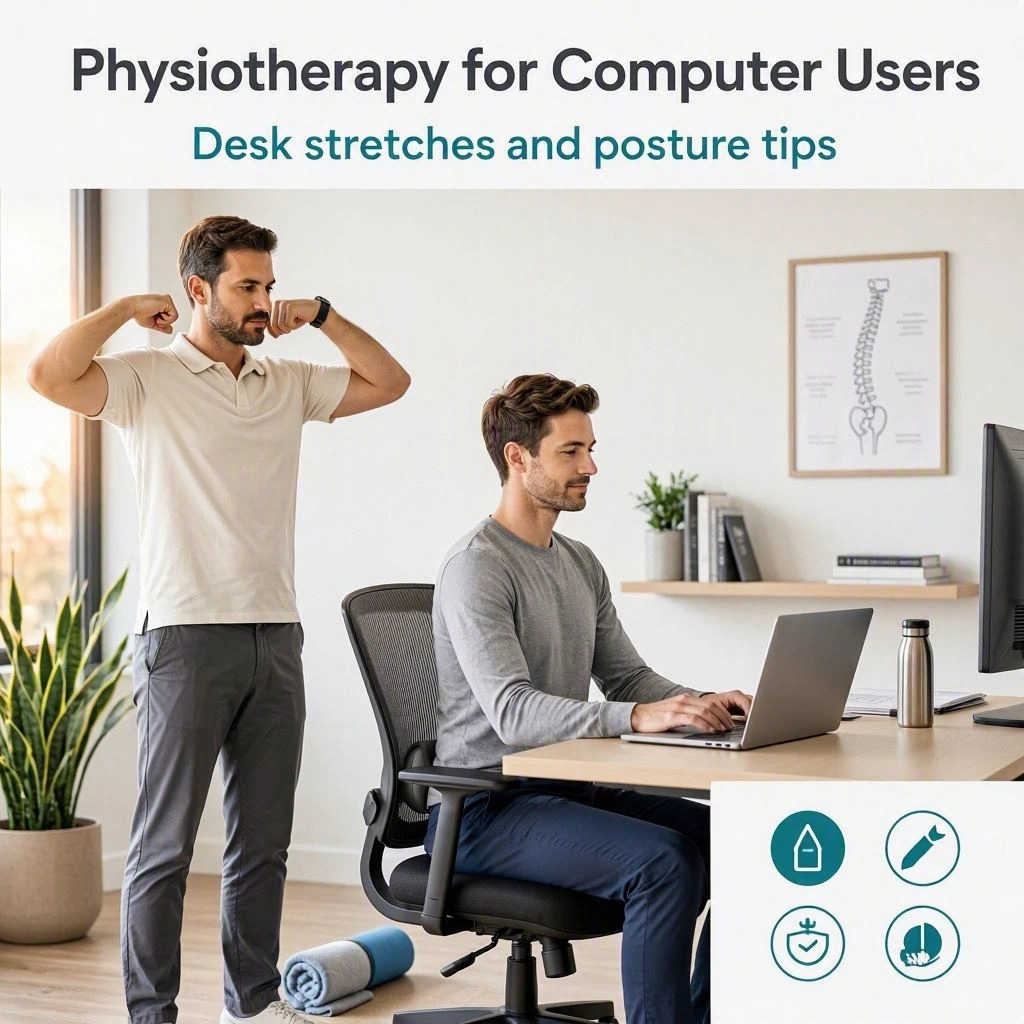
Chiropractic Care for Office Workers
Office work can involve long periods of sitting and computer use.
Some people experience:
- Neck tension
- Shoulder discomfort
- Upper-back stiffness
- Lower-back discomfort
- Hip stiffness
Chiropractic care may address selected musculoskeletal symptoms, but daily movement habits are also important.
Practical strategies may include:
- Taking regular movement breaks
- Changing positions
- Walking periodically
- Adjusting the workstation
- Performing mobility exercises
- Strengthening the upper body and trunk
- Maintaining general physical activity
Rather than trying to maintain one perfect posture for the entire workday, it is often more practical to change positions regularly.
Chiropractic Care for Shoulder Problems
The shoulder requires coordinated movement between the shoulder joint, shoulder blade, upper back, and surrounding muscles.
Shoulder discomfort can develop after:
- Sports
- Repetitive activity
- Injury
- Strength training
- Prolonged inactivity
A chiropractic assessment may consider:
- Shoulder range of motion
- Upper-back mobility
- Muscle function
- Strength
- Movement patterns
Treatment may include manual techniques and active exercises.
For example, a patient may combine shoulder mobility exercises with rotator cuff and upper-back strengthening.
Chiropractic Care for Hip Problems
The hips play an important role in walking, running, squatting, and lifting.
Hip symptoms can sometimes affect the way the pelvis and spine move.
A musculoskeletal assessment may therefore examine:
- Hip mobility
- Hip strength
- Pelvic control
- Walking
- Squatting
- Functional movement
Treatment may include mobility exercises, strengthening, manual techniques, and functional training.
The objective is to improve useful movement rather than simply increase flexibility.
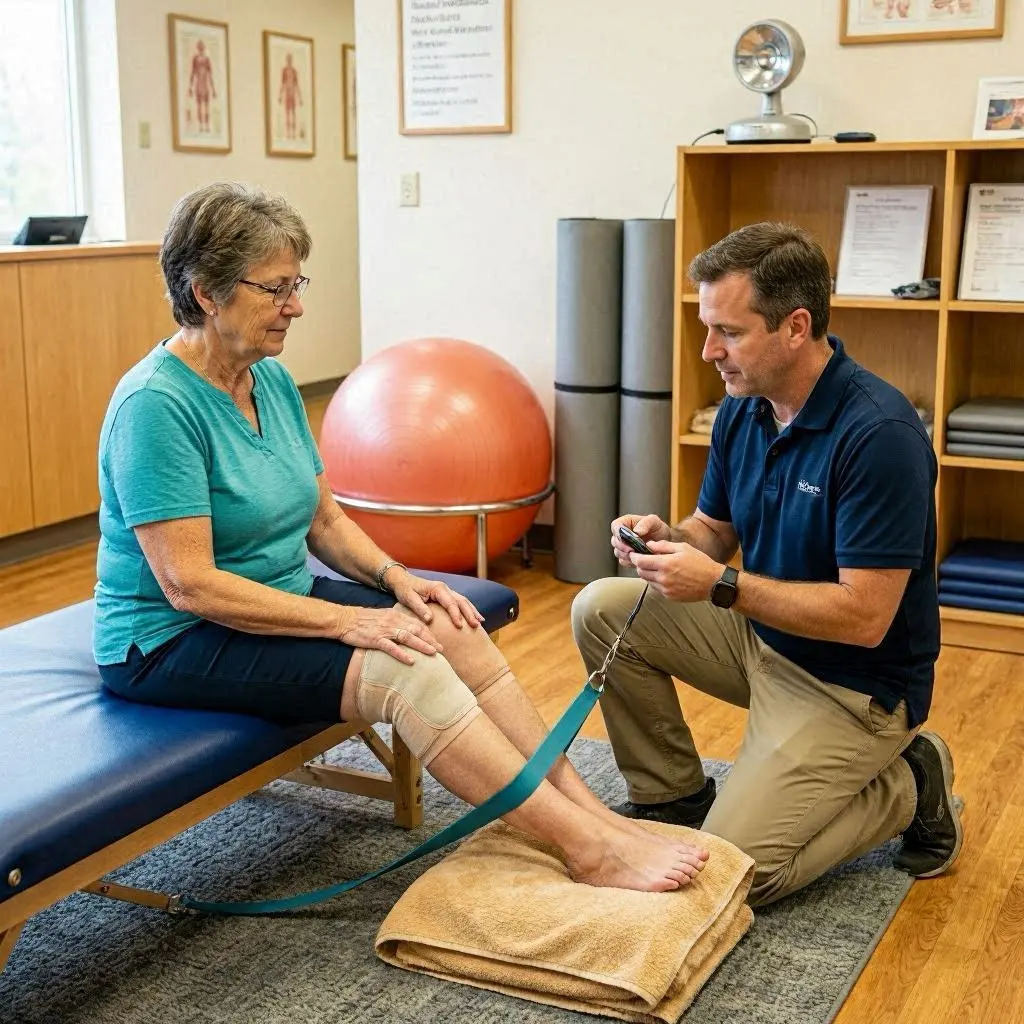
Chiropractic Care for Knee Problems
The knee works together with the hip and ankle.
Therefore, knee function should be assessed within the context of the entire lower limb.
Depending on the condition, rehabilitation may include:
- Quadriceps strengthening
- Hamstring strengthening
- Hip strengthening
- Calf exercises
- Balance training
- Mobility exercises
- Functional movements
For example, someone recovering from an injury may gradually progress from basic strengthening to squats, step-ups, and eventually more demanding activities.

Chiropractic Care for Ankle Problems
Ankle mobility and strength are important for walking, running, jumping, and balance.
After an ankle injury, patients may experience:
- Stiffness
- Weakness
- Reduced balance
- Reduced confidence
A rehabilitation plan may include:
- Ankle mobility
- Calf strengthening
- Balance exercises
- Single-leg exercises
- Walking progression
- Jumping and landing when appropriate
Manual treatment can complement these exercises when clinically appropriate.
Chiropractic Care and Posture
Posture is often discussed in relation to musculoskeletal pain.
However, posture should not be treated as a simple explanation for every pain problem.
People naturally change positions throughout the day.
A person can sit, stand, walk, bend, and move through many different postures.
Therefore, musculoskeletal care can focus on developing the ability to move comfortably between different positions.
Postural education may still be useful.
For example, a chiropractor may provide guidance about:
- Workstation setup
- Lifting
- Sitting
- Standing
- Movement breaks
The goal is to support comfortable movement rather than create fear around normal posture.
Chiropractic Care for Chronic Musculoskeletal Pain
Chronic musculoskeletal pain can be complex.
Pain lasting for a long time may involve physical, psychological, behavioral, and lifestyle factors.
NCCIH reports that some complementary approaches, including spinal manipulation, may help manage certain chronic pain conditions. However, the evidence varies by condition and treatment.
For chronic symptoms, a broader approach may include:
- Exercise
- Education
- Activity management
- Physiotherapy
- Chiropractic care
- Sleep improvement
- Stress management
- Appropriate medical care
The objective should be to improve function and quality of life rather than promise complete elimination of pain.
Chiropractic Care and Physiotherapy
Chiropractic care and physiotherapy can sometimes complement one another.
Physiotherapy commonly emphasizes:
- Therapeutic exercise
- Strengthening
- Mobility
- Balance
- Functional rehabilitation
- Movement retraining
Chiropractic care may include:
- Joint mobilization
- Spinal manipulation
- Soft tissue techniques
- Mobility work
- Exercise
- Movement education
The appropriate combination depends on the patient’s condition.
At Ritz Clinic, chiropractic care is offered alongside physiotherapy and other musculoskeletal services, allowing treatment plans to be adapted to different rehabilitation needs.
Chiropractic Care and Massage Therapy
Massage therapy focuses primarily on soft tissues.
It may be useful for selected patients experiencing muscular tension or discomfort.
Chiropractic care can address broader musculoskeletal movement and joint-related concerns.
Some people may benefit from combining approaches.
For example, soft tissue treatment may help address muscular tension while chiropractic mobility work and exercise support movement.
However, using more treatments is not automatically better.
Each treatment should have a clear purpose.
Chiropractic Care and Osteopathy
Osteopathy and chiropractic care can both involve manual treatment and movement-based approaches, although their professional frameworks and treatment methods can differ.
At Ritz Clinic, chiropractic and osteopathic services are available as separate treatment options.
Depending on the patient’s needs, care may include:
- Manual techniques
- Mobility work
- Exercise
- Soft tissue treatment
- Movement education
The appropriate service should be determined by the individual’s symptoms and assessment.
What Happens During a Chiropractic Musculoskeletal Assessment?
A typical assessment may involve several stages.
1. Health History
The practitioner discusses symptoms, medical history, injuries, medications, and activity.
2. Physical Examination
The chiropractor may examine movement, strength, mobility, balance, and functional limitations.
3. Clinical Considerations
The practitioner determines whether the symptoms appear appropriate for musculoskeletal care.
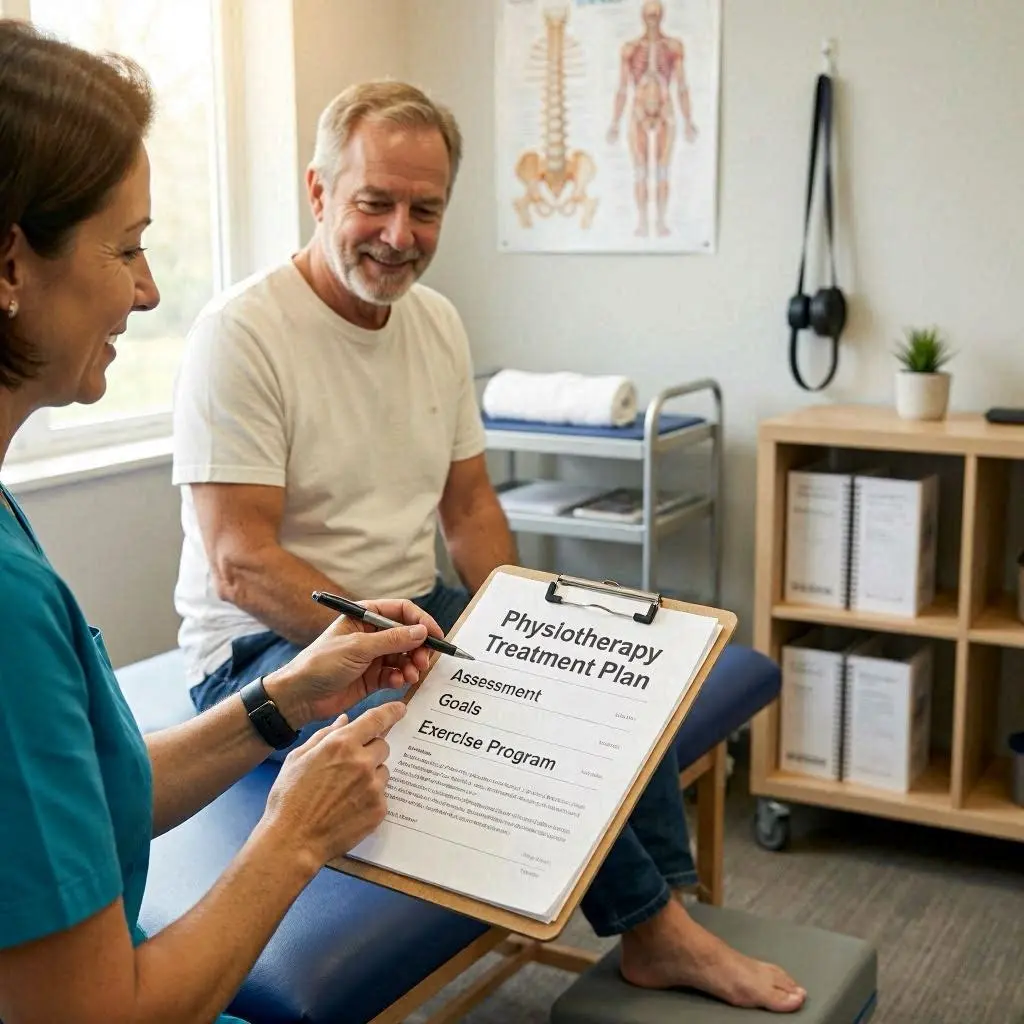
4. Treatment Planning
An individualized plan is developed.
5. Treatment
Depending on the assessment, treatment may include manual techniques, exercise, mobility work, or education.
6. Home Recommendations
Patients may receive exercises or activity guidance.
7. Reassessment
Progress is monitored and the plan can be adjusted.
How Many Chiropractic Sessions Are Needed?
There is no universal number of sessions.
Treatment frequency depends on:
- The condition
- Symptom severity
- Treatment goals
- Physical findings
- Response to treatment
- Home exercise participation
- Functional progress
NCCIH recommends that people considering chiropractic care ask about practitioner training, experience, expected number of sessions, costs, and how the approach fits their condition.
A responsible plan should include reassessment.
If the patient is not improving as expected, the treatment strategy should be reconsidered.
Is Chiropractic Musculoskeletal Care Safe?
For appropriately selected patients, chiropractic care can generally be performed safely by qualified practitioners.
However, treatment is not completely risk-free.
NCCIH reports that spinal manipulation can cause temporary side effects such as:
- Increased discomfort
- Stiffness
- Headache
- Temporary soreness
These effects commonly resolve within a short period.
Serious adverse events are very rare, but serious neurological problems and vascular events have been reported. The relationship between cervical manipulation and cervical artery dissection remains an area of clinical discussion, and patients should be informed about potential risks.
Therefore, a proper health history and clinical assessment are important.
Who Should Tell Their Chiropractor About Medical Conditions?
Everyone should provide accurate health information before treatment.
This is particularly important for people with:
- Previous surgery
- Significant injuries
- Neurological conditions
- Bleeding disorders
- Bone disorders
- Cardiovascular conditions
- Pregnancy
- Medication use
- Unexplained symptoms
Patients should also tell their chiropractor about prescription and non-prescription medications.
This information helps the practitioner determine which treatment options are appropriate.
When Should Chiropractic Treatment Be Avoided or Delayed?
Some symptoms require medical investigation rather than routine musculoskeletal treatment.
Seek appropriate medical assessment for:
- Major trauma
- New significant weakness
- Progressive numbness
- Loss of coordination
- Loss of bladder or bowel control
- Severe unexplained pain
- Fever with significant symptoms
- Unexplained weight loss
- Loss of consciousness
- Severe unusual headache
- Chest pain
- Other serious or unexplained symptoms
Ritz Clinic’s current Chiropractic Functional Care information similarly highlights the importance of recognizing symptoms that may require medical investigation rather than routine musculoskeletal treatment.
How to Get Better Results From Chiropractic Care
Patients can take an active role in their recovery.
Follow the Exercise Program
If exercises are prescribed, consistency can help develop strength and movement capacity.
Stay Active
Appropriate physical activity can help maintain general conditioning.
Communicate Clearly
Tell your practitioner if symptoms improve, worsen, or change.
Avoid Sudden Increases in Activity
Gradually increase training and physical workload.
Focus on Recovery
Sleep, nutrition, and appropriate rest all contribute to physical recovery.
Set Functional Goals
Instead of focusing only on pain scores, consider goals such as:
- Walking farther
- Returning to work
- Exercising
- Lifting comfortably
- Playing sports
- Improving mobility
How Is Chiropractic Progress Measured?
Progress can involve several different factors.
A patient may experience:
- Reduced pain
- Less stiffness
- Better mobility
- Greater strength
- Improved balance
- Better exercise tolerance
- Improved work capacity
- Improved sports performance
- Greater confidence
Pain is important, but it is not the only measure.
For example, someone may still experience occasional mild discomfort while being able to perform activities that were previously difficult.
That can represent meaningful functional progress.
Chiropractic Musculoskeletal Care at Ritz Clinic
Ritz Clinic provides chiropractic care within a broader musculoskeletal and rehabilitation setting.
The clinic’s current Chiropractic Mobility Therapy service describes an individualized approach that considers symptoms, physical condition, lifestyle, activity level, and recovery goals.
Depending on the individual, care may involve:
- Joint mobilization
- Spinal manipulation when appropriate
- Soft tissue techniques
- Stretching
- Mobility exercises
- Strengthening
- Balance training
- Functional movement
- Home rehabilitation
This approach recognizes that musculoskeletal health involves more than one joint or one painful area.
For example, someone with back pain may also have hip stiffness, reduced strength, or changes in movement habits.
Similarly, a person with shoulder discomfort may have limitations involving the upper back, shoulder blade, or surrounding muscles.
A broader assessment can therefore provide a more complete picture.

Final Thoughts
Chiropractic Musculoskeletal Care focuses on the assessment and management of problems involving the spine, joints, muscles, and other parts of the musculoskeletal system.
Depending on the individual’s condition, treatment may include spinal manipulation, joint mobilization, soft tissue techniques, stretching, therapeutic exercise, mobility training, strengthening, posture education, and functional rehabilitation.
Research suggests that spinal manipulation may provide modest improvements in pain and function for some people with acute or chronic low-back pain. It may also help some people with neck pain. However, evidence varies by condition, and chiropractic treatment should not be presented as a universal solution for every musculoskeletal problem.
Active rehabilitation is an important part of long-term physical function.
Strength, mobility, balance, coordination, and functional movement can help people return to the activities that matter to them.
Therefore, chiropractic care may be most useful when treatment is connected to meaningful goals.
For one person, the goal may be walking comfortably.
For another, it may be returning to work.
An athlete may want to return to running, lifting, or competition.
Someone else may simply want to move through daily activities with greater confidence.
At Ritz Clinic, chiropractic care can be individualized around symptoms, physical condition, lifestyle, activity level, mobility, and recovery goals. Chiropractic mobility and functional care can also work alongside physiotherapy and other rehabilitation services when appropriate.
Most importantly, persistent, severe, rapidly worsening, unexplained, or neurological symptoms should receive appropriate medical assessment. A responsible musculoskeletal care plan should identify when chiropractic treatment is suitable and when another healthcare professional should be involved.
Frequently Asked Questions
What is Chiropractic Musculoskeletal Care?
Chiropractic Musculoskeletal Care is an approach to assessing and managing problems involving the spine, joints, muscles, and other musculoskeletal structures. Treatment may include manual therapy, exercise, mobility training, and rehabilitation.
What conditions can chiropractic care treat?
Chiropractors commonly manage musculoskeletal problems such as certain types of back pain, neck pain, joint stiffness, and movement limitations. The appropriate treatment depends on the individual’s condition and assessment.
Can chiropractic care help back pain?
Spinal manipulation is one non-drug treatment option that may provide modest improvements in pain and function for some people with acute or chronic low-back pain.
Can chiropractic care help neck pain?
Manipulation or mobilization may help some people with acute or chronic neck pain. However, appropriate screening is important before treatment.
What is spinal manipulation?
Spinal manipulation involves applying a controlled thrust to a spinal joint. It is one technique that may be used within chiropractic care.
What is joint mobilization?
Joint mobilization uses controlled movements of a joint without the rapid thrust associated with manipulation.
Is chiropractic care the same as physiotherapy?
No. Chiropractic and physiotherapy are separate healthcare professions with different approaches, although their treatments can sometimes complement each other.
Can chiropractic care include exercise?
Yes. Exercise, stretching, mobility work, and rehabilitation exercises may be incorporated into chiropractic treatment when appropriate.
Can chiropractic care help sports injuries?
It may be incorporated into rehabilitation for selected musculoskeletal sports injuries. Athletes may also require progressive strengthening, conditioning, balance, and sport-specific training.
Is chiropractic care safe?
For appropriately selected patients and qualified practitioners, chiropractic treatment is generally considered safe. However, temporary side effects can occur, and rare serious complications have been reported.
Can chiropractic treatment cause soreness?
Temporary soreness, stiffness, discomfort, or headache can occur after spinal manipulation. These effects usually resolve within a short period.
How many chiropractic sessions will I need?
There is no standard number. Treatment frequency depends on the condition, symptoms, goals, physical findings, and response to treatment.
Can chiropractic care help posture?
Chiropractic care may include posture and movement education. However, posture should not be treated as the sole cause of musculoskeletal pain, and people naturally move through different positions during daily life.
Can chiropractic care improve mobility?
Mobility-focused chiropractic care may help selected patients improve movement. Active mobility exercises and strengthening are often important for maintaining functional movement.
Can chiropractic care replace exercise?
No. Exercise can be an important part of maintaining strength, mobility, balance, and physical capacity. Chiropractic treatment and exercise can sometimes work together.
When should I see a chiropractor?
A chiropractic assessment may be appropriate for some musculoskeletal problems, particularly when pain or stiffness affects movement and daily activities. A qualified practitioner can determine whether chiropractic care is suitable.
When should I see a doctor instead?
Seek appropriate medical assessment for severe or rapidly worsening symptoms, major trauma, significant weakness, progressive numbness, loss of coordination, loss of bladder or bowel control, chest pain, loss of consciousness, or other concerning symptoms.