Car Accident Physiotherapy Thornhill: Complete Guide to Recovery After a Car Accident
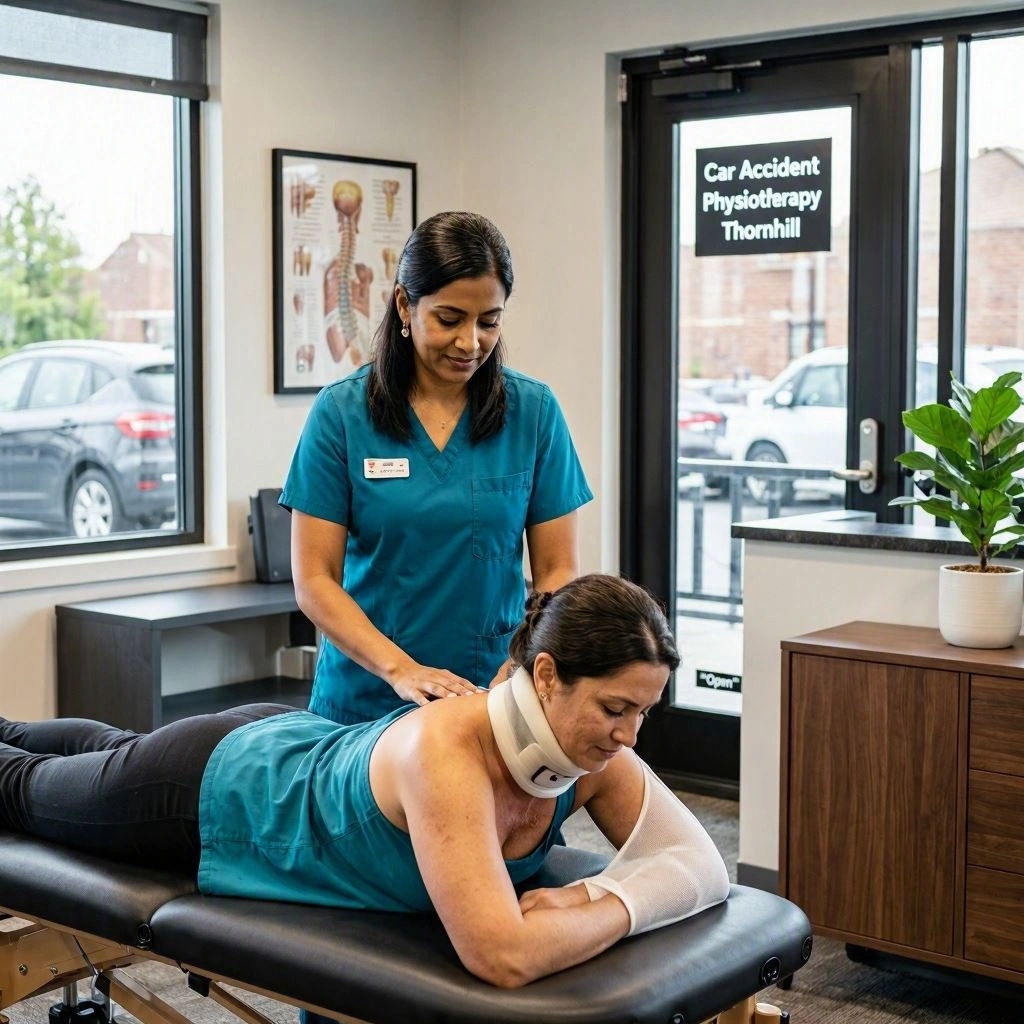
A car accident can affect the body in ways that are not always immediately obvious. Even when there is no major visible injury, people may develop neck pain, back pain, headaches, muscle stiffness, reduced mobility, or difficulty returning to normal activities. For people searching for Car Accident Physiotherapy Thornhill, physiotherapy can be an important part of a structured recovery plan following a motor vehicle accident.
Car accident injuries can range from mild soft-tissue problems to more complex conditions involving the spine, joints, muscles, ligaments, and nervous system. Symptoms may appear immediately after a collision or develop gradually over the following hours or days. Because every accident is different, treatment should begin with an appropriate assessment rather than relying on a standard treatment program.
Physiotherapy after a car accident focuses on restoring movement, strength, physical function, and confidence. Depending on the injury, treatment may include therapeutic exercises, mobility work, manual therapy, posture and movement education, strengthening, balance exercises, and gradual return-to-activity programs.
For residents looking for Car Accident Physiotherapy Thornhill, understanding what happens after an accident and how rehabilitation works can make it easier to choose an appropriate healthcare provider and take the next steps toward recovery.
What Is Car Accident Physiotherapy?
Car accident physiotherapy is a rehabilitation approach designed to address physical problems that can occur following a motor vehicle collision.
A physiotherapist may evaluate the patient’s:
-
Pain and symptoms
-
Range of motion
-
Muscle strength
-
Joint mobility
-
Balance
-
Coordination
-
Posture
-
Movement patterns
-
Functional limitations
-
Ability to perform daily activities
The purpose of the assessment is to understand how the accident has affected physical function and determine which areas may require rehabilitation.
Treatment varies according to the person’s injuries. Someone experiencing mild neck stiffness may require a very different program from someone recovering from a more significant spinal or orthopedic injury.
A qualified physiotherapist can also identify symptoms that may require further medical investigation or referral.
Why Can a Car Accident Cause Pain?
During a collision, the body can experience sudden acceleration, deceleration, rotation, or impact. The forces involved can place stress on muscles, ligaments, joints, and other tissues.
Some common symptoms after a collision include:
-
Neck pain
-
Back pain
-
Shoulder pain
-
Muscle stiffness
-
Headaches
-
Reduced mobility
-
Joint pain
-
Muscle weakness
-
Difficulty sleeping
-
Fatigue
-
Reduced tolerance for physical activity
The severity of symptoms can depend on several factors, including the direction and force of the collision, body position, use of seat belts, previous injuries, and individual physical characteristics.
Importantly, the absence of immediate pain does not necessarily mean that there is no injury. Some symptoms can develop later as the body’s initial stress response changes.
Common Injuries After a Car Accident (Car Accident Physiotherapy Thornhill)
Different types of injuries can occur after a motor vehicle accident.
Whiplash
Whiplash is commonly associated with rapid back-and-forth movement of the neck.
Symptoms can include:
-
Neck pain
-
Neck stiffness
-
Headaches
-
Reduced neck movement
-
Shoulder discomfort
-
Upper-back pain
-
Dizziness in some cases
Treatment depends on the individual’s symptoms and clinical assessment. Physiotherapy may focus on restoring comfortable neck movement, gradually rebuilding strength, and returning to normal activity.
Back Injuries
The sudden forces associated with a collision can contribute to back pain or aggravate an existing condition.
Symptoms may include localized pain, stiffness, reduced movement, or symptoms extending into the legs.
A physiotherapist can assess movement and function and determine whether rehabilitation is appropriate.
Shoulder Injuries
A seat belt, impact, or sudden movement can place stress on the shoulder and surrounding tissues.
Shoulder rehabilitation may include mobility exercises, progressive strengthening, and functional movement training.
Soft-Tissue Injuries
Muscles, tendons, and ligaments can be affected by sudden forces.
Soft-tissue injuries may cause pain, swelling, stiffness, or reduced function.
Rehabilitation can gradually restore movement and physical capacity.
Why Early Assessment Can Be Important
After a car accident, people sometimes wait to see whether symptoms disappear on their own. While some minor symptoms may improve naturally, persistent or worsening symptoms deserve appropriate evaluation.
An early physiotherapy assessment can help establish a baseline.
The physiotherapist may document:
-
Current symptoms
-
Range of motion
-
Strength
-
Functional limitations
-
Pain behavior
-
Movement difficulties
This information can help guide rehabilitation and monitor changes over time.
However, physiotherapy should not replace emergency or medical assessment when serious injury is suspected.
What Happens During the First Physiotherapy Appointment?
An initial appointment generally begins with a discussion about the accident and current symptoms.
The physiotherapist may ask:
-
When did the accident occur?
-
What type of collision happened?
-
Where were you sitting in the vehicle?
-
Were you wearing a seat belt?
-
Did you experience an impact to your head or body?
-
When did symptoms begin?
-
What activities increase your symptoms?
-
Have you received medical care?
-
What activities are currently difficult?
A physical assessment may then examine movement, strength, mobility, balance, and functional abilities.
The physiotherapist can use these findings to establish rehabilitation goals.
Personalized Treatment After a Car Accident (Car Accident Physiotherapy Thornhill)
There is no universal car accident rehabilitation program.
Treatment should reflect the individual’s injuries, symptoms, lifestyle, and goals.
For example, an office worker with neck stiffness may need a program focused on neck mobility, strength, and tolerance for desk work. An active person recovering from a back injury may eventually require a more demanding strengthening and conditioning program.
A personalized treatment plan may include:
-
Mobility exercises
-
Strength training
-
Therapeutic exercise
-
Manual therapy
-
Movement education
-
Postural strategies
-
Balance training
-
Functional rehabilitation
-
Activity progression
The plan can change as recovery progresses.
Physiotherapy for Neck Pain After a Car Accident
Neck pain is one of the most commonly reported problems after certain motor vehicle collisions.
A rehabilitation program may focus on restoring comfortable movement in different directions.
Exercises may address:
-
Neck mobility
-
Deep neck muscle endurance
-
Shoulder strength
-
Upper-back strength
-
Postural endurance
-
Coordination
The objective is to gradually restore normal function rather than forcing painful movements.
If neck symptoms are severe, worsening, or accompanied by neurological symptoms, appropriate medical evaluation is important.
Physiotherapy for Back Pain After a Collision
Back pain after an accident can interfere with sitting, walking, lifting, sleeping, and work.
Treatment may focus on gradually restoring movement and strength.
Depending on the assessment, exercises can address:
-
Trunk strength
-
Hip strength
-
Mobility
-
Balance
-
Functional lifting
-
Walking tolerance
The rehabilitation process should be progressive.
Rather than immediately returning to heavy physical activity, the patient may gradually increase their workload as symptoms and physical capacity improve.
Managing Muscle Stiffness
Muscle stiffness can be uncomfortable after an accident, particularly when movement has been reduced.
Appropriate mobility exercises can help restore movement.
A physiotherapist may also use manual techniques when clinically appropriate.
However, long-term recovery often benefits from active rehabilitation. Gradually moving, strengthening, and rebuilding physical capacity can help patients become less dependent on passive treatment.
The Role of Exercise in Car Accident Rehabilitation
Exercise is frequently an important part of physiotherapy after an accident.
The appropriate exercises depend on the individual’s injury and recovery stage.
A rehabilitation program may progress through:
-
Gentle mobility
-
Basic muscle activation
-
Low-load strengthening
-
Progressive resistance
-
Functional movements
-
Increased activity tolerance
-
Return to normal activities
The progression should be individualized.
Exercises should also be adjusted if symptoms significantly worsen or new symptoms develop.
Returning to Work After a Car Accident (Car Accident Physiotherapy Thornhill)
A car accident can make returning to work difficult, particularly when a job involves prolonged sitting, lifting, driving, standing, or repetitive movements.
Physiotherapy may help identify the physical demands of the job and develop a gradual return-to-work strategy.
For example, rehabilitation may address:
-
Sitting tolerance
-
Standing tolerance
-
Walking
-
Lifting
-
Carrying
-
Reaching
-
Repetitive movements
A gradual return can sometimes be more appropriate than immediately returning to full physical demands.
Communication between the patient, healthcare professionals, employer, and other appropriate parties may be necessary when workplace modifications are required.
Returning to Exercise After an Accident
People who exercised regularly before an accident may be eager to return to their previous routine.
However, returning too quickly can sometimes increase symptoms.
A physiotherapist can help establish a gradual progression.
The process may begin with low-impact activities and progress toward:
-
Resistance training
-
Running
-
Cycling
-
Swimming
-
Recreational sports
-
Higher-intensity exercise
The appropriate progression depends on the injury and the person’s recovery.
Physiotherapy and Chronic Symptoms After an Accident
Most people expect accident-related symptoms to improve quickly. However, some individuals experience persistent pain or functional limitations.
Chronic symptoms can affect:
-
Sleep
-
Work
-
Exercise
-
Mood
-
Social activities
-
Confidence with movement
Rehabilitation for persistent symptoms may focus on improving physical capacity and developing practical strategies for managing activity.
Treatment can include progressive exercise, education, pacing, mobility work, and strength training.
Persistent symptoms should also be appropriately evaluated to ensure that relevant medical factors have not been overlooked.
The Importance of Mobility (Car Accident Physiotherapy Thornhill)
Reduced mobility is common after injury because people may naturally avoid movements that feel uncomfortable.
However, prolonged avoidance of movement can contribute to stiffness and reduced physical capacity.
A physiotherapist can help determine which movements are appropriate and introduce them gradually.
Mobility exercises may focus on the:
-
Neck
-
Shoulders
-
Thoracic spine
-
Lower back
-
Hips
-
Knees
The goal is to restore useful movement while respecting the person’s symptoms and clinical condition.
Strengthening After a Car Accident
Strength can decrease when someone becomes less active after an accident.
Reduced strength can make everyday tasks more difficult and may contribute to reduced confidence.
A progressive strengthening program can address areas affected by the injury and improve overall physical capacity.
Exercises may involve:
-
Bodyweight movements
-
Resistance bands
-
Free weights
-
Machines
-
Functional movements
The resistance and complexity can gradually increase as the person becomes stronger.
Manual Therapy After a Car Accident (Car Accident Physiotherapy Thornhill)
Manual therapy may be used as part of some physiotherapy programs.
Hands-on techniques can be applied to muscles, joints, and soft tissues when appropriate.
Manual treatment may help some people with short-term pain or mobility limitations.
However, it is generally most useful when incorporated into a broader rehabilitation plan that includes active exercise and education.
Finding Car Accident Physiotherapy Thornhill
When searching for Car Accident Physiotherapy Thornhill, it is useful to compare clinics rather than selecting a provider based only on proximity.
Consider:
Experience With Motor Vehicle Injuries
Ask whether the physiotherapist regularly treats patients recovering from car accidents.
Assessment Quality
A detailed assessment is important because accident-related symptoms can vary considerably.
Rehabilitation Services
Check whether the clinic provides therapeutic exercise, strengthening, mobility work, and functional rehabilitation.
Communication
A good provider should explain the findings and treatment plan clearly.
Convenience
A nearby clinic with suitable appointment times may make it easier to attend consistently.
Thornhill and the surrounding Vaughan area have physiotherapy and rehabilitation clinics offering services for musculoskeletal injuries and motor vehicle accident recovery. When selecting a provider, patients should confirm the clinic’s current services and discuss their specific situation directly with the healthcare team.
What Questions Should You Ask a Physiotherapist?
Before beginning treatment, you can ask:
-
What did you find during my assessment?
-
What may be contributing to my symptoms?
-
What is the rehabilitation plan?
-
How often should I attend?
-
What exercises should I do at home?
-
When can I return to work?
-
When can I return to exercise?
-
How will progress be measured?
-
What symptoms should prompt further medical evaluation?
Clear communication can help you understand your rehabilitation process.
How Long Does Car Accident Physiotherapy Take?
There is no universal recovery timeline.
The duration of rehabilitation depends on:
-
Injury severity
-
Type of injury
-
Previous health conditions
-
Age
-
Physical activity level
-
Work requirements
-
Recovery progress
-
Treatment consistency
Some people recover relatively quickly, while others require a longer rehabilitation program.
Progress should be evaluated through changes in symptoms and function rather than relying only on a predetermined number of treatment sessions.
When Should You Seek Medical Attention?
Although physiotherapy can help with many musculoskeletal injuries, certain symptoms require medical assessment.
Seek urgent medical attention after an accident if you experience symptoms such as:
-
Loss of consciousness
-
Severe or worsening headache
-
Significant confusion
-
New weakness
-
Significant numbness
-
Difficulty speaking
-
Severe chest pain
-
Difficulty breathing
-
Suspected fracture
-
Severe abdominal pain
-
Loss of bladder or bowel control
-
Major deformity
-
Rapidly worsening symptoms
These symptoms should not be treated as routine post-accident muscle pain.
If you are uncertain about the severity of an injury, medical evaluation is appropriate.
Car Accident Rehabilitation and Prevention of Future Problems
Rehabilitation can also focus on rebuilding physical capacity after the initial injury has improved.
Strength, mobility, balance, and conditioning can help a person return to normal activities.
For active individuals, rehabilitation may eventually incorporate sport-specific or work-specific exercises.
The objective is to help the person regain the abilities required for their lifestyle rather than simply reducing symptoms during treatment sessions.
Frequently Asked Questions About Car Accident Physiotherapy Thornhill
What is Car Accident Physiotherapy Thornhill?
Car Accident Physiotherapy Thornhill refers to physiotherapy and rehabilitation services in Thornhill designed to help people recover from physical problems associated with motor vehicle accidents.
Can physiotherapy help after a car accident?
Physiotherapy can help manage many musculoskeletal problems following an accident, including certain neck, back, shoulder, muscle, and mobility issues. Treatment should be based on an appropriate assessment.
When should I start physiotherapy after a car accident?
The appropriate timing depends on the injuries and medical assessment. Some people can begin rehabilitation relatively early, while others may first require medical investigation or other treatment.
Can physiotherapy help whiplash?
Physiotherapy can be used as part of rehabilitation for many people with whiplash-related symptoms. Treatment may include mobility exercises, strengthening, education, and gradual return to normal activities.
How long does recovery take after a car accident?
Recovery varies significantly. Minor injuries may improve relatively quickly, while more complex injuries can require longer rehabilitation.
Can I exercise after a car accident?
Exercise may be appropriate, but the type and intensity should depend on your injury and recovery stage. A physiotherapist can help develop a gradual progression.
Can physiotherapy help me return to work?
Physiotherapy may help improve the strength, mobility, and activity tolerance required for work. In some situations, a gradual return-to-work plan may be appropriate.
What should I bring to my physiotherapy appointment?
Bring relevant medical information, imaging or reports if available, details about medications, and information about your symptoms and accident. Wear comfortable clothing that allows the affected area to be assessed.
Can massage be part of accident rehabilitation?
Massage therapy may be included in some rehabilitation plans when appropriate. It can be combined with active physiotherapy strategies such as exercise and mobility training.
What if my symptoms get worse?
Tell your physiotherapist if symptoms significantly worsen or new symptoms appear. Depending on the symptoms, further medical assessment may be recommended.
Final Thoughts (Car Accident Physiotherapy Thornhill)
Recovering from a car accident can involve more than simply waiting for pain to disappear. Neck pain, back pain, stiffness, weakness, reduced mobility, and difficulty returning to work or exercise can all affect daily life.
For people searching for Car Accident Physiotherapy Thornhill, a professional assessment can provide an important starting point. Physiotherapy can help identify physical limitations and develop a rehabilitation plan based on the individual’s injury, lifestyle, and recovery goals.
Treatment may involve mobility exercises, progressive strengthening, manual therapy, balance training, movement education, and gradual return to work, exercise, or sport. The program should evolve as physical abilities improve.
It is also important to recognize that not every post-accident symptom is appropriate for routine physiotherapy. Severe pain, neurological symptoms, loss of consciousness, significant trauma, breathing difficulties, or other concerning symptoms require appropriate medical evaluation.
With the right assessment and a carefully progressed rehabilitation program, many people can work toward restoring movement, strength, confidence, and everyday function after a motor vehicle accident.