Physiotherapy for Shoulder Pain: A Natural Approach to Recovery and Pain Relief
Shoulder pain is a common condition that can affect people of all ages. It may result from sports injuries, poor posture, repetitive movements, muscle strain, or age-related joint problems. Shoulder discomfort can make everyday tasks such as lifting, reaching, dressing, and sleeping difficult. Fortunately, physiotherapy for shoulder pain is an effective and non-invasive treatment that helps reduce pain, restore mobility, and improve overall shoulder function.
Rather than simply masking symptoms, physiotherapy focuses on identifying and treating the underlying cause of shoulder pain. Through personalized rehabilitation programs, patients can regain strength, flexibility, and confidence in their movements.
What Is Physiotherapy for Shoulder Pain?
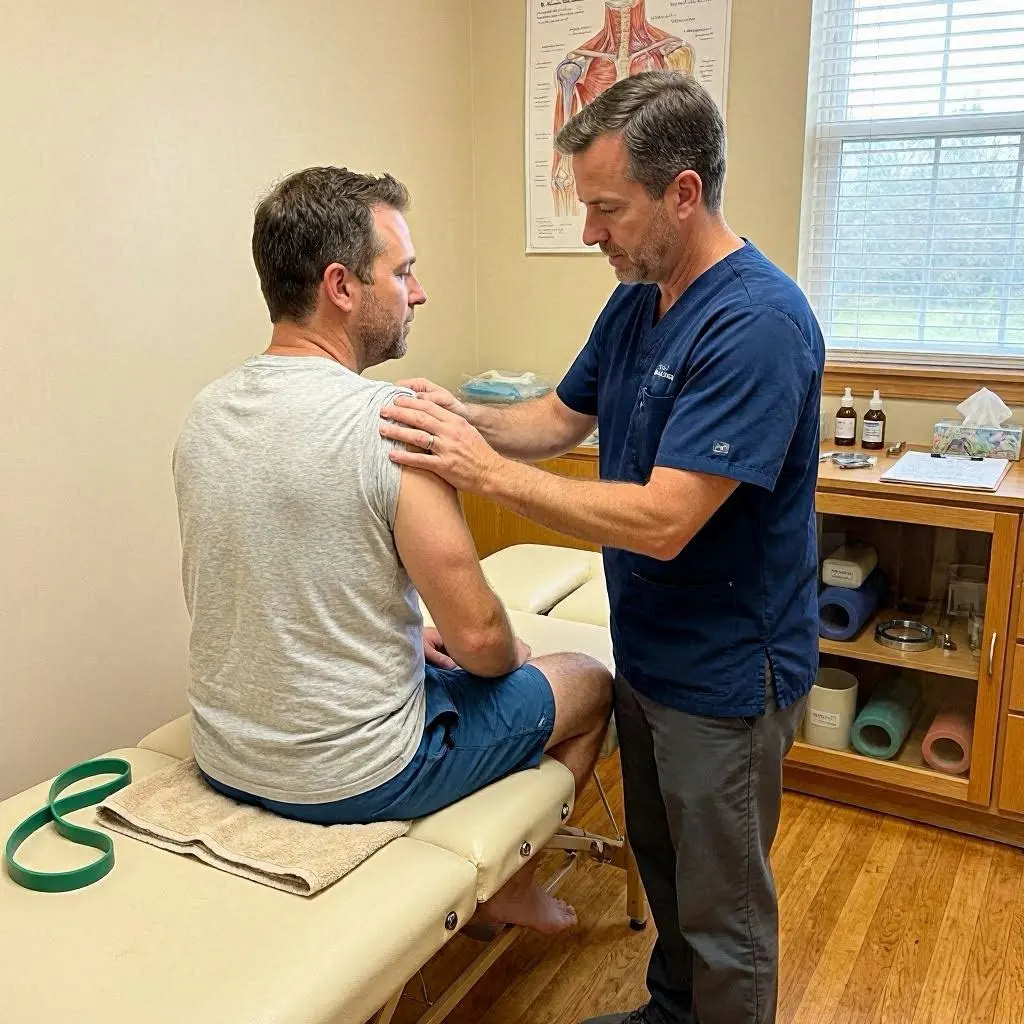
Physiotherapy for shoulder pain is a specialized treatment approach designed to improve shoulder movement, reduce discomfort, and restore function. A physiotherapist assesses the shoulder joint, surrounding muscles, posture, and movement patterns before creating an individualized treatment plan.
Treatment methods may include:
-
Strengthening exercises
-
Stretching programs
-
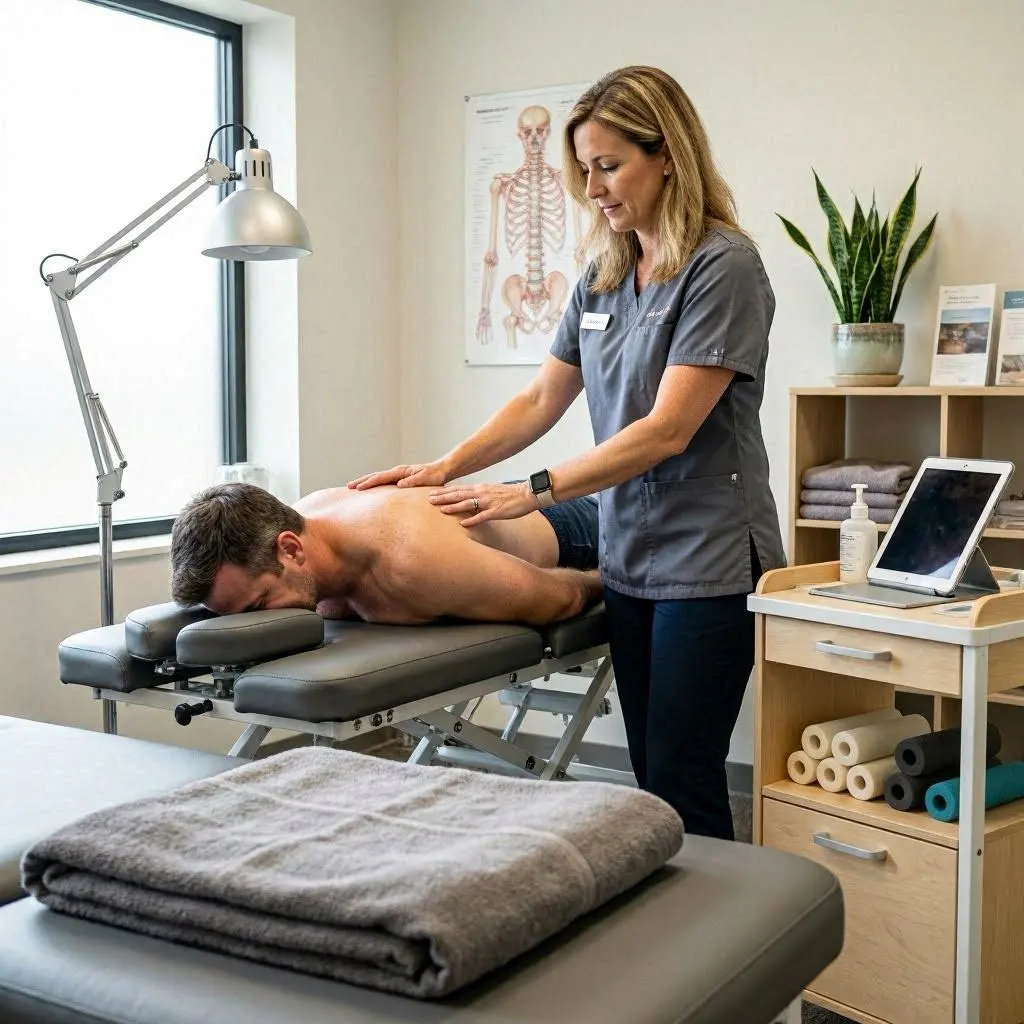
Manual therapy
-
Joint mobilization
-
Posture correction
-
Mobility exercises
-
Functional movement training
-
Pain management techniques
The goal is to improve shoulder health and help patients return to their daily activities comfortably.
Common Causes of Shoulder Pain
Rotator Cuff Injuries and Shoulder Dysfunction (Physiotherapy for Shoulder Pain)
Rotator cuff injuries are one of the most common reasons people seek shoulder rehabilitation. These injuries can cause weakness, pain, and limited movement.
Frozen Shoulder and Mobility Restrictions
Frozen shoulder causes stiffness and reduced range of motion, making simple activities difficult.
Poor Posture and Muscle Imbalances
Poor posture, especially from prolonged desk work or device use, can place stress on the shoulder muscles and joints.
Sports-Related Shoulder Injuries
Athletes involved in swimming, tennis, baseball, and other overhead sports often experience shoulder problems due to repetitive movements.
Arthritis and Joint Degeneration
Age-related wear and tear can affect the shoulder joint, leading to pain, stiffness, and reduced mobility.
Benefits of Physiotherapy for Shoulder Pain
Pain Relief Through Targeted Treatment
Physiotherapy techniques help reduce inflammation, ease muscle tension, and improve joint function.
Improved Shoulder Mobility and Flexibility (Physiotherapy for Shoulder Pain)
Rehabilitation exercises restore movement and help patients perform daily tasks more comfortably.
Strengthening Muscles Around the Shoulder
Strong muscles provide better support for the shoulder joint and help reduce strain during movement.
Better Posture and Movement Patterns
Posture correction and movement training help reduce stress on the shoulder and prevent recurring issues.
Prevention of Future Shoulder Problems
Physiotherapy addresses underlying weaknesses and movement dysfunctions that may contribute to future injuries.
Shoulder Rehabilitation Techniques Used in Physiotherapy
Manual Therapy for Shoulder Mobility
Hands-on treatment techniques improve joint movement and reduce muscle tightness.
Exercise Therapy for Shoulder Recovery (Physiotherapy for Shoulder Pain)
Customized exercise programs strengthen muscles and improve flexibility.
Stretching and Mobility Training
Stretching exercises help restore range of motion and reduce stiffness.
Functional Movement Rehabilitation
Functional exercises focus on improving everyday activities that involve shoulder movement.
Who Can Benefit from Physiotherapy for Shoulder Pain?
Office Workers with Posture-Related Shoulder Pain
Long periods of sitting and poor workstation setup can contribute to shoulder discomfort.
Athletes Recovering from Sports Injuries
Sports physiotherapy helps athletes regain strength and safely return to activity.
Older Adults with Joint Stiffness
Rehabilitation can improve shoulder mobility and quality of life for individuals with age-related conditions.
Individuals Recovering After Shoulder Surgery (Physiotherapy for Shoulder Pain)
Post-surgical physiotherapy supports recovery and helps restore normal shoulder function.
Tips to Support Shoulder Pain Recovery
Along with physiotherapy treatment, these habits may help improve shoulder health:
-
Maintain proper posture throughout the day
-
Perform regular stretching exercises
-
Strengthen shoulder and upper back muscles
-
Avoid repetitive overhead movements when possible
-
Take breaks during prolonged desk work
-
Follow a physiotherapist’s exercise recommendations
These simple habits can support rehabilitation and reduce the risk of future shoulder problems.
Conclusion
Physiotherapy for shoulder is a safe and effective treatment that helps reduce discomfort, improve mobility, and restore function. Through personalized rehabilitation programs, exercise therapy, posture correction, and manual therapy, patients can achieve long-term relief and better shoulder health.
Whether shoulder pain is caused by injury, poor posture, overuse, or age-related conditions, professional physiotherapy can help you regain movement, improve strength, and return to an active lifestyle with confidence.