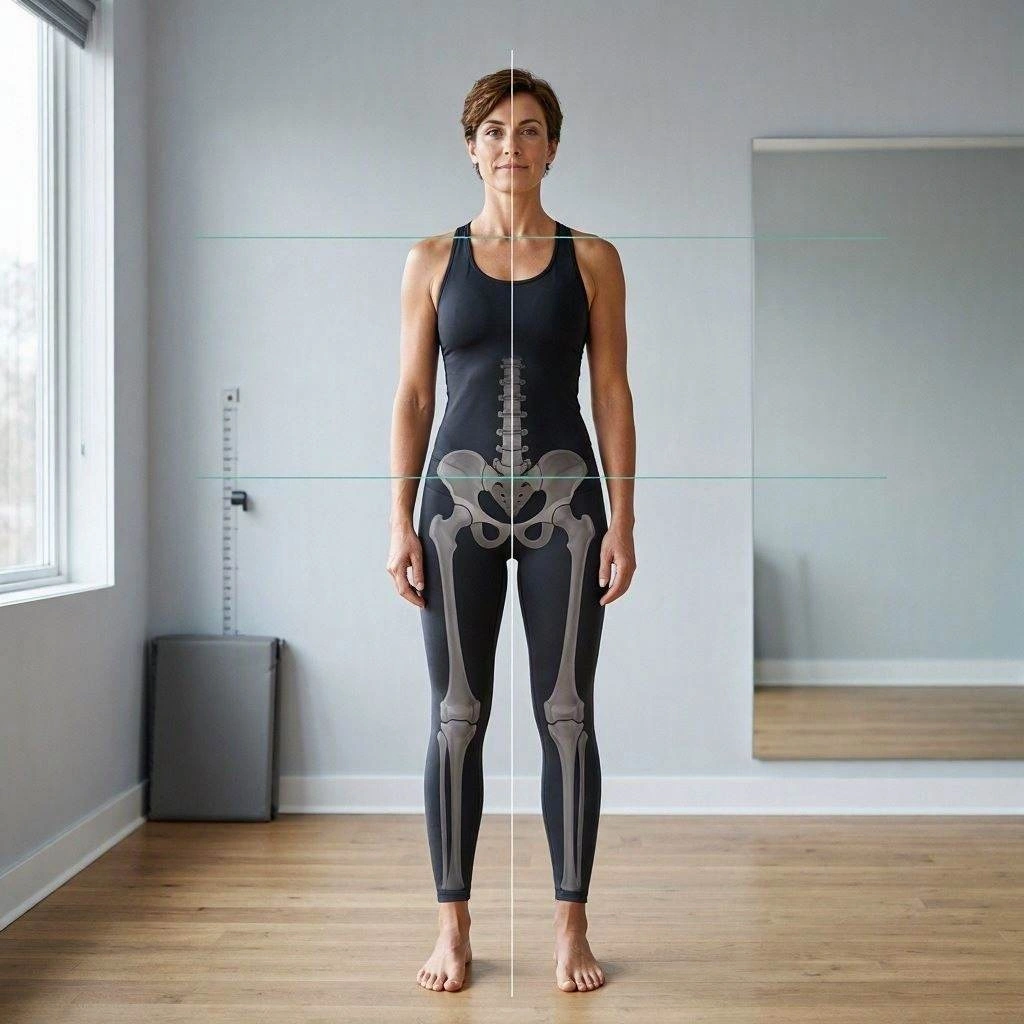
Chiropractor for Joint Mobility: Improve Movement, Flexibility, and Joint Function
Joint mobility plays an important role in everyday life. Walking, climbing stairs, reaching overhead, bending, turning, exercising, and completing household tasks all depend on the ability of joints to move comfortably and efficiently. When stiffness, pain, an injury, or reduced physical activity affects joint movement, even simple activities can become difficult. For people experiencing these limitations, finding a qualified Chiropractor for Joint Mobility may be one option to consider. Chiropractic care can involve a physical assessment, selected joint mobilization techniques, manual therapy, movement education, and exercises designed to support mobility and function. However, the most appropriate approach depends on the affected joint, the underlying cause, and the person’s overall health.
Improving mobility is not simply about making a joint move farther. It also involves developing the strength, coordination, and control needed to use that movement during daily activities.
At Ritz Clinics, chiropractic services focus on assessing musculoskeletal concerns and considering treatment options according to individual needs. This guide explains how chiropractic care may support joint mobility, which factors can contribute to stiffness, what treatment may involve, and how exercise can help maintain functional movement.
What Is Joint Mobility?
Joint mobility refers to the ability of a joint to move through an appropriate range of motion. Different joints have different movement requirements. The shoulder, for example, needs to move in several directions to allow reaching and lifting, while the knee primarily bends and straightens to support walking and other activities.
Healthy movement depends on several structures working together, including bones, cartilage, ligaments, tendons, muscles, and surrounding connective tissues. The nervous system also plays an important role by coordinating muscle activity and controlling movement.
When one or more of these structures becomes painful, restricted, or less efficient, joint mobility may be affected.
Common signs of reduced mobility include:
- Difficulty bending, twisting, reaching, or turning.
- Stiffness after sitting or remaining in one position.
- Reduced movement in the shoulders, hips, knees, ankles, or spine.
- Discomfort when performing everyday tasks.
- Difficulty completing certain exercises or sports movements.
- A feeling that a joint does not move as freely as it used to.
Reduced mobility does not always indicate a serious problem. Temporary stiffness can occur after inactivity or an increase in physical activity. However, persistent, worsening, or unexplained limitations deserve appropriate assessment.
What Does a Chiropractor for Joint Mobility Do?
A chiropractor who focuses on joint mobility assesses how the joints and surrounding structures move and how these limitations affect everyday function.
Chiropractic care may include several approaches, depending on the patient’s condition and the practitioner’s assessment.
These approaches can include:
- Joint mobilization.
- Spinal manipulation when appropriate.
- Selected soft tissue techniques.
- Mobility exercises.
- Stretching and strengthening.
- Postural and movement advice.
- Functional rehabilitation.
- Recommendations for maintaining activity between appointments.
Not every patient needs every technique. A person with shoulder stiffness may require a different plan from someone experiencing restricted ankle movement or lower back discomfort.
The purpose of the assessment is to understand the problem before deciding which treatment, if any, is appropriate.
A chiropractor should also recognise when symptoms require further medical investigation rather than routine manual treatment.

Why Does Joint Mobility Decrease? (Chiropractor for Joint Mobility)
Joint stiffness can develop for several reasons. Understanding the possible cause helps determine whether chiropractic care, exercise, medical treatment, or another intervention may be appropriate.
1. Prolonged Sitting and Inactivity
Spending long periods sitting can reduce opportunities to move the hips, spine, shoulders, and other joints through their usual ranges.
Some people notice stiffness when standing after working at a desk or when beginning to move after a long journey.
Inactivity does not necessarily damage a joint, but it may reduce physical conditioning and make movement feel less comfortable.
Regular movement breaks, appropriate exercise, and gradually increasing activity can help maintain general mobility.
2. Previous Injuries
Sprains, strains, fractures, and other injuries may affect the surrounding tissues and restrict movement during recovery.
For example, an ankle injury may make it difficult to bend the ankle comfortably, while a shoulder injury may limit reaching overhead.
In some cases, stiffness continues after the initial pain has improved. Rehabilitation can then focus on restoring an appropriate range of motion, rebuilding strength, and returning to everyday activities.
However, an injured joint should not automatically be manipulated. Recent trauma, significant swelling, suspected fractures, or severe pain may require medical assessment first.
3. Muscle Tightness and Reduced Flexibility
Muscles help control joint movement. When surrounding muscles are tight, painful, or less conditioned, certain movements may become more difficult.
For example, limited flexibility around the hips may affect squatting or other lower-body movements.
Nevertheless, muscle tightness is only one possible contributor to restricted mobility. Joint disease, nerve problems, structural changes, and other conditions can produce similar limitations.
A thorough assessment helps determine whether stretching, strengthening, manual therapy, or another approach is appropriate.
4. Age-Related Changes
Joint structures can change with age. Some people develop osteoarthritis, which may cause pain, stiffness, swelling, and reduced movement.
However, getting older does not automatically mean that significant mobility loss is inevitable. Many people maintain useful movement and physical independence throughout later life.
Treatment should consider the person’s symptoms, medical history, functional needs, and any diagnosed joint conditions.
5. Repetitive Activities
Repetitive movements at work, during sports, or while performing household tasks can contribute to discomfort and movement limitations.
For example, repeated overhead activity may aggravate a shoulder problem, while frequent kneeling or squatting may increase discomfort around the knee in some individuals.
The solution is not always to stop the activity completely. Depending on the cause, modifying technique, adjusting workload, improving strength, and gradually building tolerance may be more appropriate.
6. Musculoskeletal Conditions
Conditions affecting the joints, muscles, spine, or nervous system can change how a person moves.
Osteoarthritis, inflammatory joint disease, tendon problems, and some neurological conditions may all affect mobility.
Because these conditions require different approaches, a chiropractor should assess whether chiropractic treatment is suitable and refer the patient for medical evaluation when necessary.
How Can Chiropractic Care Support Joint Mobility?
Chiropractic care may help selected patients with musculoskeletal pain and movement restrictions. The potential benefits depend on the diagnosis, treatment technique, and individual response.
Joint Mobilization
Joint mobilization involves controlled, repeated movements applied to a joint. The movements are generally performed without the rapid thrust associated with spinal manipulation.
A practitioner may consider mobilization when restricted joint movement appears relevant to the patient’s symptoms.
For example, someone with reduced ankle movement may find it difficult to squat comfortably. Depending on the assessment, treatment could include ankle mobilization alongside calf exercises, strengthening, and functional movement training.
Mobilization should be adapted to the joint, the person’s comfort, and the underlying condition.
It should not be used to force a joint through a painful or unsafe range.
Spinal Manipulation (Chiropractor for Joint Mobility)
Spinal manipulation involves applying a controlled thrust to a spinal joint. It is one technique used in chiropractic care, but it is not necessary or appropriate for every patient.
Research suggests that spinal manipulation can provide modest improvements in pain or function for some people with low back pain. However, evidence varies by condition, and these findings should not be interpreted as proof that manipulation improves every type of joint stiffness.
Before considering manipulation, the practitioner should review the person’s symptoms, medical history, potential risks, and treatment goals.
Patients should be informed about the proposed technique and its alternatives before deciding whether to proceed.
Soft Tissue Techniques
Muscles and other soft tissues can influence comfort and movement. Selected soft tissue techniques may be used when muscular tension or sensitivity contributes to the person’s limitations.
These techniques may be combined with mobility exercises and strengthening rather than used as the only treatment.
For example, someone with shoulder discomfort may benefit from an approach that considers the shoulder joint, surrounding muscles, movement control, and everyday activity demands.
Manual treatment should support a broader plan aimed at meaningful improvements in function.
Mobility Exercises
Mobility exercises help a person practise moving a joint through a comfortable and appropriate range.
Depending on the assessment, exercises may involve gentle shoulder movement, hip mobility, ankle movement, or controlled spinal movement.
The aim is to help the patient use the available range rather than relying exclusively on passive treatment.
Exercise selection should account for the underlying condition, the person’s abilities, and their response to movement.
Strengthening and Functional Training
Mobility alone does not guarantee that a person can use a joint effectively.
For example, someone may be able to move their shoulder through a large range but lack the strength or control needed to lift an object safely.
Strengthening and functional training can help develop the physical capacity required for daily activities.
This may include exercises for the trunk, hips, shoulders, or lower limbs, depending on the person’s needs.
Chiropractic Care for Different Joints (Chiropractor for Joint Mobility)
A mobility-focused treatment plan should reflect the joint involved and the activities the person wants to improve.
Shoulder Mobility
The shoulder has a large range of motion, allowing people to reach overhead, lift objects, dress, and perform many sports movements.
Shoulder stiffness may develop after an injury, prolonged reduced movement, or certain shoulder conditions.
Common difficulties include:
- Reaching overhead.
- Putting on a jacket.
- Reaching behind the back.
- Lifting objects onto a shelf.
- Performing swimming or throwing movements.
A healthcare professional may assess shoulder movement, strength, tenderness, and the surrounding structures.
Depending on the findings, treatment may involve suitable mobility exercises, strengthening, activity modification, and selected manual techniques.
Persistent shoulder pain, significant weakness, or a sudden loss of movement should be assessed rather than treated with forceful manipulation.
Hip Mobility (Chiropractor for Joint Mobility)
The hips contribute to walking, climbing stairs, sitting, standing, running, and squatting.
Reduced hip movement can make these activities more difficult. Some people notice stiffness after sitting or discomfort when rotating the hip.
A mobility assessment may consider hip rotation, bending, extension, strength, and functional movements.
Treatment may involve controlled hip movements, strengthening, balance exercises, and advice about gradually returning to activities.
If hip pain is severe, follows an injury, or makes bearing weight difficult, medical evaluation may be needed before manual treatment.
Knee Mobility
The knee plays a central role in walking, running, climbing stairs, and moving between sitting and standing.
Knee stiffness can occur after an injury, surgery, prolonged inactivity, or an underlying joint condition.
A chiropractor may assess movement and the way the knee functions during everyday activities. However, treatment must be appropriate for the cause.
For people with knee osteoarthritis, guidelines such as those from the UK’s National Institute for Health and Care Excellence emphasise therapeutic exercise as a core part of management. Manual therapy, if considered, should be used alongside exercise rather than as a standalone treatment.
Depending on the diagnosis, rehabilitation may include strengthening the muscles around the knee, improving balance, and gradually increasing walking or other activity.
Ankle Mobility
Ankle movement is important for walking, running, squatting, and maintaining balance.
Restricted ankle movement can make it harder to move comfortably through a squat or descend stairs.
Previous ankle sprains, stiffness, reduced calf flexibility, and other conditions may contribute to these limitations.
An appropriate programme may include ankle mobility exercises, calf strengthening, balance work, and functional movements.
If the ankle is swollen, severely painful, or unable to bear weight following an injury, obtain medical assessment before attempting manual therapy.
Wrist and Elbow Mobility
The wrists and elbows support gripping, lifting, typing, and many repetitive tasks.
Pain or stiffness in these joints can interfere with work, household activities, and sports.
A mobility assessment may examine joint movement, muscle function, grip strength, and the activities that trigger symptoms.
Treatment may involve appropriate movement exercises, progressive strengthening, workload modification, and other interventions based on the diagnosis.
Persistent numbness, tingling, substantial weakness, or severe pain may indicate a problem requiring medical evaluation.
Spinal Mobility
The spine allows the body to bend, extend, rotate, and maintain balance during movement.
Stiffness in the neck or back may make turning, reaching, lifting, or sitting uncomfortable.
A chiropractor may assess spinal movement and determine whether manual treatment or exercise is appropriate.
However, spinal stiffness can have many causes. New severe pain, significant trauma, progressive weakness, or symptoms involving bladder or bowel function require medical assessment rather than routine mobility treatment.
What Happens During a Chiropractic Mobility Assessment?
An assessment helps determine which treatment options may be appropriate and whether further medical care is needed.
Medical and Activity History (Chiropractor for Joint Mobility)
The chiropractor may ask when the symptoms began, whether there was an injury, which activities are difficult, and what makes the discomfort better or worse.
They may also ask about previous treatment, medical conditions, medication, and other symptoms.
This information helps distinguish a temporary mobility limitation from a problem that may require a different approach.
Movement Assessment
The practitioner may observe how the affected joint moves and assess the range of motion that can be performed comfortably.
Depending on the problem, the assessment may include strength, balance, functional movement, and other relevant tests.
Not every patient requires the same tests. The assessment should focus on the symptoms and activities that matter to the individual.
Identifying Appropriate Treatment
After the assessment, the practitioner should explain the findings, possible treatment options, and any limitations or uncertainties.
If chiropractic care appears appropriate, the plan may include manual treatment, exercise, education, or a combination of these approaches.
If the symptoms suggest a condition that needs further investigation, referral to another healthcare professional may be more appropriate.
Monitoring Progress
Progress should be evaluated over time rather than judged by a single treatment session.
Useful measures may include improved movement, reduced discomfort, better walking tolerance, greater strength, or an increased ability to perform everyday activities.
If the person does not improve as expected, the treatment plan should be reviewed.
Exercises That May Help Maintain Joint Mobility
Exercise is an important way to practise movement and develop the strength needed to use joints effectively.
The following examples are general illustrations, not a personalised rehabilitation programme. The appropriate exercises depend on the joint, the cause of the limitation, and the person’s health.
Gentle Shoulder Circles
Shoulder circles involve moving the shoulders in a controlled circular pattern.
Stand or sit comfortably, relax the arms, and move the shoulders gently without forcing the neck or upper back.
This can provide a simple opportunity to move the shoulder region during a break from desk work.
If the movement causes significant pain, stop and seek advice.
Controlled Hip Movement
Hip mobility exercises may involve gentle bending or rotation within a comfortable range.
The purpose is to practise controlled movement rather than force the hip into a deep stretch.
If hip pain is persistent, severe, or associated with difficulty bearing weight, obtain professional assessment before starting a new exercise programme.
Ankle Mobility
Gentle ankle movements can help maintain movement during periods of reduced activity.
For example, while seated, a person may slowly move the foot up and down if the ankle can tolerate this comfortably.
More advanced exercises may be introduced according to the underlying condition and the person’s progress.
Sit-to-Stand Practice
Standing up from a chair involves coordinated movement of the hips, knees, and ankles.
When appropriate, controlled sit-to-stand practice can help build strength and functional capacity.
Start with a stable chair and a manageable number of repetitions. If the movement causes significant pain, instability, or dizziness, stop and seek guidance.
Walking
Walking supports general physical activity and involves movement at the hips, knees, ankles, and spine.
Choose a comfortable duration and gradually increase activity if symptoms allow.
Walking is not suitable for every acute injury or joint condition, so follow professional advice if weight-bearing is painful or restricted.
How Chiropractic Care and Physiotherapy Can Work Together
Chiropractic care and physiotherapy may complement one another when a coordinated approach is appropriate.
Chiropractic treatment may include joint mobilization, selected manual techniques, soft tissue work, and movement advice.
Physiotherapy commonly focuses on exercise, strengthening, functional rehabilitation, and the gradual return to activity.
The best combination depends on the person’s needs rather than a requirement to receive multiple treatments.
For example, someone with restricted ankle movement may benefit from appropriate mobility work alongside balance exercises, calf strengthening, and walking practice.
A person recovering from a shoulder problem may need a programme that gradually restores movement and strength for reaching or lifting.
At Ritz Clinics Physiotherapy, patients can explore physiotherapy services that may be relevant to rehabilitation and functional movement.
A coordinated treatment plan should have clear goals and be reviewed according to progress.
Is Chiropractic Treatment Safe for Joint Mobility?
Chiropractic treatment is not suitable for every condition, and safety depends on the technique, the joint involved, and the person’s medical history.
Mild temporary soreness can occur after some manual treatments. More importantly, certain conditions may make manipulation or other techniques inappropriate.
Before treatment, tell the practitioner about previous injuries, surgery, osteoporosis, inflammatory conditions, medication, and any new or unusual symptoms.
Do not proceed with forceful treatment when the cause of severe pain is unclear or when a serious injury may be present.
Seek prompt medical assessment for a joint that becomes suddenly hot, red, markedly swollen, or severely painful, particularly if fever is present. After trauma, severe pain, deformity, or inability to bear weight may indicate an injury requiring urgent evaluation.
New weakness, significant numbness, or other neurological symptoms also warrant medical attention.
A qualified practitioner should explain the proposed treatment, possible benefits, risks, and alternatives. You can decline a technique or ask for a different approach at any time.
Everyday Habits That Support Joint Mobility (Chiropractor for Joint Mobility)
Professional treatment can be helpful, but daily habits also influence movement and physical capacity.
Move Regularly
Break up long periods of sitting or remaining in one position. Brief movement breaks can help you practise comfortable movement throughout the day.
Build Strength Gradually
Strength helps support joint function and control. Choose exercises appropriate to your ability and increase the workload progressively.
Avoid Forcing Painful Movement
More movement is not always better. Forcing a joint beyond a comfortable range can aggravate some conditions.
Follow an appropriate plan and seek advice if movement consistently increases symptoms.
Adapt Your Workspace
Adjust your chair, desk, and frequently used equipment to support comfortable working positions.
Regular movement breaks are still useful, even when your workstation is well arranged.
Return to Exercise Progressively
If you have been inactive because of pain or an injury, avoid immediately returning to your previous exercise intensity.
Gradually rebuild duration, resistance, and complexity as your tolerance improves.
Pay Attention to Recovery
Adequate rest and a manageable activity schedule can help you maintain a consistent exercise routine.
If pain repeatedly interrupts sleep or everyday function, seek professional assessment rather than relying solely on home strategies.

Frequently Asked Questions About a Chiropractor for Joint Mobility
Can a Chiropractor Improve Joint Mobility?
Chiropractic care may help some people with selected musculoskeletal conditions that affect movement. Depending on the assessment, treatment may include joint mobilization, manual therapy, exercise, and movement education. Results vary according to the underlying cause and individual circumstances.
What Is the Difference Between Joint Mobilization and Spinal Manipulation?
Joint mobilization generally involves controlled movements without a rapid thrust. Spinal manipulation uses a controlled thrust to a spinal joint. The techniques differ, and neither is appropriate for every patient.
Is Chiropractic Care Enough to Improve Mobility?
Not always. Manual treatment may help some people, but exercise is often important for maintaining movement, improving strength, and developing functional capacity. The treatment plan should address the person’s underlying limitations and goals.
Which Joints Can a Chiropractor Assess?
Depending on their training and scope of practice, a chiropractor may assess movement involving the spine, shoulders, hips, knees, ankles, and other joints. Treatment suitability depends on the diagnosis, medical history, and examination findings.
Can Chiropractic Care Help With Arthritis-Related Stiffness?
Some people with arthritis may benefit from an appropriate exercise and symptom-management programme. Manual therapy may be considered for selected conditions alongside therapeutic exercise, but it should not be used as a standalone solution or assumed to reverse arthritis.
How Many Chiropractic Sessions Will I Need?
There is no fixed number of sessions that suits everyone. The appropriate duration depends on the condition, symptom severity, treatment goals, and progress. A practitioner should review whether treatment is helping rather than recommend an inflexible schedule.
Should I Feel Pain During Joint Mobilization?
Treatment should be adapted to the person’s condition and comfort. Some discomfort may occur in certain circumstances, but severe pain or a substantial worsening of symptoms should not be ignored. Tell the practitioner immediately if a technique feels unsafe or excessively painful.
Can I Improve Joint Mobility at Home?
Gentle movement and appropriate exercise may help maintain mobility. However, exercises should match the underlying condition. Seek professional guidance when symptoms are persistent, severe, unexplained, or associated with an injury.
When Should I See a Doctor Instead of a Chiropractor?
Seek medical assessment for severe or worsening pain, significant swelling, a hot or red joint, inability to bear weight after an injury, new weakness, or significant numbness. Sudden severe symptoms or signs of a serious injury may require urgent care.
Final Thoughts (Chiropractor for Joint Mobility)
Finding the right Chiropractor for Joint Mobility starts with understanding why movement has become restricted and determining which treatments are appropriate.
Chiropractic care may include joint mobilization, selected manual techniques, soft tissue treatment, mobility exercises, and movement education. For many mobility concerns, active exercise and gradual strengthening are also important because joints need both movement and control to function effectively.
The most useful treatment plan is tailored to the individual, connects mobility improvements with everyday goals, and is reviewed according to progress. Chiropractic care should not be treated as a universal solution, and symptoms that suggest a serious injury or medical condition need appropriate assessment.
If stiffness or discomfort is making everyday activities difficult, explore Ritz Clinics Chiropractic Services to learn more about the available options. You can also review the clinic’s Chiropractic Mobility Therapy information for related mobility-focused care.
Medical disclaimer: This article provides general educational information and is not a substitute for diagnosis or individual medical advice. Consult a qualified healthcare professional for persistent or concerning symptoms, and seek urgent care when serious injury or warning signs are present.