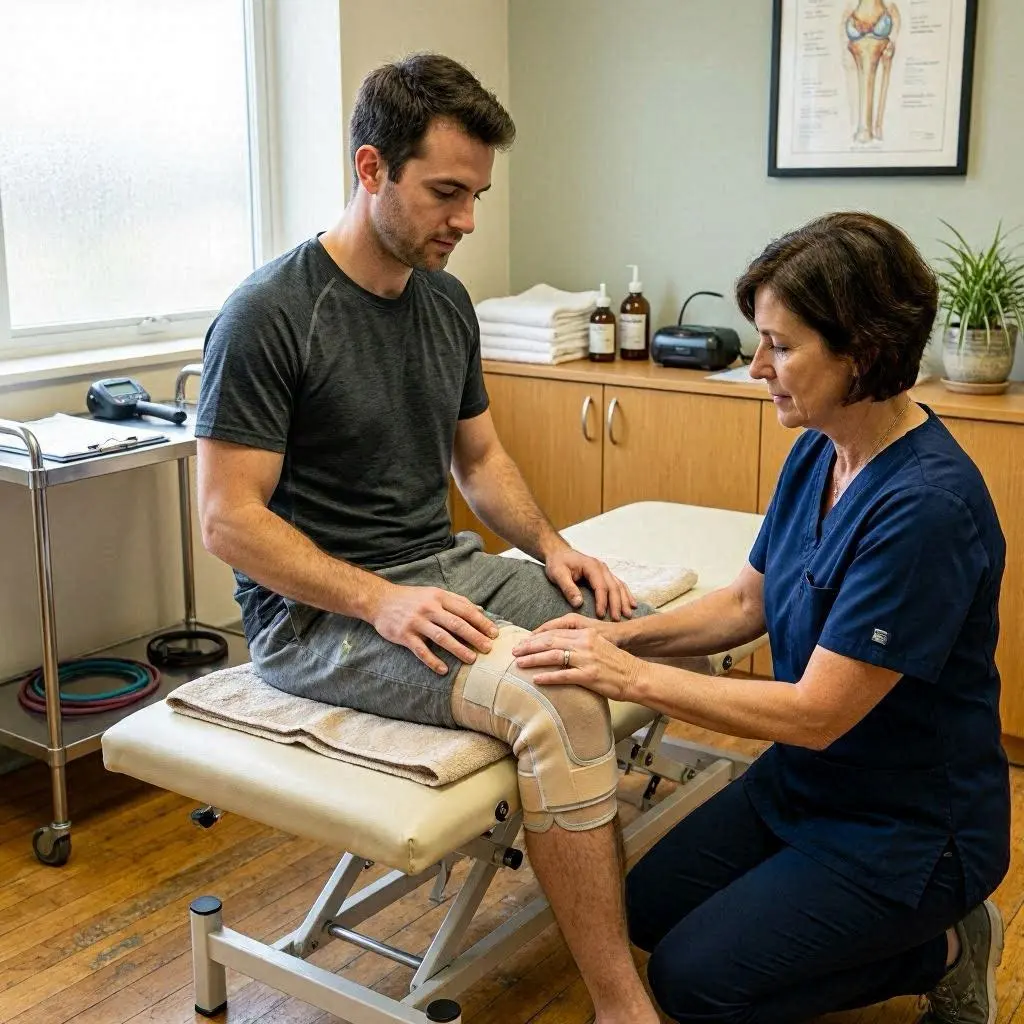

Neck Pain Treatment Thornhill: Complete Guide to Neck Pain Relief and Rehabilitation
Neck pain can affect almost every part of daily life. Turning your head while driving, working at a computer, sleeping comfortably, exercising, or even performing simple household activities can become difficult when the neck is painful or stiff. For people searching for Neck Pain Treatment Thornhill, physiotherapy can provide a structured approach to understanding the cause of symptoms, improving mobility, building strength, and returning to normal activities.
Neck pain can develop for many reasons. Poor posture, prolonged computer use, muscle tension, repetitive activities, sports injuries, whiplash, joint stiffness, and age-related changes can all contribute to neck discomfort. In some cases, pain may also extend toward the shoulders, upper back, or arms.
Because the cause and severity of neck pain can vary, treatment should be individualized. A physiotherapist can assess movement, strength, mobility, posture, and functional limitations before developing a rehabilitation plan.
Depending on the individual’s condition, Neck Pain Treatment Thornhill may include therapeutic exercises, mobility training, manual therapy, strengthening, posture and ergonomic education, and gradual return to normal activities.
What Causes Neck Pain?
Neck pain can have many possible causes. Some cases develop gradually, while others begin after a specific injury or sudden movement.
Common causes include:
-
Poor or prolonged posture
-
Long periods of computer use
-
Muscle strain
-
Repetitive movements
-
Sports injuries
-
Whiplash
-
Sleeping in an uncomfortable position
-
Joint stiffness
-
Age-related changes
-
Previous neck injuries
-
Stress-related muscle tension
Understanding what may be contributing to the symptoms is an important part of treatment.
For example, someone who spends eight hours a day at a computer may experience neck discomfort because of prolonged static positioning. In contrast, an athlete may develop symptoms following an injury or repetitive overhead activity.
Common Symptoms of Neck Pain
Neck pain does not always feel the same for everyone.
Possible symptoms include:
-
Aching in the neck
-
Sharp pain with movement
-
Muscle tightness
-
Neck stiffness
-
Reduced range of motion
-
Shoulder discomfort
-
Upper-back pain
-
Headaches
-
Pain when looking up or down
-
Difficulty turning the head
-
Muscle weakness
-
Tingling or numbness in some cases
Symptoms can also change throughout the day.
For example, neck pain may become worse after prolonged sitting but improve after gentle movement. Other people may notice more discomfort in the morning or after physical activity.
Keeping track of symptoms can help a physiotherapist understand patterns and identify activities that may be contributing to the problem.
When Should You Seek Neck Pain Treatment?
Mild neck stiffness may sometimes improve with appropriate movement and activity modification. However, persistent or recurring symptoms should not simply be ignored.
Consider seeking professional assessment if neck pain:
-
Lasts for an extended period
-
Keeps returning
-
Limits your daily activities
-
Makes driving difficult
-
Interferes with sleep
-
Prevents exercise
-
Limits neck movement
-
Develops after an accident
-
Gets progressively worse
Professional assessment can help determine whether physiotherapy is appropriate and whether further medical evaluation is needed.
Neck Pain Treatment Thornhill and Physiotherapy
Physiotherapy can play an important role in the rehabilitation of many types of neck pain.
The first step is generally a clinical assessment.
A physiotherapist may examine:
-
Neck range of motion
-
Shoulder movement
-
Muscle strength
-
Upper-back mobility
-
Posture
-
Functional movement
-
Balance when relevant
-
Symptoms during specific movements
The findings can then be used to create an individualized treatment plan.
The objective is not simply to reduce discomfort temporarily. Rehabilitation can also focus on restoring movement and physical capacity so that the person can return to meaningful activities.
What Happens During the First Appointment?
An initial physiotherapy appointment generally begins with a conversation about your symptoms.
Your physiotherapist may ask:
-
When did your neck pain begin?
-
Was there an injury?
-
Did the pain develop gradually?
-
What activities make it worse?
-
What makes it feel better?
-
Does the pain affect your sleep?
-
Do you spend long periods at a computer?
-
Do you exercise regularly?
-
Have you experienced neck injuries before?
A physical assessment may then be performed.
The physiotherapist can examine movement and physical function and use the findings to develop appropriate treatment goals.
Manual Therapy for Neck Pain (Neck Pain Treatment Thornhill)
Manual therapy may be included in some neck pain rehabilitation programs.
Depending on the assessment, a physiotherapist may use hands-on techniques involving the muscles, joints, or surrounding soft tissues.
The purpose may include helping improve mobility, reducing stiffness, or making movement more comfortable.
Manual therapy can be useful for some patients, but it is often combined with active rehabilitation.
Exercise and movement training are important because patients ultimately need to use their neck and upper body during everyday activities without relying entirely on passive treatment.
Therapeutic Exercises for Neck Pain
Exercise is an important component of many physiotherapy programs.
The exact exercises depend on the individual’s symptoms and physical condition.
A rehabilitation program may include exercises for:
-
Neck mobility
-
Deep neck muscle control
-
Shoulder strength
-
Upper-back strength
-
Postural endurance
-
Flexibility
-
Movement coordination
Exercises are usually introduced at an appropriate level and progressed gradually.
For example, a patient with significant stiffness may initially perform gentle mobility exercises. As movement improves, strengthening and functional exercises can be added.
Neck Mobility Exercises
Reduced neck mobility can make daily activities more difficult.
A person may struggle to:
-
Look over their shoulder
-
Check traffic while driving
-
Look upward
-
Work at a computer
-
Turn their head during conversations
-
Perform certain exercises
A physiotherapist can recommend appropriate mobility exercises based on the person’s condition.
The objective is to gradually restore comfortable movement rather than forcing the neck into painful positions.
Mobility exercises may be combined with upper-back and shoulder movement because these areas work together during many everyday activities.
Strengthening the Neck and Upper Body
Neck pain is not always caused by a lack of strength, but strengthening may be useful for some patients.
The rehabilitation program may target the muscles of the:
-
Neck
-
Shoulders
-
Upper back
-
Chest
-
Core
Improving strength and endurance can help the body tolerate everyday activities more effectively.
For people who work at a desk, improved upper-body endurance may also make it easier to maintain comfortable positions while regularly changing posture and taking movement breaks.
Neck Pain and Poor Posture (Neck Pain Treatment Thornhill)
Posture is often discussed when people experience neck pain.
However, there is not necessarily one perfect posture that everyone must maintain all day.
Instead, prolonged static positions can sometimes contribute to discomfort.
A better strategy may involve changing positions regularly.
For example:
-
Stand up periodically
-
Move the neck gently
-
Change sitting positions
-
Adjust screen height
-
Take short movement breaks
-
Avoid remaining in one position for hours
Physiotherapy can help patients develop practical movement habits rather than simply telling them to “sit straight.”
Neck Pain From Computer and Desk Work
Modern work environments can involve long periods of screen use.
Working at a computer may contribute to neck discomfort when combined with prolonged static positioning, limited movement, or poor workstation setup.
A physiotherapist may provide ergonomic recommendations involving:
-
Monitor height
-
Chair position
-
Keyboard placement
-
Desk setup
-
Screen distance
-
Movement breaks
However, workstation adjustments should be combined with regular movement.
Even a well-designed workstation cannot replace physical activity and position changes throughout the day.
Neck Pain and Headaches (Neck Pain Treatment Thornhill)
Some people with neck problems also experience headaches.
Certain headaches can be associated with the neck and surrounding muscles. These are sometimes described as cervicogenic headaches.
Symptoms can include pain that begins around the neck or back of the head and may extend toward the forehead or other areas.
A physiotherapist can assess whether neck movement, muscle function, or other physical factors appear to be contributing.
Because headaches can have many different causes, unusual, severe, sudden, or rapidly worsening headaches require appropriate medical evaluation.
Neck Pain After a Car Accident
Neck pain can develop after a motor vehicle accident, particularly following rapid movement of the head and neck.
Whiplash-associated symptoms can include:
-
Neck pain
-
Stiffness
-
Headaches
-
Shoulder discomfort
-
Reduced neck movement
-
Upper-back pain
Rehabilitation should be based on an appropriate assessment.
Treatment may involve gentle mobility, progressive strengthening, education, and gradual return to normal activities.
People who experience severe symptoms or concerning neurological changes following an accident should seek appropriate medical care.
Neck Pain From Sports Injuries
Sports can place significant demands on the neck and upper body.
Neck pain may occur after:
-
Contact
-
Falls
-
Sudden movements
-
Repetitive overhead activity
-
Strength training
-
Poor training progression
Athletes may require rehabilitation that eventually progresses beyond basic pain management.
A sports-focused program can gradually address strength, mobility, coordination, balance, and sport-specific movements.
The objective is to help the athlete return to activity safely and confidently.
Neck Pain and Sleeping Problems (Neck Pain Treatment Thornhill)
Neck pain can make it difficult to find a comfortable sleeping position.
Some people wake up with:
-
Morning stiffness
-
Neck soreness
-
Shoulder tension
-
Reduced neck movement
A physiotherapist may discuss sleeping positions, pillow considerations, and movement strategies.
However, persistent morning neck pain should not automatically be attributed to a pillow. A broader assessment may be necessary to understand the contributing factors.
Neck Pain and Stress
Stress can influence muscle tension and how people experience pain.
During stressful periods, some individuals may unconsciously tighten the muscles around their neck and shoulders.
This does not mean that neck pain is “just stress.” Physical and psychological factors can interact in complex ways.
A comprehensive rehabilitation approach can address physical movement while also encouraging healthy activity, sleep, relaxation, and appropriate stress-management strategies.
Neck Pain Treatment for Office Workers
Office workers may benefit from a rehabilitation program focused on both symptom management and long-term physical capacity.
Treatment may include:
-
Neck mobility
-
Upper-back strengthening
-
Shoulder exercises
-
Postural endurance
-
Ergonomic education
-
Movement breaks
-
Progressive exercise
One of the most important goals is helping the patient develop habits that are realistic enough to maintain during a normal workday.
A treatment plan that only works inside the clinic is less useful than one that can be incorporated into everyday life.
Neck Pain Treatment for Older Adults (Neck Pain Treatment Thornhill)
Neck stiffness and discomfort can become more common with age.
Age-related changes in the cervical spine may occur naturally, but imaging findings do not always directly correspond to the amount of pain a person experiences.
Physiotherapy can focus on maintaining:
-
Mobility
-
Strength
-
Balance
-
Functional movement
-
Independence
Treatment should be adjusted to the person’s overall health and physical capabilities.
Neck Pain and Chronic Symptoms
Some people experience neck pain for months or longer.
Persistent symptoms can affect:
-
Sleep
-
Work
-
Exercise
-
Driving
-
Concentration
-
Social activities
-
Overall quality of life
Long-term rehabilitation may focus on gradually increasing physical capacity.
This can include progressive strengthening, mobility exercises, education, pacing, and functional activity.
The goal is to help patients become more capable and confident rather than avoiding all movement because of fear of pain.
The Importance of Gradual Progression (Neck Pain Treatment Thornhill)
Recovery is not always a straight line.
A person may have good days and difficult days during rehabilitation.
For this reason, treatment should be adjusted according to progress.
A physiotherapist may gradually increase:
-
Exercise resistance
-
Repetitions
-
Movement complexity
-
Duration of activity
-
Work tolerance
-
Sport-specific demands
Gradual progression helps patients build physical capacity without unnecessarily rushing the recovery process.
How Long Does Neck Pain Treatment Take?
There is no single recovery timeline for neck pain.
Recovery can depend on:
-
The cause of the pain
-
Injury severity
-
Duration of symptoms
-
Physical activity
-
Previous injuries
-
General health
-
Work demands
-
Treatment consistency
Some people experience improvement relatively quickly, while others require a longer rehabilitation program.
Instead of focusing only on the number of treatment sessions, progress can be measured by functional improvements such as:
-
Better neck movement
-
Less pain during daily activities
-
Improved sleep
-
Greater exercise tolerance
-
Better strength
-
Easier driving
-
Improved work tolerance
Choosing Neck Pain Treatment Thornhill
When searching for Neck Pain Treatment Thornhill, it is useful to consider several factors before choosing a clinic.
Experience With Neck Conditions
Look for a physiotherapist who regularly works with neck pain, muscle strains, whiplash, headaches related to the neck, and other relevant conditions.
Individual Assessment
Avoid approaches that treat every patient exactly the same way.
A thorough assessment should consider your symptoms, movement, lifestyle, work demands, and goals.
Active Rehabilitation
Ask whether the clinic includes therapeutic exercise and progressive strengthening as part of treatment.
Communication
Your physiotherapist should clearly explain the findings and recommended treatment plan.
Location and Convenience
A convenient clinic can make it easier to attend appointments and maintain a consistent rehabilitation routine.
Thornhill has a range of physiotherapy providers offering neck and musculoskeletal rehabilitation services. Local clinics describe approaches that may include assessment, manual techniques, therapeutic exercise, mobility work, and education.
How to Prevent Recurring Neck Pain (Neck Pain Treatment Thornhill)
There is no guaranteed way to prevent every episode of neck pain.
However, several habits may support healthy movement:
-
Stay physically active
-
Strengthen the upper body
-
Take movement breaks
-
Avoid prolonged static positions
-
Gradually increase exercise intensity
-
Maintain good sleep habits
-
Address recurring symptoms early
-
Use appropriate workplace ergonomics
Regular physical activity is generally more useful than trying to maintain one rigid posture throughout the entire day.
When Is Neck Pain an Emergency?
Most neck pain is not an emergency, but certain symptoms require urgent medical assessment.
Seek appropriate medical care if neck pain occurs with symptoms such as:
-
Severe trauma
-
Loss of consciousness
-
New weakness
-
Significant numbness
-
Difficulty walking
-
Loss of coordination
-
Severe or sudden headache
-
Difficulty speaking
-
Difficulty breathing
-
Chest pain
-
Rapidly worsening symptoms
After a major accident or injury, medical evaluation may be necessary before beginning routine physiotherapy.
Frequently Asked Questions About Neck Pain Treatment Thornhill
What is Neck Pain Treatment Thornhill?
Neck Pain Treatment Thornhill refers to professional treatment and rehabilitation services available in Thornhill for people experiencing neck pain, stiffness, reduced mobility, and related physical limitations.
Can physiotherapy help neck pain?
Physiotherapy can help many people with musculoskeletal neck pain by addressing mobility, strength, movement patterns, and functional limitations.
What causes neck pain?
Neck pain can result from muscle strain, prolonged positioning, repetitive activity, sports injuries, whiplash, joint problems, and other conditions.
Can sitting at a computer cause neck pain?
Long periods of static computer work can contribute to neck discomfort for some people. Regular movement, appropriate workstation setup, and physical conditioning can help manage these demands.
Can physiotherapy help headaches caused by neck problems?
Some headaches can be associated with the neck. Physiotherapy may be appropriate when a clinical assessment indicates that cervical movement or musculoskeletal factors are contributing.
How long does neck pain take to improve?
Recovery varies depending on the cause, severity, duration of symptoms, and individual factors. Some cases improve relatively quickly, while persistent conditions may require longer rehabilitation.
Should I exercise when my neck hurts?
The appropriate level of exercise depends on the cause and severity of the symptoms. A physiotherapist can help identify suitable exercises and determine how to progress them.
Can physiotherapy help after whiplash?
Physiotherapy can be part of rehabilitation for many people experiencing whiplash-associated symptoms. Treatment should be individualized according to the person’s condition.
Should I use massage for neck pain?
Massage or other manual techniques may help some people, but neck rehabilitation often benefits from combining symptom management with active exercise and movement.
How do I choose the best neck pain treatment in Thornhill?
Consider the physiotherapist’s experience, assessment process, treatment approach, rehabilitation services, communication, accessibility, and experience with conditions similar to yours.
Final Thoughts (Neck Pain Treatment Thornhill)
Neck pain can interfere with work, sleep, driving, exercise, and everyday activities. While some mild symptoms may improve with appropriate movement and time, persistent or recurring pain deserves professional attention.
For people searching for Neck Pain Treatment Thornhill, physiotherapy can provide an individualized approach focused on understanding symptoms, improving mobility, building strength, and restoring physical function.
Treatment may include manual therapy, therapeutic exercise, mobility training, strengthening, ergonomic education, posture strategies, and gradual return to normal activities.
The right treatment depends on the underlying problem and the individual’s goals. A thorough assessment is therefore an important first step.
If neck pain developed after a significant accident, is getting worse, or is accompanied by neurological symptoms or other warning signs, appropriate medical evaluation should be prioritized.
With a structured rehabilitation plan and consistent participation, many people can work toward better neck mobility, improved strength, greater confidence with movement, and a return to the activities they enjoy.