CrossFit Injury Recovery: A Complete Guide to Rehabilitation, Pain Relief, and Returning to Training
CrossFit combines strength training, cardiovascular conditioning, gymnastics, Olympic lifting, and functional movements into challenging workouts. This combination can provide excellent benefits for strength, endurance, coordination, and overall fitness. However, the high intensity and repetitive nature of some workouts can also place significant stress on muscles, joints, tendons, and ligaments. When an injury occurs, proper rehabilitation is essential for restoring movement, rebuilding strength, and returning to training safely. (CrossFit injury recovery)
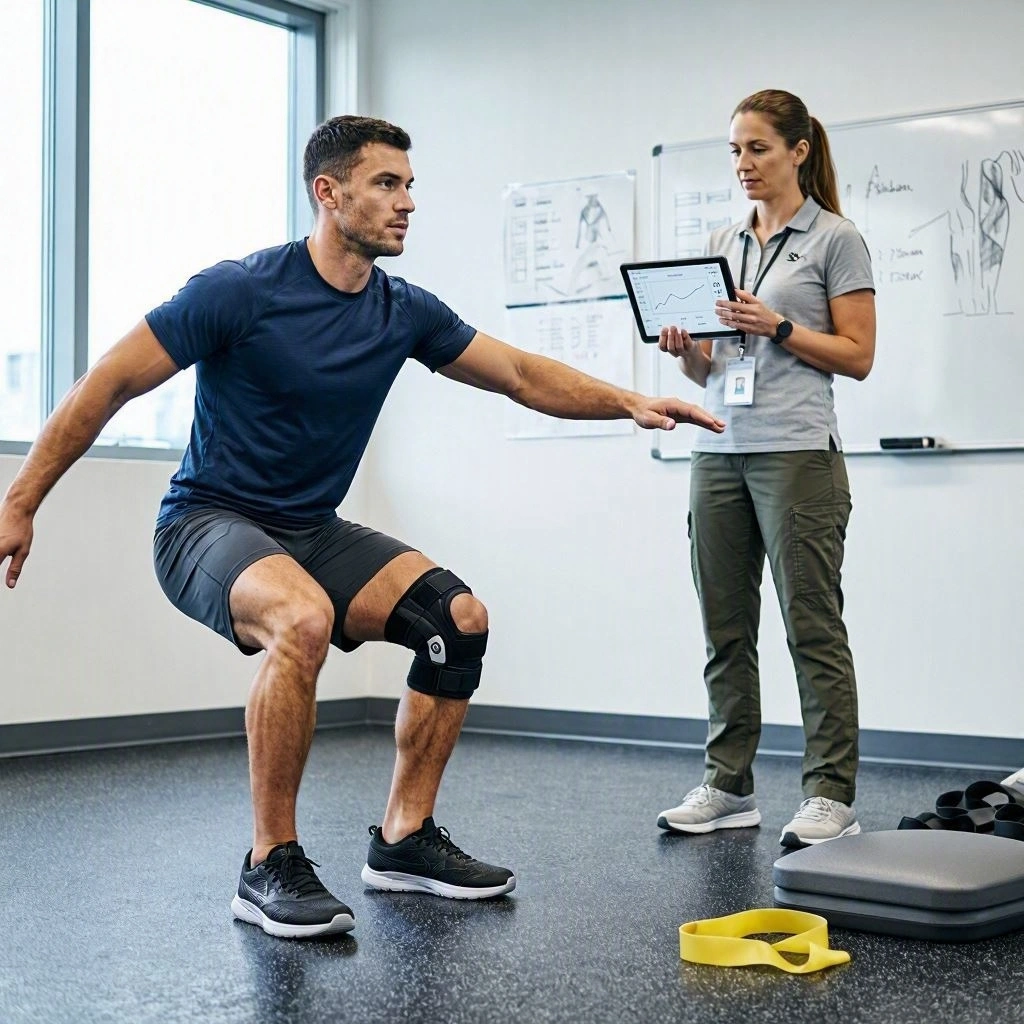
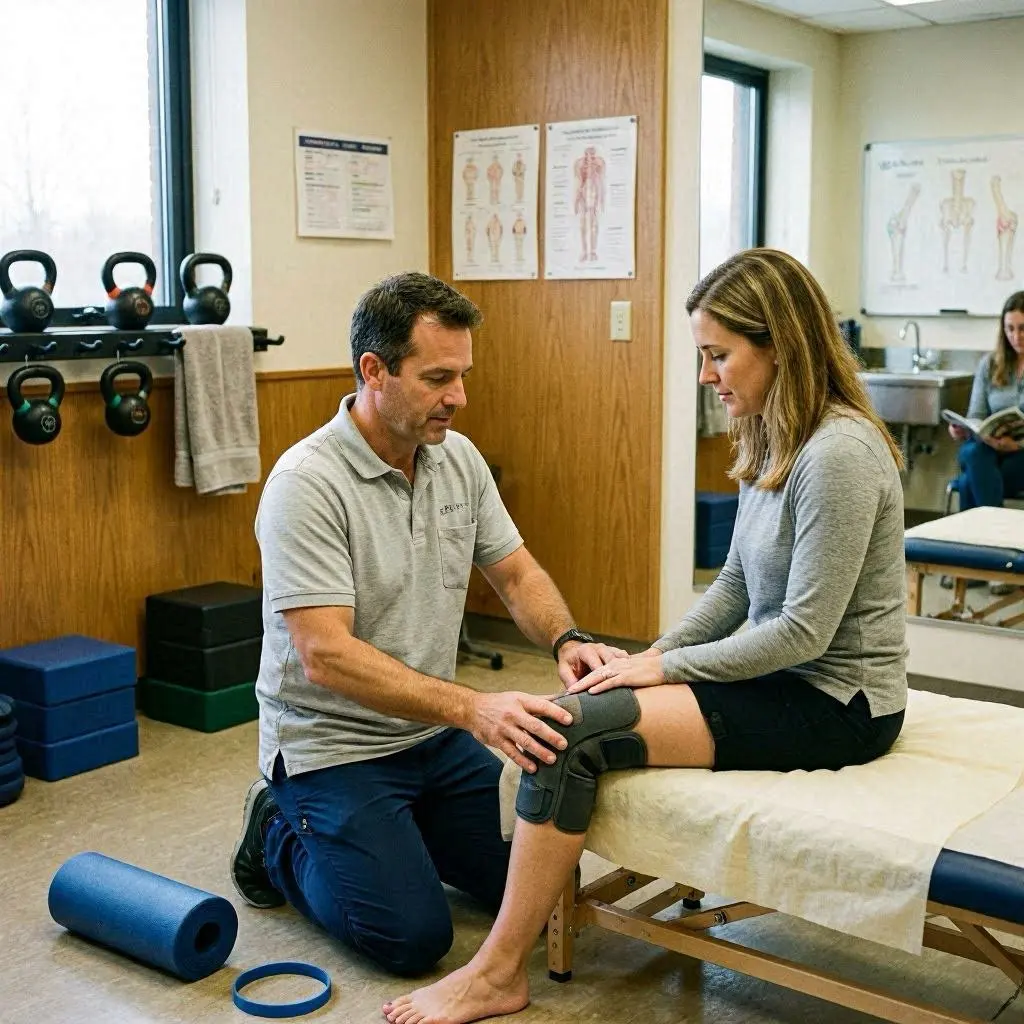
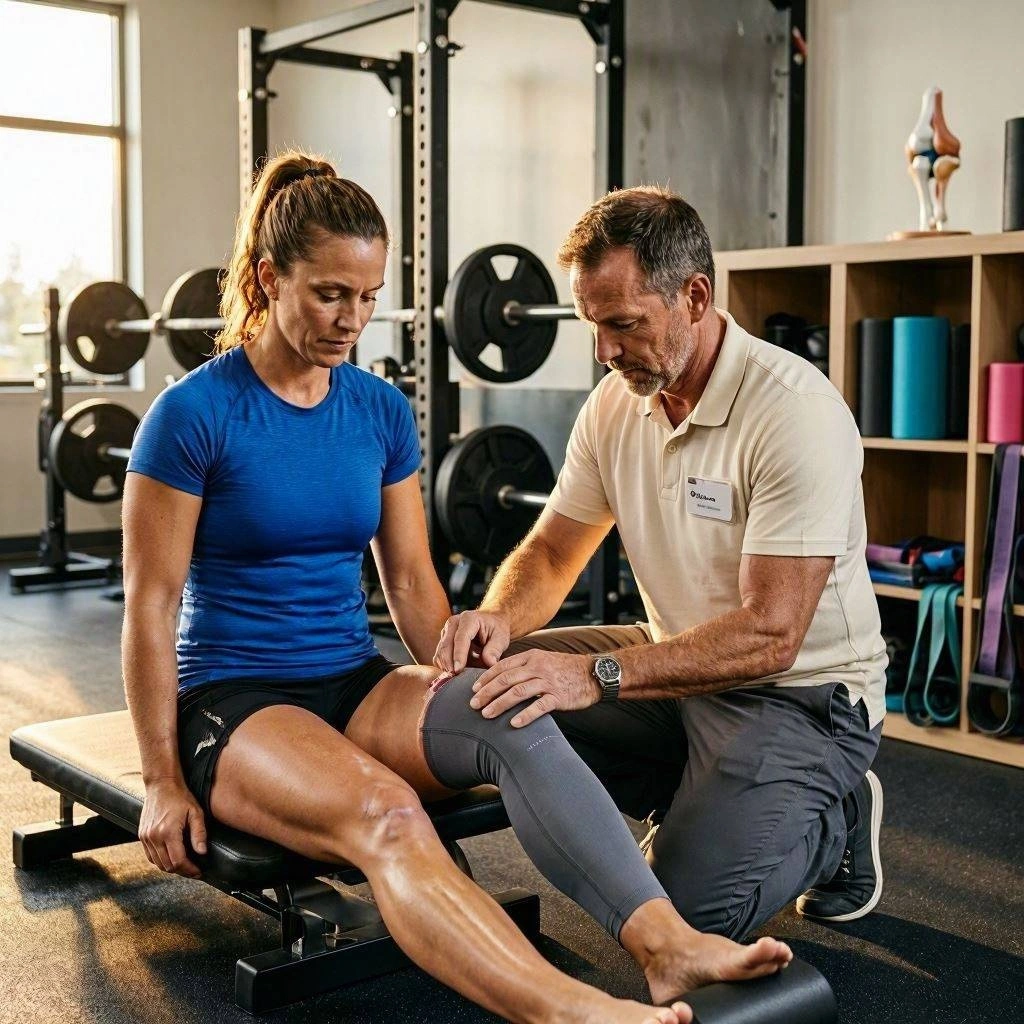
CrossFit injury recovery is not simply about waiting for pain to disappear. Effective recovery involves identifying the cause of the injury, restoring mobility, strengthening affected areas, correcting movement patterns, and gradually increasing training demands. Chiropractic care, rehabilitation exercises, mobility training, and appropriate modifications can all play important roles in helping athletes return to their normal activities.
Understanding CrossFit Injuries
CrossFit injuries can develop suddenly or gradually. Acute injuries may occur during a specific movement, while overuse injuries develop because tissues are repeatedly exposed to stress without sufficient recovery.
Common factors associated with CrossFit injuries include:
Poor exercise technique
Excessive training volume
Rapid increases in intensity
Inadequate recovery
Muscle weakness
Limited mobility
Poor movement mechanics
Previous injuries
Insufficient warm-up
Fatigue during workouts
Understanding these factors is an important first step in creating an effective recovery plan.
Common CrossFit Injuries
CrossFit athletes may experience injuries involving different areas of the body.
Lower Back Injuries
Heavy deadlifts, squats, and repetitive lifting can place stress on the lower back, particularly when technique becomes compromised by fatigue.
Shoulder Injuries
Overhead presses, snatches, pull-ups, and other movements can contribute to shoulder strain when mobility or stability is limited.
Knee Pain
Squats, jumps, running, and other repetitive movements may contribute to knee discomfort.
Wrist Injuries (CrossFit Injury Recovery)
Front rack positions, handstands, cleans, and other weight-bearing activities can place significant demands on the wrists.
Elbow Problems
Repetitive pulling and lifting may contribute to tendon irritation around the elbow.
Muscle Strains
Sudden increases in training intensity can overload muscles and cause strains.
The Importance of a Professional Assessment
Before returning to intense training, athletes should understand what caused their injury and whether normal movement has been restored.
A chiropractor or rehabilitation professional may evaluate:
Medical history
Pain location and severity
Joint mobility
Muscle strength
Flexibility
Balance
Posture
Functional movement
Exercise technique
Training history
This information helps create an individualized recovery program.
If a serious injury is suspected, medical imaging or referral to another healthcare professional may be appropriate.
Chiropractic Care for CrossFit Injury Recovery
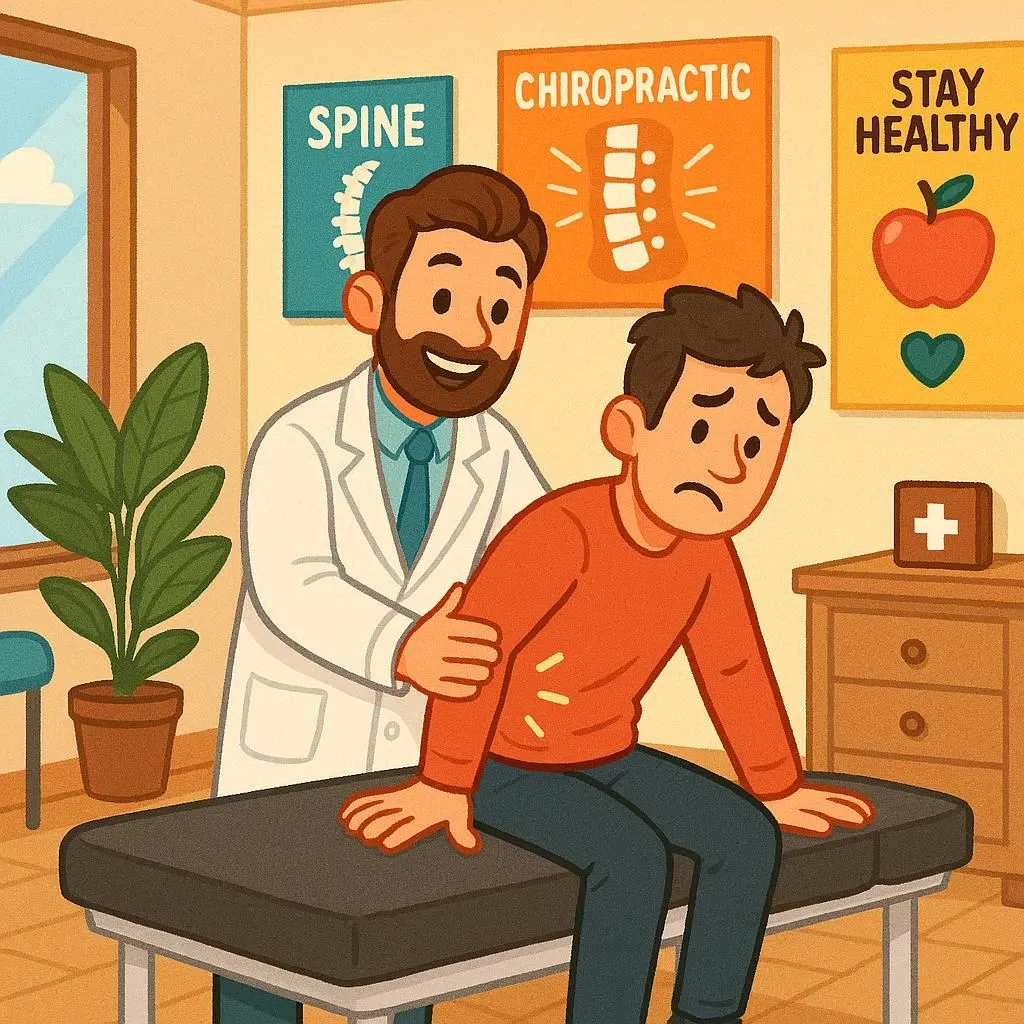
Chiropractic care may be included as part of a comprehensive conservative rehabilitation program.
Treatment can include:
Chiropractic Adjustments
Appropriate adjustments may improve joint mobility and support more efficient movement.
Joint Mobilization
Gentle mobilization techniques can help restore movement in restricted joints.
Soft Tissue Therapy (CrossFit Injury Recovery)
Manual therapy may reduce muscle tightness and improve tissue mobility.
Movement Education
Patients can learn strategies for improving posture and movement mechanics during training.
Chiropractic treatment should be based on an individual assessment rather than using the same approach for every athlete.
Mobility Training During Recovery
Mobility is an important component of CrossFit performance and injury recovery.
Depending on the injury, mobility training may focus on:
Shoulders
Wrists
Hips
Ankles
Thoracic spine
Hamstrings
Improved mobility allows athletes to perform exercises with better technique and reduced compensatory movement.
Mobility exercises should be introduced gradually and should not aggravate the injured area.
Strength Rehabilitation (CrossFit Injury Recovery)
Pain may cause athletes to reduce activity, which can result in weakness. Rebuilding strength is therefore an important part of recovery.
A rehabilitation program may include:
Core Strengthening
Core exercises support spinal stability during lifting and functional movements.
Hip Strengthening
Strong hip muscles improve lower-body mechanics during squats and jumping.
Shoulder Stabilization (CrossFit Injury Recovery)
Strengthening the muscles around the shoulder improves control during overhead movements.
Lower-Limb Strengthening
Progressive exercises rebuild strength needed for squats, running, and jumping.
The resistance and volume should increase gradually according to recovery.
Correcting Movement Mechanics
CrossFit movements require coordination and technical control.
Examples include:
Squats
Deadlifts
Cleans
Snatches
Push presses
Pull-ups
Box jumps
Kettlebell swings
Poor technique can increase stress on specific tissues. A professional may analyze movement patterns and recommend modifications that allow the athlete to continue exercising without unnecessarily stressing the injured area.
Modifying Workouts During Recovery
Complete inactivity is not always necessary during rehabilitation. Depending on the injury, some movements may be modified or replaced.
Possible modifications include:
Reducing weight
Reducing repetitions
Lowering workout intensity
Increasing rest periods
Using controlled movement speeds
Replacing painful exercises
Performing low-impact conditioning
The goal is to maintain appropriate fitness while allowing injured tissues to recover.
The Importance of Gradual Return to Training (CrossFit Injury Recovery)
One of the most common mistakes athletes make is returning to full training too quickly.
A gradual return may progress through several stages:
Pain control and protection
Restoration of mobility
Basic strengthening
Functional movement training
Sport-specific exercises
Reduced-intensity CrossFit workouts
Gradual return to normal training
Progress should depend on function and tolerance rather than a specific number of days.
Recovery and Lifestyle Habits
Training is only one part of athletic recovery.
Important recovery habits include:
Getting adequate sleep
Maintaining proper hydration
Eating a balanced diet
Scheduling rest days
Managing training volume
Performing mobility exercises
Following rehabilitation recommendations
Managing stress
Adequate recovery allows the body to adapt to training demands.
Preventing Future CrossFit Injuries (CrossFit Injury Recovery)
After recovering from an injury, prevention should become part of the athlete’s training strategy.
Helpful recommendations include:
Warm up before workouts.
Practice proper technique.
Increase training volume gradually.
Maintain mobility.
Strengthen weak areas.
Avoid consistently training through pain.
Schedule appropriate recovery days.
Use proper footwear.
Modify exercises when necessary.
Maintain good training habits.
A strong foundation reduces unnecessary stress on the body.
When Should You Seek Professional Care?
Professional evaluation is recommended when pain:
Persists despite rest
Gets worse during exercise
Limits normal movement
Causes weakness
Produces swelling
Returns repeatedly
Interferes with sleep or daily activities
Early evaluation can help identify problems before they become more difficult to manage.
Warning Signs That Require Immediate Medical Attention
Certain symptoms require urgent medical evaluation.
Seek immediate medical attention if you experience:
Severe pain following major trauma
Inability to bear weight
Visible deformity
Sudden loss of strength
Progressive numbness
Loss of bowel or bladder control
Numbness around the groin or saddle area
Chest pain
Difficulty breathing
Loss of consciousness
These symptoms may indicate a serious injury or medical condition.
Building a Long-Term CrossFit Wellness Plan (CrossFit Injury Recovery)
Long-term performance depends on balancing training and recovery.
A comprehensive plan may include:
Strength training
Mobility exercises
Chiropractic care when appropriate
Functional movement assessments
Proper warm-ups
Recovery sessions
Adequate sleep
Balanced nutrition
Training modifications
Periodic professional evaluations
Maintaining these habits can help athletes stay active while reducing the likelihood of recurring injuries.
Conclusion (CrossFit Injury Recovery)
CrossFit injury recovery requires more than simply taking time away from exercise. A successful rehabilitation plan addresses pain, mobility, strength, movement mechanics, and training habits while gradually preparing the athlete to return to demanding workouts.
Chiropractic care, rehabilitation exercises, mobility training, strength conditioning, and appropriate workout modifications can all contribute to a comprehensive recovery strategy. By listening to the body, progressing gradually, and addressing the factors that contributed to the original injury, CrossFit athletes can return to training with greater confidence and a stronger foundation for long-term performance.