Whole Body Alignment: A Complete Guide to Better Posture, Mobility, and Movement
What Is Whole Body Alignment?
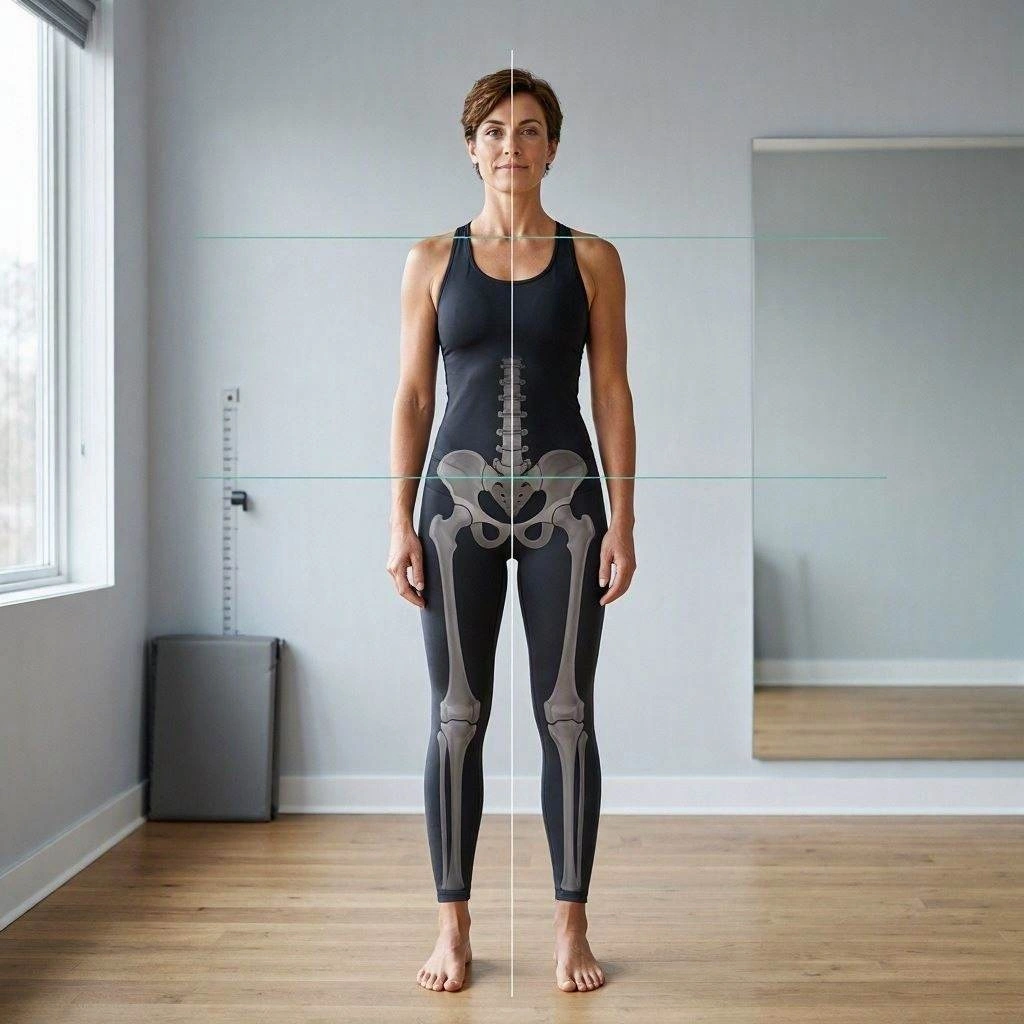
Whole Body Alignment refers to the way different parts of the body work together to maintain balanced posture, efficient movement, and proper physical function. The spine, pelvis, shoulders, hips, knees, and feet all contribute to how the body moves and supports itself.
Good alignment does not mean keeping the body perfectly straight at all times. Instead, it means maintaining balanced movement and allowing different joints and muscles to work together effectively.
Daily habits can influence alignment. Sitting for long periods, using electronic devices, repetitive movements, poor exercise technique, and limited mobility can gradually affect posture and movement patterns. A whole-body approach looks beyond one painful area and considers how the entire body interacts during everyday activities.
Why Whole Body Alignment Matters
The body functions as a connected system. A restriction in one area can influence movement somewhere else. For example, limited hip mobility may affect the lower back, while poor upper-body posture can influence neck and shoulder movement.
Improving alignment can help the body distribute physical demands more efficiently. It may also support better posture, flexibility, balance, and movement control.
Whole Body Alignment focuses on identifying movement patterns rather than simply addressing isolated areas. This approach can help people understand how posture and mobility affect their daily activities and exercise routines.
The Connection Between Alignment and Posture
Posture plays an important role in alignment. People spend many hours sitting, standing, walking, working, and using digital devices. Repeatedly maintaining the same position can influence how the body moves.
For example, spending long periods at a computer may encourage rounded shoulders and forward head positioning. Over time, these habits can contribute to stiffness and muscle tension.
A whole-body approach can address posture by combining movement education, mobility exercises, strengthening, and appropriate manual techniques. The goal involves creating better movement habits rather than forcing the body into one rigid position.
Whole Body Alignment and Spinal Health
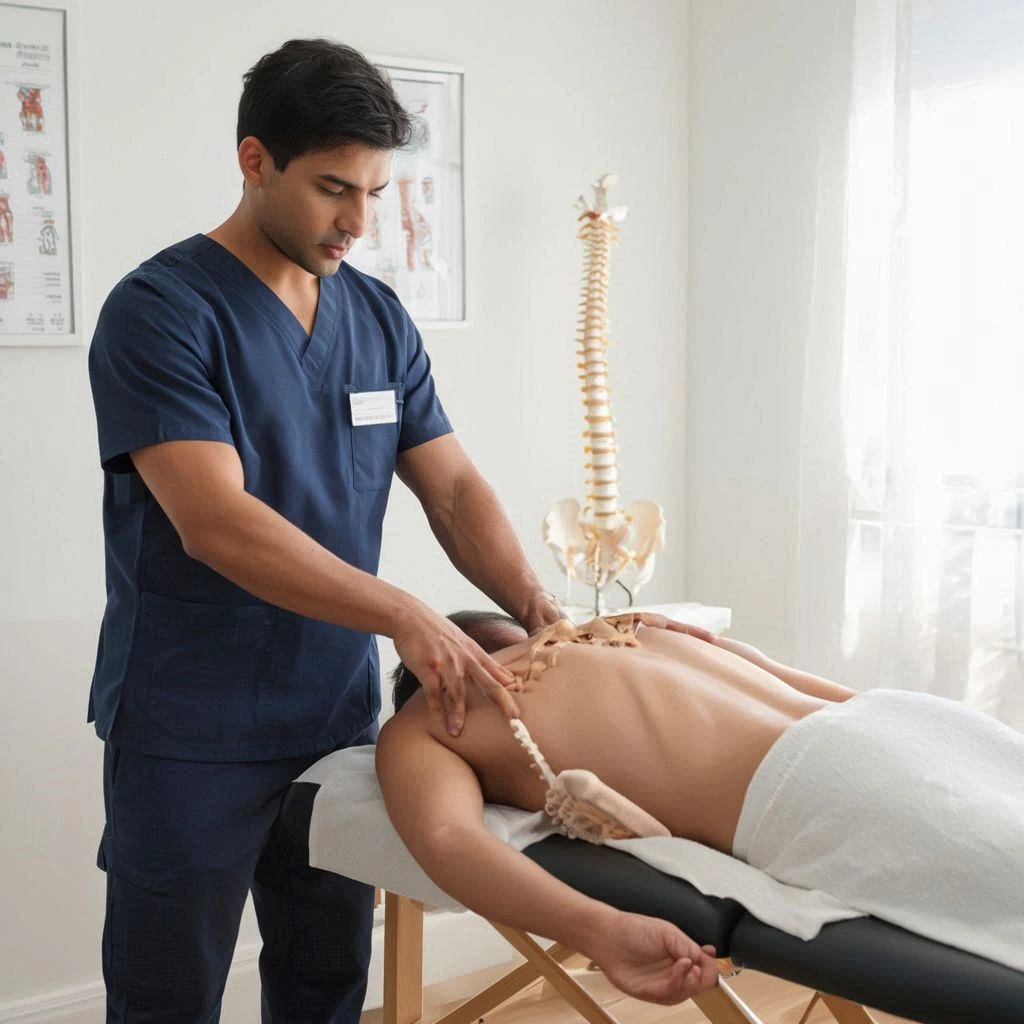
The spine provides support and allows the body to bend, rotate, and move. Healthy spinal movement contributes to everyday activities such as walking, lifting, reaching, and exercising.
Whole Body Alignment considers the relationship between the spine and other areas of the body. The hips, pelvis, shoulders, and core all influence spinal movement.
A professional assessment can identify areas with restricted movement or poor control. A customized program may then include mobility exercises, strengthening activities, posture education, and other appropriate techniques.
How Hip Alignment Affects Movement
The hips connect the upper and lower portions of the body. They play an important role in walking, running, squatting, bending, and athletic movements.
Limited hip mobility can change how the pelvis and lower back move. Weakness around the hips can also affect stability during physical activities.
Exercises that improve hip mobility and strength can support better movement patterns. Activities such as controlled squats, bridges, hip rotations, and balance exercises may form part of a personalized program.
Shoulder and Upper Body Alignment
The shoulders require both mobility and stability. Healthy shoulder movement allows people to reach, lift, push, pull, and perform sports activities comfortably.
Poor posture can affect shoulder mechanics. Rounded shoulders and limited upper-back mobility may make certain movements more difficult.
Whole Body Alignment programs often include exercises for the upper back, shoulders, chest, and core. Improving strength and mobility in these areas can support better posture and more controlled movement.
The Role of the Feet and Ankles
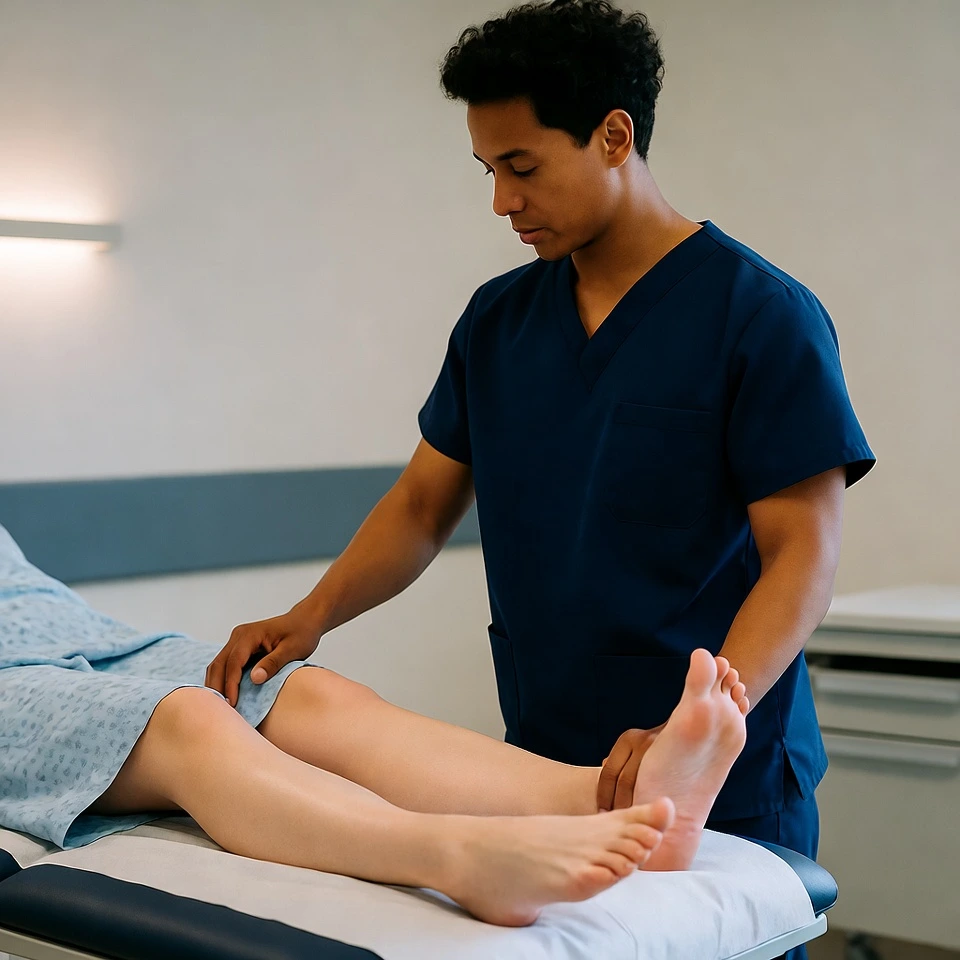
The feet provide the foundation for the entire body. They absorb forces during walking and help maintain balance while standing and moving.
Limited ankle mobility or poor foot control can influence the knees, hips, and pelvis. For this reason, a whole-body assessment should not ignore the lower legs and feet.
Simple exercises such as calf stretches, ankle mobility drills, balance exercises, and controlled strengthening can support better lower-body movement.
Whole Body Alignment and Balance
Balance depends on communication between the brain, muscles, joints, and sensory systems. Good balance helps people walk, change direction, exercise, and perform everyday activities safely.
Whole Body Alignment can support balance by improving body awareness, joint mobility, strength, and coordination.
Balance exercises may include single-leg standing, controlled weight shifts, functional movements, and stability exercises. The difficulty should match the individual’s current abilities.
Benefits of Whole Body Alignment
A balanced movement program can provide several potential benefits.
Better Posture
Posture-focused exercises can help people develop greater awareness of how they sit, stand, and move.
Improved Mobility
Targeted mobility work can help maintain healthy movement in the spine, hips, shoulders, ankles, and other joints.
Greater Movement Efficiency
Balanced movement allows muscles and joints to share physical demands more effectively.
Improved Body Awareness
People can become more aware of movement habits that influence their posture and physical performance.
Better Exercise Performance
Good mobility, stability, and coordination can support exercise technique and athletic performance.
Whole Body Alignment and Daily Habits
Small daily habits can make a significant difference. People who spend long hours sitting should regularly change positions and take movement breaks.
Adjusting desk height, screen position, chair support, and keyboard placement can also encourage more comfortable working positions.
Outside the workplace, regular walking, mobility exercises, strength training, and recreational activities can help maintain movement quality.
Techniques Used to Support Alignment
A professional may use several techniques depending on an individual’s goals and physical condition. These can include mobility exercises, strengthening exercises, movement retraining, soft-tissue techniques, joint mobilization, stretching, balance training, and posture education.
The appropriate approach depends on the person’s movement patterns, activity level, goals, and physical needs. A qualified professional can determine which strategies make sense for each individual.
Who Can Benefit From Whole Body Alignment?
Whole Body Alignment can interest people with different lifestyles and goals. Office workers may want to improve posture after spending long hours at a desk. Athletes may focus on movement efficiency and mobility. Older adults may work on balance and functional movement.
People who regularly exercise can also use alignment-focused training to improve technique and movement awareness.
The most effective program should match the individual’s needs rather than follow a universal routine.
How to Improve Whole Body Alignment at Home
Several simple habits can support healthy movement:
Take regular breaks from prolonged sitting.
Include mobility exercises in your weekly routine.
Strengthen the core, hips, and upper back.
Practice balance exercises appropriate for your ability.
Maintain good exercise technique.
Avoid staying in one position for extended periods.
Pay attention to how you move during everyday activities.
Gradually increase exercise intensity.
Consistency matters more than performing complicated exercises occasionally.
When Should You Consider Professional Guidance?
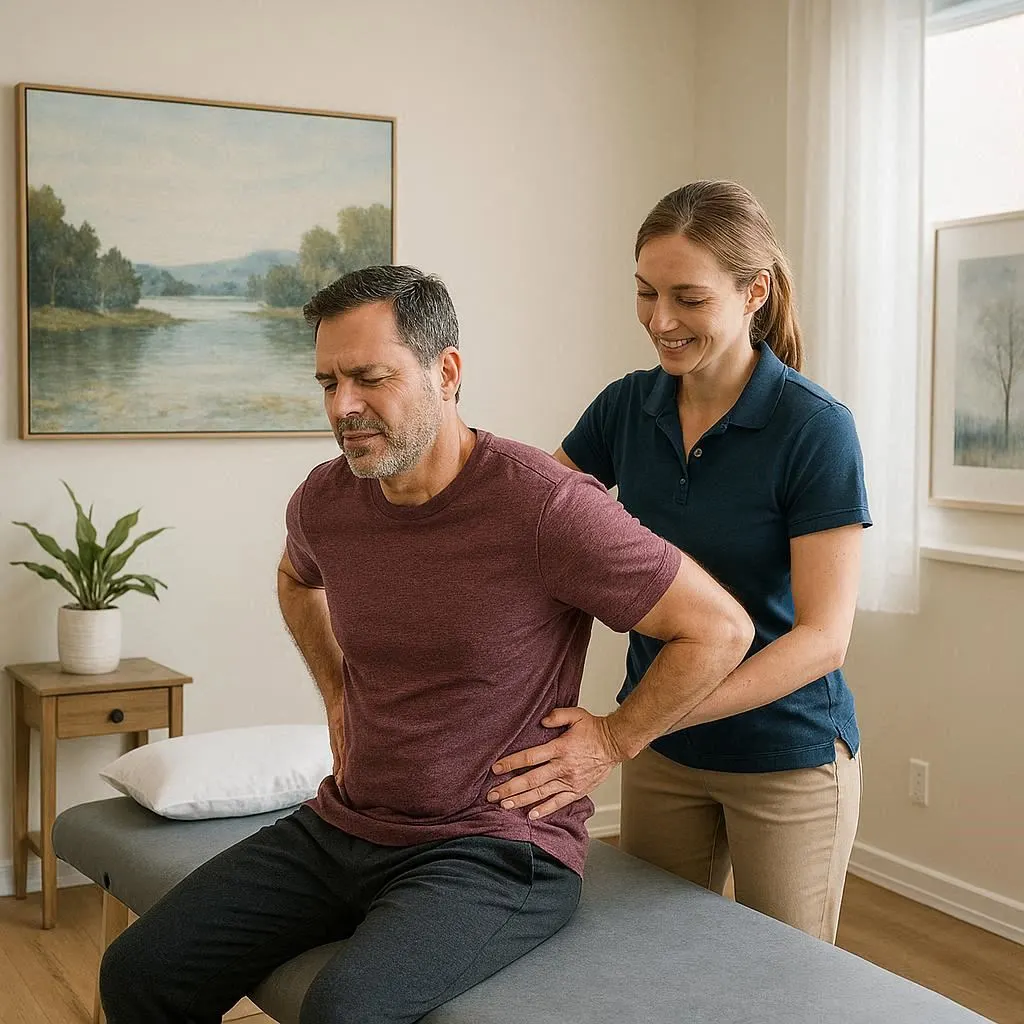
Persistent pain, significant movement restrictions, repeated injuries, or difficulty performing everyday activities may require professional evaluation.
A qualified chiropractor, physiotherapist, or other healthcare professional can assess movement and help identify appropriate strategies. Professional guidance can also help people choose exercises that match their physical abilities and goals.
Conclusion
Whole Body Alignment takes a comprehensive approach to posture, mobility, balance, stability, and movement. Rather than focusing on one isolated body part, it considers how the spine, hips, shoulders, knees, ankles, and feet work together.Healthy movement comes from a combination of mobility, strength, coordination, body awareness, and good daily habits. By incorporating regular movement, targeted exercises, posture awareness, and appropriate professional guidance, people can support better physical function and long-term mobility.
Whether your goal involves improving posture, enhancing athletic performance, or simply moving more comfortably during everyday activities, a whole-body approach can provide a useful foundation for maintaining an active and healthy lifestyle.