Massage Therapy for Plantar Fasciitis: Benefits, Techniques, and Recovery Tips
Plantar fasciitis is a common cause of heel pain that can make walking, exercising, working, and even getting out of bed uncomfortable. Many people experience sharp pain beneath the heel during their first steps in the morning or after sitting for a long time. Although symptoms sometimes improve as the foot warms up, pain can return after prolonged standing, walking, or physical activity. Massage Therapy for Plantar Fasciitis is one option people consider when looking for relief from heel discomfort. Massage may help reduce muscle tension, improve comfort, and make movement easier. However, plantar fasciitis involves the plantar fascia, a strong band of connective tissue supporting the arch of the foot. Massage alone does not address every factor contributing to the condition.
The most effective approach often combines appropriate manual therapy, targeted stretching, progressive strengthening, supportive footwear, and adjustments to activities that aggravate symptoms.
In this guide, you will learn how massage therapy may help plantar fasciitis, which techniques are commonly used, how to massage your foot safely at home, which exercises may support recovery, and when to seek professional care.
What Is Plantar Fasciitis?
The plantar fascia is a thick band of connective tissue that runs along the bottom of the foot. It connects the heel bone to the area near the base of the toes and helps support the foot’s arch during standing, walking, and running.
Every time you take a step, the plantar fascia helps manage the forces passing through your foot. It also contributes to the foot’s ability to adapt to the ground and generate force during push-off.
When the tissue is repeatedly exposed to loads it cannot comfortably tolerate, pain may develop around the heel or arch. The condition is commonly called plantar fasciitis, although persistent cases may involve changes in the tissue rather than inflammation alone.
Factors associated with plantar heel pain include:
- A sudden increase in walking, running, or standing
- Prolonged periods on hard surfaces
- Limited ankle movement or tight calf muscles
- Reduced strength or capacity in the foot and calf
- Changes in training intensity or footwear
- Repeated loading without enough recovery
- Individual differences in foot structure and movement
Not everyone with flat feet or high arches develops plantar fasciitis. Likewise, the condition is not always caused by poor footwear or a single activity. A proper assessment helps identify the factors most relevant to an individual.
Common Symptoms of Plantar Fasciitis
Recognizing the usual symptom pattern can help you decide whether professional assessment is appropriate.
Typical symptoms include:
- Sharp or aching pain beneath the heel
- Pain during the first steps after waking up
- Discomfort after sitting for an extended period
- Heel pain that increases after prolonged standing
- Pain during walking, running, or other weight-bearing activity
- Tenderness near the inner part of the heel
- Stiffness in the foot or calf
Some people feel better after taking several steps, only to experience worsening pain later in the day. Others notice symptoms mainly after exercise or when standing for long periods.
Although this pattern is common, it does not confirm plantar fasciitis by itself. Heel pain can also result from a heel fat-pad problem, nerve irritation, a stress fracture, Achilles tendon problems, or other conditions.
If your pain is severe, unusual, persistent, or associated with significant swelling or difficulty bearing weight, seek professional evaluation before relying on massage.
How Can Massage Therapy for Plantar Fasciitis Help?
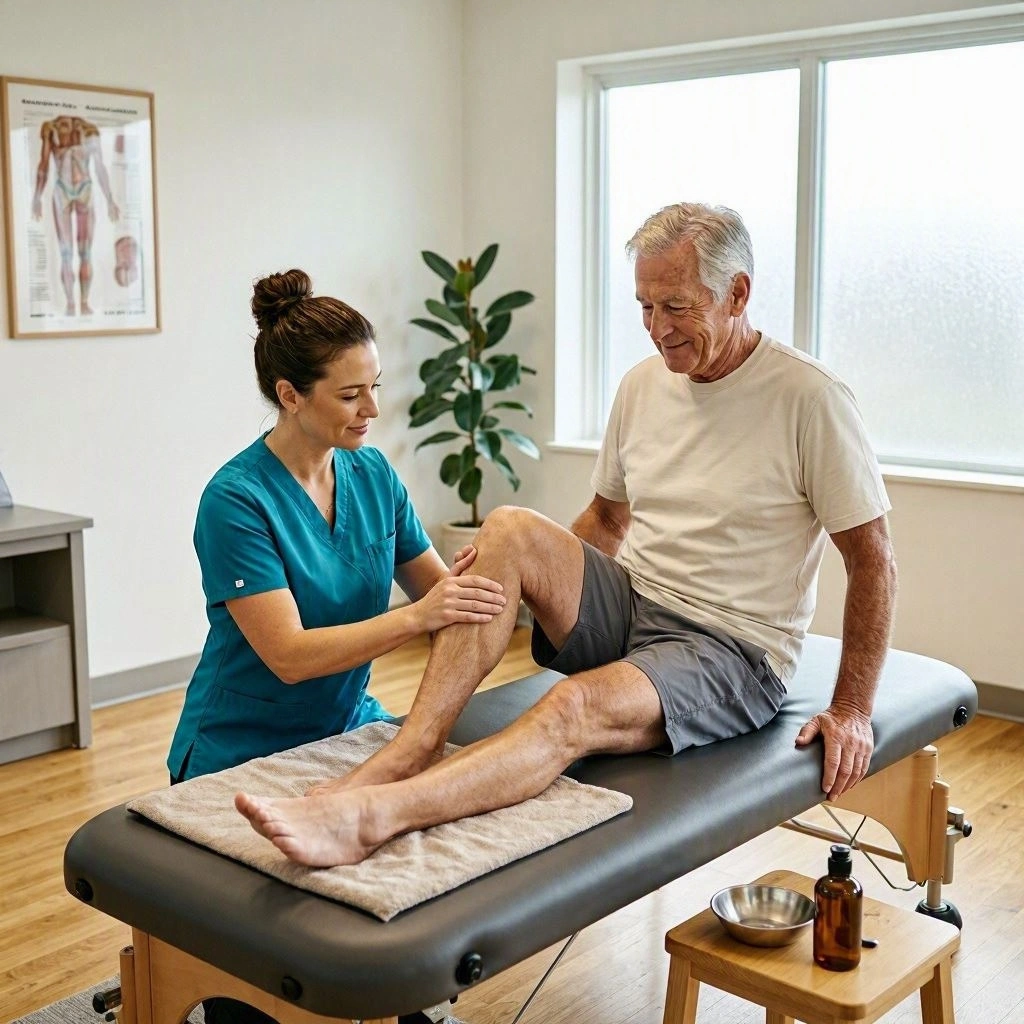
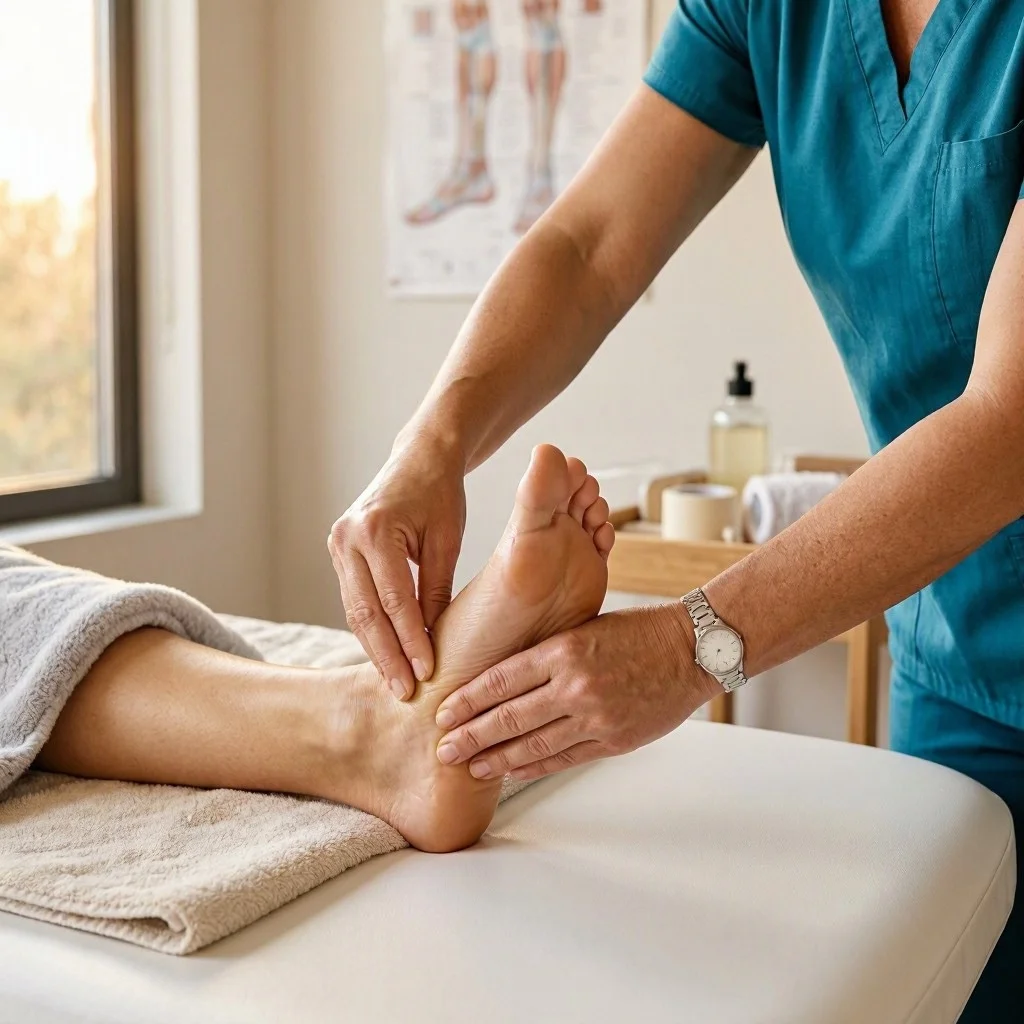
Massage therapy uses hands or other suitable techniques to apply controlled pressure and movement to soft tissues. For plantar fasciitis, treatment may focus on the plantar fascia region, the muscles beneath the foot, the calf muscles, and other structures that influence ankle and foot movement.
The aim is to improve comfort and function, not to force the plantar fascia into a particular position or break up tissue.
1. Massage Therapy for Plantar Fasciitis May Reduce Discomfort
Gentle massage may temporarily reduce the sensation of tightness and tenderness around the foot. Some people find that it makes walking or stretching more comfortable.
The response varies between individuals, and pain relief may be temporary. Massage should therefore support a broader rehabilitation plan rather than become the only treatment.
2. Soft Tissue Treatment May Improve Movement
Restricted ankle movement and calf flexibility can contribute to difficulty loading the foot comfortably.
A trained practitioner may use soft tissue techniques around the calf and foot when examination identifies relevant restrictions. The goal is to make movement easier and help the person participate in exercise and everyday activities.
Massage does not permanently lengthen a muscle or guarantee a lasting change in flexibility. Its value should be judged by whether it improves practical outcomes, such as walking tolerance and comfort during exercise.
3. Massage May Help Prepare the Foot for Exercise
Some people find stretching uncomfortable when the foot is particularly sensitive. Gentle soft tissue treatment may help them tolerate movement more comfortably.
For example, a short period of comfortable calf massage followed by an appropriate calf stretch may be more manageable than immediately applying a strong stretch.
However, treatment should not increase sensitivity or leave the heel significantly more painful afterward.
4. Massage Can Support a Broader Recovery Plan
Plantar fasciitis often requires a gradual change in the foot’s ability to tolerate everyday loading.
Massage may provide short-term symptom relief, while strengthening and stretching help address relevant physical impairments. Footwear adjustments and activity management can also reduce unnecessary aggravation.
Clinical practice guidelines for plantar heel pain recommend manual therapy directed at relevant soft tissue and joint restrictions alongside interventions such as plantar fascia-specific stretching, calf stretching, and foot and ankle strengthening. These recommendations support using manual therapy as part of a comprehensive plan rather than relying on massage alone.
Best Massage Techniques for Plantar Fasciitis
The appropriate massage technique depends on symptom severity, tenderness, medical history, and the response to pressure. A practitioner should adjust treatment rather than automatically use deep pressure on a painful heel.
1. Gentle Plantar Fascia Massage
This technique applies light, controlled pressure along the sole of the foot.
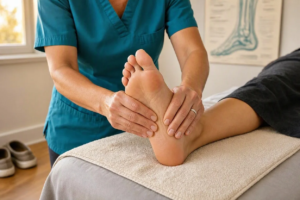
A therapist may use the thumb or fingertips to move slowly along the arch, avoiding excessive pressure directly on the most painful part of the heel.
Potential benefits include temporary relief of soft tissue tenderness and improved comfort during movement.
Important: More pressure does not mean better results. If the massage causes sharp pain, burning, tingling, or worsening symptoms, it should be stopped or modified.
2. Calf Muscle Massage
The calf muscles connect to the heel through the Achilles tendon and influence ankle movement. When calf flexibility is limited, the foot may have to accommodate movement demands differently during walking.
A therapist may gently work on the gastrocnemius and soleus muscles, which form much of the calf.
Calf massage may be useful when tightness or tenderness is present. It should not be assumed that tight calf muscles are the sole cause of plantar fasciitis.
3. Soft Tissue Mobilization Around the Foot
Soft tissue mobilization involves controlled movement and pressure applied to tissues such as muscles and fascia.
A trained practitioner may use these techniques to address identified restrictions around the foot and ankle. Treatment should be selected according to the assessment and adjusted to the person’s tolerance.
Aggressive scraping, forceful friction, or repeated attempts to produce intense tenderness are not necessary for effective treatment.
4. Massage Around the Arch
The muscles supporting the arch help control the foot during walking and standing. Gentle massage around the arch may relieve local muscle discomfort.
The practitioner should distinguish between tenderness in the muscles and pain directly associated with the plantar fascia attachment near the heel.
If symptoms are highly localized or worsen with pressure, the area should not be repeatedly compressed in an attempt to eliminate pain.
5. Massage Combined With Stretching
Massage may be used before stretching when it makes movement more comfortable.
For example, a therapist might apply gentle calf massage and then guide the person through a calf stretch or plantar fascia-specific stretch.
The stretch should be controlled and comfortable. Strong stretching that causes sharp heel pain may aggravate symptoms and should be modified.
How to Massage Plantar Fasciitis at Home
Self-massage may be a convenient way to manage mild discomfort, provided the technique is gentle and the symptoms are consistent with a condition that can safely be managed at home.
If you have not been assessed, especially if your pain began suddenly or is severe, consider professional advice before attempting self-treatment.
Method 1: Thumb Massage
This method allows you to control pressure precisely.
- Sit comfortably and support your foot.
- Relax the muscles of the foot and ankle.
- Use your thumb to apply light pressure along the arch.
- Move slowly from the middle of the foot toward the heel, avoiding forceful pressure over the most painful point.
- Keep the pressure comfortable and continue for a short period.
- Stop if pain increases, or if you experience burning, tingling, or numbness.
Start gently rather than attempting to eliminate all tenderness in one session. Your foot should not feel significantly worse afterward.
Method 2: Massage With a Tennis Ball
A tennis ball can help apply controlled pressure to the sole of the foot.
- Sit in a stable chair.
- Place a tennis ball under the arch of your foot.
- Slowly roll the foot forward and backward.
- Keep your body weight mostly supported by the chair.
- Avoid pressing hard into the heel attachment.
- Stop if the movement causes sharp or increasing pain.
A softer ball may be more comfortable if your foot is particularly sensitive. You do not need to stand on the ball or use your full body weight.
Method 3: Rolling a Cool Water Bottle
A cool water bottle may provide temporary comfort while allowing you to roll the foot gently.
- Use a small, sealed bottle filled with cool water.
- Sit down and place the bottle beneath the arch.
- Roll the foot slowly over it.
- Apply only light pressure.
- Continue briefly if the sensation is comfortable.
Avoid direct contact with frozen surfaces for extended periods, particularly if you have reduced sensation or circulation problems. Stop if the skin becomes painful, excessively numb, or unusually discoloured.
How Often Should You Massage Plantar Fasciitis?
There is no universally established massage duration or frequency that works for everyone.
A short, gentle session may be enough to determine whether massage improves comfort. Start with a low amount of pressure and assess how your foot feels immediately afterward and the following morning.
If symptoms become worse later that day or the next morning, reduce the pressure, shorten the session, or stop the technique.
Do not repeatedly massage the heel throughout the day simply because pain returns. Persistent symptoms may indicate that your overall loading, exercise plan, or diagnosis needs review.
Plantar Fasciitis Exercises to Combine With Massage
Exercise is an important part of managing plantar fasciitis. A suitable program may improve flexibility, strength, and the ability of the foot and ankle to tolerate everyday activities.
Massage can sometimes make these exercises more comfortable, but the exercises themselves should be progressed according to your response.
1. Plantar Fascia-Specific Stretch
This stretch targets the plantar fascia and can be particularly useful for people who experience pain during their first steps in the morning.
- Sit down and cross the affected foot over the opposite knee.
- Hold the toes of the affected foot.
- Gently pull the toes back toward the shin until you feel a stretch along the arch.
- Hold the position for approximately 10–20 seconds initially.
- Relax and repeat a few times if comfortable.
The stretch should create a gentle pulling sensation rather than sharp heel pain.
Many people find it useful before getting out of bed or after a prolonged period of sitting. If it aggravates your symptoms, stop and ask a healthcare professional about an alternative.
2. Calf Stretch With the Knee Straight
This exercise targets the gastrocnemius muscle.
- Stand facing a wall and place both hands on it.
- Move the affected leg behind you.
- Keep the back knee straight and the heel on the floor.
- Bend the front knee until you feel a gentle stretch in the back calf.
- Hold for around 20–30 seconds if comfortable.
- Repeat a few times without bouncing.
Keep your feet pointing forward and avoid forcing the heel down if doing so causes pain.
3. Calf Stretch With the Knee Bent
Bending the knee changes the emphasis toward the soleus muscle, another important calf muscle.
- Stand facing a wall.
- Place the affected foot behind the other foot.
- Bend both knees slightly while keeping the rear heel supported on the floor.
- Move forward until you feel a comfortable stretch in the lower calf.
- Hold briefly and relax.
- Repeat as tolerated.
You should not feel sharp pain in the heel or Achilles tendon. A therapist can help determine whether this stretch is appropriate for your particular symptoms.
4. Towel-Assisted Foot Stretch
If standing stretches are uncomfortable, a towel may offer a seated alternative.
- Sit with your leg extended comfortably.
- Loop a towel around the ball of your foot.
- Gently pull the towel toward you while keeping your knee relatively straight.
- Stop when you feel a mild stretch in the calf and foot.
- Hold briefly, then relax.
Avoid pulling forcefully or holding the stretch if your symptoms increase.
5. Towel Scrunches
Towel scrunches encourage the small muscles of the foot to work.
- Sit on a chair with your foot resting on a towel.
- Keep your heel on the floor.
- Use your toes to draw the towel toward you.
- Relax your toes and repeat.
Start with a small number of repetitions. If toe gripping increases pain beneath the heel, use a different exercise until your symptoms settle.
6. Progressive Calf Raises
Calf raises can help build strength in the calf and improve the foot’s ability to tolerate loading.
- Stand near a wall or stable support.
- Place your feet approximately hip-width apart.
- Slowly rise onto your toes.
- Pause briefly at the top.
- Lower under control.
Begin with both legs and a comfortable range of motion. Progress gradually only when the exercise is well tolerated.
A clinician may later introduce heavier resistance or single-leg variations. These are not necessary at the beginning if walking is already painful.
Why Strengthening Matters
The goal of rehabilitation is not just to make the foot feel better during massage. It is to improve the foot and ankle’s ability to manage the demands of walking, standing, work, and exercise.
The 2023 clinical practice guideline for plantar heel pain recommends therapeutic exercise that includes resistance training for the foot and ankle muscles. It also supports plantar fascia-specific and calf stretching.
The exact exercise selection and dosage should be individualized, because research has not established one perfect routine for every patient.
Massage Therapy for Plantar Fasciitis: What Happens During a Professional Session?
A professional session should begin with a discussion of your symptoms and relevant health history, followed by an assessment appropriate to the practitioner’s training and scope of practice.
Step 1: Symptom Assessment
The therapist may ask when your pain started, where it is located, how severe it is, and which activities make it better or worse.
You may also be asked about your work, exercise routine, footwear, previous injuries, and medical conditions.
These details help determine whether massage is suitable or whether you need further assessment first.
Step 2: Foot and Calf Assessment
Depending on the practitioner’s qualifications, the assessment may include observing walking, checking ankle movement, assessing calf flexibility, and identifying areas of tenderness.
The therapist should consider whether your symptoms are consistent with plantar fasciitis or whether another cause of heel pain is possible.
Massage should not begin automatically without considering the reason for your symptoms.
Step 3: Individualized Treatment
Treatment may include gentle soft tissue work on the calf, foot, and surrounding structures.
The amount of pressure should be adjusted throughout the session. You should feel able to communicate clearly if a technique is uncomfortable.
Deep pressure is not a requirement for successful treatment, and the therapist should avoid aggressive techniques over an acutely painful or injured area.
Step 4: Home Care Recommendations
Depending on your needs, the practitioner may recommend stretching, strengthening, footwear adjustments, or changes to your activity routine.
A useful treatment plan should give you practical steps to manage symptoms between appointments.
Step 5: Reviewing Progress
Progress can be assessed through changes in morning pain, walking tolerance, standing time, exercise capacity, and overall daily function.
If massage provides only temporary relief without meaningful functional improvement, the treatment plan should be reassessed rather than continuing the same approach indefinitely.
Massage Therapy vs. Physiotherapy for Plantar Fasciitis
Massage therapy and physiotherapy can have different roles in managing plantar fasciitis.
Massage therapy generally focuses on soft tissue treatment, relaxation, and symptom management, depending on the therapist’s qualifications and scope of practice.
Physiotherapy typically includes a broader assessment of movement, strength, flexibility, activity demands, and functional limitations. A physiotherapist may use manual therapy, prescribe exercises, recommend taping, and help develop a gradual return-to-activity plan.
These approaches can complement one another when appropriate, but massage alone may not address all the factors involved in persistent heel pain.
If your symptoms repeatedly return after massage, or if walking and exercise remain difficult, an assessment focused on rehabilitation may be particularly useful.
You can learn more about massage therapy at Ritz Clinic and explore the clinic’s physiotherapy services to understand the available options.
Footwear and Daily Habits That May Support Recovery
Massage is only one part of symptom management. Daily loading and footwear choices can influence how comfortable your foot feels.
Choose Supportive, Comfortable Shoes
Look for shoes that fit well, provide comfortable cushioning, and suit your activities.
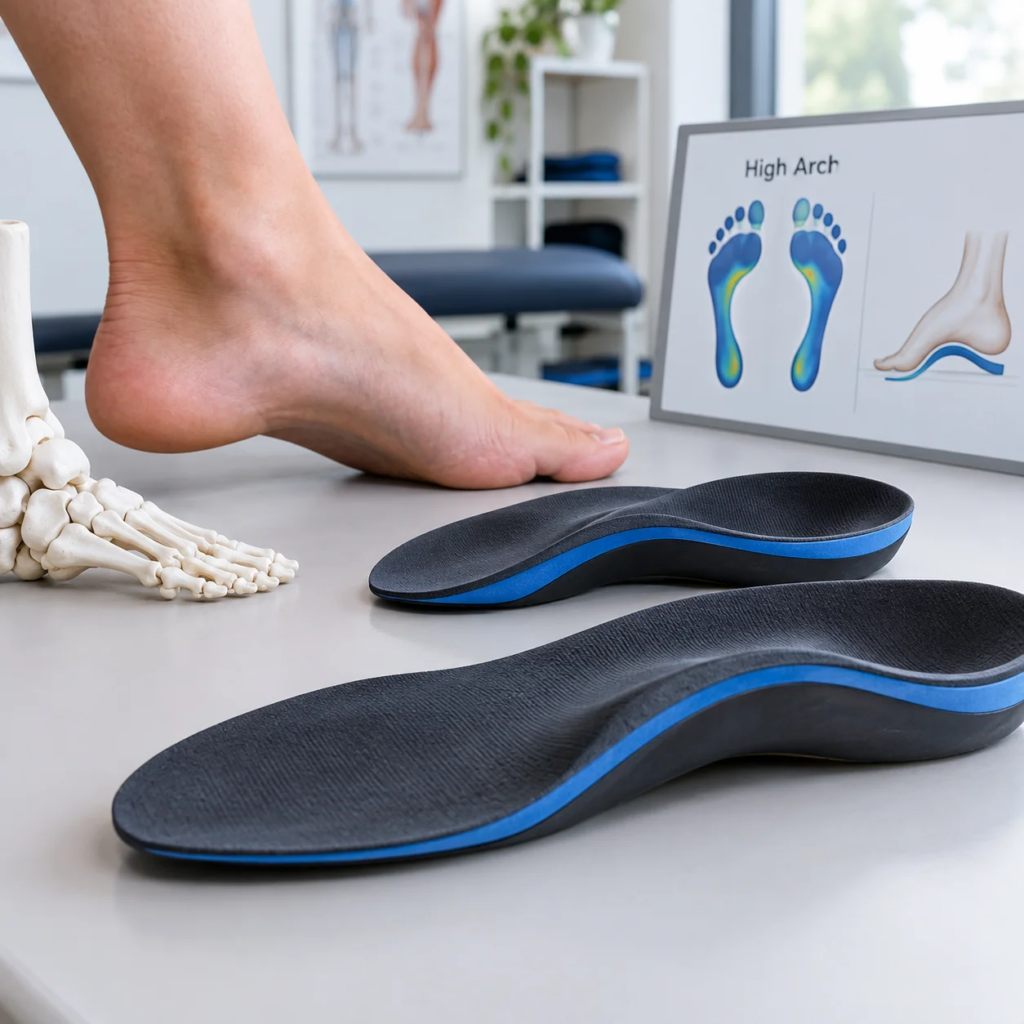
Some people benefit from a supportive insole or heel cushion, particularly if standing or walking is painful. The ideal option depends on comfort, foot shape, activity, and individual response.
Expensive footwear is not automatically better, and no single shoe design works for everyone.
Avoid Sudden Increases in Activity
If your symptoms began after increasing running distance, walking time, or standing hours, consider temporarily reducing the activity that triggered the flare.
The aim is to find a tolerable level of activity rather than stopping all movement indefinitely.
Increase activity gradually as your symptoms and function improve.
Be Careful With Barefoot Walking
Walking barefoot on hard floors can aggravate symptoms in some people, particularly first thing in the morning.
If this applies to you, try supportive indoor footwear and see whether it improves comfort.
There is no need to follow a rule that everyone with plantar fasciitis must avoid being barefoot. Your response to different surfaces and footwear is more informative than a universal rule.
Take Breaks During Prolonged Standing
If your job requires standing, alternate positions when possible and take short movement breaks.
Use comfortable footwear and avoid suddenly increasing your workload while symptoms are active.
If you cannot modify your working hours, a healthcare professional may help you plan realistic strategies to manage loading.
Monitor Your Morning Symptoms
The first steps after waking can provide useful feedback about how your foot is responding.
If morning pain becomes consistently worse after a new exercise, longer walk, or massage technique, consider reducing the intensity and reviewing your plan.
A simple record of pain, walking tolerance, and activity can help you and your clinician identify useful changes.
How Long Does Plantar Fasciitis Take to Improve?
Recovery varies from person to person. Some people improve over several weeks, while others experience symptoms for months or longer.
Factors that may affect progress include symptom duration, activity demands, the amount of loading placed on the foot, strength and flexibility, footwear comfort, and the presence of other medical conditions.
A useful recovery plan should focus on measurable changes, including:
- Less pain during the first steps in the morning
- Improved tolerance for walking and standing
- Reduced discomfort after sitting
- Better ability to complete work or daily tasks
- Gradual return to exercise
- Less need to modify normal activities
It is not necessary for all pain to disappear immediately before you begin rebuilding activity. However, exercise should be progressed carefully and should not repeatedly trigger substantial symptom flares.
If there is little improvement after several weeks of consistent, appropriate self-care, or if symptoms persist or worsen, seek professional assessment. The diagnosis and treatment approach may need to change.
When Should You Avoid Massage for Plantar Fasciitis?
Massage is not appropriate for every cause of heel pain. Avoid self-massage and seek assessment when you have:
- Sudden, severe heel pain after an injury
- Significant swelling or bruising
- Difficulty bearing weight or walking
- A suspected fracture
- Redness, warmth, or signs of infection
- An open wound in the area
- New numbness or altered sensation
- Unexplained or rapidly worsening symptoms
People with diabetes-related neuropathy, reduced circulation, bleeding disorders, a history of blood clots, or other conditions affecting tissue safety should seek appropriate clinical advice before using deep pressure or self-massage.
Seek urgent medical care for a hot, red, swollen foot accompanied by fever or for other signs of serious infection. Sudden calf swelling, warmth, or pain may also require urgent evaluation, particularly when accompanied by chest pain or shortness of breath.
Do not use massage to delay assessment when a more serious condition may be present.
Frequently Asked Questions About Massage Therapy for Plantar Fasciitis
Does massage therapy help plantar fasciitis?
Massage may provide short-term relief for some people and can be useful when combined with appropriate stretching, strengthening, activity modification, and footwear advice. It is not a guaranteed cure, and the quality of evidence for individual massage techniques varies.
What is the best massage for plantar fasciitis?
There is no single best technique for everyone. Gentle massage of the arch and calf may help some individuals, while others benefit from a broader manual therapy approach selected after assessment. Pressure should remain tolerable and should not cause increasing pain.
How often should I massage my foot for plantar fasciitis?
There is no universally recommended frequency. Start with brief, gentle sessions and assess how your foot responds later that day and the following morning. Reduce or stop the technique if symptoms worsen.
Is deep tissue massage good for plantar fasciitis?
Deep tissue massage is not automatically better than gentle treatment. Excessive pressure over a painful heel can increase discomfort. A trained practitioner should determine whether deeper soft tissue treatment is appropriate and adjust it to your tolerance.
Can I use a tennis ball to massage plantar fasciitis?
You can try gently rolling a tennis ball beneath the arch while seated, provided the technique is comfortable. Avoid putting your full body weight on the ball or pressing forcefully into the painful heel. Stop if pain increases.
Should I massage plantar fasciitis in the morning?
Some people find gentle massage or a plantar fascia-specific stretch helpful before their first steps. Keep the pressure light and avoid forcing movement. If your morning pain is severe or worsening, seek professional advice.
Is massage enough to cure plantar fasciitis?
Massage alone may not address all the factors contributing to the condition. A more complete plan may include calf and plantar fascia stretching, progressive strengthening, appropriate footwear, and activity management.
Is walking good for plantar fasciitis?
Comfortable walking may help maintain activity, but the amount should match your current tolerance. Reduce the duration or intensity if walking consistently worsens symptoms. Avoid pushing through severe pain.
Can plantar fasciitis go away without treatment?
Some cases improve over time with sensible activity modification and self-care. However, persistent symptoms may need a structured rehabilitation plan or further assessment to confirm the diagnosis and identify appropriate treatment.
When should I see a physiotherapist or doctor?
Seek professional advice if pain limits daily activities, does not improve with self-care, repeatedly returns, or becomes worse. Severe pain after an injury, inability to bear weight, significant swelling, fever, or other concerning symptoms should be assessed promptly.
Conclusion: Is Massage Therapy for Plantar Fasciitis Worth Considering?
Massage therapy may be a useful option for people experiencing plantar fasciitis when the treatment is comfortable, appropriate, and part of a broader recovery plan. Gentle techniques applied to the foot and calf may help reduce tenderness and make movement easier for some individuals.
However, lasting improvement usually requires more than temporary symptom relief. Targeted stretching, progressive foot and calf strengthening, supportive footwear when helpful, and sensible activity management are important components of care.
If heel pain is affecting your daily life, a qualified healthcare professional can help assess the likely cause and identify suitable treatment options. Massage therapy and physiotherapy may complement each other, depending on your symptoms and goals.
For more information, visit Ritz Clinic’s massage therapy service or learn about its physiotherapy services.
Medical disclaimer: This article is for educational purposes only. It does not replace an individual diagnosis or medical advice from a qualified healthcare professional.