Nutritional Counseling Benefits: Complete Guide to Personalized Nutrition
Good nutrition is not simply about following a strict diet or removing certain foods from your meals. Instead, healthy eating involves understanding your nutritional needs, daily habits, activity level, food preferences, and long-term goals. This is where understanding the nutritional counseling benefits can become valuable.
Nutritional counseling provides personalized guidance that can help people understand their eating habits and make practical changes that fit their lifestyle. Rather than relying on generic diet plans found online, nutritional counseling focuses on creating realistic strategies that a person can maintain over time.
A personalized approach can be especially useful for people who want to improve their eating habits, manage their weight, support physical activity, or develop a more consistent approach to everyday nutrition. At Ritz Clinic, nutritional counseling can be tailored around individual goals, lifestyle factors, dietary preferences, and activity levels. You can learn more about the service through Ritz Clinic’s Nutritional Counseling page.
This guide explores the major nutritional counseling benefits, how nutritional counseling works, who may benefit from it, and how personalized nutrition guidance can become part of a sustainable healthy lifestyle.
What Is Nutritional Counseling?
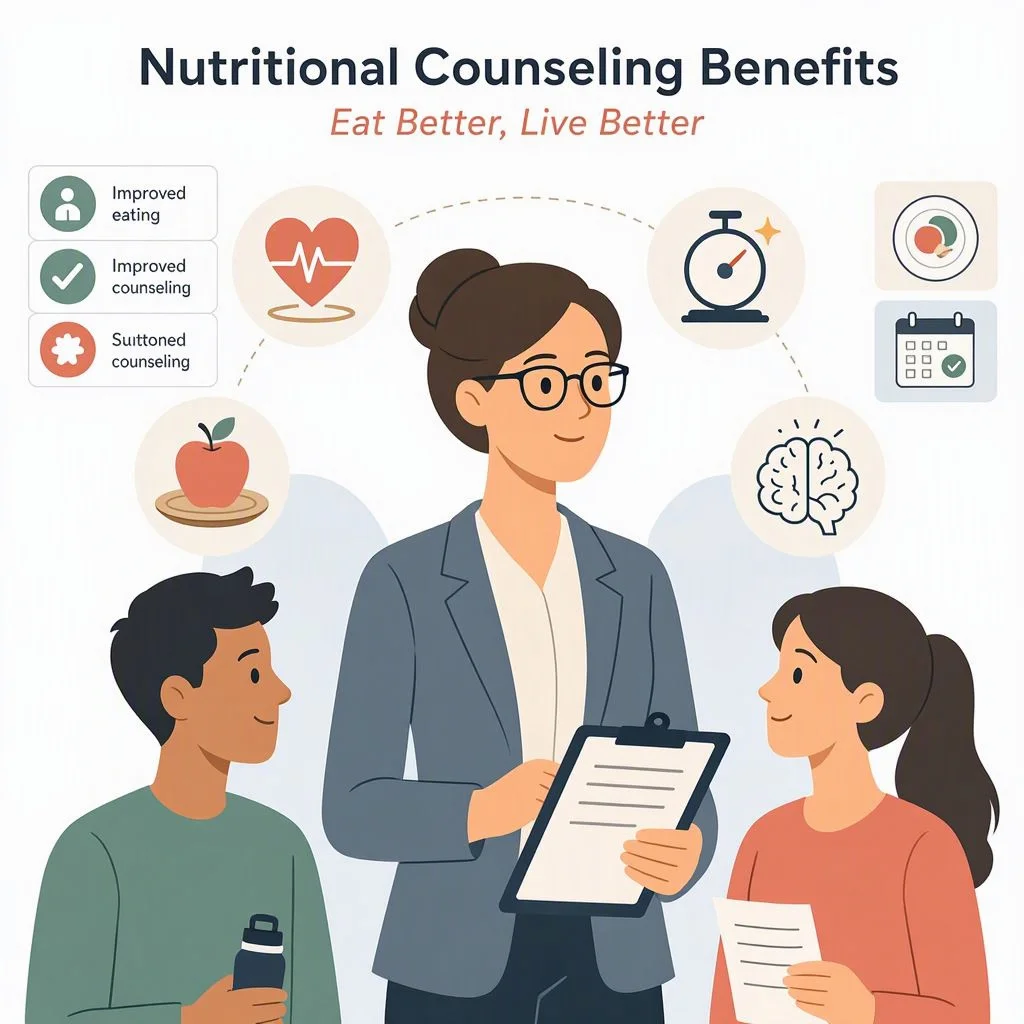
Nutritional counseling is a personalized process that helps individuals understand their eating habits and make informed nutrition choices.
Instead of giving everyone the same meal plan, a nutrition professional considers several factors that can influence eating patterns. These may include:
- Current eating habits
- Food preferences
- Lifestyle
- Physical activity
- Daily schedule
- Personal goals
- Cultural and dietary preferences
- Weight-management goals
- Sports and performance needs
- Existing dietary restrictions
The goal is not necessarily to create a perfect diet. Instead, nutritional counseling aims to help a person develop practical habits that work in everyday life.
For example, someone who regularly skips breakfast and relies on fast food during a busy workday may not need an extremely restrictive diet. They may benefit more from learning how to plan simple meals, choose convenient nutritious foods, and create a realistic eating schedule.
This personalized approach can make nutrition recommendations easier to understand and apply.
Why Personalized Nutrition Matters
People have different nutritional needs and different lifestyles. Therefore, a diet that works well for one person may not work equally well for another.
A university student, an office worker, an endurance athlete, and a retired adult may have completely different schedules, activity levels, food preferences, and nutritional priorities.
Health Canada’s dietary guidance emphasizes variety and regularly choosing nutritious foods such as vegetables, fruits, whole grains, and protein foods. It also recognizes that healthy eating should account for individual circumstances, food traditions, and personal preferences.
Personalization matters because it can turn general nutrition information into practical decisions.
Instead of simply hearing “eat healthier,” a person can learn:
- Which foods fit their normal routine
- How to build balanced meals
- How to plan meals around physical activity
- How to make healthier choices when eating outside
- How to read food labels
- How to improve consistency
- How to approach weight-management goals realistically
As a result, personalized guidance can make healthy eating feel more achievable.
Nutritional Counseling Benefits
There are several potential benefits of nutritional counseling. However, the exact benefits depend on a person’s individual goals and circumstances.
1. Better Understanding of Healthy Eating
One of the most important nutritional counseling benefits is education.
Nutrition information is everywhere. However, online information can sometimes be confusing or contradictory. One website may recommend avoiding carbohydrates, while another promotes a high-protein diet. Social media can also make restrictive eating patterns appear more effective than they actually are.
Nutritional counseling provides an opportunity to discuss nutrition in a more personalized and structured way.
Instead of following a trend, individuals can learn the basic principles behind balanced eating and how those principles apply to their own circumstances.
Health Canada recommends regularly consuming nutritious foods, including vegetables, fruits, whole grains, and protein foods, while choosing healthier sources of fat and making water the beverage of choice.
Understanding these principles can help people make decisions independently rather than relying on constantly changing diet trends.
2. Personalized Nutrition Planning
Another important benefit is personalized planning.
Generic meal plans often fail to account for a person’s schedule. For example, someone who works long shifts may struggle to follow a meal plan that requires cooking three complicated meals every day.
A personalized plan can consider:
- Work schedule
- Family responsibilities
- Cooking skills
- Budget
- Food preferences
- Activity level
- Meal timing
- Dietary restrictions
This makes the recommendations more realistic.
The goal should be to create a nutrition strategy that can fit into everyday life rather than temporarily changing someone’s entire routine.
3. Support for Healthy Weight Management (Nutritional Counseling Benefits)
Weight management is another common reason people seek nutritional counseling.
However, effective weight management involves more than simply counting calories. Eating habits, activity, food choices, meal patterns, sleep, lifestyle, and individual circumstances can all influence a person’s ability to maintain a consistent routine.
Nutritional counseling can help people identify eating patterns that may make their goals more difficult and develop practical alternatives.
For example, someone may regularly consume high-calorie snacks late at night because they do not eat enough during the day. Another person may eat restaurant meals frequently because of work commitments.
Rather than using extreme restrictions, counseling can focus on realistic changes.
A nutrition professional may help someone understand portion sizes, meal composition, food choices, and strategies for handling social situations.
The objective is to develop habits that can continue beyond a short-term diet.
4. Improved Meal Planning Skills
Meal planning can make healthy eating easier.
When meals are planned in advance, people may have an easier time making consistent food choices. Planning can also reduce the need to make last-minute decisions when someone is hungry or busy.
Health Canada’s healthy eating recommendations encourage planning meals, cooking more often, and developing food skills.
Nutritional counseling can help turn these general recommendations into practical strategies.
For example, a person may learn how to:
- Create a weekly meal outline
- Prepare ingredients ahead of time
- Build simple balanced meals
- Keep nutritious snacks available
- Plan meals around work
- Prepare food for busy days
- Make healthier restaurant choices
These skills can become useful long after an initial nutrition consultation.
5. Support for Physical Activity and Sports
Nutrition and physical activity often work together.
People who exercise regularly may have different nutrition considerations from people with low activity levels. Athletes and active individuals may need to pay particular attention to meal timing, hydration, protein intake, carbohydrates, and overall energy intake.
Nutritional counseling can help active individuals understand how food choices fit around their training schedule.
For example, someone preparing for a long-distance event may need a different approach from someone who exercises recreationally two or three times per week.
The focus should remain individualized rather than assuming that every active person needs the same nutrition strategy.
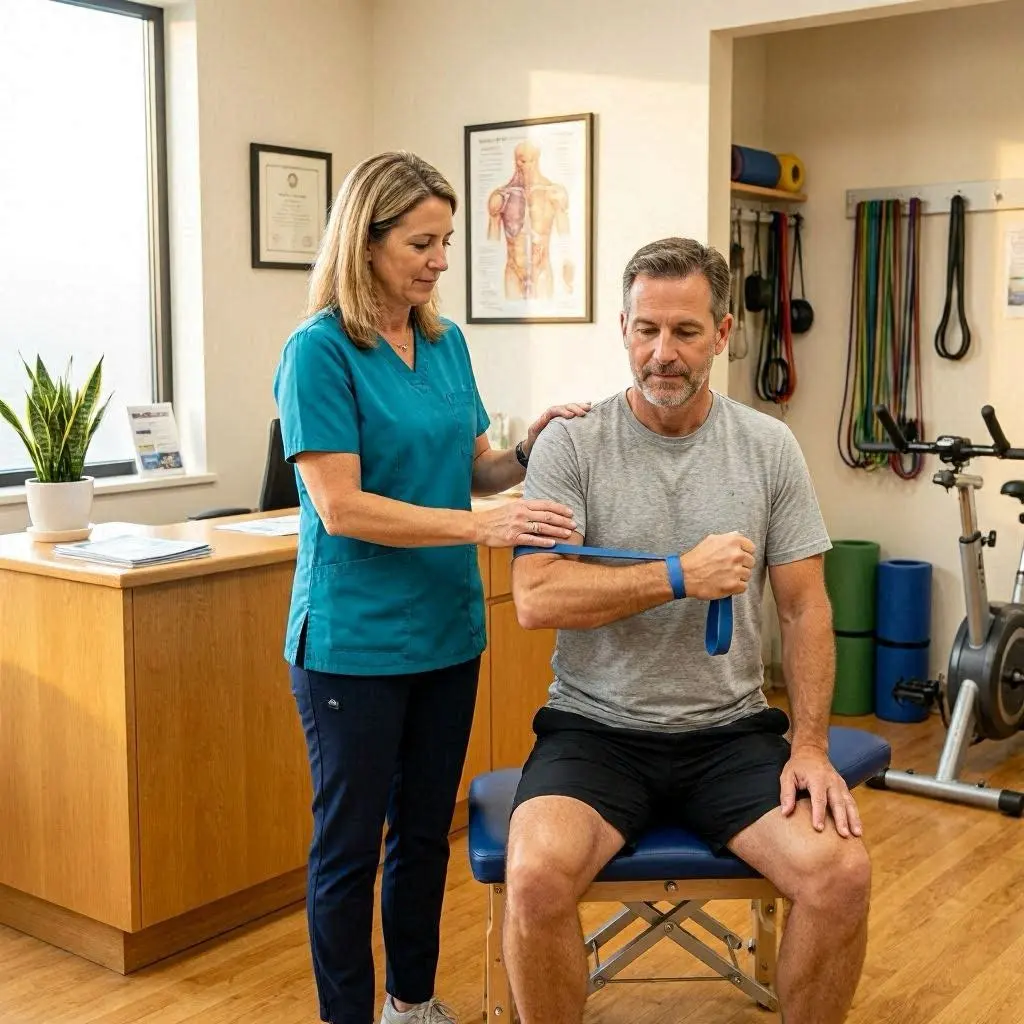
At Ritz Clinic, nutritional counseling can also be considered alongside services such as Physiotherapy when appropriate to a person’s broader health and activity goals.

6. More Consistent Eating Habits
Many people understand what healthy eating means but struggle with consistency.
They may eat well during the week and then abandon their routine during weekends. Others may skip meals during busy periods and overeat later.
Nutritional counseling can help identify these patterns.
Instead of focusing only on individual foods, counseling can examine the overall routine.
For example:
Before:
Skipping breakfast → long workday → very hungry in the evening → large meal → late-night snacking.
Possible strategy:
Simple breakfast → planned lunch → balanced afternoon snack → regular dinner → fewer impulsive food choices.
The exact strategy will differ from person to person. However, identifying patterns can make it easier to develop realistic solutions.
7. Greater Food Awareness
Another potential benefit is becoming more aware of what you eat and why you eat it.
Food choices are influenced by many factors, including hunger, convenience, emotions, social situations, habits, advertising, and availability.
Health Canada’s recommendations recognize that healthy eating involves more than food itself. They also discuss where, when, why, and how people eat, as well as the importance of mindful eating and food skills.
Nutritional counseling can help people become more conscious of their eating patterns.
This does not mean judging every food choice. Instead, the goal is to understand patterns and make informed decisions.
8. Better Understanding of Food Labels
Food labels can sometimes feel complicated.
Nutrition counseling can teach people how to compare products and identify information that actually matters to their goals.
Depending on the person’s needs, this may involve understanding:
- Serving sizes
- Protein
- Fibre
- Saturated fat
- Sodium
- Added sugars
- Calories
- Ingredient lists
Learning how to read labels can make grocery shopping more practical.
Rather than automatically choosing a product because its packaging says “healthy” or “natural,” people can learn how to evaluate the nutritional information themselves.
9. Flexible Eating Strategies
Healthy eating does not have to mean eliminating every food that someone enjoys.
A sustainable approach usually needs flexibility.
People have birthdays, holidays, family dinners, restaurant meals, travel, and social events. A nutrition strategy that cannot accommodate normal life may become difficult to maintain.
Nutritional counseling can help people understand how to make reasonable choices while still enjoying food.
For example, someone may learn how to balance a restaurant meal with the rest of the day’s meals rather than feeling that one meal has ruined their entire diet.
This mindset can help reduce the cycle of strict dieting followed by abandoning the plan.
10. Support for Individual Dietary Preferences (Nutritional Counseling Benefits)
Food preferences are highly personal.
Some people prefer vegetarian meals. Others may follow cultural food traditions or have specific allergies or intolerances.
Health Canada’s guidance recognizes that nutritious eating can reflect cultural preferences and food traditions.
Nutritional counseling can therefore focus on adapting healthy eating principles to a person’s real food preferences rather than forcing them into an unfamiliar diet.
This can make nutritional changes easier to maintain.
Who Can Benefit From Nutritional Counseling?
Nutritional counseling may be useful for many people, depending on their goals.
People Interested in Healthier Eating
Someone who simply wants to improve everyday eating habits may benefit from personalized education.
They may not have a specific medical problem. Instead, they may want to understand balanced meals, improve food choices, or develop better meal-planning habits.
People Working Toward Weight Goals
People who want to manage their weight may benefit from structured nutritional guidance.
The focus can be on sustainable habits rather than extreme diets.
Active Adults and Athletes
People who exercise regularly may want to understand how nutrition fits around their training.
Individual guidance can help them organize meals and snacks according to their activity and goals.
Busy Professionals
People with demanding schedules often struggle with meal planning.
Nutritional counseling can help develop convenient strategies that fit around work and family responsibilities.
People Who Feel Confused by Nutrition Information
If someone has tried several diets and is unsure what to believe, professional guidance can provide a more structured way to approach nutrition.
What Happens During Nutritional Counseling?
The exact process varies depending on the provider and the person’s needs.
However, an initial consultation may involve discussing:
- Current eating habits
- Lifestyle
- Physical activity
- Personal goals
- Food preferences
- Daily schedule
- Previous diet experiences
- Challenges with maintaining healthy habits
The nutrition professional may then identify areas where practical changes could help.
For example, the focus might be breakfast consistency for one person and meal preparation for another.
Follow-up sessions can provide an opportunity to review progress, identify challenges, and adjust the approach.
This makes nutritional counseling a process rather than a one-time list of instructions.
Nutritional Counseling and a Balanced Diet
A balanced diet involves variety and appropriate proportions rather than relying on one specific food or eliminating entire food groups without a clear reason.
The NHS recommends eating a variety of foods across major food groups, including fruit and vegetables, higher-fibre starchy foods, protein sources, dairy or alternatives, and healthier unsaturated fats.
However, individual nutritional requirements can vary.
For example, someone with a medical condition, food allergy, pregnancy-related nutritional needs, or another specialized dietary requirement may need individualized professional guidance.
The NHS also recommends that people with special dietary needs or medical conditions seek advice from a doctor or registered dietitian.
Therefore, nutritional counseling should complement appropriate medical care when a health condition requires specialized management.
Common Nutrition Mistakes Nutritional Counseling Can Address
People often make nutrition changes with good intentions but without a clear strategy.
Some common issues include:
Following Extreme Diets (Nutritional Counseling Benefits)
Highly restrictive diets may remove large categories of foods and can make eating difficult to sustain.
Health Canada notes that some fad diets can be restrictive and may create nutritional risks.
Relying Too Much on Supplements
Supplements are not a replacement for a varied diet.
Whether a supplement is appropriate depends on individual circumstances, diet, and sometimes medical factors.
Skipping Meals Regularly
Some people unintentionally create irregular eating patterns because of work or busy schedules.
Creating a more predictable routine may help them make more consistent choices.
Ignoring Portion Sizes
Even nutritious foods contribute energy, and portion sizes can matter depending on an individual’s goals.
Learning appropriate portions can be more practical than completely eliminating foods.
Copying Someone Else’s Diet
A diet that works for an athlete, influencer, friend, or family member may not suit another person’s needs.
Personalization is one of the main reasons professional nutrition guidance can be useful.
How to Make Nutritional Counseling More Effective
The success of nutritional counseling depends partly on how realistic the recommendations are.
A few principles can help.
Start With Small Changes
Trying to change everything at once can become overwhelming.
Instead, choose one or two realistic habits.
For example:
- Add vegetables to one meal each day.
- Prepare lunch the night before.
- Drink more water.
- Keep nutritious snacks available.
- Eat breakfast consistently.
Once these habits become easier, additional changes can be introduced.
Focus on Progress
Healthy eating does not need to be perfect.
There may be days when someone eats differently from their plan. That does not automatically mean they have failed.
The more useful question is what can be learned from the experience.
Build Skills
Learning how to cook, shop, plan meals, and read labels can provide long-term value.
These skills allow people to make better decisions independently.
Consider Lifestyle
A nutrition strategy should fit real life.
If a person has limited time for cooking, the plan should account for that. If someone frequently travels, the strategy should include travel-friendly options.
Personalization makes recommendations more realistic.
Nutritional Counseling and Long-Term Healthy Habits
One of the most important nutritional counseling benefits is the potential to develop knowledge and skills that remain useful over time.
A short-term diet may tell someone exactly what to eat for a few weeks. Nutritional counseling can instead teach them how to make decisions in different situations.
That distinction matters.
Life changes. Work schedules change. Activity levels change. Food preferences change. Family responsibilities change.
A flexible nutrition strategy can adapt as circumstances change.
Rather than asking, “What diet should I follow?” someone may gradually learn to ask:
- What does my body need?
- What foods fit my goals?
- How can I make this meal more balanced?
- What can I prepare ahead of time?
- How can I make healthier choices when eating out?
- What habits are realistic for me?
These questions encourage independent decision-making.

Nutritional Counseling at Ritz Clinic
Ritz Clinic provides nutritional counseling designed around individual lifestyle factors, dietary preferences, activity levels, and personal goals.
The service can include areas such as personalized nutrition planning, healthy weight-management support, sports and performance nutrition, and healthy eating education.
The emphasis is on practical strategies rather than simply providing generic dietary instructions.
For individuals who are also working on movement, recovery, or physical activity goals, nutrition guidance may be considered as part of a broader approach alongside appropriate services such as physiotherapy.
You can learn more about the available service on the Ritz Clinic Nutritional Counseling page.
Frequently Asked Questions About Nutritional Counseling Benefits
What are the main nutritional counseling benefits?
The main potential benefits include personalized nutrition education, improved meal-planning skills, support for healthy eating habits, guidance around weight-management goals, and strategies for making nutrition fit into everyday life.
Is nutritional counseling only for weight loss?
No. Nutritional counseling can address many goals, including healthier eating, sports nutrition, meal planning, dietary education, and developing sustainable eating habits.
Can nutritional counseling help athletes?
It can provide personalized guidance around nutrition and physical activity. Athletes may have different nutritional considerations depending on their sport, training volume, schedule, and goals.
Does nutritional counseling provide a meal plan?
It depends on the provider and the individual’s needs. Some people may benefit from structured meal-planning guidance, while others may benefit more from learning general nutrition and food-selection strategies.
How long does nutritional counseling take?
There is no single timeline that works for everyone. The number of sessions depends on the individual’s goals, needs, and progress.
Can nutritional counseling help with healthy weight management?
Nutritional counseling can provide education and practical strategies that support healthy eating and weight-management goals. However, individual results vary, and people with medical conditions may require additional professional care.
Is nutritional counseling suitable for people with medical conditions?
People with medical conditions or specialized dietary needs may require individualized advice from an appropriately qualified healthcare professional or registered dietitian. Nutritional counseling should not replace necessary medical treatment.
Is healthy eating supposed to be restrictive?
Not necessarily. Healthy eating generally involves variety, balance, and appropriate portions. Health Canada’s recommendations also emphasize flexibility, food traditions, and practical food skills rather than relying solely on restrictive approaches.
Final Thoughts (Nutritional Counseling Benefits)
The nutritional counseling benefits go beyond receiving a list of foods to eat or avoid. Personalized nutritional guidance can help people understand their eating habits, develop practical food skills, improve meal planning, and create strategies that fit their individual lifestyle.
A sustainable approach should recognize that people have different schedules, preferences, activity levels, cultures, and goals. Therefore, nutrition advice should be flexible enough to work within real life.
Evidence-based guidance from organizations such as Health Canada and the NHS emphasizes variety, nutritious foods, balanced eating patterns, practical food skills, and individualized consideration when special dietary needs exist.
For someone who wants to improve their eating habits, manage weight, support physical activity, or simply develop a better understanding of nutrition, nutritional counseling can provide a structured starting point.
The most useful nutrition plan is not necessarily the most restrictive one. Instead, it is one that is realistic, informed, adaptable, and sustainable over time.