Massage Therapy for Recovery: Benefits, Techniques, and What to Expect
Introduction
Recovery is an essential part of maintaining a healthy and active body. Whether you exercise regularly, participate in competitive sports, work a physically demanding job, or simply experience muscle tension from everyday activities, giving your body enough time and support to recover is important. One approach that many people include in their recovery routine is massage therapy for recovery.
Massage therapy can provide a relaxing and supportive experience after physical activity. Depending on the techniques used, massage may help reduce the feeling of muscle tightness, promote relaxation, support normal circulation, and improve awareness of areas that feel tense or fatigued. It can also provide an opportunity to slow down after demanding physical activity.
However, recovery is more than massage alone. Adequate sleep, hydration, nutrition, appropriate exercise, mobility work, and rest all contribute to the body’s ability to recover. Massage can complement these habits rather than replace them.
Understanding how massage therapy for recovery works, which techniques may be useful, when to schedule a session, and what to expect can help you create a more effective recovery routine.
What Is Massage Therapy for Recovery?
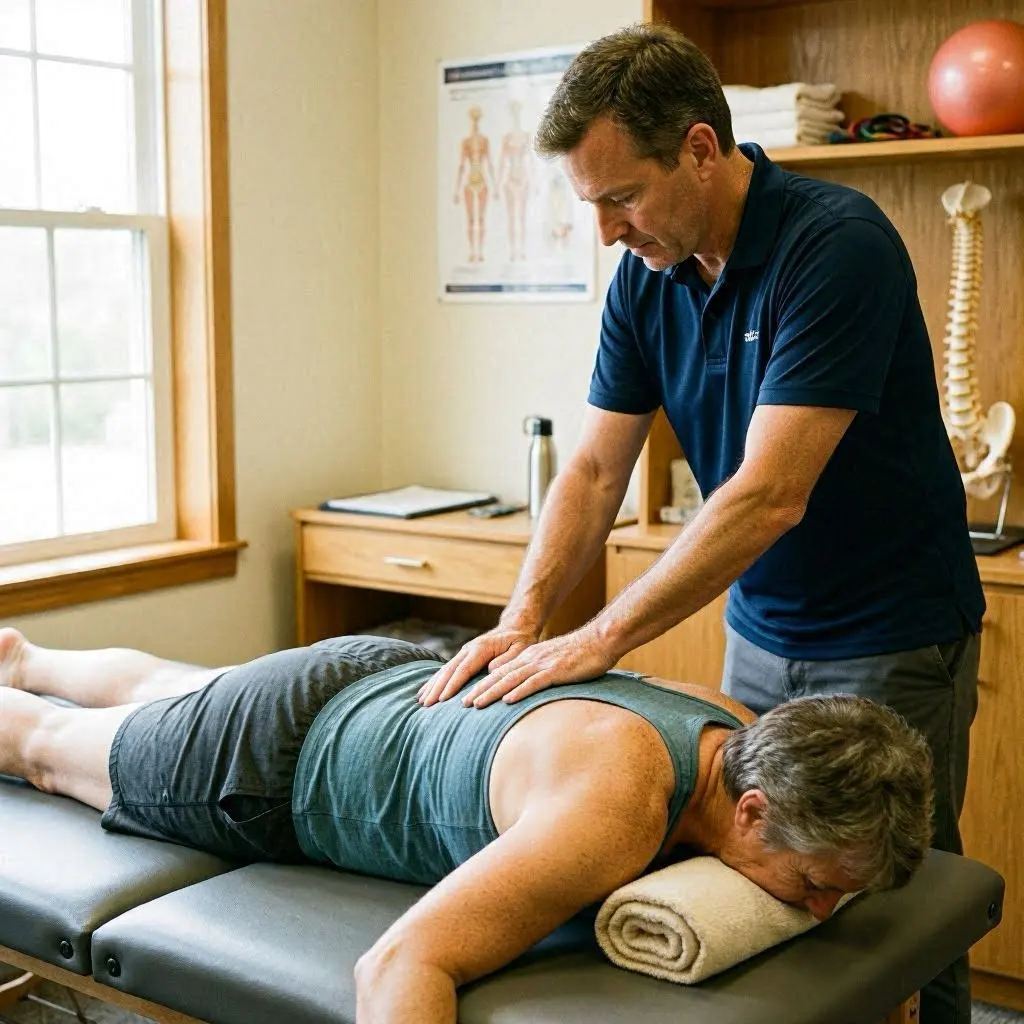
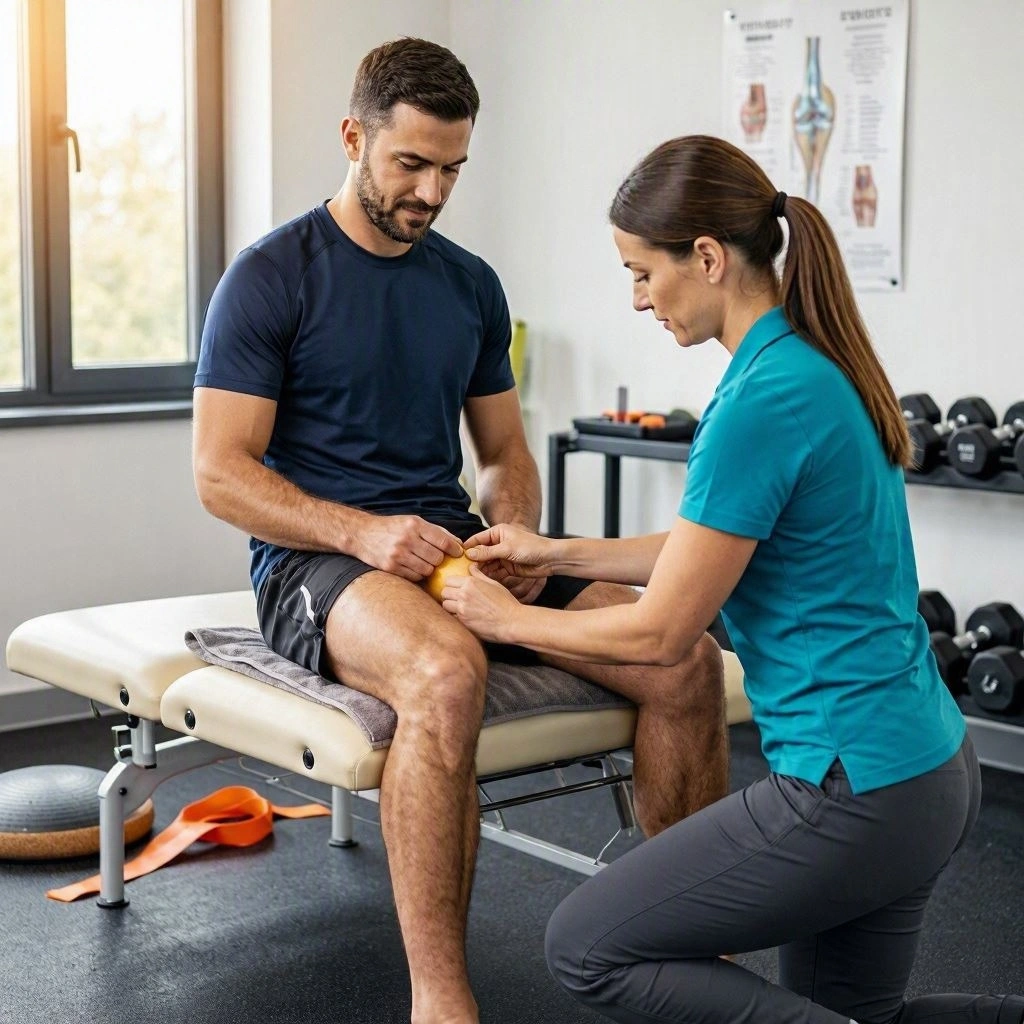
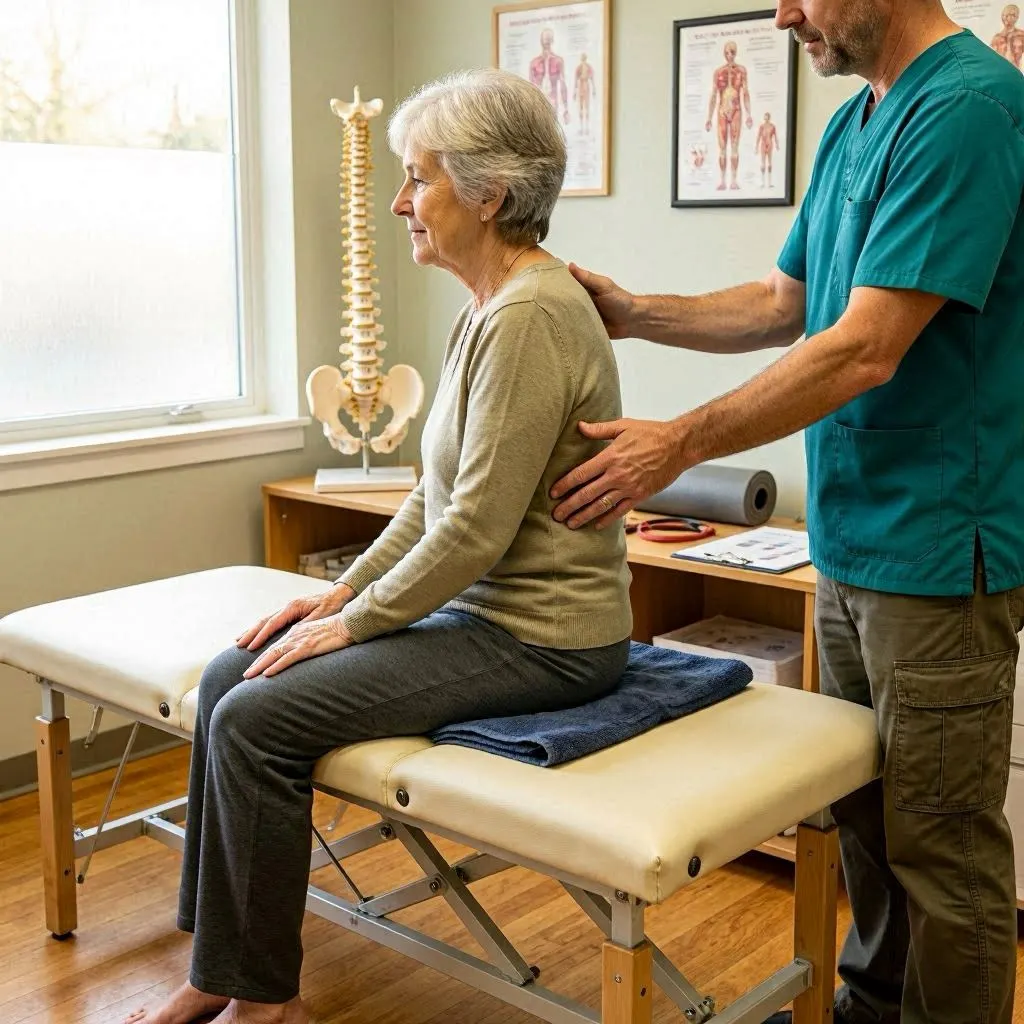
Massage therapy for recovery refers to massage techniques used to support relaxation and recovery following physical activity, exercise, sports, or other situations that create muscular fatigue.
The exact approach depends on the person’s needs. A recovery-focused massage may use gentle or moderate pressure, rhythmic strokes, kneading, and targeted work on areas that feel tight or fatigued.
Unlike an intensive deep tissue session, recovery massage does not always need to involve strong pressure. In fact, applying excessive pressure to already fatigued muscles may not be appropriate immediately after strenuous activity.
A qualified massage therapist can adjust the treatment based on:
The type of physical activity performed
The intensity of the activity
Areas experiencing tension
The client’s comfort level
Recovery goals
Previous injuries or health concerns
The timing of the massage
The objective is to create a treatment that supports comfort and relaxation while fitting into the person’s overall recovery strategy.
Why Recovery Matters (Massage Therapy for Recovery)
Physical activity places demands on muscles, joints, connective tissues, and the nervous system. After exercise, the body needs time to adapt and recover.
Without appropriate recovery, repeatedly training or performing demanding activities without sufficient rest may contribute to fatigue, reduced performance, persistent soreness, or an increased risk of overuse problems.
Recovery involves several important components.
Rest
It gives the body an opportunity to adapt to physical demands. Rest days and lower-intensity activities can be important components of a balanced training program.
Sleep
Sleep plays an important role in physical and mental recovery. Consistently getting adequate sleep can support energy, concentration, and athletic performance.
Nutrition
The body requires sufficient energy and nutrients to support normal recovery processes. A balanced diet can help provide the fuel required for daily activity and exercise.
Hydration
Maintaining appropriate hydration supports normal bodily functions, particularly when physical activity results in significant fluid loss.
Active Recovery
Light movement, walking, mobility exercises, and other low-intensity activities may help people stay active without placing the same demands on the body as intense training.
Massage can be added to this broader recovery approach.
Benefits of Massage Therapy for Recovery
The effects of massage can vary depending on the person, type of activity, technique, and timing. Nevertheless, there are several reasons people choose massage as part of their recovery routine.
1. Promotes Muscle Relaxation
One of the most noticeable benefits of recovery massage is the feeling of muscle relaxation.
After demanding exercise, muscles may feel tight or fatigued. Gentle massage techniques can create a soothing sensation and help people feel more comfortable.
Massage may be particularly useful for areas that frequently become tense, such as the calves, thighs, glutes, shoulders, and back.
2. May Help With Post-Exercise Soreness
Some people experience delayed onset muscle soreness after unfamiliar or intense exercise. This discomfort can develop several hours after activity and may become more noticeable over the following days.
Massage may help reduce the perception of soreness and improve comfort for some individuals.
However, massage should not be considered a way to completely eliminate normal post-exercise soreness. The body still needs adequate rest and recovery.
3. Supports Relaxation
Recovery is both physical and mental. Athletes and active individuals may experience stress from training schedules, competitions, performance expectations, or demanding routines.
A massage session can provide time to slow down and relax. This may be especially valuable after periods of intense activity.
4. Encourages Body Awareness
Massage can help people become more aware of areas of tension or discomfort.
For example, an athlete may discover that one calf consistently feels tighter than the other or that prolonged training creates tension around the shoulders.
Recognizing these patterns can encourage individuals to pay greater attention to movement, training volume, posture, and recovery habits.
5. May Support Mobility
Muscle tightness can sometimes make movement feel restricted. Massage may temporarily improve the feeling of flexibility or ease of movement in some people.
However, massage should not replace mobility training, stretching, strength work, or rehabilitation when those interventions are required.
6. Provides Dedicated Recovery Time
One often-overlooked benefit of massage is the opportunity to stop and focus on recovery.
People with busy schedules may continue working, training, or completing daily responsibilities without giving themselves enough time to relax.
A scheduled massage can create a structured period of rest.
Massage Therapy for Recovery After Exercise (Massage Therapy for Recovery)
Different forms of exercise place different demands on the body. Therefore, recovery massage can be adapted according to the activity performed.
After Strength Training
Resistance training can create significant muscular fatigue. A recovery-focused massage may concentrate on areas such as the legs, back, shoulders, or arms depending on the workout.
Gentle techniques can help create a relaxed feeling without adding unnecessary stress to fatigued tissues.
After Running
Runners often experience muscular fatigue in the calves, hamstrings, quadriceps, glutes, and feet.
A recovery massage can focus on these areas while adjusting pressure based on the runner’s current condition.
If the runner has sharp pain, significant swelling, or a suspected injury, however, massage should not be used as a substitute for appropriate assessment.
After Cycling
Cycling can place repetitive demands on the legs, hips, and lower back.
Massage may provide a relaxing way to address general muscular tension following a long ride or demanding training session.
After Team Sports
Football, basketball, tennis, hockey, and other sports combine running, jumping, changing direction, and repetitive movements.
Recovery massage may be incorporated into a broader recovery program to help athletes relax and manage general muscular tension.
Common Massage Techniques Used for Recovery
A recovery session can involve different techniques depending on the client’s needs.
Effleurage
Effleurage involves long, smooth strokes across the body. It is commonly used to begin or finish a massage.
These movements can create a calming rhythm and help the client become comfortable.
Petrissage
Petrissage involves kneading or gentle compression of soft tissues.
It may be used across larger muscle groups that feel tired or tense.
Compression
Compression involves applying controlled pressure to muscles. The intensity should be adjusted according to the person’s comfort and recovery needs.
Gentle Stretching
Some therapists may incorporate gentle movement or stretching when appropriate. These techniques should never force a joint or create significant discomfort.
Targeted Massage
A therapist may spend more time on specific areas that commonly experience tension.
The goal is not necessarily to apply maximum pressure. Instead, the treatment should be appropriate for the person’s current physical condition.
When Should You Get a Recovery Massage?
Timing can depend on the type and intensity of activity.
Immediately After Exercise
A gentle massage shortly after exercise may feel relaxing. However, an intense massage immediately after strenuous activity may not be appropriate for everyone.
The body may already be experiencing temporary fatigue, and aggressive treatment could feel uncomfortable.
Later the Same Day
Some people prefer scheduling massage later in the day after completing their training.
This can provide a dedicated opportunity to relax after exercise.
The Following Day
For some individuals, a massage the day after demanding activity may be more comfortable.
The appropriate timing depends on the person’s training schedule, goals, and response to massage.
There is no single recovery massage schedule that works for every athlete.
Massage Therapy for Recovery and Muscle Soreness
Muscle soreness is a common experience after unfamiliar or intense physical activity.
It is important to distinguish normal post-exercise soreness from pain associated with an injury.
Normal soreness may involve generalized tenderness and stiffness. In contrast, an injury may involve symptoms such as sharp pain, significant swelling, instability, weakness, or loss of function.
Massage may be appropriate for general muscle comfort, but unexplained or severe symptoms should be assessed by an appropriate healthcare professional.
Trying to massage directly over a suspected injury may make the situation worse.
Deep Tissue Massage for Recovery (Massage Therapy for Recovery)
Deep tissue massage is sometimes associated with sports and recovery because it uses more focused pressure.
However, deeper pressure is not automatically better for recovery.
A person with heavily fatigued muscles may find an aggressive massage uncomfortable. Therefore, the therapist should consider the timing of treatment and the individual’s condition.
Deep tissue techniques may be more appropriate when there is a specific reason for targeted treatment rather than simply because someone wants a stronger massage.
Communication is essential. If pressure becomes painful, the client should tell the therapist immediately.
Sports Massage vs. Recovery Massage
Sports massage may be designed around the needs of athletes and may include preparation, recovery, maintenance, or targeted work.
Recovery massage focuses more specifically on helping the person relax and feel comfortable after physical activity.
Both approaches can involve similar techniques, but the treatment should be adapted to the individual’s activity and goals.
Massage Therapy for Recovery From Physical Work
Recovery massage is not limited to athletes.
People who perform physically demanding jobs may also experience repeated muscular fatigue.
Construction workers, warehouse employees, healthcare workers, tradespeople, hospitality employees, and other physically active professionals may experience tension from lifting, standing, walking, repetitive movements, or awkward positions.
Massage can provide a period of relaxation after demanding work. However, workplace ergonomics, appropriate lifting techniques, rest breaks, strength conditioning, and medical assessment when needed remain important.
How Often Should You Get Massage Therapy for Recovery?
The ideal frequency varies from person to person.
Someone training several times per week may choose regular massage sessions, while another person may only schedule a massage after particularly demanding activity.
Factors that may influence frequency include:
Training intensity
Training frequency
Type of exercise
Work demands
Personal recovery needs
Budget
Massage tolerance
Overall health
More massage is not necessarily better. The goal is to create a sustainable recovery routine that complements training rather than interfering with it.
Preparing for a Recovery Massage
A few simple steps can improve the experience.
Communicate Your Training
Tell your therapist what type of exercise you performed and which areas feel fatigued.
Explain Any Discomfort
Be specific about whether an area feels tight, sore, sensitive, or painful.
Discuss Pressure
Tell your therapist whether you prefer light, moderate, or stronger pressure.
Avoid Hiding an Injury
If you suspect that you have an injury, explain your symptoms before treatment.
A massage therapist can then determine whether treatment should be modified or whether you should seek additional assessment.
What to Expect During a Recovery Massage
A typical session begins with a short consultation.
The therapist may ask about recent physical activity, areas of tension, health history, and treatment preferences.
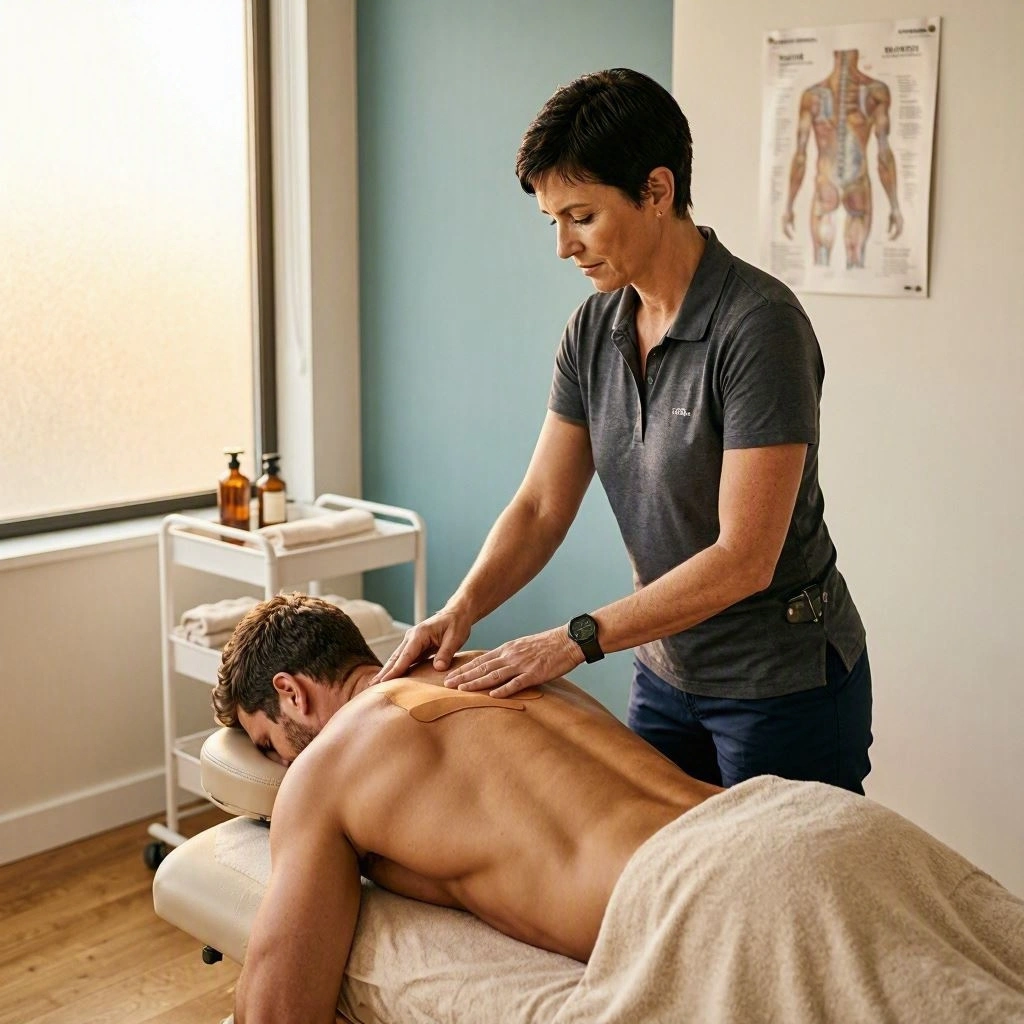
After you are comfortably positioned, the therapist may begin with broad, gentle strokes before gradually addressing areas that require additional attention.
Throughout the session, communication should remain open.
The therapist may adjust:
Pressure
Positioning
Massage techniques
Treatment duration
Areas being treated
Afterward, you may feel relaxed or temporarily tired. Some people feel refreshed, while others prefer to rest for a short period before returning to demanding activities.
Safety Considerations (Massage Therapy for Recovery)
Massage therapy is generally well tolerated by many healthy adults, but it is not appropriate in every situation.
Massage may need to be postponed or modified if you have certain medical conditions, acute injuries, significant swelling, open wounds, skin infections, or other health concerns.
You should tell your therapist about relevant health conditions before treatment.
If you experience severe pain, sudden swelling, unexplained weakness, significant loss of movement, or another concerning symptom, seek appropriate medical evaluation rather than relying on massage.
Massage should support a recovery plan, not replace necessary healthcare.
Combining Massage With Other Recovery Strategies
The most effective recovery routine usually involves several components.
Sleep and Massage
Adequate sleep remains one of the most important parts of recovery. Massage can complement a healthy sleep routine but should not be considered a substitute for sufficient rest.
Nutrition and Massage
Eating a balanced diet provides the energy and nutrients required for normal physical function.
Massage does not replace good nutrition.
Mobility and Massage
Mobility exercises can help maintain movement quality. Massage may provide temporary comfort, while regular mobility work addresses movement as part of a broader routine.
Strength Training and Massage
Strength training can improve physical capacity and resilience. Massage can be used alongside training to support relaxation and recovery.
Rest Days and Massage
Rest days allow the body to recover from repeated training stress. A massage session can be incorporated into a rest day when appropriate.
Choosing a Massage Therapist for Recovery (Massage Therapy for Recovery)
Choosing the right therapist can make a significant difference.
Look for a qualified professional who understands the needs of physically active clients.
Experience
Ask whether the therapist has experience working with athletes, active individuals, or people recovering from physical activity.
Communication
The therapist should listen to your concerns and adjust the session based on your feedback.
Professional Environment
A clean, comfortable, and professional environment is an important part of a positive treatment experience.
Individualized Treatment
Avoid approaches that treat every client exactly the same. Recovery needs can differ significantly between individuals.
Frequently Asked Questions
What is massage therapy for recovery?
Massage therapy for recovery involves massage techniques designed to support relaxation, comfort, and recovery following physical activity or muscular fatigue.
Is massage good after exercise?
Massage may help some people feel more relaxed and comfortable after exercise. However, it should complement rest, nutrition, hydration, sleep, and appropriate training rather than replace them.
Should recovery massage be painful?
No. Recovery massage does not need to be painful to be effective. Excessive pressure may make the experience uncomfortable, especially when muscles are already fatigued.
How soon after exercise can I get a massage?
The ideal timing depends on the intensity of exercise and the type of massage. Gentle massage may be comfortable relatively soon after activity, while more intensive techniques may be better suited to another time.
Can massage help muscle soreness?
Massage may temporarily reduce the perception of muscle soreness and improve comfort for some people. However, normal recovery still requires adequate rest and time.
Is deep tissue massage good for recovery?
Deep tissue massage can be useful in certain situations, but deeper pressure is not automatically better. The appropriate technique depends on the person’s condition, goals, and timing.
How often should athletes get recovery massage?
There is no universal schedule. Frequency can depend on training volume, intensity, competition schedules, personal preferences, and overall recovery needs.
Can massage replace stretching?
No. Massage and stretching serve different purposes and can complement one another as part of a broader recovery routine.
Can I get a massage if I have an injury?
Not every injury is suitable for massage. If you have an acute injury, significant swelling, severe pain, or unexplained symptoms, seek appropriate professional assessment before receiving massage.
Final Thoughts (Massage Therapy for Recovery)
Massage Therapy for Recovery can be a useful addition to a well-rounded recovery routine for athletes, active individuals, and people with physically demanding lifestyles. By using appropriate massage techniques, a therapist can create a relaxing experience that may help reduce feelings of muscular tension, support comfort, and encourage physical and mental relaxation.
However, massage works best as one part of a larger recovery strategy. Sleep, nutrition, hydration, rest, mobility, appropriate training, and injury management all play important roles in maintaining physical performance and well-being.
The most effective recovery massage is not necessarily the strongest or longest session. Instead, it should be appropriate for your activity level, physical condition, comfort, and individual goals.
By working with a qualified massage therapist and communicating clearly about your training and recovery needs, you can make massage a practical part of your long-term approach to physical wellness and recovery.