
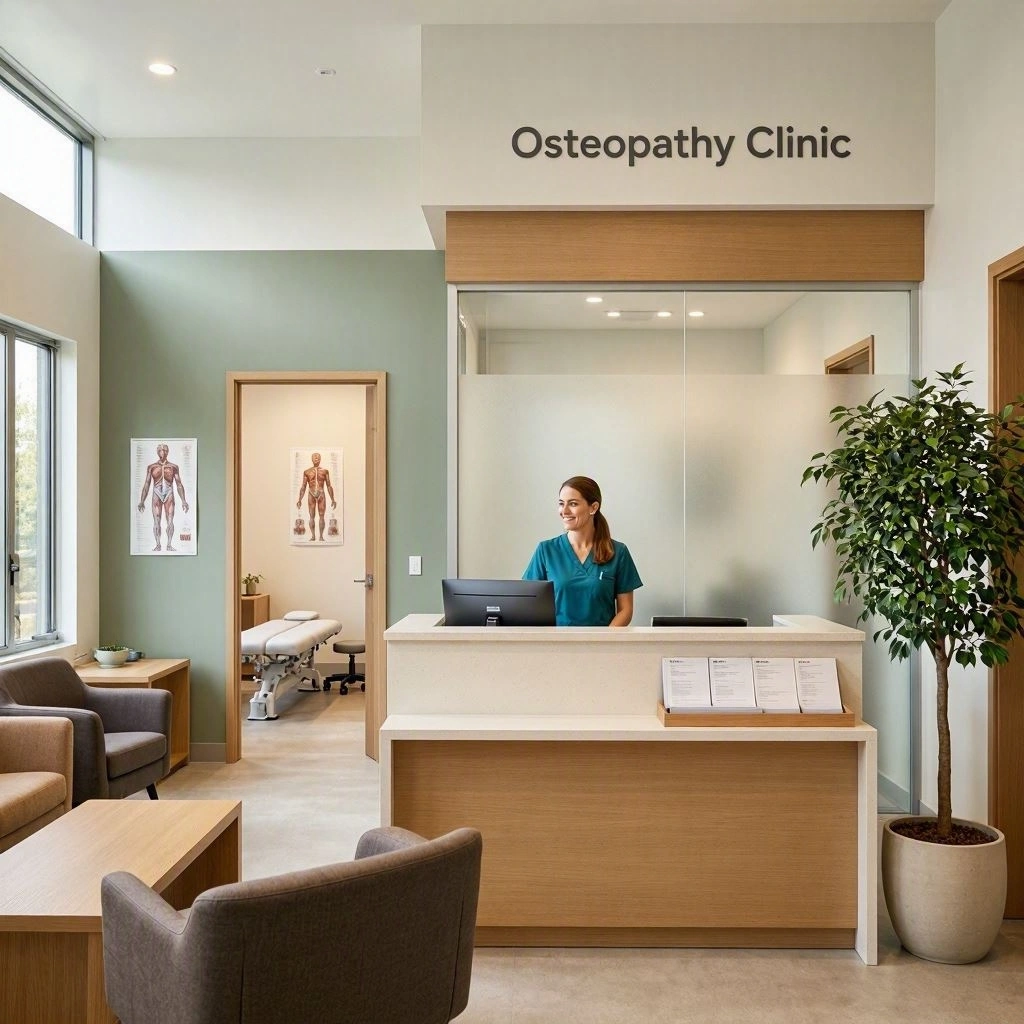
Osteopathy Clinic: Complete Guide to Osteopathic Care, Treatment, and Recovery
Finding the right Osteopathy Clinic can make a meaningful difference when pain, stiffness, limited mobility, or a musculoskeletal problem begins to interfere with everyday life. Osteopathy focuses primarily on the relationship between the body’s muscles, joints, bones, connective tissues, and movement patterns. An osteopath may use hands-on techniques, movement advice, exercise recommendations, and self-management strategies to help patients improve function and manage symptoms.
Many people visit an Osteopathy Clinic because of back pain, neck discomfort, shoulder problems, joint stiffness, sports injuries, or other musculoskeletal concerns. However, osteopathy is not simply about massage or spinal manipulation. A professional assessment should consider your symptoms, medical history, physical function, lifestyle, and goals before treatment begins.
In addition, a good clinic should recognize when osteopathic treatment is appropriate and when another healthcare professional or further medical investigation is necessary. This distinction matters because pain can have many causes, and hands-on treatment is not suitable for every condition.
This guide explains what an Osteopathy Clinic does, what happens during an appointment, which conditions may benefit from osteopathic care, common treatment techniques, safety considerations, and how to choose a clinic that fits your needs.
What Is an Osteopathy Clinic?
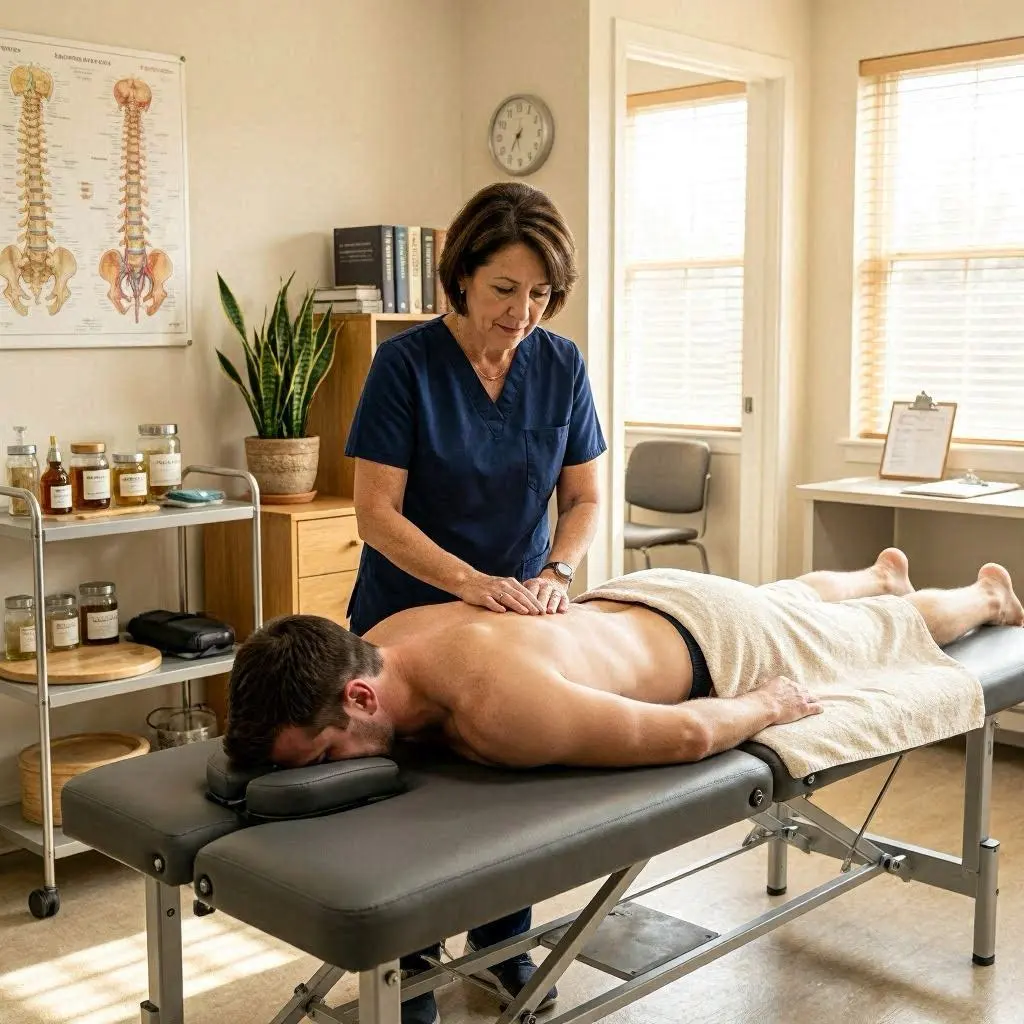
An Osteopathy Clinic is a healthcare setting where trained osteopaths assess and manage problems involving the musculoskeletal system. Depending on the clinic and the practitioner’s training, care may include hands-on treatment, mobility work, exercise guidance, posture and movement advice, and recommendations for managing symptoms between appointments.
Osteopathy commonly focuses on problems involving:
- Muscles
- Joints
- Bones
- Ligaments
- Tendons
- Connective tissues
- Movement patterns
- Physical function
Osteopaths may use techniques such as soft tissue work, stretching, joint mobilization, massage, and selected forms of manipulation. NHS guidance describes osteopathy as a hands-on approach involving movement, stretching, and massage, particularly for musculoskeletal problems.
However, the exact approach varies from patient to patient. For example, someone with mild muscular tension may receive a different treatment plan from someone recovering from a sports injury.
Therefore, the purpose of an Osteopathy Clinic should not simply be to provide a standard treatment. Instead, the clinic should assess the individual and develop a plan around the person’s symptoms, functional limitations, and recovery goals.
What Does an Osteopath Do?
An osteopath evaluates how your symptoms affect movement and physical function. During an assessment, the practitioner may ask about the location, duration, and behavior of your symptoms. They may also discuss previous injuries, medical conditions, medications, physical activity, work demands, and other factors that could influence your recovery.
The practitioner may then perform a physical assessment.
This assessment can include:
- Observing posture and movement
- Checking joint mobility
- Assessing muscle tension
- Examining areas of tenderness
- Evaluating functional movements
- Looking for movement restrictions
- Considering whether symptoms require further investigation
The osteopath then explains their findings and discusses possible treatment options.
Importantly, an osteopath should not promise that every symptom can be treated through manual therapy. Instead, they should recognize situations that require medical assessment, imaging, laboratory testing, or referral to another professional.
For example, NHS guidance notes that osteopaths are trained to identify situations where a patient may need referral to a GP or further investigations.
Conditions Commonly Treated at an Osteopathy Clinic
People usually seek osteopathic care for musculoskeletal symptoms rather than unrelated medical conditions.
Common reasons for visiting an Osteopathy Clinic include:
- Lower back pain
- Neck pain
- Shoulder pain
- Hip pain
- Knee discomfort
- Muscle tension
- Joint stiffness
- Sports injuries
- Movement restrictions
- Work-related musculoskeletal pain
- Some forms of repetitive strain
- Recovery from certain injuries
- General mobility problems
NHS Wales notes that osteopathy is commonly used for conditions affecting muscles, bones, and joints, including lower back pain, uncomplicated neck pain, shoulder and elbow problems, arthritis, pelvic and hip problems, and sports injuries.
Still, the suitability of treatment depends on the specific diagnosis and individual circumstances.
Osteopathy for Back Pain
Back pain represents one of the most common reasons people seek hands-on musculoskeletal care.
Back pain can develop for many reasons. Muscle strains, prolonged inactivity, repetitive movements, lifting, physical workload, joint irritation, and other factors can contribute to symptoms.
An Osteopathy Clinic may assess:
- Spinal movement
- Hip mobility
- Muscle tension
- Movement habits
- Functional limitations
- Pain behavior
- Activity levels
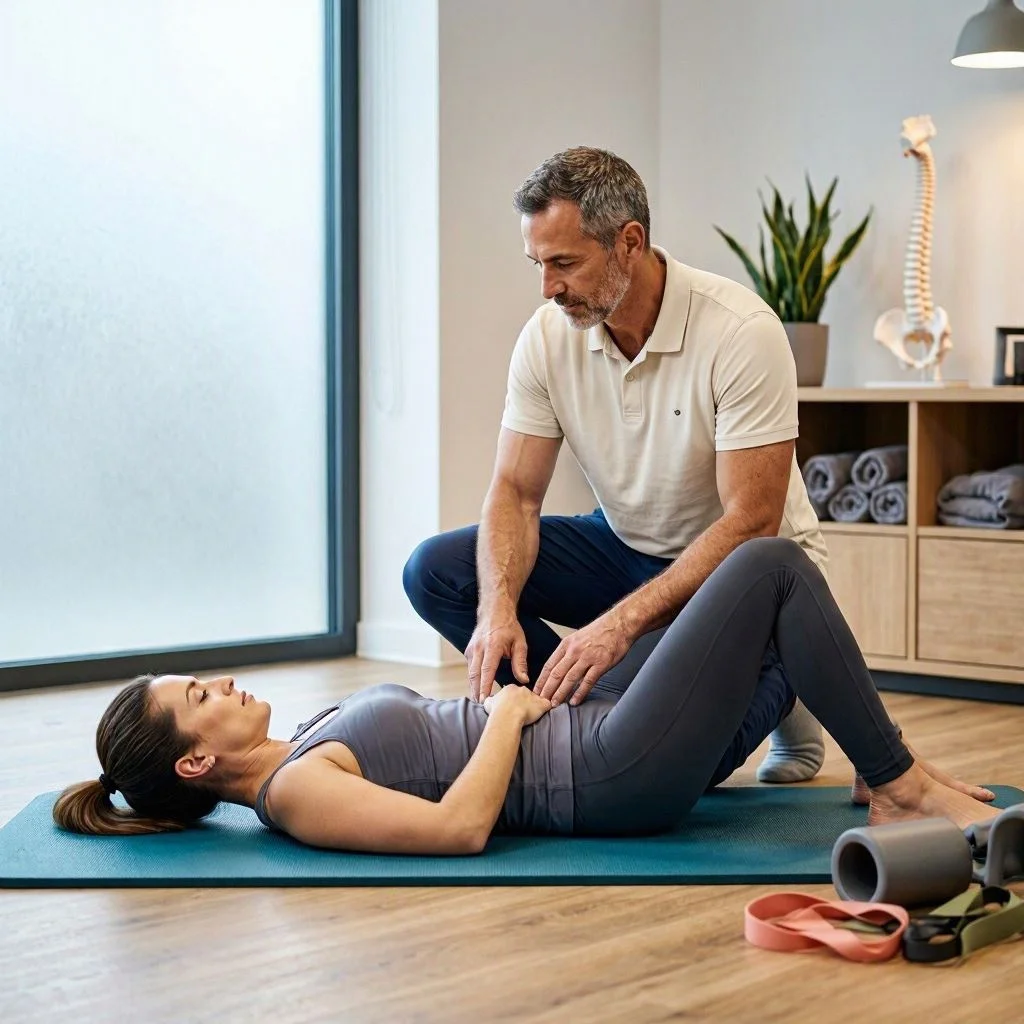
Treatment may include manual techniques combined with exercise and advice about staying active.
Evidence surrounding manual therapy suggests that it can provide modest benefits for some people with back pain, particularly when incorporated into a broader management plan. NCCIH notes that evidence for osteopathic manual therapy and spinal manipulation in back pain is less strong than for some other approaches, although these techniques may help some people manage symptoms.
Therefore, osteopathy should generally be viewed as one possible component of musculoskeletal care rather than a guaranteed solution.
Osteopathy for Neck Pain
Neck pain can affect people who spend long periods at a desk, drive frequently, perform repetitive tasks, or experience physical strain.
An osteopathic assessment may consider:
- Neck mobility
- Upper-back movement
- Shoulder mechanics
- Muscle tension
- Work posture
- Daily activity
- Previous injuries
Treatment may involve gentle soft tissue techniques, mobility exercises, joint mobilization, and movement advice.
However, neck pain after significant trauma requires appropriate medical assessment. A clinic should also recognize symptoms such as progressive weakness, significant numbness, severe unexplained pain, or other neurological changes that require further evaluation.
Osteopathy for Shoulder Problems
Shoulder discomfort can arise from many different causes, including overuse, tendon problems, joint irritation, injury, or changes in movement patterns.
An osteopath may examine:
- Shoulder range of motion
- Scapular movement
- Upper-back mobility
- Neck movement
- Muscle strength
- Functional movements
Treatment may combine hands-on techniques with movement and strengthening exercises.
Because shoulder pain can have several causes, an accurate assessment remains important. If symptoms suggest a significant injury or another medical condition, referral may be appropriate.
Osteopathy for Hip and Knee Problems
Hip and knee symptoms can affect walking, climbing stairs, exercising, and other daily activities.
At an Osteopathy Clinic, assessment may include:
- Joint mobility
- Muscle function
- Walking patterns
- Lower-limb movement
- Previous injuries
- Activity levels
The treatment plan may include manual therapy, mobility exercises, strengthening, and advice about modifying activities temporarily.
For people with arthritis, exercise and appropriate physical activity remain important parts of long-term management. Osteopathic treatment may sometimes complement broader care, but it should not replace necessary medical management.
What Happens During Your First Osteopathy Clinic Appointment?
Your first appointment usually begins with a conversation.
The osteopath may ask:
- What brought you to the clinic?
- When did the problem begin?
- Where do you feel the symptoms?
- What makes the symptoms better?
- What makes them worse?
- Have you experienced this problem before?
- Have you had any injuries?
- What activities do you perform at work?
- What exercise do you do?
- Are you taking medication?
- Have you received treatment elsewhere?
Providing accurate information helps the practitioner understand your situation.
Physical Assessment
After the initial discussion, the osteopath may perform a physical examination.
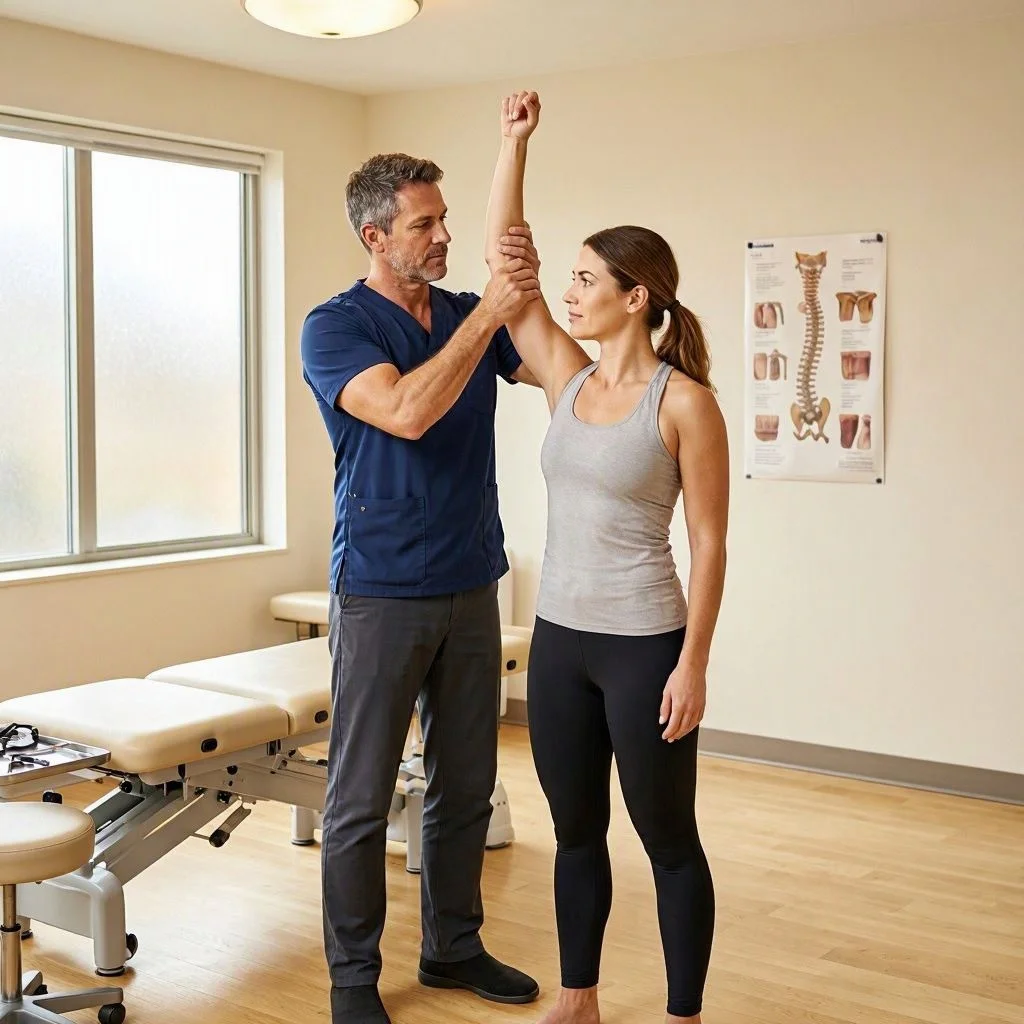
You may be asked to perform movements such as:
- Bending
- Turning
- Walking
- Raising an arm
- Squatting
- Moving a joint through its range
The practitioner may also use hands-on assessment to identify areas of tenderness, stiffness, or restricted movement.
According to an NHS osteopathy clinic description, an initial appointment can include a discussion of the problem, examination with consent, and development of an individualized treatment plan.
Treatment Planning
After the assessment, your osteopath should explain the findings in understandable language.
You should also have an opportunity to ask questions.
A treatment plan might include:
- Manual treatment
- Mobility exercises
- Strengthening exercises
- Activity modification
- Self-management advice
- Follow-up appointments
- Referral if necessary
The plan should also have a clear purpose.
For example, instead of simply saying that treatment will “realign” the body, a practitioner should explain what they are trying to improve, such as movement, function, symptom management, or tolerance for daily activities.
Common Treatments Used in an Osteopathy Clinic
Osteopaths can use different techniques depending on their training and the patient’s condition.
Soft Tissue Techniques
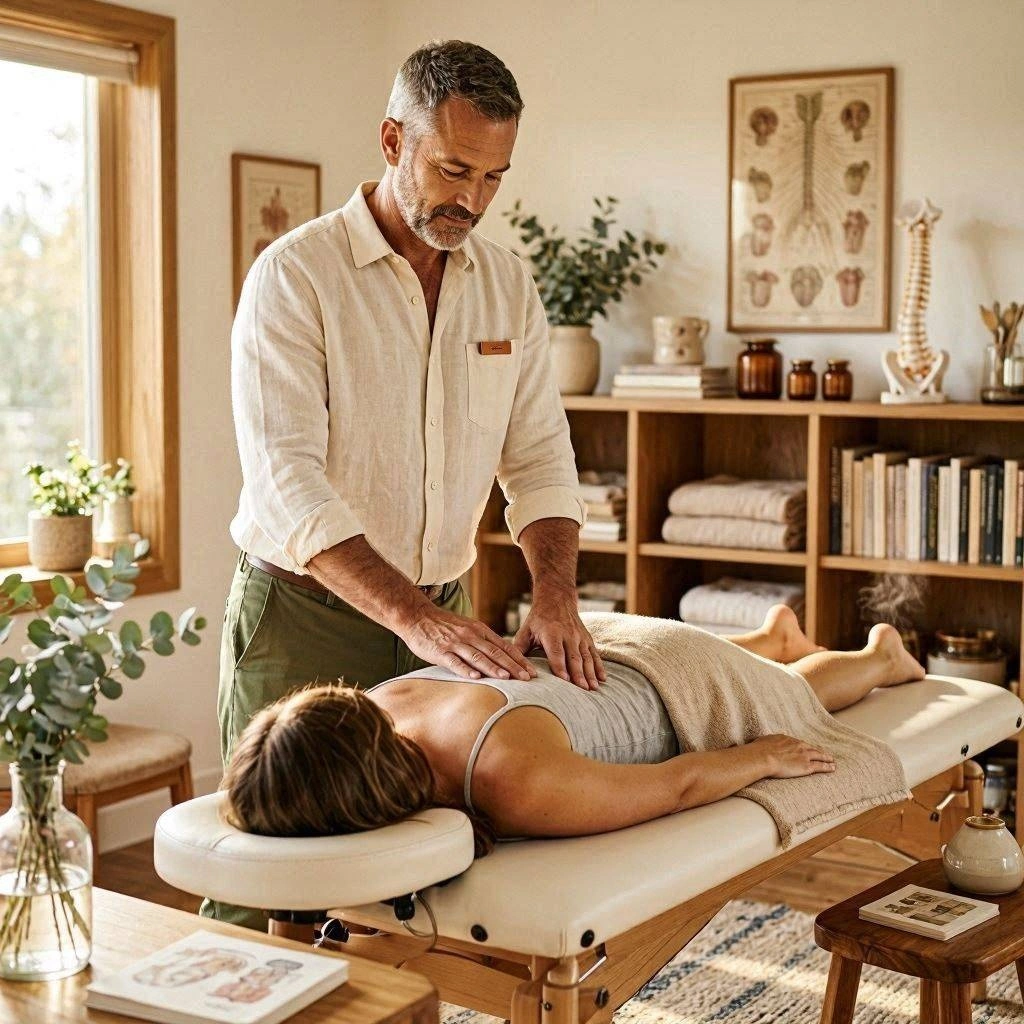
Soft tissue treatment may involve applying pressure or movement to muscles and surrounding tissues.
The goal may include reducing muscle tension, improving comfort, or helping the patient tolerate movement.
The treatment should remain within a comfortable and appropriate range.
Joint Mobilization
Joint mobilization involves controlled movement of a joint.
The practitioner may use gentle repetitive movements to help improve mobility or reduce discomfort.
The exact technique depends on the joint, symptoms, and clinical assessment.
Stretching
An osteopath may use stretching during treatment or recommend stretching exercises for home.
However, stretching should not automatically be considered appropriate for every condition.
For some patients, strengthening or graded movement may provide a more useful approach.
Massage
Massage can be used as part of osteopathic treatment to address muscle tension and improve short-term comfort.
However, massage generally works best as one component of a broader management strategy when the goal involves long-term function.
Manipulation
Some osteopaths use spinal or peripheral joint manipulation.
Manipulation involves a controlled movement applied to a joint.
Because certain techniques carry specific risks, the practitioner should review your medical history and explain the treatment before using it.
NHS information notes that mild side effects such as soreness, headache, or fatigue can occur after osteopathic treatment, while serious complications associated with spinal manipulation are rare.
Exercise Therapy
Exercise can play an important role in musculoskeletal recovery.
Depending on your condition, an Osteopathy Clinic may recommend:
- Mobility exercises
- Strengthening exercises
- Balance exercises
- Core exercises
- Postural exercises
- Walking programs
- Progressive activity
Exercise also gives patients an active role in their recovery.
Instead of depending entirely on hands-on treatment, you can gradually build physical capacity and confidence.
Why Exercise Matters in Osteopathic Care
Hands-on treatment can sometimes provide short-term symptom relief. However, long-term recovery often requires more than passive treatment.
Exercise can help you improve:
- Strength
- Mobility
- Coordination
- Physical tolerance
- Balance
- Confidence
- Functional ability
For example, someone with recurring lower back pain may benefit from learning how to gradually increase activity rather than repeatedly receiving passive treatment whenever symptoms appear.
NHS guidance for back pain recommends staying active and avoiding prolonged bed rest. It also identifies exercise, physiotherapy, and manual therapy among possible treatment approaches depending on the situation.
Therefore, a quality Osteopathy Clinic should help patients become more independent rather than encouraging indefinite reliance on appointments.
Osteopathy Clinic and Chronic Pain
Chronic pain can become complicated because physical symptoms can interact with sleep, stress, activity levels, work, mood, and fear of movement.
An effective management strategy may therefore involve several components.
An osteopath may contribute through:
- Movement education
- Gradual activity
- Manual treatment
- Exercise recommendations
- Self-management strategies
- Advice about physical activity
However, persistent pain may require a broader healthcare approach.
NHS guidance explains that long-term pain can have many causes and that pain clinics may combine medication, exercise, manual therapy, complementary therapy, and psychological support.
As a result, patients with persistent or complex symptoms may benefit from coordinated care involving different healthcare professionals.
Osteopathy Clinic for Sports Injuries
Athletes and active individuals may visit an Osteopathy Clinic after an injury or when recurring discomfort affects training.
Common concerns include:
- Muscle strains
- Joint stiffness
- Overuse problems
- Movement limitations
- Training-related pain
- Recovery after minor injuries
Assessment may focus on the injured area as well as the movements and activities that contributed to the problem.
For example, a runner with recurring knee discomfort may need more than treatment around the knee. The practitioner may consider hip strength, training volume, recovery, footwear, running habits, and other relevant factors.
A gradual return-to-sport plan can then help the athlete rebuild capacity.
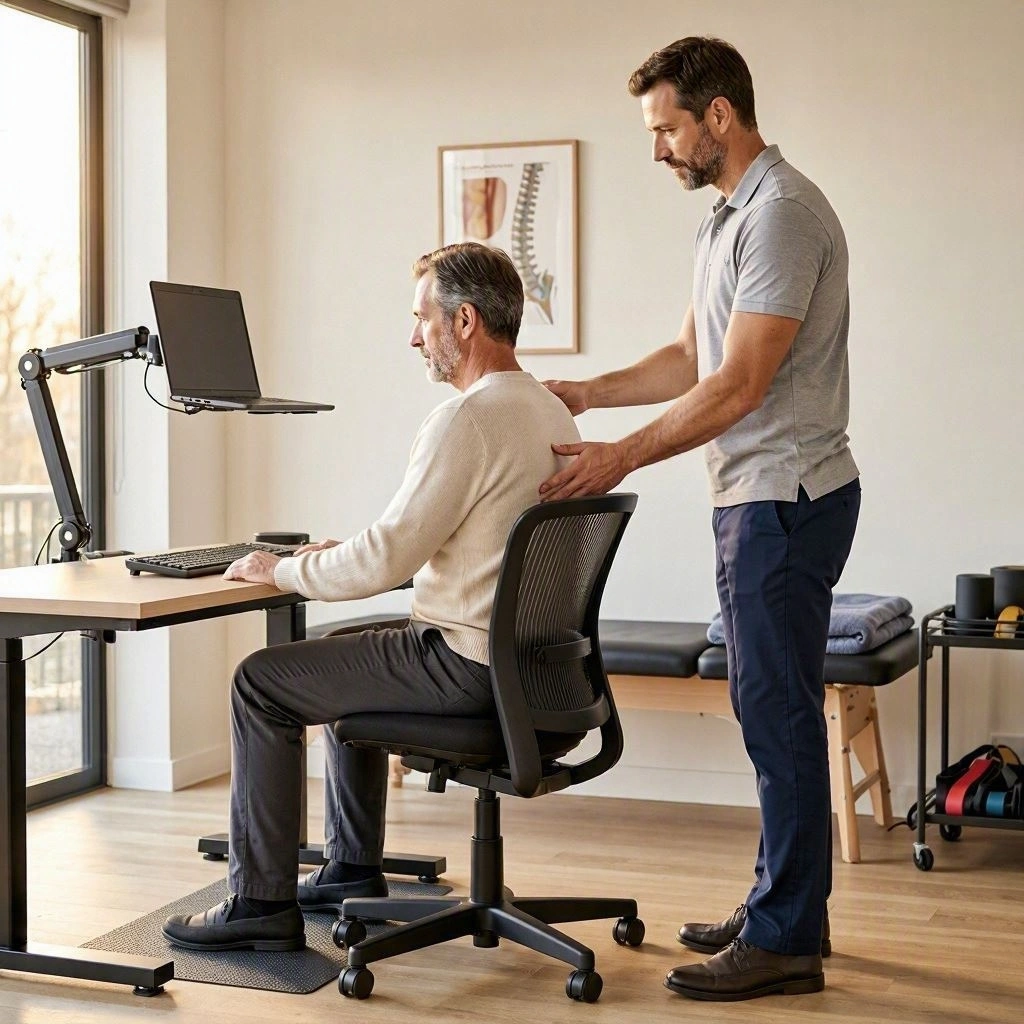
Osteopathy for Office Workers
Modern work often involves long periods of sitting, computer use, and repetitive movements.
As a result, office workers may experience:
- Neck stiffness
- Shoulder tension
- Upper-back discomfort
- Lower-back pain
- Wrist or forearm symptoms
An Osteopathy Clinic may provide hands-on treatment, but it can also help identify practical changes.
These may include:
- Taking movement breaks
- Adjusting workstation height
- Changing sitting positions
- Using different working positions
- Performing mobility exercises
- Building general physical activity
The goal should not be to find one “perfect posture.”
Instead, varying positions and regularly moving can help reduce prolonged physical stress.
Osteopathy Clinic for Older Adults
Older adults may experience changes in joint mobility, muscle strength, balance, and physical activity.
An osteopathic assessment can consider these factors when planning care.
However, older adults may also have conditions such as osteoporosis, cardiovascular disease, arthritis, or other medical problems that affect treatment decisions.
Therefore, the practitioner should carefully review medical history and medications before treatment.
Gentle approaches may be more appropriate in some situations.
The objective should focus on safe movement, maintaining function, and supporting independence.
Choosing the Right Osteopathy Clinic
Not every clinic offers the same experience.
When choosing an Osteopathy Clinic, consider several factors.
Check Professional Qualifications
Look for a properly trained and appropriately registered practitioner in your jurisdiction.
For example, in the United Kingdom, osteopaths must be registered with the General Osteopathic Council to practise as osteopaths. The regulator maintains a register and establishes professional standards.
Regulation differs between countries, so patients should check the relevant professional register where they live.
Look at the Clinic’s Areas of Experience
Some clinics focus heavily on:
- Sports injuries
- Back pain
- Workplace injuries
- Chronic pain
- Older adults
- Pregnancy-related musculoskeletal problems
Consider whether the clinic regularly works with problems similar to yours.
Ask About the Assessment
A professional clinic should normally begin with an appropriate assessment.
Be cautious if someone wants to provide treatment immediately without asking about your symptoms or medical history.
Ask About Treatment Options
A good practitioner should be able to explain:
- What they think may be contributing to your symptoms
- What treatment they recommend
- Why they recommend it
- What you can do at home
- How progress will be measured
- When they would refer you elsewhere
Clear communication can make the treatment process easier to understand.
Questions to Ask Before Booking
Before choosing an Osteopathy Clinic, you can ask:
Is the practitioner properly qualified?
Ask about professional registration and qualifications.
Does the clinic treat my condition?
A clinic may specialize in particular musculoskeletal problems.
What happens during the first appointment?
Understanding the process can reduce uncertainty.
Will I receive exercises?
Ask whether the clinic includes active rehabilitation when appropriate.
How long does treatment usually last?
Appointment length varies between clinics and patients.
How many appointments might I need?
No responsible practitioner should guarantee a fixed number of sessions before assessing you.
What happens if osteopathy is not appropriate?
A good clinic should have a clear referral process.
How Many Osteopathy Clinic Sessions Do You Need?
There is no universal number of sessions.
Some people may experience improvement after a small number of visits, while others with persistent or complex problems may require a longer rehabilitation process.
The number of appointments can depend on:
- The cause of symptoms
- Symptom duration
- Severity
- General health
- Physical activity
- Response to treatment
- Home exercise adherence
- Functional goals
A useful treatment plan should include reassessment.
If your symptoms do not improve as expected, the practitioner should reconsider the approach rather than automatically scheduling more appointments.
Is an Osteopathy Clinic Safe?
Osteopathy is generally considered a relatively safe form of care when performed by an appropriately trained professional. Nevertheless, no physical treatment is completely risk-free.
Minor reactions can include:
- Temporary soreness
- Mild discomfort
- Headache
- Fatigue
These effects usually resolve without further treatment.
However, some techniques require additional caution.
Before treatment, tell your osteopath if you have:
- Osteoporosis
- A history of fractures
- Bleeding disorders
- Blood-thinning medication
- Significant neurological symptoms
- Recent surgery
- Serious medical conditions
- Recent major trauma
- Pregnancy
- Other relevant health concerns
The practitioner can then decide whether treatment needs modification or whether referral is more appropriate.
When You Should Not Rely on an Osteopathy Clinic
Some symptoms require medical assessment rather than routine manual treatment.
Seek appropriate medical care if you have:
- Severe or rapidly worsening pain
- Fever with significant pain
- Unexplained weight loss
- Significant weakness
- Progressive numbness
- Loss of bladder or bowel control
- Numbness around the genital or anal area
- Severe symptoms after major trauma
- Chest pain
- Symptoms suggesting serious infection or systemic disease
For example, NHS guidance recommends emergency assessment for back pain accompanied by symptoms such as weakness or numbness in both legs, loss of sensation around the genitals or anus, or changes in bladder or bowel control.
These symptoms should never be treated as routine musculoskeletal complaints.
Osteopathy Clinic vs Physiotherapy
Osteopathy and physiotherapy overlap in several areas.
Both may involve:
- Musculoskeletal assessment
- Manual therapy
- Exercise
- Movement education
- Rehabilitation
- Self-management advice
However, professional training, scope, and treatment approaches can differ depending on the country and practitioner.
Physiotherapy often places a strong emphasis on exercise, rehabilitation, functional recovery, and physical activity. NHS physiotherapy guidance describes treatments that may include exercises, manual therapy, and symptom-management advice.
Osteopathy may place more emphasis on hands-on assessment and treatment, although modern osteopathic care can also include exercise and self-management.
The best choice depends on your condition, preferences, clinical needs, and access to appropriate care.
Osteopathy Clinic vs Chiropractic Care
Osteopathy and chiropractic care both may use hands-on treatment for musculoskeletal conditions.
Both professions can work with:
- Back pain
- Neck pain
- Joint problems
- Muscle tension
- Movement restrictions
However, practitioners differ in their training, professional frameworks, and clinical approaches.
Rather than choosing based only on the profession’s name, consider the individual practitioner’s qualifications, assessment process, communication, treatment plan, and willingness to refer when necessary.
Osteopathy Clinic vs Massage Therapy
Massage therapy primarily focuses on soft tissues and can help some people manage muscle tension and discomfort.
Osteopathy can include massage and soft tissue work, but the assessment may also consider joints, movement, physical function, and rehabilitation.
Therefore, someone seeking relaxation and general muscle comfort may have different needs from someone recovering from a movement-related injury.
Can Osteopathy Help With Back Pain?
Osteopathy may help some people manage musculoskeletal back pain, particularly when manual therapy forms part of a broader plan.
However, results vary.
NCCIH reports that evidence for osteopathic manual therapy and spinal manipulation suggests possible benefit for some people with back pain, but the evidence is not strong enough to suggest that these treatments cure the underlying causes of all back pain.
For this reason, an Osteopathy Clinic should ideally combine symptom management with education, activity, and appropriate exercise.
How to Get Better Results From Osteopathic Care
Your actions between appointments can influence your recovery.
Follow Your Exercise Plan
If your practitioner gives you exercises, perform them consistently and as instructed.
Stay Active When Appropriate
Complete inactivity can contribute to reduced strength and confidence.
Unless a healthcare professional advises otherwise, gradual movement often plays an important role in recovery.
Communicate About Symptoms
Tell your osteopath if a treatment increases your symptoms significantly.
Communication allows the treatment plan to be adjusted.
Improve Recovery Habits
Sleep, nutrition, physical activity, stress management, and work habits can all influence recovery.
Track Functional Changes
Instead of focusing only on pain intensity, consider whether you can:
- Walk farther
- Sit longer
- Exercise more comfortably
- Sleep better
- Return to work
- Climb stairs more easily
- Perform daily tasks with greater confidence
These changes can provide a more complete picture of progress.
What Makes a Good Osteopathy Clinic?
A high-quality clinic should focus on patient-centered care.
Important qualities include:
- Appropriate professional qualifications
- Thorough assessment
- Clear communication
- Informed consent
- Individualized treatment
- Evidence-informed care
- Exercise and self-management support
- Progress monitoring
- Appropriate referral when needed
- Respect for patient preferences
A good clinic should also avoid unrealistic promises.
Be cautious of claims that osteopathy can cure a wide range of unrelated medical conditions. NHS information notes that evidence is limited or absent for several conditions outside the musculoskeletal system.
Instead, look for realistic explanations and measurable goals.
The Role of Patient Education
Education is an important part of modern musculoskeletal care.
Understanding your symptoms can reduce fear and help you make better decisions about activity.
An osteopath may explain:
- How your symptoms may have developed
- Which movements currently bother you
- Which activities are safe
- How to gradually increase activity
- How exercises support recovery
- When you should seek further medical advice
This approach gives patients greater control over their recovery.
Osteopathy and Long-Term Mobility
Mobility can change over time because of aging, injury, inactivity, work demands, or chronic health conditions.
Maintaining movement can support independence.
An Osteopathy Clinic may help patients develop practical strategies for maintaining mobility through:
- Joint movement
- Strength exercises
- Balance activities
- Walking
- Functional training
- Activity modification
However, long-term mobility does not depend on manual treatment alone.
Regular physical activity and appropriate exercise remain important components of maintaining physical function.
What Should You Expect After Treatment?
People respond differently to osteopathic treatment.
You might notice:
- Temporary soreness
- Reduced muscle tension
- Easier movement
- Changes in pain intensity
- Improved confidence with movement
However, improvement may not happen immediately.
If symptoms become substantially worse or new concerning symptoms appear, contact an appropriate healthcare professional.
Your response to treatment should also guide future appointments.
If a particular technique repeatedly aggravates your symptoms, your practitioner should reconsider its use.
Frequently Asked Questions About Osteopathy Clinic
What is an Osteopathy Clinic?
An Osteopathy Clinic is a healthcare setting where trained osteopaths assess and manage primarily musculoskeletal problems involving muscles, joints, bones, connective tissues, and movement.
What conditions can an Osteopathy Clinic treat?
Clinics commonly work with problems such as back pain, neck pain, shoulder pain, joint stiffness, sports injuries, muscle tension, and other musculoskeletal conditions.
Does osteopathy involve massage?
It can. Osteopaths may use soft tissue techniques and massage as part of treatment, depending on the patient’s symptoms and clinical assessment.
Can osteopathy help back pain?
Osteopathic manual treatment may help some people manage back pain. Evidence suggests possible modest benefits for certain patients, although treatment should not be presented as a guaranteed cure.
Does an Osteopathy Clinic provide exercises?
Many osteopaths include exercise and movement advice in treatment plans. Exercise can help patients develop strength, mobility, and confidence between appointments.
How long is an osteopathy appointment?
Appointment length varies by clinic. An initial appointment may take longer because the practitioner needs to discuss your history and perform an assessment. One NHS osteopathy service describes initial and follow-up appointments of different lengths depending on the patient’s needs.
Do I need a referral to visit an Osteopathy Clinic?
This depends on the country and healthcare system. Private osteopathy often allows patients to book directly, while some publicly funded services require referral.
Is osteopathy safe?
Osteopathy is generally considered safe when appropriately performed, but minor temporary effects such as soreness, headache, or fatigue can occur. Certain medical conditions require additional precautions.
How many osteopathy sessions will I need?
There is no standard number. Your treatment needs depend on the problem, its duration, your response to treatment, and your recovery goals.
Can osteopathy replace physiotherapy?
Not necessarily. Osteopathy and physiotherapy overlap, but they can have different approaches. Depending on your condition, either may be appropriate, or you may benefit from coordinated care.
Should I choose an Osteopathy Clinic for chronic pain?
It may be one component of a broader pain-management plan. Persistent pain can require exercise, education, medical care, psychological support, and other approaches.
Can osteopathy help sports injuries?
Osteopathy may be used for certain musculoskeletal sports injuries. However, significant injuries should receive appropriate assessment, especially when there is major swelling, deformity, inability to bear weight, or substantial loss of function.
Can I exercise while receiving osteopathic treatment?
In many cases, yes. Appropriate activity and exercise can form an important part of recovery. Your specific exercise plan should match your condition and current ability.
Final Thoughts
Choosing the right Osteopathy Clinic involves more than finding a place that offers hands-on treatment. A good clinic should begin with a proper assessment, understand your symptoms, explain the available options, and create a treatment plan around your individual goals.
Osteopathy can be useful for some musculoskeletal problems, including certain forms of back pain, neck pain, joint stiffness, muscle tension, and sports-related conditions. At the same time, evidence varies between conditions, and osteopathic care should not be presented as a cure for every health problem.
The most useful approach often combines appropriate manual treatment with exercise, movement, education, and self-management. This combination can help patients become more confident and active rather than relying entirely on passive treatment.
When choosing an Osteopathy Clinic, therefore, consider professional qualifications, clinical experience, communication, assessment quality, treatment options, and the clinic’s approach to referral and patient safety.
Most importantly, remember that persistent, severe, rapidly worsening, or unexplained symptoms may require medical evaluation. An osteopath should be willing to recognize those situations and recommend appropriate care.
A well-structured osteopathic treatment plan should ultimately support your ability to move, function, and participate in daily life with greater confidence.
One Comment
hi