
Spinal Adjustment: A Complete Guide to Better Mobility, Pain Relief, and Spinal Health
The spine serves as the body’s central support structure, allowing movement while protecting the spinal cord. Every day, the spine absorbs stress from walking, lifting, exercising, sitting at a desk, and countless other activities. Over time, poor posture, repetitive movements, injuries, or natural aging can affect spinal joints, leading to discomfort and reduced mobility. One of the most common treatments used by chiropractors to address these problems is a spinal adjustment.
A spinal adjustment is a precise manual technique designed to restore movement to joints that are not functioning properly. When performed by a licensed chiropractor after a thorough examination, spinal adjustments may help reduce pain, improve flexibility, and restore healthy movement patterns. As part of a comprehensive treatment plan, spinal adjustments are often combined with rehabilitation exercises, posture correction, and healthy lifestyle recommendations to support long-term wellness.
What Is a Spinal Adjustment?
A spinal adjustment is a controlled manual procedure that applies a specific force to a spinal joint with restricted movement. The goal is to improve joint mobility, restore normal spinal mechanics, and reduce irritation affecting nearby muscles and soft tissues.
Before recommending treatment, a chiropractor performs a detailed assessment to determine whether spinal adjustments are appropriate. Every patient is different, and treatment plans are tailored to individual needs rather than using the same approach for everyone.
How the Spine Works
The spine consists of individual vertebrae connected by joints, discs, ligaments, and muscles. Together, these structures provide support, flexibility, and protection for the nervous system.
When spinal joints move freely, the body can bend, twist, walk, and perform daily activities efficiently. However, injury, inflammation, muscle tightness, or repetitive strain may reduce joint mobility. Restricted movement often contributes to stiffness, discomfort, and changes in normal movement patterns.
A spinal adjustment is intended to restore movement to these restricted joints.
Conditions That May Benefit from Spinal Adjustments
Chiropractors commonly use spinal adjustments as part of conservative treatment for various musculoskeletal conditions.
Lower Back Pain
Mechanical lower back pain is one of the most frequent reasons people seek chiropractic care. Improving spinal mobility may reduce discomfort while supporting better movement.
Neck Pain
Poor posture, prolonged computer work, and muscle tension can limit movement in the cervical spine. Spinal adjustments may help restore flexibility in appropriate patients.
Tension Headaches (Spinal Adjustment)
Some headaches originate from muscle tension and restricted movement in the neck. Improving cervical joint mobility may reduce headache frequency for certain individuals.
Joint Stiffness
Restricted spinal joints often contribute to reduced flexibility and discomfort. Restoring motion may improve daily function.
Postural Problems
Long periods of sitting or repetitive work can affect spinal alignment and movement. Chiropractic care often includes posture education alongside adjustments.
Benefits of Spinal Adjustment
Many patients experience multiple benefits after receiving individualized chiropractic care.
Improved Joint Mobility
Restoring movement allows joints to function more efficiently during everyday activities.
Reduced Pain
Improved spinal mechanics may reduce stress on muscles, joints, and surrounding tissues.
Better Flexibility
As joint mobility improves, many patients notice greater flexibility and easier movement.
Improved Posture (Spinal Adjustment)
Healthy spinal movement supports better posture and reduces unnecessary strain.
Better Physical Function
Patients often return to work, exercise, and recreational activities with greater comfort.
Conservative, Non-Surgical Care
Spinal adjustments provide a non-invasive treatment option for many musculoskeletal conditions.
What Happens During a Spinal Adjustment?
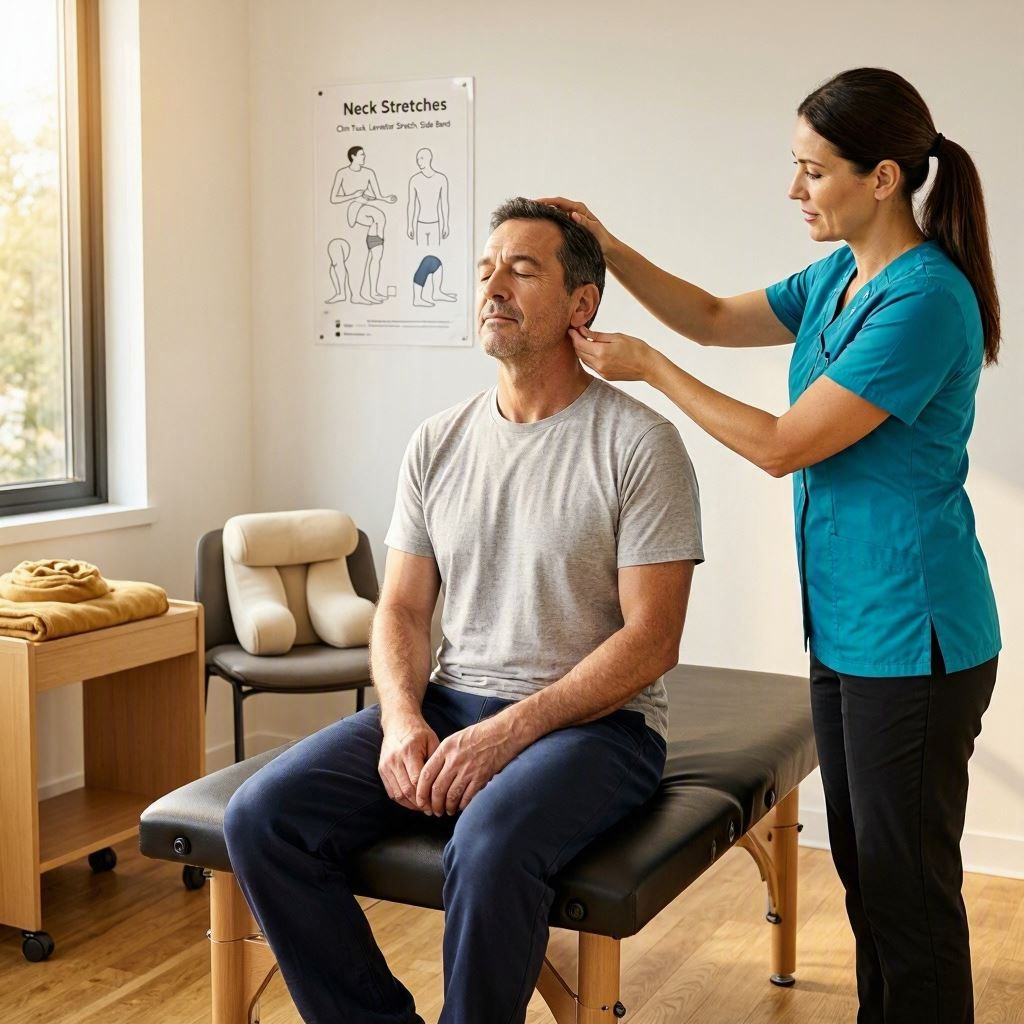
After completing a physical examination, the chiropractor positions the patient comfortably and applies a precise manual force to the affected joint.
Some adjustments produce a popping sound. This sound is caused by gas being released from the joint and is not an indication of bones moving out of place or back into place.
Most spinal adjustments are completed within a few seconds, although the appointment may also include other treatment techniques depending on your condition.
Additional Treatments That May Be Included
Spinal adjustments often work best when combined with complementary therapies.
These may include:
Soft Tissue Therapy
Massage and manual therapy reduce muscle tightness while improving circulation.
Therapeutic Exercise
Customized exercises strengthen supporting muscles and improve movement patterns.
Stretching (Spinal Adjustment)
Stretching improves flexibility while reducing muscular tension.
Posture Training
Patients learn proper sitting, standing, and lifting techniques that reduce stress on the spine.
Ergonomic Education
Adjustments to workplace or home environments help prevent recurring problems.
Who Can Benefit from Spinal Adjustments?
Spinal adjustments may be appropriate for many individuals experiencing mechanical musculoskeletal conditions.
Common candidates include:
-
Office workers
-
Athletes
-
Manual laborers
-
Older adults
-
Individuals with posture-related discomfort
-
Patients recovering from certain injuries
-
People with recurring back or neck pain
Treatment recommendations are always based on an individual clinical evaluation.
Who May Not Be a Candidate?
Although spinal adjustments are safe for many people when performed appropriately, they are not suitable for every condition.
Your chiropractor may recommend alternative treatments if you have:
-
Severe osteoporosis
-
Certain spinal fractures
-
Active spinal infections
-
Severe spinal instability
-
Some cancers involving the spine
-
Certain inflammatory spinal diseases
-
Progressive neurological disorders requiring medical management
A thorough assessment helps determine the safest treatment option.
Supporting Recovery at Home (Spinal Adjustment)
Patients often achieve better long-term results when professional care is combined with healthy daily habits.
Helpful recommendations include:
-
Perform home exercises regularly.
-
Stretch every day.
-
Maintain proper posture.
-
Stay physically active.
-
Strengthen your core muscles.
-
Drink enough water.
-
Sleep on a supportive mattress.
-
Avoid prolonged sitting.
-
Lift heavy objects correctly.
-
Attend scheduled follow-up appointments.
Consistency supports lasting improvements.
Preventing Future Spinal Problems (Spinal Adjustment)
Healthy lifestyle choices help reduce the likelihood of recurring pain.
Helpful prevention strategies include:
-
Exercise consistently.
-
Maintain a healthy weight.
-
Improve workplace ergonomics.
-
Warm up before physical activity.
-
Stretch after exercise.
-
Practice proper lifting techniques.
-
Take movement breaks during long periods of sitting.
-
Manage stress effectively.
These habits reduce physical stress while supporting spinal health.
When Should You See a Chiropractor?
Professional evaluation may be appropriate if you experience:
-
Persistent back pain
-
Neck stiffness
-
Frequent tension headaches
-
Reduced spinal mobility
-
Muscle tightness
-
Joint discomfort
-
Pain affecting daily activities
-
Poor posture
Early assessment often improves recovery and may prevent chronic problems.
Warning Signs That Require Immediate Medical Attention
Certain symptoms require emergency medical evaluation rather than chiropractic treatment.
Seek immediate medical care if you experience:
-
Loss of bowel or bladder control
-
Sudden weakness in the arms or legs
-
Numbness around the groin or saddle area
-
Severe pain after major trauma
-
High fever with severe spinal pain
-
Chest pain
-
Difficulty breathing
-
Loss of consciousness
These symptoms may indicate serious medical conditions requiring urgent treatment.
Long-Term Spinal Wellness (Spinal Adjustment)
Maintaining spinal health requires more than occasional treatment. A long-term wellness plan may include regular physical activity, strength training, flexibility exercises, proper posture, healthy nutrition, stress management, and periodic chiropractic evaluations when appropriate.
These strategies help support healthy movement while reducing the likelihood of future musculoskeletal problems.
Conclusion (Spinal Adjustment)
A spinal adjustment is a conservative chiropractic technique designed to restore joint mobility, improve spinal function, and reduce discomfort caused by mechanical musculoskeletal conditions. When performed by a qualified chiropractor after a comprehensive assessment, spinal adjustments may help relieve back pain, neck pain, joint stiffness, and movement limitations.
Combined with therapeutic exercise, posture correction, stretching, and healthy lifestyle habits, spinal adjustments can play an important role in improving mobility, supporting long-term spinal health, and helping individuals maintain an active, pain-free lifestyle.