
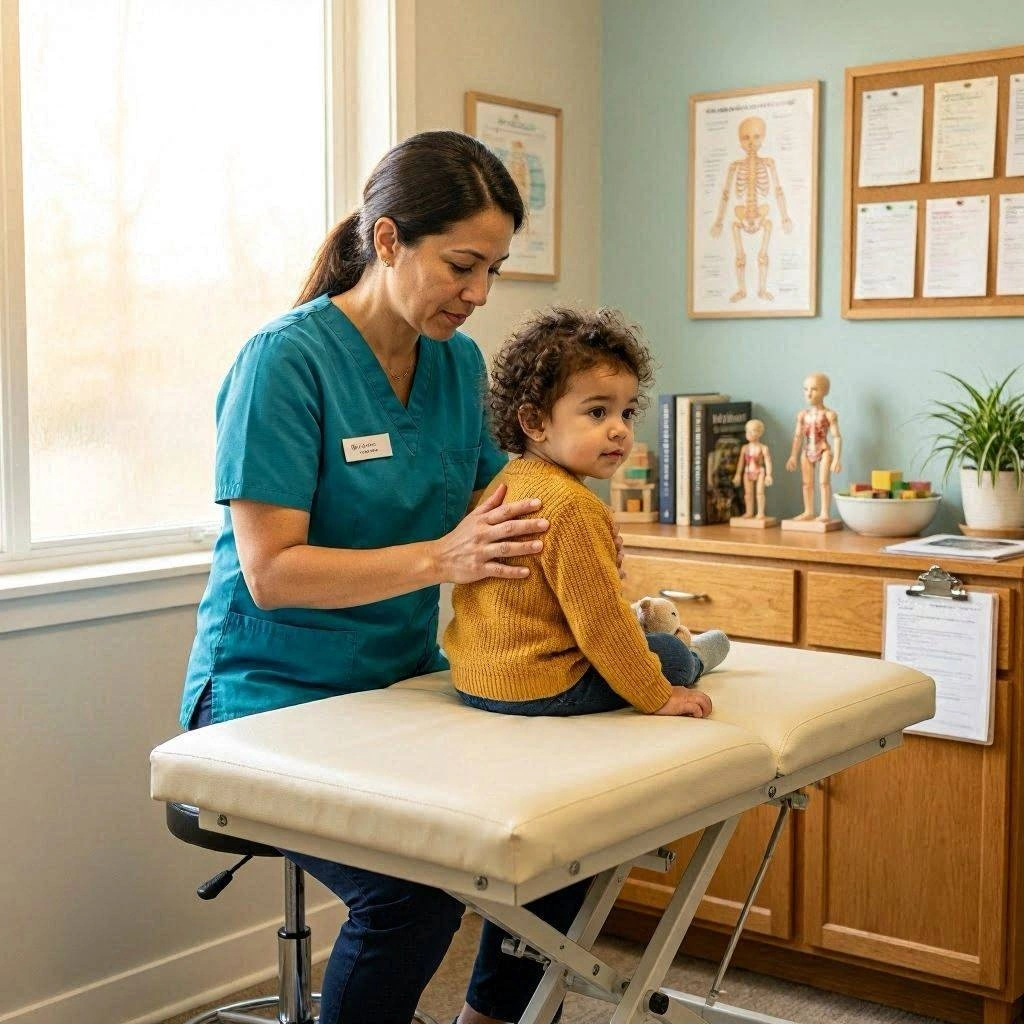
Pediatric Chiropractor: Gentle Chiropractic Care for Children’s Spinal Health and Overall Well-Being
Children experience rapid physical growth and development from infancy through adolescence. During these important years, the spine, joints, muscles, and nervous system continuously adapt as children learn to crawl, walk, run, play, and participate in sports. Because of this constant growth, maintaining healthy movement and proper posture is essential. A pediatric chiropractor provides gentle, age-appropriate chiropractic care that focuses on supporting musculoskeletal health, improving movement, and encouraging healthy physical development.
Unlike chiropractic care for adults, pediatric chiropractic treatment uses extremely gentle techniques that are adapted to a child’s age, size, and individual needs. Rather than using forceful movements, chiropractors who work with children carefully evaluate posture, spinal mobility, joint function, and movement patterns before recommending any treatment. Consequently, care is personalized and designed to support healthy development while addressing specific musculoskeletal concerns.
What Is a Pediatric Chiropractor?
A pediatric chiropractor is a licensed chiropractor who has experience working with infants, children, and adolescents. Their role is to assess spinal movement, posture, joint function, and overall musculoskeletal health while providing conservative care when appropriate.
Every child is unique. Therefore, the chiropractor begins with a detailed consultation that includes a discussion of the child’s medical history, developmental milestones, physical activities, previous injuries, and current symptoms.
The examination may include:
-
Posture assessment
-
Spinal alignment evaluation
-
Joint mobility testing
-
Balance and coordination assessment
-
Walking and movement analysis
-
Flexibility evaluation
-
Muscle strength assessment
-
Functional movement screening
If a child’s symptoms suggest a condition outside the scope of chiropractic care, the chiropractor will recommend evaluation by the appropriate pediatric healthcare provider.
Why Might a Child Visit a Pediatric Chiropractor?
Children may benefit from musculoskeletal assessment for several reasons.
Poor Posture (Pediatric Chiropractor)
Many children spend increasing amounts of time using computers, tablets, and smartphones. Consequently, prolonged sitting and poor posture may contribute to neck discomfort, rounded shoulders, and back pain.
Sports Injuries
Participation in sports is excellent for children’s health; however, athletic activities may occasionally lead to muscle strains, joint injuries, or overuse conditions.
Growing Pains
Although growing pains are common, some children experience muscle tightness or movement restrictions that may benefit from professional assessment and conservative care.
Back or Neck Pain
While less common than in adults, children can develop spinal discomfort following falls, heavy backpack use, or repetitive activities.
Movement Difficulties
Some children demonstrate reduced flexibility, poor balance, or limited mobility that affects physical activity.
Benefits of Pediatric Chiropractic Care
Gentle, Individualized Care
One of the greatest strengths of pediatric chiropractic care is its individualized approach. Every treatment plan is tailored to the child’s age, physical development, and specific needs.
Improved Posture (Pediatric Chiropractor)
Healthy posture supports proper spinal development. Therefore, chiropractors often provide posture education for both children and parents.
Better Mobility
Restoring healthy joint movement helps children move comfortably during sports, school activities, and everyday play.
Reduced Muscle Tension
Children can develop muscle tightness just like adults. Gentle manual techniques may help reduce muscular discomfort while improving flexibility.
Injury Prevention
Movement assessments help identify muscle imbalances or mobility limitations before they contribute to future injuries.
Support for Physical Activity
Healthy movement allows children to participate confidently in sports, recreational activities, and physical education programs.
Techniques Used by Pediatric Chiropractors (Pediatric Chiropractor)
Because children’s bodies are still developing, treatment methods are always gentle and carefully adapted.
Gentle Spinal Mobilization
Instead of forceful adjustments, pediatric chiropractors often use light-pressure techniques that encourage healthy joint movement.
Soft Tissue Therapy
Gentle soft tissue techniques reduce muscle tightness while improving comfort and flexibility.
Stretching Exercises
Age-appropriate stretching programs help maintain flexibility and improve movement patterns.
Corrective Exercises
Simple strengthening exercises improve posture, balance, coordination, and overall physical function.
Postural Education
Children and parents receive practical guidance regarding sitting, studying, carrying backpacks, and using electronic devices safely.
Healthy Lifestyle Habits That Support Children’s Spinal Health (Pediatric Chiropractor)
Professional care works best when combined with healthy daily routines.
Parents can encourage spinal health by helping children:
-
Stay physically active every day.
-
Stretch regularly.
-
Maintain good posture.
-
Limit prolonged screen time.
-
Carry backpacks correctly.
-
Sleep on a supportive mattress.
-
Eat a balanced diet.
-
Stay hydrated.
-
Wear supportive footwear.
-
Take movement breaks during homework.
Developing these habits early supports lifelong musculoskeletal health.
Backpack Safety
Heavy backpacks are a common source of discomfort among school-age children.
Helpful backpack recommendations include:
-
Choose backpacks with two padded shoulder straps.
-
Wear both straps instead of one.
-
Adjust the straps so the backpack fits snugly.
-
Keep backpack weight below approximately 10–15% of the child’s body weight whenever possible.
-
Pack only necessary items.
These simple strategies help reduce unnecessary strain on the spine.
Sports and Physical Activity (Pediatric Chiropractor)
Regular physical activity is essential for healthy growth and development. However, children should warm up before sports and cool down afterward.
Parents should encourage:
-
Proper stretching
-
Hydration
-
Safe training techniques
-
Appropriate protective equipment
-
Rest between intense activities
Furthermore, children should report pain rather than attempting to “play through” injuries.
When Should Parents Seek Professional Evaluation?
A pediatric chiropractor may evaluate children experiencing:
-
Persistent neck pain
-
Back discomfort
-
Poor posture
-
Reduced flexibility
-
Sports injuries
-
Muscle tightness
-
Joint stiffness
-
Difficulty with movement
-
Recurrent musculoskeletal discomfort
However, any serious or unexplained symptoms should first be assessed by the child’s pediatrician or another appropriate medical professional.
When Is Immediate Medical Care Necessary?
Children should receive urgent medical evaluation if they experience:
-
Severe pain following significant trauma
-
Difficulty walking after an injury
-
Loss of bowel or bladder control
-
Progressive muscle weakness
-
High fever with severe neck or back pain
-
Loss of consciousness
-
Difficulty breathing
-
Persistent unexplained pain
Emergency symptoms require prompt medical attention before conservative care is considered.
Choosing the Right Pediatric Chiropractor
When selecting a chiropractor for your child, it is important to choose a licensed professional who has experience treating pediatric patients.
Parents should look for someone who:
-
Performs comprehensive assessments
-
Uses gentle, age-appropriate techniques
-
Communicates clearly with both parents and children
-
Encourages collaboration with pediatric healthcare providers
-
Develops personalized treatment plans
-
Prioritizes patient safety and evidence-informed care
Open communication helps parents understand treatment goals and expected outcomes.
Supporting Long-Term Wellness (Pediatric Chiropractor)
Healthy spinal development depends on more than occasional appointments. Long-term wellness is best achieved through healthy lifestyle habits, regular physical activity, proper nutrition, adequate sleep, and ongoing attention to posture and movement.
Parents play an important role by encouraging active play, reducing excessive screen time, promoting good study habits, and teaching proper body mechanics from an early age.
Conclusion (Pediatric Chiropractor)
A pediatric chiropractor provides gentle, personalized care that supports children’s musculoskeletal health, posture, mobility, and physical development. Through careful assessment, conservative treatment, movement education, corrective exercises, and healthy lifestyle recommendations, chiropractic care can help children move more comfortably and participate confidently in everyday activities.
Whether addressing posture concerns, sports injuries, muscle tightness, or movement limitations, early evaluation and individualized care can contribute to healthier growth and improved physical function. Combined with regular exercise, balanced nutrition, quality sleep, and positive daily habits, pediatric chiropractic care can be part of a comprehensive approach to lifelong spinal health and wellness.