Chiropractor for Sacroiliac Joint Pain: Treatment, Exercises, and Recovery
Sacroiliac joint pain can make everyday movements surprisingly difficult. Sitting for long periods, standing up from a chair, climbing stairs, walking, or turning in bed may cause discomfort around the lower back, buttocks, or pelvis. For people experiencing these symptoms, finding the right treatment begins with understanding what is causing the pain. A chiropractor for sacroiliac joint pain may assess joint movement, muscle function, pelvic stability, and other factors that contribute to discomfort. Depending on the findings, care may involve manual therapy, mobility exercises, strengthening, and advice about modifying aggravating activities. However, not all pain near the sacroiliac joint originates from that joint, and chiropractic treatment is not equally effective for every condition.
This guide explains how sacroiliac joint pain develops, what to expect from a chiropractic assessment, which treatment options may help, and when medical evaluation is important.
What Is Sacroiliac Joint Pain?
The sacroiliac joints, commonly called SI joints, connect the sacrum at the base of the spine with the iliac bones of the pelvis. There is one joint on each side of the body.
These joints help transfer forces between the upper body and the legs during activities such as walking, lifting, standing, and running. They are supported by strong ligaments and surrounding muscles that contribute to pelvic stability.
Although the SI joints allow relatively little movement, irritation or injury involving the joint and nearby tissues can cause pain.
Sacroiliac joint pain may be associated with:
- Irritation of joint surfaces or surrounding ligaments
- Repetitive loading during physical activity
- A fall or direct impact involving the pelvis
- Pregnancy-related changes in pelvic loading
- Reduced strength or coordination in surrounding muscles
- Changes in walking patterns or movement habits
- Inflammatory conditions affecting the sacroiliac joints
It is important to distinguish pain involving the SI joint from pain caused by nearby structures, including the lumbar spine, hip joint, muscles, and nerves. A careful assessment helps determine which explanation is most likely.
Common Symptoms of Sacroiliac Joint Pain
Sacroiliac joint pain often affects the lower back or buttock region, usually on one side, although symptoms can occur on both sides.
People may notice discomfort during activities that place pressure on or load the pelvis.
Common symptoms include:
- Pain near the dimples at the back of the pelvis
- Discomfort on one side of the lower back
- Pain that spreads into the buttock or upper thigh
- Increased discomfort when climbing stairs
- Pain when standing on one leg
- Difficulty moving from sitting to standing
- Discomfort when rolling over in bed
- Pain after prolonged sitting or standing
- Symptoms that worsen during walking or certain exercises
Some symptoms overlap with sciatica, hip disorders, and other causes of lower-back pain. Pain travelling below the knee, tingling, numbness, or muscle weakness may suggest nerve involvement and deserves particular attention.
Symptoms alone cannot confirm sacroiliac joint dysfunction. A healthcare professional should consider the complete clinical picture before recommending treatment.
When Should You See a Chiropractor for Sacroiliac Joint Pain?
A chiropractor may be worth considering when pain around the lower back or pelvis interferes with daily activities and a musculoskeletal assessment suggests that conservative care is appropriate.
For example, you may want an assessment if you experience recurring buttock discomfort, stiffness after sitting, or pain during movements such as walking, bending, or standing up.
A qualified practitioner should first determine whether the symptoms are consistent with a musculoskeletal problem that can reasonably be managed with conservative treatment.
How a Chiropractor for Sacroiliac Joint Pain Can Help
A chiropractor may help by evaluating movement restrictions, muscle function, activity-related symptoms, and other possible contributors to pain.
Depending on the assessment, the treatment plan may include:
- Gentle joint mobilization or selected manual techniques
- Soft tissue treatment for surrounding muscle discomfort
- Exercises to improve strength and movement control
- Advice about sitting, standing, walking, and lifting
- A gradual return to normal activities
- Referral to another healthcare professional when needed
The aim should be to reduce symptoms and improve function, rather than simply performing repeated adjustments.
Evidence for chiropractic treatment specifically for sacroiliac joint complex pain remains limited. A 2025 international consensus guideline found insufficient evidence to establish its effectiveness for this condition. Therefore, chiropractic care should be discussed as one possible component of an individualized treatment plan, not as a guaranteed solution.

How Does a Chiropractor Diagnose Sacroiliac Joint Pain?
There is no single physical test that can reliably confirm every case of sacroiliac joint pain. Diagnosis generally depends on a combination of medical history, physical examination, and consideration of alternative causes.
1. Reviewing Your Symptoms and Medical History
The practitioner may ask:
- When did the pain begin?
- Did it start after an injury, exercise, or pregnancy?
- Is the pain on the left, right, or both sides?
- Which activities make it worse?
- Does the pain travel down the leg?
- Have you noticed numbness, tingling, or weakness?
- Have you experienced fever, unexplained weight loss, or other new symptoms?
- Have you previously received treatment for back or pelvic pain?
These questions help identify patterns and determine whether additional medical assessment is necessary.
2. Assessing Movement and Physical Function
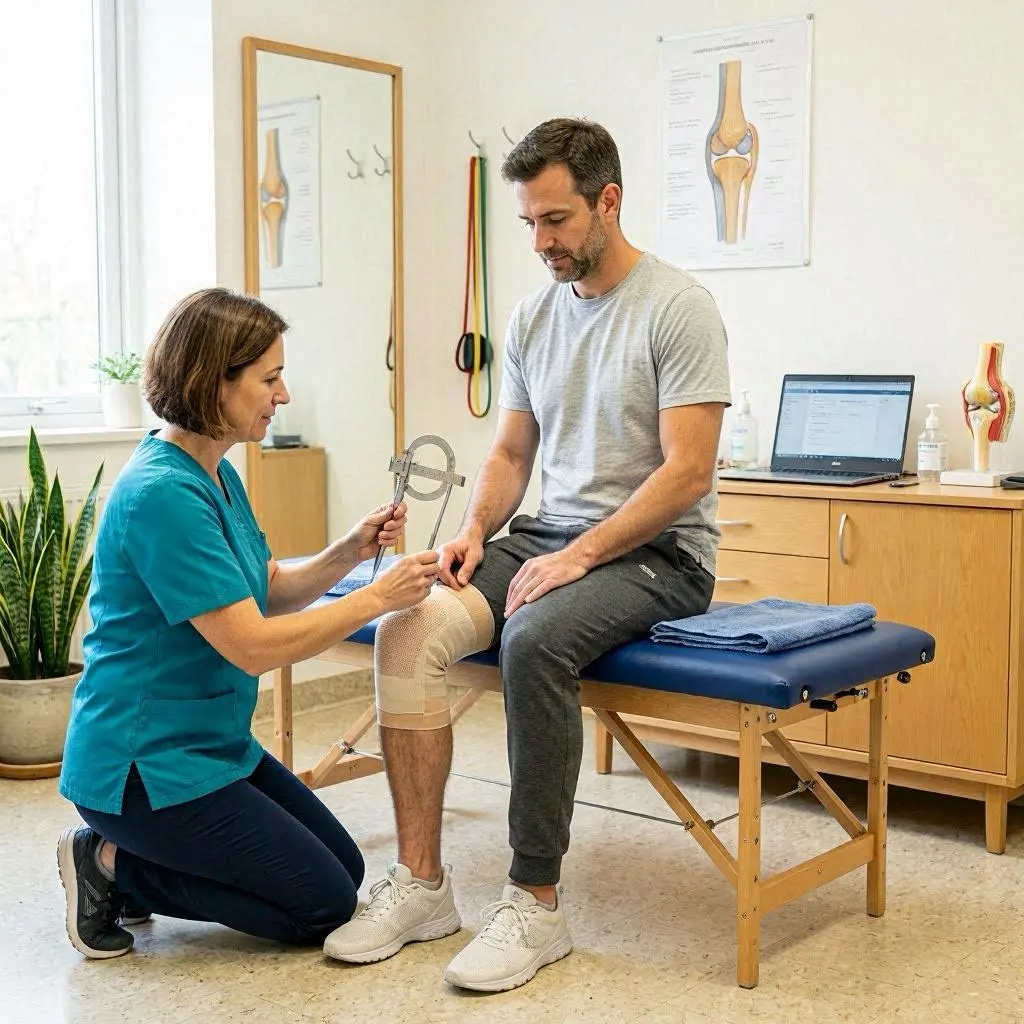
A physical examination may include observing how you walk, bend, stand, sit, and transfer your weight between your legs.
The practitioner may also assess hip mobility, lumbar spine movement, muscle strength, balance, and tenderness around the pelvis.
Several clinical tests place controlled stress on the SI joint region to see whether they reproduce the familiar pain. Examples include the thigh thrust, distraction, compression, and sacral thrust tests.
A cluster of positive pain-provocation tests can provide more useful information than relying on a single test. Nevertheless, these tests do not independently prove that the SI joint is the source of symptoms.
3. Considering Other Possible Causes
Pain in the sacroiliac region may actually originate from another condition, such as:
- Lumbar disc problems
- Irritation of a spinal nerve
- Hip osteoarthritis or another hip disorder
- Muscle or ligament injury
- Inflammatory sacroiliitis
- A stress fracture or other bone injury
- Infection or, less commonly, another serious medical condition
If symptoms or examination findings suggest an alternative diagnosis, the practitioner should recommend appropriate medical evaluation.
4. Deciding Whether Imaging Is Necessary
X-rays, MRI scans, and other investigations are not required for every person with suspected mechanical SI joint pain.
Imaging may be appropriate when the history or examination raises concern about fracture, inflammatory disease, infection, neurological problems, or another condition requiring specific treatment.
A scan should answer a relevant clinical question rather than being ordered automatically for every episode of lower-back pain.
Chiropractic Treatment for Sacroiliac Joint Pain
Treatment should reflect the likely cause of the symptoms, their severity, your general health, and your recovery goals.
For many people, conservative management begins with staying appropriately active, modifying aggravating activities, and gradually restoring strength and movement.
Chiropractic Manual Therapy for Sacroiliac Joint Pain
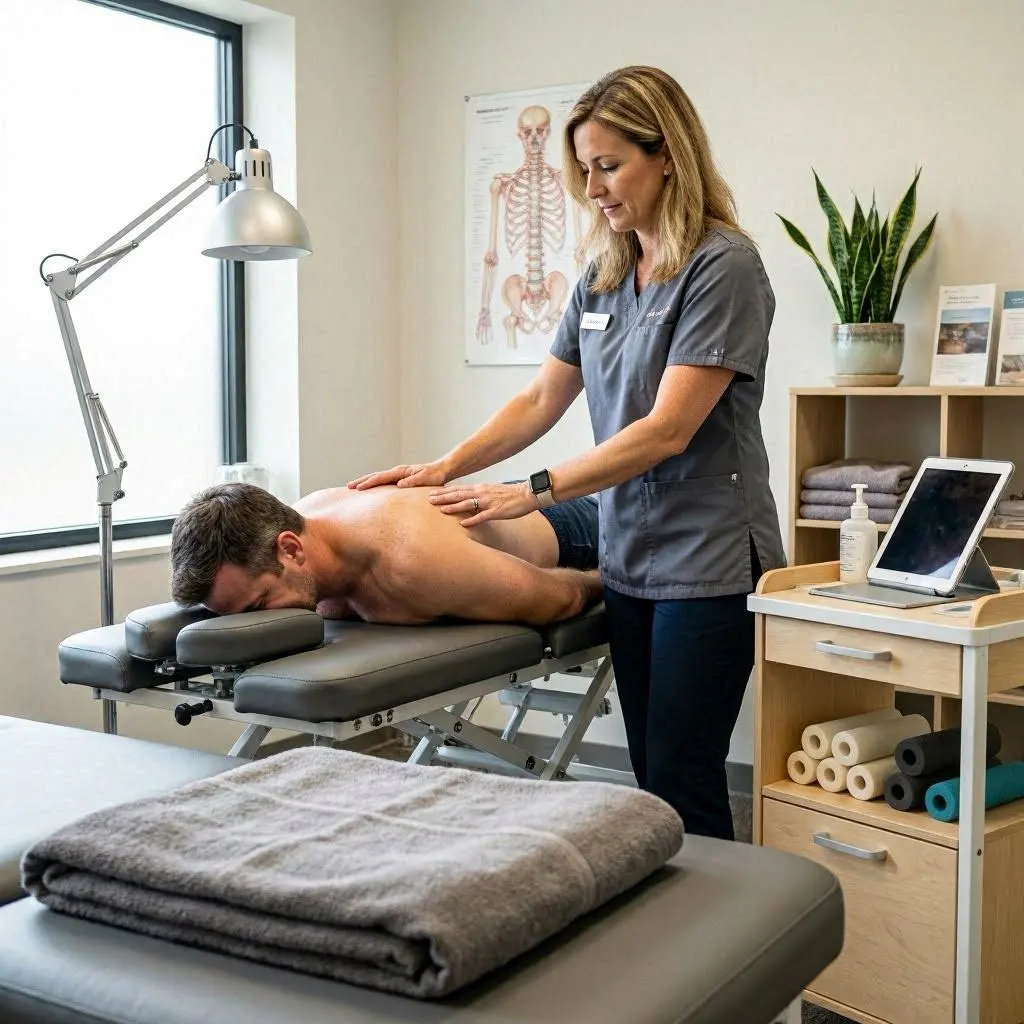
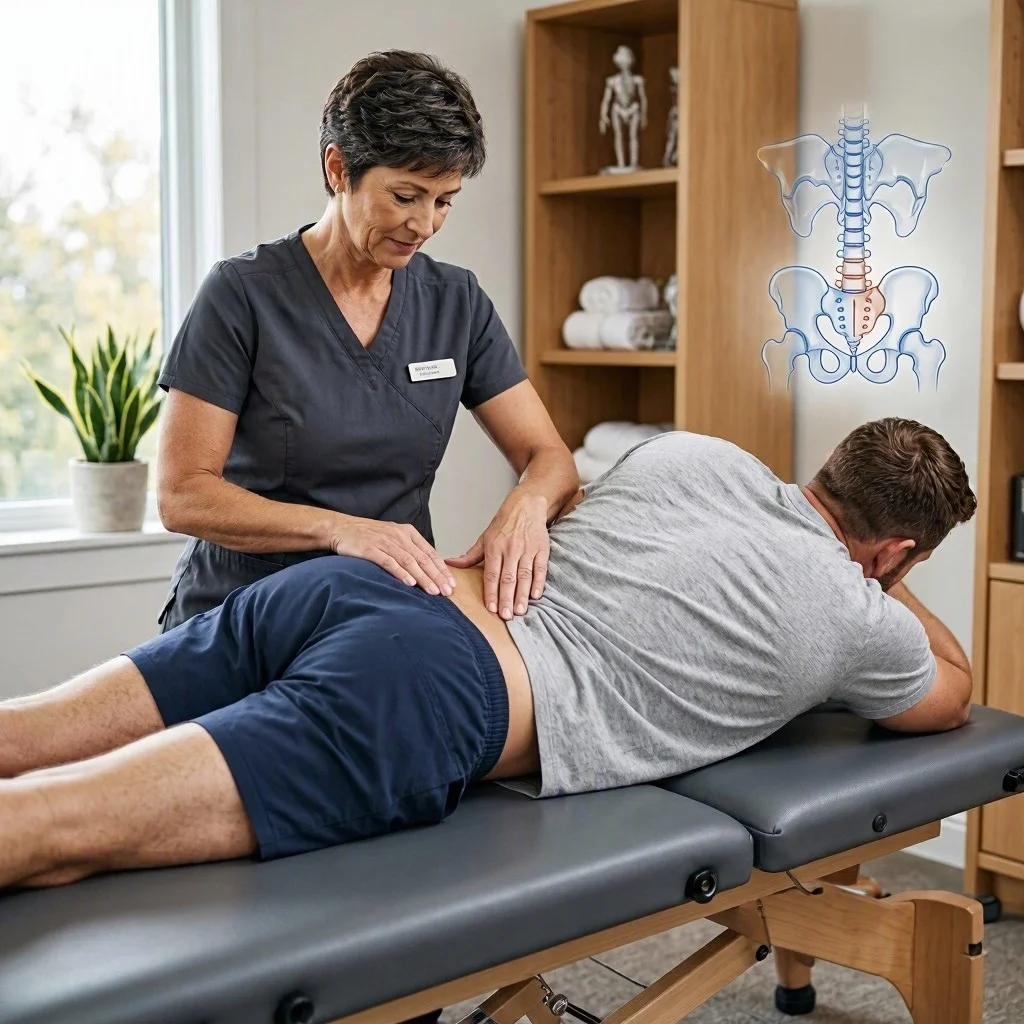
Manual therapy may involve controlled joint mobilization or selected manipulation techniques intended to improve movement and help manage discomfort.
A chiropractor should explain the proposed technique, its potential benefits, its risks, and any reasonable alternatives before treatment.
Manual therapy may provide short-term symptom relief for some individuals. However, research does not establish that chiropractic adjustments consistently resolve sacroiliac joint pain.
An adjustment should not be described as putting a permanently displaced pelvis back into place. SI joint symptoms are more complex than a simple alignment problem, and pain can arise from several different tissues or conditions.
Treatment should be stopped or modified if it significantly increases symptoms. High-force techniques may not be suitable for people with certain medical conditions, recent injuries, suspected fractures, or other contraindications.
Soft Tissue Therapy for Surrounding Muscles
Muscles around the lower back, buttocks, hips, and pelvis help control movement and transfer loads during daily activities.
If these tissues are sensitive or tense, a practitioner may consider gentle soft tissue techniques as part of a broader rehabilitation plan.
Such treatment may help some people feel more comfortable moving, but it does not establish the cause of the pain or guarantee long-term recovery.
Soft tissue therapy is generally more useful when it supports a clear goal, such as making walking or therapeutic exercise more comfortable.
Exercise-Based Rehabilitation for Sacroiliac Joint Pain
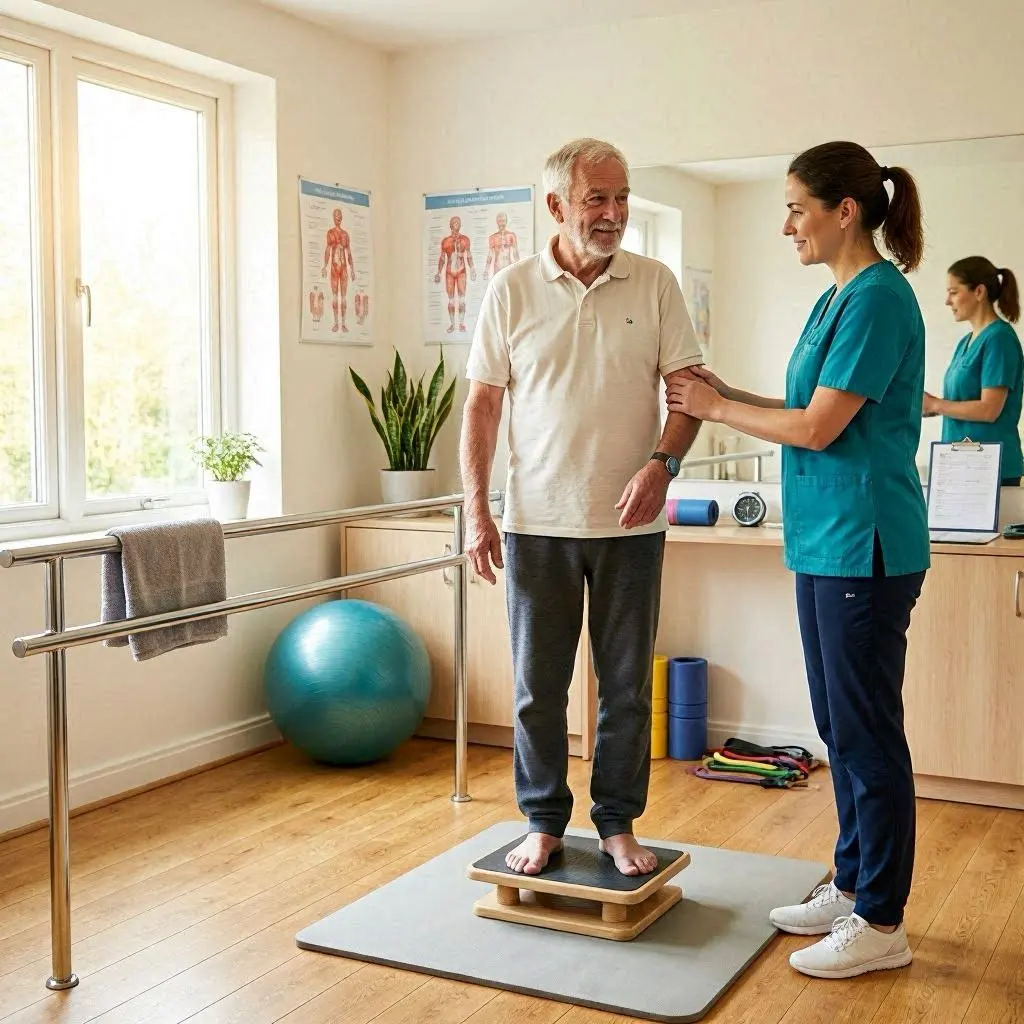
Exercise can help restore physical capacity, improve movement confidence, and strengthen muscles involved in pelvic and trunk control.
A tailored program may address:
- Gluteal muscle strength
- Trunk endurance
- Hip mobility
- Balance and single-leg control
- Gradual walking tolerance
- Coordination during lifting and other daily activities
The appropriate exercises depend on your symptoms and physical findings. Some people need to begin with gentle movement, while others can progress more quickly to strengthening.
For many patients, an active rehabilitation plan is an important part of recovery rather than relying exclusively on hands-on treatment.
Posture and Movement Guidance
There is no single perfect posture that prevents all SI joint pain. However, changing positions regularly and adjusting activities that repeatedly aggravate symptoms may help.
Practical strategies may include:
- Breaking up long periods of sitting
- Using a comfortable chair with adequate support
- Alternating sitting and standing when possible
- Keeping frequently used objects within easy reach
- Temporarily reducing painful lifting or twisting
- Increasing activity gradually as symptoms improve
The goal is to find tolerable ways to remain active while avoiding unnecessary flare-ups.
Best Exercises for Sacroiliac Joint Pain
Exercises should be selected according to your symptoms, strength, mobility, and diagnosis. The examples below are general options, not a personalized treatment prescription.
Stop an exercise if it causes sharp or escalating pain, new tingling, numbness, or weakness. If you have had a recent injury, have severe pain, or are unsure of the cause, seek professional guidance before starting.
1. Gentle Walking
Walking can help maintain general activity and reduce the tendency to avoid movement entirely.
Start with a comfortable distance on level ground. If a long walk aggravates your symptoms, try shorter walks spread throughout the day.
Increase duration gradually according to your response. There is no need to push through significant pain to make progress.
2. Pelvic Tilts
Pelvic tilts involve gentle movement of the pelvis while lying on your back.
- Lie on your back with your knees bent and feet supported.
- Breathe comfortably and relax your shoulders.
- Gently tilt your pelvis so your lower back moves slightly toward the floor.
- Return to a comfortable neutral position.
- Repeat slowly without forcing the movement.
Try a small number of repetitions initially and see how your symptoms respond. This exercise may help you practise comfortable pelvic movement, but it is not a specific diagnostic or curative exercise for SI joint pain.
3. Gluteal Muscle Activation
The gluteal muscles help control the hips and pelvis during walking, standing, and lifting.
- Lie on your back with your knees bent, or choose another comfortable position.
- Gently tighten your buttock muscles.
- Hold the contraction for a few seconds while breathing normally.
- Relax fully before repeating.
Keep the contraction comfortable and avoid holding your breath.
4. Gentle Hip Mobility
Limited or uncomfortable hip movement may influence how you perform daily activities.
A gentle hip mobility exercise may be appropriate if it does not reproduce your familiar SI-region pain. Move slowly within a comfortable range and avoid forcing the hip into an end position.
If hip movement consistently causes sharp pain, ask a healthcare professional to assess the hip rather than repeatedly stretching through symptoms.
5. Bridges, When Appropriate
Bridges can strengthen the gluteal muscles and trunk musculature, but they are not suitable for everyone during an acute pain flare.
- Lie on your back with your knees bent.
- Tighten your abdominal and gluteal muscles gently.
- Lift your pelvis only as far as you can comfortably control.
- Pause briefly without arching your lower back excessively.
- Lower slowly.
Begin with a small number of repetitions. If the movement increases your symptoms, stop and ask a clinician whether a modified exercise would be more appropriate.
6. Gradual Core Strengthening
Exercises that train trunk endurance and coordination may help some people manage persistent lower-back and pelvic symptoms.
A rehabilitation professional may start with low-load exercises and gradually introduce more challenging movements as strength and tolerance improve.
The objective is not to keep the abdomen constantly tight. Instead, the goal is to develop the strength and coordination needed for daily activities.
Why Professional Exercise Guidance Matters
A 2025 review of exercise and manual therapy for SI joint dysfunction found that the available studies were limited, but exercise and manual treatment showed potential benefits in some groups. A more recent international consensus guideline also found that physical therapy and structured exercise may provide intermediate-term benefit, although the certainty of evidence remains low.
These findings support an individualized approach. They do not mean that every exercise works for every patient or that any particular routine will resolve all cases of SI joint pain.
Chiropractor for Sacroiliac Joint Pain During Pregnancy
Pregnancy changes the way the body carries and distributes weight. Hormonal changes, changes in movement, and increasing physical demands can contribute to pelvic girdle discomfort.
Some pregnant people experience pain near the SI joints, buttocks, or pubic region. However, pregnancy-related pelvic girdle pain can involve several structures and should not automatically be labelled SI joint dysfunction.
Before receiving chiropractic or manual treatment during pregnancy, discuss your symptoms with an appropriate healthcare professional. The practitioner should know how far along the pregnancy is, whether there are any pregnancy-related complications, and which positions and techniques are suitable.
Treatment may focus on comfortable movement, activity modification, appropriate exercise, and practical strategies for daily tasks. Gentle techniques may be considered when appropriate, but treatment should be adapted to the individual and should not involve unnecessary force.
Seek urgent medical advice if pelvic or back pain occurs with vaginal bleeding, fluid leakage, regular painful contractions, fever, or other concerning pregnancy symptoms.
How Long Does Sacroiliac Joint Pain Take to Improve?
Recovery time varies considerably. Some episodes of mechanical pain improve over days or weeks, while persistent or recurring symptoms may require a longer period of rehabilitation.
Factors that may influence recovery include:
- The underlying cause of the pain
- The severity and duration of symptoms
- Whether an injury or inflammatory condition is present
- Your ability to continue appropriate daily activities
- Muscle strength and physical conditioning
- Sleep and general health
- Whether the treatment plan addresses the actual source of symptoms
A practitioner should establish realistic goals and review progress rather than promising a fixed number of sessions.
Useful measures of improvement include walking farther, sleeping more comfortably, returning to work, climbing stairs with less difficulty, and tolerating daily activities better.
If symptoms do not improve as expected, become more severe, or develop new features, the diagnosis and treatment plan should be reassessed.
Chiropractor for Sacroiliac Joint Pain vs. Physiotherapy
Chiropractic care and physiotherapy may both form part of conservative musculoskeletal management, but the emphasis can differ between practitioners and individual treatment plans.
A chiropractor may use manual techniques, joint mobilization, movement assessment, and exercise advice when appropriate.
Physiotherapy often places substantial emphasis on exercise-based rehabilitation, strength, mobility, functional movement, and gradual return to activity.
These approaches are not necessarily mutually exclusive. Some patients may benefit from manual therapy that helps them participate more comfortably in a structured exercise program.
However, more treatment is not automatically better. The most appropriate option is the one that matches the diagnosis, supports meaningful functional goals, and can be adjusted when progress is limited.
You can learn more about the clinic’s approach to chiropractic care at Ritz Clinic or explore its physiotherapy services.

When Is Medical Attention More Important Than Chiropractic Treatment?
Most lower-back and pelvic pain is not caused by a medical emergency, but certain symptoms require prompt assessment.
Seek emergency medical care if you develop:
- New difficulty controlling your bladder or bowel
- Inability to urinate or new loss of bladder control
- Numbness around the groin, genitals, or saddle area
- New or rapidly worsening leg weakness
- Severe pain following a major accident or fall
- Sudden inability to walk or bear weight
These symptoms may indicate serious neurological injury or another urgent condition.
Arrange prompt medical assessment for pain accompanied by fever, chills, unexplained weight loss, a history of cancer, significant immune suppression, or persistent pain that is severe at night or progressively worsening.
Pain that alternates between the buttocks and is accompanied by prolonged morning stiffness or other inflammatory symptoms may warrant evaluation for inflammatory sacroiliitis or a related rheumatological condition.
A chiropractor should refer you for appropriate medical evaluation when symptoms fall outside the scope of routine musculoskeletal management.
What to Expect at Ritz Clinic
At Ritz Clinic, chiropractic care is described as an individualized service based on a person’s symptoms, physical condition, activity level, and recovery goals.
For someone experiencing pain around the sacroiliac region, an appointment may begin with a discussion of symptom history and daily limitations. A physical assessment can help determine which movements are difficult, whether further evaluation may be needed, and which conservative options may be appropriate.
Depending on the findings, care may include movement guidance, selected manual techniques, soft tissue treatment, and exercises. The specific approach should depend on the assessment rather than assuming every person with pelvic pain needs the same adjustment.
You can visit the clinic’s chiropractic service page to learn more about its approach. If exercise-based rehabilitation is more appropriate, its physiotherapy service is another relevant option to discuss.
Before starting treatment, ask what the proposed plan is intended to achieve, how progress will be measured, what alternatives are available, and when the plan will be reviewed.
Frequently Asked Questions About Chiropractors for Sacroiliac Joint Pain
Can a chiropractor help with sacroiliac joint pain?
A chiropractor may help some people manage musculoskeletal symptoms through assessment, selected manual techniques, exercise guidance, and activity modification. However, evidence specifically supporting chiropractic treatment for SI joint complex pain remains insufficient. The suitability of treatment depends on the underlying cause and individual assessment.
What is the best treatment for sacroiliac joint pain?
There is no single best treatment for every person. Depending on the cause, care may include appropriate activity, structured exercise, physical therapy, selected manual techniques, and medical treatment when indicated. Inflammatory disease, fractures, infections, and neurological conditions require different approaches from uncomplicated mechanical pain.
How do I know whether my SI joint is causing my lower-back pain?
Pain near the back of the pelvis may be consistent with SI joint pain, but location alone cannot confirm the diagnosis. A clinician may use your history, physical examination, a cluster of pain-provocation tests, and assessment for other causes to determine the most likely explanation.
Can chiropractic adjustments make SI joint pain worse?
Temporary soreness or increased discomfort can occur after manual treatment. Forceful or unsuitable techniques may not be appropriate for every patient. Tell your practitioner about your symptoms and health history, and stop treatment if it causes significant worsening or new neurological symptoms.
What exercises should I avoid with sacroiliac joint pain?
There is no universal list of exercises that everyone must avoid. Temporarily modify movements that consistently cause sharp or escalating pain, and seek guidance if symptoms are severe or persistent. A clinician can help you adjust exercise intensity and technique while maintaining appropriate activity.
Is walking good for sacroiliac joint pain?
Comfortable walking may help maintain mobility and general physical activity for many people. Start with a manageable distance and increase it gradually. If walking causes substantial worsening, changes your gait, or produces new neurological symptoms, seek professional advice.
Can sacroiliac joint pain cause sciatica?
SI-region pain can spread into the buttock or thigh and may resemble sciatica. However, true sciatica involves irritation or compression of a nerve root and may cause pain travelling down the leg, tingling, numbness, or weakness. These symptoms require careful assessment to distinguish the possible causes.
How many chiropractic sessions are needed for SI joint pain?
There is no standard number of sessions. The appropriate duration depends on the diagnosis, symptom severity, treatment response, and functional goals. A reasonable plan includes reassessment and changes in approach when improvement is limited.
When should I stop home treatment and see a healthcare professional?
Seek professional advice if pain is persistent, recurrent, worsening, affecting sleep or daily activities, or not improving with sensible activity modification. Seek emergency care for new bladder or bowel dysfunction, saddle-area numbness, rapidly worsening weakness, or severe pain following significant trauma.
Conclusion: Choosing a Chiropractor for Sacroiliac Joint Pain
Sacroiliac joint pain can interfere with walking, sitting, sleeping, exercise, and other everyday activities. A suitable assessment can help distinguish SI-region pain from problems involving the lower back, hip, nerves, or other structures.
A chiropractor for sacroiliac joint pain may consider manual therapy, movement guidance, and exercise as part of a personalized plan. Nevertheless, current evidence does not establish chiropractic treatment as a consistently effective stand-alone solution for SI joint complex pain. Exercise-based rehabilitation, appropriate activity modification, and medical evaluation when indicated remain important considerations.
The best treatment plan should have clear goals, account for individual risks, and be reviewed according to progress. If symptoms are severe, unusual, or accompanied by neurological warning signs, medical assessment should take priority over routine manual treatment.
Medical disclaimer: This article is for educational purposes and does not replace an individual assessment, diagnosis, or treatment advice from a qualified healthcare professional.